

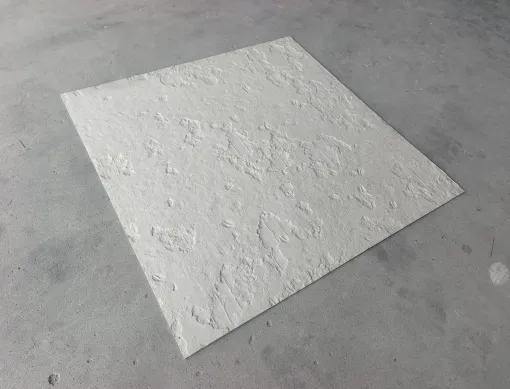
So, what exactly goes into Bali Stone? The core ingredients include:
Fun Fact: While traditional stone slabs can weigh 20–30 kg per square meter, Bali Stone clocks in at just 4–6 kg/m². That's lighter than even foamed aluminium alloy board, making installation faster and reducing structural load on buildings.
| Metric | Bali Stone | Natural Travertine | Generic MCM Flexible Stone | Fair-Faced Concrete |
|---|---|---|---|---|
| Weight (kg/m²) | 4–6 | 20–25 | 5–7 | 18–22 |
| Moisture Resistance | High (non-porous) | Low (porous, needs sealing) | High | Medium (can absorb water) |
| Installation Time | Fast (lightweight, flexible) | Slow (heavy, requires skilled labor) | Fast | Medium (needs curing time) |
| Cost (per m²) | Mid-range ($40–$60) | High ($80–$120) | Mid-range ($35–$55) | Low ($20–$30) |
| Aesthetic Variety | High (colors, textures) | High (natural variation) | Medium (limited textures) | Low (monotone, industrial look) |
As the table shows, Bali Stone strikes a sweet spot: it's more affordable than natural travertine, lighter and more attractive than concrete, and offers richer textures than generic MCM. For projects where both performance and design matter, it's hard to beat.
So, the next time you walk into a space that feels instantly inviting—where the walls seem to tell a story of both strength and beauty—take a closer look. It just might be Bali Stone, quietly redefining what a building material can be.
Recommend Products












