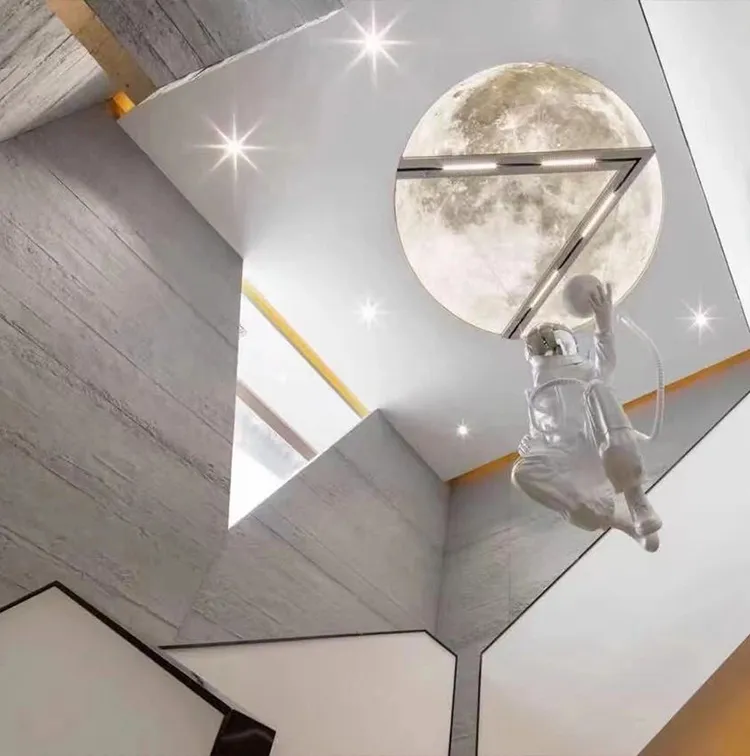
Not all cement boards are created equal. Just like there are different types of paint for different walls, there are specialized cement boards tailored to specific needs and styles. Let's explore some of the most popular options for residential projects, including a few standout varieties that are making waves in home design.
Fair-faced concrete is the poster child for "less is more." It's cement board in its most authentic form—unpolished, unadorned, and utterly charming. Think of the rough, matte texture of a warehouse wall, but refined enough for your living room. This style celebrates the material's natural imperfections: tiny air bubbles, subtle color variations, and the organic pattern of the casting process. It's perfect for homeowners who love industrial or minimalist design, adding a touch of rugged elegance without feeling cold. Use it as an accent wall in your living room, pair it with warm wood furniture, and suddenly you've got a space that feels both modern and inviting.
2. Polish Concrete: Sleek, Shiny, and Surprisingly Versatile
If fair-faced concrete is the laid-back sibling, polish concrete is the sophisticated one. This type undergoes a grinding and sealing process that leaves it smooth, glossy, and reflective—almost like a mirror for your floors or walls. It's a favorite in modern and contemporary homes, where clean lines and a sense of spaciousness are key. Imagine a kitchen backsplash made of polish concrete: it catches the light from your pendant lamps, making the whole room feel brighter, and it's tough enough to handle splatters from your morning coffee or evening stir-fry. Plus, it pairs beautifully with stainless steel appliances and quartz countertops, creating a cohesive, high-end look without the high-end price tag of natural marble.
3. Wood Grain Board: The Warmth of Wood, Without the Worry
Here's a game-changer for anyone who loves the look of wood but hates the upkeep: wood grain board. This cement-based material is embossed with incredibly realistic wood textures, from the rough grain of oak to the smooth lines of maple. It captures the warmth and coziness of wood but swaps out the vulnerability to water, scratches, and rot. Picture a bedroom accent wall clad in wood grain board: it feels like a cabin retreat, but you won't panic if your kid spills juice on it or your dog scratches it with their nails. It's also a hit in bathrooms, where traditional wood would warp in seconds—now you can have that "spa in the woods" vibe without the maintenance nightmare.
4. Masonry Stone: Rustic Charm, Engineered for Durability
Love the look of a stone cottage or a rustic mountain home? Masonry stone cement board lets you bring that aesthetic to your space without the hassle (or cost) of hauling in actual stone. This type mimics the texture and color of natural masonry, from weathered limestone to rugged granite. It's thicker than some other cement boards, giving walls a substantial, solid feel, and it's often used for exterior facades or interior accent walls. Imagine coming home to a house with a masonry stone front porch—suddenly, even a suburban tract home feels like a cozy country retreat. Inside, use it behind your fireplace to create a focal point that's both functional (heat-resistant, of course) and full of character.
Last but certainly not least, let's talk about flexible stone cladding panels. These are the unsung heroes of exterior design. Traditional stone cladding is heavy, expensive, and tricky to install—flexible stone cladding panels? They're lightweight (so they won't strain your home's structure), easy to cut and shape, and surprisingly durable. Made by combining cement with flexible polymers, they can bend slightly to follow curved surfaces, making them ideal for gables, columns, or even outdoor kitchens. Plus, they come in a range of styles, from weathered wood to aged brick, so you can match your home's existing architecture or try something bold. And because they're resistant to rain, snow, and UV rays, they'll keep your home looking fresh for years without fading or cracking.