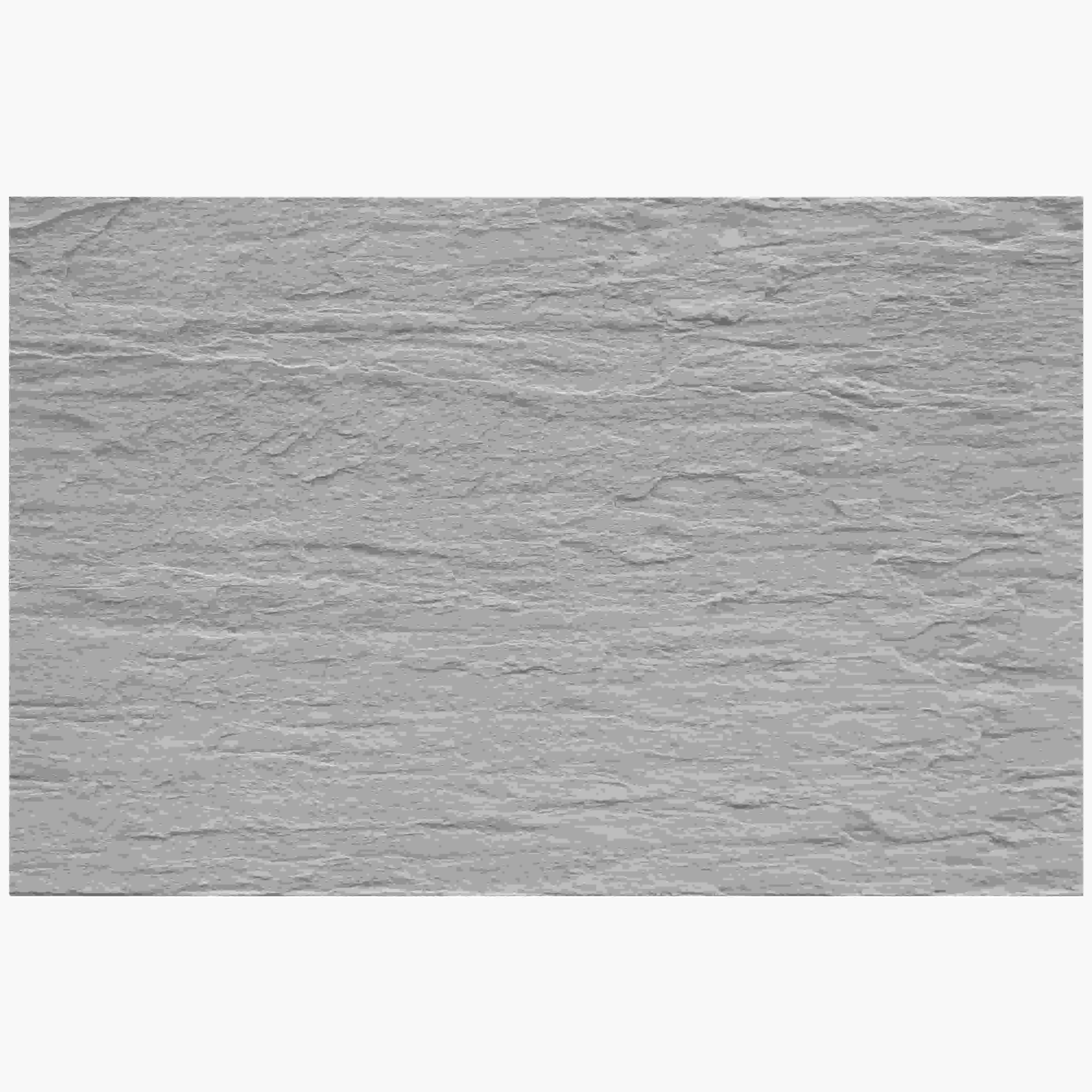
In the world of architecture and design, the search for materials that blend durability, beauty, and practicality is never-ending. Whether you're an architect drafting the next iconic commercial building, a designer revamping a residential space, or a homeowner hunting for that perfect balance of style and strength, the materials you choose shape the project's success. Enter
Oasis Stone Regular
—a name that's been buzzing in construction circles for its ability to redefine what modern building materials can do. But what exactly is it? How is it made? And why should it be at the top of your list? Let's dive in and uncover the story behind this innovative material.
Before we get into the nitty-gritty, let's start with the basics.
Oasis Stone Regular is part of a new generation of building materials known as Modified Composite Materials (MCM), a category celebrated for its ability to merge the best of natural elements with cutting-edge engineering. Think of it as the Swiss Army knife of cladding and surfacing solutions—versatile, reliable, and designed to tackle the challenges of both modern and traditional projects.
Unlike clunky natural stone slabs that require heavy machinery to install or fragile synthetic alternatives that crack under pressure,
Oasis Stone Regular hits that sweet spot: it looks and feels like high-quality stone, but it's lightweight, flexible, and surprisingly easy to work with. It's no wonder it's quickly become a go-to for professionals who refuse to compromise on either aesthetics or functionality.
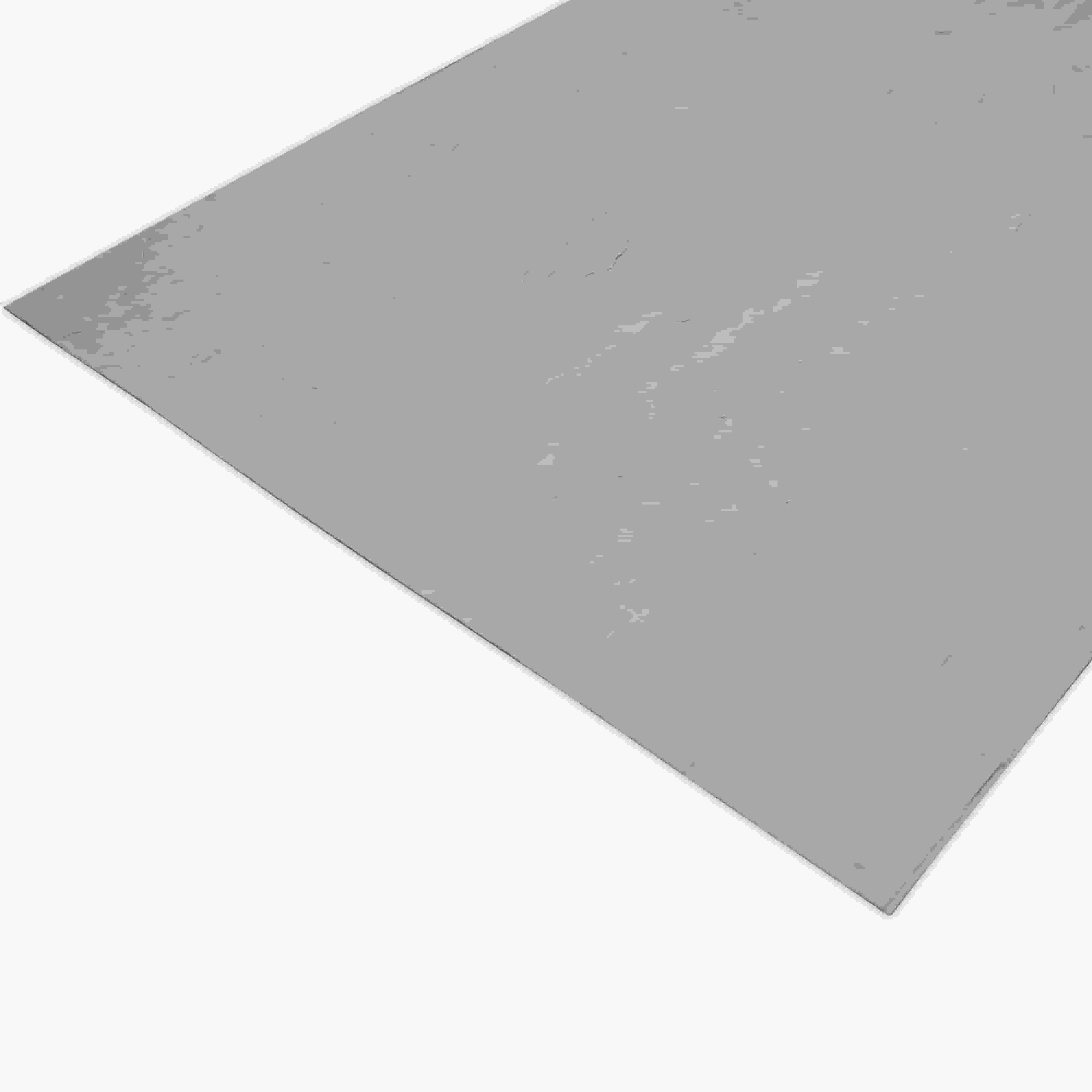
Breaking Down the Composition: What Makes It Tick?
At its core,
Oasis Stone Regular is a masterclass in material science. Let's peel back the layers to see what goes into making this standout product.
The star of the show here is
mcm flexible stone
—a game-changing innovation that's revolutionized the industry. Traditional stone is rigid, heavy, and prone to chipping; flexible stone, on the other hand, is engineered to bend without breaking, thanks to a clever blend of natural stone aggregates and advanced polymers.
Oasis Stone Regular leans into this technology, using a base of finely crushed natural stone (think
travertine, limestone, or marble particles) mixed with high-performance resins and reinforcing fibers. This combo gives it the strength of stone but the flexibility of a much lighter material.
2. Modified Composite Materials: The Secret Sauce
Beyond the flexible stone base,
Oasis Stone Regular is part of the broader MCM family, which stands for Modified Composite Material. This means it's not just stone and resin thrown together—there's a science to the mix. Manufacturers tweak the formula to balance key properties: durability, weight, and texture. For example, adding glass fibers or carbon composites structural integrity, while mineral additives enhance UV resistance. The result? A material that can withstand harsh weather, heavy foot traffic, and the test of time—all while staying true to its stone-like appearance.
3. Lightweight by Design: No More Heavy Lifting
One of the biggest pain points with traditional stone is its weight. A single slab of natural
travertine can weigh upwards of 50kg, making installation a logistical nightmare.
Oasis Stone Regular, however, is crafted to be a
lightweight flexible stone sheet
. How light? We're talking as little as 6-8kg per square meter—light enough for two people to carry and install without cranes or specialized equipment. This isn't just about convenience; it also reduces stress on building structures, making it ideal for renovations or projects where structural load is a concern.

Okay, so we know what's in it—but what does that mean for you? Let's break down the benefits that make
Oasis Stone Regular a standout choice for any project.
1. Durability That Goes the Distance
Let's start with the big one: durability.
Oasis Stone Regular isn't just pretty—it's tough. Thanks to its composite structure, it's resistant to scratches, stains, and impacts. Spilled coffee on the kitchen backsplash? Wipe it off. A stray football hitting the exterior cladding? No problem. It also holds up against the elements: rain, snow, UV rays, and even extreme temperatures (from scorching desert heat to freezing winters) won't fade or warp it. Compare that to natural stone, which can absorb water and develop cracks over time, or thin synthetic panels that peel in the sun—
Oasis Stone Regular is built to last decades, not just years.
2. Flexibility: Perfect for Curves, Corners, and Creativity
Remember that
mcm flexible stone
tech we mentioned? It's not just a marketing buzzword.
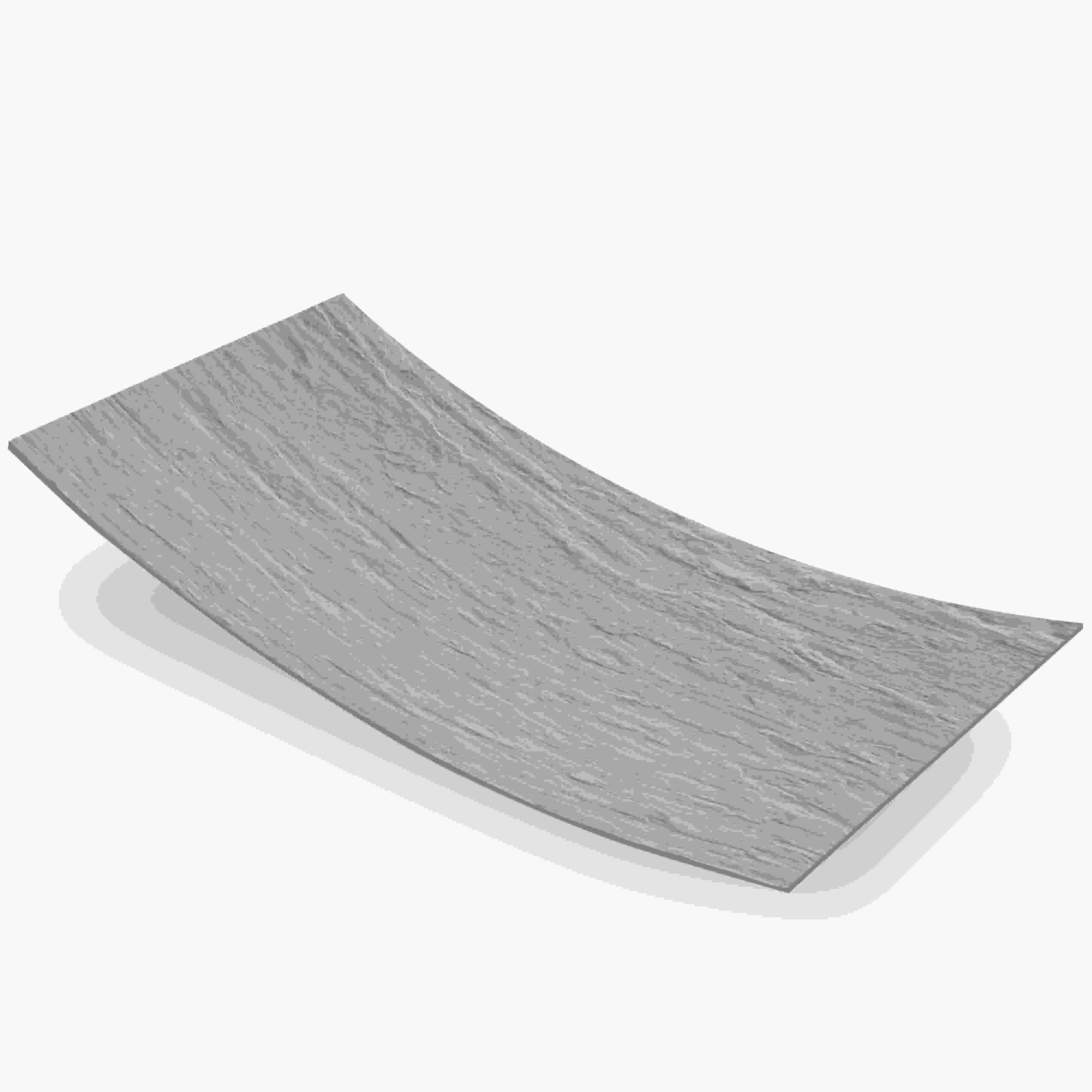
Oasis Stone Regular can bend to a radius of as little as 30cm, making it ideal for curved walls, rounded columns, or custom-shaped accent pieces. Imagine designing a lobby with a sweeping, organic wall that looks like it's carved from a single piece of stone—no more unsightly seams or broken edges. This flexibility opens up a world of design possibilities, letting you turn even the most ambitious concepts into reality.
In an era where sustainability is non-negotiable,
Oasis Stone Regular shines as a
green building material
. Here's why: First, it uses recycled stone aggregates, reducing the need for quarrying new natural stone (which is a major contributor to deforestation and habitat destruction). Second, its lightweight nature cuts down on transportation emissions—trucks can carry more panels per trip, lowering carbon footprints. Third, the manufacturing process uses low-VOC (volatile organic compound) resins, meaning fewer harmful emissions during production. And because it's so durable, it rarely needs replacement, reducing waste over time. For LEED-certified projects or eco-conscious clients, this is a huge selling point.
4. Aesthetic Versatility: From Rustic to Modern
Let's talk looks.
Oasis Stone Regular isn't a one-trick pony when it comes to style. It comes in a range of finishes and colors, mimicking everything from rough-hewn
travertine (starry green)
to sleek, polished marble. Want a warm, earthy vibe? Opt for a sandstone or limestone-inspired texture. Going for industrial chic? There's a
fair-faced concrete lookalike that's indistinguishable from the real thing. The best part? The color and texture are consistent across panels, so you won't get the patchy, inconsistent look that sometimes plagues natural stone. Whether your project is a cozy cottage, a minimalist office, or a bold retail space, there's an
Oasis Stone Regular finish that fits.
5. Easy Installation: Save Time and Money
Let's be real: construction delays cost money.
Oasis Stone Regular's lightweight design and flexibility make installation a breeze. Unlike natural stone, which requires precise cutting, sealing, and heavy lifting, these panels can be cut with standard tools (a circular saw or jigsaw works), glued directly to most substrates (drywall, concrete, wood), and secured with minimal fasteners. A team of two can install up to 100 square meters in a day—compared to maybe 20-30 square meters with traditional stone. That means faster project turnaround, lower labor costs, and less disruption to your timeline.
How Does It Stack Up? A Quick Comparison
Still on the fence? Let's see how
Oasis Stone Regular measures up against other popular materials. Check out the table below:
|
Feature
|
Oasis Stone Regular
|
Natural Travertine
|
Fair-Faced Concrete
|
Traditional Flexible Stone
|
|
Weight (kg/m²)
|
6-8
|
40-50
|
20-25
|
8-10
|
|
Flexibility (Minimum Bend Radius)
|
30cm
|
Rigid (no bending)
|
Rigid (no bending)
|
50cm
|
|
Water Absorption
|
< 1%
|
5-8%
|
3-5%
|
2-3%
|
|
Eco-Friendly
|
High (recycled materials, low VOC)
|
Low (quarrying impact)
|
Medium (high carbon footprint)
|
Medium (some recycled content)
|
|
Installation Time (100m²)
|
1 day
|
3-4 days
|
2-3 days
|
1.5 days
|
|
Cost (per m², approx.)
|
Mid-range
|
High
|
Mid-range
|
Mid-to-high
|
Pro Tip:
While natural
travertine might have that "authentic" look, the maintenance costs (sealing every 1-2 years, repairing cracks) add up over time.
Oasis Stone Regular, with its low absorption and durability, is virtually maintenance-free—just a quick wipe with soap and water to keep it looking fresh.

Now that we've covered the "why," let's talk about the "where."
Oasis Stone Regular is versatile enough to shine in just about any space. Here are some of the most popular applications:
1. Exterior Cladding: Curb Appeal That Lasts
Your building's exterior is its first impression, and
Oasis Stone Regular makes it a good one. Whether you're cladding a modern home in a sleek
lunar peak silvery
finish or a commercial building in warm
travertine (vintage gold)
, it stands up to rain, wind, and sun without fading or deteriorating. Its lightweight nature also means it's suitable for high-rise buildings, where structural weight is a critical factor.
2. Interior Walls and Accent Pieces
Inside,
Oasis Stone Regular adds texture and depth to any room. Use it for a feature wall in the living room, a backsplash in the kitchen, or even a headboard in the bedroom. The flexibility lets you create unique shapes—think a curved accent wall in a home theater or a geometric panel design in a restaurant. And since it's resistant to moisture, it's safe for bathrooms too (just avoid direct water jets, like in showers).
3. Outdoor Spaces: Patios, Pool Areas, and More
Outdoor living spaces demand materials that can handle the elements, and
Oasis Stone Regular delivers. Use it for patio flooring, pool surrounds, or garden walls. Its non-slip surface (when finished with a textured coating) makes it safe for wet areas, and its resistance to mold and mildew means you won't be stuck scrubbing algae off your patio every season.
4. Commercial Projects: Retail, Hospitality, and Offices
For businesses, durability and aesthetics go hand in hand.
Oasis Stone Regular is perfect for retail storefronts (imagine a boutique with a
gobi panel
-inspired facade), hotel lobbies (warm
bali stone
finishes), or office reception areas (sleek
fair-faced concrete
looks). It's easy to clean, stands up to heavy foot traffic, and can be customized to match your brand's vibe—what's not to love?
We touched on this earlier, but it's worth diving deeper:
Oasis Stone Regular isn't just a great material—it's a responsible one. Let's break down its green credentials:
Recycled Content:
Up to 70% of the stone aggregates in
Oasis Stone Regular come from recycled sources—scraps from quarrying operations, demolition waste, and post-industrial byproducts. This reduces the demand for new stone extraction, which in turn lowers deforestation and soil erosion.
Low Energy Production:
Unlike firing bricks or curing concrete, which require massive amounts of energy, the manufacturing process for
Oasis Stone Regular uses low-temperature pressing and bonding, cutting down on carbon emissions.
Longevity = Less Waste:
The longer a material lasts, the less often it needs to be replaced.
Oasis Stone Regular's 50+ year lifespan means fewer panels end up in landfills compared to shorter-lived alternatives like vinyl or basic fiber cement.
LEED-Friendly:
For projects aiming for LEED certification,
Oasis Stone Regular can contribute points in categories like Materials and Resources (recycled content) and Indoor Environmental Quality (low VOC emissions). It's a small choice that makes a big difference for the planet.
Final Thoughts: Why Oasis Stone Regular Deserves a Spot on Your Project
At the end of the day, building materials are more than just surfaces—they're the foundation of how we live, work, and experience spaces.
Oasis Stone Regular checks all the boxes: it's durable, beautiful, flexible, and kind to the planet. Whether you're a professional looking to impress clients or a homeowner investing in your dream space, it offers a level of performance and versatility that's hard to beat.
So, what's next? If you're ready to explore how
Oasis Stone Regular can transform your project, reach out to suppliers for samples (many offer free swatches so you can see the texture and color in person). Talk to installers about how its lightweight design can streamline your timeline. And remember: in a world of compromise,
Oasis Stone Regular proves you don't have to choose between form and function. It's not just a material—it's a smarter way to build.