
If you've ever stepped onto a sun-bleached wooden deck and felt the splinters dig into your feet, or watched as a rainy season turned your outdoor furniture into a warped, moldy mess, you know the struggle of balancing natural beauty with real-world durability. Enter poly wood board—a material that's been quietly revolutionizing how we build, design, and live with "wood-look" surfaces without the headaches of the real thing. Whether you're a homeowner dreaming of a low-maintenance backyard oasis, an architect hunting for sustainable cladding, or a designer craving texture that won't fade, this guide will walk you through everything you need to know about poly wood board—from its eco-friendly roots to its surprisingly versatile applications.
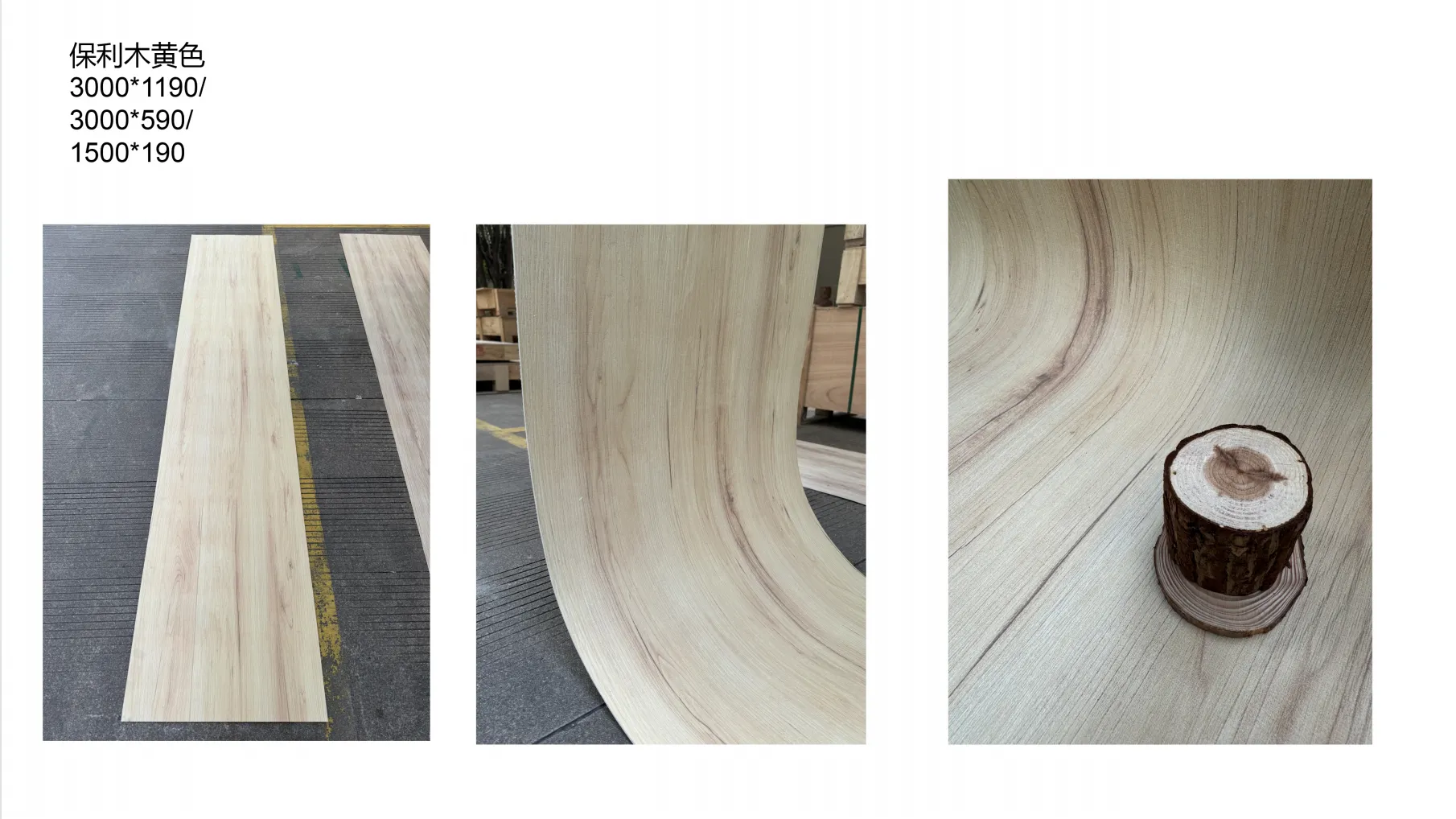
Let's start with the basics: poly wood board isn't actual wood. Instead, it's a high-performance composite material crafted from recycled plastics (think milk jugs, detergent bottles) and wood fibers (often sawdust or wood chips from lumber mills), fused together with heat, pressure, and a dash of binding agents. The result? A board that looks, feels, and even smells subtly like wood—without the rot, splinters, or constant upkeep.
Part of the broader MCM flexible stone family, poly wood board leans into modified composite technology to mimic natural textures while boosting durability. Unlike traditional hardwoods, which shrink, swell, or crack with moisture, or cheap plastic imitations that feel flimsy and fake, poly wood strikes a sweet spot: it's rigid enough for structural use (like decking) but flexible enough for creative applications (think curved wall panels or custom furniture).
Here's the kicker: it's not just about looks. Poly wood board was born from a simple problem: we love wood, but wood doesn't always love us back. It needs staining, sealing, and replacing every few years. It's prone to pests, water damage, and warping. Poly wood solves that by borrowing the best of both worlds—recycled materials for sustainability, composite engineering for strength, and a design team that's mastered the art of making "fake" wood look so real, even carpenters do a double-take.
Ever wondered how a milk carton and a sawdust pile become a sleek, weatherproof board? The process is equal parts science and creativity, and it starts with waste. First, recycled plastics (mostly HDPE and LDPE) are collected, cleaned, and shredded into tiny flakes. These flakes are then mixed with wood fibers—leftover scraps from furniture factories or logging operations that would otherwise end up in landfills. The ratio? Typically 50-70% plastic to 30-50% wood fiber, though manufacturers tweak this for specific uses (more plastic for outdoor decking, more fiber for a softer, more "wood-like" feel in indoor panels).
Next, the mix gets a boost from additives: UV stabilizers to prevent fading in sunlight, colorants to mimic oak, pine, or teak tones, and impact modifiers to keep the board from cracking when dropped (yes, even kids' playsets benefit from this). The blend is then heated to around 200°C, melting the plastic just enough to bind the wood fibers together, before being squeezed through a mold or pressed into boards. The result is a dense, uniform material that's then cooled, cut to size, and sometimes textured with grooves or grains to mimic real wood's natural patterns.
What's impressive here is the precision. Modern manufacturers use 3D scanning to replicate the exact texture of rare woods—like the knots in reclaimed barnwood or the smooth grain of teak—so the end product doesn't just look wood; it feels like it too. Run your hand over a poly wood board, and you'll notice the slight roughness of the grain, the subtle variation in color—details that make it hard to tell apart from the real thing, even up close.
Poly wood board isn't just a "wood alternative"—it's a material that redefines what we can expect from building products. Let's break down its most compelling traits:
Rain, snow, humidity, salt spray—poly wood laughs in the face of it all. Unlike real wood, which absorbs water and swells, or fair-faced concrete (that raw, industrial look we love) which can crack in freeze-thaw cycles, poly wood is non-porous. That means no rotting, no warping, and no mold. In coastal areas, where saltwater turns traditional wood into termite bait, poly wood decks have been known to last 25+ years with minimal upkeep. Even in desert climates, where 120°F days bake surfaces, it won't fade or splinter.
Forget sanding, staining, or sealing every spring. Poly wood board requires about as much care as your kitchen countertop. A quick hose-down with soapy water once a month keeps it clean. Spills? Wipe 'em up with a cloth. Stains from wine, oil, or mud? They don't stick. Even pollen and bird droppings rinse off easily. Compare that to a wooden deck, which needs annual sanding, staining, and sealing (not to mention the $500+ in materials and weekends lost to labor), and the savings add up fast.
Here's a feel-good fact: most poly wood boards are made from 90%+ recycled materials. Every 100 sq. ft. of poly wood decking diverts about 1,500 plastic bottles from landfills and saves 10+ trees from being cut down. Unlike rammed earth board (which, while sustainable, often requires mining raw clay), poly wood turns waste into something useful. Plus, its long lifespan (20-30 years) means less frequent replacement, cutting down on the environmental impact of manufacturing and disposal over time.
Termites, carpenter ants, and wood-boring beetles? They hate poly wood. Since it's not actual wood, there's no cellulose for them to munch on. In regions like the American South, where termite damage costs homeowners $5 billion annually, switching to poly wood for fencing, decking, or outdoor walls is like putting up a "No Vacancy" sign for pests. No more toxic pesticides, no more surprise infestations—just peace of mind.
Poly wood isn't just for decks. Thanks to its flexibility (a hallmark of MCM flexible stone products), it can be molded into curves, cut into intricate shapes, or layered for texture. Think: kitchen backsplashes that mimic reclaimed wood, ceiling panels with wave-like patterns, or custom headboards that bring warmth to a minimalist bedroom. It's even used in commercial spaces—like coffee shops with poly wood accent walls that stay scratch-free despite daily chair scrapes, or hotels with outdoor loungers that look like teak but survive poolside chlorine.
No splinters, no toxic chemicals, no sharp edges. Poly wood board is a parent's dream. Kids can crawl on it barefoot, dogs can scratch at it, and even clumsy adults (guilty) can bump into it without getting hurt. Unlike pressure-treated wood, which leaches arsenic and other chemicals, poly wood is non-toxic. It's also slip-resistant when wet—perfect for pool decks or rainy-day porches where safety matters most.
Natural wood is beautiful, but it's unpredictable. One board might have a knot, the next a crack, and suddenly your "uniform" deck looks patchy. Poly wood, on the other hand, is manufactured to be consistent. Same color, same texture, same strength—board after board. That means fewer headaches for installers and a smoother, more polished finish for your project.
Still on the fence? Let's put poly wood board head-to-head with other popular materials. We'll break down how it compares to wood grain board (the "realistic" wood-look plywood), rammed earth board (the trendy, earthy option), and fair-faced concrete (the industrial favorite).
| Feature | Poly Wood Board | Wood Grain Board (Plywood) | Rammed Earth Board | Fair-Faced Concrete |
|---|---|---|---|---|
| Durability | 20-30 years (resists rot, pests, warping) | 5-10 years (prone to water damage, splinters) | 15-20 years (can crack in humidity extremes) | 50+ years (but heavy; prone to staining) |
| Maintenance | Low (hose down with soap; no sealing) | High (annual staining, sanding, sealing) | Medium (seal every 2-3 years; avoid moisture) | Medium (seal to prevent staining; hard to repair chips) |
| Aesthetics | Warm, wood-like texture; 20+ color options (oak, teak, walnut) | Natural wood grain but limited finishes; knots/imperfections common | Earthy, rustic; warm tones (terracotta, sand, clay) | Raw, industrial; gray/white; can be stamped for texture |
| Eco-Friendliness | High (90% recycled materials; low waste manufacturing) | Medium (depends on FSC certification; requires tree harvesting) | High (uses natural clay/soil; low carbon footprint) | Low (high cement production emissions; heavy transportation) |
| Cost (per sq. ft.) | $4–$8 (mid-range upfront, low long-term costs) | $2–$5 (cheap upfront, high maintenance costs over time) | $6–$12 (premium for artisanal look) | $8–$15 (expensive; requires professional installation) |
| Best For | Decks, outdoor furniture, cladding, indoor accent walls | Temporary projects, budget furniture, indoor shelving | Feature walls, rustic homes, desert/earthy designs | Industrial spaces, countertops, high-traffic floors |
*Costs vary by brand, thickness, and location. Long-term costs include maintenance and replacement.
Poly wood board's versatility is part of its charm. It's not just a "one-trick pony"—it shines in both indoor and outdoor spaces, from functional to purely decorative. Here are some of our favorite ways designers and homeowners are using it:
It's no surprise poly wood decking is a top choice. Imagine hosting a summer BBQ without worrying about guests tracking splinters into the house, or leaving your deck uncovered during a rainstorm and finding it as flat and sturdy as the day it was installed. Pro tip: Pair it with wave panel railings (another MCM flexible stone product) for a modern, textured look that complements the wood tones.
Adirondack chairs, dining sets, benches—poly wood makes outdoor furniture that survives winters, resist stains, and never needs reupholstering. We've seen cafes in coastal towns swap their rotting teak chairs for poly wood replicas, and the difference is night and day: same cozy vibe, zero mold, and customers no longer complain about splinters in their legs.
Indoors, poly wood board adds texture without the fuss of real wood. A living room accent wall in "vintage oak" poly wood instantly warms up a minimalist space, while a kitchen backsplash in "weathered teak" adds rustic charm without the risk of water damage from steam or spills. Unlike wallpaper or paint, it adds depth you can touch.
Traditional wooden fences warp, rot, and need repainting every year. Poly wood fences? They stand straight, block wind and noise, and come in styles from picket to privacy. One homeowner in a busy suburb reported cutting down on street noise by 30% after installing a 6-foot poly wood privacy fence—plus, it still looks brand-new after 8 years of harsh winters.
Flat, white ceilings feel sterile. Poly wood ceiling panels? They add warmth and dimension. Think: a home office with a "reclaimed barnwood" poly wood ceiling that makes Zoom calls feel cozier, or a restaurant with slatted poly wood panels that diffuse light and soften acoustics. Lightweight and easy to install, they're a designer's secret weapon for elevating spaces.
Swing sets, treehouses, playhouses—kids are tough on surfaces, and poly wood is tough enough to keep up. No splinters, no toxic chemicals, and it stands up to mud, crayons, and the occasional soccer ball impact. One childcare center replaced their wooden play structure with poly wood and saw a 50% drop in scraped knees and splinter-related tears.
Retail stores, hotels, and offices love poly wood for exterior cladding. It's lightweight (so it won't weigh down buildings), customizable (match your brand colors), and requires almost no upkeep. A boutique hotel in Colorado used "silver pine" poly wood cladding to blend into the mountain landscape, and guests often comment on how "rustic yet modern" it feels—all while the hotel saves thousands on annual maintenance.
Traditional wood in bathrooms is a disaster waiting to happen (hello, mold!). Poly wood board? It thrives in humidity. Use it for shower walls, vanity backsplashes, or even a full accent wall. We worked with a homeowner who turned their small bathroom into a spa-like retreat with "teak" poly wood walls—no grout, no mildew, just warm wood tones that make every shower feel like a tropical getaway.
Wooden garden beds rot after a few seasons, and plastic ones leach chemicals. Poly wood planters? They're food-safe, won't rot, and won't warp in the sun. Plus, they come in sizes from small window boxes to large raised beds. A community garden in Portland swapped their rotting wooden beds for poly wood ones and reported healthier plants (no chemical leaching) and less time spent replacing beds every spring.
Slippery stairs are a hazard. Poly wood stair treads have a textured surface that grips feet, even when wet. They're also durable enough to handle heavy foot traffic—perfect for homes with kids, pets, or frequent guests. One homeowner with a steep outdoor staircase replaced their concrete treads with poly wood and noticed a huge drop in slips, especially during rainy months.
One of poly wood's biggest selling points is its low maintenance—but "low" doesn't mean "no." A little care goes a long way in keeping your boards looking fresh for decades. Here's what you need to do:
Dirt, pollen, and bird droppings can build up over time, but a quick rinse with a garden hose every 2-4 weeks is usually enough. For stuck-on grime (like BBQ sauce or tree sap), mix a little mild dish soap with warm water, scrub gently with a soft brush, and rinse. Avoid harsh cleaners (bleach, ammonia) or abrasive brushes—they can dull the finish.
Wine, oil, or mud spills? Wipe them up with a damp cloth as soon as you notice. If a stain sets (we've all been there), try a paste of baking soda and water—scrub gently, let it sit for 10 minutes, then rinse. Poly wood is non-porous, so even tough stains rarely penetrate deep.
Over time, screws or nails might loosen, especially in high-traffic areas like decks or stairs. Tighten them with a screwdriver or drill every 6 months to prevent boards from shifting. Pro tip: Use stainless steel fasteners—they won't rust and stain the boards.
Poly wood resists fading, but prolonged direct sunlight can lighten colors over time (just like real wood). If possible, add a retractable awning over your deck or plant shade trees nearby. If that's not an option, opt for darker colors—they fade less noticeably than lighter ones.
Poly wood is strong, but it's not indestructible. Don't drag heavy furniture across it (use felt pads!), and avoid dropping heavy objects (like a cast-iron grill) directly on the boards—they can crack. Most brands offer a warranty (10-25 years), but prevention is easier than repair.
Sustainability isn't just a buzzword—it's a necessity. Poly wood board checks more eco-friendly boxes than most building materials, and here's why:
Every year, 8 million tons of plastic end up in oceans. Poly wood board diverts tons of that plastic—think water bottles, milk jugs, and detergent containers—and turns it into something useful. A single 100 sq. ft. poly wood deck uses about 400 recycled plastic bottles. Multiply that by thousands of decks, fences, and furniture pieces, and it's easy to see how poly wood is helping stem the plastic tide.
Hardwood forests are being cleared at an alarming rate—often for products like decking and furniture that don't even last a decade. Poly wood board reduces demand for these woods, letting forests thrive. Since it lasts 20-30 years, it also cuts down on replacement cycles, meaning fewer trees harvested over time.
Making poly wood requires less energy than producing concrete, steel, or even traditional lumber (which often involves transporting trees across the globe). Most manufacturers also use solar power in their facilities and recycle water, further reducing their carbon footprint.
At the end of its long life, poly wood board can be ground up and recycled into new boards. Unlike real wood, which decomposes (but slowly) or ends up in landfills, poly wood closes the loop—no waste, no guilt.
Traditional wood treatments (like pressure-treated lumber) rely on toxic chemicals (arsenic, copper) to resist rot and pests. These chemicals leach into soil and water, harming ecosystems. Poly wood needs no chemical treatments—it's naturally resistant to pests and decay, making it safer for gardens, pets, and wildlife.
Not all poly wood boards are created equal. With so many brands and options, it's easy to feel overwhelmed. Here's what to look for to ensure you get a quality product:
Most poly wood boards are 50-70% plastic and 30-50% wood fiber. Higher plastic content means better weather resistance (great for outdoor use), while more wood fiber gives a more natural feel (better for indoor accents). For decks or outdoor furniture, aim for 60%+ plastic. For indoor walls or ceilings, 50% plastic is usually enough.
Fading is a common issue with cheap poly wood. High-quality boards include UV stabilizers in their (formula), which slow down color fading. Ask the manufacturer: "How long will this board retain its color in direct sunlight?" A good answer is 10+ years with minimal fading.
Warranties tell you a lot about a product's quality. Look for at least a 10-year warranty against rot, warping, and splitting. Some premium brands offer 25-year warranties—those are worth the extra cost, as they back up their durability claims.
Order samples! Colors can look different in photos than in person, and texture varies by brand. A "rough sawn" finish might feel too gritty for a dining table, while a "smooth teak" finish could be perfect. Hold the sample, run your hand over it, and see how it looks in your space's lighting.
Not all poly wood is made from recycled materials. Look for brands that specify "90%+ post-consumer recycled plastic" or have certifications like GreenGuard or LEED. It's better for the planet and often indicates a more responsible manufacturer.
Thicker boards (1"+) are stronger and better for structural uses like decking or flooring. Thinner boards (½"–¾") work well for walls, ceilings, or decorative accents. Don't skimp on thickness for high-traffic areas—you'll regret it later.
Still have doubts? We've heard these questions (and more) from homeowners, designers, and DIYers. Here's the lowdown:
A: Technically, yes, but it's not necessary (or recommended). Poly wood comes in 20+ pre-colored finishes that are designed to last. Painting or staining can trap moisture, leading to peeling, and won't adhere as well as it does to real wood. If you hate the color, it's better to replace the boards than to paint them.
A: No—most poly wood boards have a textured surface that provides grip, even when wet. For extra safety (like pool decks), look for brands with "slip-resistant" finishes, which have a slightly rougher texture to prevent falls.
A: Poly wood handles heat and cold like a champ. In Arizona's 120°F summers, it won't warp or crack. In Minnesota's -20°F winters, it won't split. It expands and contracts slightly with temperature changes, but manufacturers account for this by leaving small gaps during installation, so you won't see buckling or warping.
A: Poly wood is lighter than real wood and much lighter than concrete or stone. Most homeowners can install decking or fencing with basic tools (drill, saw, level). That said, for large projects (like a full house cladding), it's best to hire a pro—they'll ensure proper spacing and structural support.
A: Nope! Bugs like termites and carpenter ants eat wood, not plastic or composite materials. Poly wood has no cellulose (the stuff bugs love), so they'll leave it alone. You can say goodbye to termite inspections and pest control bills.
A: Fresh out of the box, it might have a slight "new plastic" smell, but it fades within a week or two. After that, it's neutral—no strong odors, even in hot weather. Some brands add subtle wood-scented additives, but it's not overpowering.
At the end of the day, poly wood board isn't just about avoiding splinters or saving time on maintenance—it's about reimagining how we interact with the materials in our homes and spaces. It lets us have the warmth of wood without the waste, the durability of plastic without the "fake" feel, and the sustainability we all crave without sacrificing style.
Whether you're building a deck that will weather storms, designing a restaurant that needs to look good for decades, or simply want a bookshelf that won't warp when you spill your morning coffee, poly wood board delivers. It's a material that works with your life, not against it.
So, the next time you're planning a project, ask yourself: why choose something that fades, rots, or requires constant care when you could have something that lasts? Poly wood board isn't just an alternative—it's an upgrade. And trust us, once you experience the freedom of a low-maintenance, high-style surface, you'll wonder how you ever lived without it.
Recommend Products












