
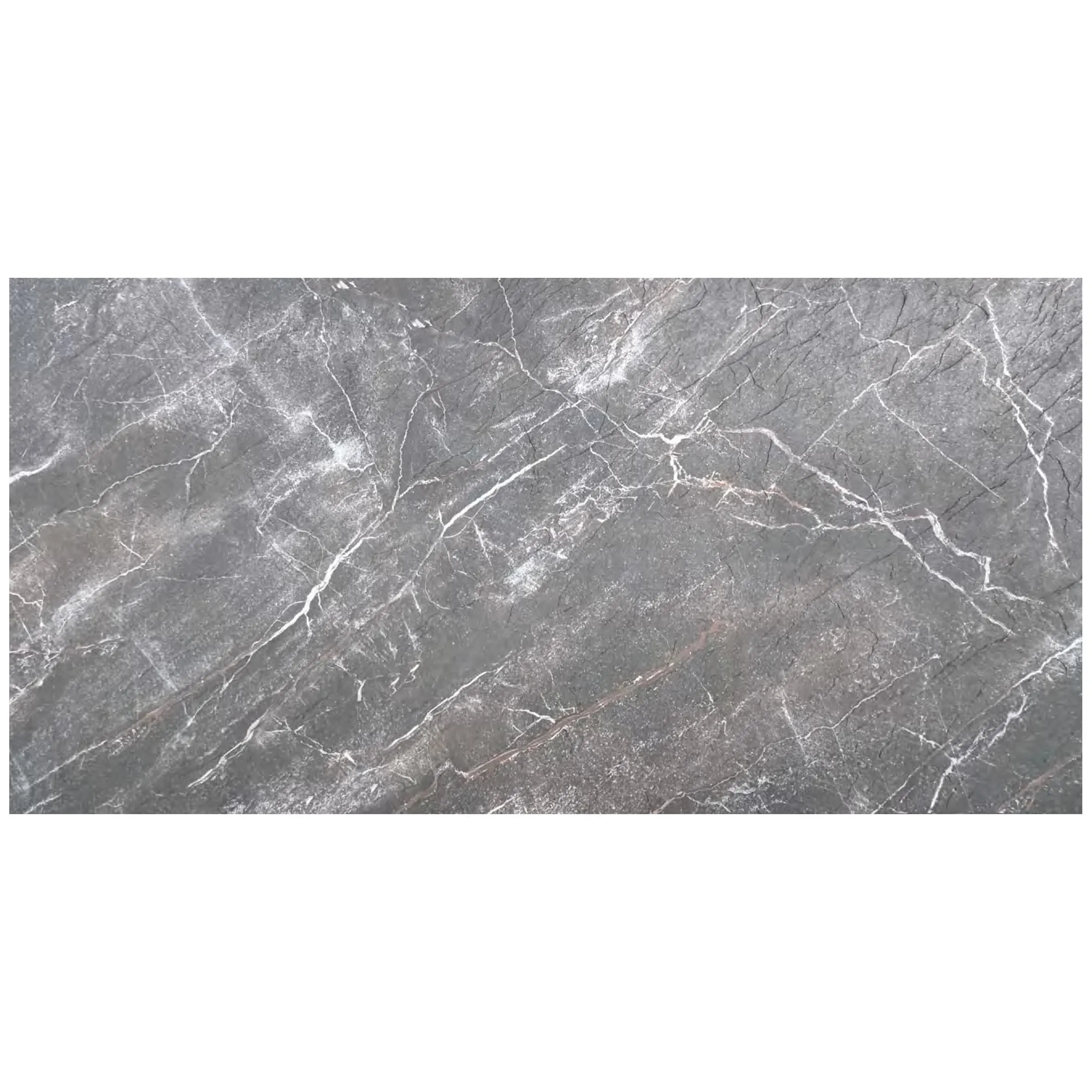
There's a stone that doesn't just occupy space—it transforms it. Slate Portoro, with its deep, inky black base swirled with threads of gold and bronze, isn't merely a building material; it's a narrative etched in mineral form. Run your hand over its surface, and you'll feel the tension between raw earthiness and refined elegance—a duality that has made it a favorite among designers, architects, and homeowners alike. But what makes this stone so special? To answer that, we need to follow its journey: from the rugged quarries where it's born to the polished spaces where it finally finds its voice.
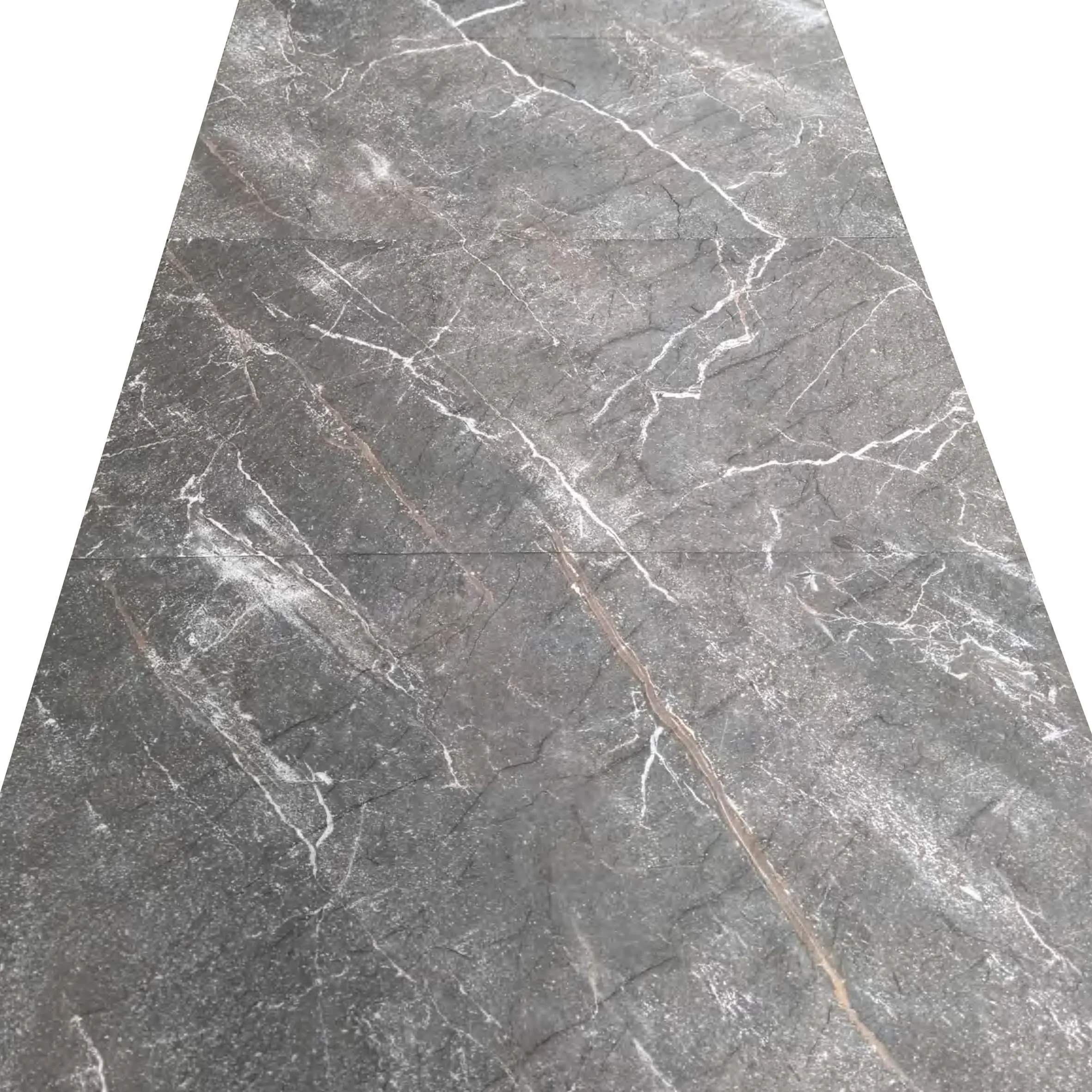
Once extracted, Slate Portoro travels to workshops where it undergoes a metamorphosis. The journey from rough-hewn block to finished slab is a dance of precision and craft, blending age-old techniques with modern technology.
First, the blocks are cut into slabs using multiwire saws—thin, diamond-coated wires that slice through stone with minimal waste. "We can cut slabs as thin as 1.5cm for wall cladding or as thick as 10cm for heavy-duty flooring," explains Maria, a master stone cutter with 15 years of experience. "The key is consistency. A slab that's even 1mm off can throw off an entire installation." After cutting, the slabs are moved to a polishing line, where rotating pads of varying grits smooth the surface. Polished Slate Portoro shimmers, its gold veins catching light like scattered coins; honed finishes, by contrast, have a soft, matte glow that feels almost velvety to the touch. Some clients even opt for a "brushed" texture, where steel brushes etch tiny grooves into the stone, enhancing its natural ruggedness.
But processing isn't just about aesthetics—it's about durability. Slate Portoro is naturally dense, but sealers are applied to protect against stains and moisture, especially for slabs destined for kitchens or bathrooms. "We use a penetrating sealer that soaks into the stone, not just sits on top," Maria says. "It keeps the veins vibrant without making the surface slippery." The result? A slab that's as tough as it is beautiful, ready to stand up to the chaos of daily life while retaining its timeless appeal.
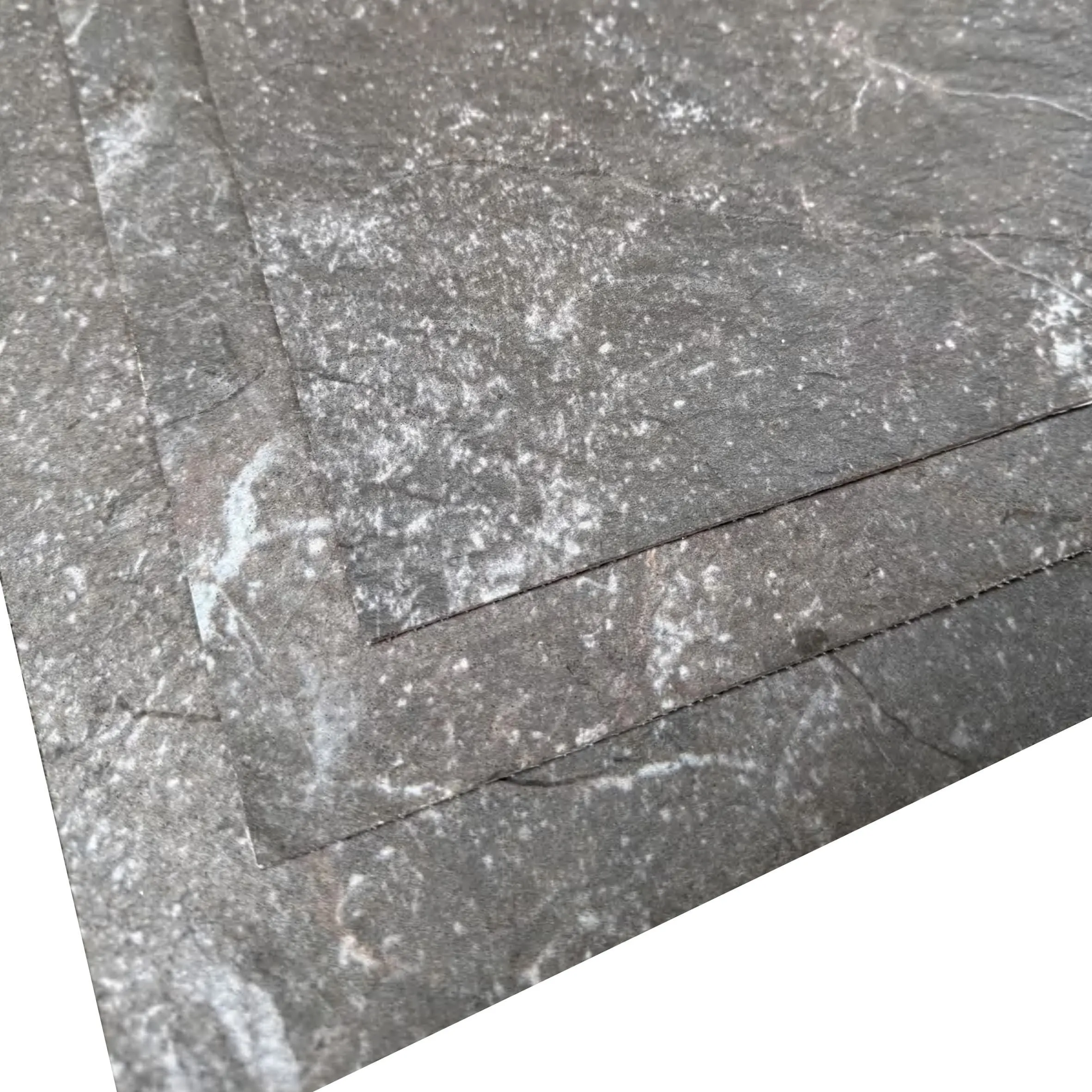
Slate Portoro's versatility is part of its charm. It's equally at home in a sleek, modern penthouse as it is in a rustic countryside villa, and it transitions seamlessly from interior to exterior spaces. Let's break down its most stunning applications:
In kitchens, Slate Portoro countertops make a bold statement. Imagine a minimalist kitchen with white cabinetry and stainless steel appliances—the deep black stone provides a striking contrast, while its gold veins echo the warmth of wooden bar stools. "I had a client who paired it with a backsplash of travertine (starry blue)," says Sofia, an interior designer specializing in luxury homes. "The blue-grey travertine with its crystalline 'stars' balanced the drama of the Slate Portoro, creating a space that felt both sophisticated and inviting."
Bathrooms, too, benefit from Slate Portoro's luxury. A freestanding tub surrounded by honed Slate Portoro walls feels like a spa retreat, especially when paired with brass fixtures that complement the stone's golden undertones. Even smaller touches—like a Slate Portoro vanity top or shower bench—elevate the space from functional to unforgettable.
Fireplace surrounds are another favorite. Whether polished to a high shine or left with a rough, chiseled edge, Slate Portoro becomes the focal point of a living room. "There's something primal about firelight dancing on those gold veins," Sofia muses. "It turns a simple fireplace into a work of art."
Outdoors, Slate Portoro holds its own against the elements. Cladding a home's exterior with large-format slabs adds instant curb appeal—think a modern mansion with floor-to-ceiling windows framed by Slate Portoro walls, or a traditional villa with stone accents that blend into the landscape. "It's surprisingly durable," Sofia notes. "I specified it for a pool deck in Miami, and after five years of sun, rain, and chlorine, it still looks brand new."
Patio flooring is another smart use. Unlike some stones that get slippery when wet, honed Slate Portoro provides grip, making it safe for pool areas or outdoor dining spaces. Pair it with masonry stone planters for a cohesive look, or mix in rough granite stone (dark grey) for texture contrast—the rough-hewn granite adds depth, while the Slate Portoro adds polish.
| Material | Color Palette | Texture | Best For | Maintenance Level |
|---|---|---|---|---|
| Slate Portoro | Deep black with gold/bronze veins | Polished (shiny), honed (matte), or brushed (textured) | Countertops, fireplace surrounds, exterior cladding | Moderate; seal yearly (honed), bi-yearly (polished) |
| Travertine (starry blue) | Blue-gray base with crystalline "stars" | Porous, matte, with natural pits | Bathroom walls, accent features, low-traffic floors | High; seal every 3–6 months (porous nature) |
| Rough Granite Stone (Dark Grey) | Uniform dark grey with subtle flecks | Rugged, pitted, with visible mineral grains | Exterior walls, garden paths, industrial-chic interiors | Low; resistant to stains and scratches |
| Fair-Faced Concrete | Neutral grays, whites, or custom pigments | Raw, industrial, with visible formwork marks | Walls, floors, countertops (modern designs) | Low; seal occasionally to prevent dusting |
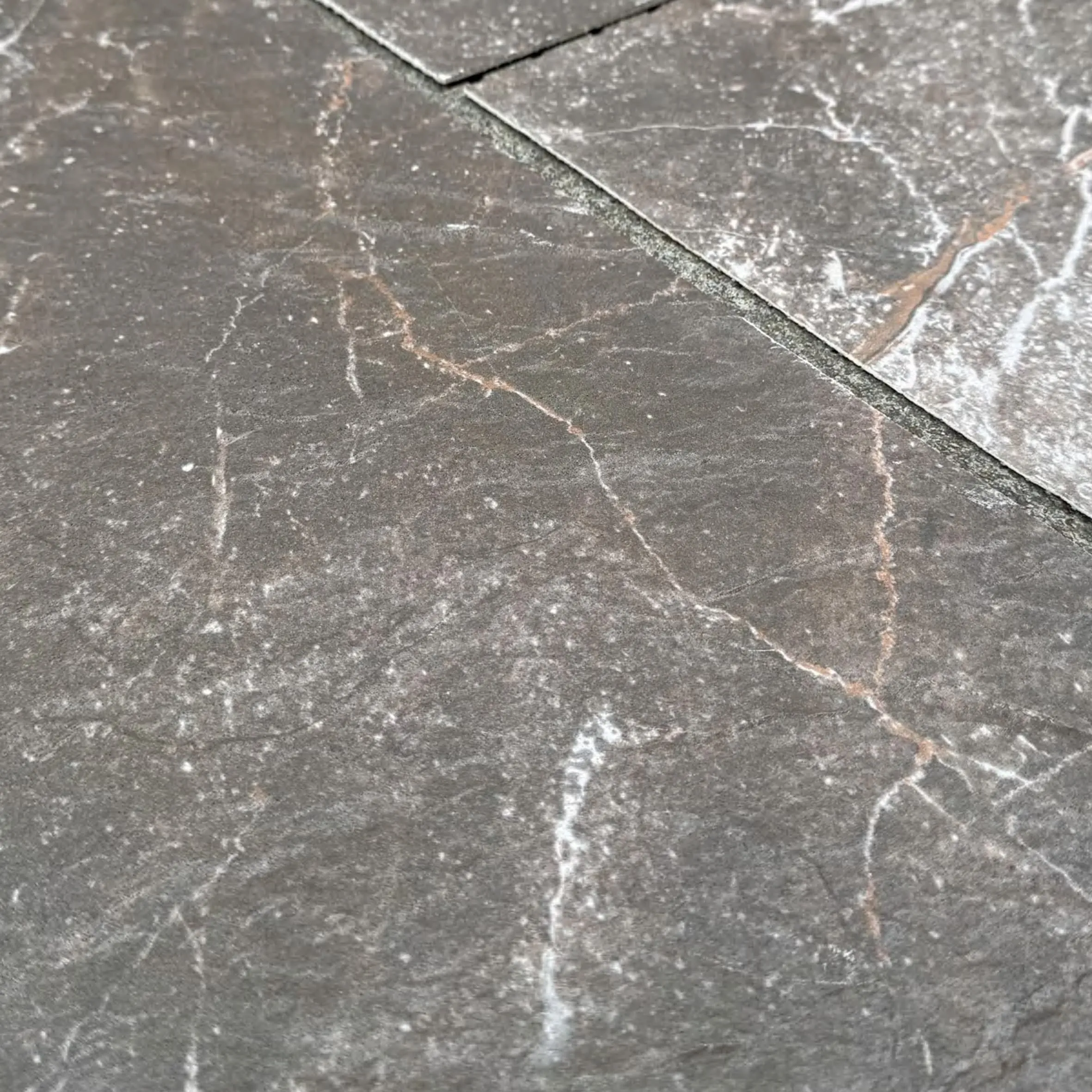
Installing Slate Portoro is a job for professionals, but understanding the process helps you make informed decisions. Here's what you need to know:
Because Slate Portoro is dense and heavy, proper support is critical. "We always use a reinforced substrate, like cement board or plywood with mortar," says Carlos, a contractor with 20 years of stone installation experience. "For wall cladding, we sometimes use a metal framing system to ensure the slabs stay secure long-term."
Seaming is another consideration. Large slabs (up to 10 feet long) can often be installed without seams, but for longer runs, skilled installers will match the veins to create a "bookmatched" effect, where two slabs mirror each other like an open book. "It takes time to find the perfect pair," Carlos admits, "but the result is worth it—you'd never know there was a seam."
Caring for Slate Portoro is easier than you might think. Here are Carlos's top tips:

In a world of fleeting design trends, Slate Portoro is a constant. It's been used in luxury spaces for decades, and it shows no signs of fading from favor. Why? Because it's more than a material—it's a legacy.
"I think people are drawn to its authenticity," Sofia reflects. "In an age of synthetic materials and mass-produced finishes, Slate Portoro is real. It has flaws, character, and a history that can't be replicated." It's in the hands of the quarrymen who know its secrets, the craftsmen who shape it, and the families who live with it. It's a stone that grows with you, adapting to your life while retaining its inherent beauty.
So whether you're building a dream home, renovating a kitchen, or designing a commercial space, consider Slate Portoro. It's not just an investment in stone—it's an investment in timeless elegance, in stories yet to be told, and in a connection to the earth that feels increasingly rare in our fast-paced world. After all, some things are worth the wait—and Slate Portoro is one of them.
Recommend Products












