
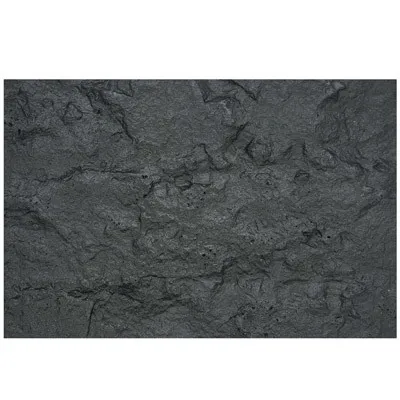
In the grand theater of architecture, the facade is the main character. It sets the tone, communicates strength, and defines a building's identity. For centuries, architects have reached for heavy, monumental materials to convey permanence and luxury. But what if that impressive solidity came with a crippling, hidden cost? Today, we're peeling back the layers to reveal how a revolutionary material is changing the script, proving that true strength isn't about weight, but about innovation.
When you gaze upon a skyscraper sheathed in what appears to be solid granite, or a modern home with vast walls of polished stone, you're seeing the culmination of an immense engineering challenge. Traditional cladding materials—natural stone, precast concrete, even classic brickwork—are, by their very nature, incredibly heavy. This isn't just a trivial fact; it's a fundamental problem that sends costly and complex ripples through every single phase of a construction project.
Natural stone, such as granite, marble, and limestone, is the quintessential symbol of luxury. Quarried from the earth over millennia, its beauty is undeniable. However, its weight is staggering. A typical granite slab used for cladding, around 3cm thick, can weigh anywhere from 80 to 90 kilograms per square meter. Imagine cladding a 20-story building with this. We're talking about adding thousands of tons of dead load to the structure.
This immense weight dictates everything that comes before the first panel is even lifted. The building's very skeleton—the steel or concrete frame—must be over-engineered, using thicker beams and columns just to support the facade. Foundations must be dug deeper and made more robust. This isn't just adding a little extra concrete; it's a significant increase in material costs, engineering complexity, and construction time. The beautiful stone face you see is sitting on a much more expensive, much bulkier foundation than you'd imagine. Furthermore, transporting these tons of rock from quarry to port, across oceans, and finally to the job site is a logistical nightmare with a massive carbon footprint.
Precast concrete panels offer a more controlled, modern aesthetic. They can be formed into various shapes and sizes in a factory setting. But they share the same fundamental issue as stone: they are extraordinarily heavy. A standard panel can easily exceed 150-200 kg per square meter. This weight necessitates the use of large, expensive cranes for the entire duration of the facade installation.
Every single panel lift is a slow, methodical, and potentially hazardous operation. The site logistics become dominated by the crane's schedule and reach. Wind can halt work for days. The heavy-duty anchoring systems required to bolt these massive panels to the building frame are themselves complex and costly, adding another layer of expense and potential for error. This reliance on heavy machinery and specialized labor dramatically inflates installation costs and extends project timelines.
The problem of weight is a classic domino effect. It's a single attribute that negatively impacts nearly every key metric of a project:
For decades, the industry has largely accepted this trade-off: to get the look of solid, premium materials, you had to accept the burden of their weight. But what if you didn't have to?
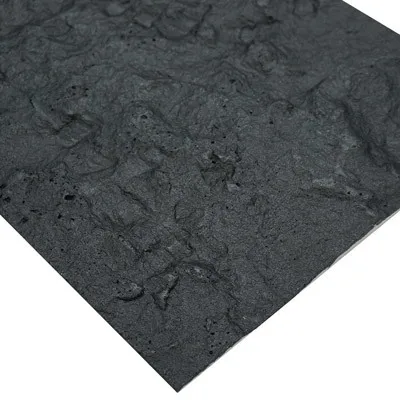
Enter the game-changer: Modified Cementitious Material, or MCM. This is not just another building material; it's a fundamental rethink of what a facade can be. At COLORIA GROUP, we have pioneered the application of this technology to create a new generation of cladding that offers the aesthetic richness of traditional materials without their physical and financial weight.
Forget what you think you know about cement. MCM is an advanced composite material crafted from a base of natural, inorganic raw materials like common soil, stone powder, and clay. Through a unique, low-temperature curing and molecular modification process, these raw materials are transformed. The result is a material that is incredibly thin, astonishingly lightweight, and remarkably flexible, yet possesses the visual depth, texture, and durability of its heavyweight counterparts.
The process is a marvel of green technology. Unlike ceramics or traditional bricks that are fired at over 1000°C, MCM is cured at temperatures below 100°C. This drastic reduction in energy consumption makes it an inherently more sustainable choice. It's a technology that takes the most basic elements of the earth and, through scientific innovation, elevates them into a high-performance architectural product.
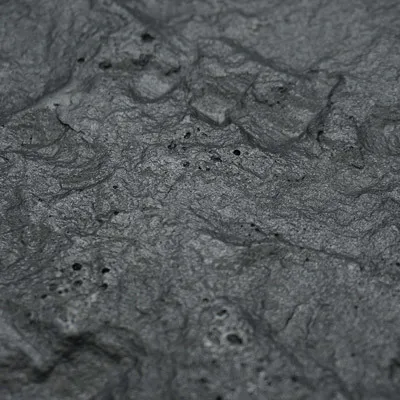
To truly understand the power of MCM, let's look at a specific example: our Lunar Peak Black finish. Imagine the deepest, most profound black, reminiscent of volcanic obsidian or a starless midnight sky. It's a finish that exudes sophistication and modern elegance. In traditional materials, achieving this look would mean sourcing, cutting, and polishing massive slabs of rare black granite. The cost would be astronomical, and the weight, as we've discussed, would be a project-killer.
With our MCM technology, Lunar Peak Black captures that same visual impact in a panel that is mere millimeters thick and weighs a fraction of the real thing. It has the same matte, deep texture. It catches the light in the same subtle way. But you can lift a large panel with ease. It's the perfect illusion: the aesthetic of immense mass without the physical penalty. It's a key part of our hugely popular MCM Big Slab Board Series , which focuses on creating these large, seamless surfaces that architects dream of.
| Material | Typical Thickness | Average Weight (kg/m²) | Structural & Installation Implications |
|---|---|---|---|
| COLORIA MCM (Lunar Peak Black) | 2.5 - 4 mm | ~ 4 - 6 kg | Minimal structural load. No need for heavy machinery; manual installation with simple adhesive. Reduces structural steel/concrete requirements. Ideal for retrofitting old buildings. |
| Natural Granite Slab | 20 - 30 mm | ~ 60 - 90 kg | Requires significant structural reinforcement. Needs heavy-duty cranes for installation and complex mechanical anchoring systems. High transportation and labor costs. |
| Precast Concrete Panel | 100 - 150 mm | ~ 180 - 250 kg | Extreme structural load. Mandatory crane use for all handling. Extensive foundation work required. Logistically complex and slow to install. |
| Terracotta Panel | 18 - 30 mm | ~ 30 - 50 kg | Moderate weight. Requires a substantial sub-frame and mechanical fixing system. More manageable than stone but still adds considerable load. |
| Traditional Brick Veneer | ~ 100 mm | ~ 120 - 180 kg | Very heavy. Requires a structural ledge or steel angle for support. Labor-intensive, slow, wet installation process with extensive scaffolding. |
The data in the table speaks for itself. MCM isn't just a little lighter; it's in a completely different category. It's a difference of an order of magnitude. A weight reduction of over 90% compared to natural stone is not an incremental improvement—it's a paradigm shift.
The profound weight advantage of COLORIA GROUP's MCM is the starting point of a cascade of benefits that flow through the entire lifecycle of a building project. It's not just about saving on one line item; it's about optimizing the entire system, from the architect's first sketch to the final construction budget.
"When you remove the constraint of weight, you don't just solve an engineering problem; you unleash creativity. You enable architects to design the buildings they've always wanted to, not just the buildings they were forced to."
For architects, MCM is like being handed a new set of creative tools. Facades on super-tall structures, which were once limited to glass and metal panels, can now be clad in materials that look and feel like stone, wood, or brick. The dream of a 50-story "stone" tower is no longer a structural impossibility.
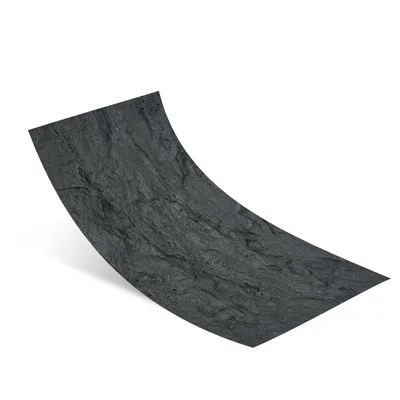
This freedom is even more pronounced when dealing with complex geometries. One of MCM's most incredible properties is its flexibility. This is where products like our MCM Flexible Stone series truly shine. It can be easily bent around curved walls, columns, and archways, creating seamless, organic forms that would be impossible or prohibitively expensive to achieve with rigid materials. No more awkward cuts, no more unsightly seams. You get a fluid, monolithic surface that follows the architect's intended lines perfectly.
Furthermore, this lightweight nature is a godsend for renovation and retrofitting. Countless older buildings with solid but aesthetically dated facades are prime candidates for a makeover. But their original structures were never designed to support an additional load of heavy stone or concrete. With MCM, you can apply a stunning new skin directly over the old facade without needing to undertake costly and invasive structural reinforcement. It's the fastest, most cost-effective way to breathe new life into the urban landscape.
While the premium aesthetic of MCM might suggest a high price tag, the total project cost tells a very different story. The savings generated by its lightweight properties are substantial and multifaceted.
The benefits of a lightweight facade extend into the crucial areas of safety and environmental responsibility. The construction site is inherently a dangerous place, and maneuvering multi-ton panels of stone or concrete is one of its highest-risk activities. By virtually eliminating the need for heavy lifting, MCM drastically reduces the potential for catastrophic accidents.
From a sustainability perspective, MCM is a clear winner. Its entire lifecycle is designed to be low-impact. The low-temperature manufacturing process consumes up to 80% less energy than high-temperature firing for ceramics. The raw materials are abundant and often incorporate recycled components. The reduced transportation weight leads to a direct reduction in fossil fuel consumption. In an era where ESG (Environmental, Social, and Governance) criteria are paramount, choosing a lightweight, low-energy material like MCM is not just a practical choice, but a responsible one.
And the innovation doesn't stop. With advancements like the MCM 3D Printing Series , we are pushing the boundaries even further, creating intricate, bespoke textures and patterns that are lightweight and sustainable—a feat unimaginable with traditional subtractive methods like carving stone.
The choice of a cladding material is one of the most consequential decisions in the entire construction process. For too long, the industry has been shackled by the idea that to achieve an aesthetic of strength and permanence, one must accept the physical, financial, and logistical burden of immense weight.
COLORIA GROUP's MCM technology, perfectly embodied in products like the Lunar Peak Black , shatters this outdated paradigm. It proves that you can have the best of all worlds: the breathtaking beauty and texture of natural materials, the freedom to create bold and complex architectural forms, and the practical benefits of a material that is over 90% lighter.
This is more than just a new product; it's a new philosophy. It's about working smarter, not harder. It's about using technology to overcome the limitations of nature. It's about building facades that are not only beautiful but also intelligent, efficient, safe, and sustainable.
The weight advantage of MCM is not a minor feature; it is the key that unlocks a better way to build. As we look to the future of architecture—a future defined by ambitious designs, tight budgets, and a non-negotiable commitment to sustainability—it is clear that lightweight, high-performance materials are not just an alternative. They are the inevitable and intelligent path forward.
Recommend Products












