Let's step out of the lab and into real life. What does better insulation actually feel like? For Maria, a homeowner in Portland, Oregon, it meant finally saying goodbye to the "cold spots" in her living room. "We renovated our 1950s home last year, and I insisted on using
poly wood board for the exterior cladding," she says. "Before, the wall near the window was always freezing in winter—you could feel the cold seeping through. Now, even on the chilliest days, the walls stay warm to the touch. Our heating bill dropped by almost 30%, and we don't have to crank the thermostat to 72 just to feel comfortable."
For architects,
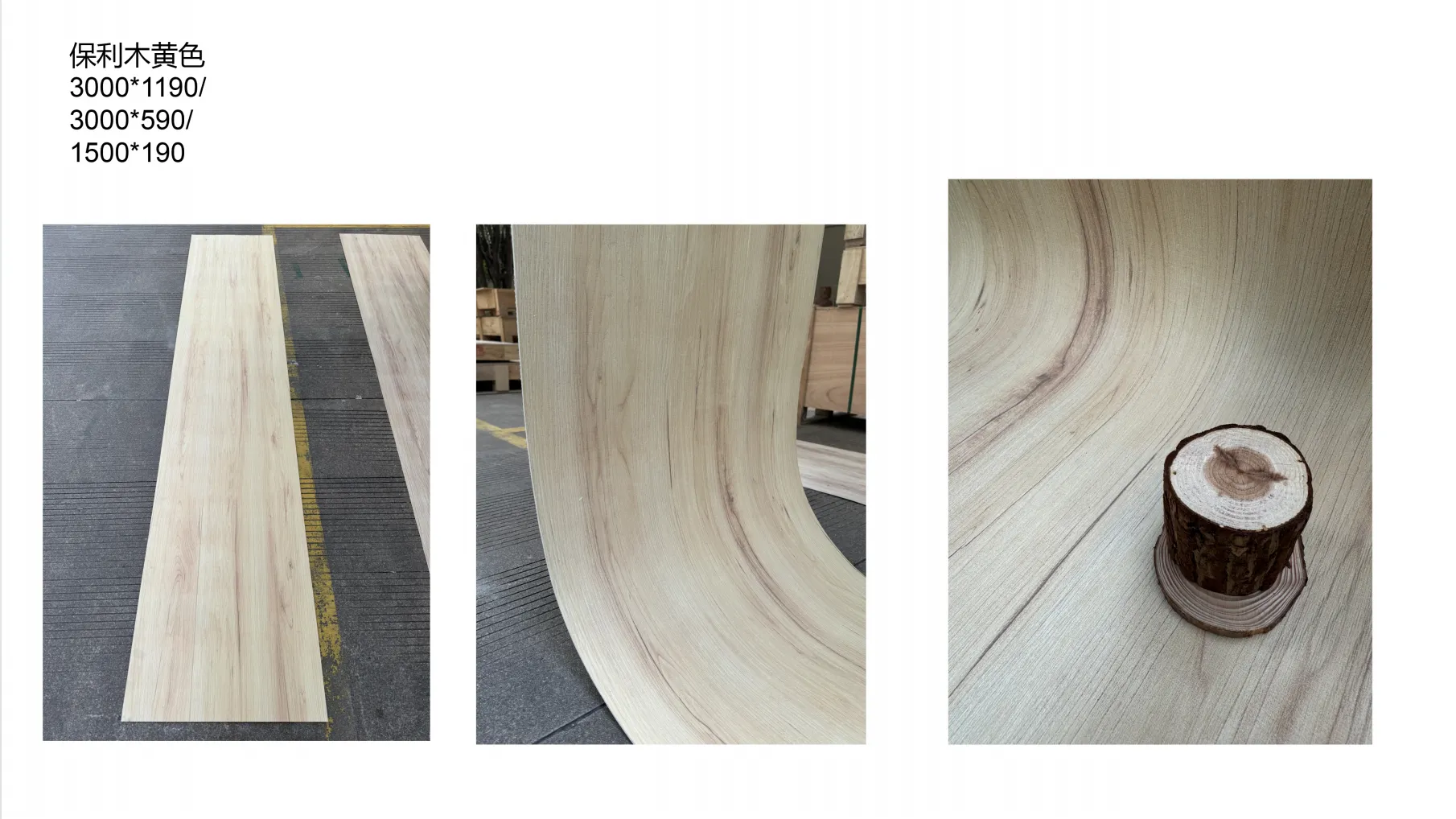
poly wood board is a design dream. It comes in a range of finishes—from rich walnut to weathered gray—so it fits everything from modern minimalist homes to rustic cabins. "Clients want spaces that are both beautiful and efficient," says James, an architect specializing in sustainable design. "
Poly wood board lets me check both boxes. I used it on a recent office project, and the tenants rave about how consistent the temperature is—no more complaints about 'too hot' or 'too cold' cubicles. Plus, it's lightweight, so we could install it without reinforcing the structure, which saved time and money."
Then there's the environmental angle.
Poly wood board is often made with recycled wood fibers and plastic, diverting waste from landfills. And because it reduces energy use, it lowers the carbon footprint of the buildings it's in. Compare that to
fair-faced concrete, which has a high carbon footprint due to cement production, or even some types of wood, which can contribute to deforestation if not sourced sustainably.
Poly wood board offers a middle ground: the look of wood, the performance of plastic, and a smaller environmental impact than both.
Let's talk about cost—because at the end of the day, that's a big factor for most people.
Poly wood board does cost more upfront than, say, plywood or
fair-faced concrete. But here's the kicker: it pays for itself. The U.S. Department of Energy estimates that improving insulation can reduce heating and cooling costs by 15–20%. For a home with an average monthly energy bill of $200, that's $30–$40 saved each month—or $360–$480 a year. Over 10 years, that's $3,600–$4,800 in savings—more than enough to offset the initial investment. And because
poly wood board lasts 25–30 years (compared to 10–15 for untreated wood), you're looking at decades of lower bills.