
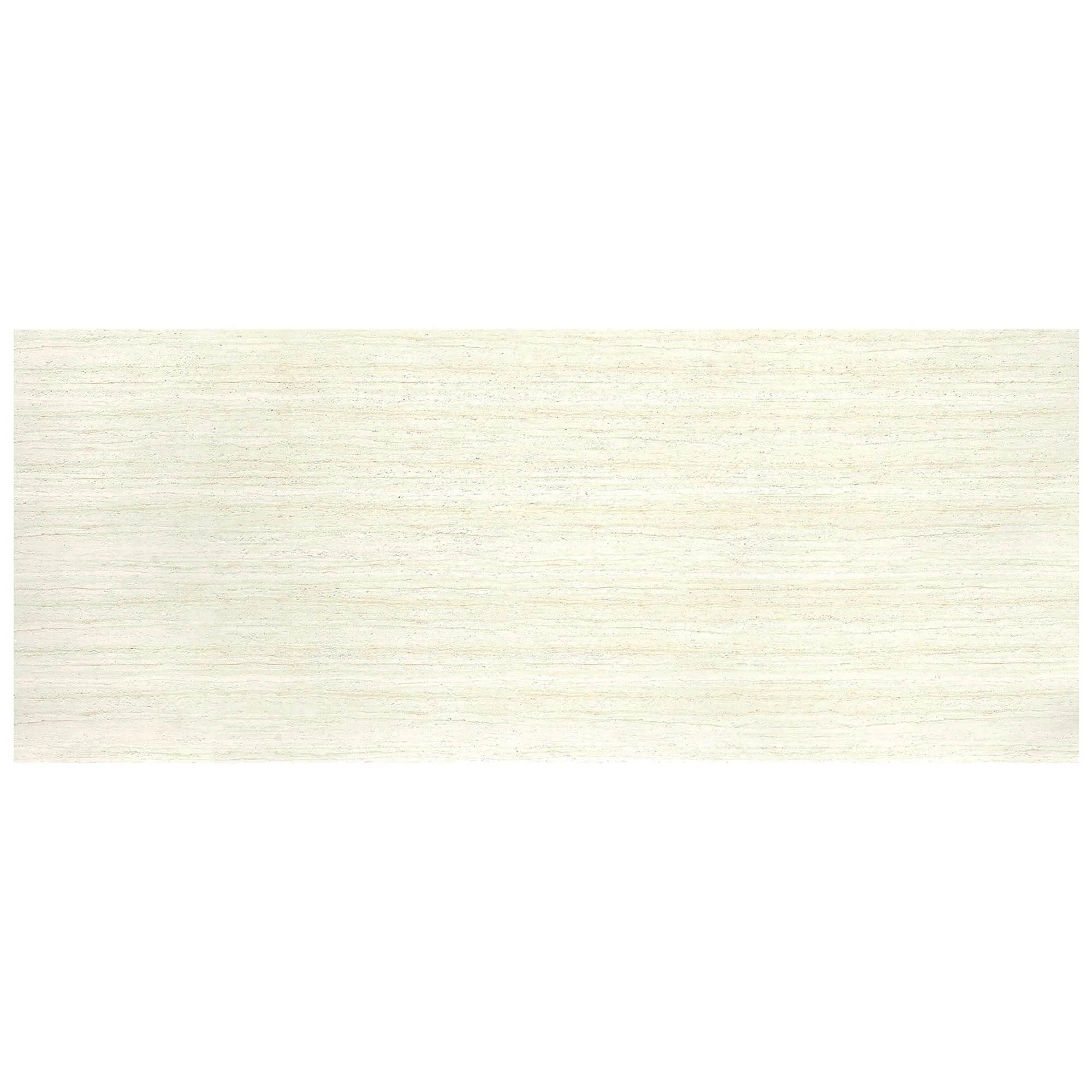
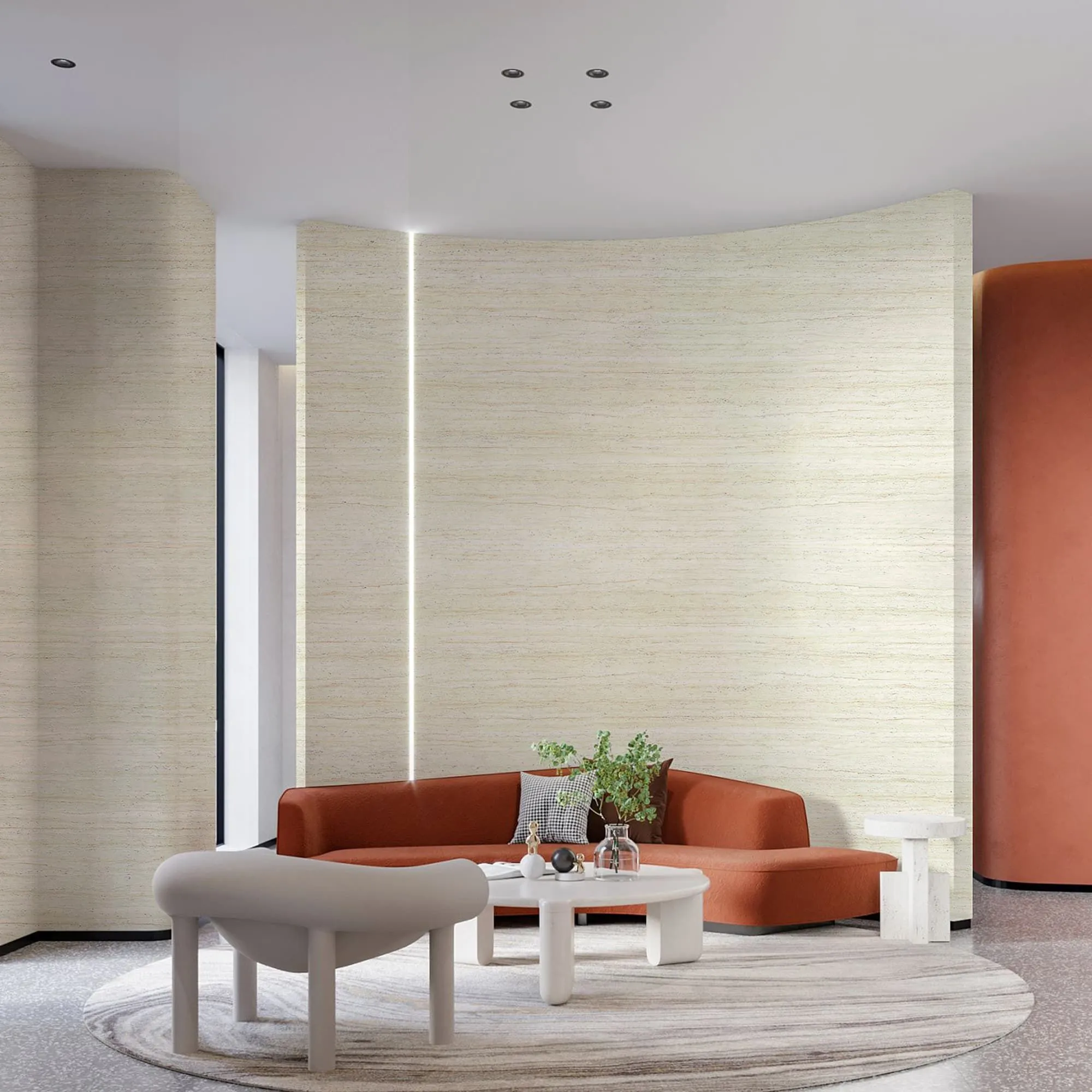
If you've ever walked into a modern commercial space or a thoughtfully designed home and paused to admire the walls—maybe the way the stone-like panels curve gently around a corner, or how the texture of a large slab feels both rugged and refined—chances are you were looking at MCM. Short for Modified Composite Material, MCM has revolutionized the world of architectural cladding, offering the beauty of natural stone, wood, or metal without the heft, cost, or maintenance headaches. But here's the thing: even the most stunning MCM flexible stone or MCM big slab board series panel is only as good as the adhesive that holds it in place. And when it comes to MCM installation, thread adhesives are the unsung heroes that make durability and design possible.
Choosing the right thread adhesive for MCM isn't just about picking a tube off the shelf. It's about understanding the unique properties of MCM materials, the demands of the installation environment, and the long-term performance you need. Whether you're an architect specifying materials for a high-rise facade, a contractor installing flexible stone cladding panels on a boutique hotel, or a homeowner tackling a DIY backsplash, the adhesive you choose can mean the difference between a finish that lasts decades and one that starts peeling or cracking within a year. Let's dive into how to navigate this critical decision.
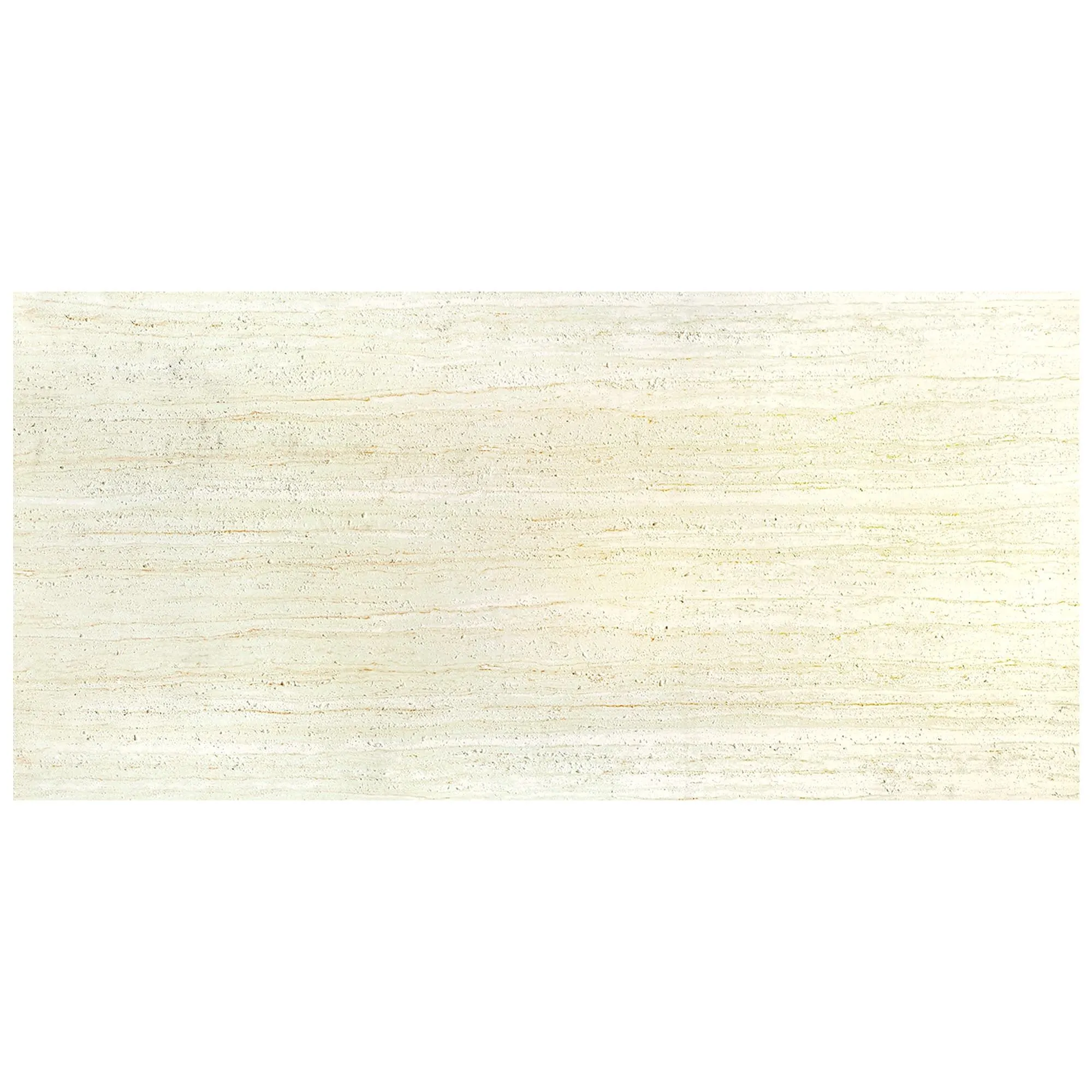
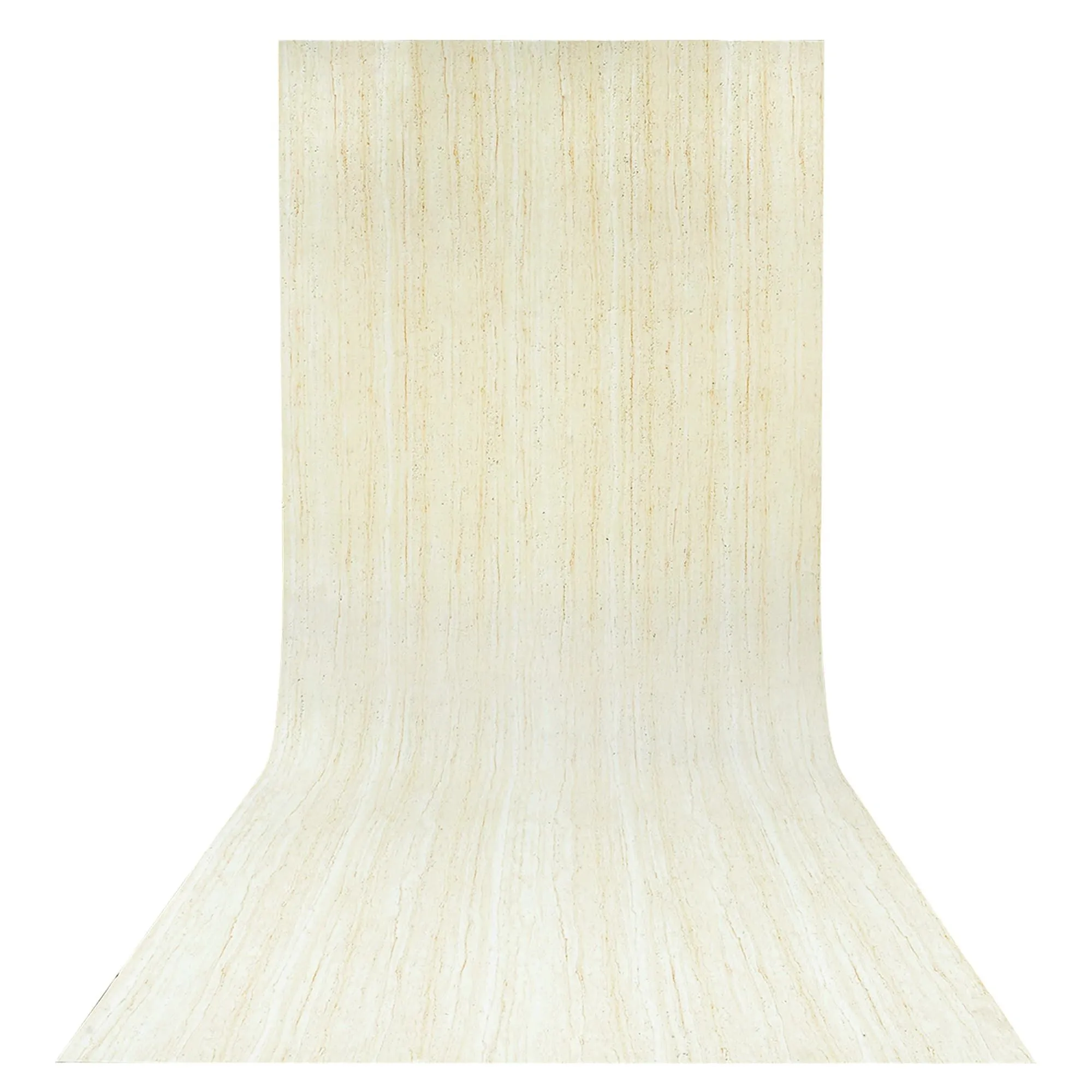
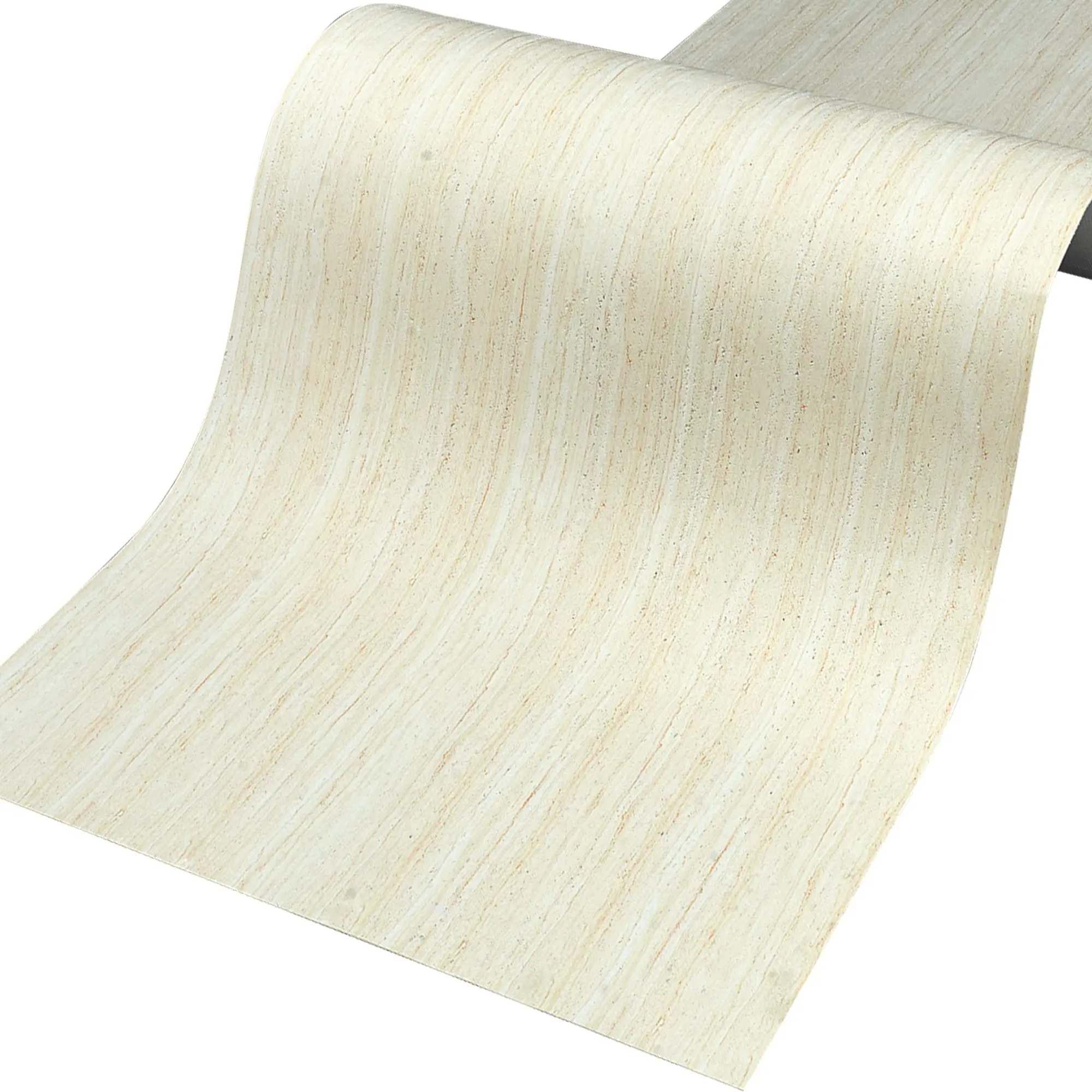
Before we get into thread adhesives, let's make sure we're all on the same page about what MCM is and why it requires special consideration. Unlike traditional cladding materials—think heavy natural stone slabs or rigid ceramic tiles—MCM is engineered to be lightweight, flexible, and surprisingly tough. Take MCM flexible stone , for example: it mimics the look of travertine, slate, or granite but weighs a fraction of the real thing, making it easier to transport and install on both interior and exterior surfaces. Then there's the MCM big slab board series , which offers large-format panels (some as big as 4x8 feet) that create seamless, modern surfaces without the need for unsightly grout lines. Even flexible stone cladding panels can bend to follow curved walls or architectural details, opening up design possibilities that were once impossible with rigid materials.
But here's the catch: MCM's flexibility and light weight also make it more sensitive to the adhesive used. A rigid adhesive that works for natural stone might crack when MCM expands or contracts with temperature changes. A weak adhesive could fail to hold the panels securely, especially on vertical surfaces or in high-wind areas. And because MCM often features textured or porous finishes—like the rough-hewn look of a historical pathfinders stone or the subtle grain of a wood grain board —the adhesive needs to bond effectively without seeping through and marring the surface. In short, MCM's best qualities (flexibility, texture, lightness) are exactly what make choosing the right thread adhesive so crucial.
So, how do you pick an adhesive that plays nice with MCM? Let's break down the most important factors to keep in mind. Think of this as your checklist before you hit "add to cart" or approve a product for your project.
Not all MCM is created equal. A foamed aluminium alloy board (vintage silver) has different surface properties than a travertine (starry green) panel, and both behave differently from a bamboo mat board or fair-faced concrete MCM. Adhesives are formulated to bond with specific materials, so start by checking the MCM manufacturer's recommendations. For example, porous MCMs like travertine (starry red) or gravel omani stone might require an adhesive with higher viscosity to prevent absorption, while smooth surfaces like lunar peak silvery or polish concrete MCM may need a tackier formula to ensure initial grab.
MCM panels are installed on substrates—think concrete walls, drywall, metal studs, or even existing tile. The adhesive must bond not just to the MCM panel but also to whatever's underneath. A thread adhesive that works wonders on a concrete substrate might fail on wood or gypsum board. If you're installing MCM big slab board series panels on a exterior brick wall, for instance, you'll need an adhesive that can handle the porosity of brick and the potential for moisture. Always test the adhesive on a small, inconspicuous area of both the MCM and the substrate before committing to a full installation.
Is your project indoors or outdoors? Exposed to direct sunlight, rain, or extreme temperatures? MCM installed on a sunbaked rooftop in Arizona will face different challenges than panels in a humid bathroom or a climate-controlled office. Outdoor installations need adhesives with UV resistance to prevent degradation from sunlight, while wet areas (like showers or pool surrounds) require waterproof formulas. Even temperature swings matter: an adhesive that cures well at 70°F might become too brittle in freezing winters or too runny in sweltering summers. Look for adhesives rated for the specific climate zone of your project—you'll often see labels like "exterior use" or "temperature range: -20°F to 180°F."
MCM panels are lightweight, but gravity still plays a role—especially with large panels or vertical installations. MCM big slab board series panels, which can measure 4x10 feet or more, exert significant downward force on the adhesive during and after installation. Thread adhesives are rated for shear strength (resistance to sliding forces) and tensile strength (resistance to pulling forces). For heavy or large panels, opt for an adhesive with a shear strength of at least 200 psi (pounds per square inch) to ensure panels stay put over time. For ceiling installations or overhead applications (yes, MCM can be used there too!), look for adhesives with high initial tack to prevent slippage before curing.
One of MCM's biggest advantages is its flexibility—it can bend and adapt to minor structural movements without cracking. But if the adhesive is too rigid, it can act like a straightjacket, causing the panel to delaminate or the adhesive to fail when the building shifts (which all buildings do, thanks to temperature changes, settling, or wind). This is especially critical for flexible stone cladding panels or curved installations. Look for "elastic" or "flexible" thread adhesives, which can stretch up to 10-20% of their original length without breaking. These are often labeled as "movement accommodating" or "crack-bridging" adhesives.
Now that you know what to look for, let's explore the most common types of thread adhesives used in MCM installation. Each has its pros and cons, and the best choice depends on your project's specific needs.
Acrylic adhesives are a popular choice for MCM, and for good reason. They're water-based, low-odor, and easy to clean up with soap and water before curing. They offer good adhesion to most MCM materials, including wood grain board , linear travertine (claybank) , and marble veil white . Acrylics are also flexible once cured, making them suitable for interior installations or sheltered exteriors. The downside? They're not the strongest option for heavy panels or extreme weather. If you're installing boulder slab (vintage gold) on a high-rise facade, acrylic might not be the best bet—but for a kitchen backsplash with travertine (vintage silver) MCM, they're a solid, budget-friendly choice.
Epoxy adhesives are the workhorses of the adhesive world. They're two-part formulas (resin + hardener) that create an incredibly strong, durable bond. Epoxies excel with heavy MCM panels like MCM big slab board series or boulder slab , and they're resistant to water, chemicals, and temperature extremes. If you're installing flexible stone cladding panels on a commercial building's exterior or a gobi panel in a high-traffic area, epoxy is a safe bet. The tradeoff? They're more expensive than acrylics, have a stronger odor during application, and require precise mixing (get the ratio wrong, and the adhesive won't cure properly). They also have a shorter open time (the window between mixing and when the adhesive starts to set), so you'll need to work quickly.
Polyurethane adhesives are the flexible giants. They expand slightly as they cure, filling gaps and creating a tight seal—perfect for uneven substrates or MCM with textured surfaces like rust mosaic stone or pine bark board . Polyurethanes bond well to both porous and non-porous MCMs, including foamed aluminium alloy board (vintage gold) and slate portoro . They're also highly resistant to moisture, making them ideal for outdoor installations or wet areas. The catch? They require moisture to cure, so they're not great for very dry environments. They also release isocyanates during curing, which can be harmful if inhaled, so proper ventilation is a must.
Silicone adhesives are all about flexibility and temperature resistance. They can withstand extreme heat (up to 500°F in some cases) and cold, making them suitable for MCM installed near fireplaces, ovens, or in freezing climates. Silicones are also waterproof and UV-resistant, so they're a good choice for exterior lunar peak black or travertine (starry blue) panels. However, they're not the strongest adhesives—they work best for lightweight MCMs like weaving (khaki) or bamboo mat board , or as a secondary sealant rather than the primary adhesive for heavy panels.
| Adhesive Type | Best For MCM Materials | Strength | Flexibility | Environmental Resistance | Installation Tip |
|---|---|---|---|---|---|
| Acrylic | Wood grain board, linear travertine, marble veil white | Medium | High | Indoor/sheltered outdoor (mild climates) | Apply thin, even beads; clean up with water immediately |
| Epoxy | MCM big slab board series, boulder slab, gobi panel | High | Medium | Outdoor, wet areas, extreme temperatures | Mix thoroughly; work in small batches (short open time) |
| Polyurethane | Rust mosaic stone, pine bark board, foamed aluminium alloy | High | Very High | Outdoor, wet areas, uneven substrates | Ensure substrate is slightly damp for curing; wear gloves |
| Silicone | Weaving (khaki), bamboo mat board, lunar peak black | Low-Medium | Very High | High heat, freezing cold, UV exposure | Use as a secondary sealant; not ideal for heavy panels |
Even the best adhesive can fail if applied incorrectly. Here are some tried-and-true tips from installers who've worked with MCM for years:
Even seasoned pros can slip up when choosing or applying thread adhesives for MCM. Here are a few pitfalls to watch out for:
Mistake #1: Ignoring the MCM manufacturer's guidelines. Many MCM brands, like those offering epoch stone or historical pathfinders stone , provide specific adhesive recommendations based on years of testing. Skipping this step is a gamble.
Mistake #2: Using all-purpose adhesive for everything. "All-purpose" is a marketing term, not a guarantee. A general-purpose adhesive might work for wood line MCM but fail miserably with dolomitic travertine (dark grey) .
Mistake #3: Rushing the curing process. Adhesives need time to reach full strength—sometimes 24-48 hours. Exposing freshly installed MCM to stress (like leaning ladders against panels or cleaning with water) before curing is complete can weaken the bond.
Mistake #4: Overlooking expansion gaps. MCM, like all materials, expands and contracts with temperature changes. Failing to leave small gaps between panels (and using a flexible adhesive to accommodate movement) can lead to buckling or cracking.
At the end of the day, MCM is a material that marries art and engineering—and thread adhesives are the bridge between the two. They turn flat panels into functional, beautiful surfaces that can transform a space. Whether you're working with MCM flexible stone in a residential kitchen, flexible stone cladding panels on a commercial facade, or MCM big slab board series in a public plaza, taking the time to choose the right adhesive is an investment in longevity and beauty.
Remember: start by understanding your MCM material, check the substrate, consider the environment, and don't be afraid to test before you commit. And when in doubt, reach out to the MCM manufacturer or a trusted adhesive supplier—they're there to help ensure your project succeeds. After all, the best MCM installations are the ones where the adhesive does its job so well, no one ever notices it's there. And isn't that the point? To let the beauty of the MCM shine—strong, secure, and stunning for years to come.
Recommend Products












