
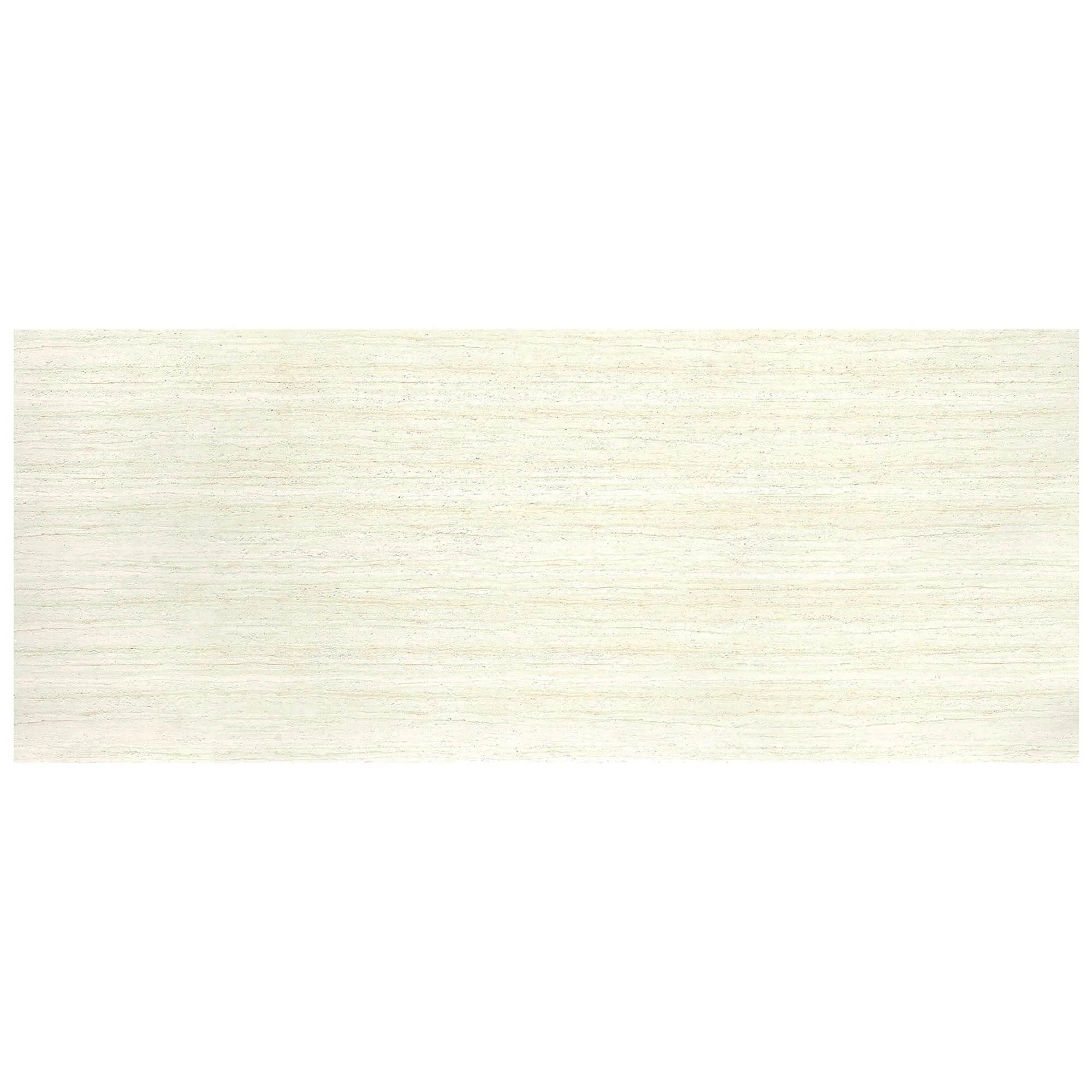
Walk into a thoughtfully designed space—a boutique hotel lobby, a modern home's open-concept living area, or a sleek corporate office—and you'll likely notice something intangible yet powerful: flow . The walls, floors, and surfaces feel like they belong together, each element speaking the same visual language. This isn't accidental. Behind that seamless harmony often lies a key principle: thread consistency . Nowhere is this more critical than in architectural materials, and for the MCM big slab board series , it's the secret sauce that turns individual panels into a cohesive design story.
MCM's big slabs aren't just building materials; they're the canvas on which designers paint spaces with emotion, purpose, and personality. But even the most stunning texture or vibrant color can fall flat if the "thread"—the subtle, intentional continuity of pattern, tone, and texture across slabs—is broken. In this article, we'll unpack why thread consistency matters, how it transforms ordinary spaces into extraordinary ones, and how MCM's big slabs master this art to elevate architectural design.
Let's start with the basics. Thread consistency isn't about making every slab identical—that would be monotonous, like a wall of perfectly cloned tiles. Instead, it's about creating a deliberate rhythm . Think of it as a conversation between slabs: each one has its own "voice," but they all speak the same dialect. A vein in a travertine slab might meander slightly differently than the next, but the color intensity, the spacing of pores, and the overall "feel" remain recognizable as part of the same family. It's the difference between a jazz ensemble playing in harmony versus a group of musicians each improvising in a different key.
For MCM's big slabs, this means controlling variables that affect visual continuity: color variation (not too much, not too little), texture depth (consistent enough to feel intentional), pattern repetition (subtle motifs that echo across panels), and even finish (matte, polished, or textured—applied uniformly to avoid jarring shifts). When done right, the result is a surface that feels lived-in yet intentional, organic yet purposeful.
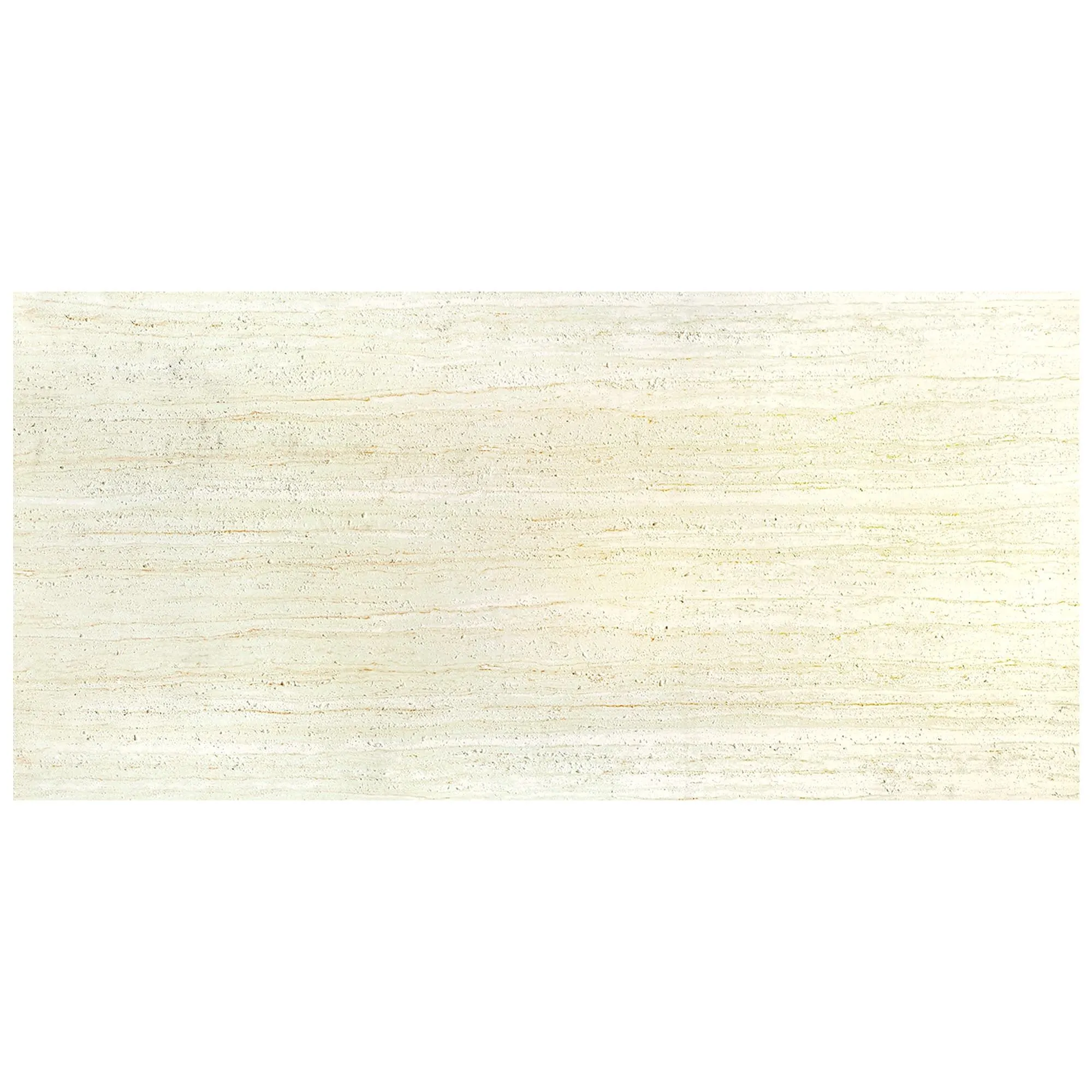
You might be thinking, "Can't designers just pick slabs that look 'close enough'?" Sure—but that's like baking a cake and skipping the sugar. The difference is in the experience. Here's why thread consistency makes or breaks a design:
Imagine walking into a restaurant where the walls are clad in travertine (starry green) —a stunning MCM finish with iridescent "star" flecks scattered across a deep emerald base. Now, picture one slab with bright, almost neon green stars and the next with faint, dull flecks. Your eye would stop short, confused. The space would feel disjointed, like a puzzle with mismatched pieces. But with thread consistency, those starry flecks are distributed just so: some slabs have a few more stars, others a few less, but the hue of green, the size of the flecks, and the overall density feel like part of a single, sprawling night sky. Suddenly, the wall doesn't just exist —it transports you.
Designers know this: inconsistent slabs signal carelessness, while consistent ones scream professionalism. It tells clients, guests, or residents, "We paid attention to the details." And in a world where first impressions last, that matters.
Thread consistency isn't just about looks—it makes installation smoother, too. When slabs have predictable color and texture patterns, installers can lay them out like a puzzle, ensuring seams align and transitions feel natural. For example, MCM's wood grain board big slabs mimic the look of reclaimed timber, but with a consistency that real wood can't match. Each panel has unique grain "knots" and "whorls," but the depth of the grain, the warmth of the wood tone, and the spacing of knots follow a subtle pattern. This means installers don't have to hunt for "matching" slabs; they can focus on creating a continuous, flowing wood-look wall that feels authentic but without the warping or inconsistency of natural wood.
Durability benefits, too. MCM's engineered materials ensure that the "thread" of texture and color resists fading, chipping, or wear over time. A consistent finish means the slab that's exposed to sunlight near a window will age at the same rate as the one in a shaded corner—no patchy discoloration, no "new vs. old" contrast.
At the end of the day, architecture is about people. And people don't just see spaces—they feel them. Inconsistent slabs create visual "noise" that disrupts calm. Think of a hospital waiting room with walls that shift from beige to gray to taupe: it might not "bother" you consciously, but it adds subtle stress. Now, imagine that same room clad in MCM's fair-faced concrete big slabs. The texture is consistent—subtle pits and fine lines that feel industrial yet warm—and the color is a soft, uniform gray that wraps around the space like a quiet blanket. Suddenly, the room feels calm, trustworthy, and intentional. That's the emotional power of thread consistency: it turns surfaces into shelter .
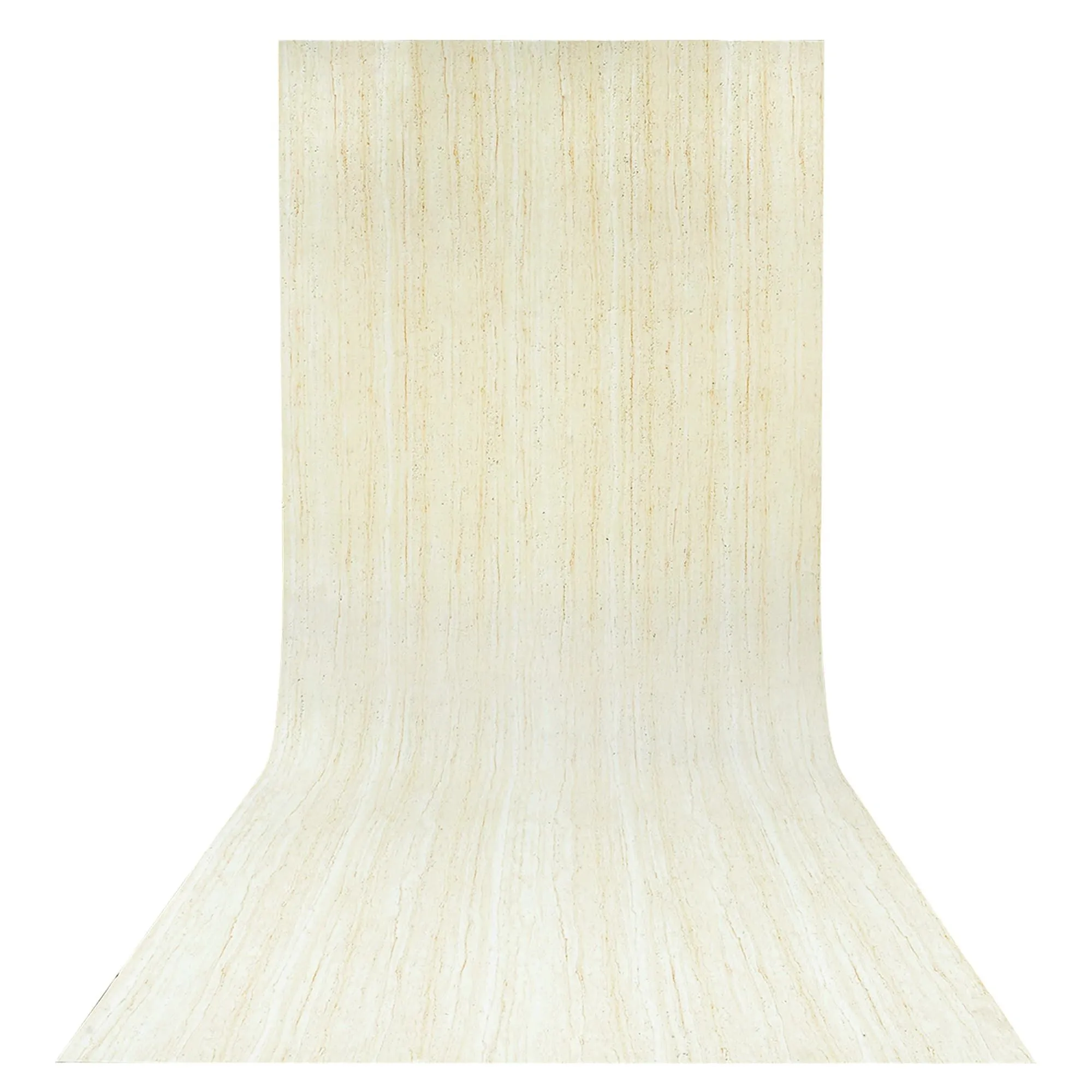
Achieving thread consistency is harder than it looks. Natural materials like stone or wood are inherently variable—no two pieces are alike. But MCM's big slabs are engineered, which gives them a unique advantage: control. Let's dive into a few standout examples from their lineup to see how this works in practice.
MCM's travertine (starry green) is a fan favorite for designers aiming to add drama without chaos. The "starry" effect comes from metallic flecks embedded in a rich green travertine base. To keep the thread consistent, MCM's manufacturing process carefully calibrates the size of these flecks (mostly 2-3mm, with occasional 5mm "shooting stars") and their distribution (10-12 flecks per square foot, on average). The green base itself is mixed in batches, tested for color accuracy, and adjusted to ensure no slab leans too teal or too olive. The result? Walk along a wall of these slabs, and you'll swear you're gazing at a single, unbroken night sky—each slab a window into the same constellation.
The lunar peak silvery series draws inspiration from moonlit mountain ranges, with a gradient that shifts from bright silver at the "peak" to soft charcoal at the "base." Thread consistency here means ensuring the gradient slope is uniform across slabs—no sudden jumps from light to dark—and that the metallic sheen (a subtle, brushed finish) reflects light at the same angle. MCM's colorists use spectrophotometers to measure light reflectivity, ensuring that a slab from the first production run matches one from the 50th. The payoff? A wall clad in lunar peak silvery feels like a continuous mountain range, rising and falling gently across the space, with no "breaks" in the horizon.
Natural wood is beloved for its warmth, but its inconsistency—knots, sap lines, and color variation—can derail a design. MCM's wood grain board big slabs solve this by mimicking the look of reclaimed oak, but with a thread that feels intentional. The grain pattern follows a loose "flow" (think of a river winding through a forest), with knots placed 12-18 inches apart on average, and color variation limited to a warm spectrum of honey to amber. This means a kitchen backsplash or bedroom accent wall feels like a single, massive slab of wood—without the warping, splitting, or uneven fading of the real thing.
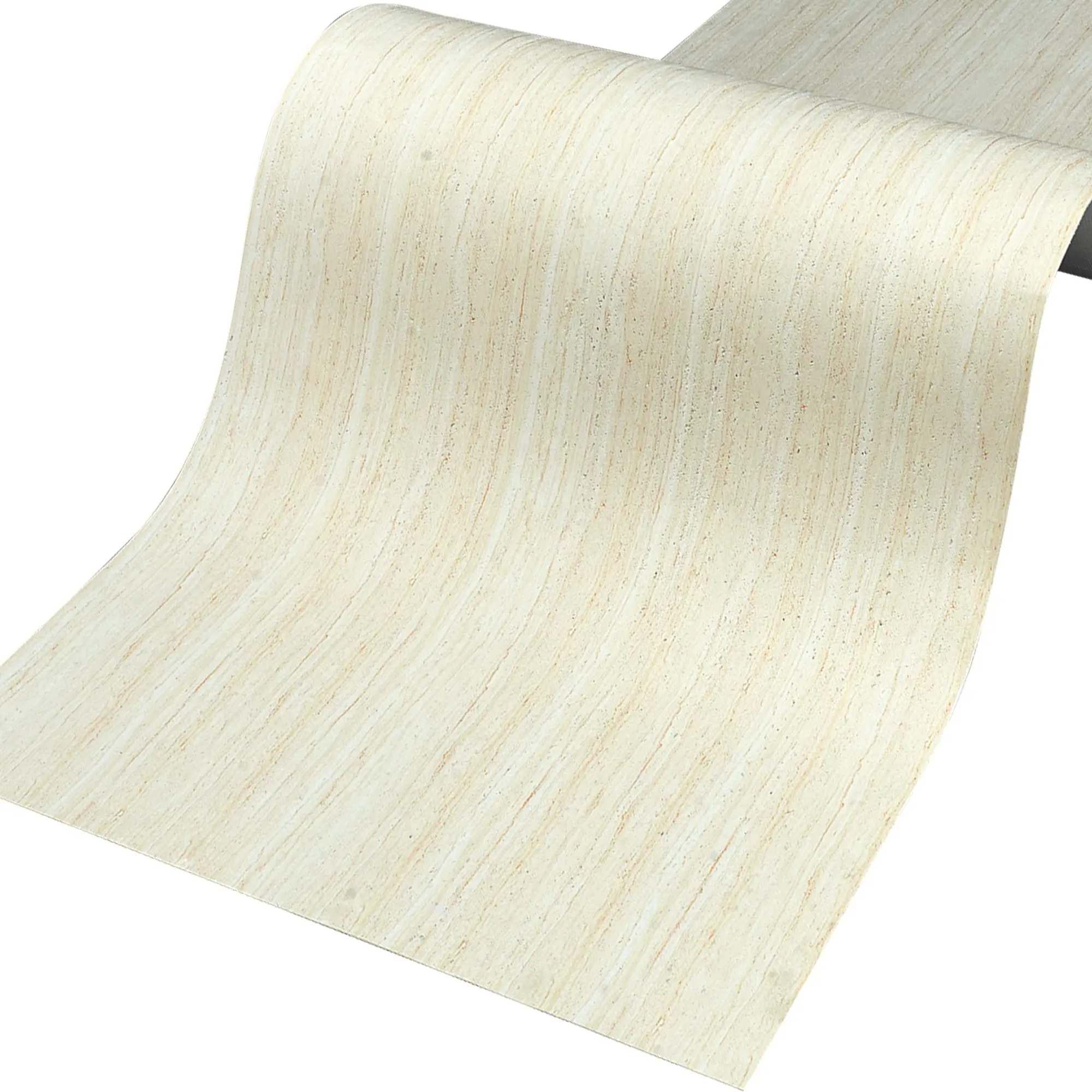
Don't just take our word for it—let's look at how MCM's big slabs stack up when it comes to thread consistency. The table below compares key series, highlighting the specific "threads" that make each one a masterclass in cohesion:
| Product Series | Key Thread Consistency Features | Why It Works | Best For |
|---|---|---|---|
| MCM Big Slab Board Series (General) | Controlled color variation (±5% delta), uniform thickness (±0.5mm), consistent edge profiling | Ensures slabs align seamlessly; no "off" colors or uneven edges to break flow | Large-scale projects (malls, airports, office complexes) |
| Travertine (Starry Green) | Metallic fleck size (2-5mm), distribution (10-12 flecks/sq ft), green base hue (Pantone 15-6315 TCX) | Creates a "celestial" continuity; feels like a single night sky | Accent walls, hotel lobbies, high-end retail |
| Lunar Peak Silvery | Gradient slope (15° angle), light reflectivity (70-75% consistent), charcoal base transition | Mimics natural mountain light; no jarring shifts in brightness | Modern homes, corporate offices, restaurants |
| Fair-Faced Concrete | Pit size (1-3mm), aggregate distribution (even, no clumping), gray tone (Pantone 14-4102 TCX) | Industrial yet warm; feels like a single poured concrete slab | Loft apartments, art galleries, cafes |
| Wood Grain Board | Grain flow direction (45° average), knot spacing (12-18 inches), honey-amber color range | Evokes reclaimed wood without inconsistency; feels "lived-in" but intentional | Kitchens, bedrooms, retail fitting rooms |
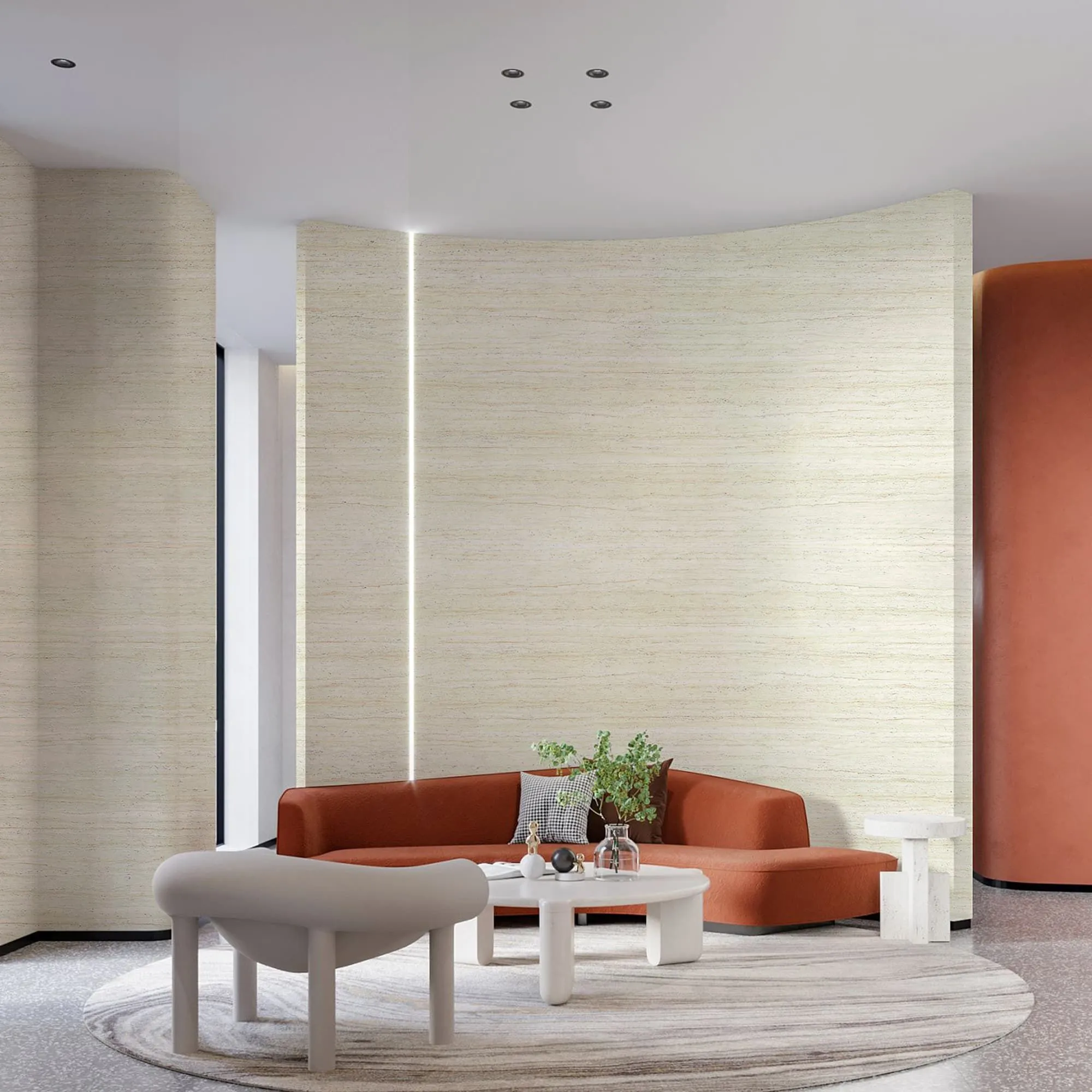
To truly appreciate thread consistency, let's consider the alternative. A designer once shared a horror story: a client insisted on using a budget stone slab for their restaurant's feature wall. The slabs were marketed as "natural travertine," but when installed, they varied wildly—one was pale cream, the next deep gold, with veins that zigzagged in random directions. The result? The wall looked like a patchwork quilt of mismatched leftovers. Diners commented on it ("Is that supposed to look like that?"), and the client ultimately had to replace the entire wall—at triple the original cost.
Inconsistent slabs don't just hurt aesthetics; they erode trust. A homeowner walking into their new kitchen might think, "If they cut corners on the countertops, what else did they skimp on?" A hotel guest might feel uneasy in a lobby with clashing wall panels, subconsciously questioning the quality of the stay. Thread consistency isn't just about beauty—it's about reliability .
So, how does MCM pull this off? It starts with control . Unlike natural stone quarries, which rely on the earth's whims, MCM engineers its big slabs in state-of-the-art facilities. Here's a peek behind the curtain:
At the end of the day, architecture is about more than walls and roofs—it's about creating spaces that make us feel something. And thread consistency is the quiet force that turns MCM's big slabs from building materials into storytellers. Whether it's the celestial continuity of travertine (starry green) , the moonlit gradient of lunar peak silvery , or the warm reliability of wood grain board , MCM's commitment to this principle ensures that every space built with their slabs feels intentional, cohesive, and alive .
So the next time you walk into a space that takes your breath away, take a closer look at the walls. Chances are, you're not just admiring stone or concrete—you're experiencing the power of thread consistency. And with MCM's big slabs, that power is just a design choice away.
Recommend Products












