
Navigating the balance between design dreams and budget realities
When it comes to cladding a building—whether it's a sleek commercial space, a cozy residential home, or a landmark public structure—every detail matters. The material you choose isn't just about protecting walls from the elements; it's about telling a story, setting a mood, and making a statement. In recent years, Modified Composite Material (MCM) has emerged as a favorite among architects and designers, thanks to its durability, versatility, and endless customization options. But here's the catch: customization, especially when it comes to "thread" details—the subtle textures, patterns, and finishes that give MCM cladding its unique character—can quickly turn a manageable budget into a stressful surprise.
If you've ever found yourself staring at a sample board, wondering why that stunning travertine with starry blue threads costs twice as much as a basic concrete finish, you're not alone. Thread customization is where art meets economics, and understanding its costs is key to keeping your project on track. In this guide, we'll break down everything you need to know about budgeting for thread customization in MCM cladding, from the factors that drive costs to practical tips for balancing aesthetics with affordability.
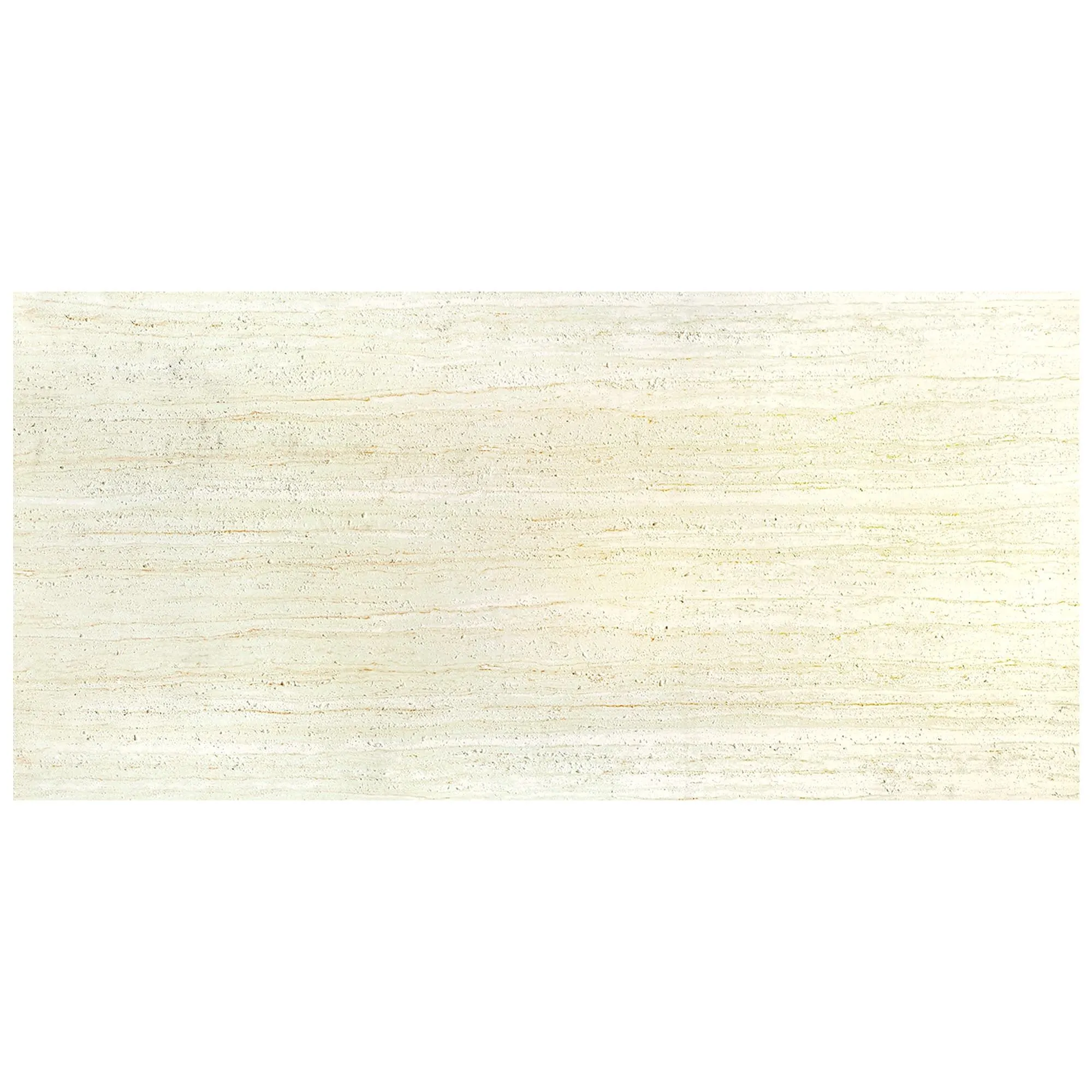
First things first: What exactly is "thread customization" in the context of MCM cladding? Think of it as the DNA of the material—the fine lines, grooves, patterns, or even three-dimensional textures that elevate a plain panel into something visually striking. Threads can be subtle, like the natural veining in marble, or bold, like the starry speckles in certain travertine varieties. They can mimic natural materials (wood grain, stone chiseling) or create entirely new, futuristic looks (metallic gradients, geometric weaves). In short, thread customization is what turns MCM from a functional building material into a design element that reflects your project's unique identity.
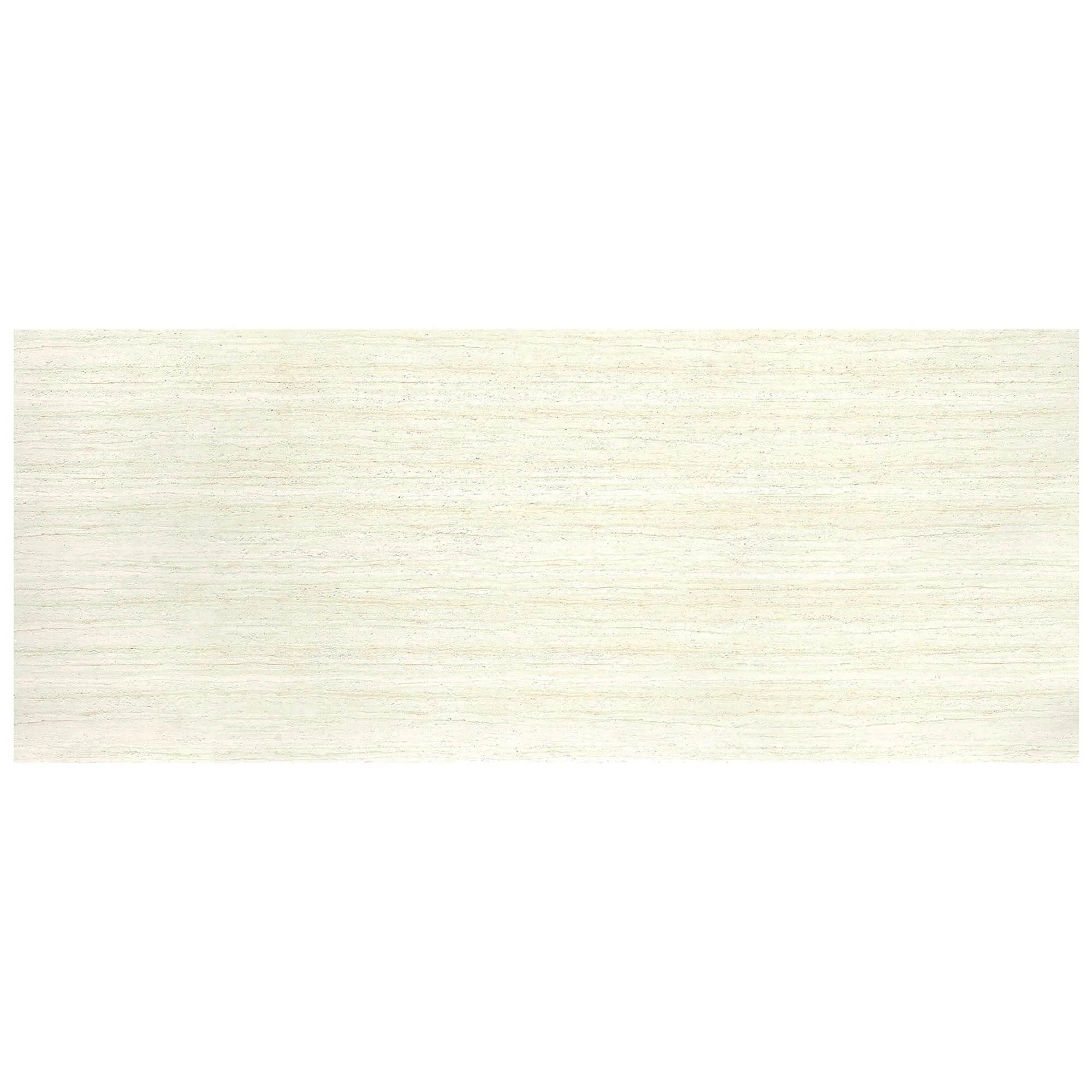
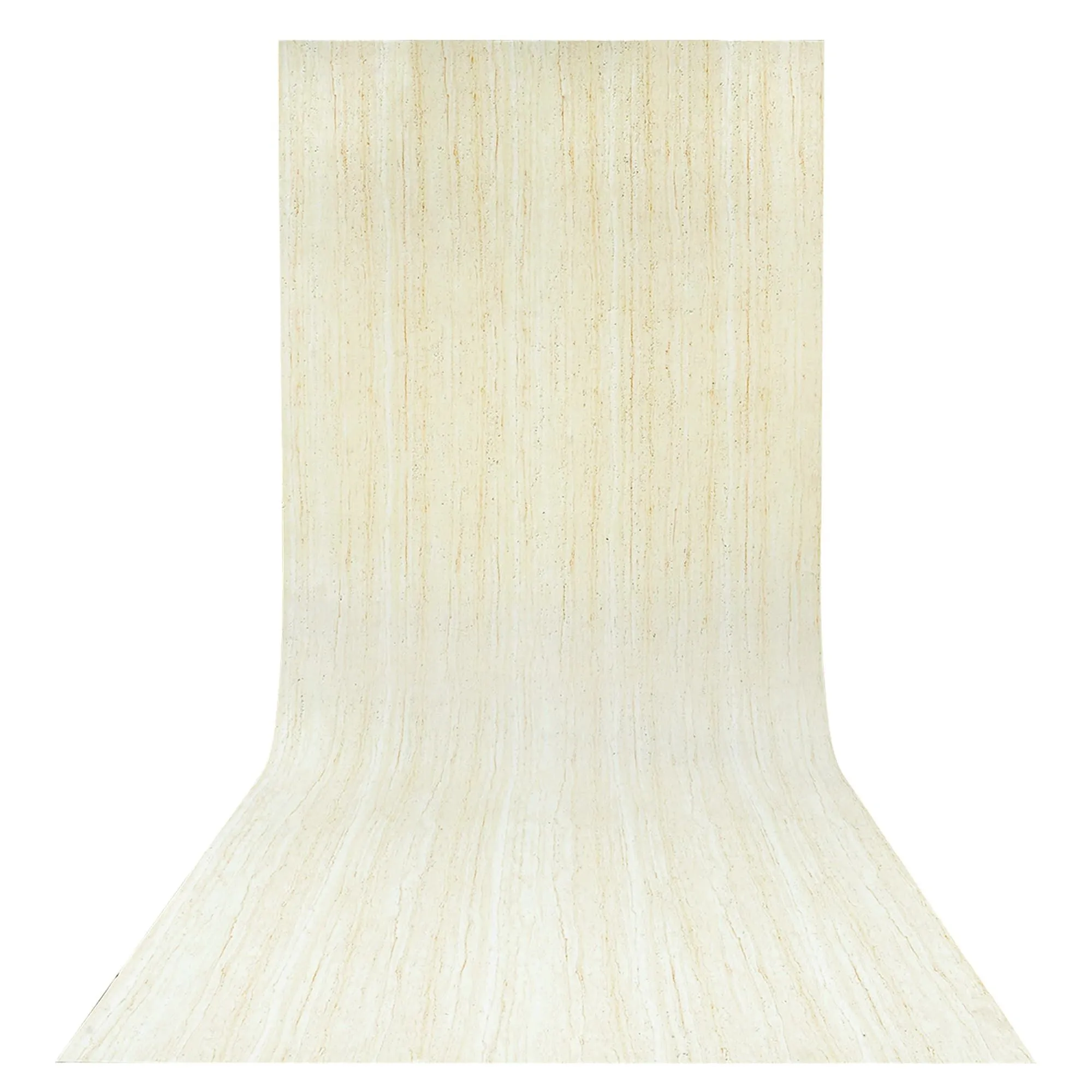
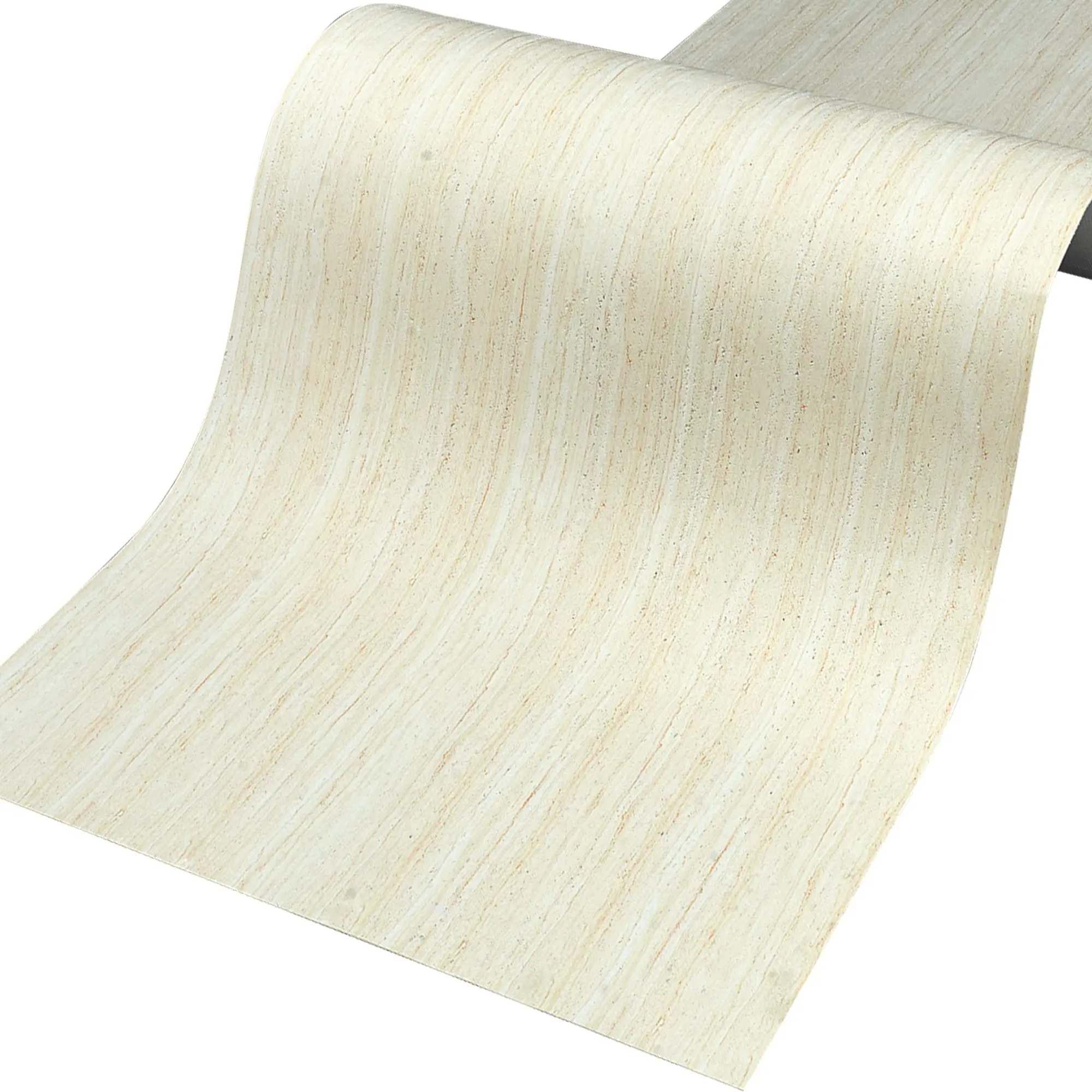
Take, for example, MCM flexible stone —a lightweight, bendable variant of MCM that's perfect for curved surfaces or intricate facades. Its thread options range from simple linear grooves that mimic natural stone to more complex "ripple" patterns that add movement to a wall. On the other end of the spectrum, consider travertine (starry blue) : this material features tiny, iridescent "stars" woven into its thread pattern, creating a night-sky effect that's impossible to replicate with off-the-shelf panels. These stars aren't just for show—each one is carefully placed during manufacturing, making the customization process both artisanal and costly.
But thread customization isn't just about looks. It can also impact functionality. A deeply threaded surface might provide better grip for exterior stairs, while a smooth, minimal thread (like that found in fair-faced concrete ) is easier to clean and maintain in high-traffic areas. The key is to align your thread choices with both your design vision and your practical needs—and, of course, your budget.
Thread customization costs aren't arbitrary. They're shaped by a handful of core factors, each of which can swing your budget up or down. Let's unpack the most significant ones:
Not all MCM materials are created equal, and their base costs directly impact how much you'll pay for thread customization. Here's a quick breakdown of common materials and their typical customization price ranges:
The more complex the thread pattern, the higher the cost. Basic customization might involve standard linear threads or pre-set textures that the manufacturer already has in its library. These are quick to produce and require minimal adjustments to existing molds or machinery. Medium customization could include unique color combinations (like pairing lunar peak golden threads with a neutral base) or slightly modified patterns. High customization, however, is where costs soar: think one-of-a-kind starry patterns (like travertine (starry blue) ), 3D-printed threads, or gradient color shifts that fade from one hue to another.
For example, a basic thread pattern on MCM flexible stone might involve stamping a repeating linear groove into the panel—a process that's automated and low-cost. But creating the starry threads in travertine (starry blue) requires hand-placing or precision-machining each "star," a labor-intensive step that adds both time and expense.
It's a simple rule of thumb: the larger your project, the more negotiating power you have. Manufacturers often offer volume discounts for bulk orders, which can offset some of the costs of thread customization. For instance, if you're cladding a 10,000 sqm office building with MCM big slab board series panels, you might secure a 10-15% discount on thread customization compared to a 500 sqm residential project. Conversely, small projects with highly custom threads (like a boutique café with a single accent wall of travertine (starry blue) ) may face higher per-square-meter costs, as manufacturers have to set up specialized equipment for a small batch.
The finish of your threads can also impact costs. A polished thread (shiny, smooth) requires additional steps: grinding, buffing, and sealing to achieve that sleek look. This adds labor and material costs, often increasing the price by 15-25% compared to a raw or matte thread. For example, fair-faced concrete with a polished thread will cost more than the same material with a natural, unpolished thread. On the flip side, rough or textured threads (like the chiseled look of lunar peak golden ) might require specialized tools but can sometimes be less costly than polished finishes, depending on the material.
Where you source your MCM panels matters. Local manufacturers may offer lower shipping costs and faster turnaround times, but they might have limited thread customization options. International suppliers, especially those in regions known for MCM innovation (like Italy or China), often have more advanced customization capabilities but may charge more for shipping, customs, and communication. Additionally, working with a manufacturer that specializes in custom threads (rather than a general building materials supplier) will likely cost more upfront but can deliver a more precise, high-quality result.
To make budgeting easier, let's put these factors into a concrete example. Below is a table estimating thread customization costs for common MCM materials, based on industry averages. Keep in mind that these are approximate figures—actual costs will vary by supplier, location, and project specifics.
| Material Type | Customization Level | Estimated Cost per Square Meter* | Notes |
|---|---|---|---|
| MCM flexible stone | Basic (Linear threads) | $45–$60 | Lightweight, ideal for curved surfaces; minimal labor for linear patterns. |
| Travertine (starry blue) | Medium (Starry thread pattern) | $85–$110 | Iridescent star details require specialized manufacturing; higher cost for unique color. |
| Lunar peak golden | High (Metallic gradient threads) | $100–$130 | Metallic pigments and gradient color shifts add complexity; premium finish. |
| Fair-faced concrete | Basic (Trowel-mark threads) | $30–$45 | Minimal customization; raw, industrial look; cost-effective for large areas. |
| MCM big slab board series | Medium (Scaled geometric threads) | $65–$80 | Large-format panels; thread patterns scaled to fit slab size; bulk discounts available. |
*Estimated costs include material, thread customization, and basic manufacturing. Excludes shipping, installation, and taxes.
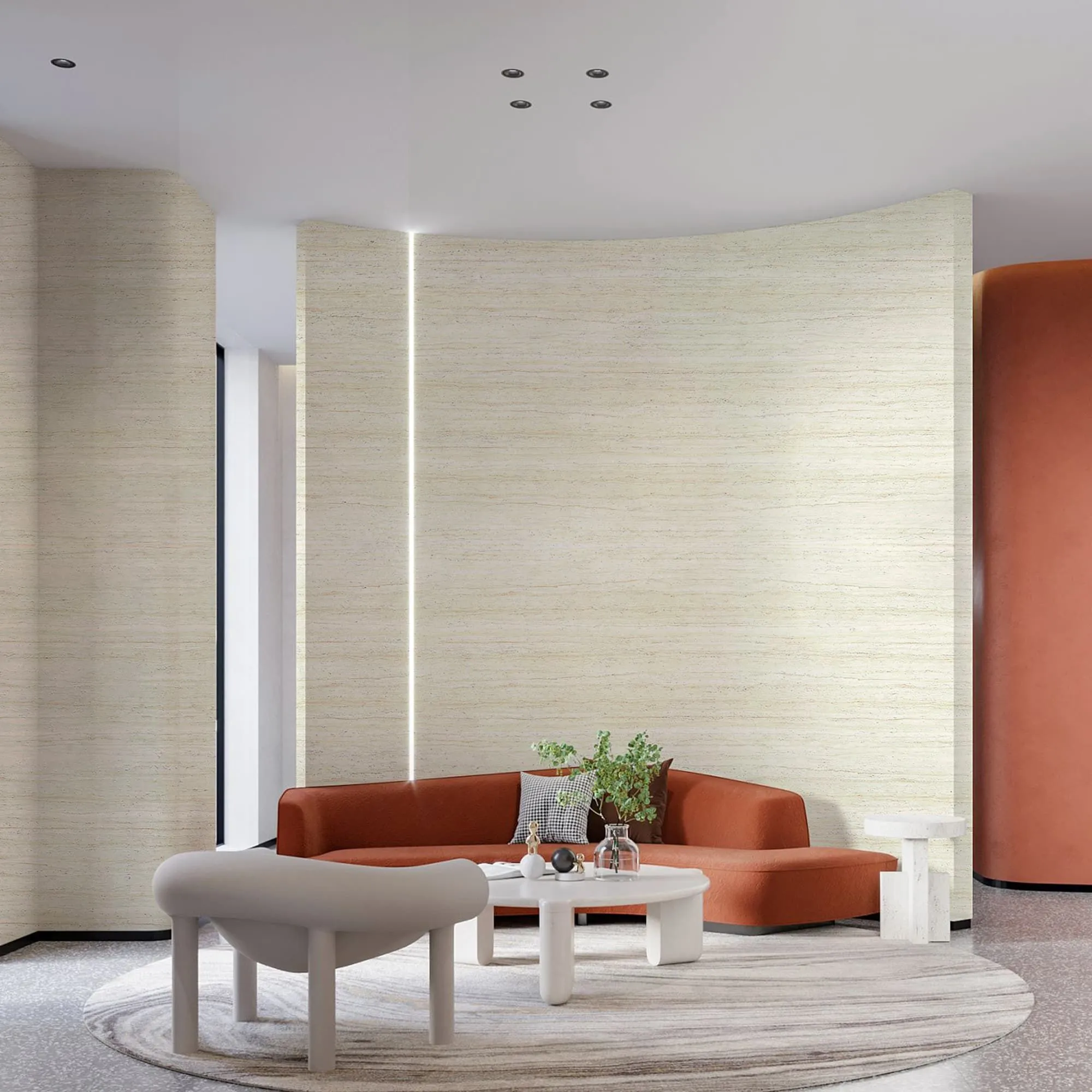
Now that you understand the factors driving costs, let's talk strategy. Here are actionable tips to keep your thread customization budget in check without sacrificing style:
You don't need to customize every square meter of cladding. Focus on areas that will make the biggest visual impact: accent walls, entryways, or exterior facades visible from the street. For example, use travertine (starry blue) with high thread customization for your building's main entrance, and pair it with MCM flexible stone (with basic threads) for less visible side walls. This way, you get the "wow" factor where it counts, without overspending.
Combining materials with different customization levels can balance costs. For instance, pair lunar peak golden (high customization) with fair-faced concrete (low customization) for a modern, layered look. The contrast between the metallic threads and the raw concrete will draw the eye, making the high-cost material feel more impactful.
Full custom threads are expensive, but many manufacturers offer semi-custom options: pre-designed patterns that can be tweaked slightly (e.g., changing the color of the thread or adjusting the spacing). For example, instead of creating a one-of-a-kind star pattern for travertine , ask if the manufacturer has a standard "starry" template that can be modified to your preferred shade of blue. This reduces setup costs while still giving you a unique look.
If your project allows, order all your MCM panels at once—even if some are for later phases. Manufacturers often offer discounts for large orders, and consolidating your purchase can help you negotiate better rates on thread customization. Just make sure you have storage space for the extra panels!
Don't settle for the first supplier you find. Reach out to 3–5 manufacturers, and be specific about your thread customization needs. Ask for detailed breakdowns of costs (material, labor, setup fees) so you can compare apples to apples. You might be surprised at how much prices vary—especially for specialized materials like travertine (starry blue) or lunar peak golden .
Let's put these tips into practice with a real-world example. Imagine you're designing a 50-room boutique hotel in a trendy urban area. The client wants the lobby to feel luxurious and Instagram-worthy, with cladding that stands out. They've fallen in love with travertine (starry blue) and want it used throughout the lobby, but your initial budget estimate puts this at $45,000—way over the $30,000 allocated for cladding.
Here's how you might adjust:
Total Cost: ~$32,000—just $2,000 over budget, which the client agrees to adjust for, given the high-impact result. By focusing the travertine (starry blue) on the most visible wall and using more affordable materials elsewhere, you've created a cohesive, luxurious space without breaking the bank.
Thread customization in MCM cladding is more than a design choice—it's an investment in your project's identity. While it can add to your budget, careful planning, prioritization, and creativity can help you achieve the look you want without overspending. Remember: the goal isn't to cut costs at the expense of style, but to find smart ways to allocate your budget where it will have the biggest impact.
Whether you're drawn to the ethereal stars of travertine (starry blue) , the metallic sheen of lunar peak golden , or the understated elegance of fair-faced concrete , understanding the factors that drive thread customization costs is the first step toward a successful project. By mixing materials, focusing on high-impact areas, and negotiating with suppliers, you can create a space that's both visually stunning and financially sustainable. After all, great design shouldn't have to cost the earth—just a little strategic budgeting.
Recommend Products












