
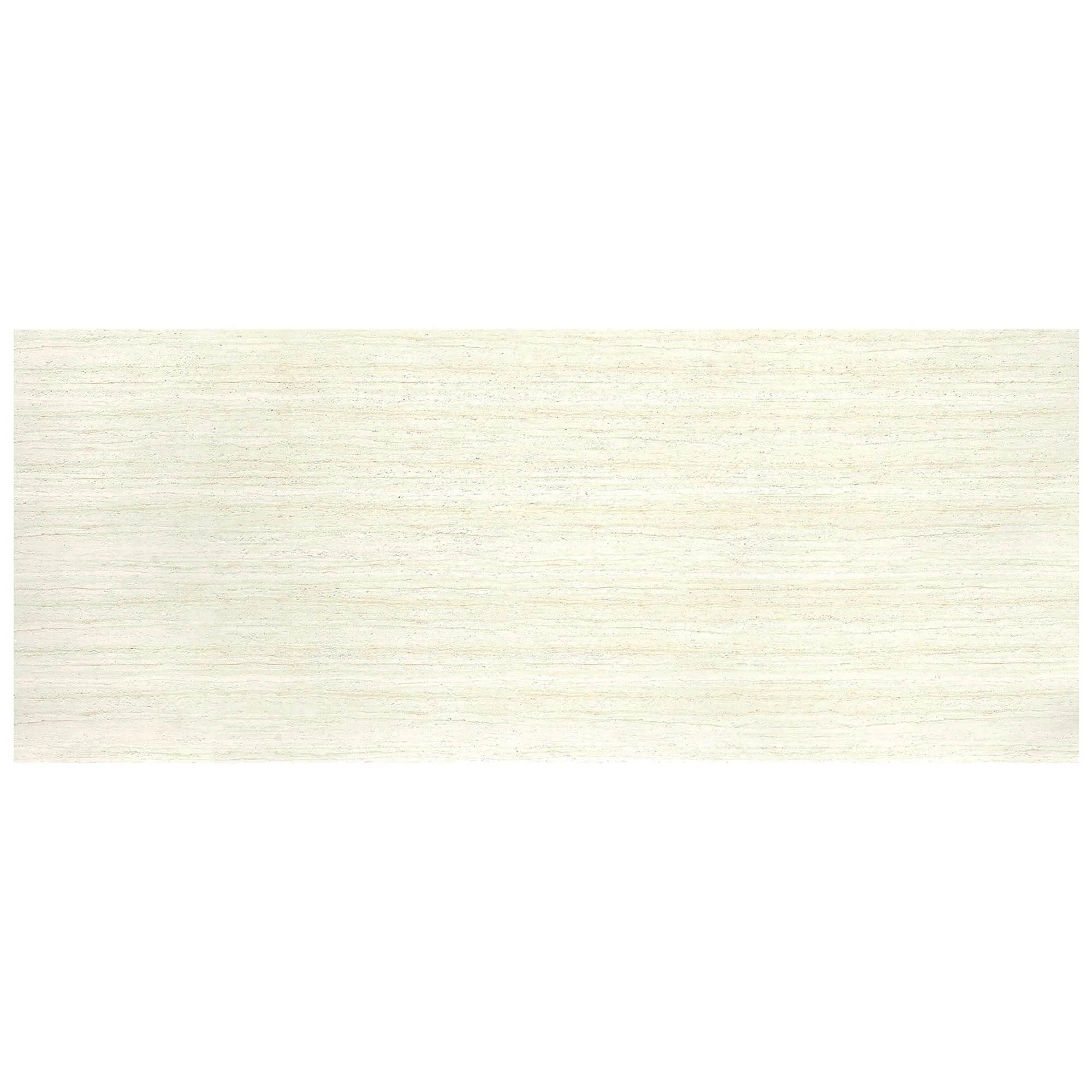
Curved facades are the poetry of architecture. They soften the harsh lines of urban landscapes, mimic the organic flow of nature, and turn buildings into living, breathing entities. Think of Zaha Hadid's Heydar Aliyev Center, where curves seem to defy gravity, or the undulating waves of the Bahrain World Trade Center—these structures don't just stand; they move . But for architects and builders, creating such beauty has long been a battle against physics. Traditional materials like marble, concrete, or solid stone are rigid, heavy, and stubbornly resistant to bending. They crack under pressure, demand massive structural support, and often force compromises between design vision and practicality. That is, until MCM flexible stone stepped onto the scene.
To understand why MCM flexible stone is revolutionary, we first need to grasp the problem it solves. Curved facades aren't just about aesthetics—they improve energy efficiency by reducing wind resistance, enhance natural light penetration, and create more inviting interior spaces. But traditional cladding materials? They're built for straight lines. Marble slabs, for example, are dense and brittle; bending them even slightly risks fractures. Concrete panels, while moldable, are heavy—each square meter can weigh 25–30 kg, adding thousands of tons to a building's load. Even "flexible" alternatives like fiber cement often lack the durability to withstand harsh weather or the visual depth of natural stone.
The result? Architects either scaled back their curves, settled for clunky, seam-filled designs, or blew budgets on custom-engineered solutions. "We once tried to clad a curved retail facade with natural travertine," recalls James Wilson, a senior architect at London-based firm Studio Arc. "We had to cut the stone into tiny, 30cm-wide strips to make the bend, and even then, over half of them cracked during installation. The final result looked like a patchwork quilt—not the seamless wave we'd envisioned."
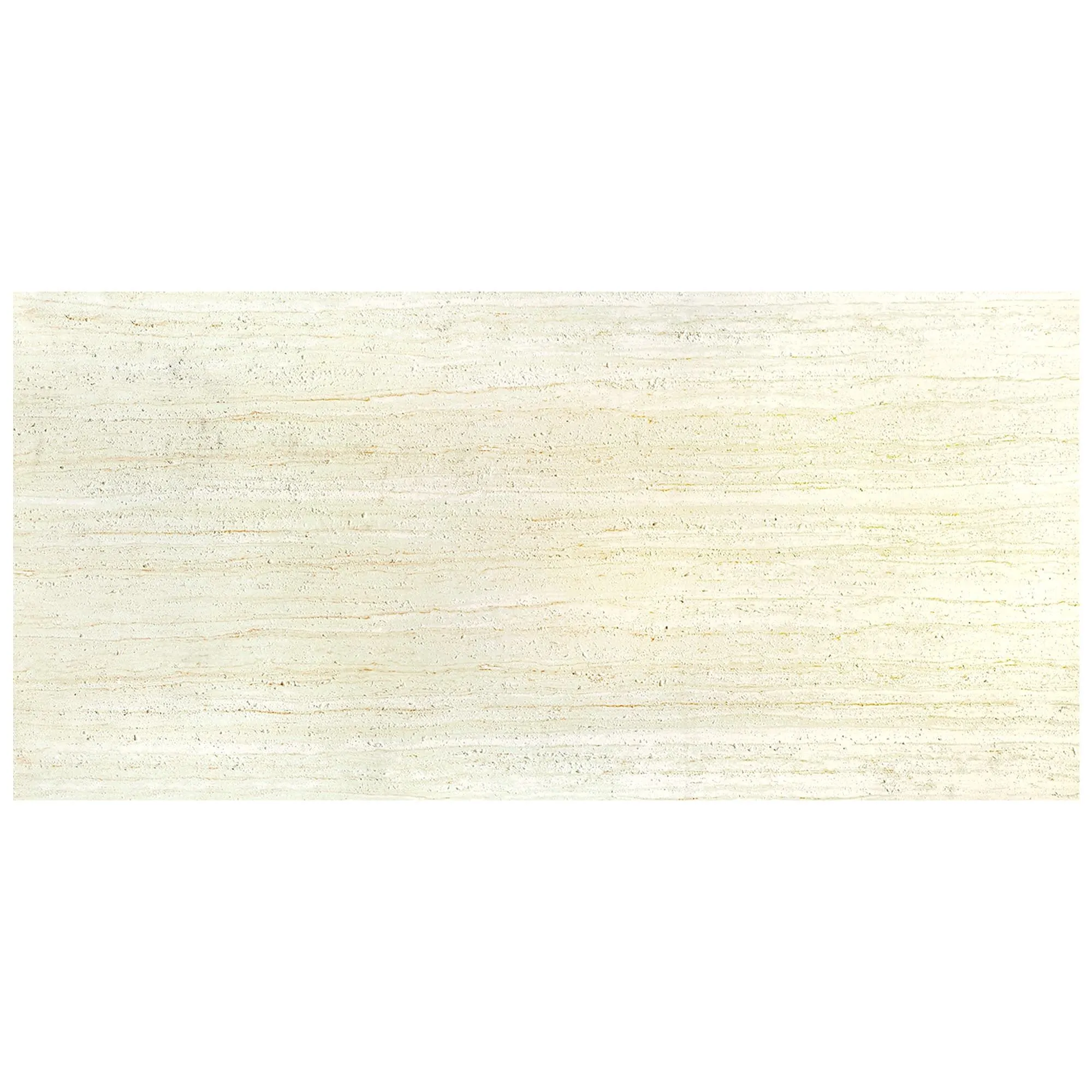
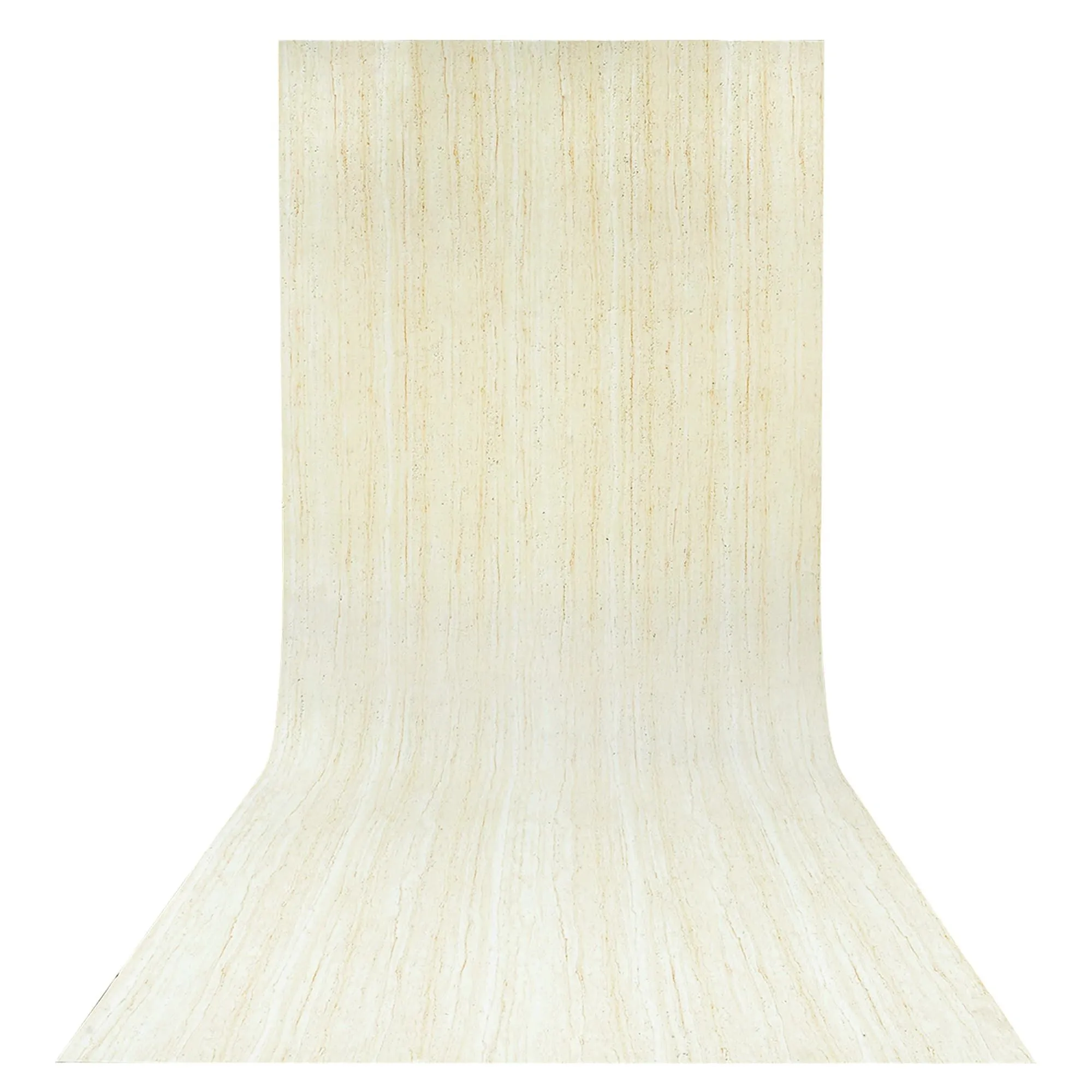
Enter MCM flexible stone—a modified composite material that marries the best of nature and technology. At its core, MCM (short for Modified Composite Material) is a blend of natural mineral aggregates, high-performance polymers, and reinforced fibers. The result? A material that's flexible (it can bend to a radius as tight as 30cm without cracking), lightweight (just 5–8 kg per square meter), and durable (resistant to UV rays, moisture, and impact). But what truly sets it apart is its aesthetic versatility. MCM can mimic the texture of travertine, the sheen of marble, the ruggedness of slate, or even the warmth of wood—all while maintaining the flexibility to hug curves like a second skin.
Add to that the MCM 3D printing series, which allows for intricate, custom textures—think rippled waves, geometric patterns, or even organic "thread" designs that flow across the facade like embroidery. And for large-scale projects, the MCM big slab board series offers panels up to 3 meters in length, minimizing seams and maximizing the illusion of a single, continuous surface. It's not just a material; it's a design partner.
Let's dive into real-world examples of how MCM flexible stone is transforming curved facade design. These projects aren't just about "making curves work"—they're about using thread-like patterns, flowing textures, and seamless bends to tell stories, evoke emotions, and redefine what's possible.
In Barcelona's creative district of Poblenou, the Azure Wave Cultural Center was designed to be a "canvas for community expression." The lead architect, Elena Martí, wanted the building's facade to reflect the Mediterranean Sea—calm, dynamic, and ever-changing. Her vision: a 5-story curved atrium wrapped in a gradient of blues, from sky-blue at the base to deep indigo at the roof, with subtle "thread" textures that mimic the way sunlight ripples on water.
The challenge? Creating that gradient with seamless curves. "Traditional stone would require hundreds of small tiles, each with a slightly different shade," Martí explains. "The seams would disrupt the wave effect, and the weight would require reinforcing the entire structure." Instead, her team turned to MCM flexible stone in travertine (starry blue) from the MCM big slab board series, paired with 3D-printed texture inserts from the MCM 3D printing series.
Here's how it worked: The big slab boards (each 2.4m x 1.2m) were precision-cut to follow the atrium's curve, then bent onsite using specialized tools. The travertine (starry blue) finish, with its subtle metallic flecks, catches light to create the illusion of moving water. The 3D-printed "thread" inserts—thin, wavy strips of MCM in a slightly lighter blue—were embedded into the slabs, adding depth without breaking the surface. "Installation was a breeze compared to natural stone," says project manager Carlos Ruiz. "Each slab weighs less than 10kg, so we could handle them with a small team. And because they're flexible, we adjusted the curve on the fly to match Martí's vision perfectly."
The result? A facade that shifts color with the time of day—soft blue at dawn, vibrant indigo at dusk—and feels like a living wave. "Visitors often stop to run their hands along it," Martí laughs. "They think it's real stone, but it's so light and smooth. That's the magic of MCM."
Tropical architecture thrives on harmony with nature, and the Bali Breeze Resort is no exception. Perched on a cliff overlooking the Indian Ocean, its design was inspired by bali stone —a local volcanic rock known for its porous texture and warm, earthy tones. The resort's signature feature: curved, overhanging balconies that wrap around the main building like a necklace, designed to mimic the shape of ocean waves and provide shade from the sun.
But there was a catch: Bali's climate is brutal. High humidity, salt spray, and intense UV rays can degrade even the toughest materials. "We needed something that could handle the elements but still look like natural stone," says resort developer Mia Chen. "Traditional bali stone is heavy and porous—great for walls, terrible for curved balconies. It absorbs moisture, cracks in heat, and would require constant maintenance."
The solution? MCM flexible stone in bali stone finish, paired with MCM flexible cladding stone wall panels. The MCM material's closed-cell structure repels moisture, while its UV-resistant coating prevents fading. Best of all, its flexibility allowed the balconies to curve at a tight 45cm radius—something natural stone could never do without shattering. "We even added a subtle 'thread' texture to the panels," Chen notes. "Small, horizontal grooves that mimic the way water erodes stone over time. From the beach, the balconies look like they've been shaped by the ocean itself."
Two years after opening, the balconies show no signs of wear. "Guests love that they can lean against the curved edges without worrying about sharp corners or rough surfaces," Chen adds. "And for us, maintenance is minimal—just a quick hose-down every few months. MCM didn't just solve our design problem; it solved our long-term budget problem, too."
In Seattle's tech hub, the Lunar Peak Campus was built to reflect innovation—both in its interior (think open workspaces and AI-powered amenities) and its exterior. The centerpiece: a 12-story tower with a curved facade that shifts color from lunar peak silvery at the base to lunar peak black at the top, symbolizing a rocket ascending into space. The design called for sharp, angular curves (not gentle waves) and a metallic sheen that would stand out against Seattle's gray skies.
"We wanted something bold—almost futuristic," says lead architect Raj Patel. "But traditional metal cladding is rigid and prone to denting, and natural stone can't achieve that metallic look. Then we discovered MCM's lunar peak series and foamed aluminium alloy board (vintage silver) ." The combination was perfect: the lunar peak silvery MCM panels provided the stone-like texture and flexibility needed for the curves, while the foamed aluminium alloy boards added the metallic "sparkle" at key intervals.
The challenge? Merging two different materials into a cohesive curve. "Aluminium is stiffer than MCM, so we had to ensure the transition between them was seamless," Patel explains. "We used the MCM big slab board series for the main curve—panels up to 3.2m long—and cut the aluminium boards into thin, 50cm strips that could bend slightly to match the MCM's contour. The result is a facade that looks like it's made of two materials in perfect harmony, not two warring elements."
Today, the Lunar Peak Campus is a local landmark. "At night, the silvery panels reflect the city lights, and the black top looks like it's touching the stars," Patel says. "It's exactly what we wanted—a building that feels like it's reaching for the future. And we couldn't have done it without MCM's flexibility."
Not all curved facades are about futurism—some are about preserving the past. The Historic Pathfinders Museum in Rome occupies a 19th-century palazzo with a semicircular entrance hall, its original facade adorned with intricate stone carvings and curved archways. When the museum decided to expand, adding a modern wing that wraps around the palazzo, the challenge was clear: the new wing's curves had to complement the old building's classical design, not clash with it.
"We needed a material that could mimic the weathered look of the original historical pathfinders stone but bend to the modern wing's gentle curve," says restoration architect Sofia Lorenzi. "Natural stone from the same quarry was unavailable, and even if we found it, the weight would have damaged the palazzo's foundation." MCM flexible stone in historical pathfinders stone finish was the answer. "It's uncanny," Lorenzi marvels. "The texture, the color variation, even the slight pitting—you'd swear it's 200-year-old stone. But it's so light, we could install it without reinforcing the palazzo's walls."
The new wing's facade curves at a 2.5m radius, matching the palazzo's original archways, and uses MCM's thread design to add subtle, vertical grooves that echo the palazzo's columns. "The goal was to make the new wing feel like it's always been there," Lorenzi says. "Visitors often can't tell where the old building ends and the new one begins. That's the highest compliment."
| Project Name | Location | Key Materials | Design Challenge | Outcome |
|---|---|---|---|---|
| Azure Wave Cultural Center | Barcelona, Spain | Travertine (starry blue), MCM big slab board series, 3D printing series | Achieving seamless, gradient curves without visible seams | Sunlight-responsive "wave" facade with minimal seams; 50% faster installation than natural stone |
| Bali Breeze Resort | Seminyak, Bali | Bali stone (MCM flexible), MCM flexible cladding stone wall | Withstanding salt spray/humidity while mimicking natural volcanic stone | Weather-resistant, curved balconies with organic "water-eroded" texture |
| Lunar Peak Tech Campus | Seattle, USA | Lunar peak silvery/black, foamed aluminium alloy board (vintage silver) | Merging rigid metal and flexible stone into sharp, angular curves | Futuristic, color-shifting facade with seamless material transitions |
| Historic Pathfinders Museum | Rome, Italy | Historical pathfinders stone (MCM flexible) | Matching 19th-century stone aesthetics while bending to modern curves | "Invisible" expansion wing blending classical and contemporary design |
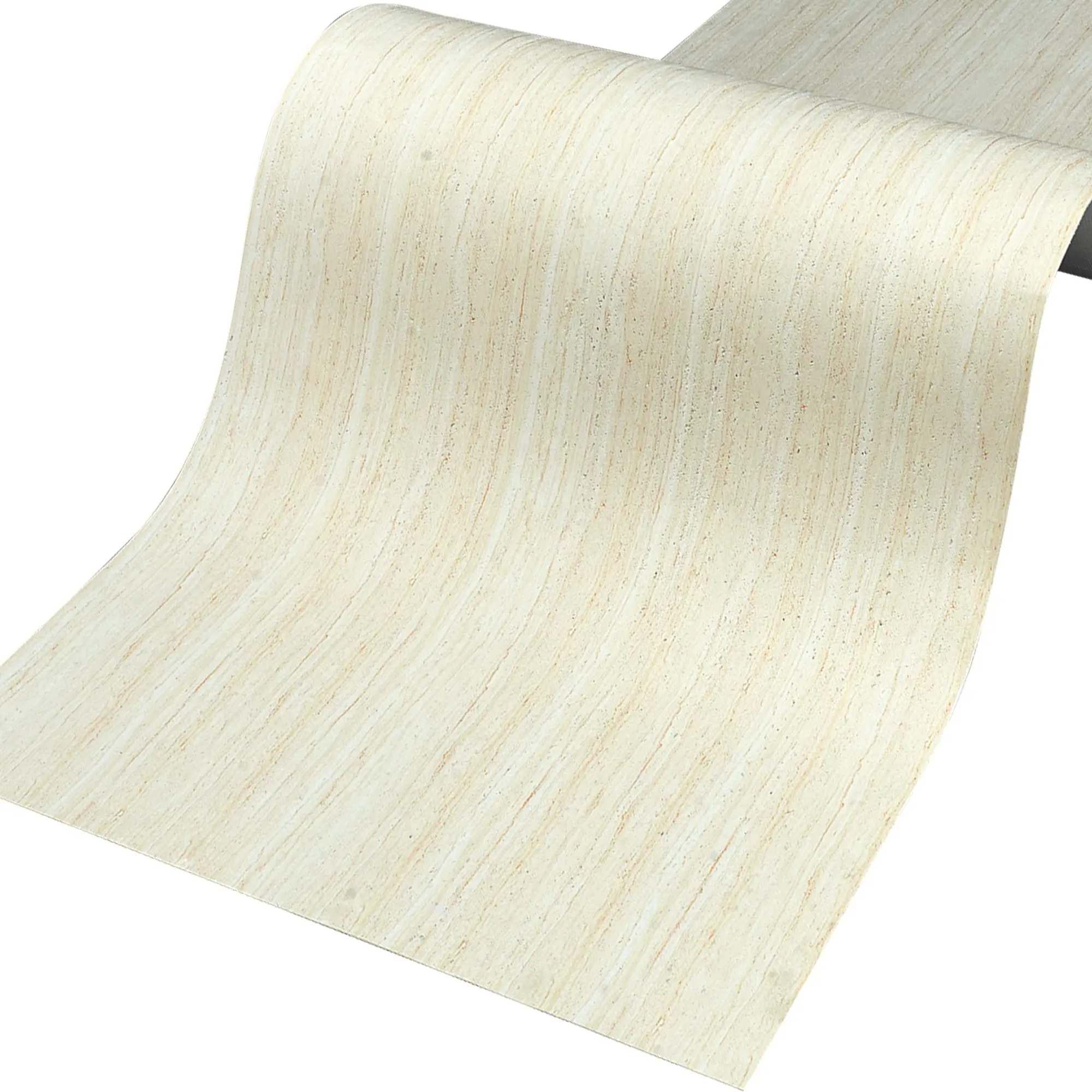
These case studies aren't anomalies—they're a glimpse of what's possible when materials stop fighting design. MCM flexible stone offers a host of benefits that make it ideal for curved facades:
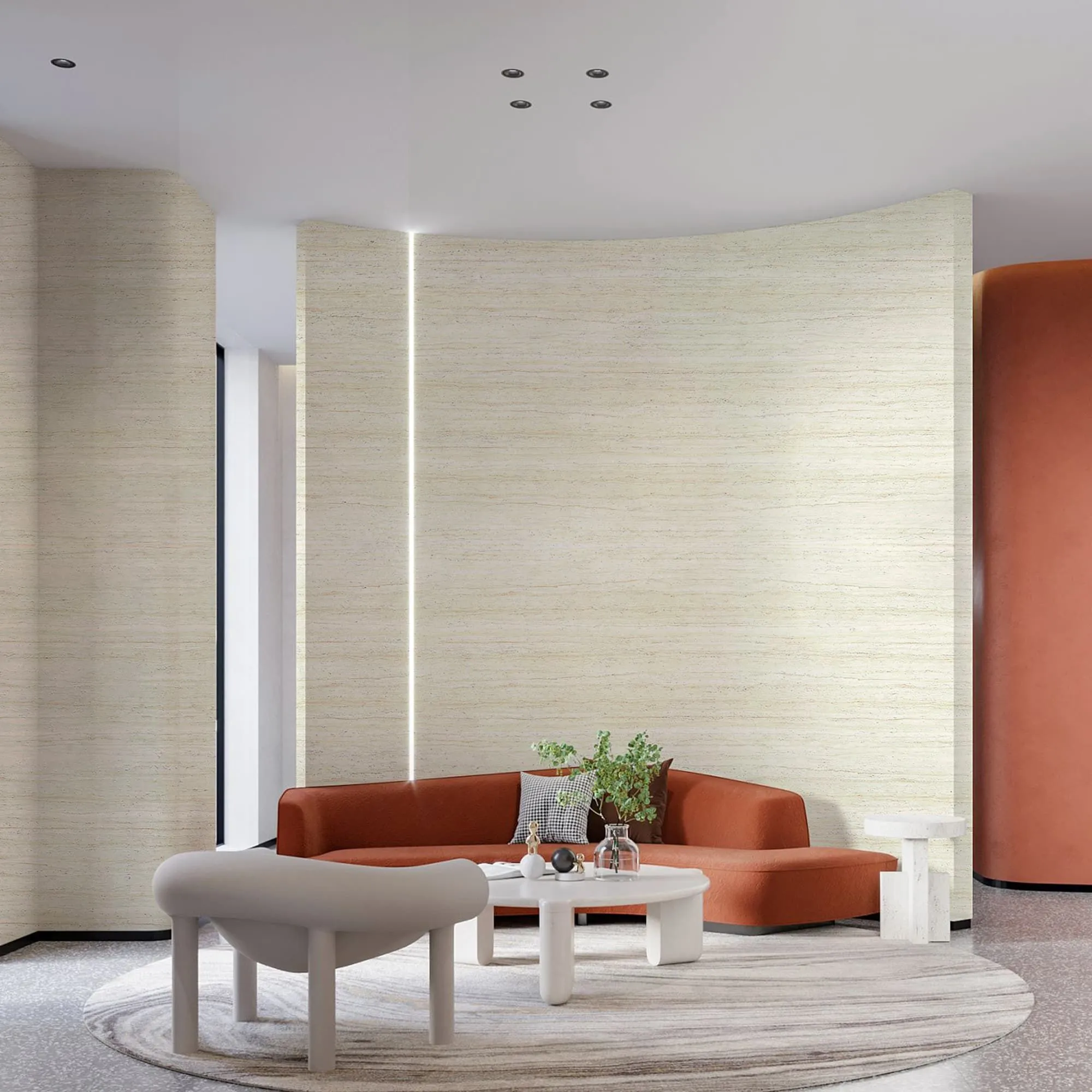
What truly elevates MCM flexible stone, though, is its ability to integrate thread design —subtle textures, patterns, or grooves that turn a flat surface into a story. Whether it's the 3D-printed waves of the Azure Wave Center, the eroded "threads" of the Bali Breeze balconies, or the vertical grooves of the Historic Pathfinders Museum, these details add depth and movement, making curved facades feel less like cladding and more like art.
"Thread design is about guiding the eye," explains textile designer-turned-architect Lila Patel, who collaborated on the Azure Wave project. "In fabric, threads create patterns that flow; in architecture, MCM's thread textures do the same. They make the curve feel intentional, not just a shape. It's why people are drawn to touch these facades—they're tactile, almost woven."
Curved facades are no longer a luxury reserved for billion-dollar projects or experimental architects. With MCM flexible stone, they're accessible, affordable, and infinitely customizable. From the starry blues of Barcelona to the lunar silvers of Seattle, MCM is proving that beauty and practicality don't have to be enemies. It's a material that bends to the architect's vision, not the other way around.
As James Wilson, the architect who once struggled with cracked travertine, puts it: "MCM hasn't just changed how we build curved facades—it's changed how we dream about them. Now, when a client says, 'I want it to look like a wave,' I don't say, 'We'll try.' I say, 'Let's make it happen.'" And that, in the end, is the greatest innovation of all: turning "impossible" into "let's go."
Recommend Products












