
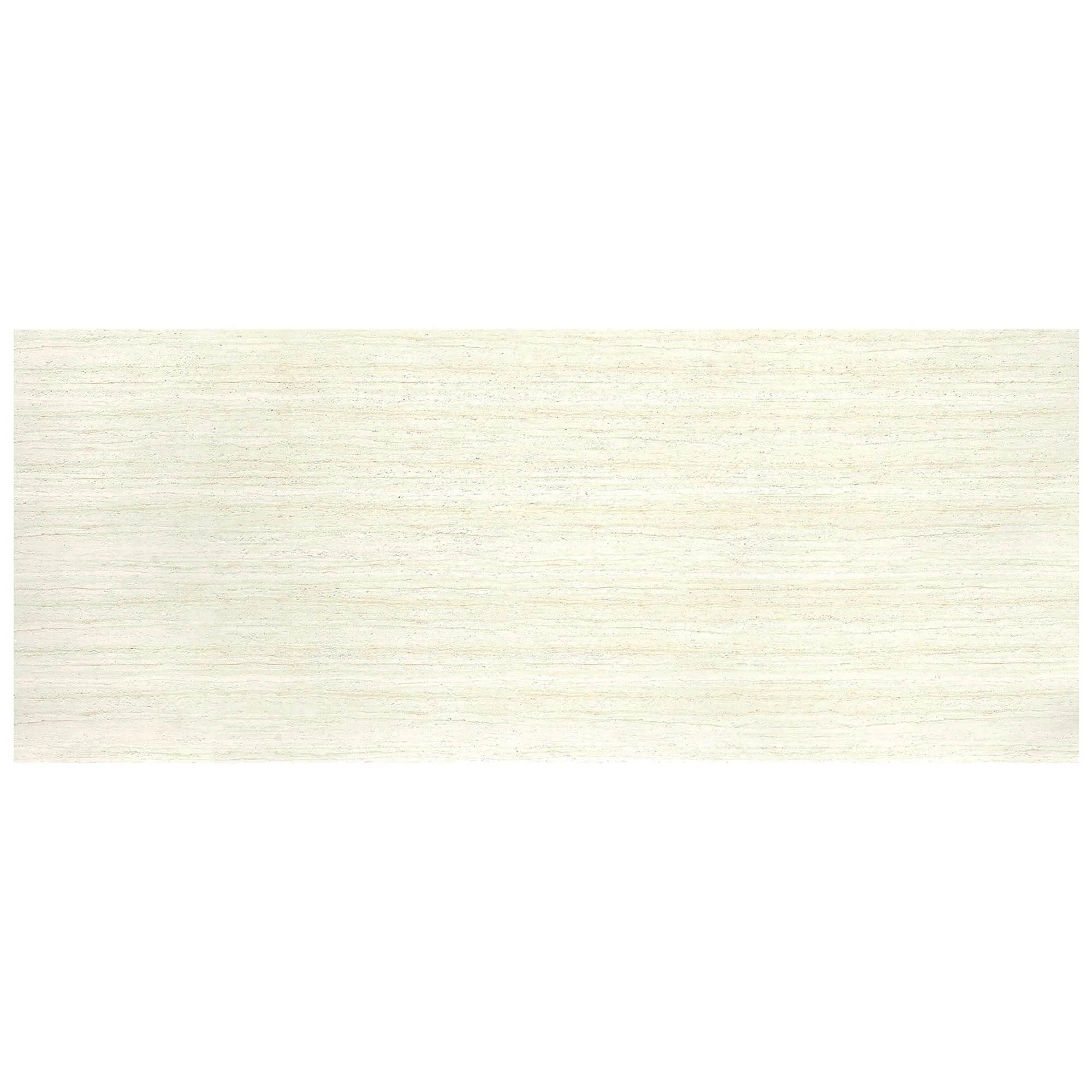
Walk into any busy airport terminal, and you'll notice something instantly—the floor beneath your feet. It's not just a surface; it's a silent workhorse. Thousands of travelers rush across it daily, dragging suitcases, spilling coffee, and scuffing shoes. Yet, somehow, it still looks polished, guiding you toward gates with subtle patterns and textures. This is the magic of thread design in high-traffic spaces: it's the invisible "thread" that weaves durability, safety, and beauty into every inch of a surface. And in today's architectural landscape, MCM engineering boards are the materials making this magic possible.
High-traffic areas are the unsung heroes of our built environment. They're the shopping malls where families spend weekends, the school hallways where kids race between classes, the train stations that keep cities moving, and the office lobbies that make first impressions. But here's the catch: these spaces face a relentless onslaught. Imagine a busy mall food court—spills from soda to ketchup, chairs scraping against floors, cleaning machines scrubbing daily. Or a hospital corridor, where stretchers, wheelchairs, and carts roll 24/7. Traditional materials like marble, hardwood, or even standard concrete often buckle under this pressure. They stain easily, scratch deeply, or fade under constant foot traffic, leaving spaces looking tired long before their time.
But it's not just about durability. High-traffic areas also need to feel inviting. A dull, cracked floor in a school can dampen a student's mood; a scuffed wall in a hotel lobby might make guests question the venue's quality. And let's not forget safety—slippery surfaces in a rainy airport terminal or uneven tiles in a busy subway station are accidents waiting to happen. Thread design addresses all these needs: it's about creating surfaces that don't just exist but perform , blending function and aesthetics into a seamless experience.
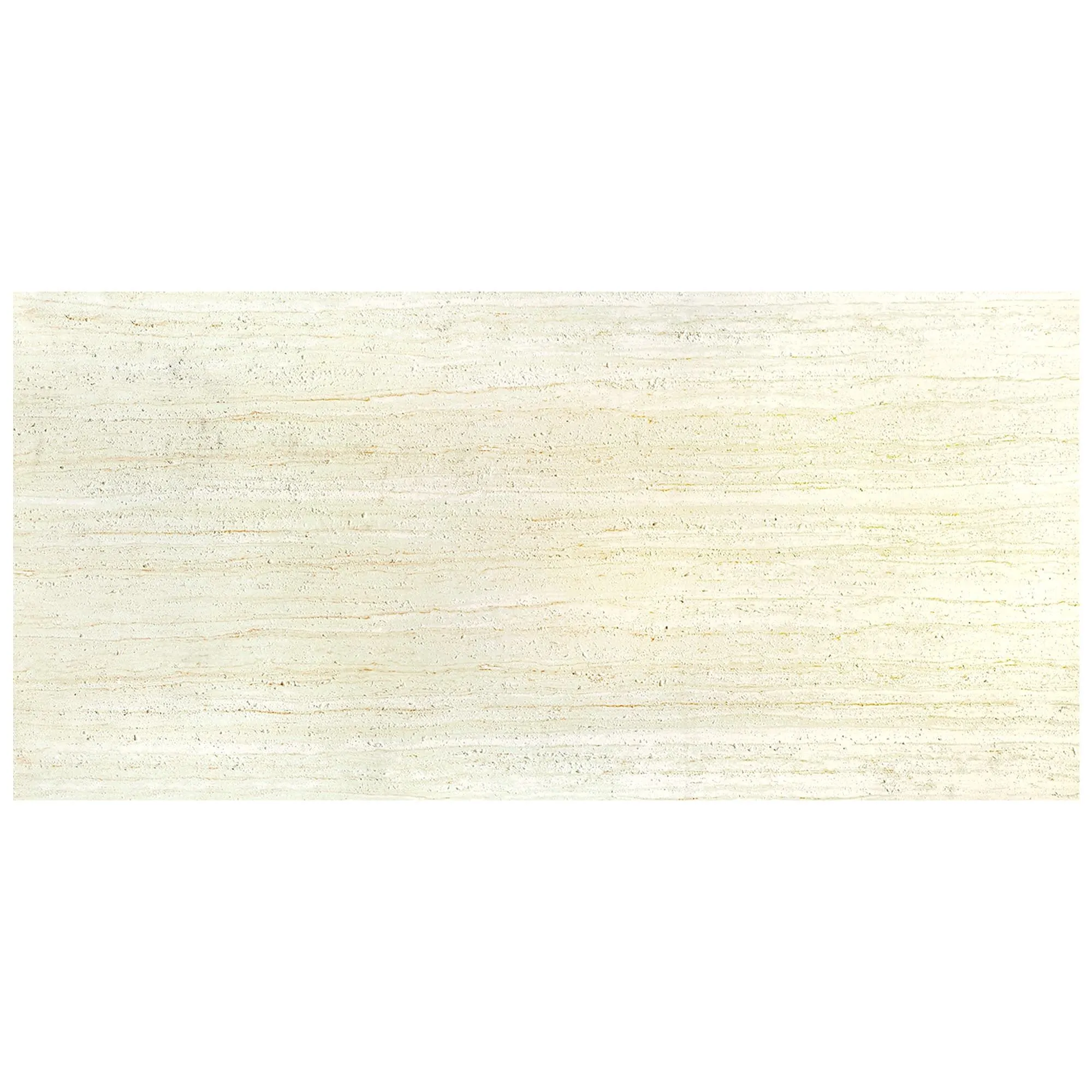
Think of thread design as the storyteller of a space. It's the intentional use of patterns, textures, and materials to guide how people interact with an environment. In a museum, for example, a floor with subtle linear patterns might quietly lead visitors from one exhibit to the next. In a restaurant, a wall with woven textures could absorb noise, making the space feel cozier despite a crowd. Thread design isn't just about looks—it's about intent . It asks: How do we make this surface both tough enough to withstand daily chaos and beautiful enough to enhance the human experience?
Traditionally, architects and designers struggled to balance these goals. A material might be durable but ugly, or beautiful but fragile. That's where MCM engineering boards step in. Short for Modified Composite Material, MCM boards are a revolutionary class of building materials that combine the best of nature and technology. They're lightweight, flexible, and designed to mimic the look of natural stone, wood, or metal—all while being 30-50% lighter than traditional materials and exponentially more durable.
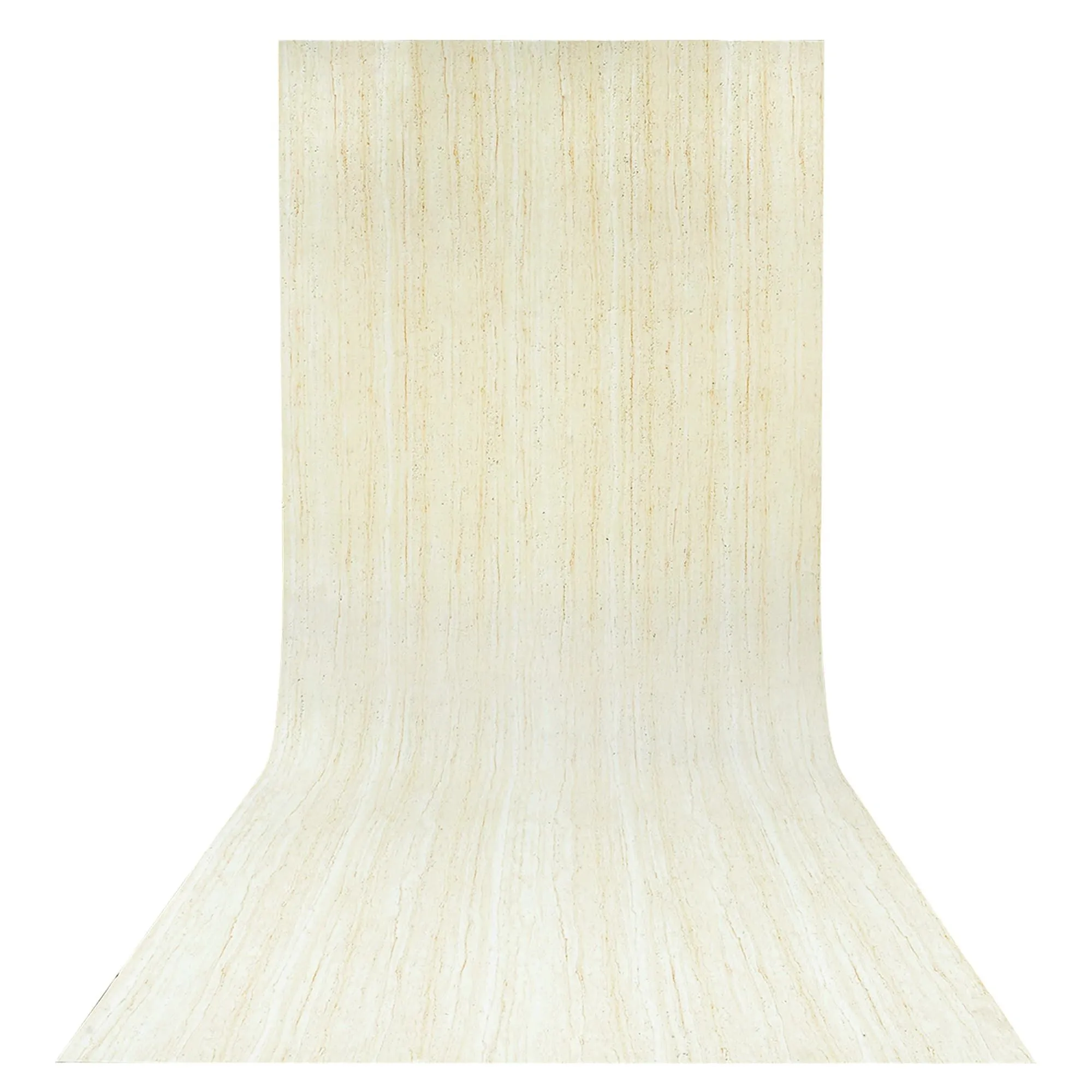
At their core, MCM engineering boards are a feat of material science. They're crafted by bonding layers of mineral composites with advanced polymers, creating a material that's both strong and surprisingly flexible. This flexibility is a game-changer. Unlike rigid natural stone, which cracks under stress, MCM boards can bend slightly, absorbing impact from heavy loads or shifting building foundations. And because they're lightweight, they're easier to install, reducing construction time and labor costs—a huge plus for high-traffic spaces that can't afford long shutdowns.
But what really sets MCM boards apart is their versatility in thread design. Whether you're aiming for a rustic, earthy vibe or a sleek, modern look, there's an MCM solution. Let's dive into some standout products that are redefining high-traffic design:
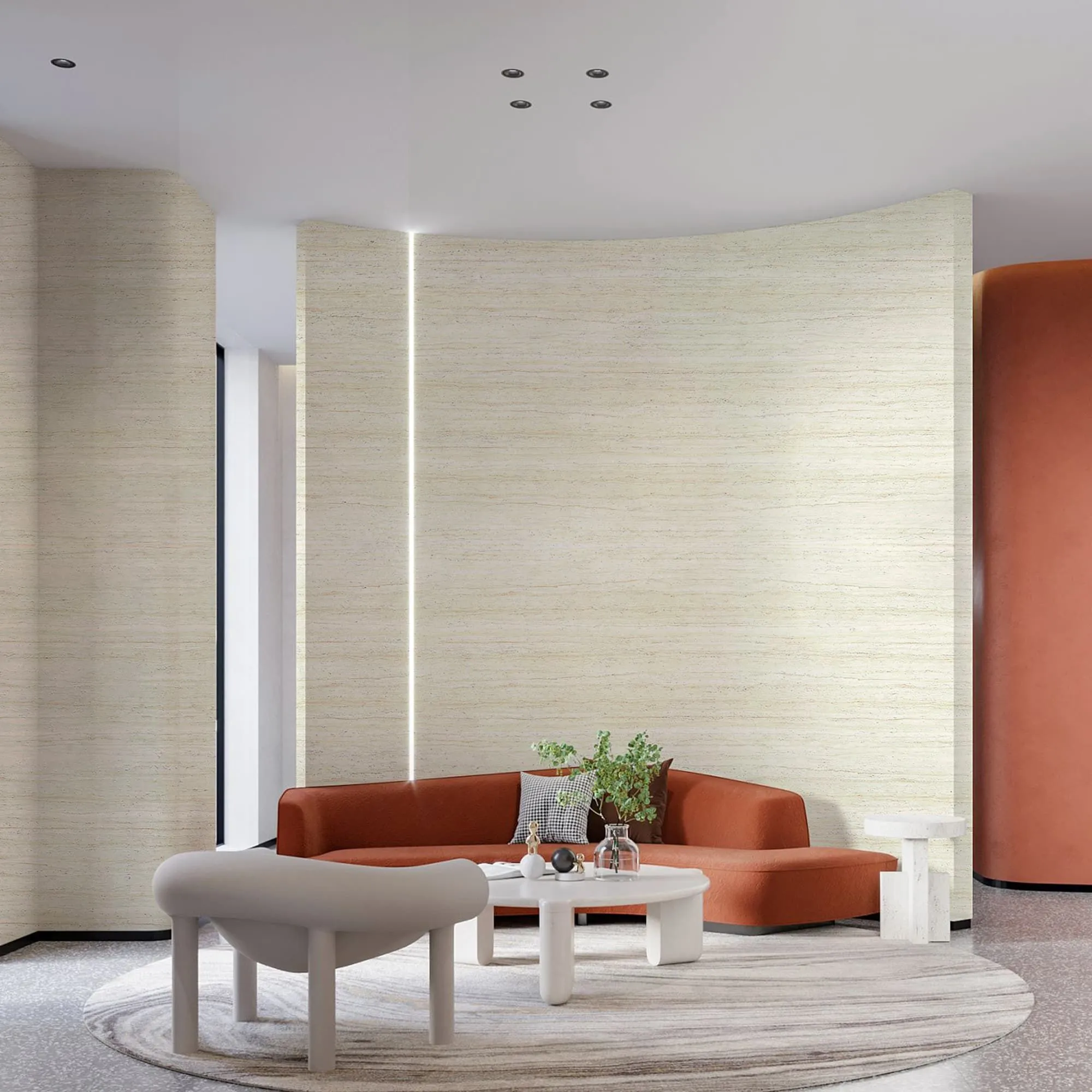
Imagine a curved wall in a shopping mall atrium, designed to soften the space and draw the eye upward. Traditional stone would require heavy, rigid slabs, making installation a logistical nightmare and limiting design possibilities. Enter MCM Flexible Stone —a material so pliable it can wrap around columns, arch over doorways, or follow the organic curves of a custom-designed reception desk. Its secret? A thin, lightweight composite core that retains the natural texture of stone (think rough-hewn granite or smooth travertine) but bends like a sheet of thick paper.
In high-traffic areas, this flexibility is a lifesaver. Take a busy hotel lobby with a curved check-in counter. MCM Flexible Stone can clad the counter's front, resisting scratches from luggage tags and spills from coffee cups, all while maintaining that luxurious stone finish guests expect. And because it's lightweight, it puts less strain on the building's structure—critical for older buildings retrofitted to handle modern crowds.
Nothing disrupts thread design like unsightly seams. In a large space like an airport terminal, traditional stone or tile floors require hundreds of small pieces, each separated by grout lines that trap dirt, crack over time, or become trip hazards. MCM Big Slab Board Series solves this with slabs as large as 1200x2400mm—big enough to cover entire sections of a floor or wall with minimal joints. Fewer seams mean fewer places for dirt to hide, easier cleaning, and a smoother, more cohesive look that enhances thread design's flow.
Consider a convention center ballroom that hosts trade shows, weddings, and concerts. With MCM Big Slabs, the floor becomes a blank canvas for thread design—perhaps a subtle gradient from light to dark that guides guests toward the stage, or a geometric pattern that divides the space into zones. And when the next event rolls in, setup crews can wheel heavy equipment across the slabs without worrying about chipping grout or cracking tiles. It's durability with a designer's touch.
Thread design isn't just about function—it's about emotion. A surface should tell a story, evoke a feeling, or connect people to a place. Travertine (Starry Blue) , part of MCM's travertine collection, does exactly that. Mimicking the look of natural travertine stone but enhanced with a "starry" texture—tiny, glittering flecks that catch the light—it transforms ordinary walls or floors into something magical. Picture a children's museum hallway: instead of plain white walls, the lower half is clad in Starry Blue travertine, sparking kids' imaginations as they walk by. Or a hotel bar with a Starry Blue backsplash, turning a simple drink order into a moment under the night sky.
But this beauty isn't fragile. Unlike natural travertine, which is porous and stains easily, MCM's Starry Blue variant is sealed with a protective layer that repels spills and resists fading. In a busy restaurant, that means red wine splashes wipe away with a cloth, and the "stars" keep shining even after years of cleaning.
For spaces that demand a contemporary, industrial edge—think tech offices, art galleries, or urban transit hubs— Foamed Aluminium Alloy Board (Vintage Silver) is a standout choice. With a matte, metallic finish that mimics aged silver, it adds a cool, modern vibe to walls or ceilings. But don't let the sleek look fool you: this isn't your average aluminum. The "foamed" core makes it lightweight yet surprisingly strong, able to withstand dents from stray luggage in an airport or scuffs from moving art installations in a gallery.
In thread design, this material shines as an accent. Imagine a co-working space with Vintage Silver panels on the ceiling, arranged in linear patterns that guide the eye toward collaborative zones. Or a subway station where the walls alternate between Vintage Silver and warm wood tones, creating a balance of industrial grit and comfort. It's durable enough for 24/7 use but stylish enough to make even the busiest commuter pause and appreciate the design.
Sometimes, thread design calls for simplicity—the kind of raw, unpolished beauty that feels authentic and grounded. Fair-Faced Concrete , a staple in MCM's lineup, delivers exactly that. Mimicking the look of poured-in-place concrete with its subtle variations in texture and color, it adds a sense of honesty to high-traffic spaces. Think of a university campus with Fair-Faced Concrete benches and walkways; the material ages gracefully, developing a soft patina over time that tells the story of the students who've sat there, studied there, and laughed there.
But unlike traditional concrete, which can crack under freeze-thaw cycles or absorb moisture, MCM's Fair-Faced Concrete is moisture-resistant and frost-proof. In a busy outdoor amphitheater, that means it can handle rain, snow, and summer heat without warping or discoloring. It's the perfect material for thread design that wants to feel "lived-in" but never worn-out.
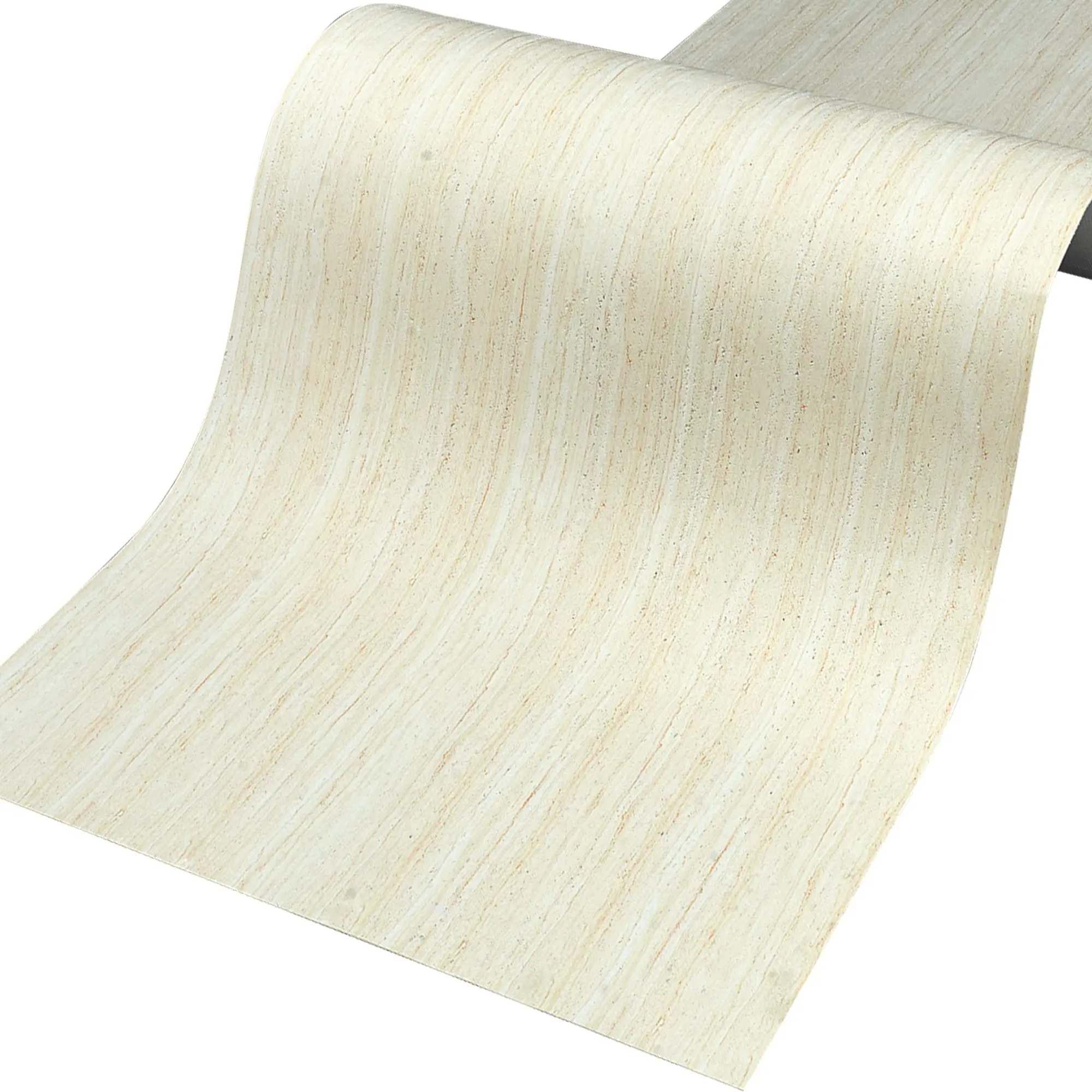
Curious how MCM engineering boards stack up against traditional options? Let's break it down. The table below compares key factors that matter most in high-traffic spaces:
| Material | Durability (Scratch/Stain Resistance) | Installation Ease | Maintenance Needs | Aesthetic Versatility | Weight (kg/m²) |
|---|---|---|---|---|---|
| Traditional Marble | Low (easily stains/scratches) | Difficult (heavy, requires skilled labor) | High (sealing every 6-12 months) | High (classic look, limited textures) | 25-30 |
| Standard Concrete | Medium (prone to cracking, stains) | Moderate (poured on-site, long curing time) | Medium (resurfacing every 3-5 years) | Low (plain, limited color options) | 20-25 |
| MCM Flexible Stone | High (resistant to scratches, sealed surface) | Easy (lightweight, can be cut on-site) | Low (wipe clean, no sealing needed) | Very High (mimics stone, wood, metal; flexible shapes) | 4-6 |
| MCM Big Slab Board | High (dense composite core, scratch-resistant) | Moderate (large slabs, but lightweight vs. stone) | Low (fewer seams, easy to clean) | High (seamless look, custom patterns) | 5-7 |
| Foamed Aluminium Alloy (Vintage Silver) | Very High (dent-resistant, corrosion-proof) | Easy (lightweight, interlocking panels) | Very Low (no painting, wipes clean) | High (metallic finishes, modern textures) | 3-4 |
Beyond the table, MCM boards offer three key advantages that make them indispensable for high-traffic thread design:
Sustainability: Today's architects and builders aren't just focused on durability—they're focused on the planet. MCM engineering boards are made with recycled materials, low-VOC adhesives, and require less energy to produce than traditional stone or concrete. Plus, their long lifespan (often 20+ years with minimal maintenance) means less frequent replacement, reducing waste.
Cost-Effectiveness: While MCM boards might have a slightly higher upfront cost than standard concrete, they more than pay for themselves over time. Lower installation labor (thanks to lightweight materials), minimal maintenance (no sealing, resurfacing, or replacement), and reduced structural support needs (due to low weight) add up to significant savings—especially in large high-traffic projects.
Customization: Thread design thrives on uniqueness. MCM manufacturers offer endless customization options: colors that match a brand's palette, textures that mimic local geology (think desert-inspired gobi panel for a hotel in Arizona or bamboo mat board for a resort in Bali), and even custom patterns for one-of-a-kind spaces. This level of personalization ensures that every high-traffic area feels specific to its purpose, not just a generic "hard-wearing surface."
Let's bring this to life with a hypothetical example: a mid-sized airport terminal undergoing renovation. The goal? update the main concourse to handle 5 million passengers yearly, improve wayfinding, and create a space that feels calm amid the chaos. The design team chooses thread design as their guiding principle, with MCM engineering boards as their material of choice.
For the floor, they opt for MCM Big Slab Board Series in Travertine (Starry Blue) . The large slabs (1200x2400mm) create a seamless expanse, with the starry texture adding subtle visual interest without overwhelming travelers. Embedded within the blue slabs are thin, white "pathway threads" that guide passengers toward gates—no more confusing signs, just an intuitive floor pattern. The slabs' sealed surface resists stains from spilled drinks and scuffs from luggage, and their lightweight nature means the terminal can stay open during installation (critical for minimizing travel disruptions).
The walls get a mix of MCM Flexible Stone (cladding lower sections, resistant to bumps from rolling suitcases) and Foamed Aluminium Alloy Board (Vintage Silver) (upper sections, adding a sleek, modern contrast). For the food court, Fair-Faced Concrete tables and benches provide that "lived-in" warmth, while their moisture resistance handles spills with ease.
Five years later, the terminal still looks brand-new. Passengers rave about how "easy to navigate" the space feels, and maintenance crews report spending 60% less time on floor upkeep compared to the old marble surfaces. This is thread design at its best—and MCM engineering boards made it possible.
High-traffic areas don't have to choose between resilience and beauty. Thread design, when paired with MCM engineering boards, proves that surfaces can be both workhorses and storytellers—guiding movement, resisting wear, and making every visit feel intentional. Whether it's the flexibility of MCM Flexible Stone, the seamless look of Big Slab Boards, the starry magic of Travertine (Starry Blue), or the industrial chic of Foamed Aluminium Alloy, these materials are redefining what's possible in our busiest spaces.
So the next time you walk through a bustling airport, mall, or school, take a moment to look down (or up). You might just notice the thread design working quietly, and the MCM engineering boards beneath it—proof that great architecture isn't just about buildings. It's about the threads that make them feel alive.
Recommend Products












