
Renovating a historic building is like tending to a living story. The walls hold echoes of past lives—the creak of a floorboard that once greeted a child rushing downstairs, the fade of sunlight on a windowsill where a grandmother once set her teacup. Yet, as stewards of these spaces, we also face a modern challenge: how to weave new life into these stories without unraveling their essence. This is where thread design comes in—not the literal threads of fabric, but the invisible narrative that binds old and new materials into a cohesive, respectful whole. And in this delicate dance, Modified Composite Materials (MCM) have emerged as quiet heroes, offering both the durability of modern engineering and the soulfulness needed to honor history. Let's explore how to craft this thread, and which MCM materials shine brightest in the process.
Think of a historic building as a tapestry. Its original materials—aged brick, hand-carved stone, weathered wood—are the warp threads, the foundational elements that give it structure and story. When we renovate, we add weft threads: new materials that strengthen, update, or reimagine the space. Thread design is the art of choosing weft threads that don't clash with the warp, but rather converse with it. It's about creating visual and tactile continuity so that even as you notice the new elements, they feel like they've always belonged—like a well-told sequel to a beloved book.
In practical terms, this means considering texture, color, scale, and even "memory"—how a material evokes the past while serving the present. MCM materials, with their chameleon-like ability to mimic natural textures (stone, wood, earth) while being lighter, more durable, and easier to install than their traditional counterparts, are uniquely suited to this role. But not all MCMs are created equal. Let's dive into the ones that excel at being "thread-worthy" in historic contexts.
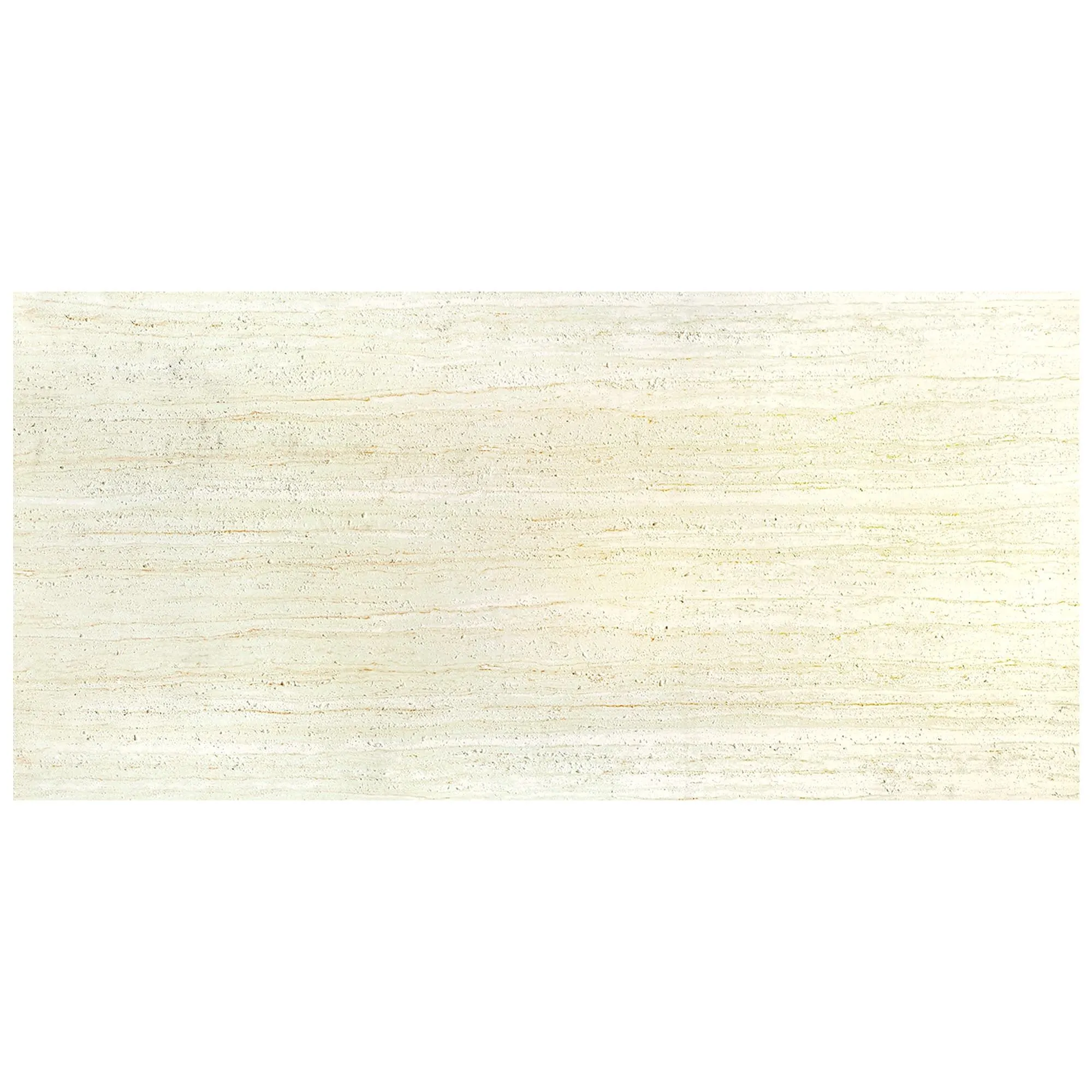
If thread design had a MVP, it might be MCM flexible stone. Imagine a material that can mimic the pockmarked surface of 100-year-old limestone, the warm veining of aged travertine, or the rough-hewn texture of medieval masonry—yet weighs a fraction of the real thing and bends to fit curved or irregular historic walls. That's flexible stone. Its secret lies in its composition: a thin layer of natural stone particles bonded to a lightweight, flexible backing, making it ideal for historic buildings where structural load is a concern (think crumbling mortar joints or delicate timber frames).
Take, for example, a 1920s schoolhouse with exterior walls of soft sandstone, eroded by decades of rain and wind. Replacing the sandstone would be costly and risk losing original details; leaving it unaddressed would decay. Enter flexible stone in a "sandstone (beige)" finish. Applied as a thin overlay, it mirrors the original texture so closely that only a trained eye might notice the difference—yet it adds a protective layer that will stand up to another century of weather. It's not about hiding the past, but extending it.
Some MCMs don't just mimic history—they study it. Historical Pathfinders Stone is a prime example. Developed by analyzing the mineral composition, color variations, and even tooling marks of regional historic stonework, this material is designed to be a "silent historian." It doesn't just look like old stone; it carries the subtle irregularities that tell a story: the slight color shifts from one batch to the next (a nod to how stone was quarried in small, inconsistent lots), the faint tool grooves that echo hand-chiseling, the tiny pits that mimic natural weathering.
I once worked on a renovation of a 18th-century tavern in New England, where the original fieldstone fireplace had been damaged by a chimney fire. The client wanted to rebuild the hearth but feared losing the "lived-in" character that made the space feel welcoming. Historical Pathfinders Stone in a "claybank" finish solved the problem. When installed, it blended so seamlessly with the remaining original stone that guests still run their hands over it, commenting on "how authentic it feels." That's the magic of a material designed to honor craftsmanship, not just copy it.
Rammed earth has been used for millennia—think of the Great Wall of China or the adobe pueblos of the American Southwest. There's something inherently grounding about its warm, terracotta hues and visible layer lines; it feels like the earth itself, shaped by human hands. Modern MCM rammed earth boards take this ancient material and give it a 21st-century upgrade: they're precast, lightweight, and available in a range of finishes (from "matcha green" to "gradient" colorways) that retain the organic charm of traditional rammed earth without the hassle of on-site mixing and ramming.
In historic renovations, rammed earth boards shine in spaces where the original structure has earthy roots—like a 19th-century farmstead or a mission-style church. For instance, a recent project in New Mexico involved updating a 1900s adobe chapel with a new vestry. The original adobe walls were fragile, so traditional rammed earth was too heavy. Instead, we used gradient color rammed earth boards (soft yellows blending into warm terracottas) for the vestry walls. The result? The new space feels like an extension of the chapel, not an afterthought. The earthy tones mirror the original adobe, and the subtle gradient adds a modern touch that feels intentional, not jarring.
| Material | Key Traits | Best For Historic Styles | Thread Design Role |
|---|---|---|---|
| Historical Pathfinders Stone | Mimics regional historic stone; subtle irregularities; durable | Colonial, Gothic, Victorian (stone-heavy exteriors) | Echoes original stonework; preserves "handmade" character |
| Rammed Earth Board | Earthy hues; layer lines; lightweight; gradient options | Adobe, Farmhouse, Mission (earth-based structures) | Adds warmth; connects to natural, organic historic materials |
| MCM Flexible Stone | Lightweight; bendable; mimics diverse textures | Any (especially with irregular or fragile original surfaces) | Protects original materials; maintains texture continuity |
Not all thread design is about mimicking the past. Sometimes, the best thread is a neutral one—something that doesn't compete with historic details but provides a calm backdrop for them to shine. Enter fair-faced concrete, an MCM material with a raw, honest aesthetic that feels both modern and timeless. Its smooth, unadorned surface (or subtly textured, depending on the finish) acts like a blank canvas, letting ornate historic elements—carved wood moldings, stained glass, or decorative tile—take center stage.
Consider a 19th-century opera house renovation, where the grand lobby featured intricate plasterwork and gilded accents, but the adjacent ticket office was a cramped, outdated space. The goal was to expand the ticket area while keeping the focus on the lobby's historic grandeur. Fair-faced concrete panels (in a soft "light grey" finish) were used for the new ticket counter and walls. The concrete's neutral tone didn't clash with the golds and reds of the lobby, and its clean lines created a subtle transition between the opulent past and the functional present. It was the thread that said, "This is new, but we're not here to steal the show—just to support the story."
Choosing the right MCM is just the first step. Here's how to ensure your material choices become a seamless thread, not a frayed one:
Historic renovations are about more than bricks and mortar—they're about preserving the stories that make a place feel like home. Thread design, with the help of thoughtful MCM choices, ensures those stories don't end when the renovation does. Whether it's the chameleon-like flexibility of MCM flexible stone, the earthy warmth of rammed earth boards, or the quiet support of fair-faced concrete, these materials don't just fill gaps—they connect them. They remind us that the past and present aren't opposites; they're chapters in the same ongoing story.
So the next time you walk into a renovated historic space, take a moment to feel the threads. You might not see them at first glance, but you'll sense them—the way the new materials honor the old, the way the space feels both familiar and fresh. That's the magic of thread design: it turns a renovation into a reimagining, and a building into a living, breathing story that will be told for decades to come.
Recommend Products












