
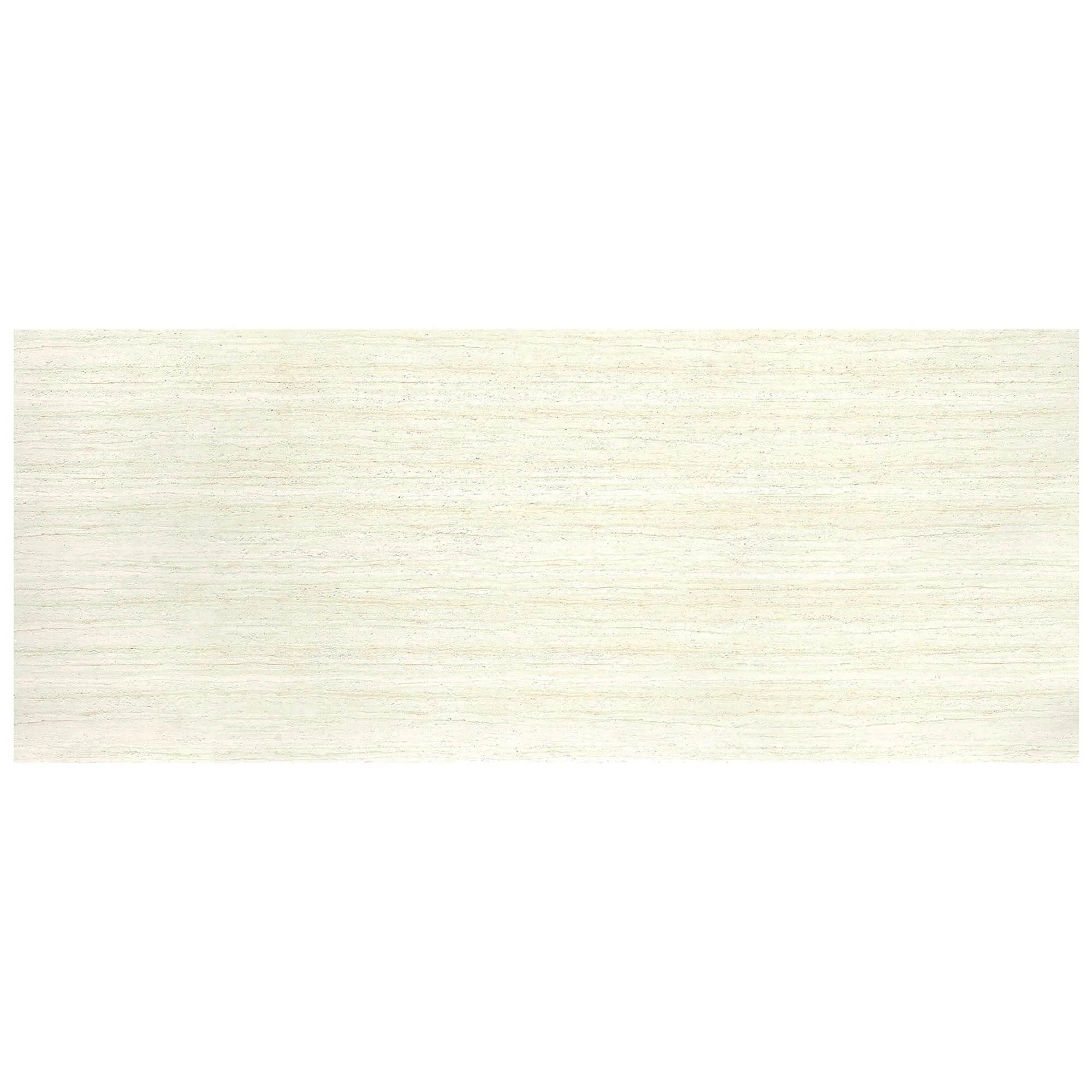
In the fast-paced world of 2025, where architecture and interior design often feel caught between sleek minimalism and overwhelming maximalism, there's a quiet revolution unfolding: the rise of "thread design." Not literal threads, but the subtle, intentional weaving of textures, colors, and materials that guide the eye, stir the senses, and turn spaces into stories. At the heart of this movement? MCM cladding—materials that don't just cover surfaces, but connect them, like a well-tailored garment's stitching holding everything together. This year, designers aren't just choosing cladding; they're choosing a language. And that language speaks in threads: of flexibility, of texture, of memory, and of the quiet harmony between nature and innovation.
Think about the last space that felt truly "alive"—not just beautiful, but intentional . Maybe it was a café where the wall's texture made you run a hand over it unconsciously, or a home where the color of the exterior flowed seamlessly into the living room's accent wall. That's the power of thread design: it turns disjointed elements into a narrative. And MCM (Modified Composite Material) cladding, with its chameleon-like ability to mimic natural stone, metal, and even wood while offering unmatched durability and flexibility, is the perfect storyteller. Let's dive into how 2025's most exciting MCM innovations are redefining what it means to "weave" a space—one thread at a time.
Gone are the days when cladding was just a "skin"—thick, rigid, and limited in form. 2025 is all about materials that bend, flow, and adapt, much like a thread bends to stitch fabric. Leading this charge is MCM flexible stone —a material that feels like it was plucked from a mountain but moves like silk. Imagine a wall that isn't flat, but gently undulates, its surface rippling like a river's current. That's the magic of MCM flexible stone: it can be shaped into curves, waves, or even intricate geometric patterns, turning static walls into dynamic, thread-like compositions. Architects in Tokyo are already using it to create "textile facades"—buildings where the cladding wraps around corners like a well-draped scarf, the stone's natural veining acting as the fabric's print.
But flexibility doesn't mean sacrificing modernity. Enter foamed aluminium alloy board (vintage silver) —a material that marries the lightness of aluminum with the depth of aged metal. Unlike traditional metal cladding, which can feel cold and industrial, this vintage silver variant has a soft, brushed finish that catches light like a thread of moonlight. It's lightweight enough to be installed on curved surfaces (hello, thread-like arcs in lobbies!) and durable enough to withstand harsh weather, making it a favorite for both interior accent walls and exterior facades. In a recent Miami hotel renovation, designers paired it with warm wood tones, the vintage silver acting as a metallic thread that ties the tropical warmth of the space to its modern, minimalist bones.
And then there's the organic counterpoint: travertine (starry green) . Travertine has long been beloved for its earthy charm, but 2025's starry green iteration takes it to new heights. Its surface is dotted with tiny, iridescent flecks that catch light like distant stars, while its natural veining—soft, meandering lines—acts as a visual thread that echoes the movement of water or wind. It's not just a material; it's a conversation starter. I visited a boutique restaurant in Barcelona last month where the back bar was clad in starry green travertine, and every guest found themselves tracing the veins with their eyes, as if following a map to some hidden story. That's the power of a well-chosen "thread" material: it invites engagement, turning passive observation into active participation.
| Material | Core Trait | Design "Thread" Role | Ideal Spaces |
|---|---|---|---|
| MCM Flexible Stone | Bendable, natural veining | Curved surfaces, flowing patterns | Residential living rooms, boutique exteriors |
| Foamed Aluminium Alloy (Vintage Silver) | Lightweight, brushed metallic finish | Metallic accent threads, curved installations | Hotel lobbies, commercial office facades |
| Travertine (Starry Green) | Iridescent flecks, organic veining | Natural storytelling, sensory engagement | Restaurants, retail display walls |
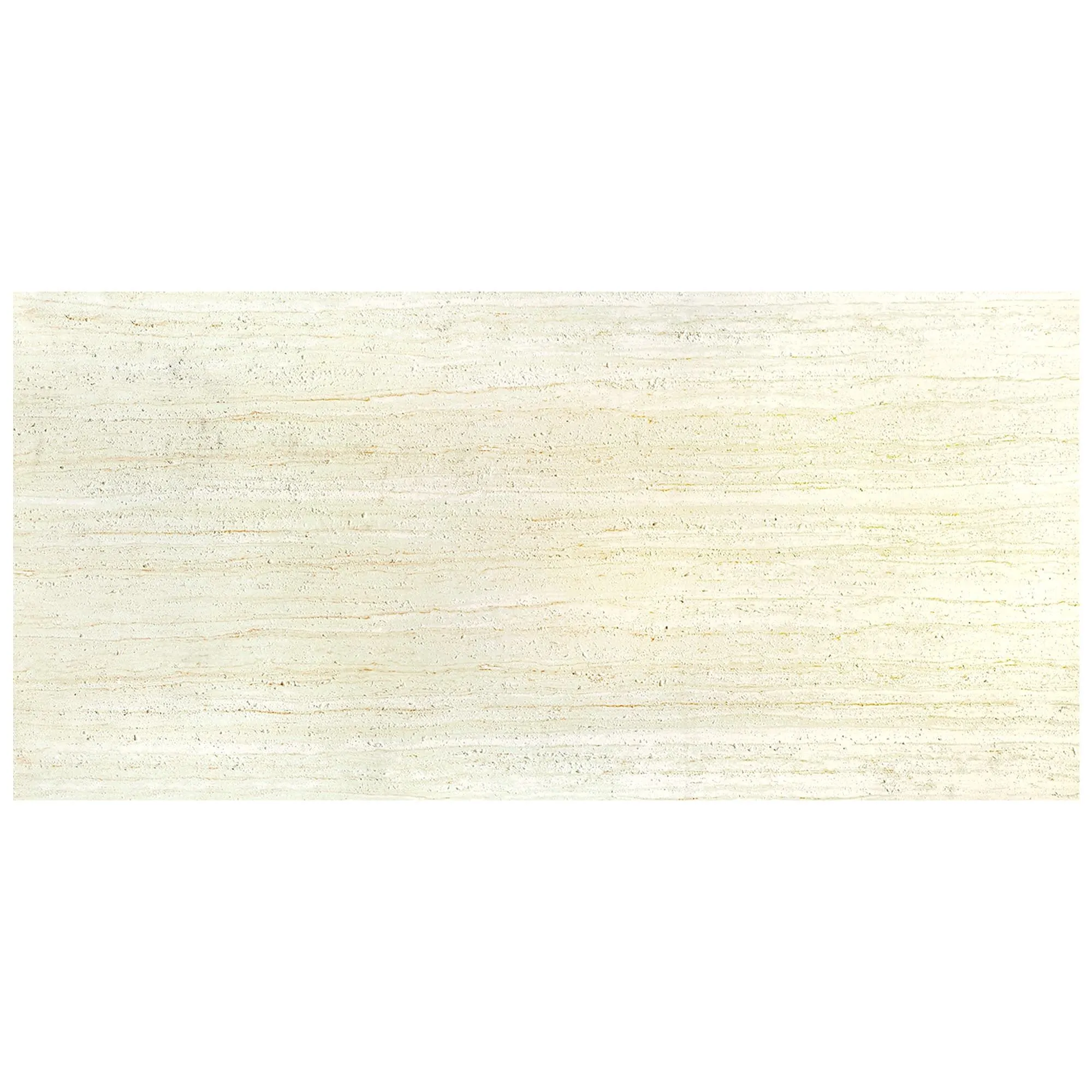
Design in 2025 isn't just about what you see—it's about what you feel . We're craving spaces that engage more than just our eyes, and MCM cladding is delivering by leaning into texture as a primary "thread" that connects the senses. Take lunar peak silvery , for example. At first glance, it's a muted, moon-like gray, but run a hand over it, and you'll find a surface that mimics the moon's craters—subtle indentations and ridges that create a tactile map. It's not rough enough to be uncomfortable, but just enough to make you pause, to notice. In a Copenhagen co-working space I toured, the walls were clad in lunar peak silvery, and employees kept mentioning how the texture made the space feel "grounded yet otherworldly"—as if the walls themselves were telling a story of exploration, one tiny crater at a time.
Then there's rammed earth board (gradient) —a material that wears its layers on its sleeve, quite literally. Imagine earthy tones blending from soft terracotta to warm sienna, like a watercolor painting where the colors bleed into each other. But this isn't just a visual gradient; the texture shifts too, from smooth to slightly grainy, creating a tactile thread that guides your hand (and your eye) across the surface. A residential project in Santa Fe used this gradient rammed earth in the entryway, leading visitors from the front door to the living room—each step revealing a new shade, a new texture, as if walking through a landscape painting. The homeowners described it as "coming home to a story"—the gradient acting as a narrative thread that unfolds as you move through the space.
What's fascinating about these textures is how they bridge the gap between the (man-made) and the natural. Lunar peak silvery's cratered surface feels both extraterrestrial and familiar, like a memory of looking up at the moon as a child. Rammed earth's gradient is a reminder of the earth's own layered history. Together, they create a thread of connection—to nature, to memory, to the world beyond the four walls of a room. In a time when so much of life feels digital and intangible, these textures ground us, making spaces feel not just designed, but lived-in .
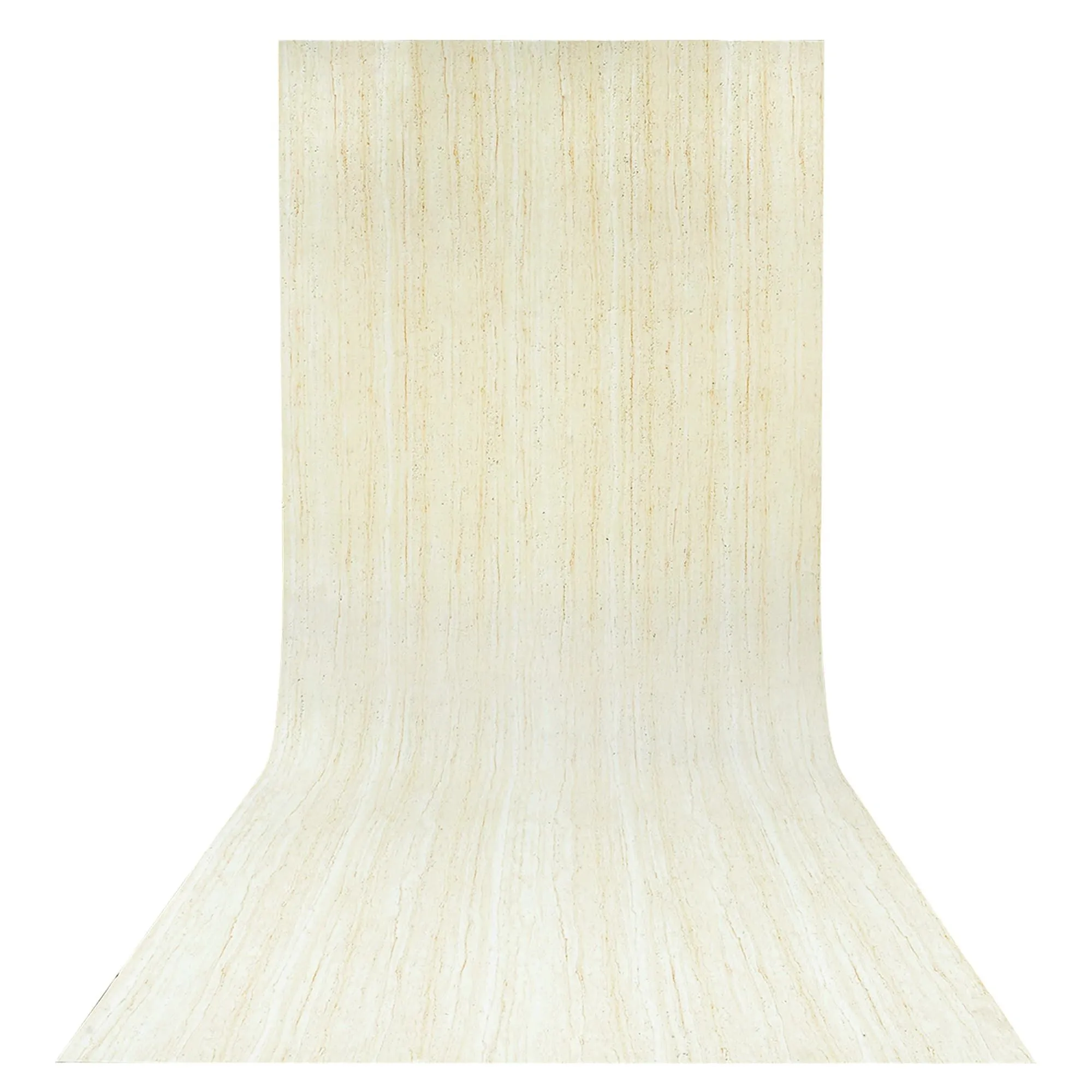
Color is the quietest thread of all, but perhaps the most powerful. It has the ability to calm, energize, or unify a space without saying a word. 2025's MCM cladding color trends are leaning into this, favoring palettes that feel cohesive yet dynamic—like a well-composed melody where each note (or color) has its place. Earthy neutrals remain a foundation, but they're being elevated by unexpected accents that act as "color threads" tying everything together.
Take the pairing of vintage silver (from our foamed aluminium) and starry green (from the travertine). The cool metallic sheen of the silver balances the warm, earthy green, creating a contrast that's striking but not jarring. In a New York apartment renovation, designers used MCM flexible stone in a soft beige (a neutral base) on the main walls, then added starry green travertine as an accent above the fireplace and vintage silver foamed aluminium as a backsplash in the kitchen. The result? A space where your eye moves effortlessly from one area to the next, guided by the green and silver threads. The homeowner put it best: "It feels like the whole apartment is humming the same tune, even though each room has its own personality."
Then there's the gradient color story of rammed earth board. A single panel might shift from pale sand to deep clay, and when installed across a wall, it creates a natural ombre that feels like a sunset frozen in time. This gradient isn't just beautiful—it's functional. In a Los Angeles yoga studio, the back wall was clad in rammed earth gradient (from soft yellow to warm terracotta), and instructors noticed students' eyes naturally following the color flow during meditation, helping them relax deeper. It's a subtle thread, but one that has a tangible impact on how we experience a space.
Even bold colors are being used as threads in 2025, not as focal points. Rusty red, for example, might appear as a thin stripe in a larger expanse of lunar peak silvery, like a comma in a sentence—enough to catch attention, but not enough to overwhelm. It's about balance, about using color to create rhythm, much like a thread in a tapestry. When done right, it makes a space feel intentional, thought through, and deeply harmonious.
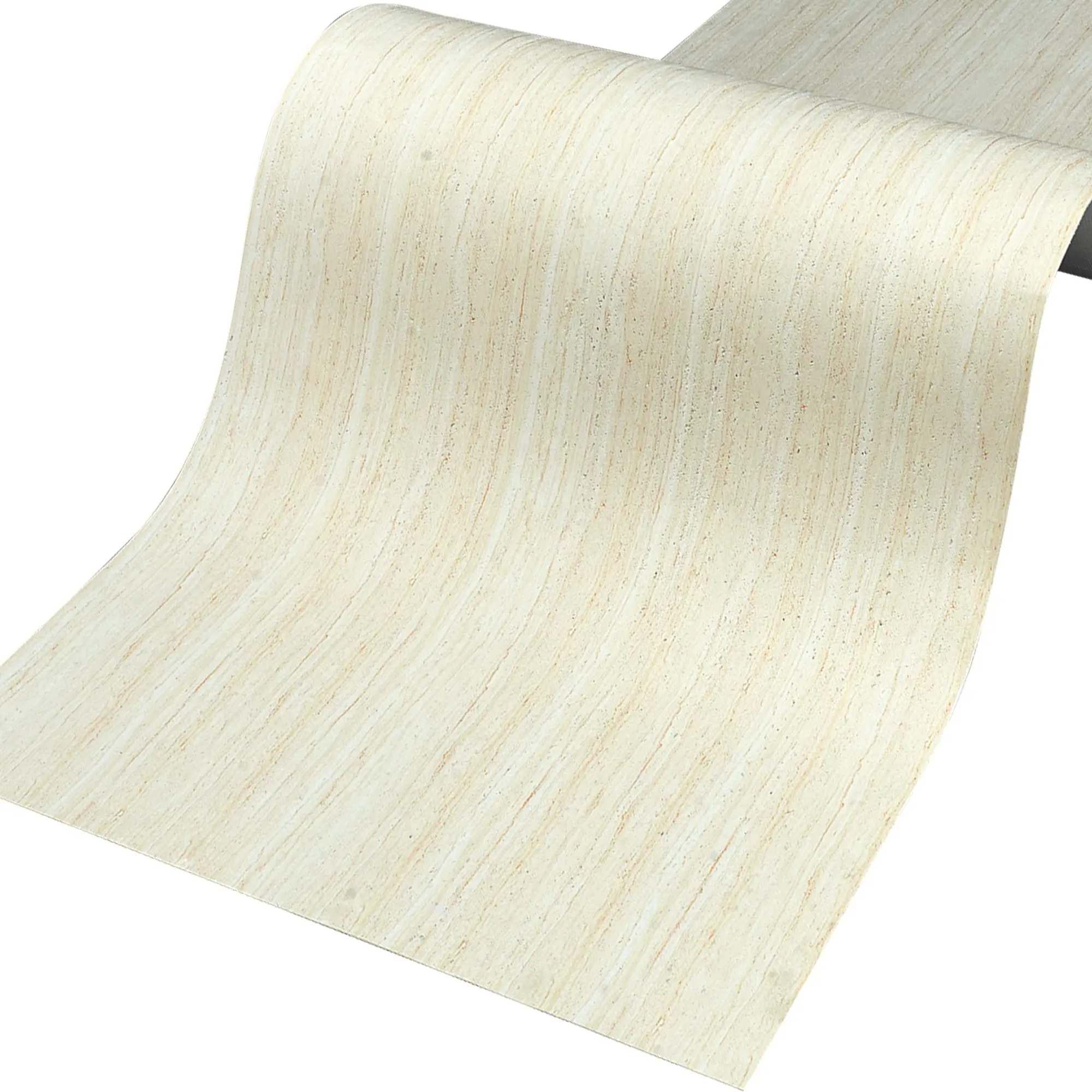
Enough talk—let's walk through a few spaces where these MCM thread materials have truly shined in 2025. First up: a family home in Portland, Oregon, designed by Studio Weave. The clients wanted a space that felt "connected to nature but not stuck in the past," so the designers turned to MCM flexible stone in a soft beige, paired with starry green travertine accents. The exterior features a curved wall of flexible stone, its veining mimicking the nearby forest's tree bark, while the interior fireplace is wrapped in starry green travertine. What's remarkable is how the travertine's green threads appear again in the kitchen backsplash, then as a thin strip in the bedroom accent wall—like a recurring motif in a novel, tying the whole home together. The kids even named the green thread "the forest path"—proof that good design speaks to all ages.
Next, a commercial project: the lobby of the Azure Tower in Singapore, designed by Atelier Lumina. Here, the goal was to create a space that felt "luxurious but approachable," so they combined foamed aluminium alloy (vintage silver) with lunar peak silvery. The ceiling is a series of curved vintage silver panels, flowing like a metallic cloud, while the walls are lunar peak silvery with subtle horizontal grooves—creating a thread of movement that guides visitors from the entrance to the elevators. The effect is mesmerizing: the silver panels catch the light from the floor-to-ceiling windows, and the lunar texture adds depth, making the lobby feel both expansive and intimate. As one visitor put it: "It's like walking through a modern art piece, but one that welcomes you in."
Finally, a public space: the new community library in Austin, Texas. The design team wanted the library to feel like "a living storybook," so they used rammed earth board (gradient) as the main cladding, with accents of MCM flexible stone in warm beige. The gradient rammed earth wraps around the building's exterior, shifting from soft yellow at the entrance to deep terracotta at the roof, symbolizing the "passage of time"—a thread that ties the library's role as a keeper of stories. Inside, the flexible stone lines the bookshelves, its veining echoing the pages of old books. Kids love tracing the gradient with their fingers as they walk up the stairs, and adults often comment on how the space "feels like it's breathing." That's the magic of thread design: it turns a building into a shared experience, a story that everyone can be part of.
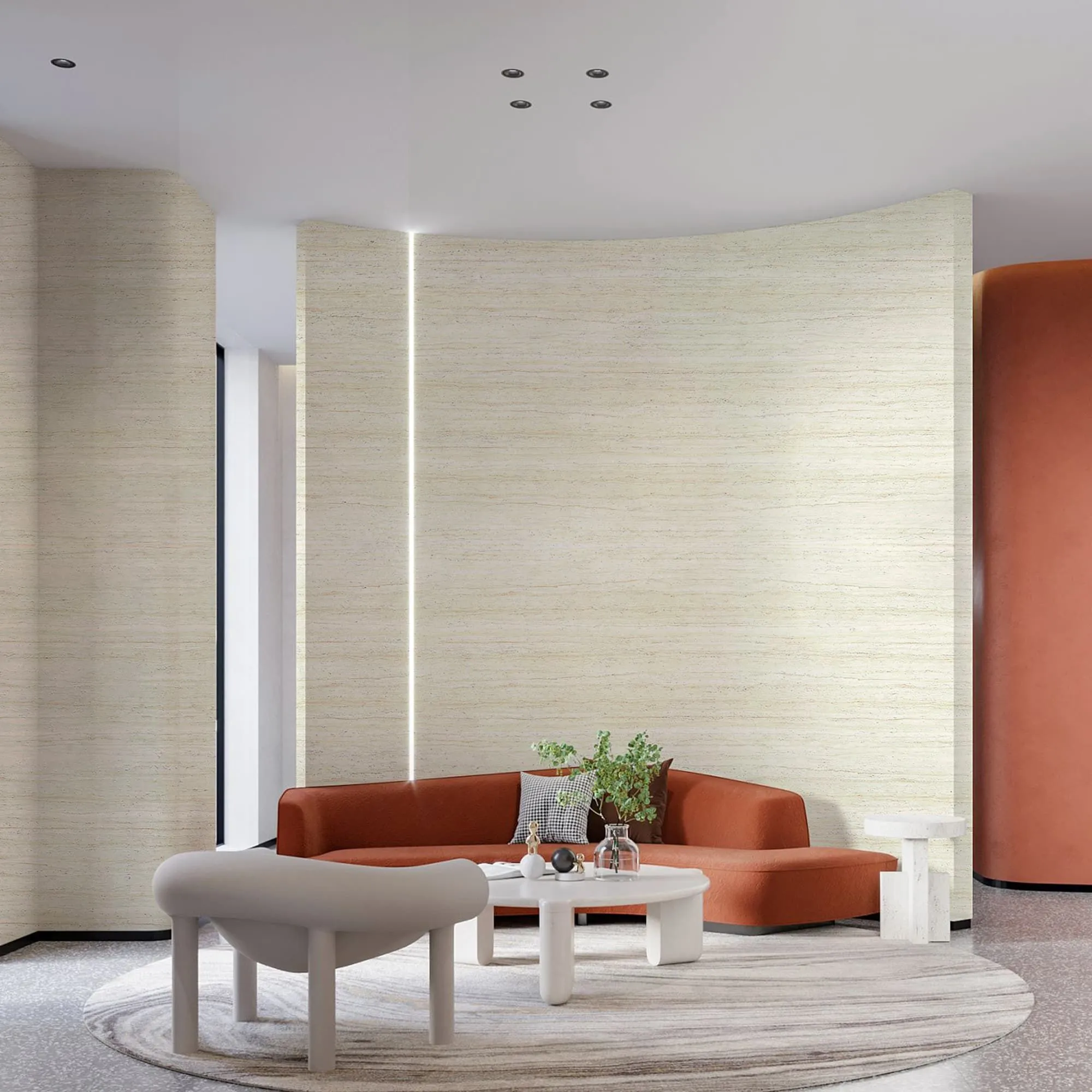
As we look ahead to the rest of 2025 and beyond, one thing is clear: MCM cladding isn't just a trend—it's a movement. A movement toward spaces that feel less like "designs" and more like narratives , where every material, texture, and color has a role to play in telling a story. The "thread" design trend, in particular, speaks to something deeper in us: our need for connection, for continuity, for spaces that don't just exist, but flow .
MCM flexible stone, foamed aluminium alloy, starry green travertine, lunar peak silvery, rammed earth gradient—these materials are more than just tools. They're the threads that allow designers to stitch together beauty and function, nature and innovation, the past and the future. They remind us that architecture isn't about creating something perfect; it's about creating something human —something that makes us feel, that makes us engage, that makes us remember.
So the next time you step into a space and feel an sense of calm, or find yourself tracing a wall's texture without thinking, take a moment to notice the "threads." They might be in the curve of a flexible stone wall, the sheen of a vintage silver panel, or the gradient of rammed earth. They're there, weaving the space together, one material, one texture, one color at a time. And in 2025, that's the most beautiful story of all.
Recommend Products












