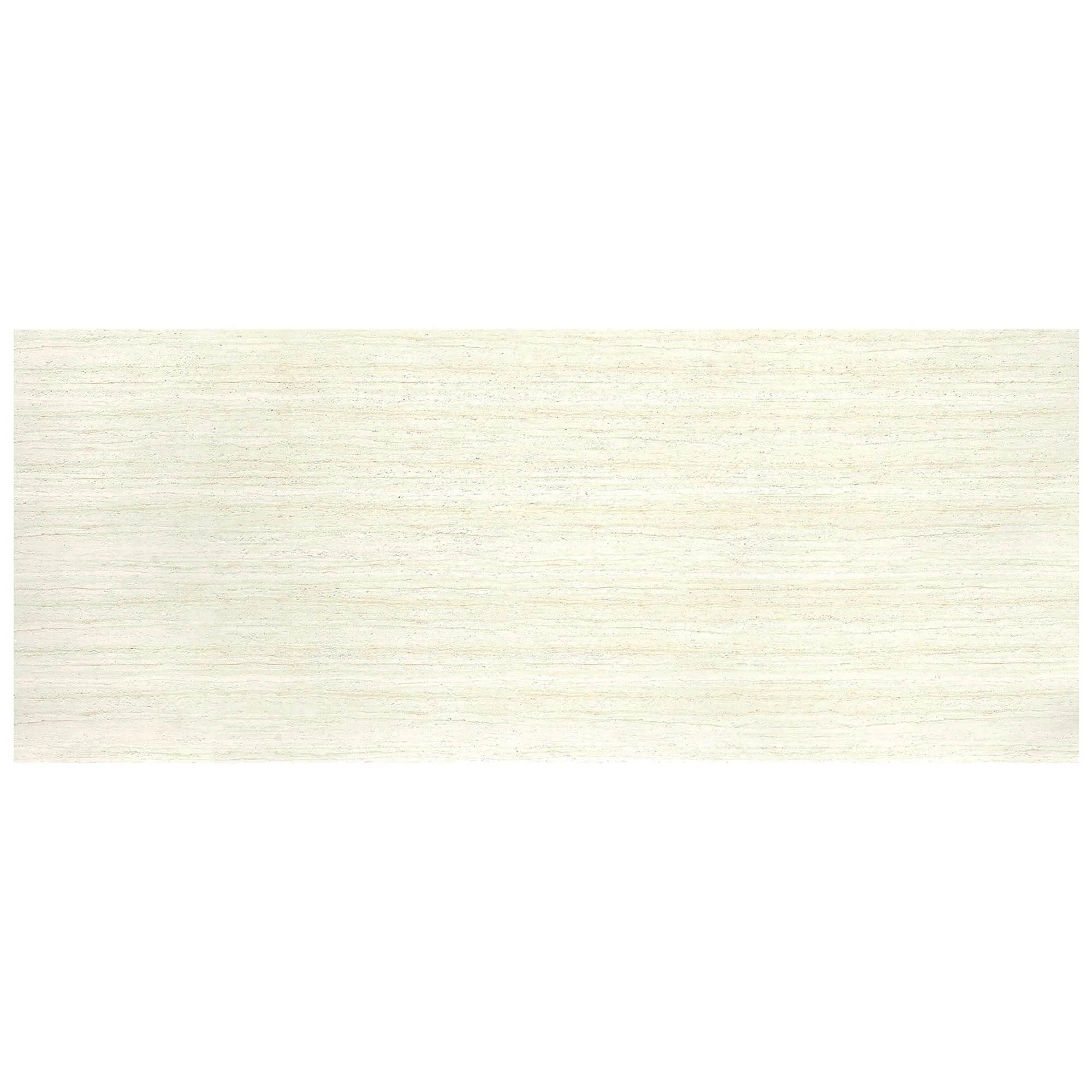
In contemporary architecture and interior design, surface texture has become as critical as color in creating impactful spaces. Among the various textural treatments available, thread finish—a linear, groove-like pattern—has emerged as a sophisticated choice for architects and designers seeking to add depth, rhythm, and visual interest to both interior and exterior surfaces. This comprehensive guide explores the design applications, benefits, and implementation strategies for thread finish materials in modern construction projects.
Thread finish refers to a linear, geometric surface treatment characterized by continuous parallel grooves or ridges that create a rhythmic texture across building materials. Unlike flat surfaces, thread-finished panels interact dynamically with light, producing an ever-changing interplay of shadows and highlights throughout the day. This unique characteristic transforms ordinary walls into living surfaces that respond to their environment.
The technical execution of thread finish varies by material. In traditional applications, concave grooves are carved or extruded into surfaces, creating what designers call "fluting." Modern manufacturing techniques, particularly in MCM 3D printing series technology, allow for precise control over groove depth, spacing, and pattern complexity, enabling customized aesthetic outcomes that were previously impossible to achieve.
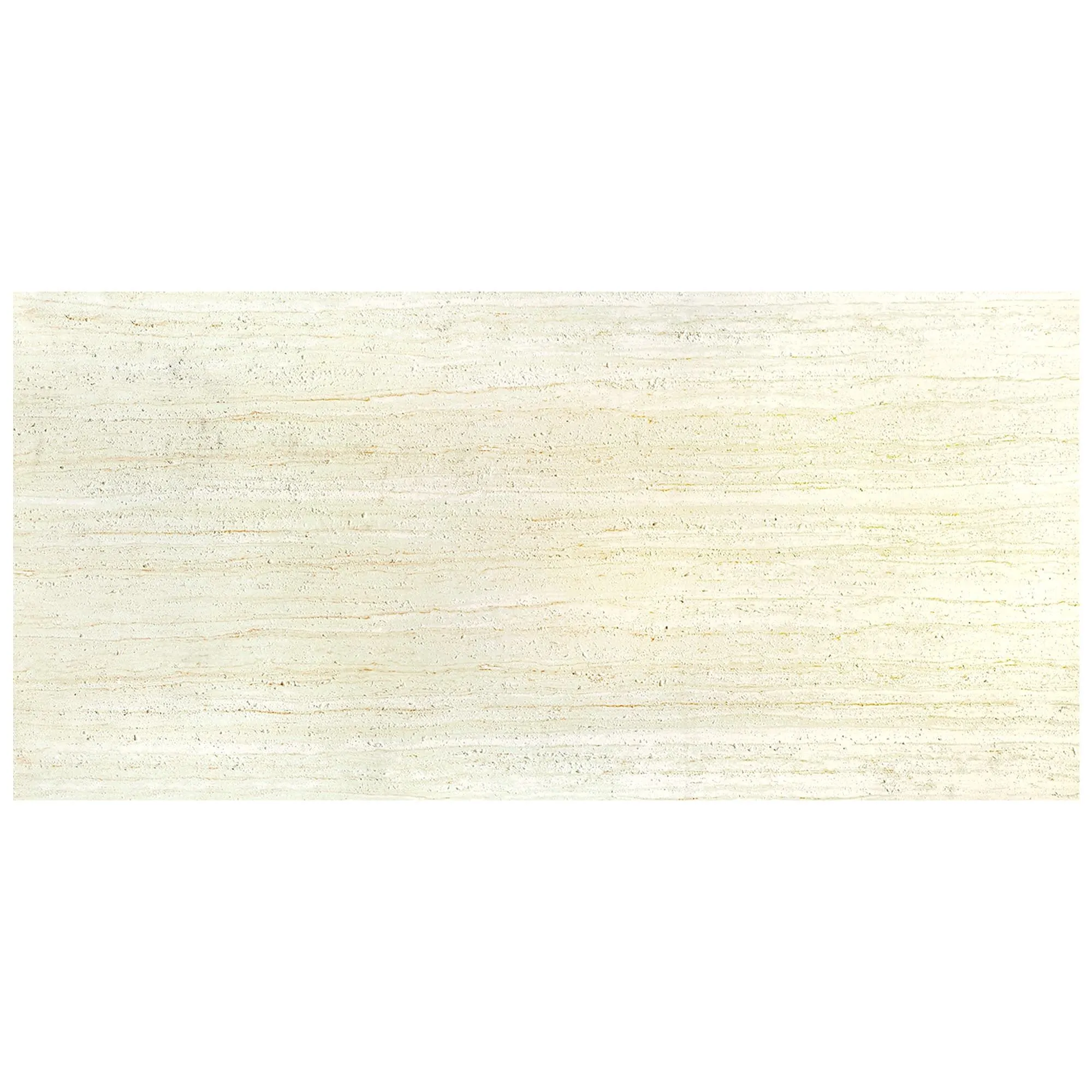
Thread finish creates tangible three-dimensional texture that flat surfaces cannot achieve. The grooves catch and direct light, generating shadow lines that add architectural definition and visual weight to walls. This depth effect is particularly valuable in minimalist interiors where texture provides visual interest without adding clutter or competing elements.
Beyond aesthetics, thread finish panels serve as acoustic diffusers. The semi-circular geometry of grooves breaks up sound waves, preventing flutter echoes and improving room acoustics. This makes thread-finished materials ideal for conference rooms, hotel lobbies, restaurants, and other spaces where sound quality matters. When combined with acoustic backing materials, these panels can significantly enhance both sound diffusion and absorption.
Vertical thread patterns naturally draw the eye upward, optically increasing perceived ceiling height. This psychological effect makes thread-finished walls particularly effective in spaces with lower ceilings, creating an illusion of greater volume and airiness without structural modifications.
In high-traffic commercial environments, thread-finished panels protect underlying wall surfaces from impact damage. The textured surface distributes impact forces across multiple grooves, reducing the likelihood of visible dents or scratches compared to smooth surfaces. Materials like MCM flexible stone panels combine this durability with the authentic appearance of natural stone, offering both aesthetic appeal and practical longevity.
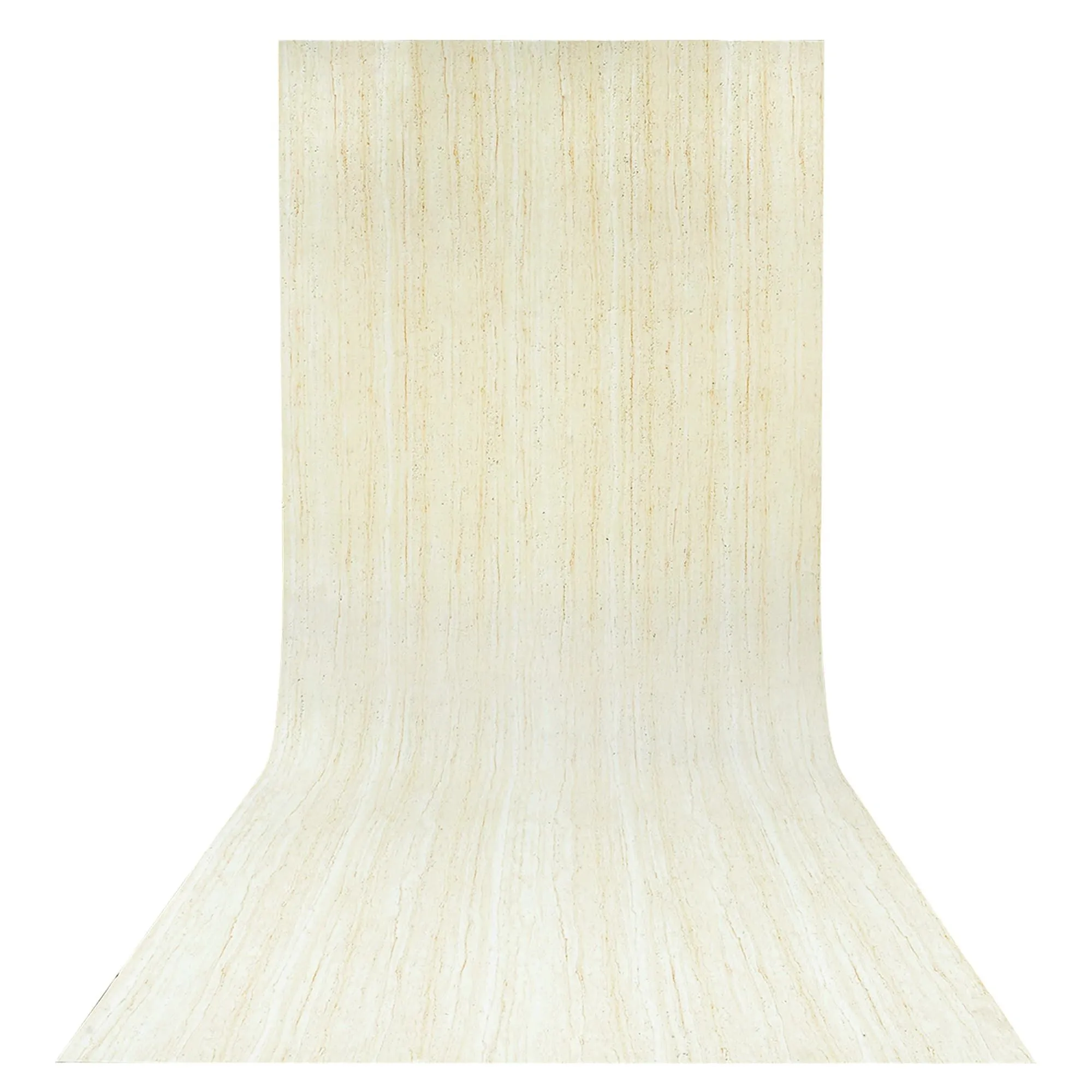
Thread finish panels have become a defining element in contemporary facade design. The linear grooves create strong horizontal or vertical lines that can emphasize a building's architectural intent. When used in exterior wall cladding applications, thread-finished materials offer a sophisticated alternative to flat panels, adding character and visual interest to building exteriors while maintaining clean, modern aesthetics.
The interplay of light and shadow on thread-finished facades creates dynamic visual effects that change throughout the day. Morning light may accentuate one set of shadows, while afternoon sun creates entirely different patterns. This living quality makes buildings with thread-finished facades more engaging and visually responsive to their environment.
Inside buildings, thread-finished panels serve as striking feature walls in lobbies, reception areas, living rooms, and hospitality spaces. The texture adds sophistication and warmth, particularly when crafted from materials that mimic natural stone or wood grain. Designers often use thread-finished accent walls to anchor a space, creating a focal point that draws attention and establishes the room's design language.
Hotels, restaurants, and retail spaces benefit significantly from thread finish applications. The texture adds perceived value and craftsmanship, elevating the guest experience. In hotel corridors, thread-finished walls create rhythm and guide movement while protecting surfaces from the wear and tear of daily traffic. Restaurants use thread-finished panels to create intimate dining zones or dramatic backdrops that enhance ambiance.
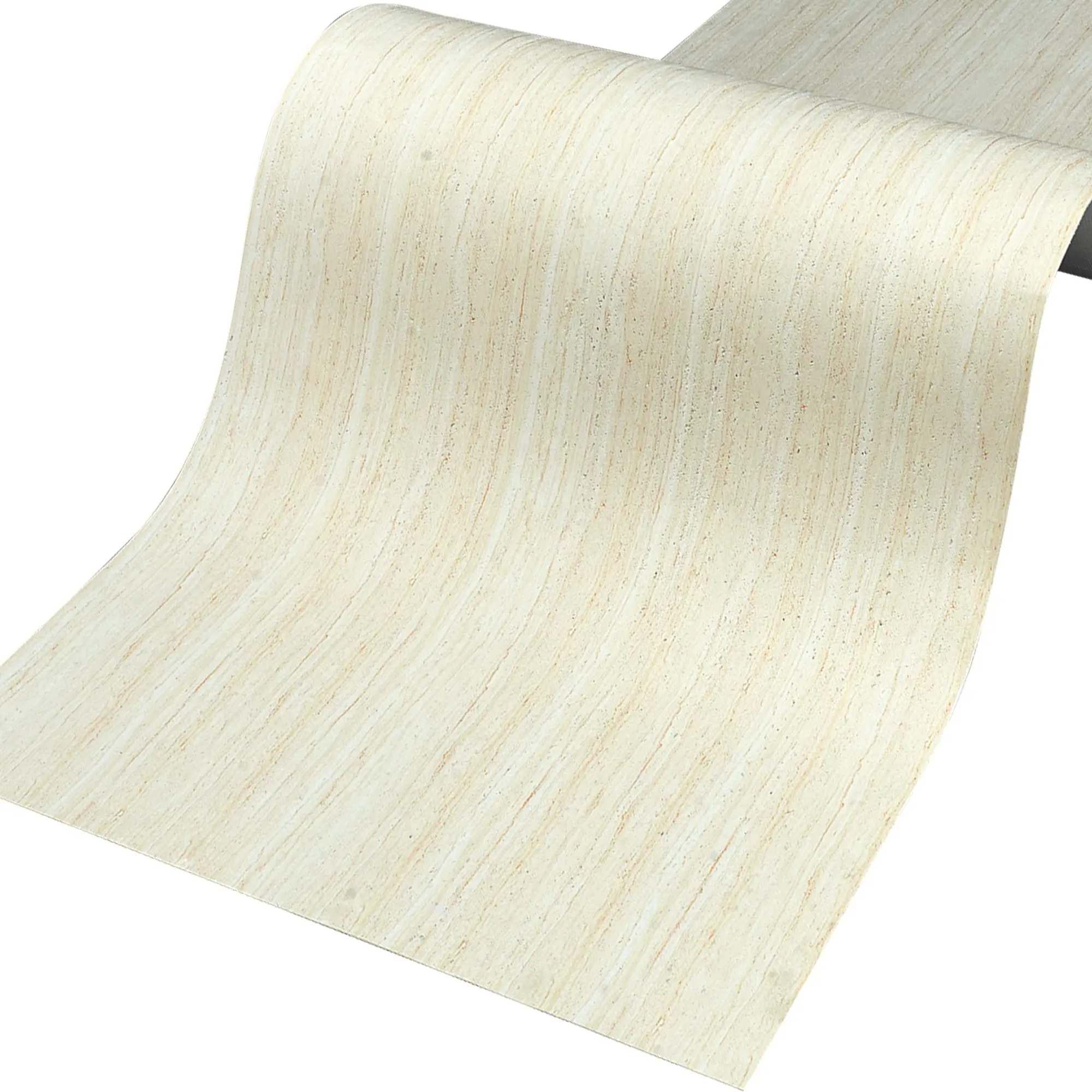
Modern thread-finished materials, particularly those in flexible formats, can wrap around curved surfaces while maintaining continuous linear patterns. This capability allows designers to clad circular columns, curved walls, and sculptural elements without visible seams or pattern interruption. The result is seamless texture that enhances architectural curves rather than fighting against them.
The choice of material significantly impacts both the aesthetic outcome and practical performance of thread-finished installations. Understanding material properties helps designers select appropriate solutions for specific project requirements.
Modified Clay Materials (MCM) represent an innovative approach to thread finish applications. These flexible panels combine the authentic appearance of natural stone, marble, or other materials with lightweight construction and ease of installation. MCM panels can achieve thread textures through advanced molding and 3D printing techniques, offering precise control over groove patterns while maintaining the natural aesthetic that designers desire.
The flexibility of MCM materials allows installation on curved surfaces and complex geometries that would be impossible with traditional rigid stone panels. This opens design possibilities for architectural features that combine texture with organic forms.
Fiber cement panels with thread finishes offer excellent fire resistance (Class A rating) and weather durability, making them suitable for exterior applications. The material combines cement, cellulose fibers, and reinforcing materials to create robust panels that can withstand harsh environmental conditions while maintaining their textured appearance.
For interior applications where warmth and natural character are priorities, wood-based thread-finished panels provide organic aesthetics. Solid wood options offer authentic grain patterns, while MDF (Medium Density Fiberboard) panels provide cost-effective alternatives with excellent machining precision. Fire-rated versions are available for commercial projects requiring safety compliance.
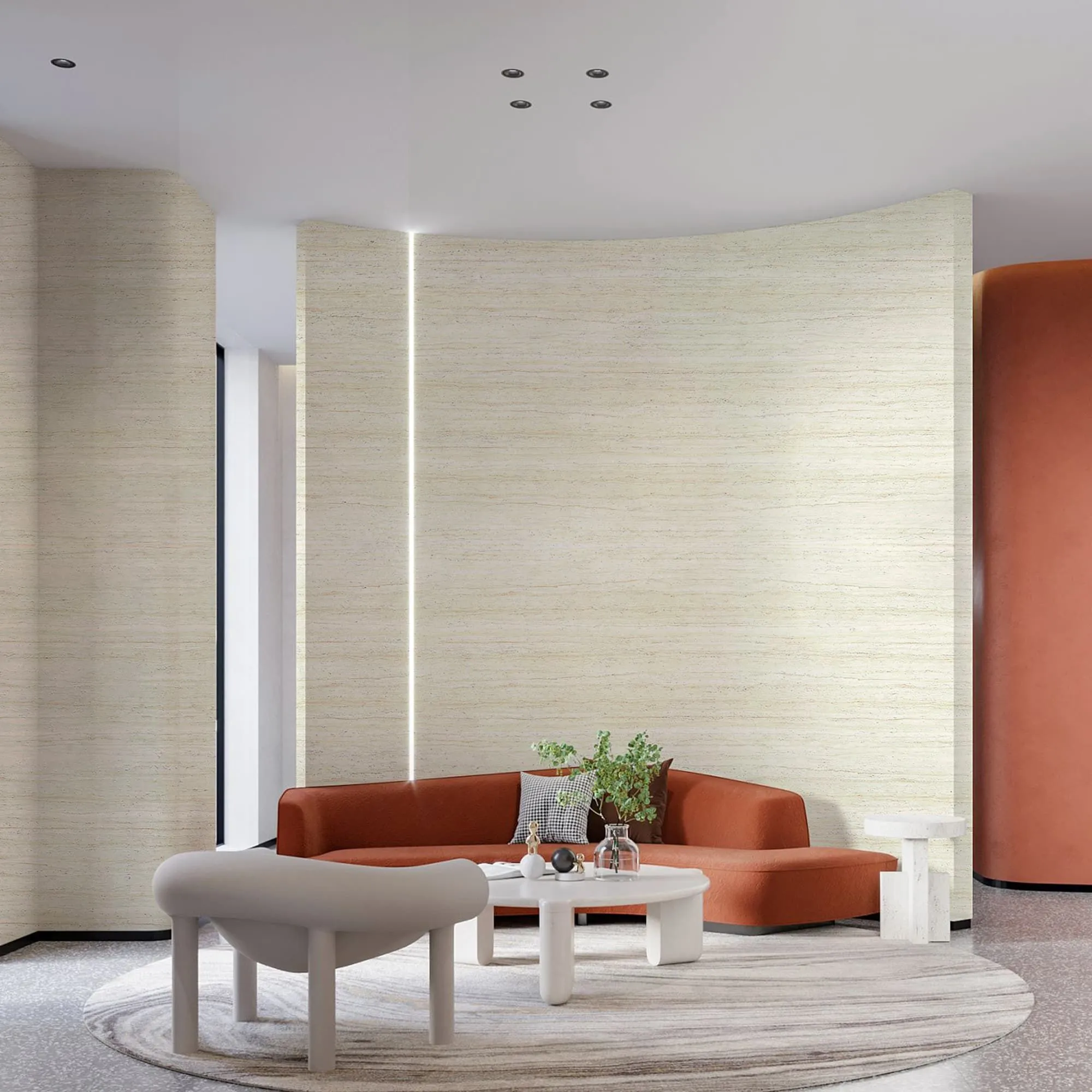
The direction of thread patterns significantly impacts visual perception. Vertical threads emphasize height and work well in spaces with standard or low ceilings. Horizontal threads can make narrow spaces appear wider and create a sense of calm. Diagonal patterns introduce dynamic energy but require careful planning to avoid visual conflict with other architectural elements.
Effective lighting design amplifies the impact of thread-finished surfaces. Grazing light—light that skims across the surface at a shallow angle—maximizes shadow effects and texture visibility. Indirect lighting can soften the texture for more subtle effects. Designers should consider both natural and artificial light sources when planning thread finish installations, as different lighting conditions produce dramatically different visual outcomes.
Color choice affects how prominently thread textures appear. Lighter colors emphasize shadow contrast, making the texture more visible from greater distances. Darker colors create more subtle, sophisticated effects where the texture reveals itself gradually as viewers approach. Matte finishes reduce glare and allow the texture to be the primary visual element, while glossy finishes add another layer of light interaction.
Thread-finished surfaces work best when integrated thoughtfully with surrounding design elements. Hidden doors can be seamlessly incorporated into thread-finished walls, with the linear pattern concealing door frames. Furniture pieces can echo the linear rhythm, creating visual continuity. When combined with other textured elements, maintain a hierarchy where one texture dominates while others provide supporting contrast.
Successful thread finish installations require attention to substrate preparation, alignment, and joint treatment. The substrate must be plumb and smooth to ensure panels sit flush. For flexible materials, proper adhesive application prevents future delamination. Panel edges require careful treatment to maintain pattern continuity—tongue-and-groove systems or matching edge profiles create seamless transitions between panels.
In exterior applications, weatherproofing details at joints, corners, and penetrations are critical. Thread-finished panels should be installed with appropriate drainage provisions to prevent water accumulation in grooves. For fire-rated applications, verify that both panels and installation methods meet relevant building codes and fire safety standards.
Thread finish design applications represent a powerful tool in the contemporary architect's and designer's repertoire. The combination of visual depth, acoustic functionality, and surface protection makes thread-finished materials valuable for projects ranging from intimate residential interiors to large-scale commercial facades. As manufacturing technologies continue to advance, particularly in flexible MCM materials, the possibilities for creative thread finish applications will only expand.
When selecting thread-finished materials, consider the specific requirements of your project—environmental conditions, desired aesthetic, acoustic needs, and budget constraints. Whether choosing natural stone aesthetics through flexible MCM panels, fire-resistant fiber cement for exterior applications, or warm wood-based options for interior features, thread finish textures offer timeless appeal that enhances architectural expression while serving practical functions.
For projects seeking innovative building material solutions, thread finish applications demonstrate how texture can elevate design from ordinary to exceptional, creating spaces that engage the senses and stand the test of time.
Recommend Products