
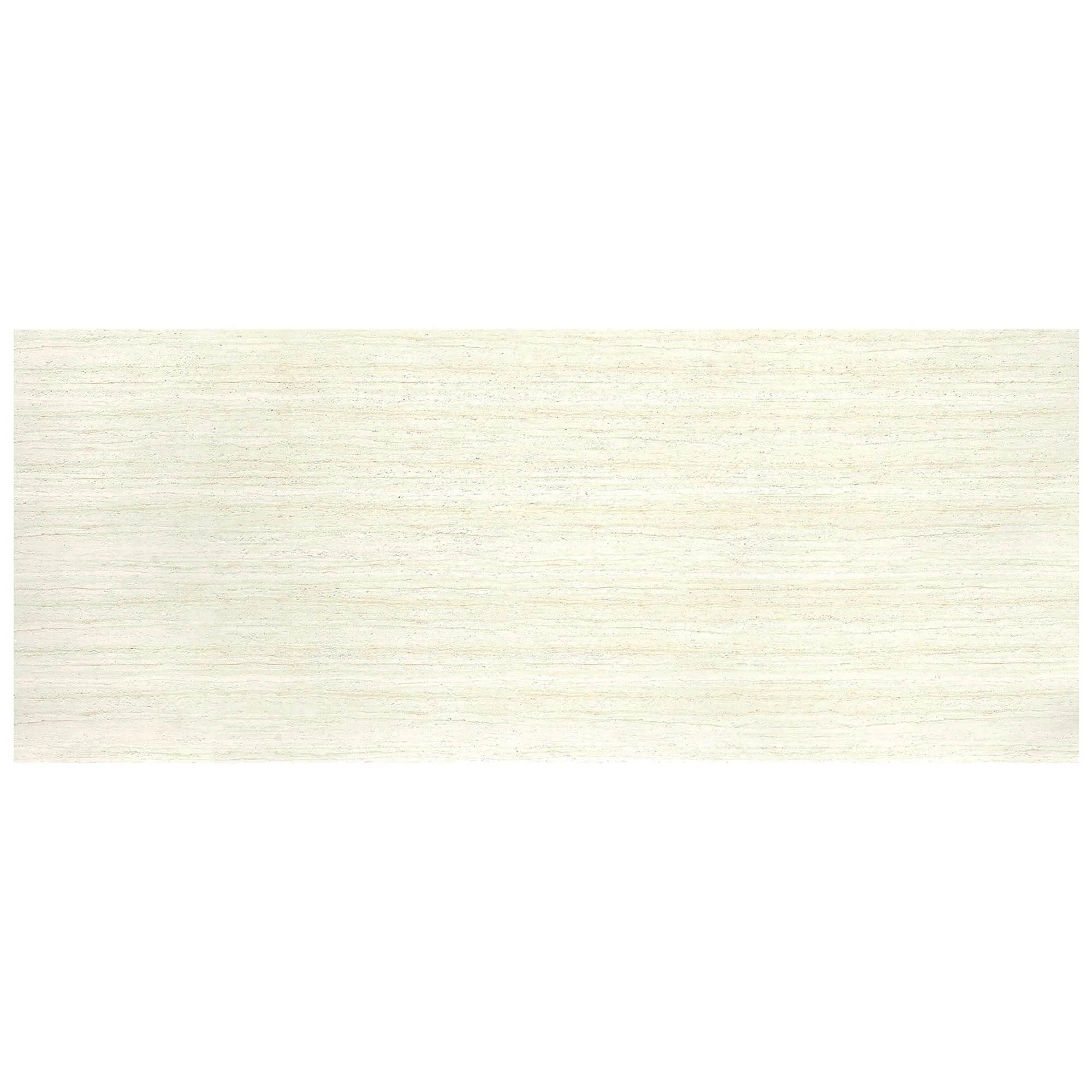
Walk down any modern street, and you'll likely spot it: buildings wrapped in MCM cladding, each panel telling a story through texture, color, and material. Whether it's the soft, organic feel of MCM flexible stone , the industrial sheen of foamed aluminium alloy board (vintage silver) , or the cosmic allure of travertine (starry blue) , these materials don't just decorate—they define spaces. But here's the truth: that visual magic fades fast without a little TLC. Thread maintenance—the art of tending to the tiny details that make MCM cladding sing—isn't just about cleaning. It's about preserving character, preventing damage, and ensuring your facade stays as striking in year 10 as it was in year one. Let's dive into how to do it right.
MCM cladding is built to withstand the elements, but even the toughest materials have weak spots. Think of it like a well-loved jacket: the (threads) might fray, the fabric might stain, and zippers might stick if you ignore them. For MCM, "threads" are the small, often overlooked details: the grout lines between fair-faced concrete panels, the porous surface of travertine that traps dirt, or the delicate weave of a bamboo mat board that can unravel if brushed too hard. Neglect these, and you're not just losing aesthetics—you're risking structural issues. Water seeping into cracks, mold growing in crevices, or UV rays bleaching colors can turn a showstopper facade into an eyesore. The good news? With consistent, gentle care, you can avoid all that.
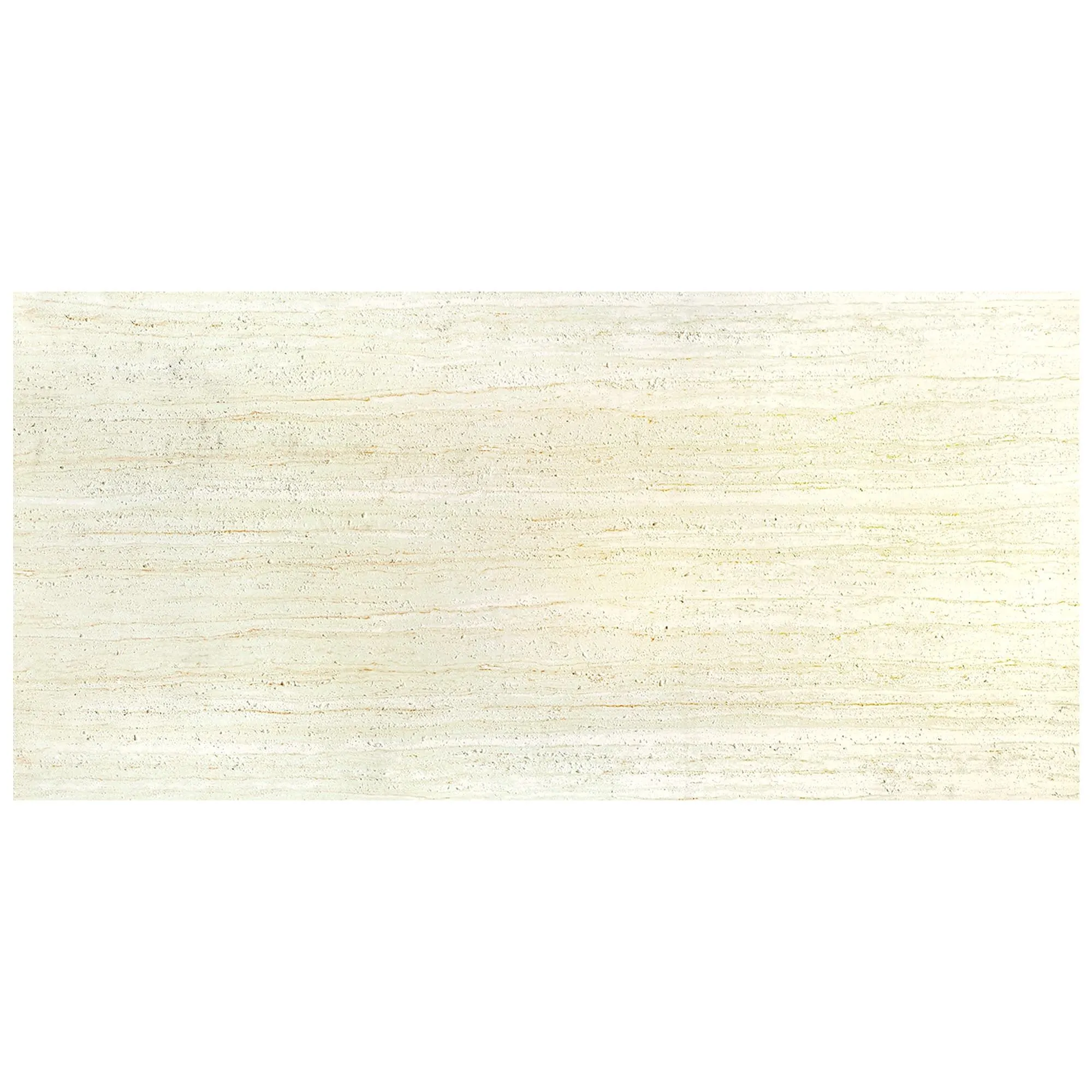
Most MCM cladding problems start with dirty surfaces. Dirt, pollen, bird droppings, and pollution build up over time, and if left unchecked, they can etch into materials or discolor them permanently. But before you grab a pressure washer or harsh chemicals, pause—aggressive cleaning is often the worst enemy of MCM.
Here's the safe approach: For most materials (yes, even travertine (starry blue) with its delicate starry patterns), start with a soft-bristle brush or microfiber cloth to sweep away loose debris. Then mix warm water with a mild, pH-neutral soap (think dish soap without added bleach or ammonia). Dip a sponge or soft cloth into the solution, wring it out well (you don't want excess water pooling), and gently wipe the surface. Rinse with a hose on the lowest pressure setting, keeping the nozzle at least 2 feet from the cladding to avoid damaging textures. For stubborn spots—like dried mud on MCM flexible stone —let the soapy water sit for 5 minutes before wiping; never scrub hard, as you might scratch the finish.
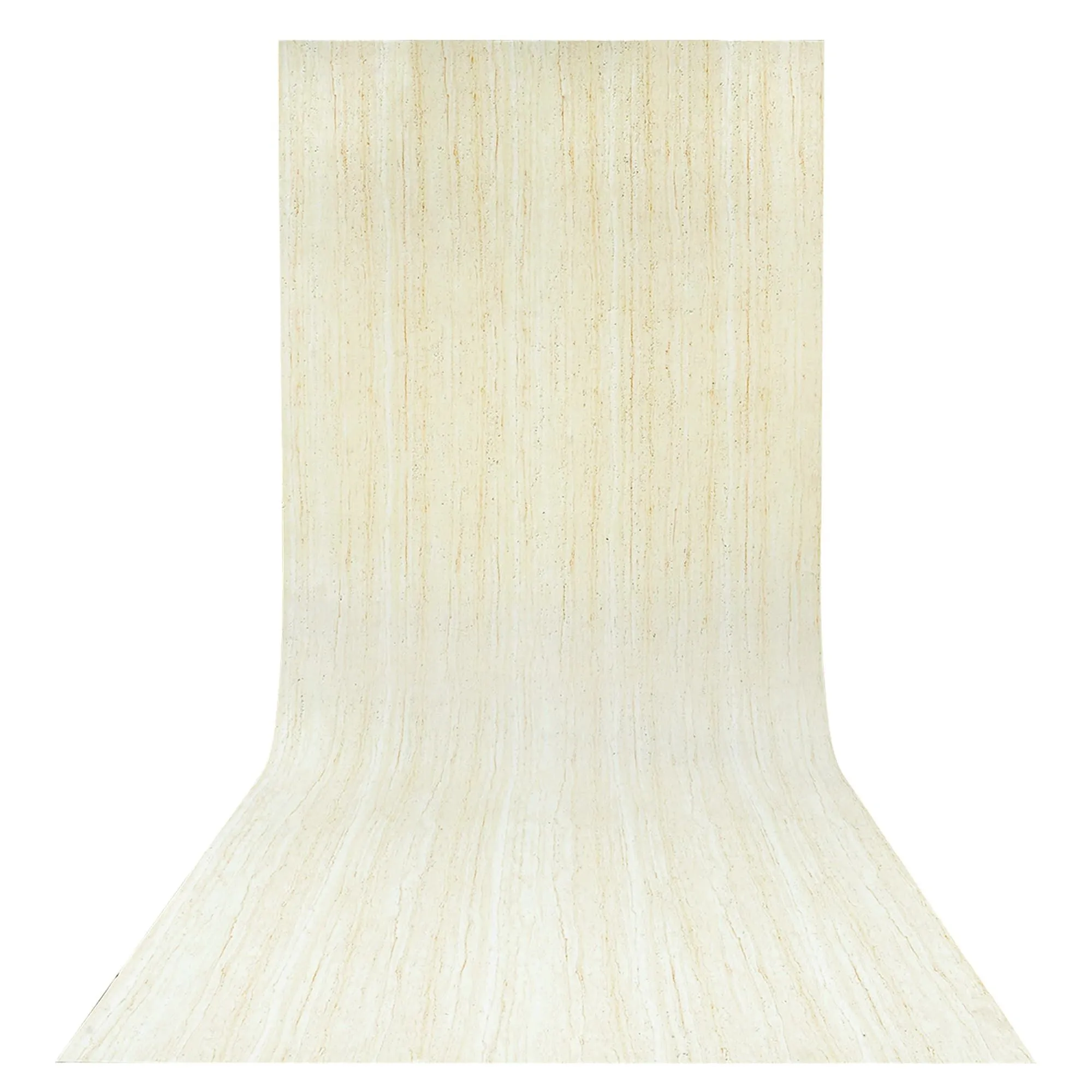
Cleaning removes surface gunk, but inspection uncovers hidden issues. Set a calendar reminder to do a "thread check" every 3 months—more if you live in an area with extreme weather (think heavy rain, snow, or coastal salt spray). Grab a pair of binoculars for hard-to-reach spots, and look for these red flags:
Jot down what you find—photos help! Small issues (like a tiny chip in concrete) can often be fixed with a touch-up kit; bigger problems (like a loose panel) might need a pro. The key is catching them early.
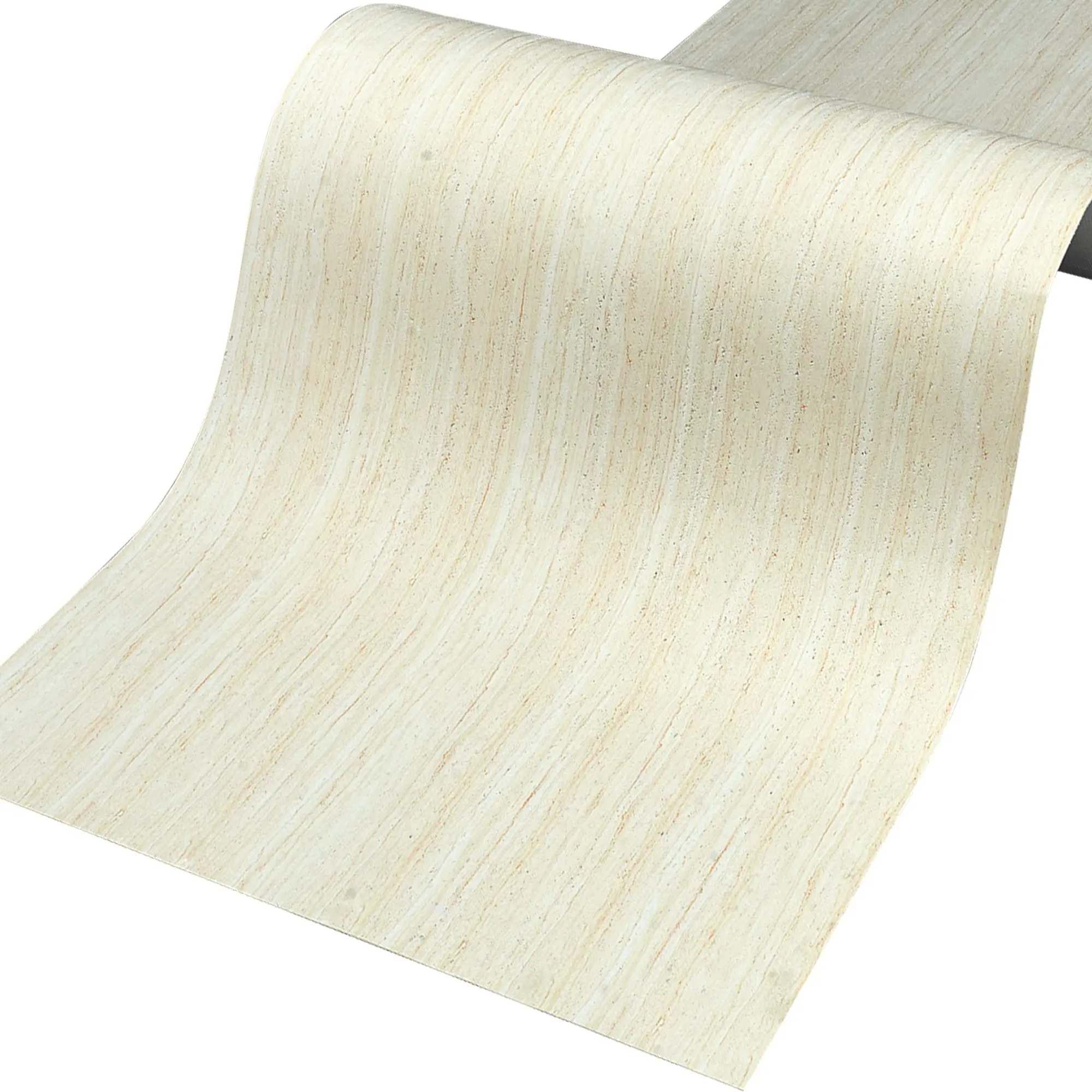
MCM cladding comes in a rainbow of materials, and each has its own personality—meaning each needs slightly different care. Let's break down maintenance tips for some popular options, so you can tailor your routine.
| Material | Cleaning Do's | Common Pitfalls to Avoid | Seasonal Bonus Tip |
|---|---|---|---|
| MCM flexible stone | Use a soft brush and mild soap; rinse with low-pressure water. For stains, blot (don't rub) with a damp cloth. | Pressure washing (can erode texture); acidic cleaners (dissolve stone particles). | Seal once a year (spring is best!) with a stone-specific sealer to lock in color and repel moisture. |
| Foamed aluminium alloy board (vintage silver) | Wipe with a microfiber cloth and water; for fingerprints, add a drop of dish soap. Dry immediately to prevent water spots. | Abrasive pads (scratch the vintage finish); harsh chemicals (cause discoloration). | In coastal areas, rinse monthly with fresh water to wash away salt spray (it accelerates oxidation). |
| Travertine (starry blue) | Gently sweep, then wipe with pH-neutral stone cleaner. Avoid soaking—travertine is porous! | Bleach (fades "starry" pigments); wire brushes (scuff the surface). | After heavy rain, check for standing water in crevices—dry with a cloth to prevent mold. |
| Fair-faced concrete | Hose down with low pressure, then scrub lightly with a soft brush and mild soap. Rinse thoroughly. | Leaving soap residue (attracts dirt); using steel wool (scratches the smooth finish). | In winter, avoid de-icing salts near panels—they can cause efflorescence (white, powdery stains). |
| Bamboo mat board | Dust with a feather duster or vacuum on low suction. Spot-clean with a damp cloth and mild soap; air-dry completely. | Excess water (causes warping); brushing against the grain (fraying fibers). | Keep away from direct, intense sunlight (can dry out and crack bamboo over time). |

Even with regular cleaning, stains happen. Maybe a bird leaves a messy present on your travertine (starry blue) , or oil drips onto fair-faced concrete during a renovation. The trick is to act fast—and use the right solution for the stain.
Organic stains (mold, mildew, bird droppings): Mix equal parts water and hydrogen peroxide (3%) in a spray bottle. Mist the stain, let sit 10 minutes, then wipe with a damp cloth. Test on an inconspicuous spot first—peroxide can lighten some colors (looking at you, foamed aluminium alloy board (vintage silver) ).
Oil or grease: Sprinkle baking soda on the stain, let it absorb for 24 hours, then sweep away. Follow with a soapy water wipe-down. For stubborn grease on MCM flexible stone , repeat the process—baking soda is gentle enough not to damage texture.
Rust stains: Use a rust remover specifically labeled "safe for stone/metal" (check the product's instructions!). Apply a small amount with a cotton swab, let sit 5 minutes, then rinse. Avoid leaving it on too long—some removers can etch metal or stone.
Your MCM cladding's needs change with the seasons. What works in summer might backfire in winter, so adjust your routine accordingly.
Spring: After winter's snow, ice, and salt, give your cladding a deep clean. Focus on fair-faced concrete and MCM flexible stone , which can trap salt residue. Rinse thoroughly and check for cracks from freeze-thaw cycles.
Summer: UV rays are harsh! Travertine (starry blue) and bamboo mat board are especially prone to fading. If possible, install awning or shade sails over south-facing walls. For aluminium panels, a monthly wipe-down with water prevents heat-induced discoloration.
Fall: Leaves and debris love to stick to textured surfaces like MCM flexible stone . Sweep or blow them off weekly to avoid decay and mold. Check grout lines for gaps—fall rains can seep in and cause winter damage.
Winter: Skip the salt! Instead, use sand for traction near cladding to avoid efflorescence on concrete. For foamed aluminium alloy board (vintage silver) , wipe away snow with a soft broom—don't let it melt and refreeze, as ice can lift panels.
DIY maintenance goes a long way, but some jobs are better left to experts. If you notice any of these, pick up the phone:
Professionals have tools like soft-pressure washing systems and specialized sealants that won't harm your MCM materials. It's an investment, but far cheaper than replacing damaged panels.
At the end of the day, thread maintenance is about more than keeping your building looking good. It's about respecting the craftsmanship of materials like MCM flexible stone and travertine (starry blue) , and ensuring they continue to inspire for years to come. Think of it as a conversation: your cladding speaks to passersby, and with a little care, its message stays clear, bold, and full of life.
So grab that soft brush, set your calendar reminders, and treat your MCM cladding like the masterpiece it is. Your future self (and anyone who walks by your building) will thank you.
Recommend Products












