
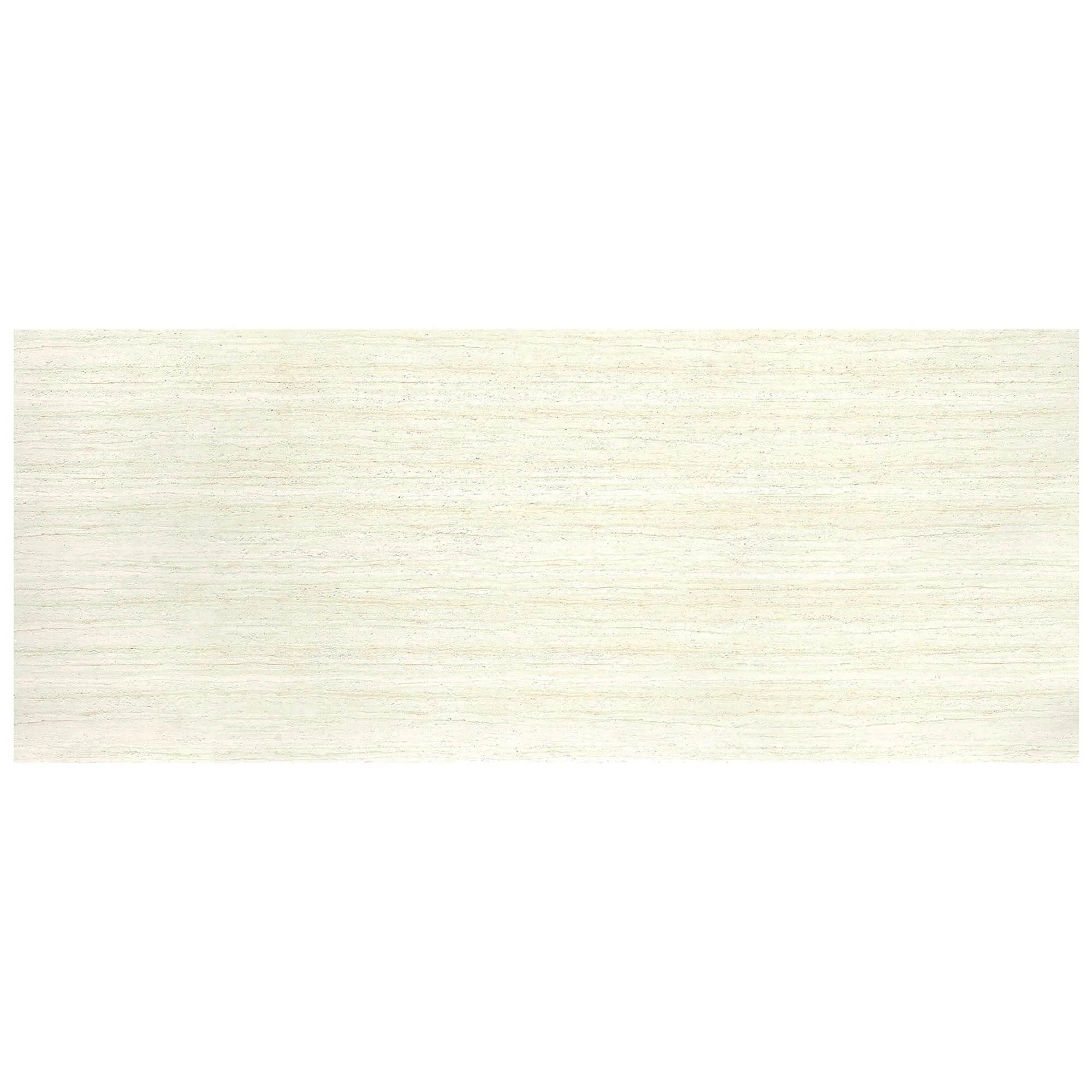
Walk into any space—a cozy café, a sleek office lobby, or a historic museum—and what hits you first isn't just the color or the layout. It's the texture. The rough warmth of a stone wall, the smooth coolness of a metal panel, the delicate thread of a woven surface—these are the silent storytellers that turn buildings into experiences. For designers and architects, consistency in these textures isn't just a preference; it's a promise. A promise that the vision on paper will translate to reality, room after room, project after project. At COLORIA, this promise isn't just kept—it's woven into every step of their manufacturing process.
COLORIA isn't just a manufacturer of building materials. They're a team of texture enthusiasts—designers, engineers, and craftsmen who believe that every surface should have a personality. "Texture is the language of touch," says Maria Gonzalez, COLORIA's lead design strategist. "It's how a space communicates comfort, luxury, or even nostalgia. But if that language isn't consistent, the message gets lost." This belief is at the heart of their MCM (Modified Composite Material) product lines, from the organic MCM flexible stone to the modern foamed aluminium alloy board (vintage silver) . And at the center of it all? The thread —a texture so subtle yet impactful, it's become a signature of COLORIA's ability to balance artistry with precision.
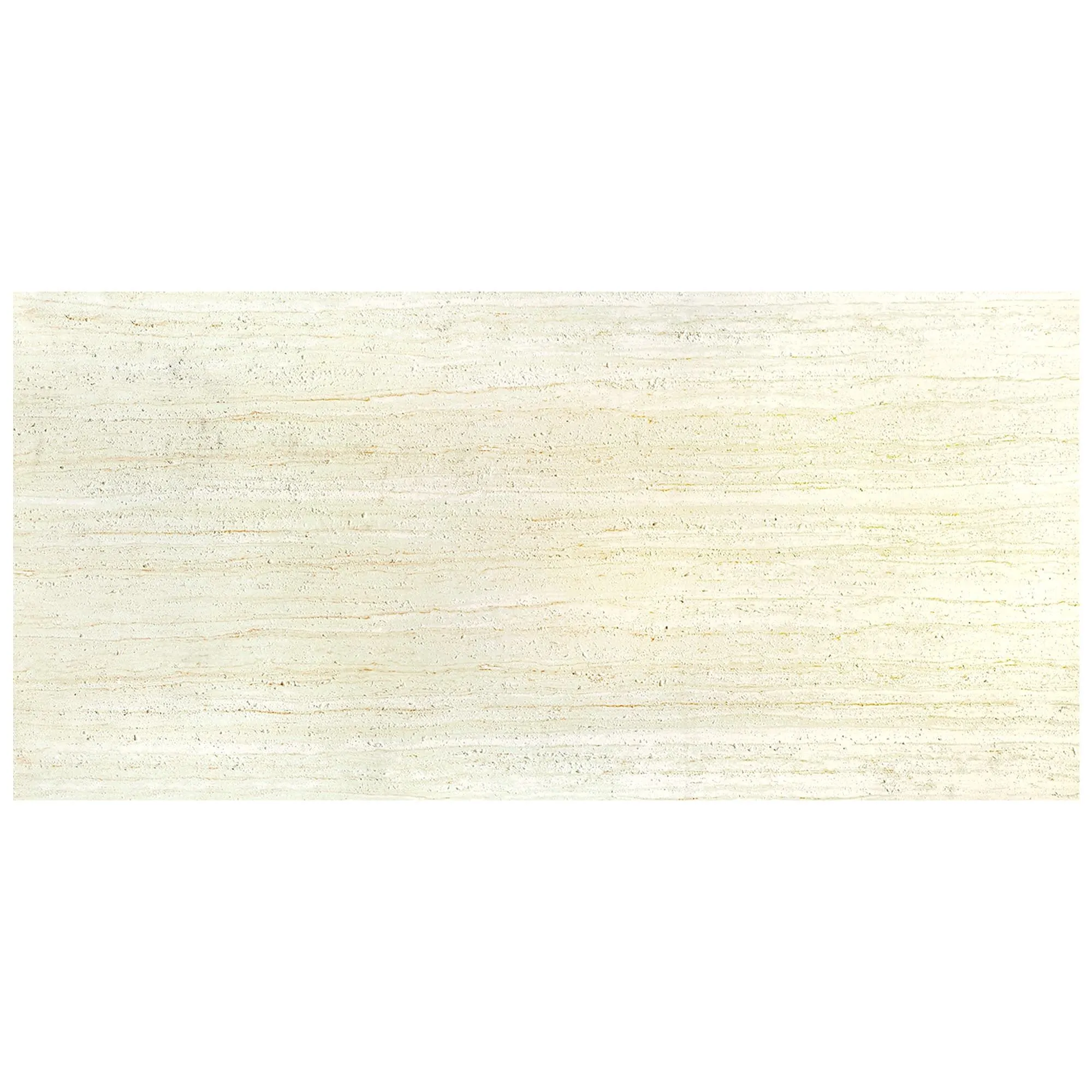
Creating a consistent texture like thread isn't about stamping out identical patterns. It's about capturing the essence of a design and ensuring it shines through, no matter the scale or material. Here's how COLORIA turns a simple idea into a texture that spans walls, facades, and furniture with unwavering consistency.
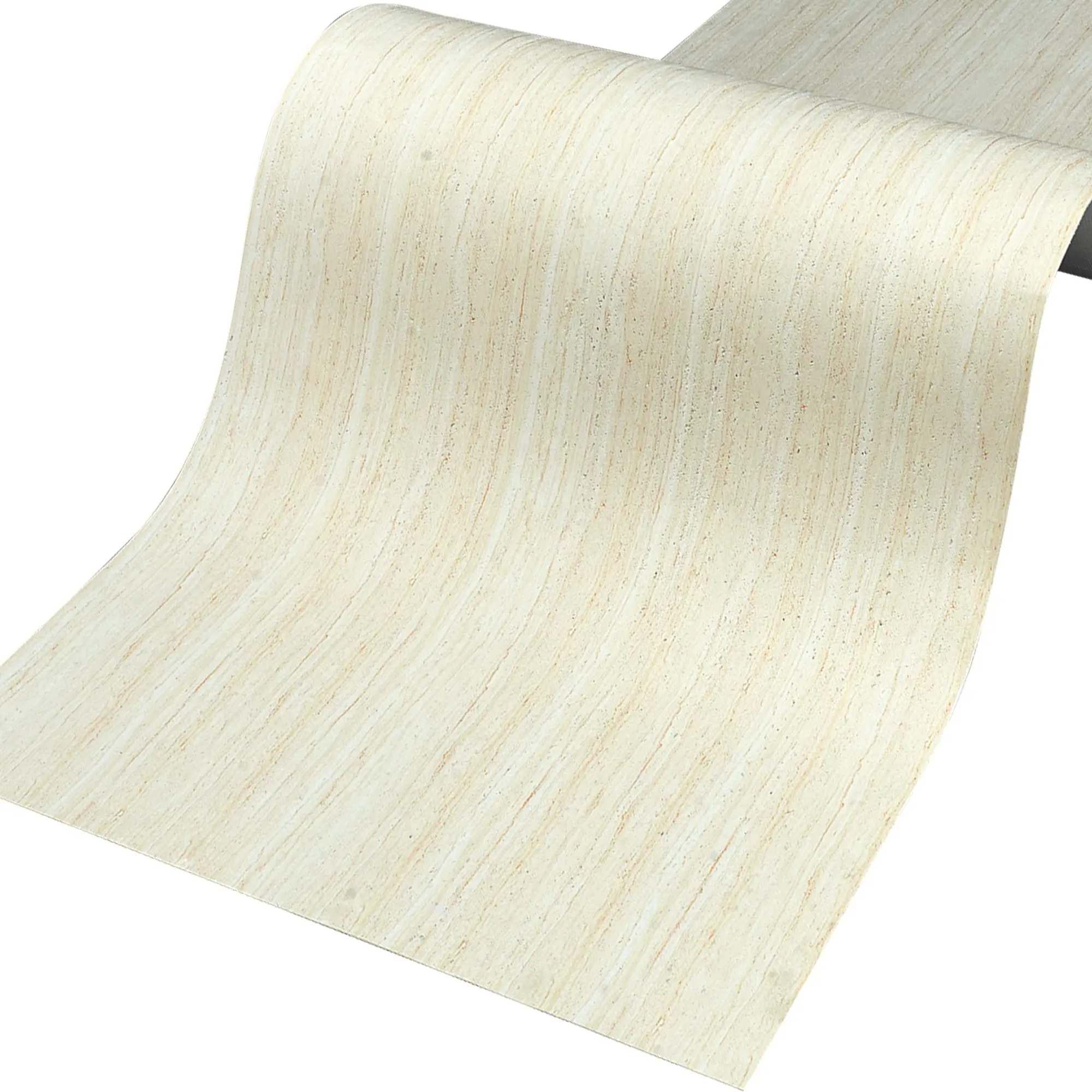
It all starts with the materials. COLORIA's team of material scientists doesn't just source—they curate. For MCM flexible stone , for example, they blend natural stone aggregates with advanced polymers, testing dozens of formulations to find the perfect balance of flexibility, durability, and texture retention. "We once spent three months adjusting the ratio for our travertine (starry blue) line," recalls Juan Martinez, head of material. "The goal was to make sure the 'starry' flecks—those tiny, iridescent particles—didn't clump or fade during production. Consistency here isn't just about the thread pattern; it's about every element working in harmony."
Even modern materials like foamed aluminium alloy board (vintage silver) get the same meticulous treatment. The alloy is tested for its ability to hold a texture—whether it's the smooth thread of a woven design or the rugged grain of a stone mimic—without warping under heat, moisture, or time. "We don't just pick materials for how they look," Juan adds. "We pick them for how they remember ."
Once the materials are finalized, the design team takes over—armed with technology that bridges the gap between human creativity and machine precision. Using 3D scanning and modeling tools, they digitize the desired texture, whether it's the organic thread of a handwoven basket or the geometric pattern of lunar peak silvery . "Traditional methods rely on physical molds, which wear down over time," explains Sofia Lee, lead digital designer. "A mold might produce crisp textures on the first 100 panels, but by panel 500, the edges start to blur. That's where our 3D printing series changes the game."
COLORIA's 3D printing technology allows them to create digital molds that never degrade. Each thread , each groove, each speck of color is stored as a digital blueprint, ensuring that panel 1 and panel 10,000 are indistinguishable to the eye (and the touch). For the travertine (starry blue) line, this meant mapping the placement of those iridescent flecks in 3D space, so every panel has the same "night sky" density and distribution. "It's like painting a mural where every brushstroke is recorded and repeated perfectly," Sofia says. "The computer doesn't get tired, and it doesn't have off days. That's consistency you can count on."
Digitization is powerful, but nothing replaces the human touch of prototyping. COLORIA's workshop is a hybrid of high-tech printers and old-school craftsmanship, where every texture goes through multiple physical tests before mass production. Take the thread texture, for instance. The first prototype might be printed on a small MCM flexible stone sample, then tested for (how it feels to the touch), light reflection (how it looks at different times of day), and even sound absorption (how it softens a room's acoustics). "Designers often tell us that a texture that looks great on screen can feel 'flat' in real life," Maria notes. "Prototyping lets us tweak the depth of the thread —making it slightly more raised here, a touch more recessed there—until it feels alive."
For the travertine (starry blue) line, prototyping was especially critical. The team printed over 20 versions, adjusting the size of the starry flecks and the depth of the thread pattern until they achieved the "effortless elegance" the client requested. "One prototype had threads that were too pronounced, making the surface feel busy," Maria laughs. "Another had flecks that were too sparse, looking more like a mistake than a design. It's in those moments of iteration that consistency truly takes shape—not as a rigid rule, but as a feeling."
Once the prototype is approved, it's time to scale up. But scaling in manufacturing often means sacrificing detail—unless you have a process built for precision. COLORIA's production lines are equipped with adaptive machinery that uses real-time feedback to maintain consistency. Sensors monitor everything from material temperature to pressure, adjusting on the fly if a thread starts to widen or a travertine (starry blue) panel's fleck density dips. "We had a client once who needed 5,000 panels for a hotel facade, all with the same thread texture," says production manager Elena Kim. "Using traditional methods, that would mean slight variations across batches. With our system, we could track each panel's texture data and ensure the first panel and the last were identical. The client cried when she saw them all laid out—it was like looking at a single, seamless piece of art."
Even materials with unique properties, like foamed aluminium alloy board (vintage silver) , are handled with care. The alloy is fed into specialized presses that apply the thread pattern with calibrated force, ensuring the texture is crisp but not so deep that it weakens the material. "It's a dance between strength and beauty," Elena says. "And our machines are pretty good dancers."
If production is the dance, quality control is the choreographer. COLORIA's QC team uses a mix of technology and human inspection to catch even the smallest inconsistencies. Each panel is scanned with high-resolution cameras that compare its texture to the digital blueprint, flagging deviations as tiny as 0.1mm in thread width. But they don't stop there. "We also have a team of 'texture testers' who run their hands over every batch," Elena explains. "Machines can measure, but humans can feel. A thread that's technically correct might feel 'off'—too sharp, too smooth—and that matters just as much."
For critical projects, like a museum using travertine (starry blue) to recreate a historic wall, the QC process is even stricter. Panels are checked under different lighting conditions, from harsh midday sun to warm evening bulbs, to ensure the starry flecks and thread pattern maintain their intended effect. "We once rejected an entire batch because the thread spacing was off by 0.5mm," Maria admits. "The client was confused at first, but when we showed them the difference side by side, they understood. Consistency isn't about being perfect—it's about being reliable . Designers trust us to deliver what they imagined, and that trust is everything."
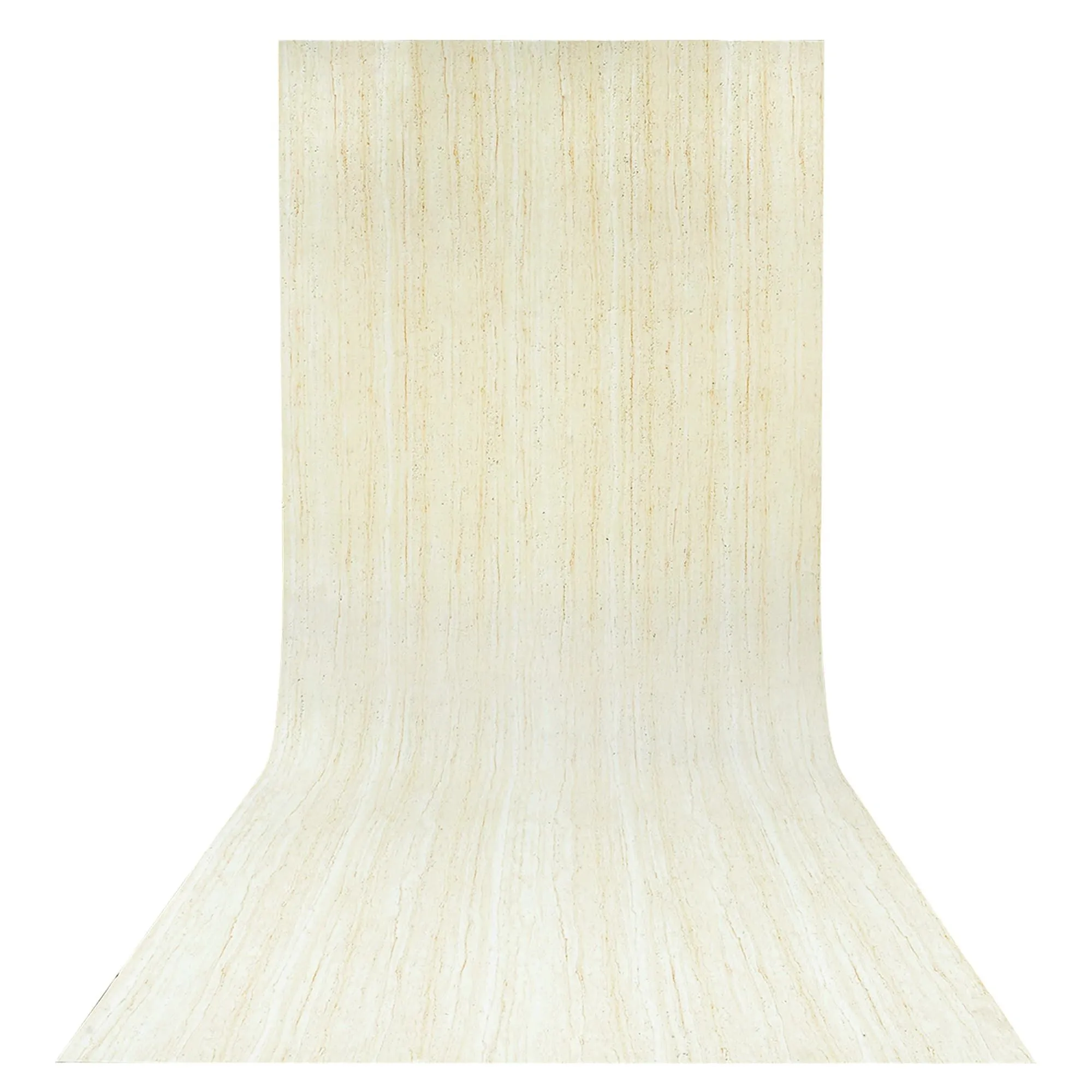
Priya's sentiment is echoed by designers across industries. Consistency in texture reduces waste (no more scrapping mismatched panels), speeds up installation (no on-site adjustments), and, most importantly, strengthens the designer's vision. "When a texture is consistent, it becomes a tool," Maria says. "A thread pattern that repeats perfectly can guide the eye through a room, or create a sense of calm in a chaotic space. It's not just about looks—it's about experience."
| Aspect | Traditional Manufacturing | COLORIA's Approach |
|---|---|---|
| Material Consistency | Relies on natural variability; textures may shift with material batches. | Custom-blended materials with strict formulation controls; MCM flexible stone and alloys retain texture across batches. |
| Design Replication | Uses physical molds that degrade over time; texture quality declines with scale. | Digital blueprints via 3D printing series ; identical replication from prototype to mass production. |
| Quality Control | Manual inspection only; small inconsistencies often go unnoticed. | Dual technology/human checks; 0.1mm precision in thread and pattern alignment. |
| Scalability | Hard to maintain texture integrity for large projects (5,000+ panels). | Adaptive production lines with real-time adjustments; consistent texture across any scale. |
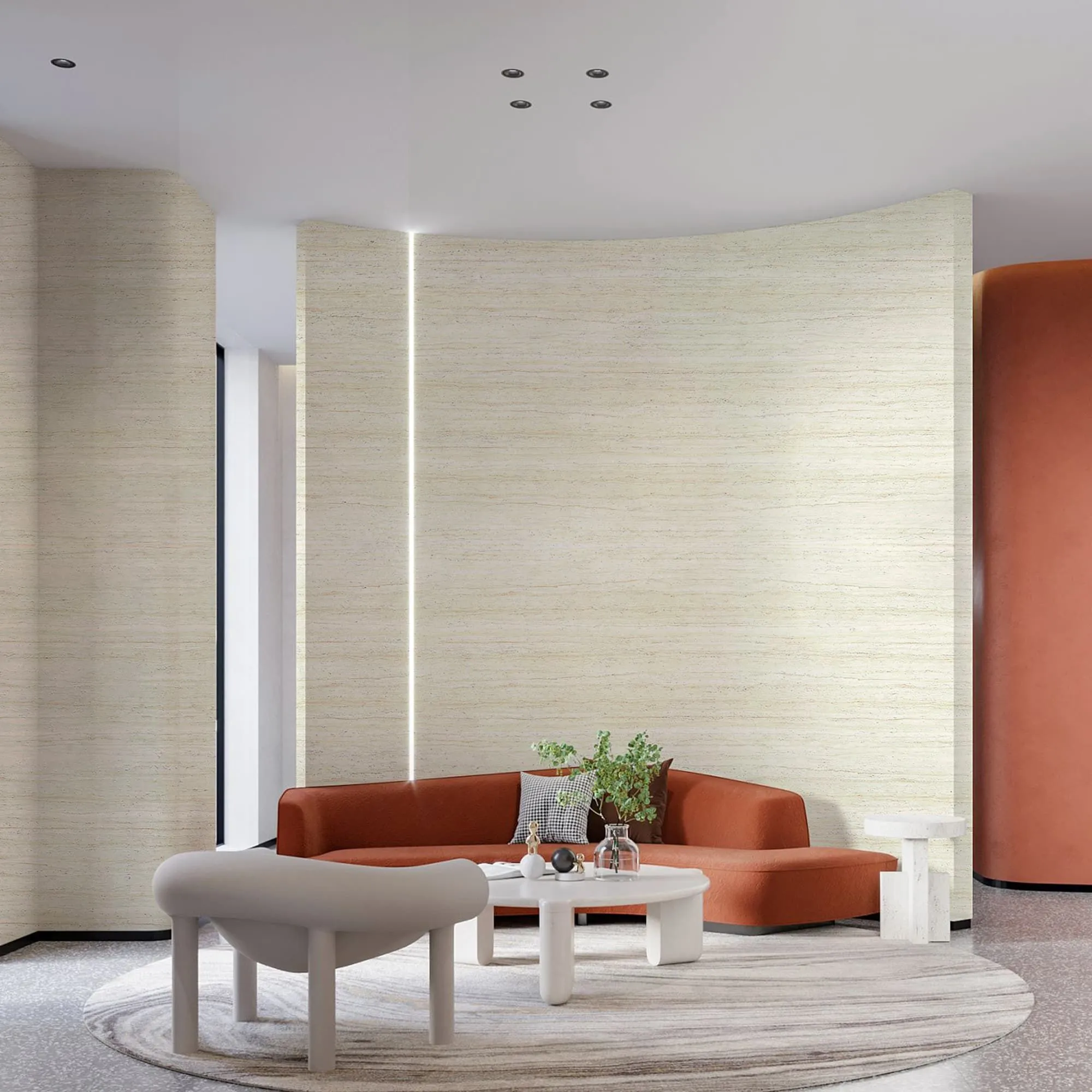
At the end of the day, COLORIA's process isn't just about making consistent textures—it's about making textures that matter. Take their travertine (starry blue) line, with its thread pattern inspired by ancient woven tapestries. A boutique hotel in Santorini used it to clad their lobby, and guests often remark on how the texture "feels like a hug from history." Or consider the foamed aluminium alloy board (vintage silver) with thread detailing, chosen by a tech startup for their office. "We wanted something that felt modern but warm," the startup's designer says. "The thread texture does that—it's sleek metal, but it has this soft, woven quality that makes the space feel human."
These stories are why COLORIA's team stays passionate about the details. "A texture isn't just a surface," Maria says. "It's a memory in the making. And if that memory is consistent, it becomes a legacy."
Consistency in MCM textures like thread isn't a luxury—it's the bridge between a designer's vision and a space that feels intentional, cohesive, and alive. At COLORIA, it's built into every step: the careful selection of materials like MCM flexible stone and foamed aluminium alloy board (vintage silver) , the precision of their 3D printing series , the human touch of prototyping, and the relentless guardianship of quality control. It's a process that turns ideas into textures, and textures into stories—stories that people will feel, remember, and love for years to come.
So the next time you run your hand over a wall and feel the subtle thread of a well-crafted texture, take a moment to appreciate the journey. It's not just a product of machines and materials. It's a product of people who care—deeply—about making sure every texture tells the same beautiful story.
Recommend Products












