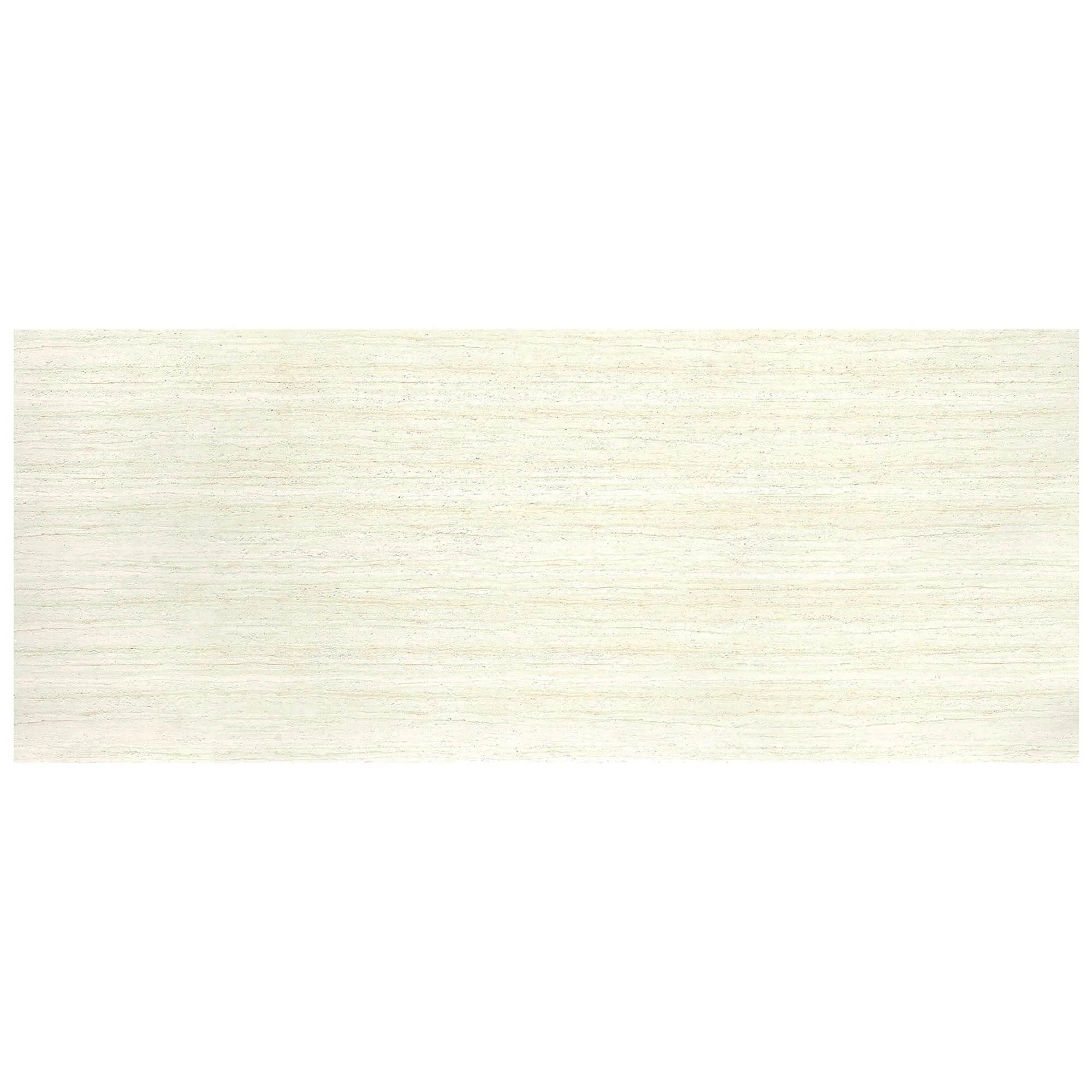
Walk down any modern city street, and you'll likely be struck by the sleek facades, textured accents, and bold designs that define contemporary architecture. Behind much of that visual appeal lies a material that's been quietly revolutionizing the industry: MCM wall panels. Lightweight, versatile, and stunningly customizable, these panels have become a go-to for architects and designers aiming to balance aesthetics with functionality. But for all their benefits, there's a hidden challenge that's long plagued installers and property owners alike: cracking. Today, we're diving into how thread reinforcement is emerging as the unsung hero, turning MCM panels from "beautiful but brittle" to "durable and design-forward." Let's unpack this game-changing solution—no engineering degree required.
Understanding MCM Wall Panels: More Than Just Pretty Faces
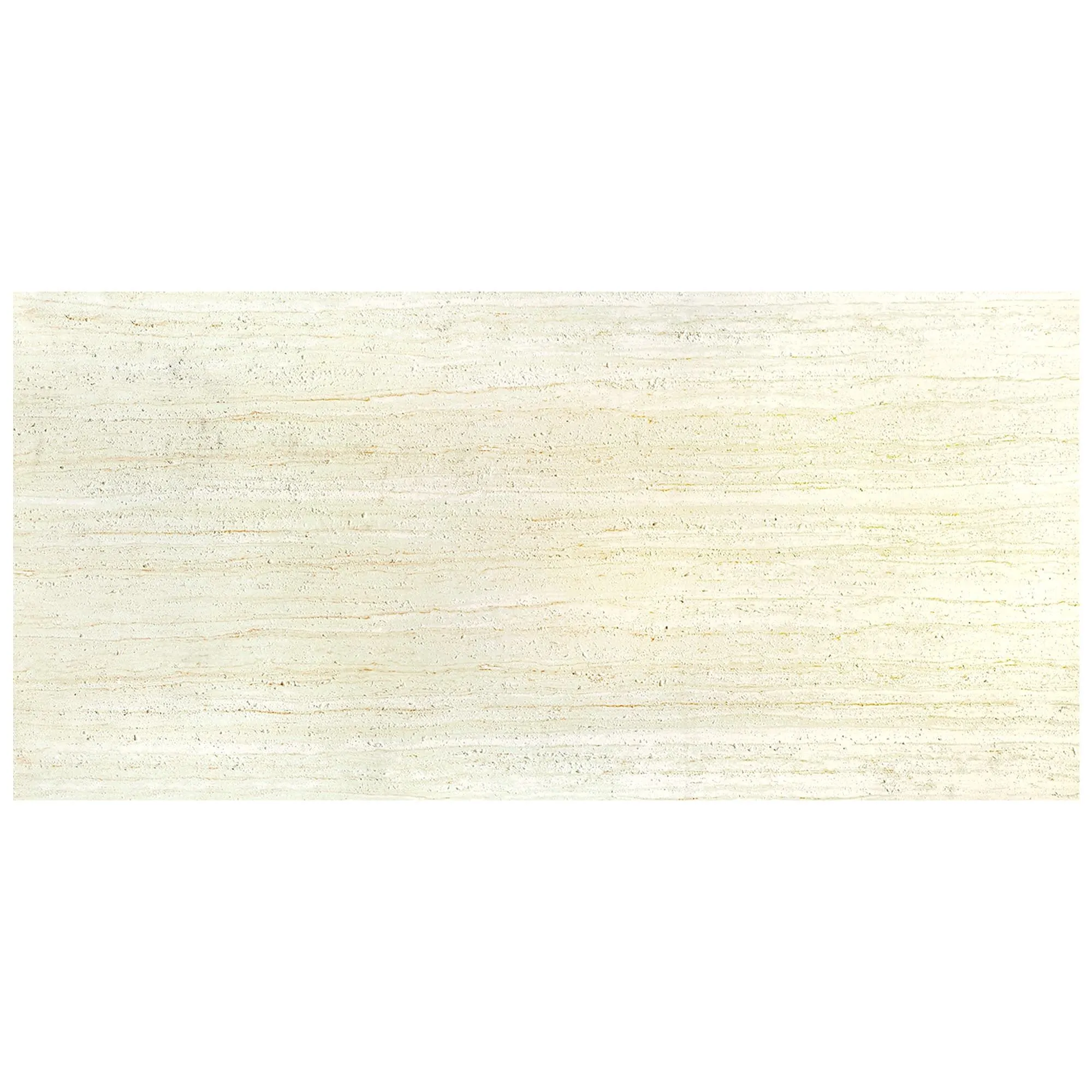
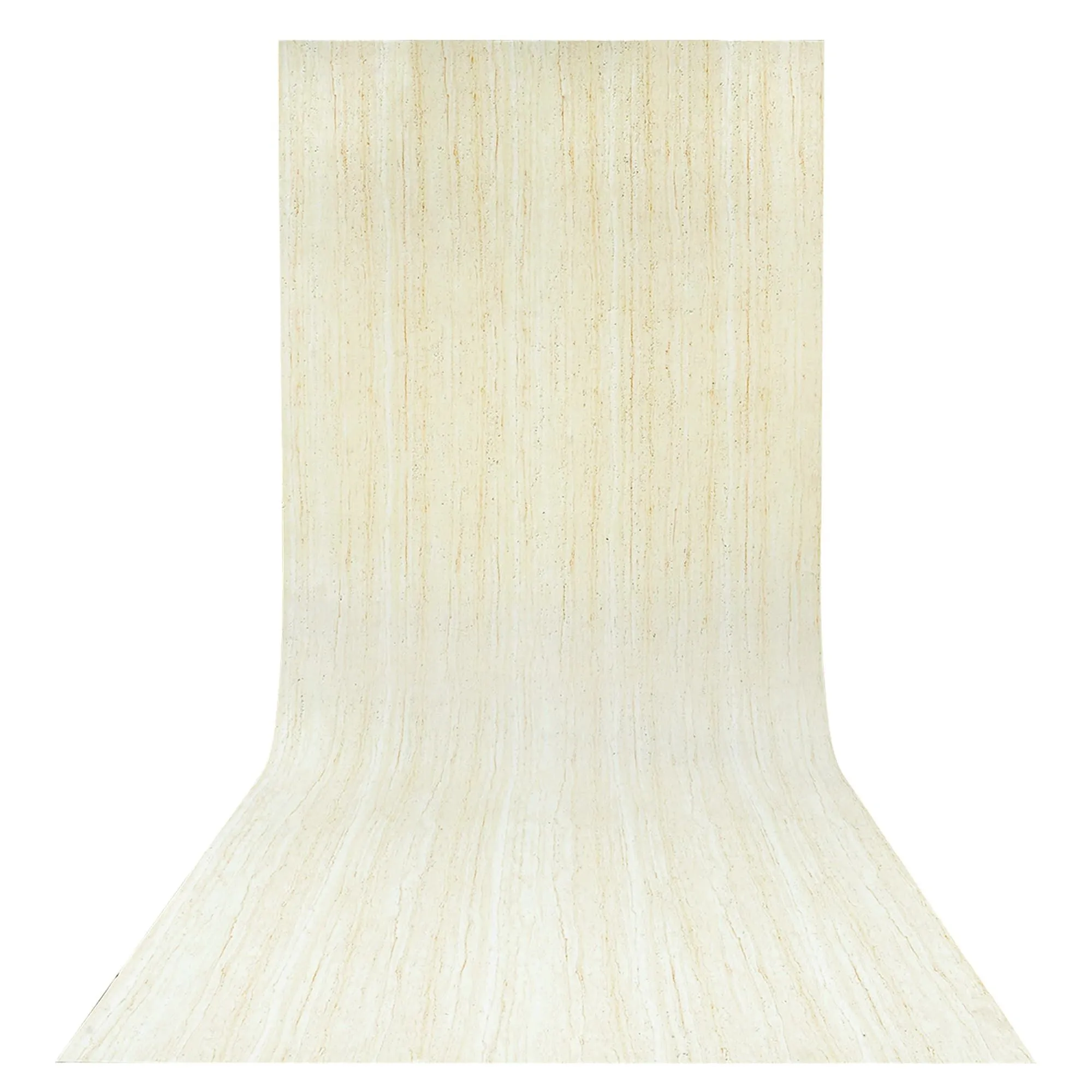
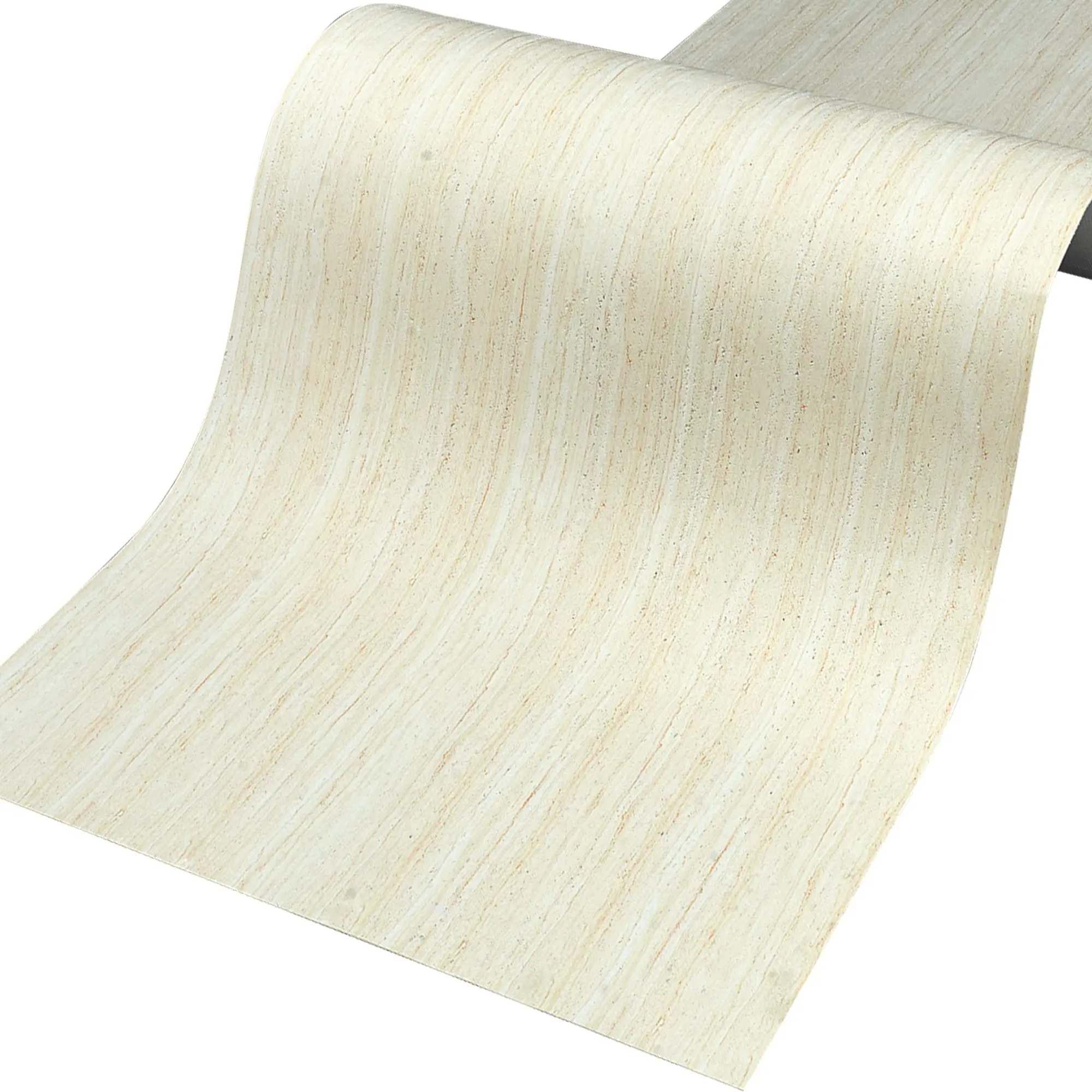
Before we tackle the problem of cracking, let's get to know the star of the show: MCM wall panels. Short for Modified Composite Material, MCM is exactly what it sounds like—a blend of natural minerals, polymers, and reinforcing agents designed to mimic the look of stone, wood, or concrete, but with a fraction of the weight and far more flexibility. Think of it as the "chameleon" of building materials: it can look like rough-hewn
MCM flexible stone
one minute and smooth
fair-faced concrete
the next, all while being thin enough to bend without breaking (in theory, at least).
What makes MCM panels so popular? For starters, they're lightweight. Traditional stone cladding can weigh 50-100 pounds per square foot; MCM panels tip the scales at just 3-5 pounds. That means easier installation, lower structural support costs, and reduced stress on buildings over time. They're also weather-resistant, fire-retardant, and surprisingly durable—when they don't crack. And let's not forget aesthetics: with options like
flexible stone cladding panels
that replicate everything from
travertine to bamboo, MCM lets designers get creative without sacrificing performance.
But here's the catch: MCM's flexibility, while a strength, can also be a weakness. Unlike rigid materials like solid stone, MCM panels are prone to micro-cracks that can spread over time, especially when exposed to extreme temperatures, moisture, or installation mishaps. These cracks start small—maybe a hairline fracture along a seam—but left unchecked, they can grow into unsightly gaps, water intrusion points, or even structural concerns. So, what's causing these cracks, and how do we stop them?
The Cracking Conundrum: Why MCM Panels Fail (And It's Not Always the Material's Fault)
Let's start with the basics: why do MCM panels crack in the first place? It's rarely a single culprit; instead, it's a perfect storm of environmental stress, installation quirks, and material fatigue. Let's break it down like we're solving a mystery—clue by clue.
Clue #1: Environmental Extremes
Imagine a panel on the side of a building in Arizona: by day, it bakes in 110°F heat, expanding ever so slightly; by night, temperatures drop to 60°F, and it contracts. Over months and years, that constant "breathing" can stress the panel's structure, leading to tiny cracks at weak points. Add in humidity (hello, coastal climates) or freeze-thaw cycles (looking at you, northern winters), and you've got a recipe for accelerated wear. MCM panels are designed to handle some of this, but without extra reinforcement, they can only stretch and shrink so much before giving way.
Clue #2: Installation Stress
Even the most durable materials can fail if installed incorrectly. MCM panels are lightweight, but that doesn't mean they're indestructible. If an installer pulls too hard on a panel while aligning it, or if the substructure isn't perfectly level, the panel can warp or develop internal stress. Over time, that stress finds an outlet—usually in the form of a crack. Think of it like a pulled muscle: you might not feel it right away, but eventually, the tension has to release.
Clue #3: Material Fatigue
MCM panels are made of layers: a decorative surface, a core of modified composite materials, and a backing. Over time, the bond between these layers can weaken, especially if the panel is exposed to UV radiation or chemical pollutants (like city smog). When that bond breaks, the panel becomes more prone to delamination—layers peeling apart—and cracking. This is where
modified composite material panels
(the technical term for MCM) can struggle: their layered structure is great for flexibility, but without something to hold the layers together under stress, they're vulnerable.
Thread Reinforcement: The "Invisible Shield" for MCM Panels
Now, let's talk about the solution that's changing the game:
thread reinforcement. If MCM panels are the cake, think of
thread reinforcement as the hidden layer of frosting that holds everything together—you can't see it, but you'd definitely notice if it was missing. So, what exactly is it?
Thread reinforcement involves embedding ultra-thin, high-strength threads into the MCM panel during manufacturing. These threads—made from materials like fiberglass, carbon fiber, or advanced polymers—act like tiny "stress absorbers," distributing pressure across the panel instead of letting it (concentrate) in one spot. Picture a spider's web: when you touch one part, the entire web shifts to absorb the force. Threads in MCM panels work similarly, preventing cracks from starting and stopping existing ones from spreading.
What Makes These Threads So Special?
Not all threads are created equal. The best
thread reinforcements are chosen for three key traits: strength, flexibility, and compatibility with MCM materials. Fiberglass threads, for example, are affordable and resistant to corrosion, making them great for humid environments. Carbon fiber threads, on the other hand, are lighter and stronger, ideal for high-stress applications like tall buildings or seismic zones. Polymer threads, often blended with natural fibers, add extra elasticity, helping panels bend without breaking during temperature fluctuations.
The magic happens during production: these threads are woven into a mesh or laid in a grid pattern, then sandwiched between the MCM panel's layers. The result? A panel that looks identical to non-reinforced versions (no visible threads, promise!) but with a hidden backbone that's up to 30% more resistant to cracking, according to industry tests.
How Thread Reinforcement Actually Stops Cracks (Spoiler: It's All About Teamwork)
Let's get a little technical here—don't worry, we'll keep it simple. Cracks in MCM panels start when a force (like temperature change or impact) creates a "weak spot" where the material can't withstand the stress. Without reinforcement, that weak spot turns into a tiny crack, which grows as more stress is applied.
Thread reinforcement disrupts this process in three key ways:
1. Stress Distribution: "Sharing the Load"
When a force hits a
thread-reinforced panel, the threads act like a team of tiny weightlifters, each taking a little bit of the pressure instead of letting one area bear the brunt. For example, if a panel expands in the heat, the threads stretch slightly, spreading that expansion across the entire panel. No single point gets overstressed, so no crack forms. It's like how a rope with many strands is stronger than a single string—teamwork makes the dream work.
2. Crack Arrest: "Stopping the Spread"
Even if a tiny crack does start (because, let's face it, nothing is 100% crack-proof), the threads act as a barrier. When the crack reaches a
thread, the
thread "grabs" the material around it, preventing the crack from growing longer or deeper. Think of it as a speed bump for cracks: they hit the
thread and slow down—often stopping entirely. In lab tests,
thread-reinforced panels have shown a 60% reduction in crack propagation compared to non-reinforced ones.
3. Layer Bonding: "Gluing the Layers Together"
Remember how MCM panels are layered? Threads don't just reinforce the surface—they weave through all the layers, acting like tiny anchors that hold the decorative top, core, and backing together. This reduces delamination (layers peeling) and ensures the panel acts as a single, unified piece, even under stress. It's like adding stitches to a quilt: the layers stay connected, no matter how much you toss and turn.

The Proof Is in the Data: How Thread Reinforcement Stacks Up
Words are great, but numbers tell the real story. Let's compare non-reinforced MCM panels with
thread-reinforced ones across key performance metrics. The table below (based on industry standard tests) shows just how big a difference those tiny threads make:
|
Performance Metric
|
Non-Reinforced MCM Panels
|
Thread-Reinforced MCM Panels
|
Improvement
|
|
Flexural Strength (ability to bend without breaking)
|
12 MPa
|
18 MPa
|
50% increase
|
|
Impact Resistance (ability to withstand hits)
|
5 J
|
9 J
|
80% increase
|
|
Thermal Expansion Tolerance
|
±20°C before cracking
|
±35°C before cracking
|
75% increase
|
|
Delamination Resistance
|
Moderate (peeling after 5 years in harsh climates)
|
High (no peeling observed after 10+ years)
|
Significant long-term durability
|
These numbers aren't just impressive—they're practical. For a building in a city with extreme temperature swings (looking at you, Chicago or Dubai), that 75% increase in thermal expansion tolerance means fewer repairs, lower maintenance costs, and a facade that stays looking sharp for decades. And for high-traffic areas like retail malls or schools, the 80% boost in impact resistance means panels can handle accidental bumps, stray basketballs, or even the occasional delivery truck scrape without turning into a cracked eyesore.
Real-World Wins: Thread Reinforcement in Action
Let's move from lab tests to real life.
Thread reinforcement isn't just a theoretical fix—it's already proving its worth in projects around the world. Here are a few standout examples that show how this technology is making a difference:
Case Study 1: Coastal Residential Tower, Miami
Miami's ocean breeze and salt air are tough on building materials—just ask anyone who's dealt with rusted metal or peeling paint. When a luxury condo tower there opted for
flexible stone cladding panels
to achieve a "beach stone" aesthetic, the developers were warned about potential cracking from humidity and salt. They chose
thread-reinforced panels, and five years later, the results are in: zero cracks reported, even after multiple hurricane seasons. The property manager noted, "We expected to replace at least a few panels by now, but they look as good as the day they were installed. The threads were a small up-front cost that's paid for itself in peace of mind."
Case Study 2: Urban Office Complex, Berlin
Berlin's historic district demands buildings that blend old-world charm with modern functionality. A new office complex there used MCM panels to mimic the look of
fair-faced concrete
(a raw, industrial aesthetic) but needed something lightweight to avoid straining the building's historic structure.
Thread-reinforced panels were the answer. After three years of freeze-thaw cycles and heavy foot traffic, the panels have shown minimal wear, and a recent inspection found no signs of cracking or delamination. The architect, Maria Schmidt, commented, "We wanted the durability of concrete without the weight.
Thread reinforcement let us have both—plus, the panels are so easy to clean, the facade still looks brand-new."
Case Study 3: Cultural Center, Tokyo
Tokyo's cultural center aimed for a bold, artistic facade using custom-patterned MCM panels. The design featured large, thin panels with intricate cutouts—beautiful, but structurally risky, as thin panels are more prone to bending and cracking.
Thread reinforcement was integrated during manufacturing, allowing the panels to maintain their delicate appearance while adding the strength needed to support their own weight. Two years post-opening, the center's director reported, "We've had visitors leaning against the panels, kids touching them—all the wear and tear of a busy public space—and not a single crack. It's like the panels have a secret superpower."
Beyond Cracking: Why Thread Reinforcement Is a Win-Win
While stopping cracks is the main goal,
thread reinforcement offers a host of bonus benefits that make it a smart choice for any project:
Aesthetics: "No Compromise on Design"
One of the biggest fears with any reinforcement is that it will ruin the panel's look. But
thread reinforcement is invisible—you can't see the threads through the panel's surface, whether it's designed to look like stone, wood, or concrete. That means architects don't have to sacrifice their vision for durability. Want a sleek, minimalist
fair-faced concrete
look? Threads won't add a single blemish. Prefer the texture of
MCM flexible stone
? The threads blend right in. It's the ultimate "have your cake and eat it too" scenario.
Sustainability: "Less Waste, More Longevity"
Cracking panels don't just look bad—they're bad for the planet. Every cracked panel that needs replacement means more materials, more transportation, and more landfill waste.
Thread reinforcement extends a panel's lifespan by 10-15 years on average, reducing the need for replacements. That's fewer trucks on the road, less mining for raw materials, and a smaller carbon footprint. For green-building projects aiming for LEED certification or similar standards,
thread reinforcement is a easy way to boost sustainability scores.
Cost-Effectiveness: "Pay Now, Save Later"
Thread-reinforced panels do cost slightly more upfront than non-reinforced ones—usually 5-10% extra, depending on the
thread material. But when you factor in long-term savings? It's a no-brainer. Think about it: replacing a single cracked panel can cost hundreds of dollars (removal, disposal, new panel, installation). Multiply that by dozens of panels over a building's lifetime, and the savings add up fast. One commercial builder we spoke to estimated that
thread reinforcement saved their client $40,000 in maintenance costs over five years. "It's like buying an extended warranty for your facade—worth every penny," they said.
Thread Reinforcement vs. Other Fixes: Why It's the Best Choice
You might be wondering: aren't there other ways to reinforce MCM panels? The short answer is yes—but
thread reinforcement stands out for a few key reasons. Let's compare it to two common alternatives:
Metal Mesh: "Strong, but Heavy"
Metal mesh (like steel or aluminum) has been used for years to reinforce building materials. It's strong, but it adds weight—exactly what MCM panels are supposed to avoid. A panel with metal mesh can weigh 20-30% more than a
thread-reinforced one, increasing structural load and installation difficulty. Plus, metal can corrode over time (especially in humid or coastal areas), leading to rust stains that ruin the panel's appearance. Threads, on the other hand, are lightweight, corrosion-resistant, and add minimal bulk.
Fiber Additives: "Good, but Not Great"
Some manufacturers add short fibers (like glass or plastic) directly into the MCM core during production. While this does improve strength, the fibers are randomly distributed, so they don't provide the same targeted reinforcement as threads. Threads are laid in a grid or mesh, ensuring even coverage and maximum stress distribution. It's like the difference between sprinkling glitter on a cake (fibers) and adding a layer of fondant (threads)—one is scattered, the other is structured.
At the end of the day,
thread reinforcement offers the best balance of strength, flexibility, weight, and aesthetics. It's not just a fix for cracking—it's a upgrade that makes MCM panels better in every way.
The Future of MCM Panels: Threads and Beyond
So, what's next for
thread reinforcement and MCM panels? The future looks bright—and even more innovative. Researchers are experimenting with new
thread materials, like recycled polymer threads (for even more sustainability) and conductive threads (which could add smart features, like heating elements for snow-melting or sensors to monitor panel health). There's also talk of integrating threads into
MCM 3D printing series
—using 3D printers to lay down panels with custom
thread patterns, tailored to specific stress points in a building's design. Imagine a panel that's reinforced exactly where it needs to be, based on computer models of wind, heat, and traffic—talk about precision!
As more architects and builders see the results of
thread-reinforced panels, adoption is skyrocketing. Industry experts predict that by 2030, over 70% of MCM panels sold globally will include some form of
thread reinforcement, up from just 25% today. It's not just a trend—it's a shift toward smarter, more durable building practices.
Final Thoughts: Threads Are the Future of Beautiful, Durable Facades
MCM wall panels have already transformed how we think about building facades, offering beauty, flexibility, and efficiency in one package. But with
thread reinforcement, they're taking the next step—proving that you don't have to choose between looks and durability. Whether you're building a coastal home, a urban office, or a cultural landmark,
thread-reinforced MCM panels offer peace of mind: a facade that will turn heads today and stand strong tomorrow.
So, the next time you walk past a stunning modern building, take a closer look at those sleek panels. Chances are, there's a network of tiny threads holding it all together—quietly working to keep the facade crack-free, beautiful, and built to last. And isn't that what great architecture is all about? Beauty with backbone.