
To understand why MCM matters, let's start with the problem itself. Uneven surfaces come in many forms: floors that slope from decades of foundation settling, walls with bulges where moisture once seeped, ceilings with hairline cracks that spiderweb across rigid plaster. Traditional materials—think marble slabs, ceramic tiles, or solid wood planks—are designed for perfection. They're stiff, unforgiving, and demand flat, uniform substrates. Install them on an uneven surface, and the results are predictable: tiles pop loose, grout lines crack, wood warps further as it battles the underlying irregularity. Even "flexible" options like vinyl often lack the durability or aesthetic depth needed for high-end projects, leaving designers stuck between functionality and beauty.
Take, for example, a historic boutique hotel in Prague I visited last year. The lobby featured original stone walls with subtle undulations—charming, but a nightmare for the design team tasked with updating the space. They initially tried thin marble tiles, hoping the lightweight material would conform. Within six months, the tiles had cracked along the wall's natural curves, and the grout had turned black with moisture trapped between the stone and the uneven substrate. It was a costly, disheartening lesson: when surfaces tell stories, the materials covering them need to listen.
Enter MCM technology. At its core, MCM is a game-changer because it redefines what a "building material" can be. Unlike traditional options, MCM products combine natural minerals (like stone or clay) with advanced polymers, creating panels that are thin (often just 3-6mm), lightweight, and—crucially—flexible. This flexibility isn't just about bending; it's about adaptability. MCM panels can contour to slopes, curves, and minor irregularities without losing structural integrity. They're also resistant to moisture, temperature fluctuations, and impact—qualities that make them ideal for both indoor and outdoor use. Let's break down the stars of the MCM lineup that are solving uneven surface challenges.
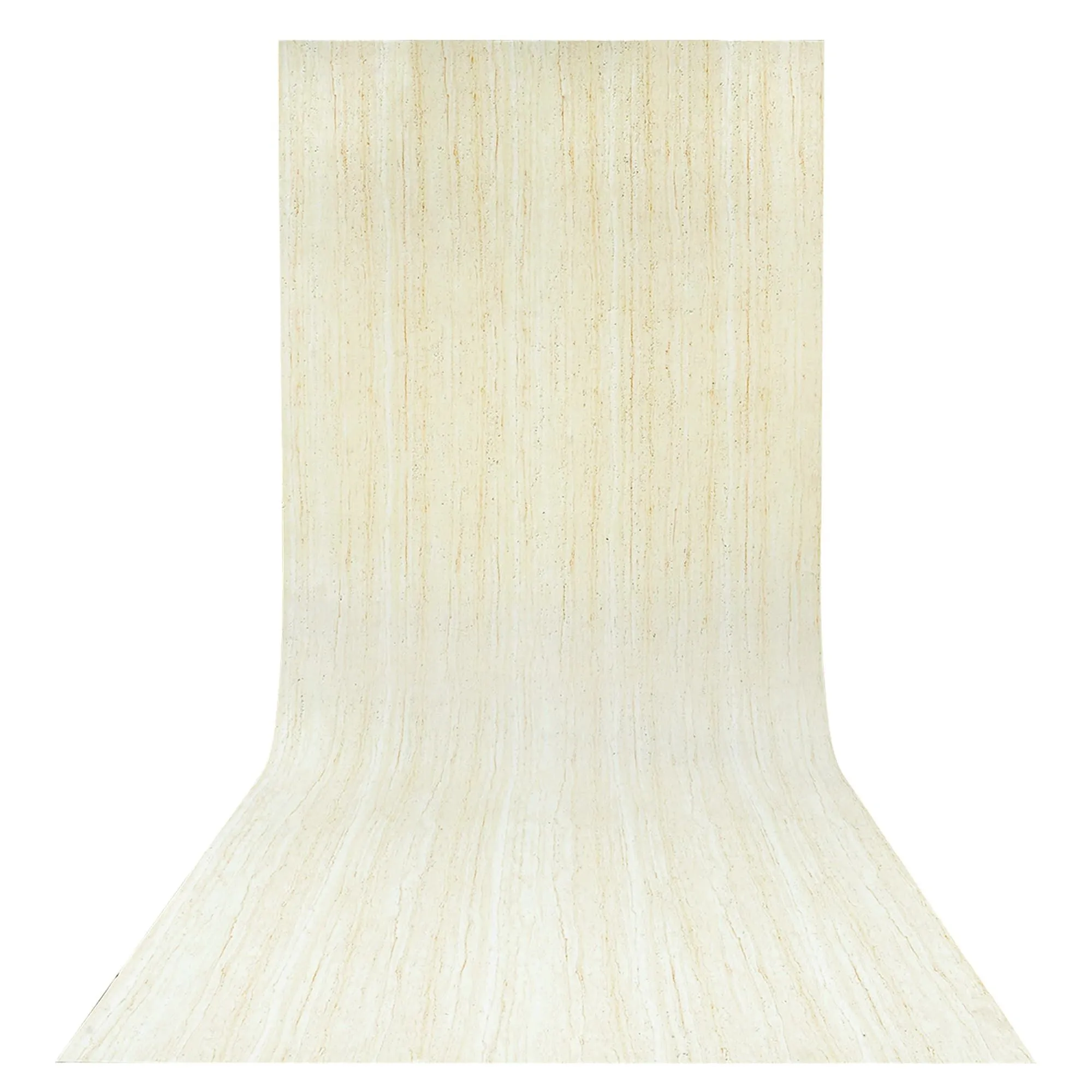
If there's one material that's revolutionized uneven surface design, it's MCM flexible stone. Imagine a sheet of natural stone—travertine, slate, or marble—that behaves like a high-end textile. That's flexible stone in a nutshell. Made by bonding ultra-thin layers of real stone veneer to a reinforced polymer backing, these panels can bend up to 30 degrees (depending on the thickness) without cracking. For designers, this means walls with gentle curves, ceilings with subtle domes, or floors with historic slopes can now be clad in materials that look and feel like quarried stone—without the weight or rigidity.
I spoke with Maria, an architect in Barcelona who used MCM flexible stone on a renovation project in the Gothic Quarter. The building, a 17th-century townhouse, had a staircase wall that curved inward halfway up, a quirk from centuries of foundation movement. "We wanted the wall to feel like it was always there, like the stone had grown with the building," she told me. "Traditional stone cladding would have required grinding down the wall to make it flat—erasing that character. With flexible stone, we just cut the panels to follow the curve. Now, when guests run their hands along it, they feel the stone's texture and the wall's natural bend. It's become the most talked-about feature in the house."
For floors, walls, or facades where unevenness spans large areas—think a converted factory with a 50-foot expanse of sloped concrete—seams are the enemy. Traditional tiles or planks require grout lines or joints, which can become weak points on uneven substrates. The MCM big slab board series solves this with panels that measure up to 1200x2400mm (nearly 4x8 feet). Fewer seams mean fewer opportunities for moisture intrusion or lifting, and the large format creates a sense of continuity that makes uneven surfaces feel intentional, not accidental.
Take the lobby of a tech startup in Berlin, housed in a former railway warehouse. The original concrete floor sloped nearly 2 degrees from one end to the other—a relic of the building's industrial past. The design team opted for MCM big slab boards in fair-faced concrete finish, a choice that celebrated the space's heritage while adding modern polish. "We didn't want to level the floor—it would have felt like erasing history," said the project's interior designer, Lukas. "The big slabs lay flat across the slope because they're lightweight enough to conform without cracking, and the seamless look makes the slope feel like a design choice, not a flaw. Clients walk in and say, 'Wow, that slope is so cool'—never realizing it was once a problem."
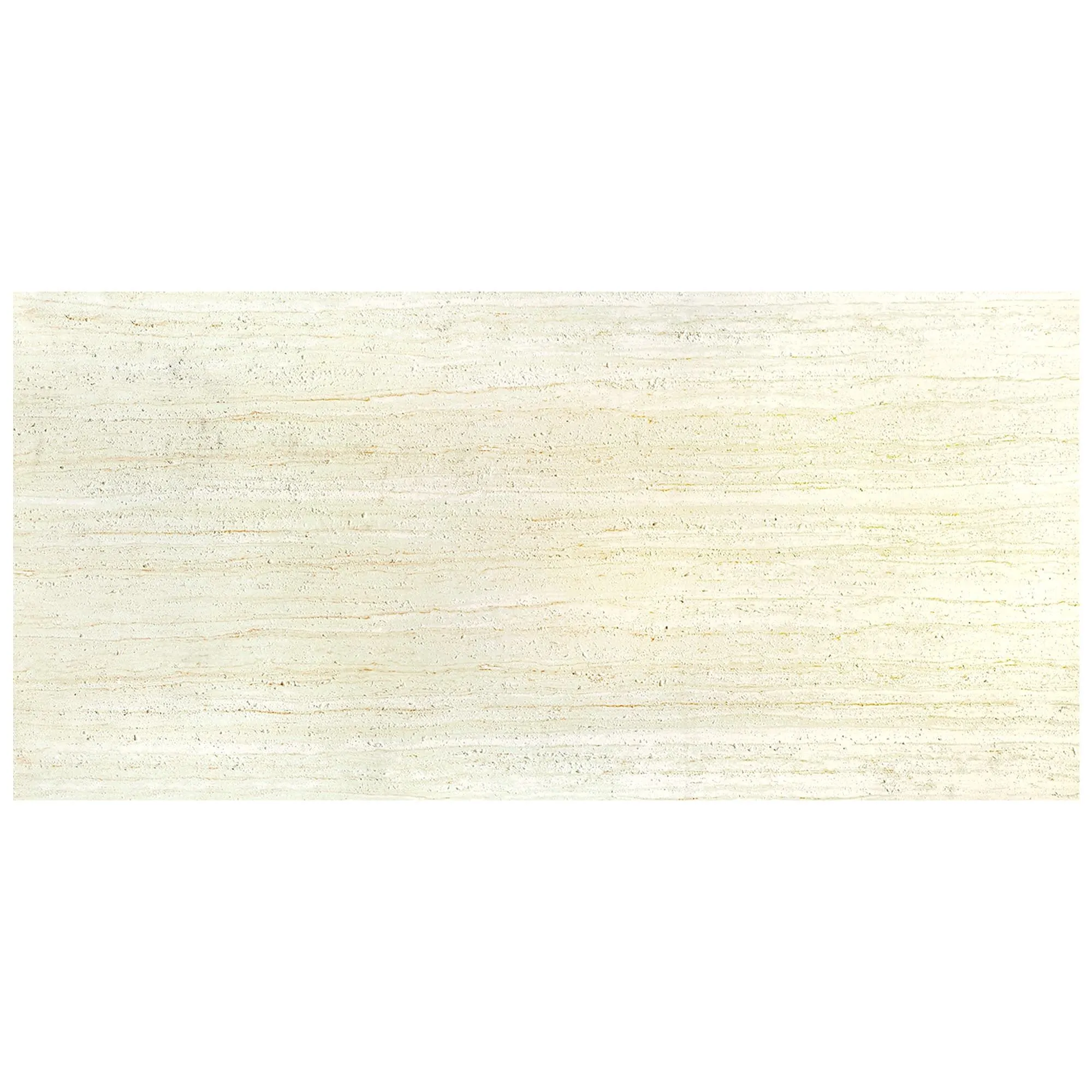
Aesthetics matter, even (especially) on uneven surfaces. Enter travertine (starry green) , a standout in the MCM travertine lineup. What makes this finish unique is its texture: subtle, star-like flecks of metallic green embedded in a neutral travertine base, mimicking the look of natural stone quarried from mineral-rich springs. But unlike natural travertine, which is heavy and brittle, MCM's starry green travertine is flexible and lightweight—perfect for adding visual interest to curved or uneven walls.
Consider a boutique winery in Napa Valley, where the tasting room features a curved, hand-built stone wall from the 1940s. The wall's surface is pitted and irregular, with pockets where mortar once crumbled. The owner wanted to highlight the wall's history but needed a finish that would protect it from moisture (critical in wine country) and add warmth. The solution? Travertine (starry green) panels cut to follow the wall's contours. "The green flecks catch the afternoon light, making the wall feel alive," the owner told me. "And because the panels are flexible, they hug every dip and bump, like a second skin. It's like the wall was always meant to look this way."
Uneven surfaces aren't limited to interiors. Exteriors—think a home with a stone facade that's weathered into gentle waves, or a commercial building with a concrete exterior that's settled unevenly—need materials that can withstand the elements while adapting to irregular substrates. Lunar peak silvery , part of MCM's lunar peak series, is designed for just that. With a sleek, metallic silver finish that mimics brushed aluminum, these panels are not only flexible but also resistant to UV rays, rain, and temperature extremes—making them ideal for exteriors that demand both style and resilience.
A recent project in Seattle comes to mind: a modern home perched on a hillside with a foundation that shifted slightly during construction, leaving the exterior walls with minor but noticeable undulations. The architect chose lunar peak silvery panels, which were installed vertically to emphasize the home's height while masking the unevenness. "The silvery finish reflects the Pacific Northwest sky, so the walls change color with the weather—gray on overcast days, bright silver when the sun breaks through," the architect explained. "And because the panels flex, they move with the house's natural settling. No cracks, no lifting—just a facade that looks intentional, even as the hill beneath it shifts."
| Feature | Traditional Materials (Marble, Ceramic Tile) | MCM Solutions (Flexible Stone, Big Slab, etc.) |
|---|---|---|
| Flexibility | Stiff; cracks or pops on uneven surfaces | Bends up to 30°; conforms to slopes, curves, and irregularities |
| Weight | Heavy (20-30kg/m² for marble slabs) | Lightweight (4-6kg/m²); reduces structural load |
| Installation | Requires perfectly flat substrate; time-consuming | Adheres to uneven surfaces with minimal prep; faster installation |
| Durability | Prone to cracking, staining, and moisture damage on uneven substrates | Resistant to impact, moisture, and UV rays; long-lasting even on irregular surfaces |
| Aesthetic Range | Limited by natural stone availability; uniform look | Wide range of finishes (travertine, concrete, metallic); customizable textures |
Let's bring this all together with a real-world example: the renovation of a 1890s textile mill in Massachusetts into a mixed-use space (apartments, offices, and a café). The mill's original brick walls were pockmarked and uneven, with areas where bricks had eroded or shifted; the wooden floors sloped up to 1.5 inches over 10 feet; and the ceiling featured exposed wooden beams with subtle twists from over a century of use. The design brief was clear: preserve the mill's industrial character while creating modern, functional spaces. MCM products became the backbone of the solution.
For the apartment walls: MCM flexible stone in a brick-look finish was chosen. The panels were cut to match the size of the original bricks but were flexible enough to follow the walls' undulations. "We didn't want to cover the brick—we wanted to enhance it," said the lead designer. "The flexible stone panels hug the original bricks' contours, so you still see the wear and tear, but now it's protected from moisture and looks intentional."
For the café floors: MCM big slab boards in fair-faced concrete were installed. The large format minimized seams, and the panels' flexibility allowed them to lay flat over the sloped wooden subfloor. "Guests often comment on how 'cool' the sloped floor feels—it's become a conversation starter," the café owner noted. "Little do they know it was once a problem we thought we'd have to fix."
For the office exteriors: Lunar peak silvery panels were used to clad the addition, creating a striking contrast between the historic brick and modern metal. The panels' flexibility allowed them to follow the mill's slightly uneven roofline, ensuring a seamless transition between old and new. "The silvery finish reflects the mill's original windows, tying the two eras together," the architect explained. "And because the panels are lightweight, we didn't need to reinforce the existing structure—saving time and money."
Recommend Products












