
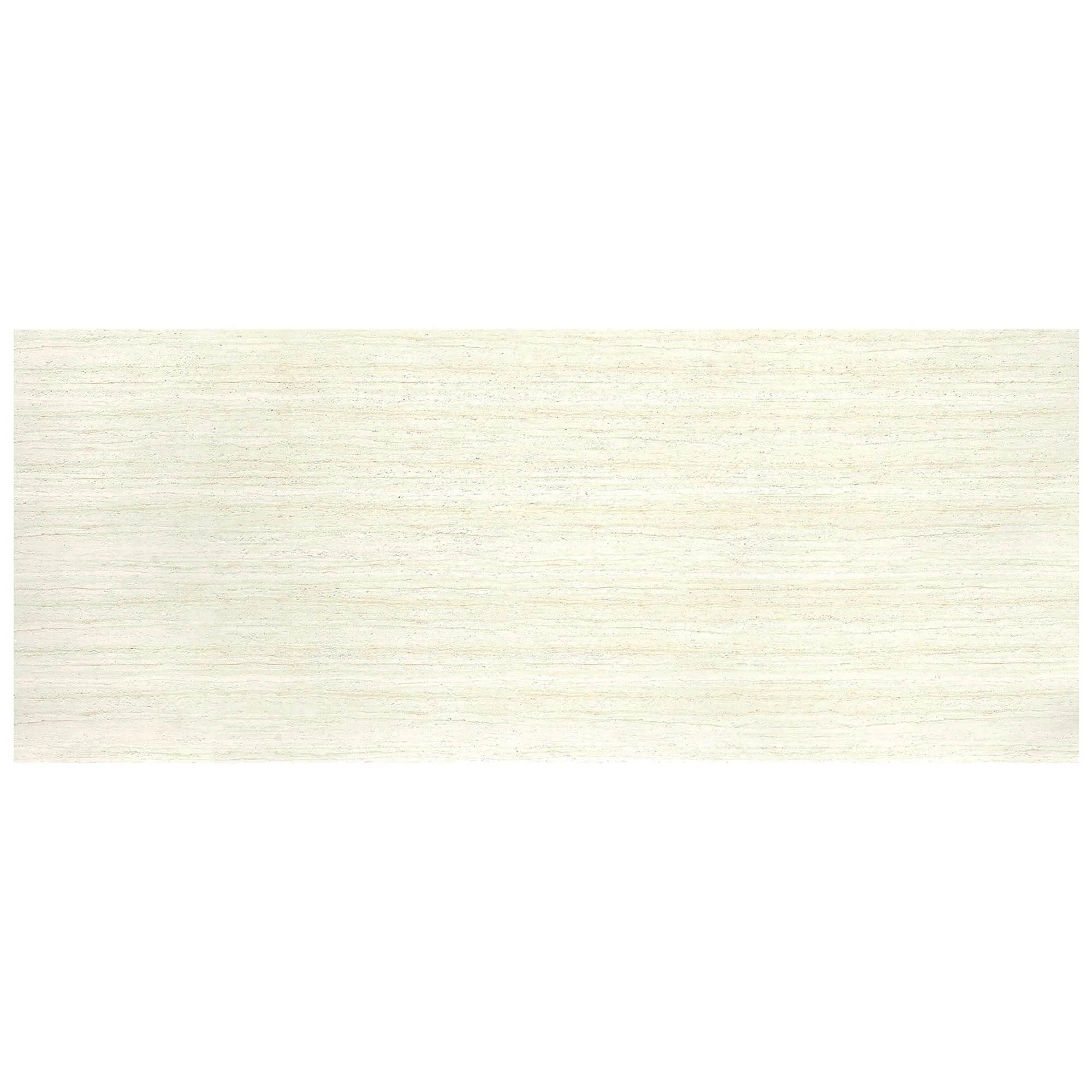
Walk into any contemporary restaurant, boutique hotel, or even a sleek office lobby these days, and you might find yourself admiring walls that look like they're carved from ancient stone—rough-hewn, textured, full of character. But here's the twist: chances are, that 'stone' isn't stone at all. It's MCM, or Modified Composite Material, and it's quietly revolutionizing how we build and design spaces. The question is, why is this man-made material gaining ground over natural stone, a material humans have relied on for millennia? Let's break it down, and dive into the unsung hero behind MCM's success: thread technology.
MCM stands for Modified Composite Material, a blend of natural minerals (like stone powder, clay, or sand), high-performance polymers, and reinforcing fibers. Think of it as stone's smarter, more adaptable cousin. It's engineered to mimic the look and feel of natural materials—travertine, granite, slate, even wood or concrete—but with a host of upgrades. And at the heart of many MCM products is thread technology: ultra-thin, high-tensile fibers woven into the material during production. These threads act like the hidden skeleton of the composite, boosting its flexibility, strength, and resistance to cracks or warping. It's the reason MCM can be thin yet tough, lightweight yet durable, and why it's quickly becoming the go-to for designers who refuse to compromise on form or function.
Don't get me wrong—natural stone is beautiful. There's a reason ancient civilizations built pyramids, temples, and aqueducts with it. But let's get real: it's not without flaws. For starters, it's heavy. A single slab of marble or granite can weigh 100 pounds or more per square foot, which means structural supports need to be beefed up, installation requires heavy machinery, and shipping costs skyrocket. Then there's maintenance: natural stone is porous, so it stains easily (think red wine spills on a travertine floor) and needs regular sealing to keep it looking fresh. And let's not forget sustainability—quarrying stone disrupts ecosystems, generates massive waste, and often involves transporting materials thousands of miles, leaving a big carbon footprint.
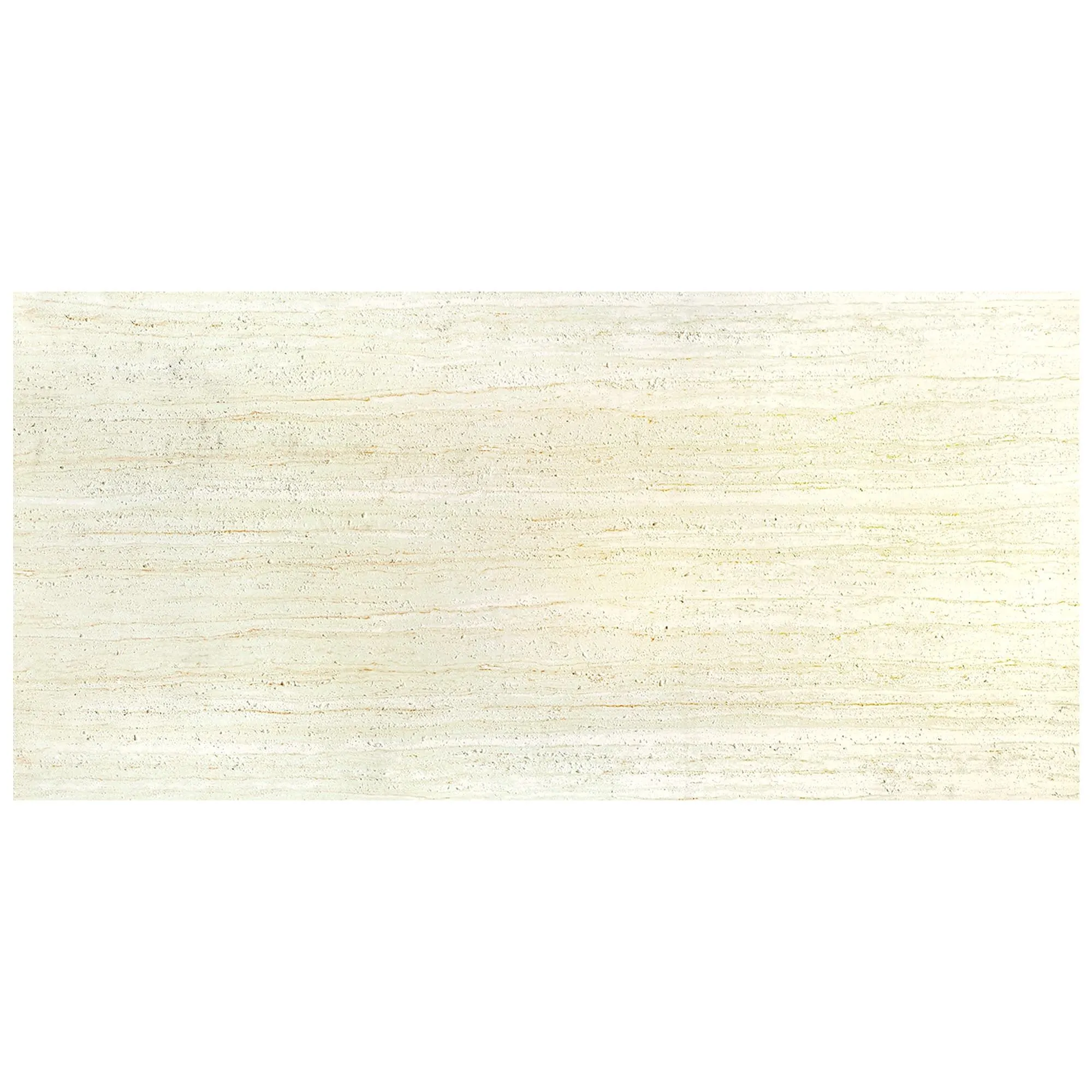
Take travertine (starry green) , for example—a stunning natural stone with swirled patterns and tiny, iridescent flecks that look like stars. It's gorgeous, but it's also soft, porous, and prone to chipping. Install it on an exterior wall in a rainy climate, and you'll spend years battling water damage and discoloration. Or fair-faced concrete , that raw, industrial look so popular in modern design. Traditional fair-faced concrete is thick, heavy, and cracking is a constant concern, especially in areas with temperature swings.
MCM solves these problems, and thread technology is a big part of why. Let's break down the key benefits:
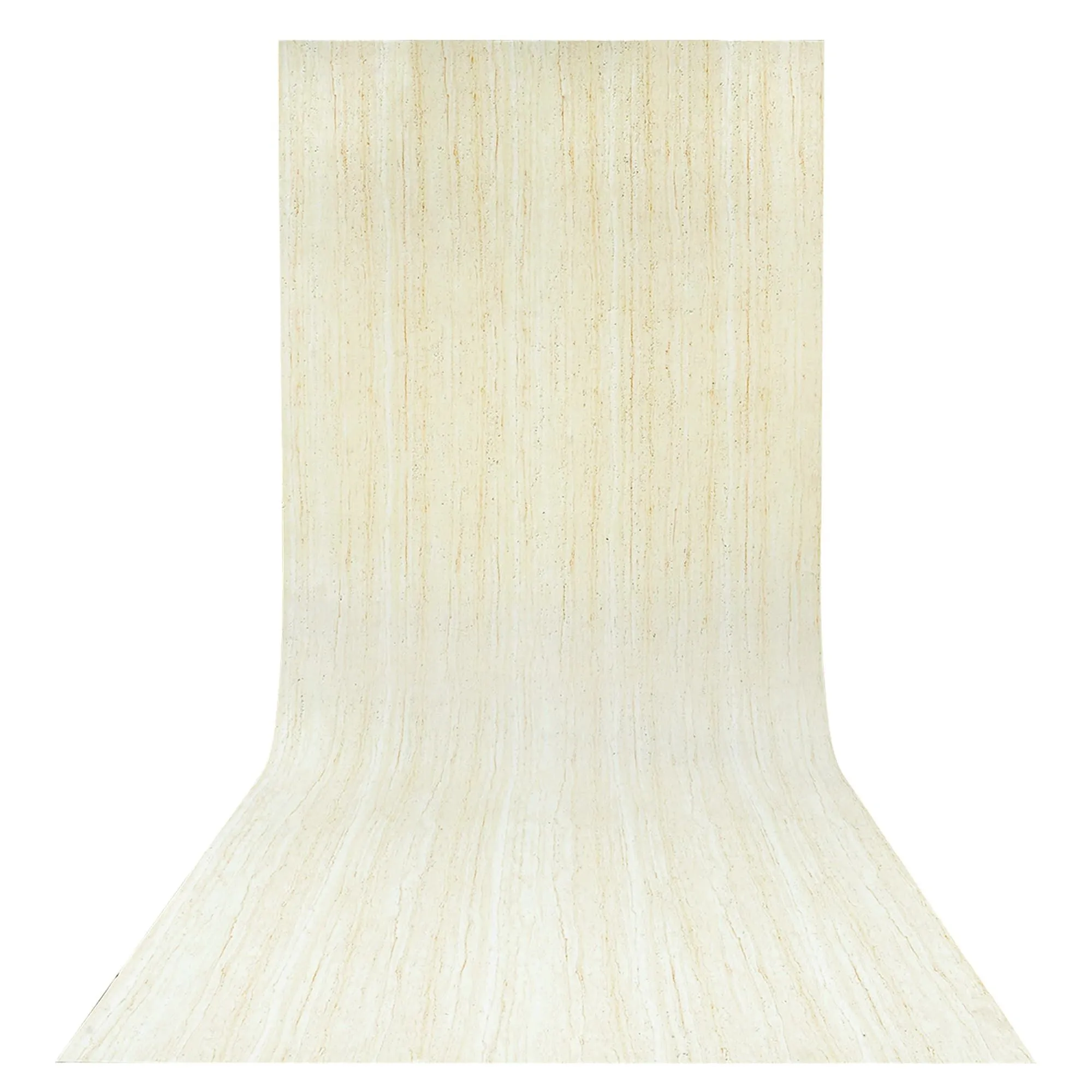
Thanks to thread technology, MCM panels are featherlight compared to natural stone—often weighing just 3-5 pounds per square foot, versus 50-100 pounds for natural stone. That might not sound like a big deal until you're a contractor trying to hang panels on a high-rise facade or a homeowner retrofitting a wall in an older house with weak studs. Lighter weight means easier installation (no cranes needed!), lower shipping costs, and less stress on a building's structure. And don't mistake lightness for fragility: those woven threads add tensile strength, making MCM resistant to impacts, bending, and even extreme weather. I've seen MCM panels withstand hailstorms and high winds that would chip or crack natural stone.
Natural stone is limited by what the earth gives us. Want a wave panel texture that curves gently like ocean swells? Good luck finding that in a quarry. Craving the look of star gravel —tiny, rounded pebbles embedded in stone—without the hassle of sourcing and embedding real gravel? Natural stone can't deliver. MCM, though, is a designer's dream. With advanced manufacturing techniques like the MCM 3D printing series , you can create custom textures, patterns, and even 3D reliefs that would be impossible (or astronomically expensive) with natural stone.
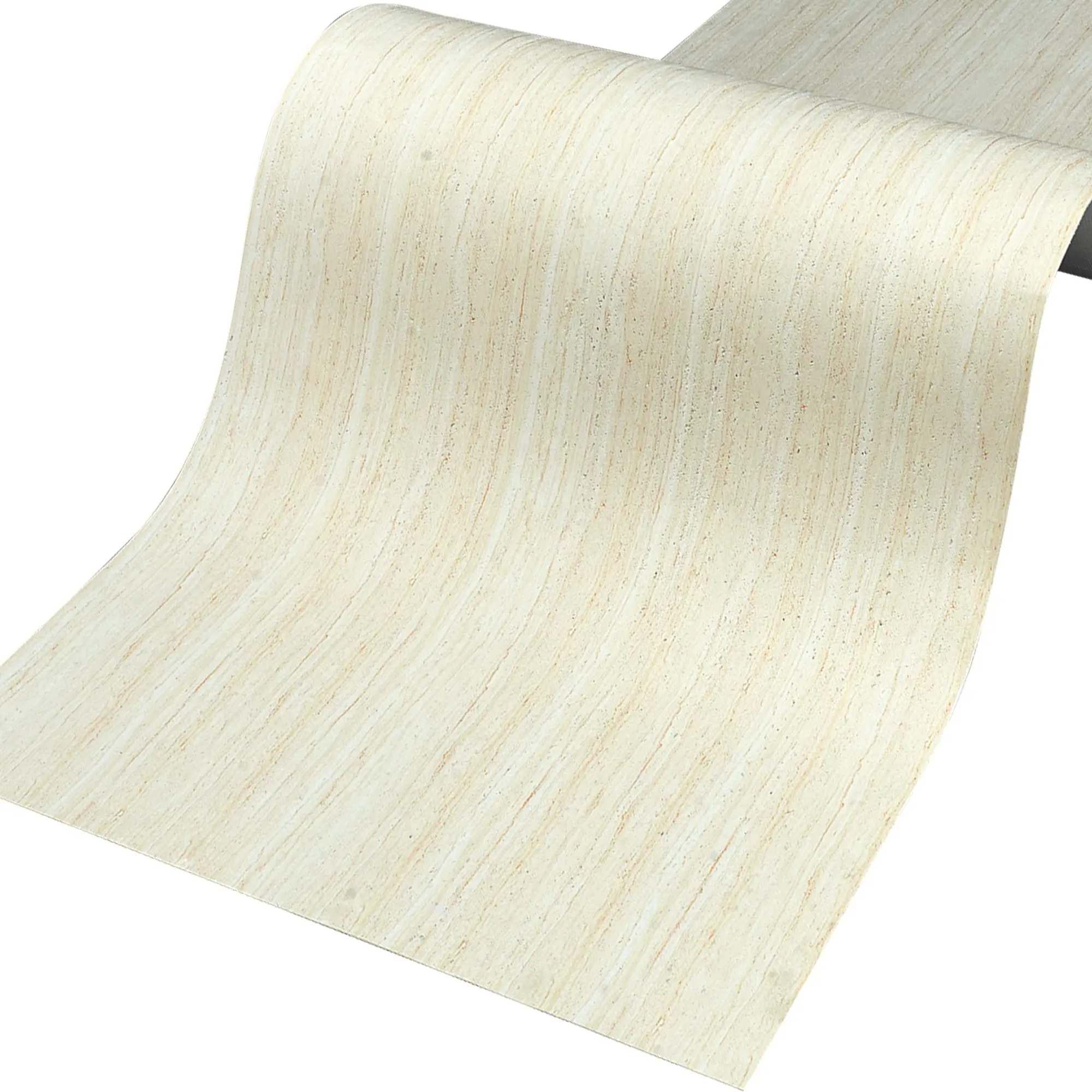
Take color, too. Natural stone comes in the hues nature provides—gorgeous, but fixed. MCM? You can get travertine (starry green) with those same starry flecks, but also travertine (starry red) , starry orange , or starry blue if that's what your design calls for. Want the vintage metallic sheen of foamed aluminium alloy board (vintage silver) paired with the earthy texture of gobi panel ? MCM lets you mix and match without compromise. Thread technology even allows for flexibility—MCM panels can bend around corners, wrap columns, or curve into organic shapes, something rigid natural stone could never do.
Remember how natural stone stains and needs sealing? MCM laughs at that. The polymers in MCM create a non-porous surface, so spills wipe right off, and there's no need for pricey sealants. UV rays? No problem—MCM resists fading, so that lunar peak golden panel you installed on your patio will still glow like sunlight in five years. Even in harsh environments—coastal areas with salt spray, industrial zones with pollution—MCM holds up. I recently visited a beachfront café in Florida that used boulder slab (vintage silver) MCM panels on its exterior. After three hurricane seasons, the panels looked brand new, while the neighboring building's natural limestone facade was already pitted and discolored.
Sustainability isn't just a buzzword anymore—it's a priority. MCM checks this box, too. Unlike natural stone, which requires mining and quarrying (hello, deforestation and habitat destruction), MCM is made with recycled materials (think crushed stone waste, reclaimed polymers) and uses far less energy to produce. And because it's lightweight, transporting MCM generates fewer carbon emissions than shipping heavy stone slabs across the globe. Some MCM lines, like the historical pathfinders stone series, even mimic ancient stone textures using 100% recycled content, letting designers honor the past without harming the planet.
Let's talk money. Natural stone isn't cheap—between quarrying, cutting, shipping, and installation, you could easily pay $50-$100 per square foot. MCM? It's often half that, and the savings don't stop at purchase. Lighter weight means lower labor costs (fewer workers, no heavy equipment), and less maintenance means you're not shelling out for sealants, repairs, or replacements down the line. A hotel chain I worked with recently switched from natural red travertine to MCM travertine (vintage gold) for its lobby walls. They saved 40% on installation alone and estimate they'll save another $10,000 over five years in maintenance costs.
| Feature | MCM (with Thread Technology) | Natural Stone |
|---|---|---|
| Weight (per sq ft) | 3-5 lbs | 50-100 lbs |
| Installation Time | 1-2 days for a standard wall | 3-5 days (requires heavy machinery) |
| Stain Resistance | High (non-porous surface) | Low (porous; needs sealing) |
| Design Options | Unlimited (3D printing, custom colors/textures like wave panel or star gravel ) | Limited by natural availability |
| Carbon Footprint | Low (recycled materials, lightweight shipping) | High (quarrying, heavy shipping) |
| Long-Term Cost | Lower (minimal maintenance) | Higher (sealing, repairs, replacements) |
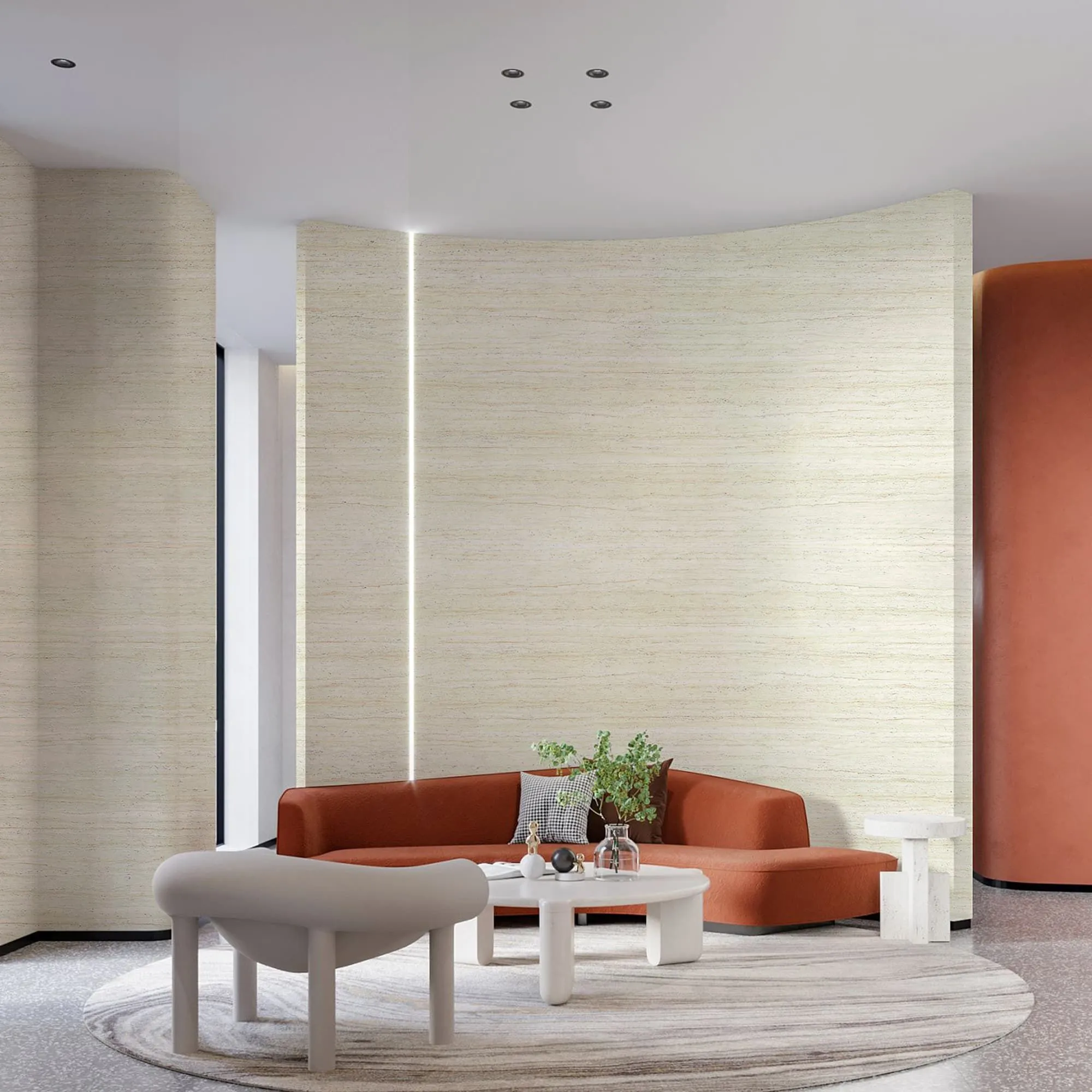
Still skeptical? Let's look at some real projects where MCM outshone natural stone:
A Boutique Hotel in Bali: The designer wanted the exterior to evoke the island's lush, tropical vibe with bali stone textures, but Bali's humidity and heavy rains make natural stone a maintenance nightmare. They opted for MCM's bali stone series, which looks identical to the real thing but resists mold, mildew, and water damage. Three years later, the walls still look fresh, and the hotel has saved over $20,000 in upkeep.
A Restaurant in Chicago: The owner dreamed of a rust square line stone accent wall—industrial, edgy, with that weathered metal-stone hybrid look. Natural rust stone is rare and expensive, but MCM's rust square line stone panels gave them the exact aesthetic for half the cost. Plus, since MCM is lightweight, they could install the wall on the second floor without reinforcing the ceiling joists.
A Home Renovation in Arizona: The homeowner loved the look of lunar peak silvery —a light, shimmery stone that mimics moonlight on rock—but was worried about the desert heat warping or fading natural stone. MCM's lunar peak silvery panels are UV-resistant and stayed cool to the touch, even in 110°F weather. No fading, no cracking, just that same moonlit glow year-round.
I hear this a lot: "If it's not real stone, isn't it just a cheap knockoff?" Here's the thing: MCM isn't trying to replace natural stone—it's trying to improve on it. The best MCM panels don't just mimic stone; they capture its essence—the texture, the depth, the way light plays on its surface—without the downsides. Run your hand over an MCM rough granite stone (medium grey) panel, and you'll feel the same gritty, uneven texture as real granite. Stare at travertine (starry green) MCM, and those starry flecks catch the light just like the natural version. The difference? You won't have to baby it.
At the end of the day, building materials should make our lives easier, not harder. Natural stone has a timeless appeal, but in a world where we're prioritizing sustainability, cost, and design flexibility, MCM—powered by thread technology—checks all the boxes. It lets us create spaces that are beautiful, durable, and kind to the planet, without sacrificing that "wow" factor we all crave.
So the next time you're admiring a stunning stone wall, take a closer look. It might just be MCM—and once you learn about its benefits, you'll wonder why we ever relied on natural stone in the first place.
Recommend Products












