
In the world of construction, every dollar counts. Whether you're overseeing a commercial high-rise, a boutique retail space, or a residential development, the pressure to deliver quality results on time and under budget is constant. Lately, a quiet revolution has been brewing—one that's not about flashy new machinery or futuristic designs, but about the very materials we build with. Enter thread technology, a precision-driven innovation that's changing how we think about modified composite materials (MCM). When paired with MCM's versatile product lines—like MCM flexible stone , MCM big slab board series , and MCM project board series —thread technology is unlocking unprecedented material savings, making construction smarter, leaner, and more sustainable than ever before.
Let's start with the basics: traditional construction materials have long been the backbone of the industry, but they come with hidden costs that add up fast. Take natural stone, for example. Beautiful, yes, but heavy. A single slab of marble or granite can weigh hundreds of pounds, requiring specialized equipment to transport and install. That means higher fuel costs for delivery, more labor hours to maneuver into place, and even reinforced structural support in the building itself—all before you factor in the waste. Cutting natural stone to fit specific dimensions often results in 15-20% material waste, as irregularities in the stone make precise cuts tricky. And if a slab cracks during installation? You're looking at replacement costs and project delays.
Concrete, another staple, isn't much better. While durable, its weight demands thick, resource-heavy foundations. Mixing and pouring concrete on-site also leads to waste—leftover material that hardens in the truck, or over-pouring to account for measurement errors. Even lightweight options like plywood or vinyl siding have their downsides: they're prone to warping, require frequent replacement, and often lack the aesthetic versatility clients crave.
Quick stat: According to the Construction Waste Management Association, traditional building projects waste an average of 10-15% of their total material budget on unused or damaged materials. For a mid-sized commercial project, that could mean tens of thousands of dollars lost to scraps, broken slabs, or over-ordering.
So, what exactly is thread technology, and how does it fix these issues? At its core, thread technology is about precision—think of it as the "unseen engineer" woven into the fabric of MCM production. Unlike traditional manufacturing, which often relies on brute force (heavy cutting tools, imprecise molds), thread technology uses advanced weaving and reinforcement techniques to integrate ultra-strong, lightweight fibers into MCM panels. These fibers act like a skeleton, boosting strength without adding bulk. The result? Thinner, lighter panels that maintain the durability of traditional materials—all while being easier to cut, shape, and install.
But the real magic is in the details. Thread technology allows manufacturers to control material distribution with microscopic accuracy. During production, fibers are aligned to reinforce high-stress areas (like edges or corners) while using less material in low-stress zones. This "targeted reinforcement" means MCM panels can be made thinner—sometimes by up to 30%—without sacrificing structural integrity. Thinner panels equal less raw material used per square foot, directly cutting down on production costs. And because the fibers are woven in with such precision, there's far less waste during manufacturing. No more over-cutting to account for weak spots; every inch of the panel is optimized for strength.
MCM itself is a game-changer—flexible, weather-resistant, and customizable—but thread technology takes it to the next level. Let's dive into three key MCM product lines that are reaping the benefits:
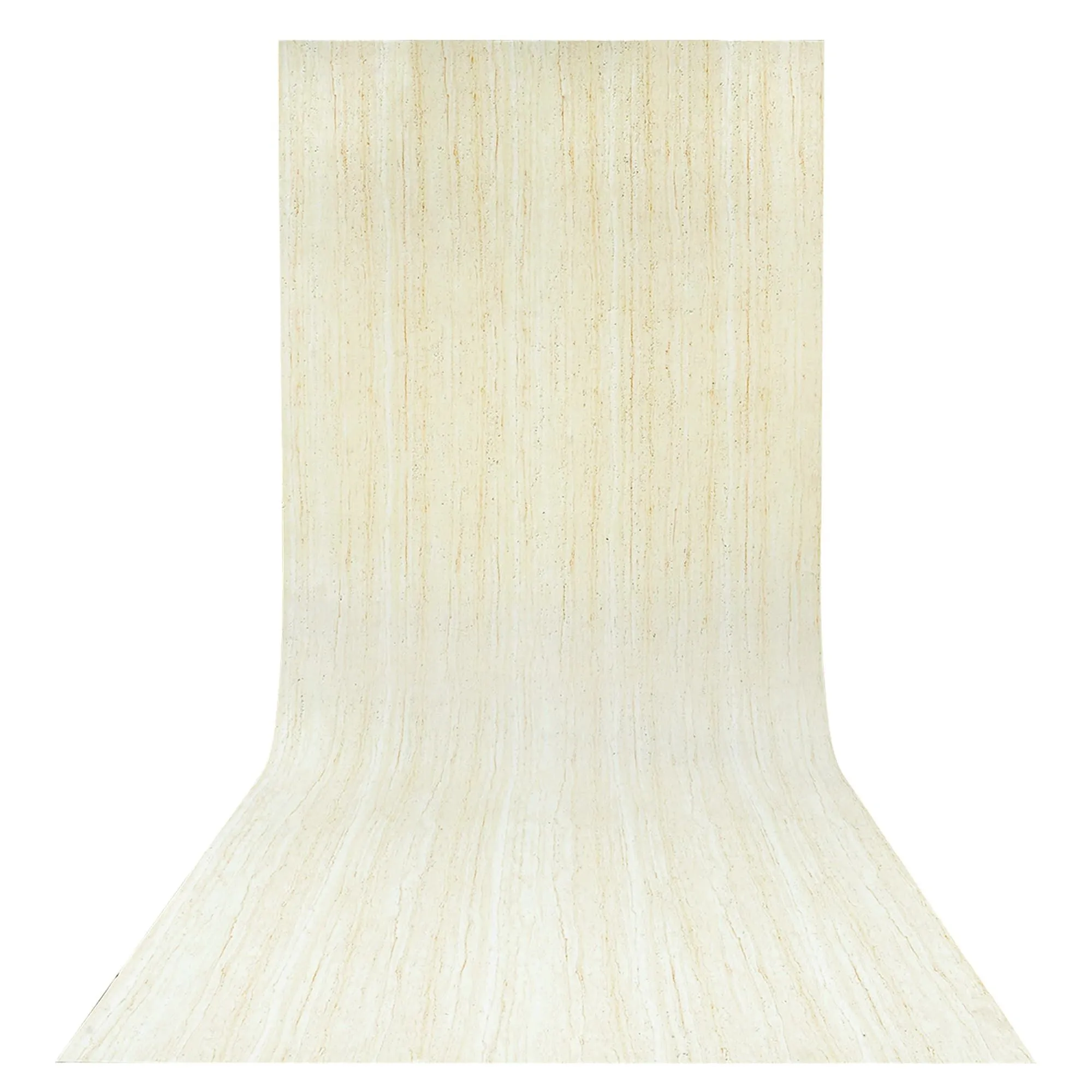
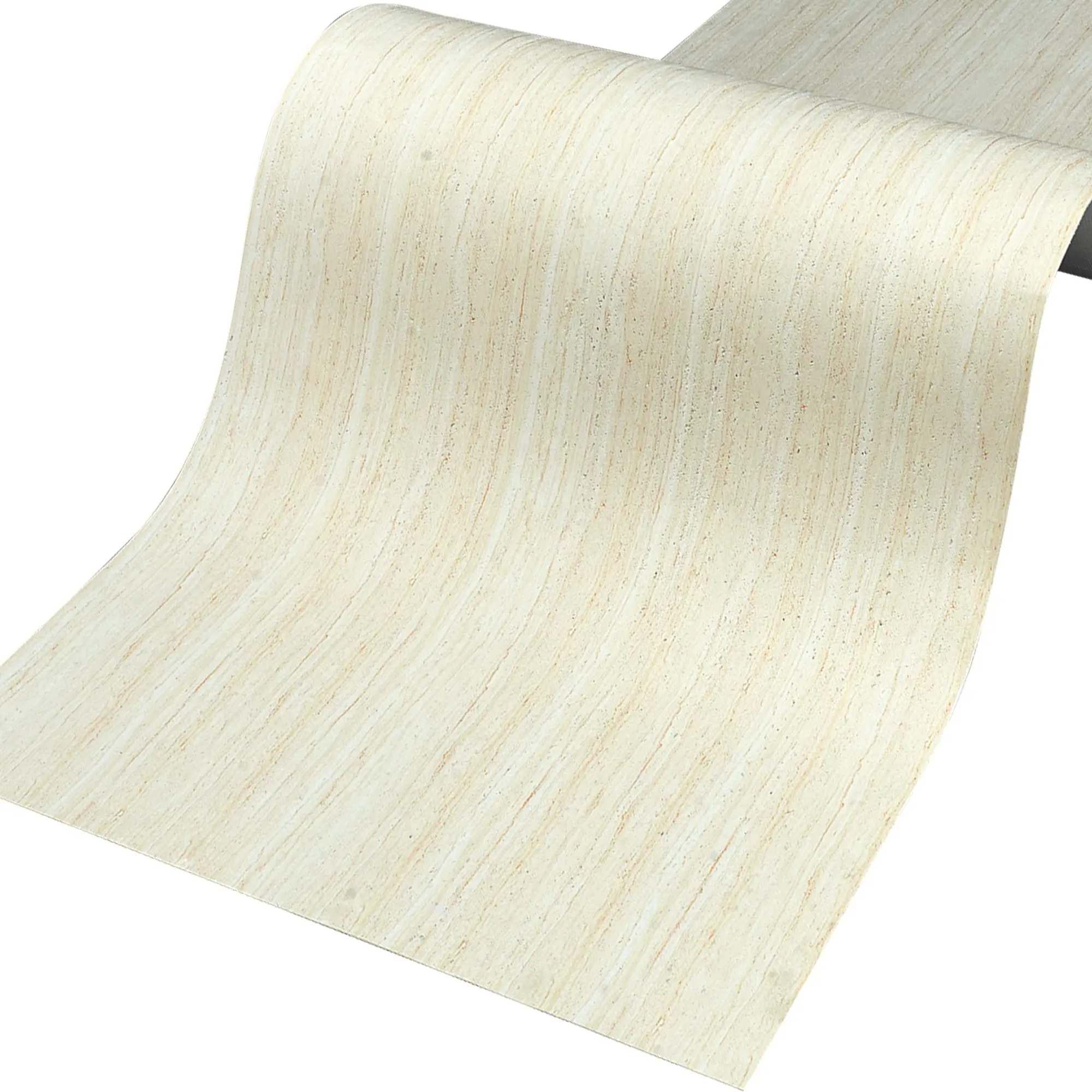
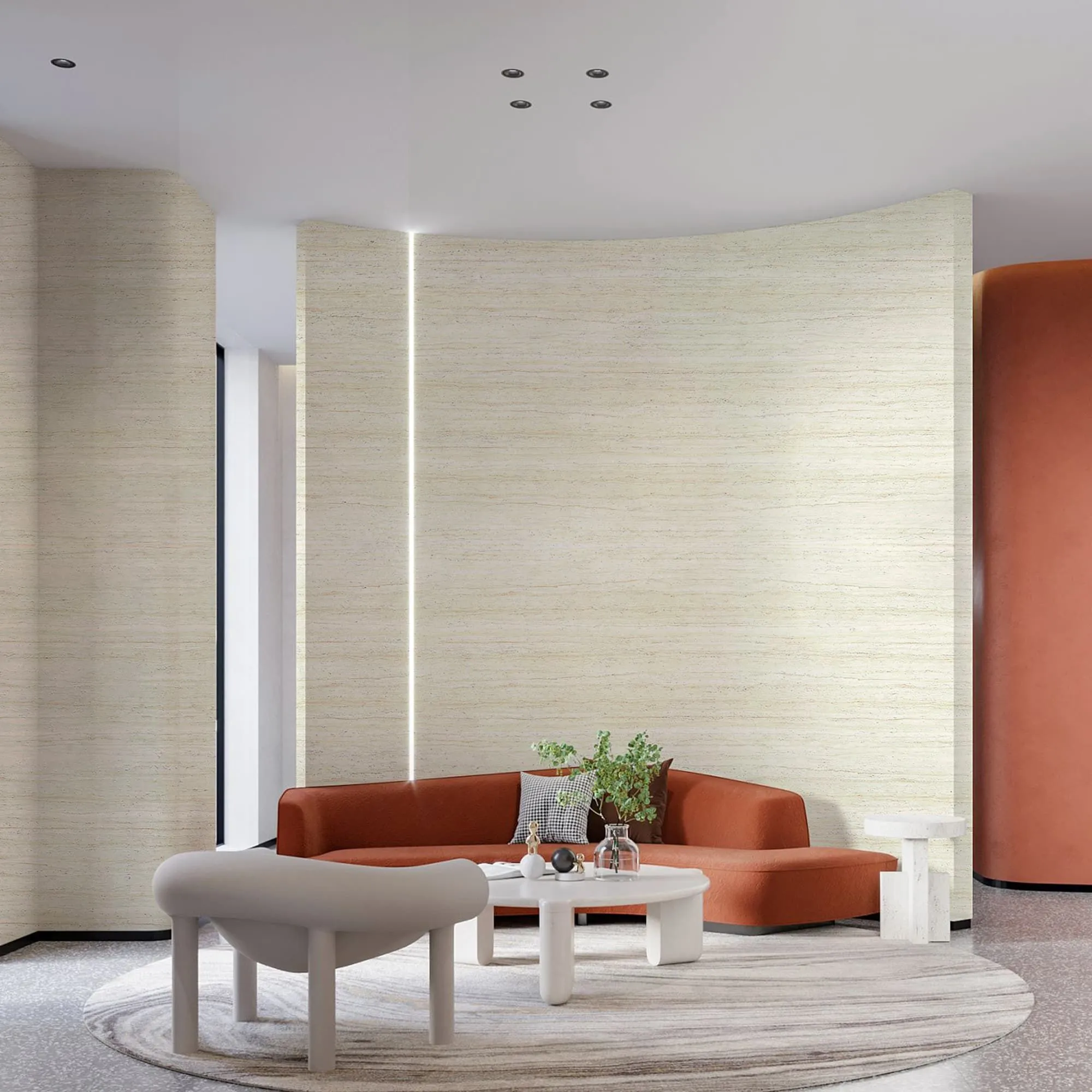
MCM flexible stone is a standout in the industry, mimicking the look of natural stone (think travertine, marble, or slate) but with a fraction of the weight. Thanks to thread technology, these panels are not only flexible enough to wrap around curved surfaces (like columns or rounded walls) but also incredibly efficient in material use. Traditional stone veneers require a thick backing layer to prevent cracking; with thread-reinforced MCM, the backing is integrated into the panel itself, using 25% less material overall. Installers love it too—no need for heavy lifting equipment, and the panels cut cleanly with standard tools, reducing on-site waste to less than 5%.
For large-scale projects—like office building facades or hotel lobbies—the MCM big slab board series is a revelation. These extra-large panels (some up to 10 feet wide) cover more surface area with fewer joints, which not only looks sleeker but also cuts down on material usage. Thread technology ensures these massive slabs stay stable and warp-resistant, even in extreme temperatures. Compare that to traditional big slab materials, which often require overlapping edges or additional support brackets—both of which eat into material budgets. With MCM big slabs, you're using exactly what you need, no more.
No two projects are the same, which is why the MCM project board series is a favorite among contractors. These panels come in a range of thicknesses, textures, and finishes, from rustic wood grains to modern metallic looks. Thread technology makes customization cost-effective: instead of producing separate molds for every design, manufacturers can adjust fiber alignment to create different textures, reducing tooling waste by up to 40%. For example, a foamed aluminium alloy board (vintage silver) finish—popular in industrial-chic designs—can be achieved by tweaking thread density, not by adding extra layers of material. The result? Custom looks at a fraction of the cost.
It's one thing to talk about "savings," but let's get concrete. The table below compares traditional construction materials with thread-reinforced MCM products, based on data from real-world projects across North America and Europe:
| Material Type | Material Cost per sq. ft. | Weight per sq. ft. | Installation Time per sq. ft. | Material Waste |
|---|---|---|---|---|
| Natural Granite | $25–$40 | 12–15 lbs | 25–30 mins | 15–20% |
| Traditional Concrete Panel | $12–$18 | 18–22 lbs | 20–25 mins | 10–12% |
| MCM Flexible Stone (Thread Tech) | $10–$15 | 3–5 lbs | 8–10 mins | 3–5% |
| MCM Big Slab Board Series (Thread Tech) | $14–$19 | 5–7 lbs | 12–15 mins | 4–6% |
Case Study Spotlight: A 2023 renovation of a 10,000 sq. ft. retail space in Chicago switched from natural travertine to MCM flexible stone with thread technology. The result? Material costs dropped by 32%, installation time was cut in half, and waste fell from 18% to 4%. The project came in $45,000 under budget—funds that were redirected to upgrading lighting and fixtures,.
In today's construction landscape, cost savings and sustainability go hand in hand. Clients, regulators, and even consumers are demanding greener building practices, and thread-reinforced MCM delivers here too. By reducing material waste during production and installation, MCM cuts down on the need for raw material extraction—whether that's quarrying stone or mining metals. For example, producing MCM project board series panels generates 60% less carbon emissions than traditional plywood, thanks to lower energy use in manufacturing and reduced transportation needs (remember, lighter materials mean fewer trucks on the road).
What's more, many MCM products are recyclable at the end of their lifespan. Unlike natural stone, which often ends up in landfills, thread-reinforced MCM can be broken down and repurposed into new panels, creating a circular economy that minimizes waste. For contractors aiming for LEED or BREEAM certifications, this is a huge win—sustainability points that also translate to lower long-term operational costs.
As thread technology continues to evolve, we're seeing even more innovative applications. Manufacturers are experimenting with "smart threads"—fibers embedded with sensors that monitor temperature, moisture, and structural stress in real time. Imagine a MCM big slab board series facade that alerts you to potential cracks before they become problems, or a foamed aluminium alloy board (vintage silver) ceiling that adjusts insulation based on weather conditions. These advancements won't just save materials—they'll revolutionize building maintenance, too.
But even without the "smart" upgrades, the impact is clear: thread technology is making MCM the go-to choice for cost-conscious, sustainability-focused builders. From MCM flexible stone accent walls in cafes to MCM project board series cladding on office towers, these materials are proving that you don't have to sacrifice quality for savings. In fact, with thread technology, you can have both.
At the end of the day, construction is about solving problems—how to build higher, faster, better, and cheaper. Thread technology and MCM materials aren't just tools; they're solutions to the oldest problem in the book: doing more with less. By focusing on precision, efficiency, and sustainability, they're redefining what's possible in cost-effective construction. So the next time you walk past a building with a sleek, modern facade, take a closer look. Chances are, it's not just good design—it's thread technology and MCM, quietly saving materials, money, and the planet, one panel at a time.
Recommend Products












