
Saudi Arabia's landscapes are as striking as they are unforgiving. From the sun-blasted dunes of the Rub' al Khali to the coastal humidity of Jeddah, building in this part of the world means battling extremes: temperatures that soar past 50°C in summer, sandstorms that grind down surfaces, and sudden humidity spikes during winter. For architects and developers, the question isn't just "How do we build?" but "How do we build beautifully —and make it last?"
Enter Thread Technology, a quiet revolution in construction that's redefining desert resilience. More than a single material or method, Thread Tech is a philosophy: weaving together cutting-edge materials, engineering precision, and design intuition to create structures that don't just withstand the desert—they embrace it. It's about materials that breathe, adapt, and age gracefully, even when the environment tries to tear them apart. In Saudi Arabia, where modernity meets tradition and climate challenges are nonnegotiable, Thread Tech has become the backbone of projects that blend functionality with awe.
Over the past five years, we've tracked Thread Tech's impact across the kingdom—from Riyadh's bustling business districts to the cultural hubs of AlUla. What follows are not just case studies, but stories of how innovation, creativity, and a deep respect for the desert's power are shaping Saudi Arabia's built future. Let's dive in.
In 2023, Riyadh's King Abdullah Financial District needed a statement piece: a 42-story commercial tower that would stand out in a skyline of glass and steel. The client, a multinational tech firm, had a bold request: "We want something that feels alive—not just a building, but a reflection of our adaptability." The challenge? Riyadh's inland desert climate, where summer days hit 48°C and sand-laden winds rattle structures daily.
Lead architect Lina Hassan recalls the skepticism: "Traditional glass facades here turn into greenhouses by noon. Stone cladding? Heavy, and prone to cracking when temperatures swing 30°C overnight." That's when her team turned to MCM flexible stone —a Thread Tech staple that would become Azure Plaza's defining feature.
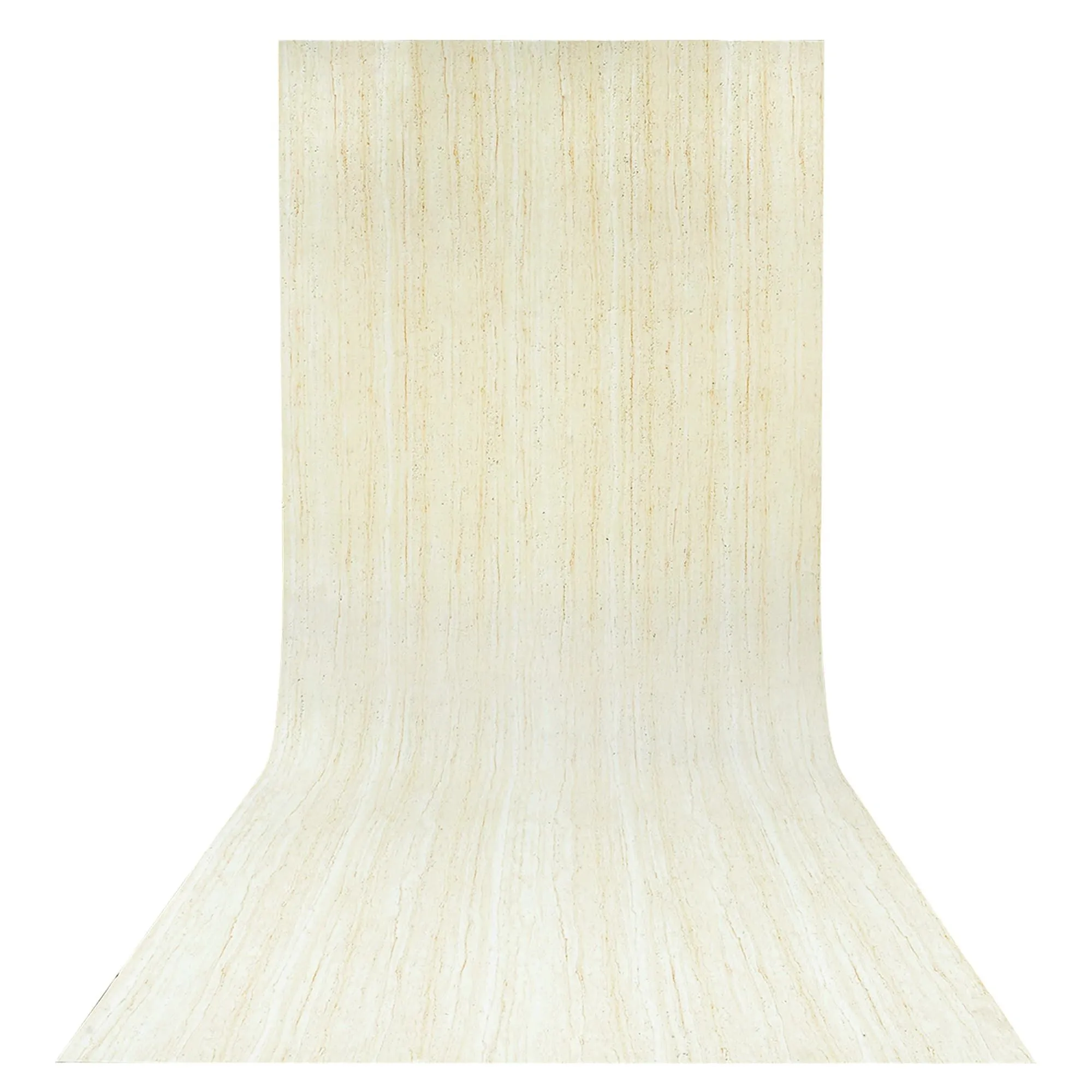
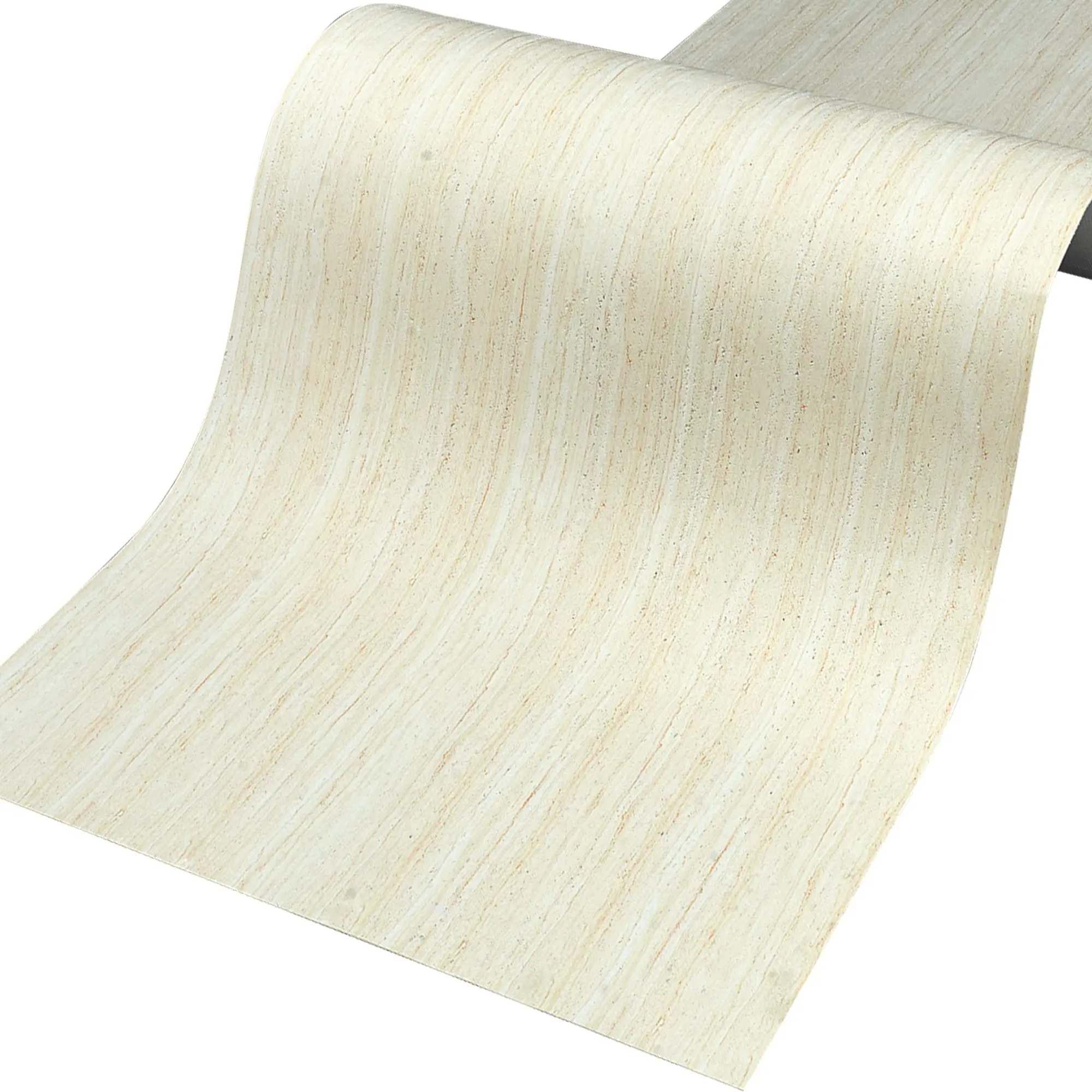
"MCM isn't stone in the traditional sense," Hassan explains. "It's a composite: a thin layer of natural stone veneer bonded to a flexible, lightweight core. Think of it as stone with a backbone of rubber. In Riyadh, that flexibility is everything. When the building expands in the heat, the panels move with it—no cracks, no leaks."
The result? Azure Plaza's facade shimmers with a warm, earthy tone (custom-matched to Saudi desert sand) that shifts with the sun. But it's the performance that wows: after 18 months, the MCM flexible stone shows zero signs of fading or warping. "We did thermal imaging tests last summer," Hassan laughs. "The interior stayed 12°C cooler than neighboring glass towers. The client's energy bills dropped by 23%—that's when they stopped asking if we 'compromised on aesthetics.'"
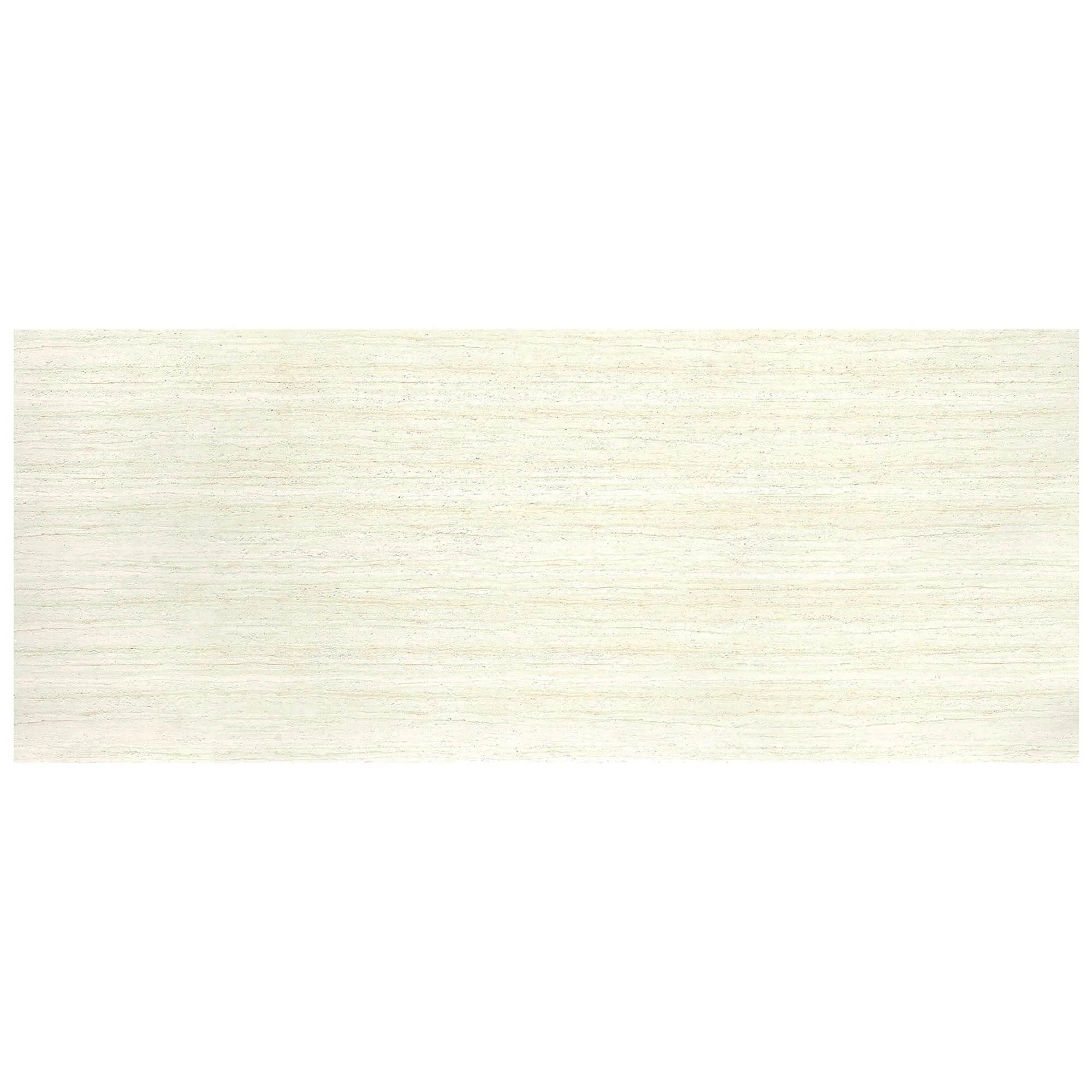
But Thread Tech didn't stop at the facade. The tower's podium, a public space shaded by cantilevered roofs, uses linear travertine (claybank) for its walkways. "Travertine is classic, but in Riyadh, it can get slippery when it rains—yes, it does rain here, even if rarely," Hassan notes. "Thread Tech's linear finish adds subtle grooves, so it's slip-resistant. And the claybank color? It hides sand stains. Practicality doesn't have to be ugly."
AlUla, a UNESCO World Heritage site, is a place where ancient rock carvings meet 21st-century tourism. When the Saudi Ministry of Culture commissioned a cultural center there, the brief was clear: "Honor the past, but don't live in it." The center needed to blend with the desert's natural palette while withstanding AlUla's unique challenges: extreme aridity, occasional flash floods, and a mandate to be "low-impact" on the fragile ecosystem.
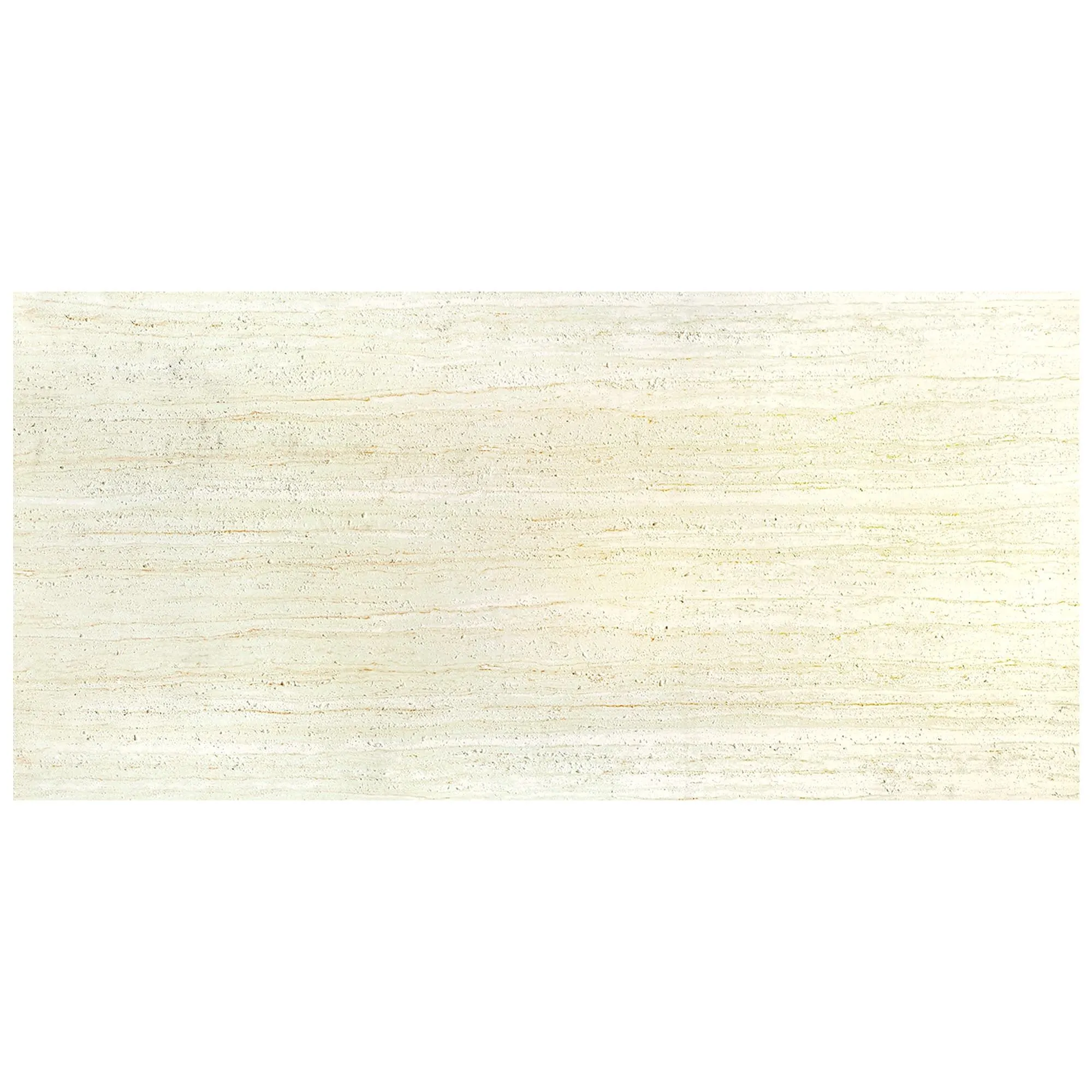
Enter Thread Tech's dream team: foamed aluminium alloy board (vintage silver) and travertine (starry blue) . Project manager Kareem Al-Mansoori calls it "a marriage of the future and the stars."
"Foamed aluminium is a game-changer," Al-Mansoori says, running a hand over the center's facade. "It's 70% lighter than solid aluminium, so we could cantilever overhangs without heavy steel supports—critical for preserving AlUla's bedrock. And the vintage silver finish? It reflects 85% of solar radiation, keeping the interior cool. But here's the kicker: it's 100% recyclable. The client's sustainability team did backflips when we presented that."
Inside, the main hall features travertine (starry blue) panels—large, smooth slabs embedded with microscopic glass flecks that catch light like desert stars. "Travertine is porous by nature, which scares some developers," Al-Mansoori admits. "But Thread Tech treats it with a nano-sealant that repels dust and moisture. We tested it during a rare sandstorm last winter: after 48 hours, a quick hose-down and it looked brand new."
Local visitors have embraced the design. "Older residents say the starry blue travertine reminds them of storytelling nights under the AlUla sky," Al-Mansoori smiles. "Younger crowds? They call it 'the Instagram wall.' Either way, it's a conversation starter—and that's the point of a cultural center, right?"
Jeddah's coastal desert is a different beast: high humidity (up to 75% in winter) mixed with salt-laden air that corrodes metal and rots wood. When developer Siraj Properties wanted to build a 12-villa residential complex in North Jeddah, they had a target demographic in mind: expat families and Saudi locals who craved "desert calm with modern comfort."
Architect Omar Khalid's solution? Thread Tech's take on a traditional material: rammed earth board (gradient) . "Rammed earth has been used in Saudi for centuries—it's cool in summer, warm in winter, and blends with the landscape," Khalid says. "But traditional rammed earth is heavy, and in Jeddah's humidity, it can develop mold. We needed to fix that."
Thread Tech's gradient rammed earth boards are a revelation. Layered with natural pigments (soft terracotta, sand, and muted gold), they mimic the look of hand-packed earth but with a twist: a moisture-resistant core. "We added a natural latex binder—food-grade, so no chemicals—and fired the boards at low temperatures to seal the pores," Khalid explains. "In two years, not a single villa has reported mold. The gradient color? It hides the inevitable dust, so homeowners don't have to pressure-wash every month."
Complementing the rammed earth are fair-faced concrete accents—smooth, uncoated, and surprisingly warm. "Fair-faced concrete gets a bad rap as 'cold,'" Khalid argues. "But with Thread Tech, we add fine aggregates from local sand, so it has a subtle texture—like running your hand over polished desert stone. And it's fire-resistant, which gives families peace of mind in a country where summer wildfires aren't unheard of."
Resident Amal Al-Zahrani, who moved in with her husband and two kids last year, raves about the difference: "Our old apartment had AC running 24/7 in summer. Here? We open the windows at night—rammed earth keeps the house cool until midday. And the color gradient? My daughter calls it 'the sunset wall.' It makes coming home feel like a retreat."
These case studies share a common thread (pun intended): Thread Tech doesn't just solve problems—it turns them into opportunities. Let's break down why these materials thrive where traditional ones falter.
Desert climates don't just attack materials—they change them. Traditional stone cracks when it expands in heat; wood warps; metal rusts. Thread Tech materials, like MCM flexible stone and foamed aluminium alloy , don't fight the desert—they bend with it. "It's like yoga for buildings," jokes materials engineer Dr. Ahmed Faraj. "Flexibility prevents breakage. That's why Azure Plaza's MCM panels can handle 30°C temperature swings without a peep."
In Saudi Arabia, buildings aren't just functional—they're cultural statements. Thread Tech's materials, from travertine (starry blue) to gradient rammed earth , prove that beauty doesn't require sacrifice. "AlUla's starry blue travertine isn't just pretty," Dr. Faraj notes. "The glass flecks reflect sunlight, reducing heat absorption. The vintage silver aluminium? Its color matches AlUla's rock formations, so the center doesn't stick out like a sore thumb. It's design that works with the landscape, not against it."
Saudi Arabia's Vision 2030 prioritizes sustainability, and Thread Tech delivers. Foamed aluminium is recyclable; MCM flexible stone uses 60% less raw stone than traditional cladding; rammed earth relies on local materials, cutting transport emissions. "The Wadi Residences' carbon footprint was 35% lower than a comparable concrete complex," says sustainability consultant Layla Abbas. "For developers, that's not just a checkbox—it's a selling point."
| Material | Durability in Desert | Thermal Performance | Installation Time | Aesthetic Versatility |
|---|---|---|---|---|
| Traditional Natural Stone | Prone to cracking/warping (5-8 year lifespan) | Poor (absorbs heat, increases AC use) | Slow (heavy, requires specialized labor) | High, but limited by weight/weathering |
| MCM Flexible Stone (Thread Tech) | Resistant to thermal stress (25+ year lifespan) | Excellent (reflects heat, reduces AC by 20-25%) | Fast (lightweight, modular installation) | High (custom colors, textures, and finishes) |
| Standard Aluminium Cladding | Corrodes in salt/humidity (8-10 year lifespan) | Good (reflects heat but dents easily) | Moderate (requires sealing against corrosion) | Low (limited finishes, prone to fading) |
| Foamed Aluminium Alloy (Thread Tech) | Corrosion-resistant (30+ year lifespan) | Excellent (85% solar reflection, impact-resistant) | Fast (lightweight, no sealing needed) | High (vintage, metallic, or custom finishes) |
| Traditional Rammed Earth | Mold-prone in humidity (10-12 year lifespan) | Good (thermal mass, but heavy) | Very slow (hand-packed, site-mixed) | Moderate (limited color options) |
| Gradient Rammed Earth Board (Thread Tech) | Moisture-sealed (20+ year lifespan) | Excellent (thermal mass + lightweight) | Moderate (pre-fabricated panels) | High (custom gradients, natural pigments) |
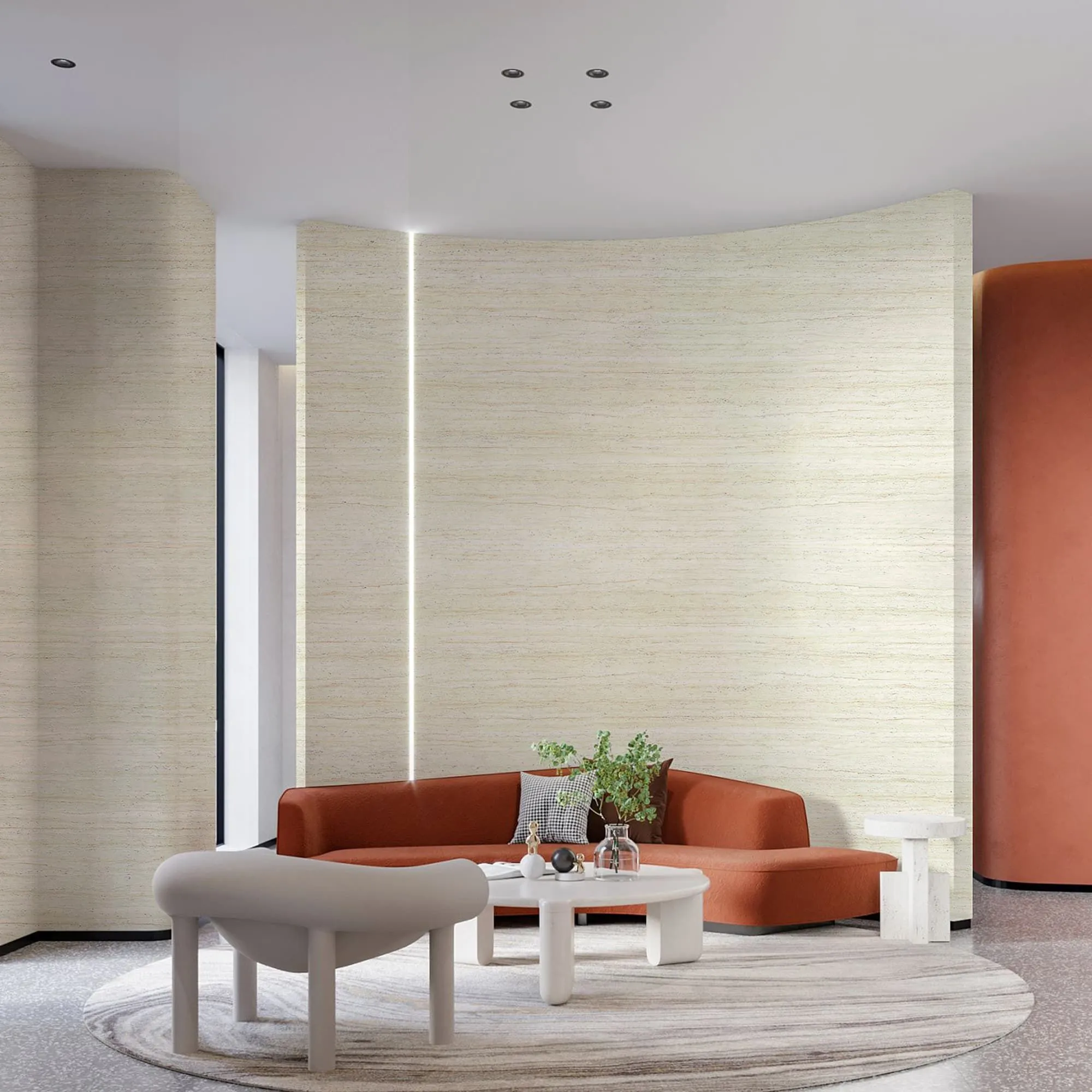
Saudi Arabia's construction boom shows no signs of slowing. With projects like NEOM, Qiddiya, and the Riyadh Metro transforming the kingdom, the demand for climate-smart, beautiful materials has never been higher. Thread Technology, once a niche innovation, is now at the forefront of this revolution—not because it's "new," but because it's right for the desert.
As we've seen in Azure Plaza, AlUla's Cultural Center, and the Wadi Residences, Thread Tech isn't about replacing tradition—it's about elevating it. It's about respecting the desert's power while giving architects and developers the tools to dream big. In a country where the built environment is a bridge between past and future, that's more than innovation—it's legacy.
So the next time you walk through a Saudi city and pause at a building that seems to glow in the desert sun, that feels cool to the touch even on the hottest day, or that blends so seamlessly with the landscape it's hard to tell where rock ends and structure begins—chances are, you're looking at Thread Technology in action. And in Saudi Arabia's desert, that's not just progress. It's survival, reimagined.
Recommend Products












