
In the heart of downtown Portland, a new office building rises—not just of steel and glass, but of intention. Its facade shimmers with a subtle blue hue, catching the light like a starlit sky, while inside, warm wood-like panels line the walls, and the air feels crisp, free of harsh chemicals. This isn't just good design; it's a statement. In an era where climate change looms large, buildings are no longer just structures—they're partners in sustainability. And at the center of this movement? Certifications like LEED (Leadership in Energy and Environmental Design) and innovations like thread technology in Modified Composite Material (MCM) products. Let's unpack how these elements come together to shape the future of green building.
Buildings account for nearly 40% of global energy consumption and 30% of greenhouse gas emissions, according to the U.S. Energy Information Administration. That's a staggering number, but it also means they hold enormous potential for positive change. Enter green building certifications: frameworks that guide architects, developers, and builders toward choices that reduce environmental impact, improve occupant health, and cut long-term costs. Among these, LEED stands tall. Administered by the U.S. Green Building Council (USGBC), LEED isn't just a label—it's a globally recognized benchmark for sustainability, with credits awarded for everything from energy efficiency to water conservation, material selection, and indoor air quality.
But here's the thing: LEED doesn't just reward "less bad" choices. It pushes for "more good." To earn LEED credits, projects must go above and beyond standard practices, often requiring innovative materials and technologies. That's where MCM (Modified Composite Material) products come in—and more specifically, the quiet revolution of thread technology within them.
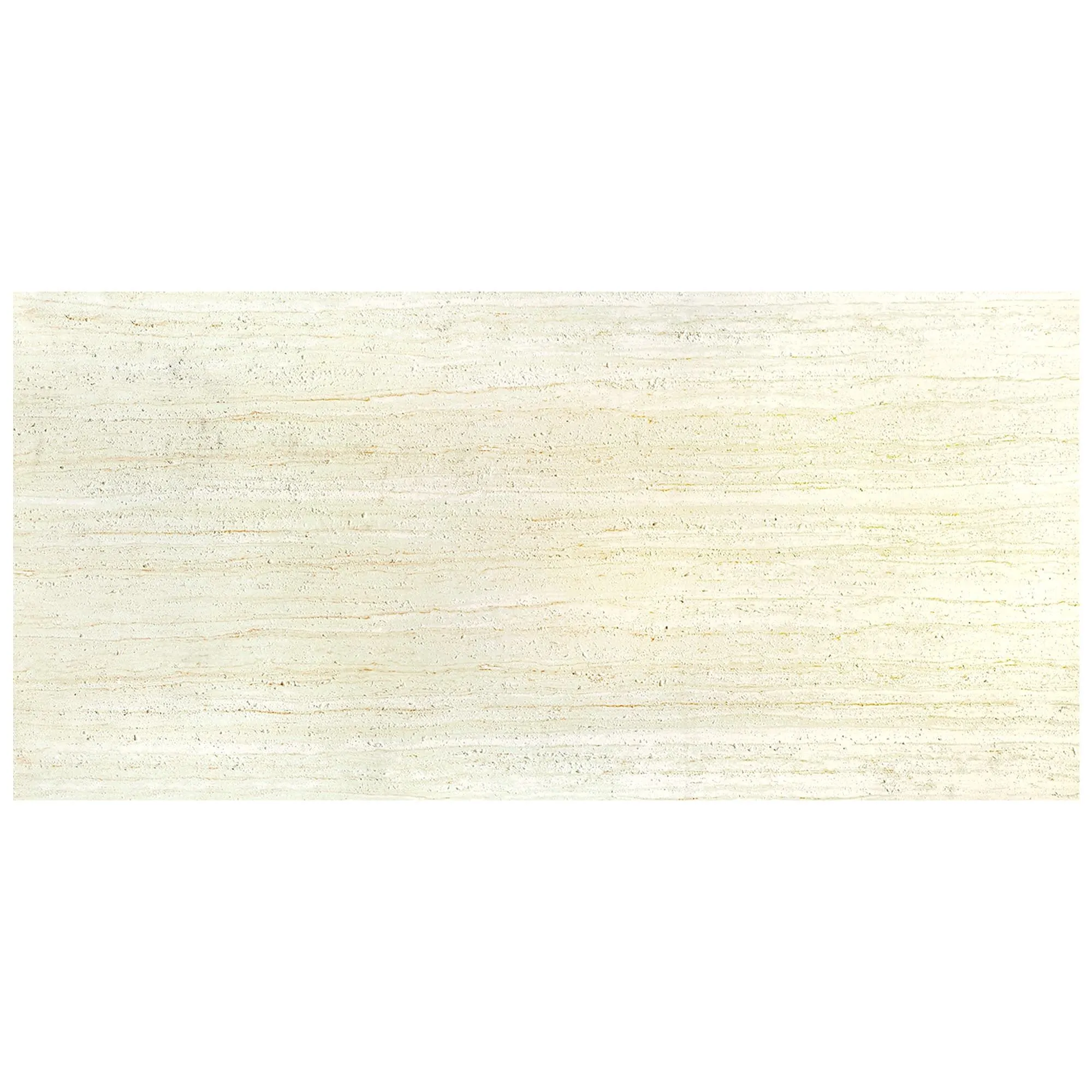
You've probably heard of MCMs—those versatile, lightweight composites that mimic the look of natural stone, wood, or metal but with a fraction of the weight and environmental footprint. But what is "thread technology," and why does it matter? Think of it as the hidden backbone of MCM innovation. Unlike traditional composites, which rely on layers of resin and filler, thread technology integrates ultra-fine, high-tensile threads (often made from recycled polyester or glass fiber) into the material's matrix. These threads act like microscopic reinforcing bars, boosting durability, flexibility, and performance—all while keeping the material lightweight and easy to work with.
Imagine a spider's web: delicate, yet surprisingly strong. Thread technology works similarly, distributing stress evenly across the MCM panel to prevent cracking, warping, or delamination. For builders, this means panels that can withstand extreme weather, resist wear and tear, and last decades longer than conventional materials. For sustainability, it translates to fewer replacements, less waste, and a lower carbon footprint over the building's lifecycle. And for LEED, those benefits add up to credits.
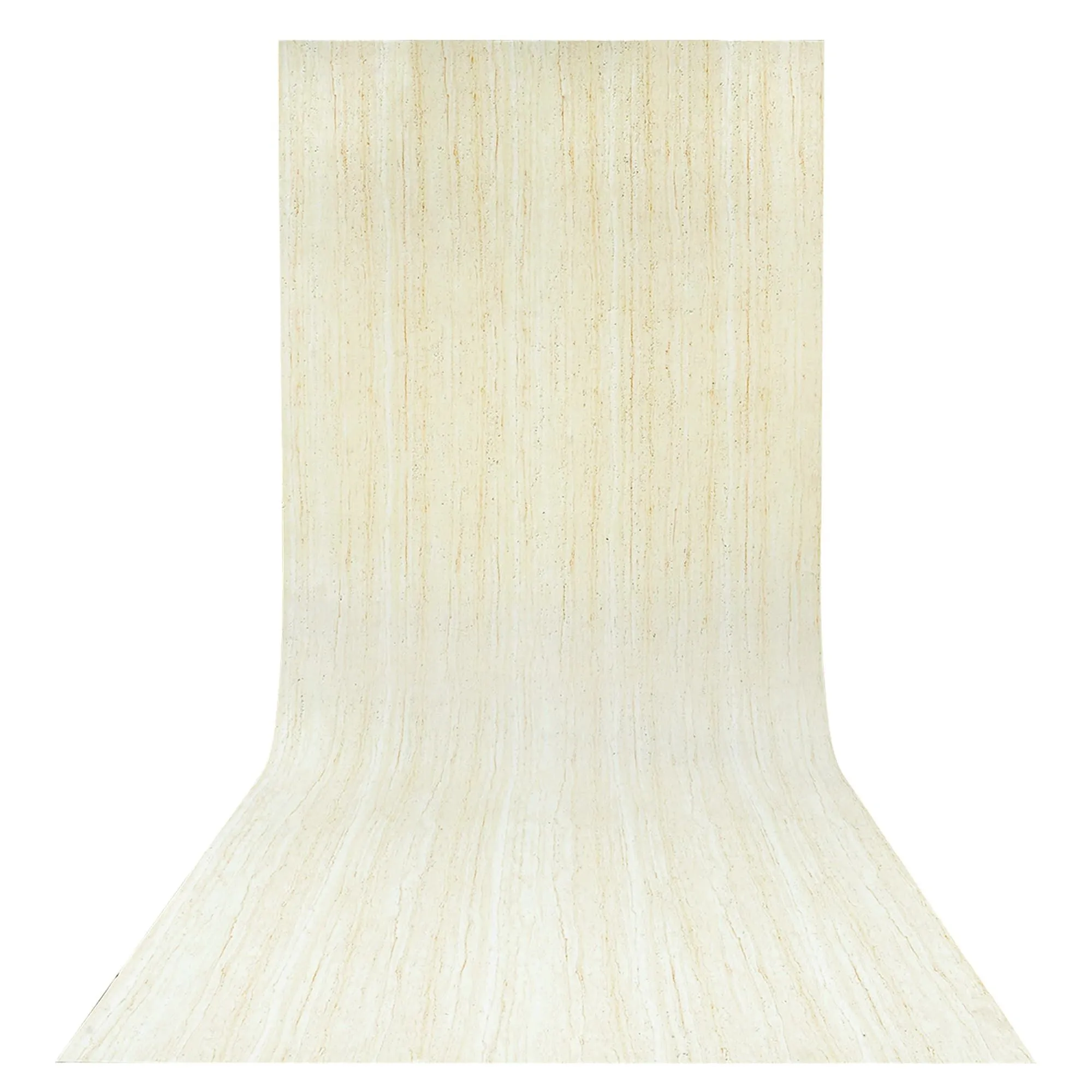
LEED credits are earned across several categories, including Materials and Resources (MR), Energy and Atmosphere (EA), and Indoor Environmental Quality (IEQ). MCM materials enhanced by thread technology shine in all three. Let's dive into specific products and how they contribute—because sustainability, after all, is about the details.
Walk past a modern hotel or retail space, and you might admire the "natural stone" facade—only to learn it's actually MCM flexible stone. This material combines a thin layer of real stone (like marble or travertine) with a flexible, thread-reinforced backing. The threads here are game-changers: they let the panel bend slightly without breaking, making installation a breeze (no heavy machinery needed) and reducing the structural load on the building.
Why does this matter for LEED? For starters, lighter materials mean less fuel burned during transportation—cutting emissions and earning points under MR Credit 2: Construction Waste Management. Plus, MCM flexible stone often uses recycled stone dust in its composite matrix, ticking the box for MR Credit 4: Building Product Disclosure and Optimization. And because it's so durable, buildings need fewer replacements over time, lowering long-term waste and aligning with MR Credit 1: Building Life-Cycle Impact Reduction.
Fair-faced concrete—with its raw, industrial charm—has become a favorite in modern design. But traditional concrete is prone to cracking, especially in regions with freeze-thaw cycles. Enter thread technology: tiny synthetic threads mixed into the concrete mix, acting as micro-reinforcements to prevent cracks from spreading. The result? A material that keeps its sleek, uncoated finish for decades, without the need for harsh sealants or frequent repairs.
For LEED, this translates to MR Credit 3: Materials Reuse (since the concrete itself lasts longer, reducing the need for new materials) and IEQ Credit 4: Low-Emitting Materials (no toxic sealants mean better indoor air quality). It's a win-win: architects get the aesthetic they love, and the building racks up sustainability points.
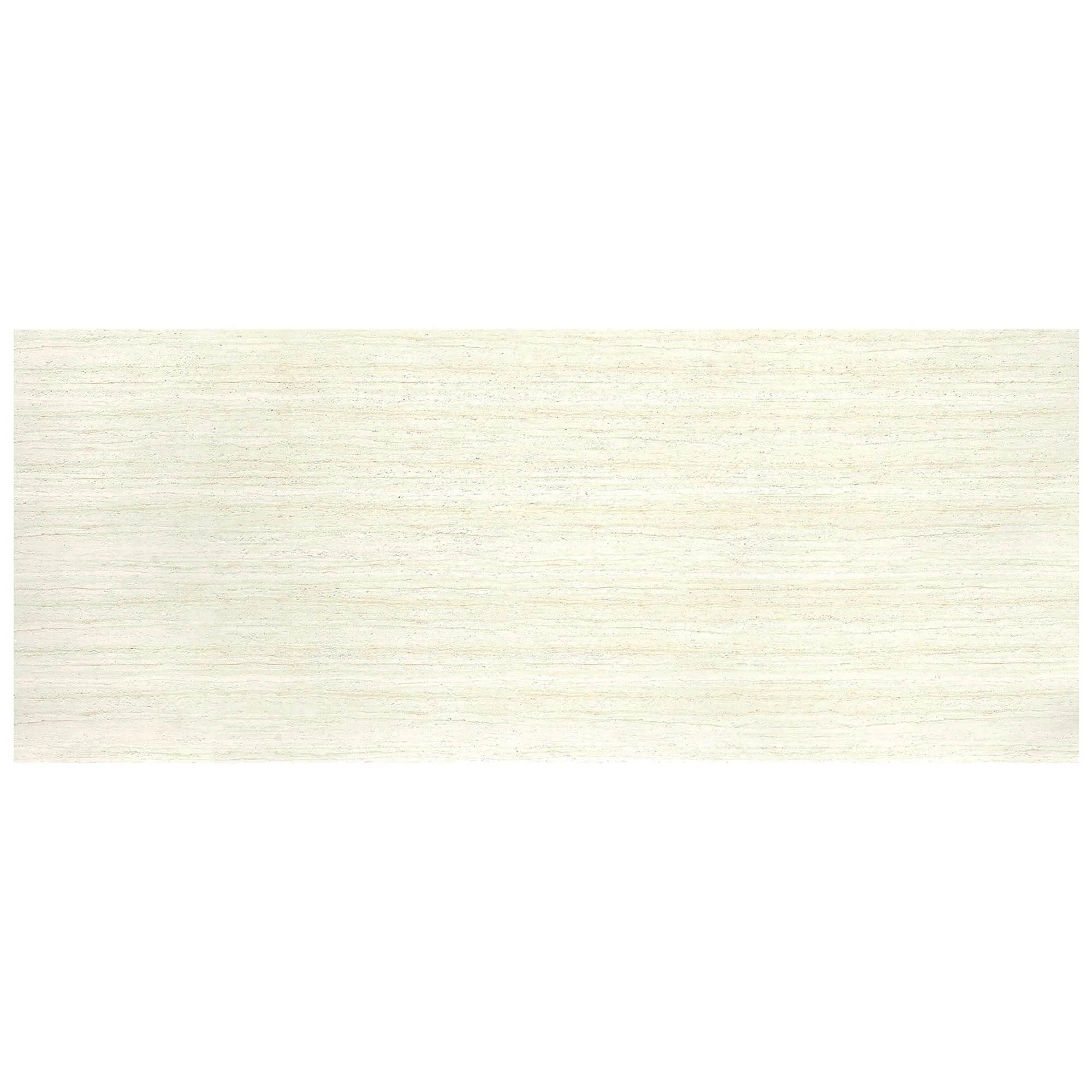
Travertine has been used in buildings since ancient Rome, but MCM's take on it—like travertine (starry blue)—is a modern marvel. This variant features a deep blue, star-like pattern (achieved through mineral additives) and a thread-reinforced composite backing. The threads here do double duty: they the panel's resistance to staining (a common issue with natural travertine) and improve its thermal insulation properties.
Stain resistance means less water and cleaning chemicals are needed over time (hello, WE Credit 1: Water Efficiency), while better insulation reduces HVAC usage—earning points under EA Credit 1: Optimize Energy Performance. And because MCM travertine uses less natural stone than solid slabs, it preserves quarries, supporting MR Credit 7: Certified Wood and Other Materials.
Foamed aluminium alloy boards are taking interior design by storm, and the vintage silver variant is a standout. These panels are made by injecting gas into molten aluminium, creating a lightweight, porous structure—then reinforced with thread technology to boost rigidity. The result? A material that's 70% lighter than solid aluminium but just as strong, with excellent sound and heat insulation.
For LEED, this is a triple threat: Lightweight panels reduce transportation emissions (MR Credit 2), superior insulation cuts energy use (EA Credit 1), and the vintage silver finish is achieved with low-VOC coatings (IEQ Credit 4). It's no wonder designers are using them in everything from office partitions to ceiling panels—they look great and help buildings score LEED gold.
Nothing warms up a space like wood, but deforestation is a real concern. MCM wood grain board offers a solution: it uses recycled wood fibers mixed with a thread-reinforced polymer matrix, mimicking the look of oak, maple, or walnut without cutting down trees. The threads here add dimensional stability—meaning the boards won't warp or shrink with humidity changes, a common problem with solid wood.
This checks multiple LEED boxes: Recycled content earns MR Credit 4, dimensional stability reduces waste from warped boards (MR Credit 2), and since it's made from rapidly renewable materials (wood fibers), it qualifies for MR Credit 6: Rapidly Renewable Materials. It's sustainable design that feels like home.
| Material Name | Thread Tech Application | Key LEED Credits Earned | Sustainability Benefit |
|---|---|---|---|
| MCM Flexible Stone | Reinforced backing for flexibility/lightweight | MR Credit 2 (Construction Waste), MR Credit 4 (Recycled Content) | Reduced transportation emissions; less structural load |
| Fair-Faced Concrete | Micro-threads to prevent cracking | MR Credit 3 (Materials Reuse), IEQ Credit 4 (Low-Emitting Materials) | Longer lifespan; no toxic sealants |
| Travertine (Starry Blue) | Stain-resistant, thermally insulating threads | WE Credit 1 (Water Efficiency), EA Credit 1 (Energy Performance) | Less water/chemical use; lower HVAC needs |
| Foamed Aluminium Alloy Board (Vintage Silver) | Rigidity-boosting threads in foam structure | EA Credit 1 (Energy), IEQ Credit 4 (Low-VOC Coatings) | Superior insulation; better indoor air quality |
| Wood Grain Board | Dimensional stability threads in recycled wood matrix | MR Credit 6 (Rapidly Renewable), MR Credit 2 (Waste Reduction) | Preserves forests; resists warping/waste |
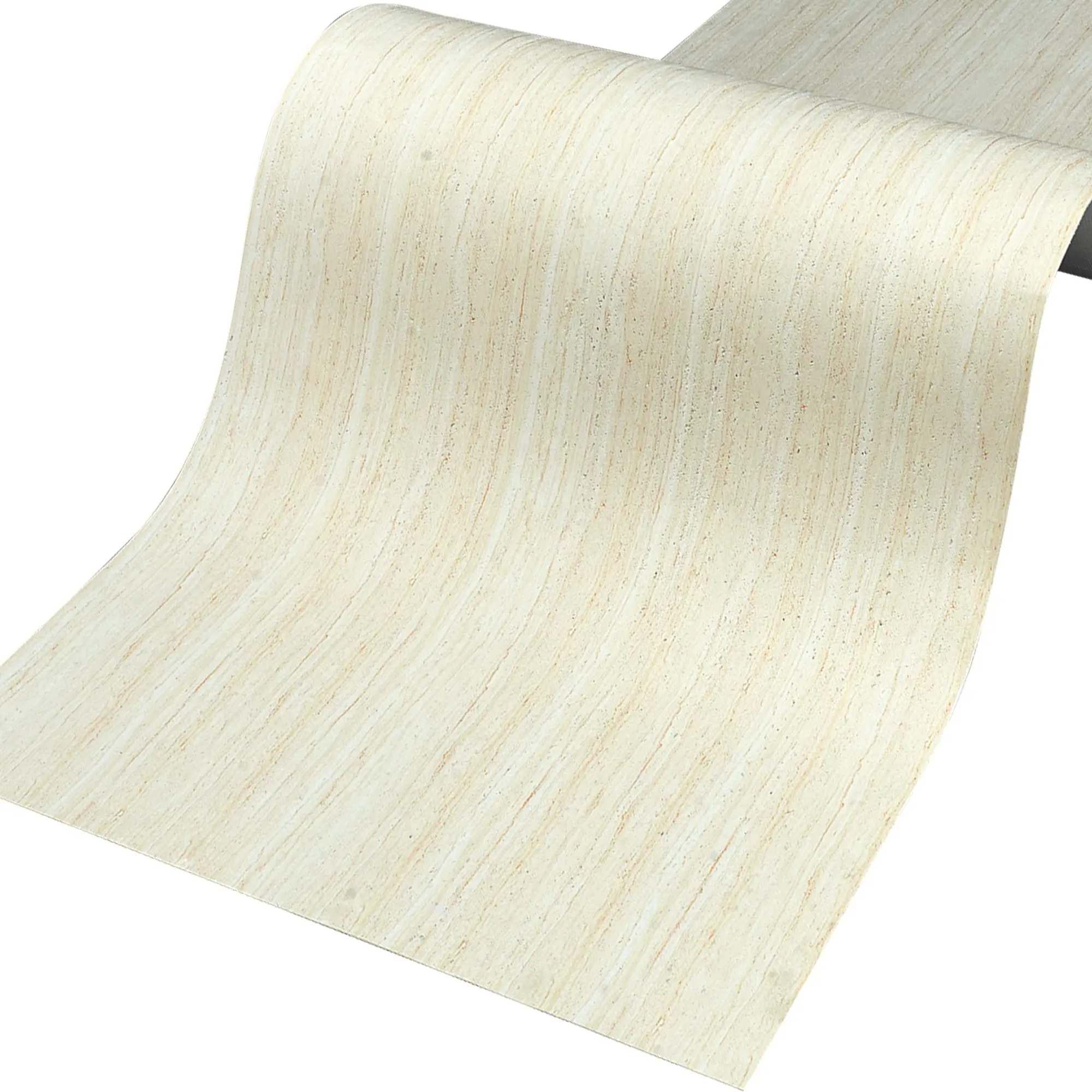
Let's step into the shoes of the team behind GreenWave Tower, a 12-story mixed-use building in Seattle that earned LEED Gold in 2024. Their secret? A strategic mix of MCM materials with thread technology.
The facade, for example, uses MCM flexible stone with thread-reinforced backing. "We wanted the look of natural limestone but without the weight," says lead architect Maya Chen. "The flexible stone panels weighed 60% less than solid limestone, so we could install them with smaller cranes—cutting construction time by 2 weeks and emissions from heavy machinery by 15%." That alone helped them score MR Credit 2 and MR Credit 1.
Inside, the lobby features foamed aluminium alloy board (vintage silver) on the ceiling. "The threads in the aluminium foam made it rigid enough to span 10-foot gaps without sagging," explains project engineer Raj Patel. "And the insulation value? Our energy model showed a 22% reduction in heating costs compared to drywall—pushing us over the edge for EA Credit 1."
Even the retail spaces got in on the action, using wood grain board for accent walls. "Tenants love the warm, natural look, and we loved that it's made from 80% recycled wood fibers," Chen adds. "That checked MR Credit 6, and since it doesn't warp, we won't have to replace it for 20+ years—another win for MR Credit 3."
In the end, GreenWave Tower didn't just meet LEED standards—it exceeded them, all while staying on budget. "Thread technology made sustainable materials practical," Patel says. "It's not just about being green; it's about being smart."
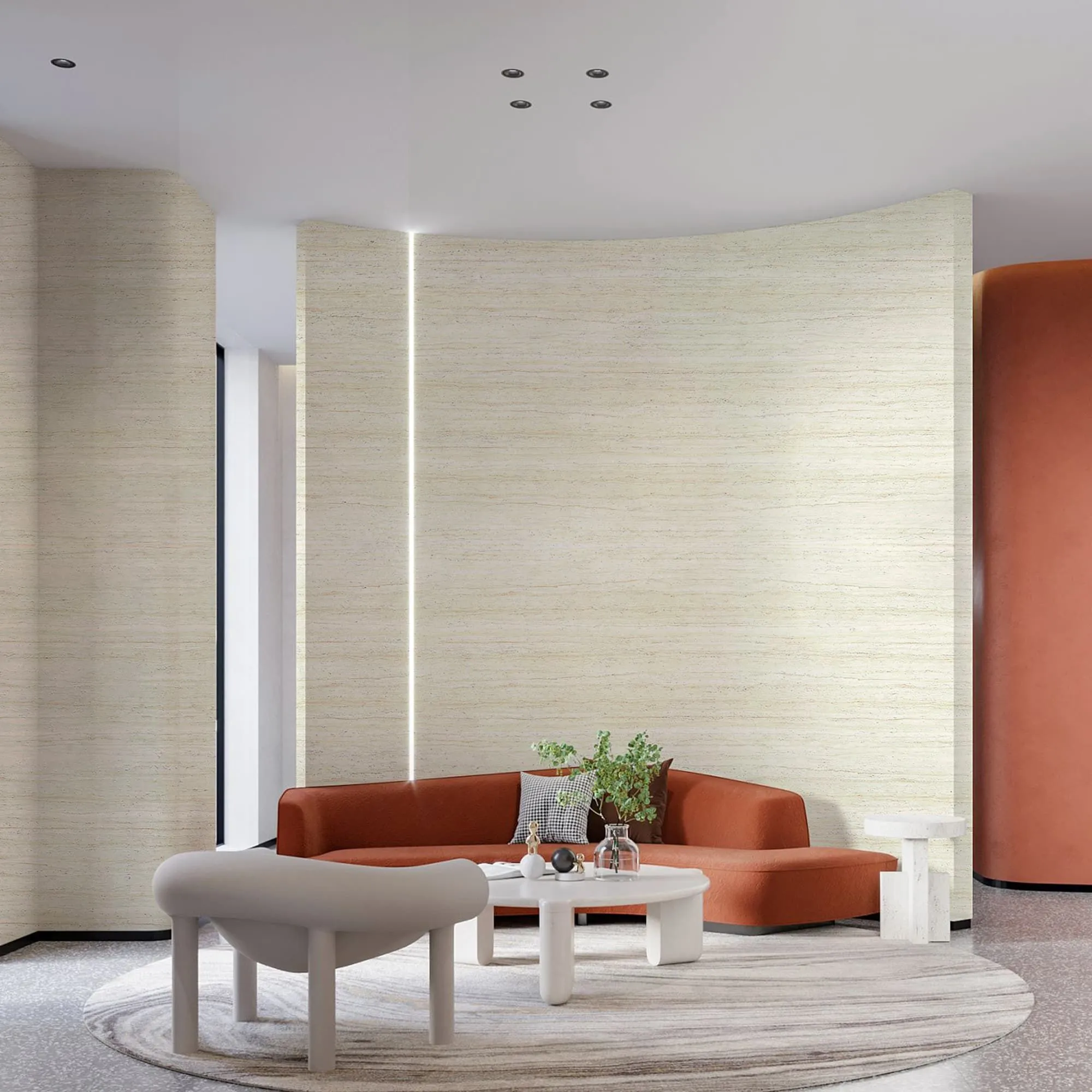
At its core, LEED is about balance: reducing environmental impact without sacrificing performance or aesthetics. Thread technology in MCM materials nails that balance by addressing three key challenges in green building:
For builders and developers, this means LEED credits aren't just "nice-to-haves"—they're achievable, even on tight budgets. For occupants, it means healthier, more comfortable spaces. And for the planet? It means buildings that give back, not just take.
As LEED evolves (the latest version, LEED v5, emphasizes carbon reduction even more), thread technology in MCM is poised to play an even bigger role. Researchers are already experimenting with self-healing threads (which repair small cracks automatically) and conductive threads (which integrate with smart building systems to monitor temperature and humidity). Imagine a facade that not only insulates but also "talks" to the HVAC system, optimizing energy use in real time—all while earning LEED credits.
And as demand for sustainable materials grows, MCM manufacturers are expanding their thread tech offerings. We're seeing thread-reinforced versions of classics like terracotta and slate, and even new innovations like gradient color rammed earth boards, where threads stabilize the natural pigments, preventing fading.
Green building isn't just a trend—it's a responsibility. LEED gives us a roadmap, but technologies like thread-reinforced MCM materials are the tools to follow it. They prove that sustainability and beauty can coexist, that durability and efficiency aren't trade-offs, and that every thread—literal and figurative—counts in the fight against climate change.
So the next time you walk past a building with a striking facade or a warm, inviting interior, take a closer look. Chances are, there's more to it than meets the eye—threads of innovation weaving together to create a structure that's not just built for today, but for the planet we'll pass on tomorrow.
Recommend Products












