
Saudi Arabia's skyline is changing faster than ever. From the futuristic towers of NEOM to the bustling commercial hubs in Riyadh, and the coastal developments in Jeddah, the kingdom's construction sector is in the midst of a historic boom. At the heart of this transformation is a focus on innovation—materials that are not just durable, but also sustainable, visually striking, and tailored to the unique demands of the Saudi environment. Enter Thread Technology, a concept that's redefining how buildings are designed, constructed, and experienced. And leading the charge in bringing this technology to life, with a deep understanding of local needs, is COLORIA.
But what exactly is Thread Technology, and why does it matter in Saudi Arabia? Think of it as the "invisible thread" that weaves together design, functionality, and local context. It's about creating materials and systems that don't just serve a purpose, but tell a story—one that resonates with Saudi culture, climate, and the ambitious vision of projects like Vision 2030. For COLORIA, this isn't just about importing global trends; it's about local expertise —knowing the sand, the sun, the tastes of Saudi architects, and the challenges of building in a region where temperatures can hit 50°C and sandstorms are a seasonal reality.
Thread Technology isn't a single product—it's a philosophy. It's the idea that every element of a building, from the cladding on the exterior to the finishes on the interior, should work together seamlessly, like threads in a tapestry. In Saudi Arabia, this means balancing modern aesthetics with practicality. For example, a luxury hotel in Riyadh might want a sleek, contemporary look, but it also needs materials that can withstand the harsh sun without fading. A residential complex in Jeddah might prioritize energy efficiency, but residents still want spaces that feel warm and inviting, reflecting local design traditions.
At COLORIA, we've spent years refining this approach. Our team of engineers, designers, and local consultants work hand-in-hand with Saudi contractors and architects to ask: What do you really need? It's not enough to offer a "one-size-fits-all" solution. Instead, we adapt, innovate, and create materials that align with the specific thread of each project—whether that's sustainability, luxury, durability, or cultural relevance.
When COLORIA first entered the Saudi market over a decade ago, we knew we couldn't just set up shop and sell products. To truly make an impact, we needed to become part of the local fabric. That's why we established a manufacturing facility in Dammam, staffed by Saudi engineers and technicians. We partnered with King Saud University to research how materials perform in Saudi climates. We even invited local architects to our labs to test samples, giving them a say in how products are developed.
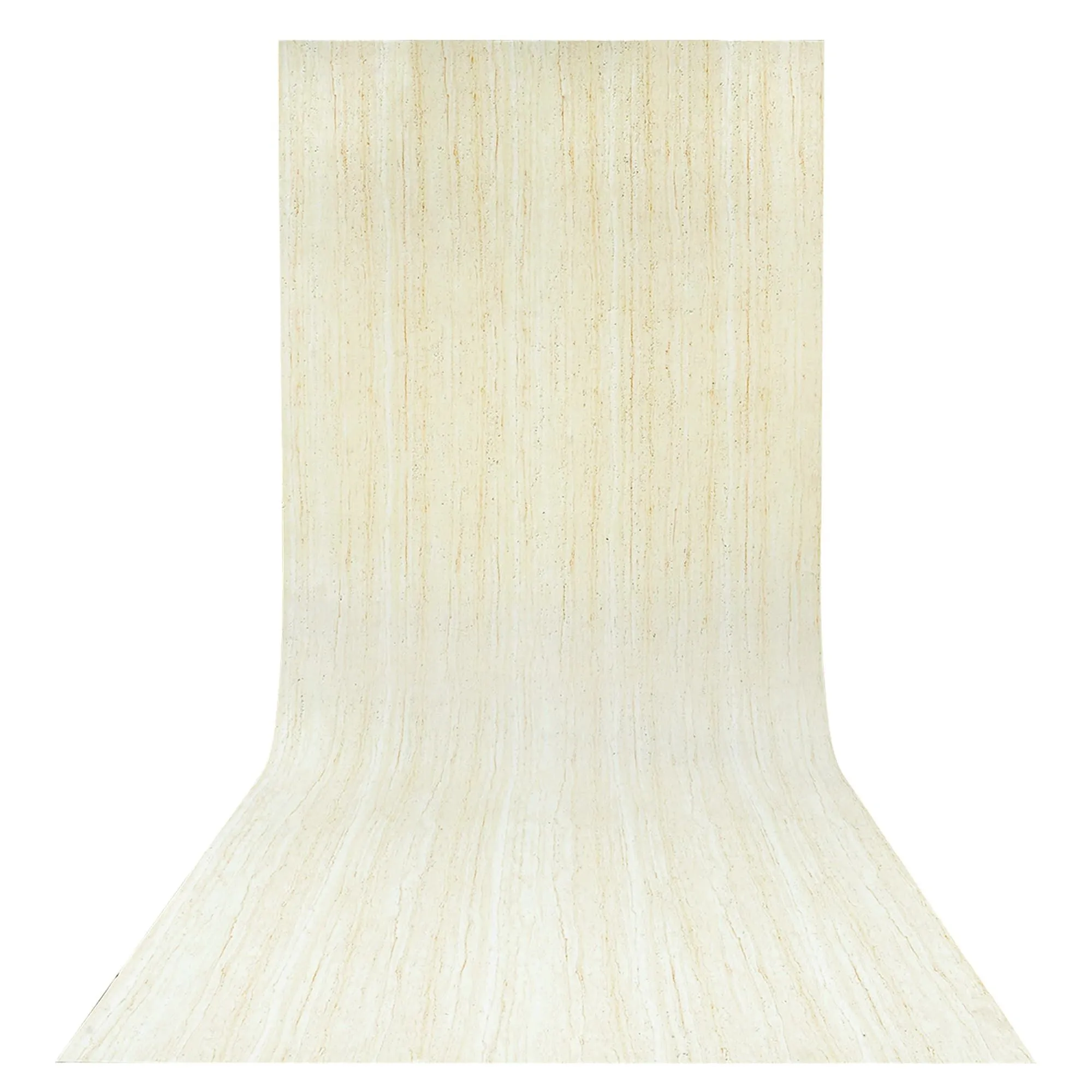
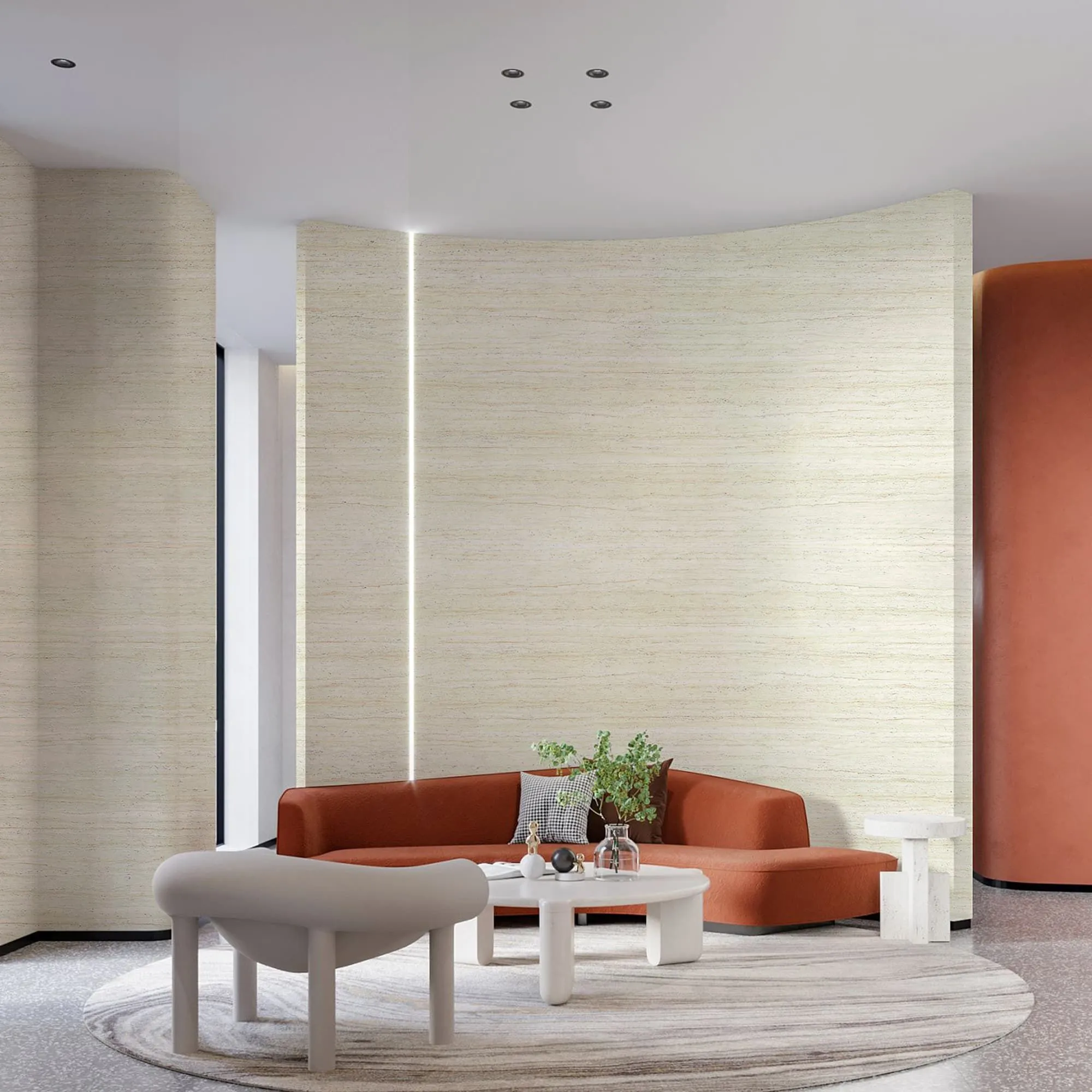
The result? A portfolio of materials that don't just meet international standards, but exceed Saudi expectations. Take, for instance, our mcm flexible stone —a lightweight, flexible cladding material that's become a favorite among contractors building in Riyadh and Jeddah. Traditional natural stone is heavy, expensive to transport, and prone to cracking in extreme heat. Our mcm flexible stone, on the other hand, weighs 70% less, installs in half the time, and has been tested in our Dammam lab to withstand 1,000 hours of direct UV exposure without losing its color. It's a small example of how local expertise turns a good product into a game-changer.
At the core of Thread Technology are the materials themselves. COLORIA's range is vast, but each product is designed with a specific "thread" in mind. Let's dive into a few that have become staples in Saudi projects, and how they're making a difference:
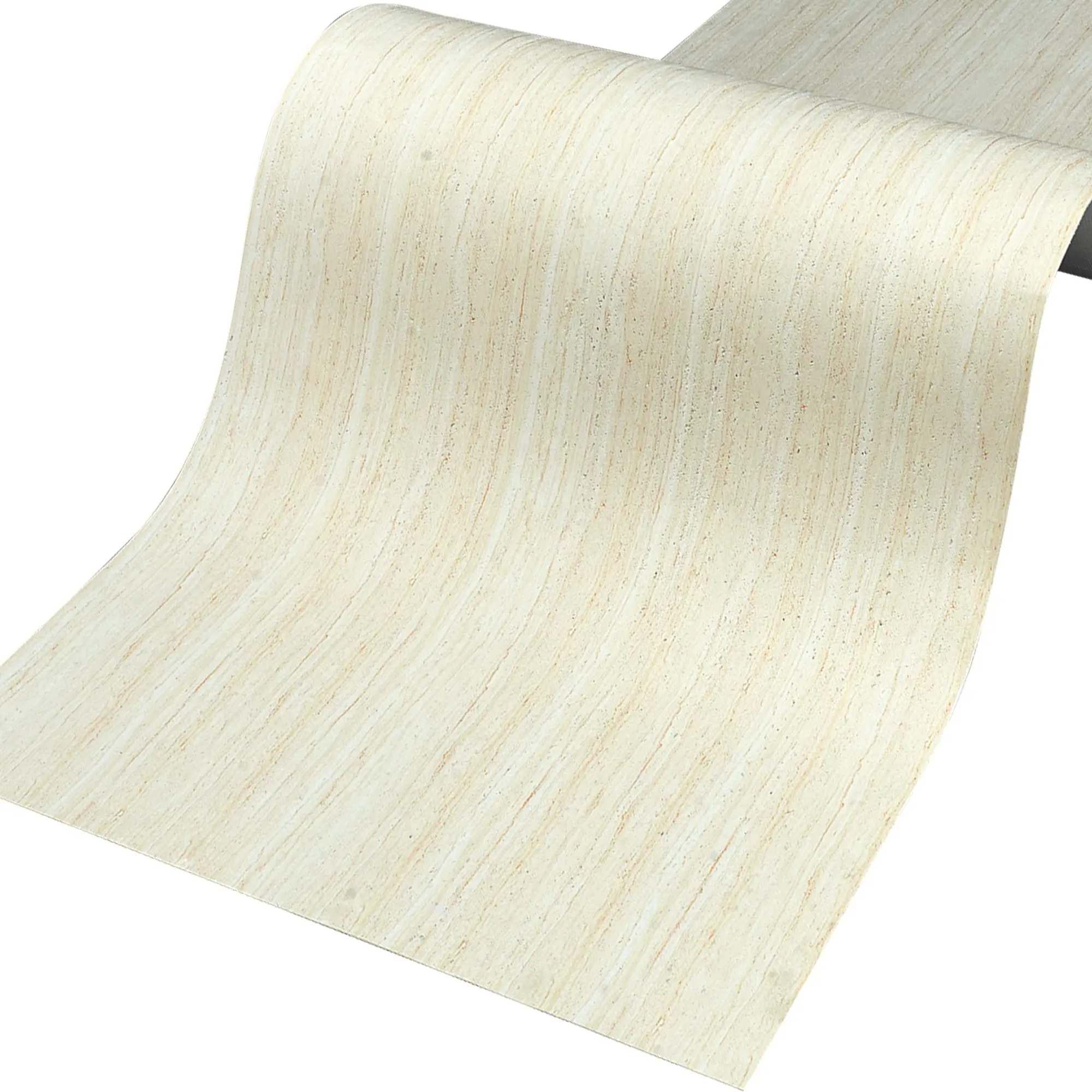
In a country where construction timelines are tight and labor costs are rising, efficiency matters. Traditional stone cladding requires heavy machinery, specialized installers, and weeks of work. mcm flexible stone changes that. It's made from a modified composite material that's thin (just 4-6mm thick) and flexible enough to bend around curves—perfect for the organic, flowing designs popular in modern Saudi architecture. But don't let its lightness fool you: it's fire-resistant, water-proof, and tested to handle the abrasion of sandstorms. A recent project in NEOM's The Line used mcm flexible stone for the exterior of a residential pod, cutting installation time by 40% compared to natural stone. The contractors loved it; the architects loved that it came in 20+ colors, including custom shades inspired by Saudi landscapes—think desert beige, oasis green, and sunset gold.
Minimalism is having a moment in Saudi design, and fair-faced concrete is leading the charge. Unlike traditional concrete, which is often covered with paint or tiles, fair-faced concrete is left exposed, showcasing its natural texture and color. But in Saudi Arabia, where dust and humidity can take a toll, not all fair-faced concrete is created equal. COLORIA's version is specially formulated with additives that reduce porosity, making it resistant to dust buildup and easy to clean. It's become a go-to for projects like the Riyadh Art Museum, where the raw, industrial look of fair-faced concrete contrasts beautifully with the museum's modernist architecture. "It's not just about looks," says Ahmed, a local architect who specified the material. "In Riyadh, you need something that can handle the dust. COLORIA's fair-faced concrete doesn't require constant maintenance—just a quick wash every few months—and it still looks as crisp as the day it was poured."
Saudi clients love materials that tell a story, and travertine (starry blue) does just that. Inspired by the night skies over the Empty Quarter, this unique travertine features subtle blue veins and "star-like" flecks that catch the light, creating a sense of depth and movement. It's not just for show, though: travertine is naturally cool to the touch, making it ideal for interior floors in Saudi homes and hotels, where keeping spaces comfortable without over-reliance on AC is a priority. A boutique hotel in Al Ula recently used starry blue travertine in its lobby, pairing it with warm wooden accents to create a space that feels both luxurious and rooted in the region. "Guests often ask where we sourced it," says the hotel manager. "It's become a talking point—a thread that connects the hotel's design to Saudi's natural beauty."
For projects that demand opulence—think high-end resorts in the Red Sea or luxury villas in Riyadh— lunar peak golden is a standout choice. This material mimics the look of rare golden marble but is made from a durable composite that's more resistant to staining and scratching. What makes it uniquely Saudi? The gold hue isn't just any gold—it's inspired by the color of date palms at sunset, a sight familiar to anyone who's spent time in Saudi villages. A recent project, a private villa in Jeddah, used lunar peak golden for the countertops and accent walls in the living room. The owner, a Saudi businessman, wanted a material that felt "globally luxurious but locally meaningful." Lunar peak golden delivered, pairing beautifully with traditional Saudi textiles and art pieces.
When it comes to exterior cladding for commercial buildings, durability and aesthetics are equally important. foamed aluminium alloy board (vintage silver) checks both boxes. Lightweight (80% lighter than steel) and corrosion-resistant, it's perfect for high-rise buildings in coastal cities like Jeddah, where saltwater air can damage traditional metals. The "vintage silver" finish gives it a sleek, industrial look that's popular in modern Saudi architecture, from tech offices to retail centers. A recent project, the Riyadh Tech Hub, used over 5,000 square meters of vintage silver foamed aluminium alloy board for its exterior. The result? A building that shimmers in the sun by day and glows under LED lighting at night, becoming a landmark in the city's skyline. "It's low-maintenance, which is key for a busy commercial space," says the project manager. "And the vintage silver finish hasn't faded a bit, even after two Saudi summers."
| Material | Key Benefit for Saudi Arabia | Popular Applications | Local Adaptation |
|---|---|---|---|
| mcm Flexible Stone | Lightweight, UV-resistant, fast installation | Exterior cladding, residential/commercial buildings | Custom colors inspired by Saudi landscapes |
| Fair-Faced Concrete | Dust-resistant, low maintenance, minimalist look | Museums, cultural centers, modern homes | Additives to reduce porosity in dusty environments |
| Travertine (Starry Blue) | Naturally cool, unique aesthetic, storytelling element | Hotel lobbies, high-end interiors | Veining inspired by Saudi night skies |
| Lunar Peak Golden | Stain-resistant, luxury look, cultural relevance | Villas, resorts, premium retail | Gold hue inspired by date palms at sunset |
| Foamed Aluminium Alloy Board (Vintage Silver) | Corrosion-resistant, lightweight, modern finish | High-rises, coastal buildings, tech hubs | Coating to withstand saltwater air (Jeddah, Dammam) |
The Riyadh Innovation Center (RIC) is a 10-story hub for startups, tech companies, and research labs, designed to be a "beacon of innovation" in the heart of Riyadh. The brief? Create a building that's energy-efficient, visually striking, and reflective of Saudi Arabia's forward-thinking vision. The architects wanted to use Thread Technology to weave together sustainability, functionality, and local culture.
The RIC faced three key challenges: (1) Extreme heat: The building needed to stay cool without overusing AC, (2) A tight timeline: Construction had to be completed in 18 months, and (3) A desire for uniqueness: The client wanted the building to stand out as a symbol of innovation.
Working closely with the project team, COLORIA proposed a mix of materials that addressed all three challenges:
The RIC opened in 2024, on time and under budget. Energy consumption is 25% lower than similar buildings in Riyadh, thanks in part to the heat-reflective mcm flexible stone. The starry blue travertine has become a signature feature, with visitors often taking photos in the lobby. And the vintage silver aluminium alloy board has already withstood two sandstorms without damage. "COLORIA didn't just supply materials—they understood the thread of the project," says the lead architect. "They got that we wanted to build something that's not just innovative, but Saudi innovative."
Building in Saudi Arabia isn't without its hurdles. The climate is harsh, regulations are evolving, and there's a growing demand for sustainability. But COLORIA's local expertise means we don't just anticipate these challenges—we turn them into opportunities.
Climate Adaptation: Our labs in Dammam conduct rigorous testing on all materials, simulating 10 years of Saudi weather in just 6 months. For example, we expose samples to UV light for 1,000 hours (equivalent to 10 years in Riyadh) and blast them with sand at 100 km/h to mimic sandstorms. Only materials that pass these tests make it to market.
Regulatory Compliance: Saudi building codes are strict, and for good reason—safety is paramount. Our team includes local regulatory experts who work with the Saudi Standards, Metrology and Quality Organization (SASO) to ensure all products meet or exceed local requirements. For example, our foamed aluminium alloy board is certified for fire safety (Class A) and wind resistance (up to 150 km/h), meeting the strict standards for high-rises in Riyadh.
Sustainability: Vision 2030 emphasizes green building, and COLORIA is on board. Many of our materials, including mcm flexible stone and fair-faced concrete, are made with recycled content and are 100% recyclable at the end of their lifespan. We also source locally where possible: our mcm flexible stone factory in Dammam uses sand from Saudi quarries, reducing carbon emissions from transportation.
As Saudi Arabia continues to grow, so too will the demand for innovative, locally tailored construction solutions. Thread Technology is poised to play a central role in this future, and COLORIA is committed to leading the way. We're currently working on new materials inspired by Saudi heritage—think historical pathfinders stone , a composite material that mimics the look of ancient Nabatean stone carvings, but with modern durability. We're also exploring smart materials, like self-cleaning mcm flexible stone coated with a nano-layer that breaks down dust when exposed to sunlight.
But perhaps most importantly, we're doubling down on local partnerships. We recently launched the "COLORIA Saudi Design Lab," a collaboration with King Saud University and local architects to co-create materials that reflect the next generation of Saudi design. The lab's first project? A new line of lunar peak materials inspired by the Saudi space program, featuring iridescent finishes that shift color like the moon's surface. It's a bold idea, but that's the point: in Saudi Arabia, the future isn't just being built—it's being reimagined . And COLORIA is proud to be part of that thread.
Thread Technology is more than a trend—it's a movement. It's about building with purpose, with an understanding that every material, every design choice, contributes to the story of a place. In Saudi Arabia, that story is one of ambition, culture, and resilience. And COLORIA is honored to be part of it, bringing local expertise, innovative materials, and a passion for excellence to every project.
Whether it's mcm flexible stone standing up to a Riyadh summer, fair-faced concrete adding minimalist beauty to a museum, or travertine (starry blue) telling the story of Saudi skies, we're not just supplying materials—we're weaving threads. Threads that connect global innovation to local needs, that turn buildings into landmarks, and that help Saudi Arabia build a future it can be proud of. Because in the end, construction isn't just about bricks and mortar. It's about people, places, and the threads that bind them together.
Recommend Products












