
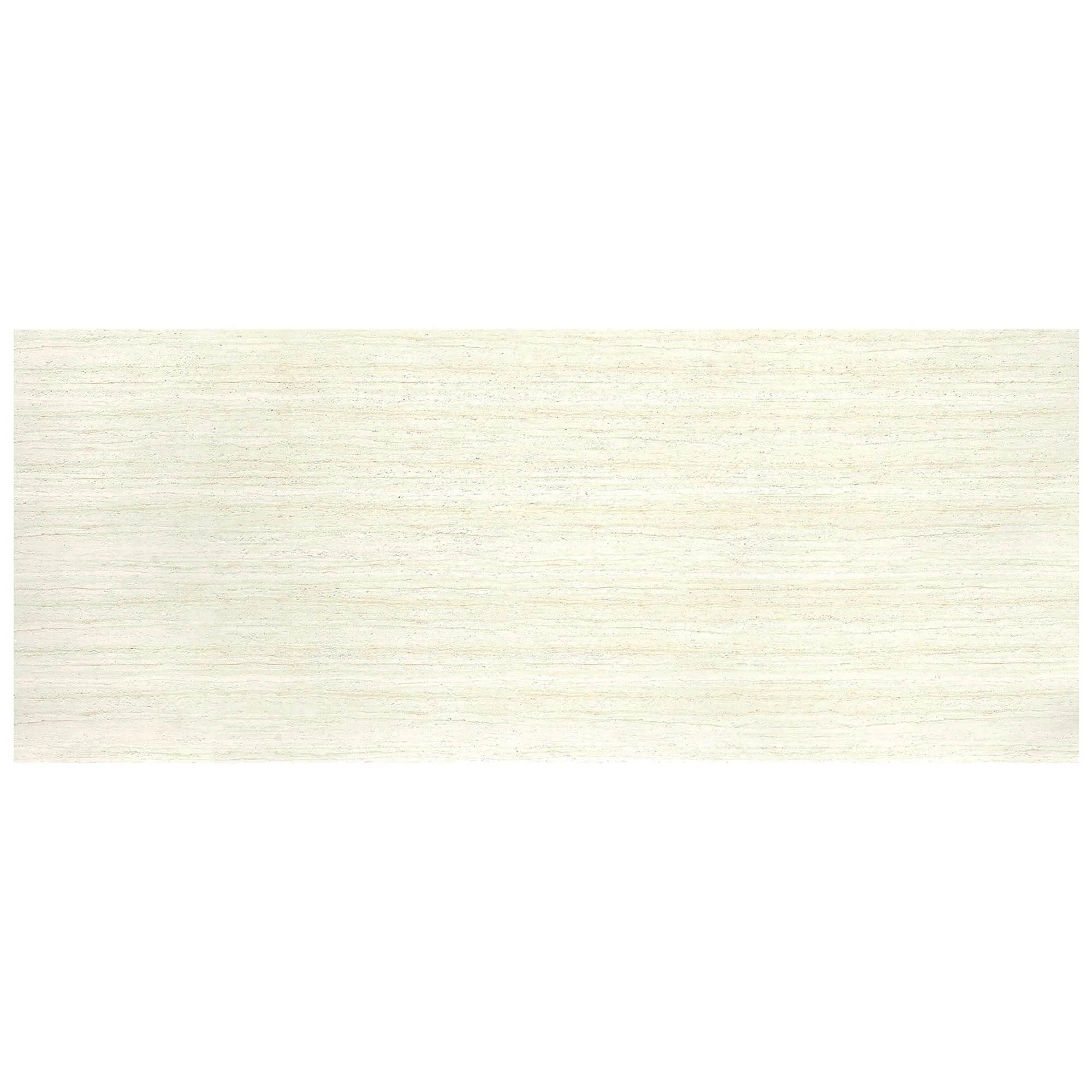
Thread texture has quietly become one of the most versatile surface finishes in modern architecture. Whether it dresses a hotel lobby, a retail counter front, or a feature wall at home, the fine, parallel relief lines of a thread-textured panel bring a restrained sense of movement to what would otherwise be a flat surface. This article shares real photos of this finish in use and walks through a few genuine project scenarios, so you can judge how it might suit your own space.
The thread finish belongs to the MCM 3D Printing Series offered by Coloria Group. Instead of a smooth or heavily patterned surface, it reproduces the look of tightly woven yarns, with delicate grooves that run in straight, disciplined rows along the panel. In real photos the effect is subtle from a distance and remarkably tactile up close: light catches each raised line and casts a thin shadow, giving the wall a soft, fabric-like depth that most flat panels cannot match.
Because the surface is printed as part of the flexible slab rather than applied as an added layer, the texture does not peel or shear off over time. This is exactly what makes thread-textured boards practical for high-traffic areas where appearance has to hold up against daily contact.
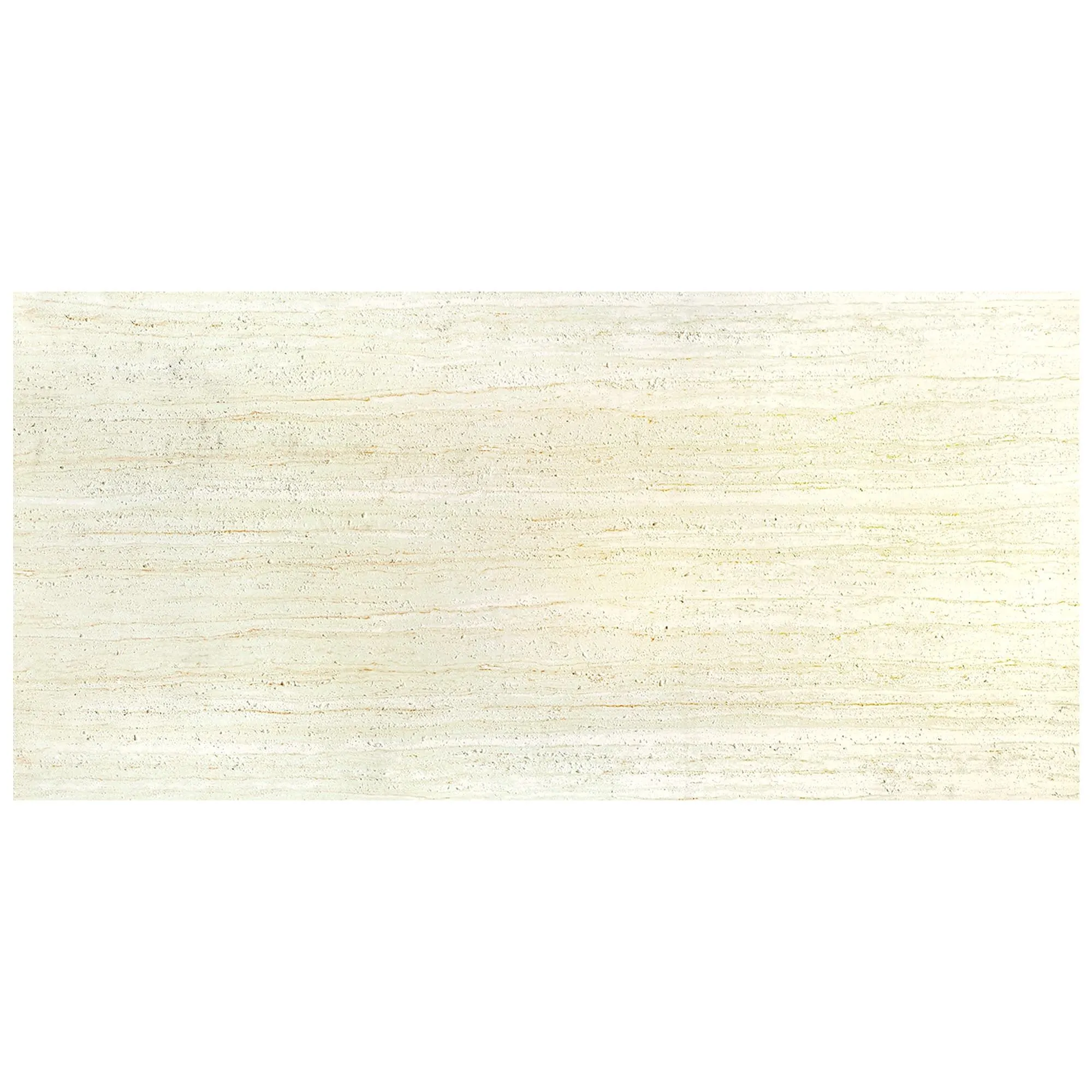
The finish works across interior and exterior settings. A frequent use is in retail and hospitality interiors, where wall panels in grey or beige thread texture provide a calm, understated backdrop that lets furniture and lighting lead the design. In one small boutique refit, the owner used thread-textured weaving boards on the changing-room walls; the linear grain made the long narrow space feel taller and added warmth without clashing with the neutral clothes display.
On commercial facades, the parallel lines read cleanly from the street and help break up large empty elevations. For cafés and co-working spaces, pairing thread panels with warm lighting softens the interior and creates a more inviting atmosphere than bare concrete. Because the material is MCM, installers can turn it around curved columns and arched openings that rigid stone cannot follow, which is a genuine advantage for furniture-rich, irregular floor plans.
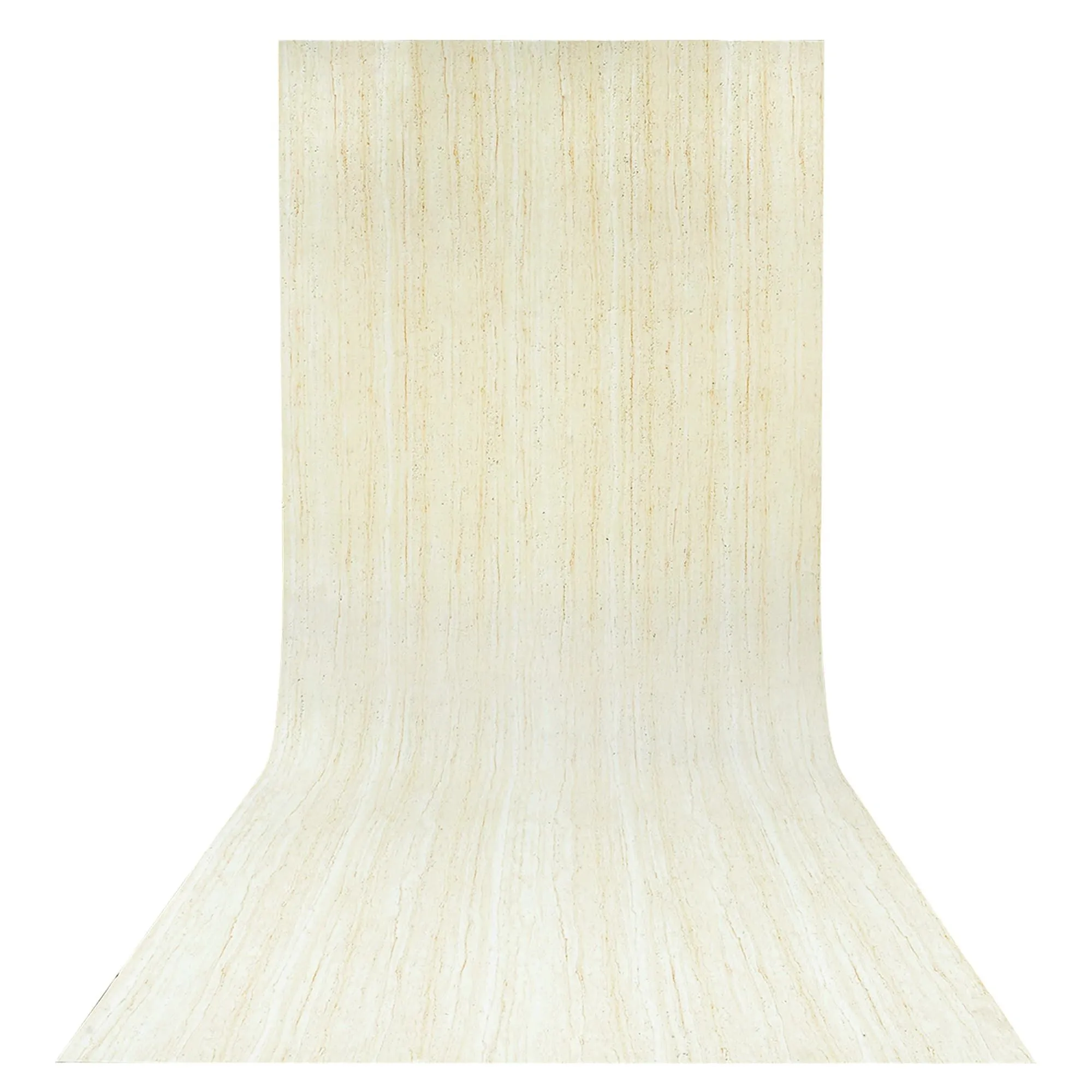
A useful example was a hotel lobby refresh where the team had less than ten days to cover roughly 200 square metres of existing drywall. Using traditional stone would have required heavy structural checks and slower cutting on site. Instead, the crew specified thread-textured flexible panels cut to size in advance, bonded them directly, and trimmed the edges with a utility knife around the columns. The whole wall surface was finished in about five days, and the hotel reopened with no dust and no extra reinforcement.
The same approach is being used in apartment entrance lobbies and office receptions, where a hand-finished, bespoke look matters but cost and schedule do too. Light sheets also mean one or two installers handle them without a crane or scaffolding, which keeps the job simple for small renovation crews.
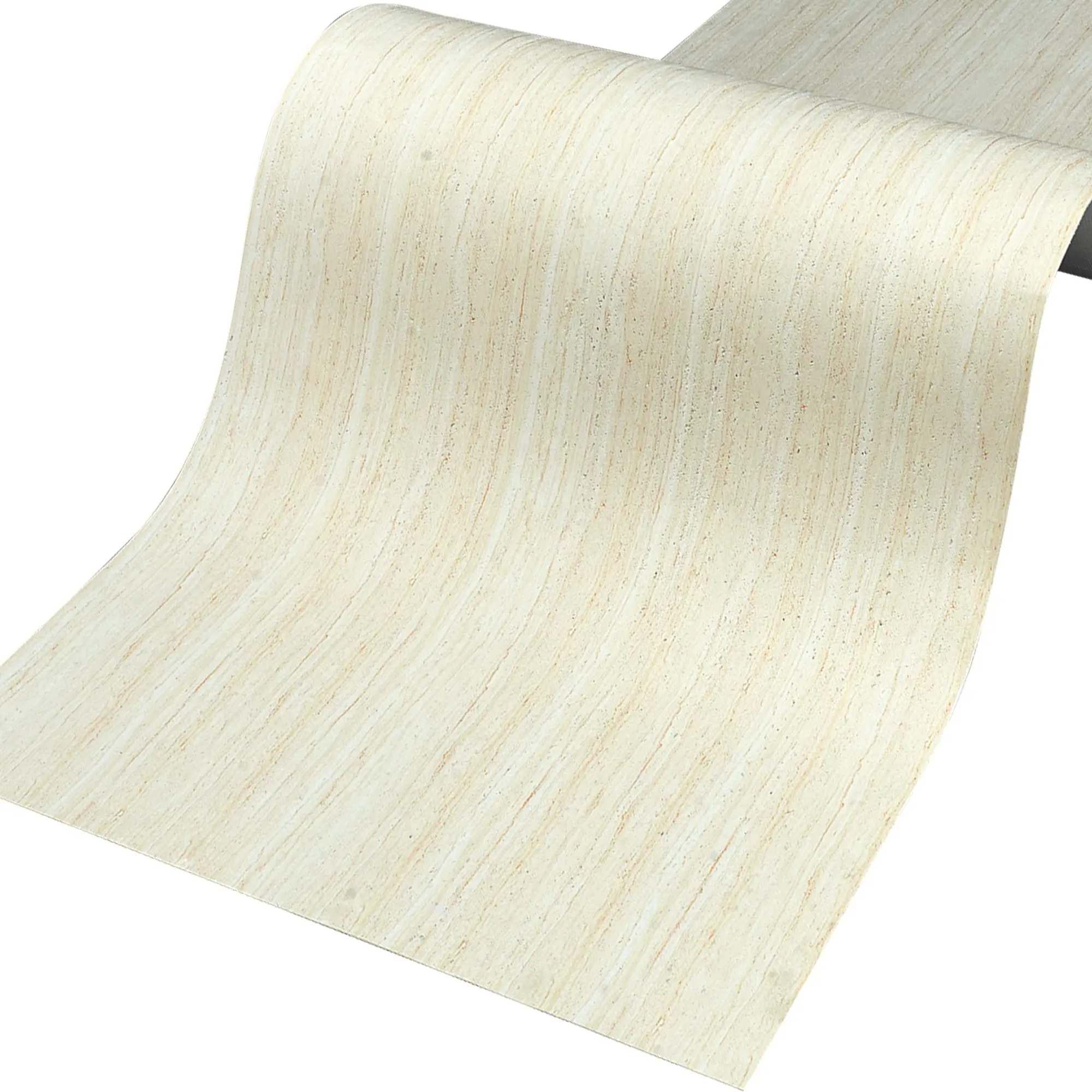
Thread-textured boards are part of the wider MCM flexible stone family, and the practical benefits are easy to list. The sheets are thin and light, so they add little load to existing walls, which matters for renovation work and for buildings with weight limits. They wrap around curves and can be cut with simple tools, which shortens installation time compared with tile or natural stone. The fire-resistant, weather-tolerant surface suits exterior cladding as well as interiors, and the printed texture means colour and pattern stay consistent across large areas with far fewer variations than a naturally quarried finish.
From a maintenance point of view, thread texture hides minor scuffs better than a high-gloss surface, and an occasional wipe keeps it looking even. For designers working to a budget, it delivers the visual richness of a woven, artisan surface at a fraction of the cost of commissioning real textile or stone detailing.
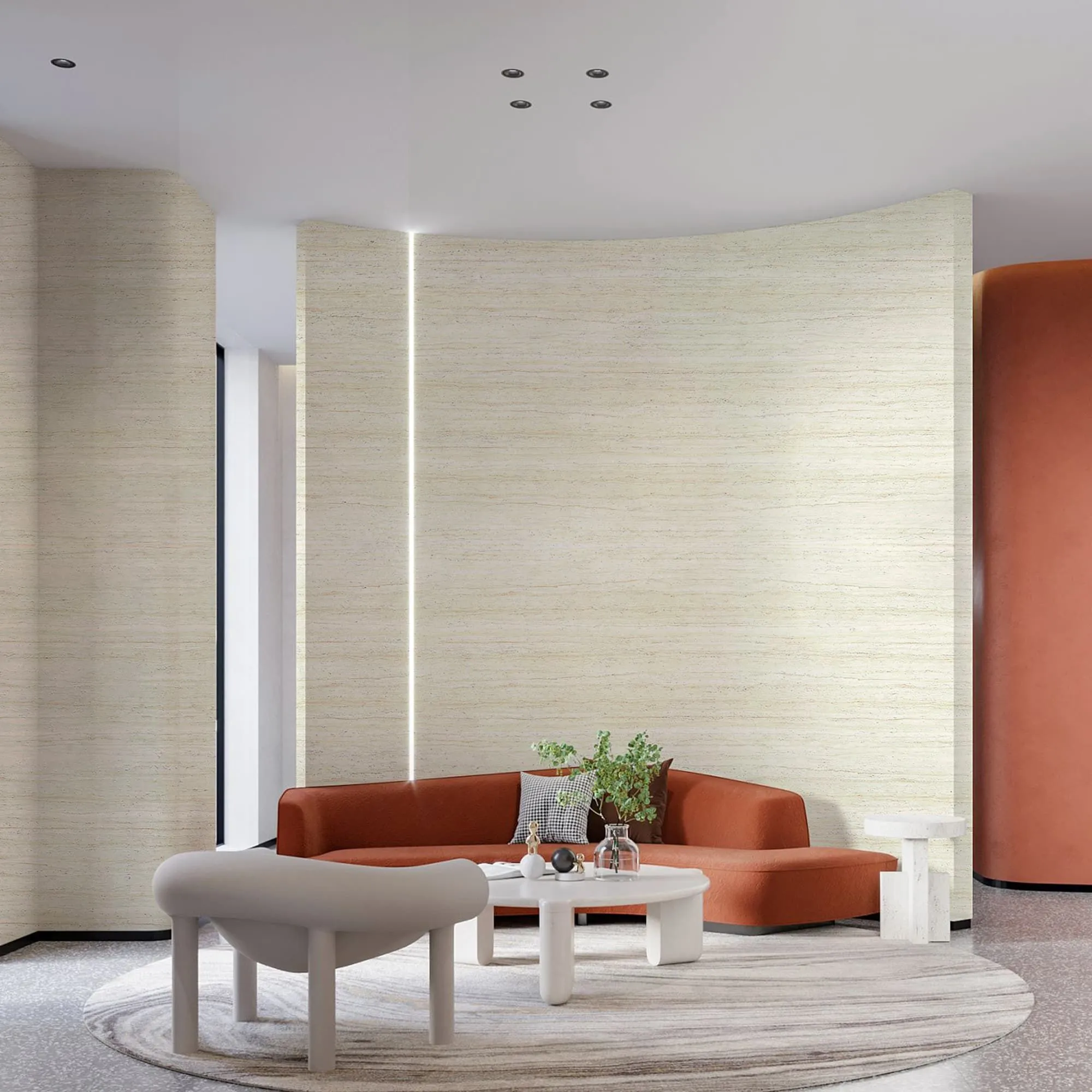
The right choice depends on the mood you want to set. A fine, close grain works best in compact spaces and subtle, minimalist interiors, keeping the wall elegant rather than busy. A bolder, wider relief is better for large elevations and feature walls where the texture is meant to be noticed. Colour matters too: pale grey and beige suit residential rooms and commercial lobbies, while deeper tones give a more dramatic backdrop in restaurants and entertainment spaces.
Before you commit, order a physical sample or study real photos of the finish in daylight and under artificial light. Texture reads very differently in the two conditions, and a small swatch on site will tell you far more than any render. If your project involves curved surfaces or tight corners, confirm the minimum bending radius with the manufacturer and test a mock-up first.
Thread texture offers an easy way to bring a soft, woven quality to plain walls, with the durability and flexibility of a modern building board. Whether you are refreshing a boutique, fitting out a reception area, or cladding a façade, Coloria Group can supply consistent, site-ready panels and help you plan the install. Contact the team to order samples and discuss your next project.
Recommend Products












