
Walk through the streets of Dubai's Design District, and you'll notice something extraordinary: buildings that seem to breathe. A hotel facade ripples like windblown sand; a museum shimmers with the soft glow of desert stars; a residential tower wraps itself in textures that feel both ancient and brand-new. This isn't magic—it's the work of MCM cladding, the unsung hero stitching together the Middle East's architectural renaissance. In a region where tradition and innovation dance in every arch and minaret, MCM (Modified Composite Material) has emerged as the thread that weaves heritage into the future. Let's pull back the curtain on how these materials are reshaping skylines, one textured panel at a time.
Middle Eastern architecture has always been a dialogue between the land and the sky. For centuries, builders used mud brick to beat the heat, marble to honor royalty, and palm fronds to soften harsh sunlight. Today, that dialogue is getting a modern upgrade. Architects in Riyadh, Abu Dhabi, and Doha aren't just building structures—they're crafting narratives. And MCM cladding? It's their most versatile storytelling tool yet.
Consider the challenge: how do you design a skyscraper that can withstand 50°C summers, sandstorms that scour surfaces, and the region's growing demand for sustainable, low-maintenance buildings—all while nodding to the cultural symbols that make places like Jeddah or Muscat feel like home? Traditional materials often fall short. Marble is heavy and prone to cracking in heat; natural stone is expensive to quarry and transport; wood warps in humidity. Enter MCM: a family of engineered materials that mimic the look and feel of natural elements but with superpowers. Lightweight enough to clad a 100-story tower, flexible enough to curve around a mosque's dome, and durable enough to laugh off sandstorms—MCM isn't just a material. It's a problem-solver with a poetic streak.
Let's get up close with the materials that are turning heads. These aren't just panels—they're characters in the region's architectural story, each with its own personality and purpose.
Imagine trying to wrap a traditional stone slab around a curved facade. It would crack, or require so many seams it looks patchy. Now picture a material that bends like leather but wears the face of limestone, granite, or sandstone. That's MCM flexible stone in action. In Dubai's Al Wasl Plaza, the iconic dome's undulating surface isn't covered in marble—it's MCM flexible stone shaped to mimic the ripples of a desert oasis. "We wanted the dome to feel organic, like it was sculpted by wind," says architect Amina Khalid, who worked on the project. "Flexible stone let us do that without compromising on durability. Even after two years of summer heat, it still looks as crisp as the day it was installed."
What makes it special? A thin layer of natural stone particles bonded to a flexible backing, making it 70% lighter than traditional stone. It's also water-resistant, which is a game-changer in coastal cities like Doha, where salt air eats away at lesser materials. Installers love it too—no heavy cranes needed; just teams of workers carrying panels as easily as they would carry a large painting.
Luxury in the Middle East isn't just about opulence—it's about warmth. Enter foamed aluminium alloy board (vintage gold) , a material that turns buildings into beacons of soft light. Take the lobby of Riyadh's Azur Hotel: its walls are clad in this vintage gold panels, and the effect is mesmerizing. During the day, sunlight filters through the floor-to-ceiling windows, hitting the porous aluminium surface and scattering into a thousand golden flecks—like sunlight on desert sand. At night, LED strips behind the panels glow gently, turning the space into a cozy, amber-lit retreat.
Foamed aluminium isn't just pretty; it's practical. The foam structure acts as insulation, keeping interiors cool in summer and warm in winter. And unlike solid gold leaf (which fades and scratches), vintage gold aluminium develops a rich patina over time, growing more beautiful with age. "Our clients wanted something that felt timeless," says interior designer Karim Nasser, who chose the material for Azur. "This aluminium doesn't just look like it's been around for decades—it will be around for decades, still shining."
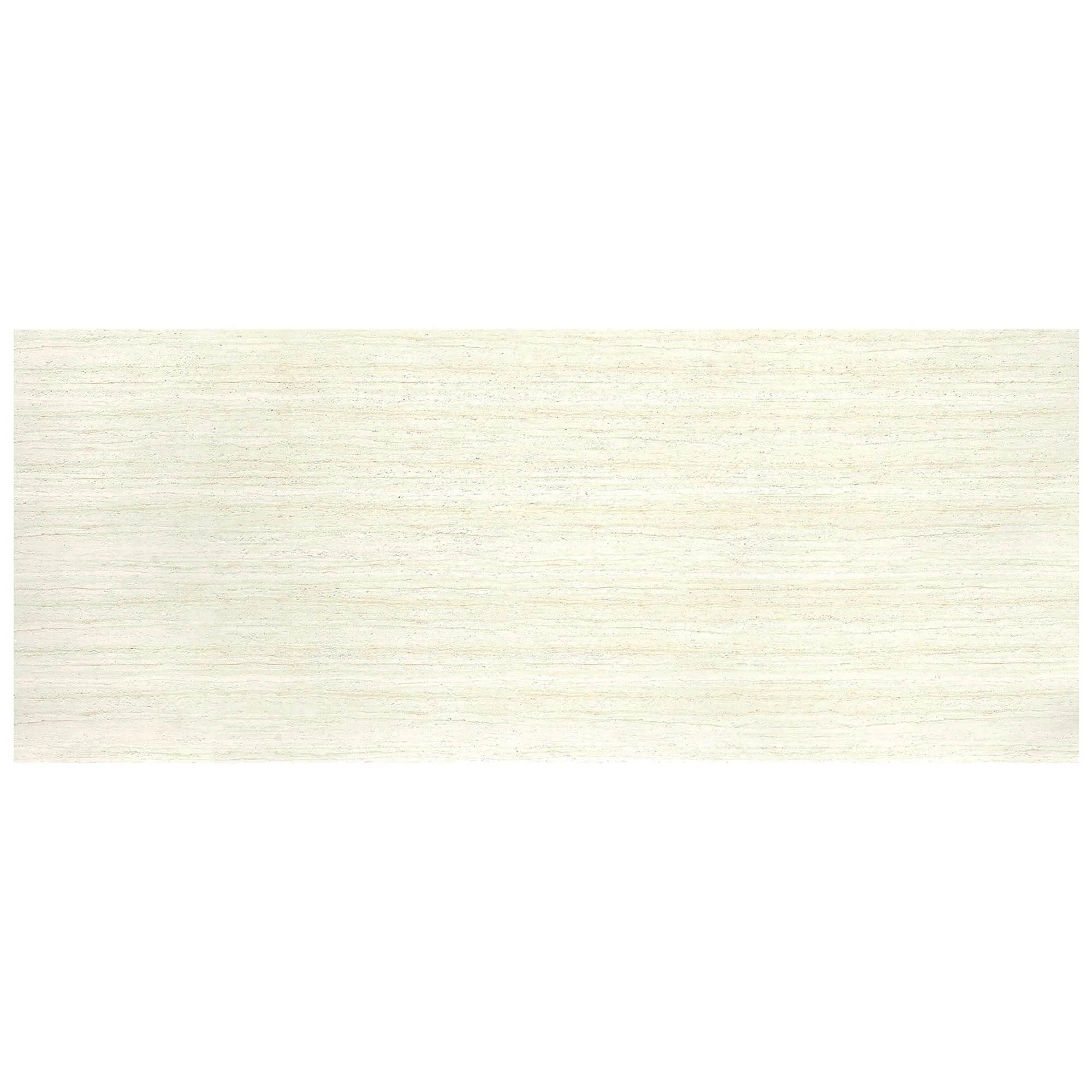
Desert nights are a spectacle—ink-black skies pricked with stars so bright they seem close enough to touch. Travertine (starry blue) captures that magic in stone. At Sharjah's Sheikh Zayed Cultural Center, the exterior is clad in these panels, each embedded with tiny, iridescent glass particles that catch the light. Stand across the street at dusk, and the building glows like a piece of the night sky fallen to earth. "We wanted visitors to feel that connection to the desert," says project lead architect Hana Al-Mansoori. "Older generations here grew up navigating by the stars; this travertine is our way of keeping that tradition alive in a modern building."
Starry blue travertine isn't just for show. The glass particles reflect sunlight, keeping the building cooler during the day, while the travertine's natural pores absorb sound—perfect for a cultural center that hosts concerts and lectures. Local schoolchildren often press their palms against the panels, tracing the "stars" and making up constellations, turning the building into an interactive exhibit itself.
Not all MCM materials shout. Some whisper, and fair-faced concrete is the master of the whisper. In Abu Dhabi's Masjid Al Rahma, a minimalist mosque that opened in 2024, the walls are made of this raw, unpolished concrete. No paint, no tiles—just the natural texture of the material, with visible aggregate and subtle variations in color. "Concrete can feel cold, but fair-faced concrete here feels serene," says Imam Abdullah Faraj. "It's simple, which helps worshippers focus. The way light filters through the windows, casting shadows on the walls… it's like the Quran's verses written in light."
Engineers love its sustainability credentials: it's made with recycled aggregates, and its thermal mass keeps the mosque cool without cranking up the AC. "We cut energy costs by 30% compared to traditional mosques," says project engineer Omar Saeed. "And because it's so low-maintenance, we spend less on upkeep—money we can put back into community programs."
For projects that nod to the region's agricultural roots, bamboo mat board is the go-to. In Oman's Salalah Resort, the lobby is lined with panels that look like woven palm fronds—but they're actually MCM bamboo mat board. "Palm fronds are beautiful, but they rot in humidity," explains resort designer Layla Al-Zadjali. "Bamboo mat board gives us that same organic, textured look, but it's treated to resist moisture and pests. Guests run their hands over it and say, 'This feels like my grandmother's house.' That's the connection we wanted."
Made from bamboo fibers bonded to a rigid backing, it's also eco-friendly—bamboo grows back in three years, making it a renewable resource. And unlike real palm fronds, it won't fade in sunlight, so the resort's lobby will stay looking fresh for years to come.
To see MCM cladding's storytelling power in full effect, look no further than Sharjah's Al-Mansoora Museum, which opened in 2023. Dedicated to Emirati history, the building itself is a exhibit, with every material chosen to reflect a chapter of the region's past.
The entrance, a sweeping arch, is clad in MCM flexible stone shaped to mimic the curves of a traditional Emirati wind tower. "Wind towers are symbols of our ancestors' ingenuity—they cooled homes before electricity," says museum director Khalid bin Sultan. "Using flexible stone here was a way to honor that." Inside, the main hall's walls are travertine (starry blue) , evoking the night skies under which Bedouin travelers once navigated. The education wing features bamboo mat board, a nod to the date palm plantations that sustained communities for centuries. And the rooftop terrace? Foamed aluminium alloy board (vintage gold) railings that catch the sunset, turning the space into a golden haven for visitors to reflect on what they've learned.
The result? A museum that doesn't just display history—it embodies it. "Visitors often tell us the building feels 'alive,'" bin Sultan says. "That's MCM's magic. It's not just a shell; it's part of the story."
In a region grappling with climate change, sustainability isn't a buzzword—it's a necessity. MCM cladding checks all the boxes, and here's why:
"Sustainability used to mean compromising on design," says green architect Youssef Ahmed, who specializes in eco-friendly projects in the UAE. "Now, with MCM, we can have both. A building can look stunning and leave a tiny carbon footprint. That's revolutionary."
| Material | Weight (kg/m²) | Installation Time | Expected Lifespan | Eco-Feature |
|---|---|---|---|---|
| Traditional Marble | 45–50 | 3–4 days per 100m² | 20–30 years | High water use in quarrying |
| MCM Flexible Stone | 12–15 | 1 day per 100m² | 50+ years | Uses recycled stone particles |
| Natural Aluminium | 25–30 | 2 days per 100m² | 30–40 years | Energy-intensive to produce |
| Foamed Aluminium (Vintage Gold) | 8–10 | 1 day per 100m² | 60+ years | 100% recyclable; low embodied energy |
| Traditional Travertine | 35–40 | 2.5 days per 100m² | 30–40 years | High transportation emissions |
| Travertine (Starry Blue) | 14–16 | 1.5 days per 100m² | 50+ years | Lightweight = lower transport emissions |
The Middle East's love affair with MCM is just getting started. Architects and designers are already dreaming up new ways to push the material's limits, and three trends are emerging:
The MCM 3D printing series is set to revolutionize cladding. Imagine a facade covered in panels printed to replicate the texture of ancient rock carvings, or a hotel lobby with 3D-printed MCM tiles that tell a story through their patterns. "We're working on a project in Riyadh where the client wants the exterior to feature traditional Najdi poetry," says 3D printing specialist Fahad Al-Mansoori. "With 3D-printed MCM, we can etch the verses directly into the panels, making the building a living poem."
What if your building's facade could adapt to the weather? Early prototypes of MCM cladding with integrated sensors are being tested in Abu Dhabi. These panels can darken to reflect sunlight on scorching days, reducing interior temperatures by up to 10°C, or lighten to absorb warmth on cool winter evenings. "It's like giving the building a skin that regulates its temperature," says materials scientist Lina Faraj. "The possibilities for energy savings are huge."
Designers are increasingly blending MCM with traditional crafts. In a upcoming mosque in Muscat, MCM panels will be printed with patterns inspired by Omani silver jewelry, then finished with hand-painted gold accents by local artisans. "It's about merging the best of old and new," says architect Zayed Al-Harthy. "MCM gives us the durability; the artisans give us the soul."
In the end, MCM cladding isn't just about buildings—it's about people. It's the way a child runs her hand over travertine (starry blue) and gasps, "It's like touching the stars." It's the architect who smiles when she sees her curved facade holding strong after a sandstorm. It's the community that gathers in a plaza with foamed aluminium railings, finding joy in the way the setting sun turns the space golden.
The Middle East's architectural journey has always been about balance—between tradition and progress, between desert and city, between the past and the future. MCM cladding is the thread that holds that balance together, strong yet flexible, durable yet full of heart. As the region continues to grow, one thing is clear: these materials won't just shape skylines—they'll shape stories, memories, and identities for generations to come.
Recommend Products












