
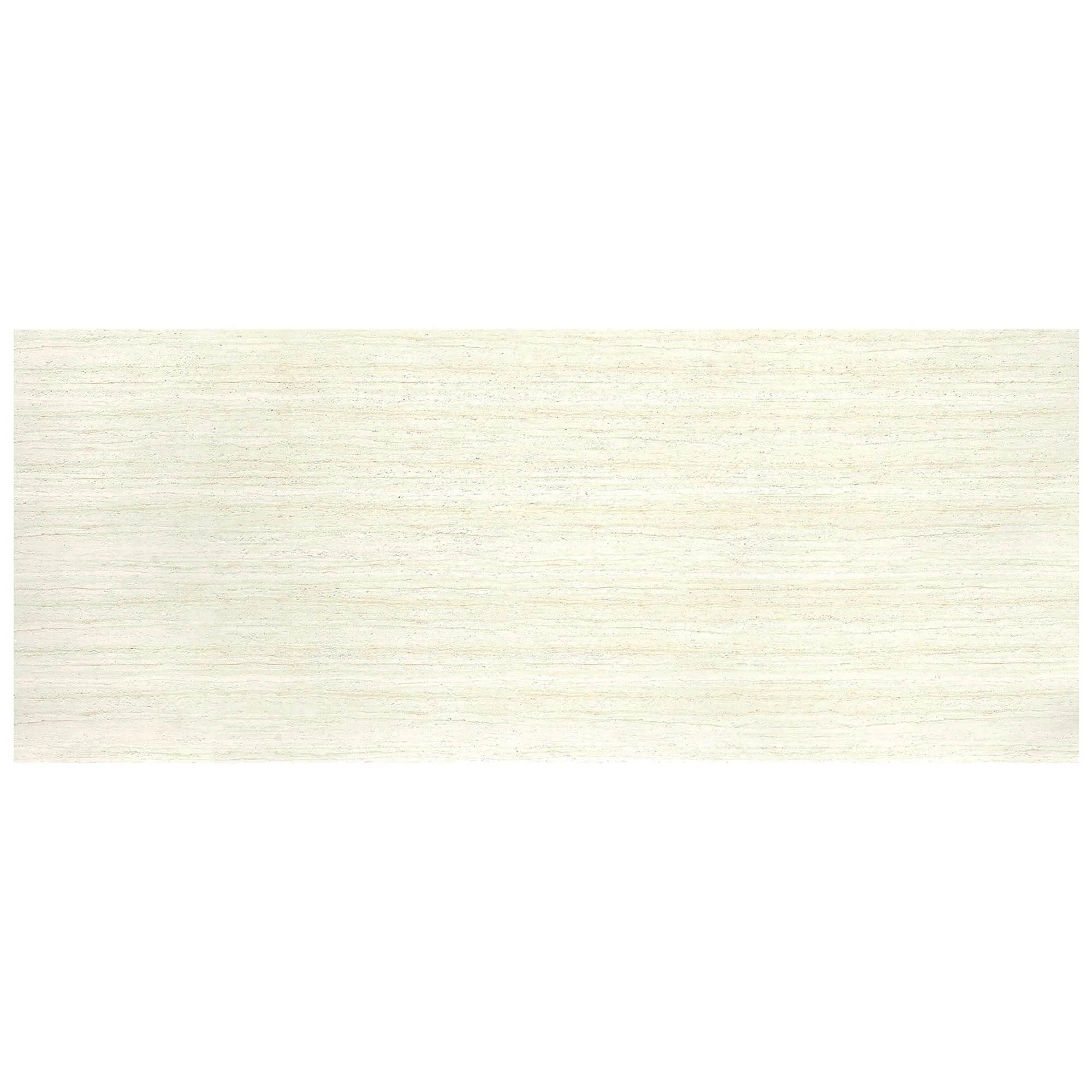
Texture is the silent storyteller of interior design. It doesn't just catch the eye—it tugs at the senses, shapes moods, and turns ordinary spaces into places that feel alive. When it comes to modern decorative materials, few offer the texture versatility of MCM (Modified Composite Material) panels. Among their many design possibilities, two textures stand out for their ability to transform rooms: thread and grain . One is sleek, linear, and full of subtle rhythm; the other is organic, earthy, and rich with natural character. Let's dive into what makes them unique, how they differ, and how to choose the right one for your space.
First, let's get to know the star of the show: MCM decorative panels. These innovative materials are crafted from modified composite materials, designed to mimic the look and feel of natural elements like stone, wood, or fabric—without the heaviness, cost, or maintenance headaches. At the heart of their appeal is MCM flexible stone , a lightweight yet durable option that bends to fit curved surfaces, making it perfect for creative installations. Whether you're revamping a home, office, or retail space, MCM panels offer endless texture possibilities, and today, we're zeroing in on two of the most popular: thread and grain.
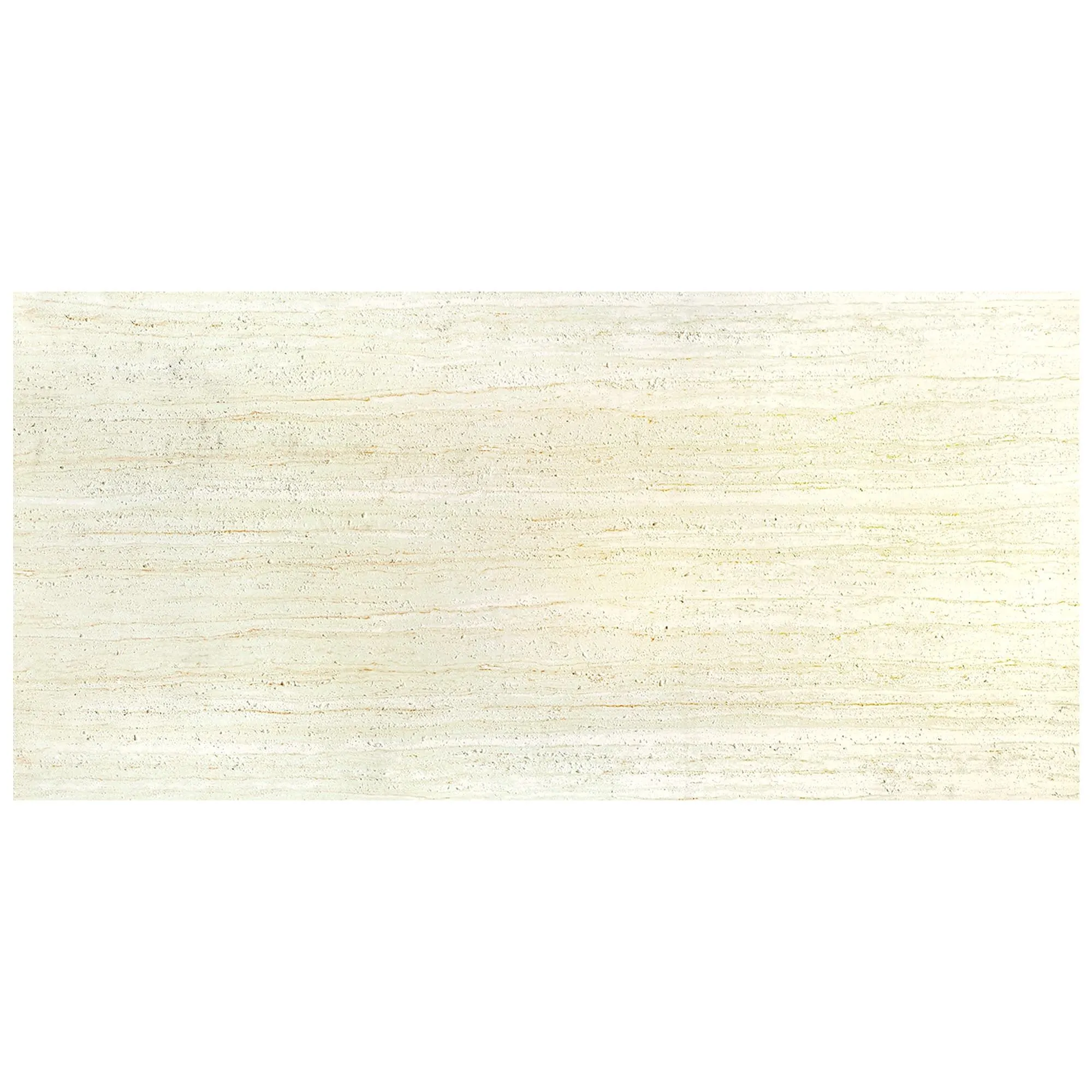
If grain textures are the "wildflower" of design, thread textures are the "tailored suit"—sleek, intentional, and full of understated sophistication. Think of thread textures as nature's own embroidery: fine, linear patterns that flow in straight lines, gentle curves, or intricate weaves, creating a sense of movement and order. These textures are all about precision, often mimicking textiles like linen, silk, or woven fabrics.
Take weaving (khaki) , a popular MCM thread texture, as an example. Run your hand over it, and you'll feel the subtle ridges of interlacing "threads," each one pressed into the panel's surface to replicate the look of handwoven fabric. The khaki hue adds warmth, making it a versatile choice for spaces that want to balance modernity with coziness. Unlike real woven textiles, though, MCM thread panels are water-resistant, scratch-proof, and easy to clean—so that café wall with a weaving (khaki) accent won't fade or fray, even with daily wear.
How are these textures made? MCM manufacturers often use advanced 3D printing or embossing techniques to etch fine lines into the panel's surface. The result? A texture that's visually striking up close but softens into a gentle pattern from afar. Thread textures thrive in spaces that crave order: minimalist offices, modern living rooms, or boutique hotel lobbies. They work wonders as accent walls, adding depth without overwhelming the eye, or as cabinet fronts in kitchens where clean lines are king.
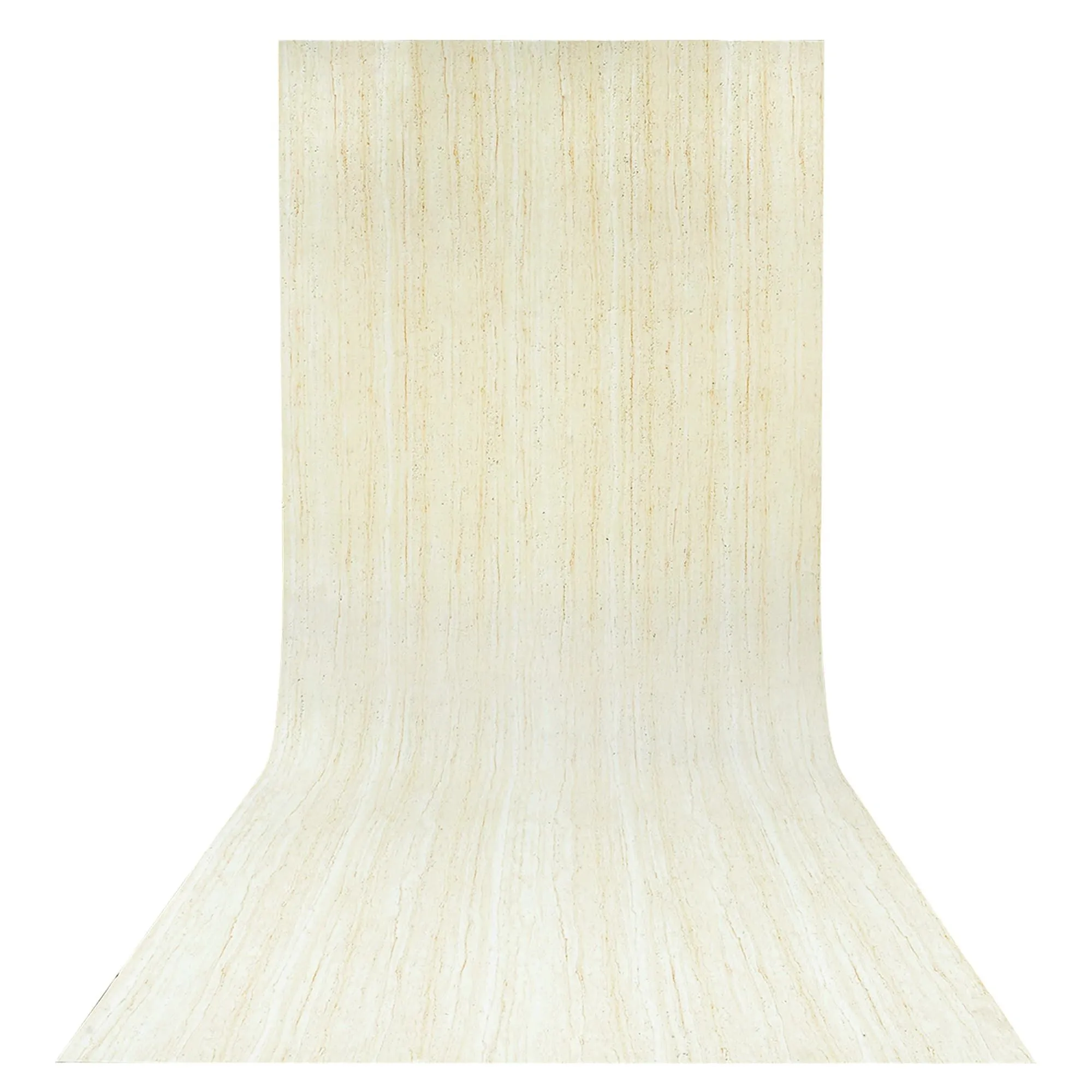
Grain textures are the opposite of thread—they're the design world's love letter to nature's imperfection. Think of the swirls in a piece of oak, the veins in a slab of travertine (beige) , or the rough-hewn lines of a weathered log. Grain textures are organic, irregular, and full of personality, mimicking the way natural materials grow, erode, or form over time. They're all about depth, with patterns that draw the eye in, inviting you to trace their meandering paths.
Wood grain board is a classic example of a grain texture. MCM wood grain panels replicate the look of real wood so faithfully, you'll swear you can see the annual rings and tiny knots. But unlike real wood, they won't warp, crack, or require regular staining. Imagine installing wood grain board on a bedroom accent wall: the warm, honey-toned "grain" would make the space feel like a cozy cabin, even in the heart of the city. Pair it with soft lighting, and the texture comes alive, casting subtle shadows that change with the time of day.
Then there's travertine (beige) , a stone-inspired grain texture that brings the earthy elegance of natural travertine to MCM panels. Its grain is soft and porous-looking, with tiny "holes" and veiny patterns that mimic the stone's natural formation. Beige travertine grain adds a sense of calm, making it ideal for spas, yoga studios, or bedrooms where relaxation is key. And because it's MCM flexible stone, you can even use it on curved surfaces—like a rounded fireplace surround—to bring that organic warmth to unexpected places.
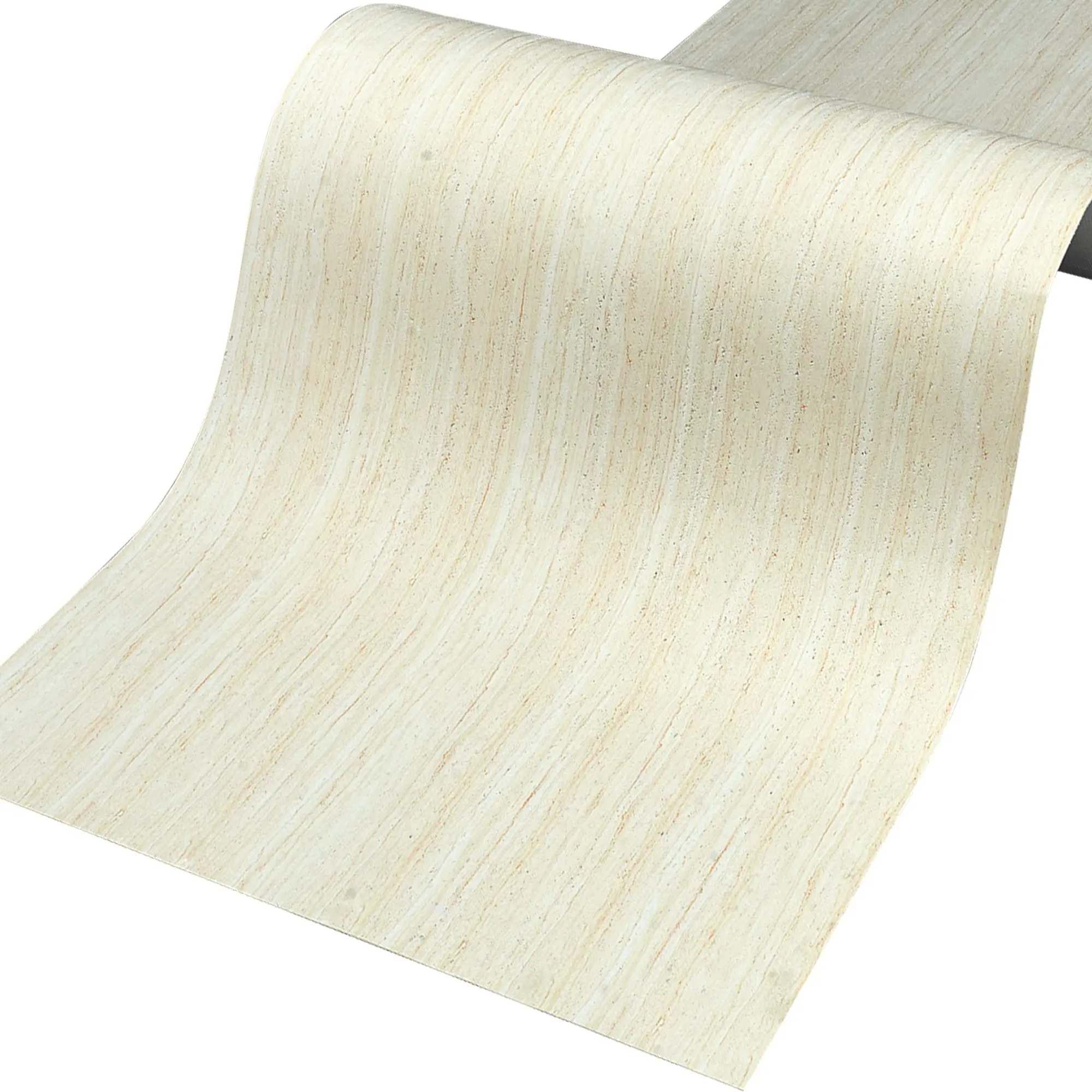
Still not sure whether thread or grain is right for your project? Let's break down their key differences:
| Aspect | Thread Textures | Grain Textures |
|---|---|---|
| Visual Vibe | Sleek, linear, ordered; like woven fabric or fine lines | Organic, irregular, natural; like wood grain or stone veins |
| Key Examples | weaving (khaki), linear thread patterns | wood grain board, travertine (beige), wood line |
| Best For Spaces | Modern, minimalist, or contemporary designs; small spaces (adds order without clutter) | Rustic, earthy, or cozy designs; large spaces (adds warmth and depth) |
| Sensory Feel | Smooth with subtle, regular ridges; feels "tailored" | Varied, with uneven textures; feels "natural" or "handmade" |
| Mood | Calm, sophisticated, intentional | Warm, inviting, grounded |
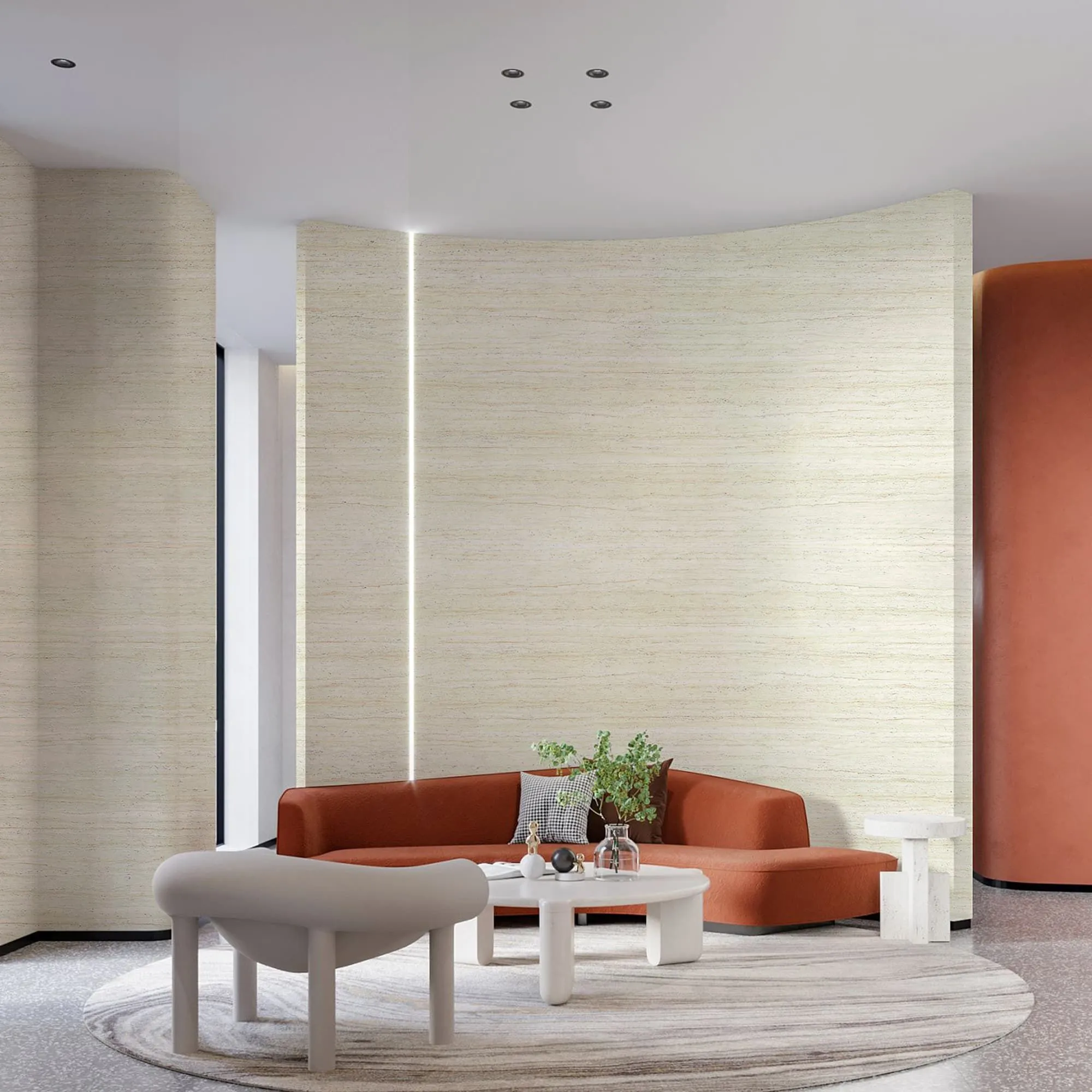
At the end of the day, the choice between thread and grain comes down to the mood you want to create. Ask yourself: Does your space need order or warmth? Modernity or tradition? Let's say you're designing a small apartment with a minimalist aesthetic. A thread texture like weaving (khaki) on the living room wall would open up the space, adding subtle interest without overwhelming it. On the other hand, if you're revamping a mountain cabin, wood grain board panels on the ceiling would amplify that cozy, "home in the woods" feel, making every guest want to curl up with a book.
Don't forget to consider lighting, too. Thread textures shine in spaces with soft, diffused light—think north-facing rooms or spaces with pendant lights—where their linear patterns cast gentle shadows. Grain textures, meanwhile, love natural sunlight; the way light hits the uneven surface of travertine (beige) or wood grain board makes their patterns pop, adding layers of depth.
Thread and grain textures aren't just "decorative"—they're storytellers. A thread texture whispers, "This space is intentional, refined, and ready for the modern world." A grain texture says, "Come in, stay awhile; this space is rooted in nature, warmth, and authenticity." And with MCM panels like flexible stone, wood grain board, and weaving (khaki), you don't have to sacrifice durability for beauty—you can have both.
So whether you're team thread, team grain, or somewhere in between, remember: texture is the secret ingredient that turns a "house" into a "home" or an "office" into a "space people love." And with MCM decorative panels, the only limit is your imagination.
Recommend Products












