
Exploring the Art of Texture in Modern Architectural Design
Texture is the silent storyteller of design. It doesn't just catch the eye—it invites touch, evokes emotion, and turns ordinary spaces into experiences. In the world of Modern Composite Materials (MCM), where innovation meets aesthetics, two textures stand out for their ability to transform surfaces: Thread and Groove . Whether you're designing a cozy home, a bustling café, or a landmark commercial building, choosing between these two can mean the difference between a surface that fades into the background and one that becomes the heart of your project. Let's dive into their nuances, their personalities, and how they can elevate your next MCM endeavor.
Before we compare, let's get intimate with each texture. Think of them as two distinct dialects in the language of design—each with its own vocabulary of lines, depths, and feelings.
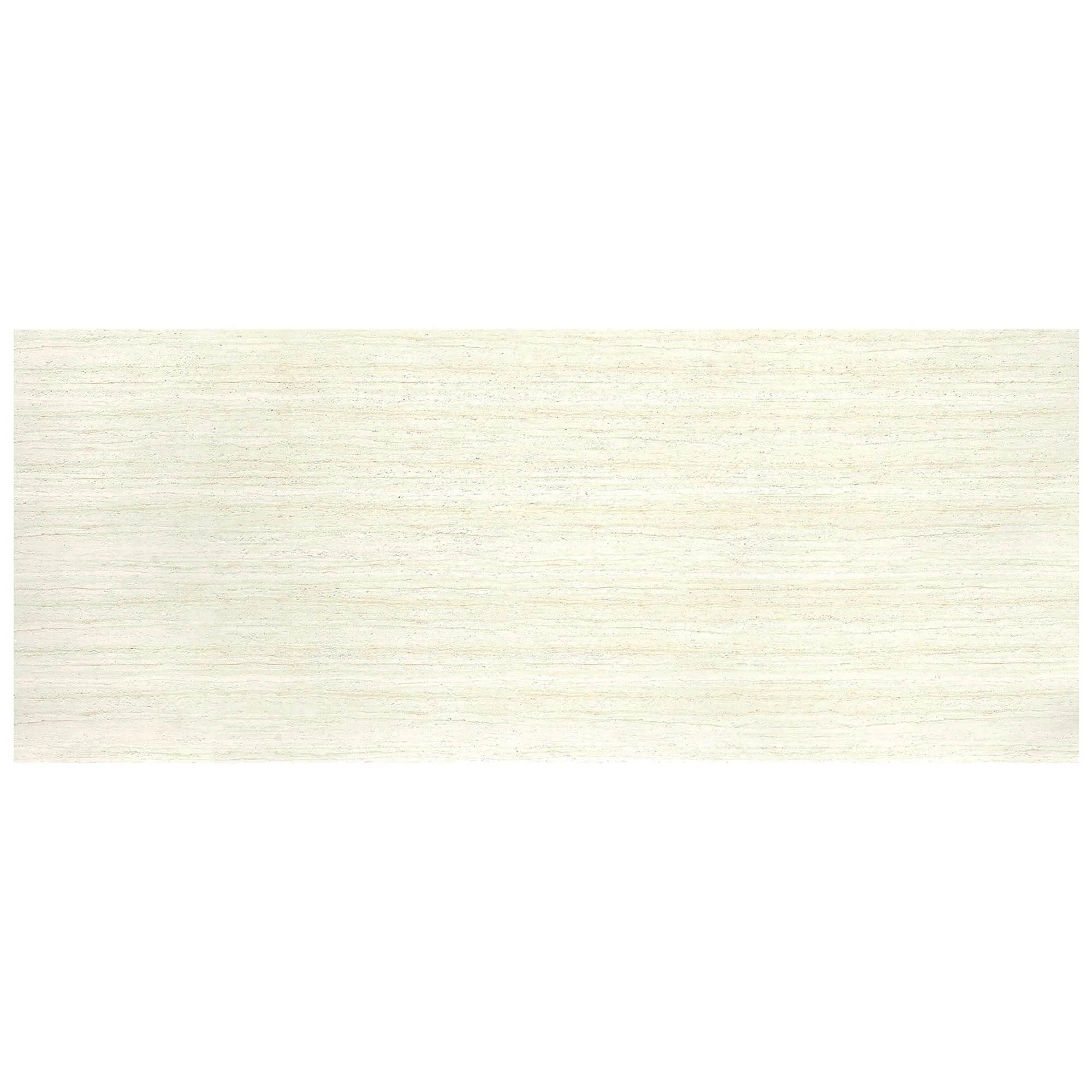
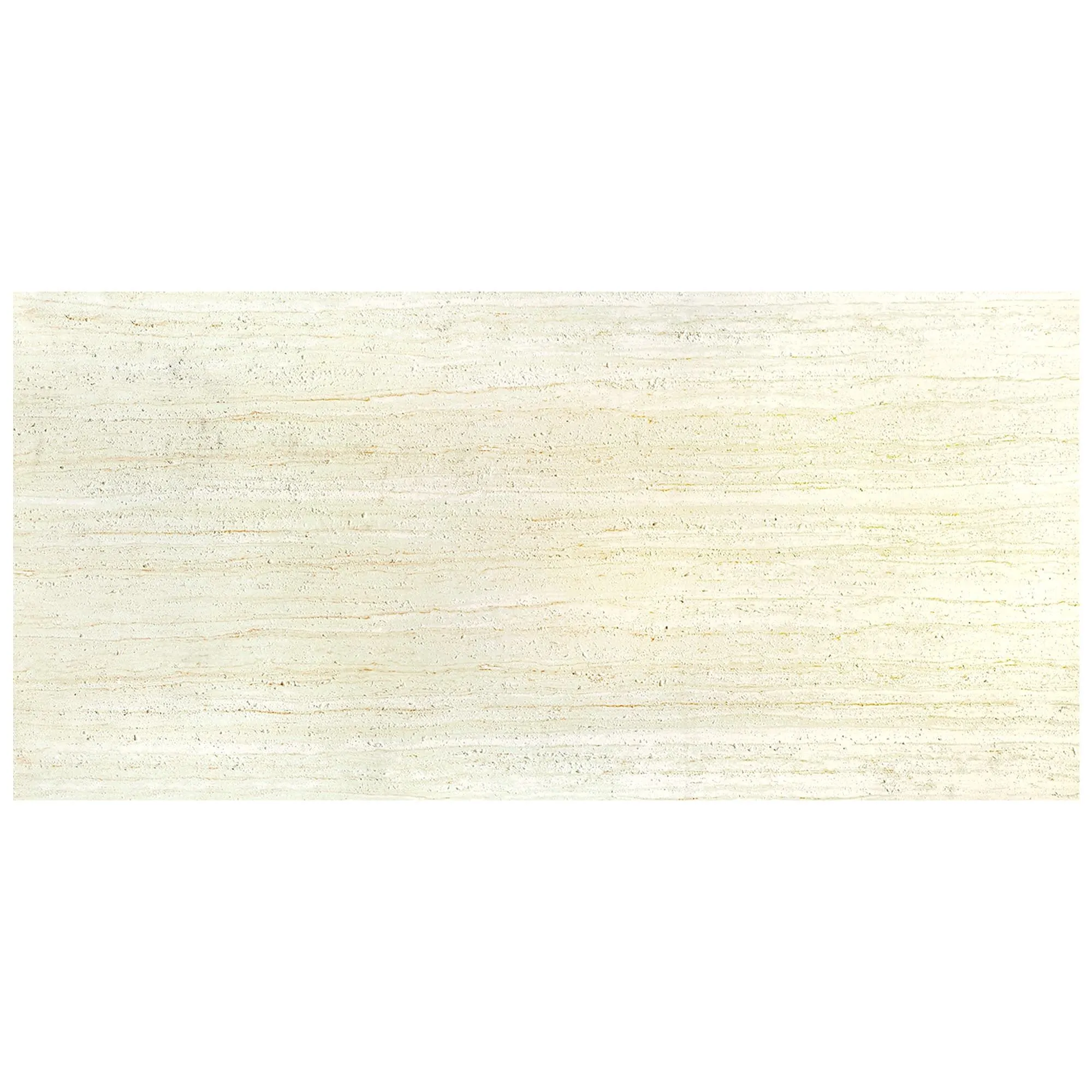
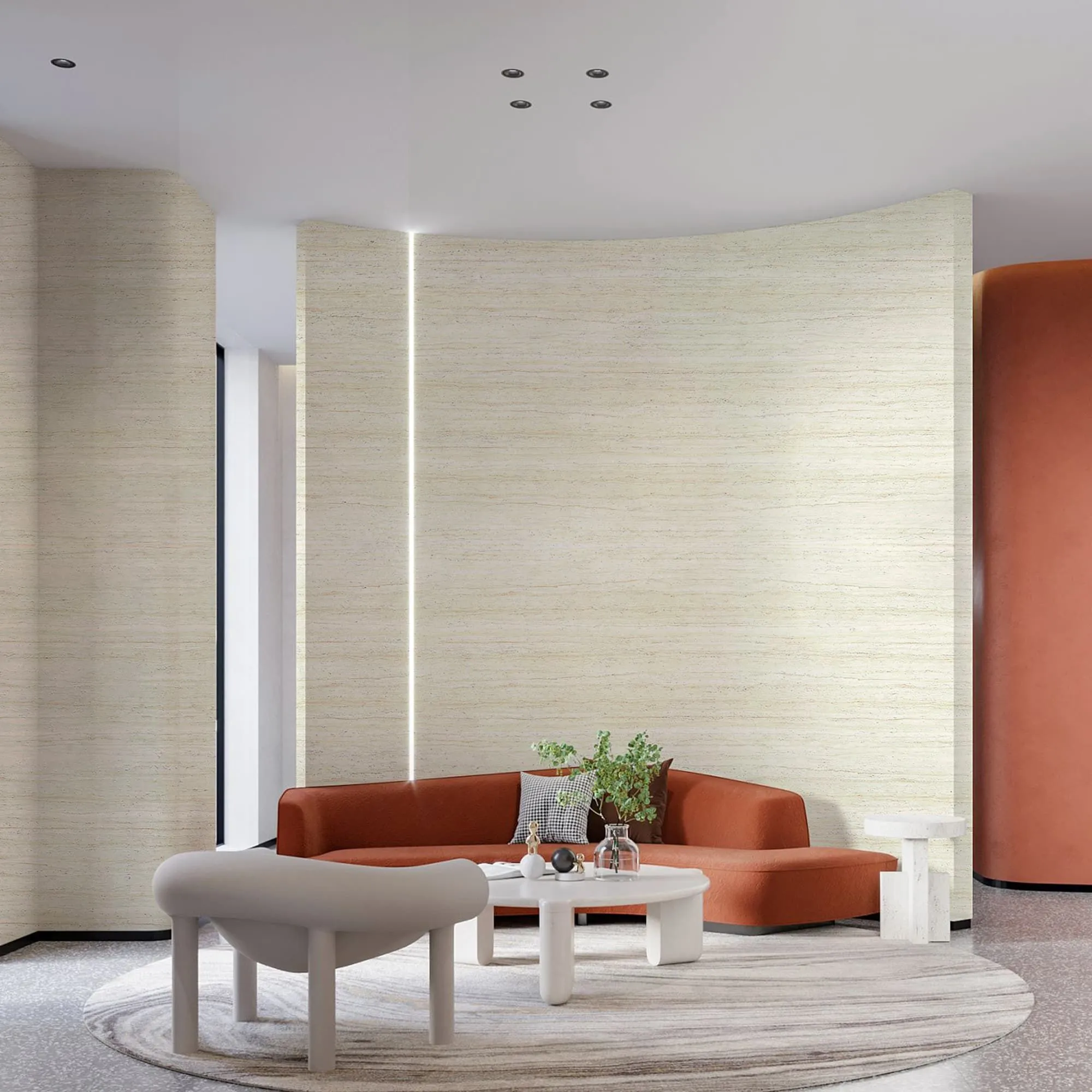
Run your hand over a surface that feels like fine linen woven with care, and you'll understand Thread texture. It's defined by delicate, parallel lines that flow seamlessly, like threads stitched into fabric or ripples spreading across a calm pond. These lines are shallow, often less than 2mm deep, and spaced closely together, creating a sense of continuity and calm. Thread texture doesn't shout—it murmurs, adding warmth without overwhelming. It's the texture of quiet confidence, perfect for spaces where you want to evoke serenity, elegance, or a touch of nostalgia.
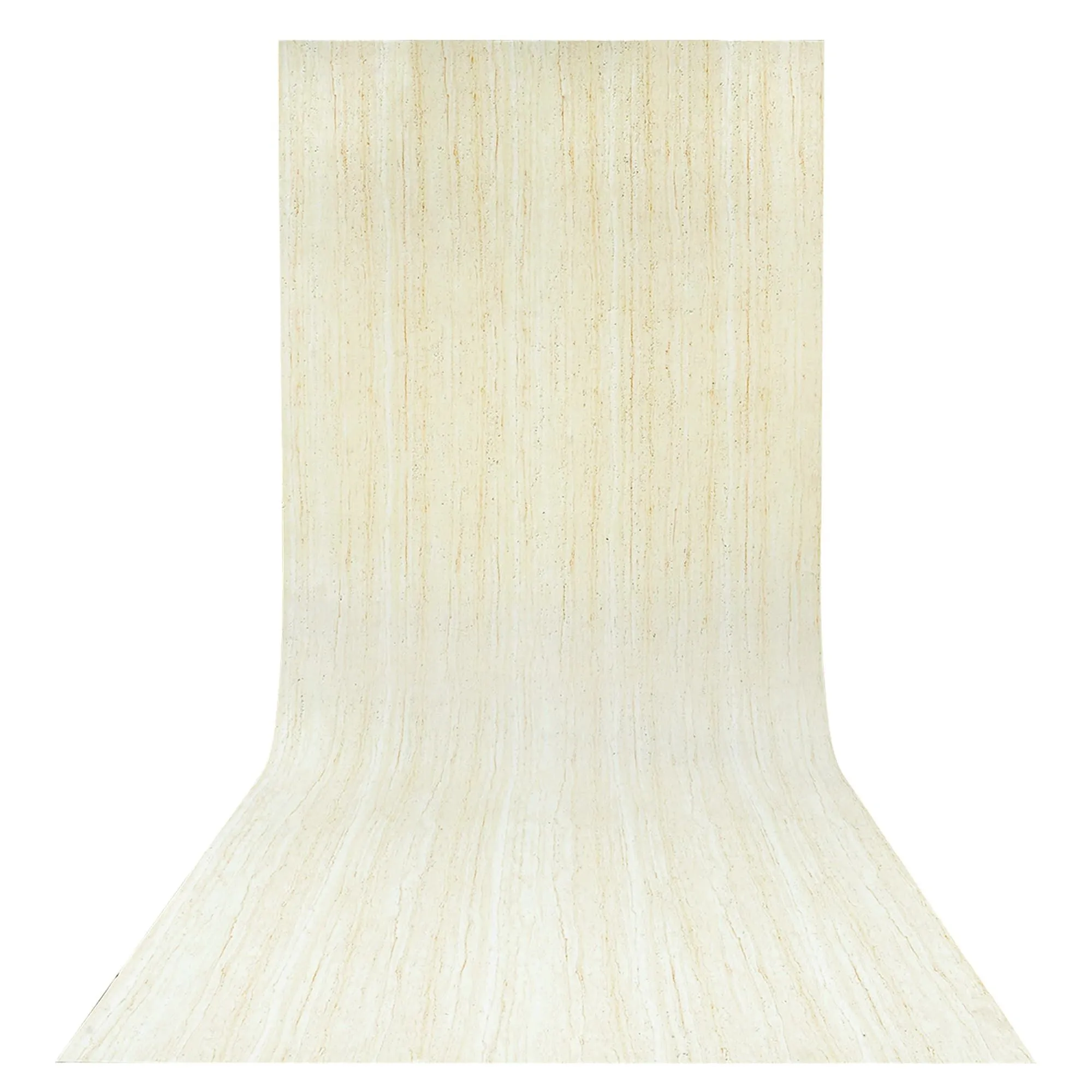
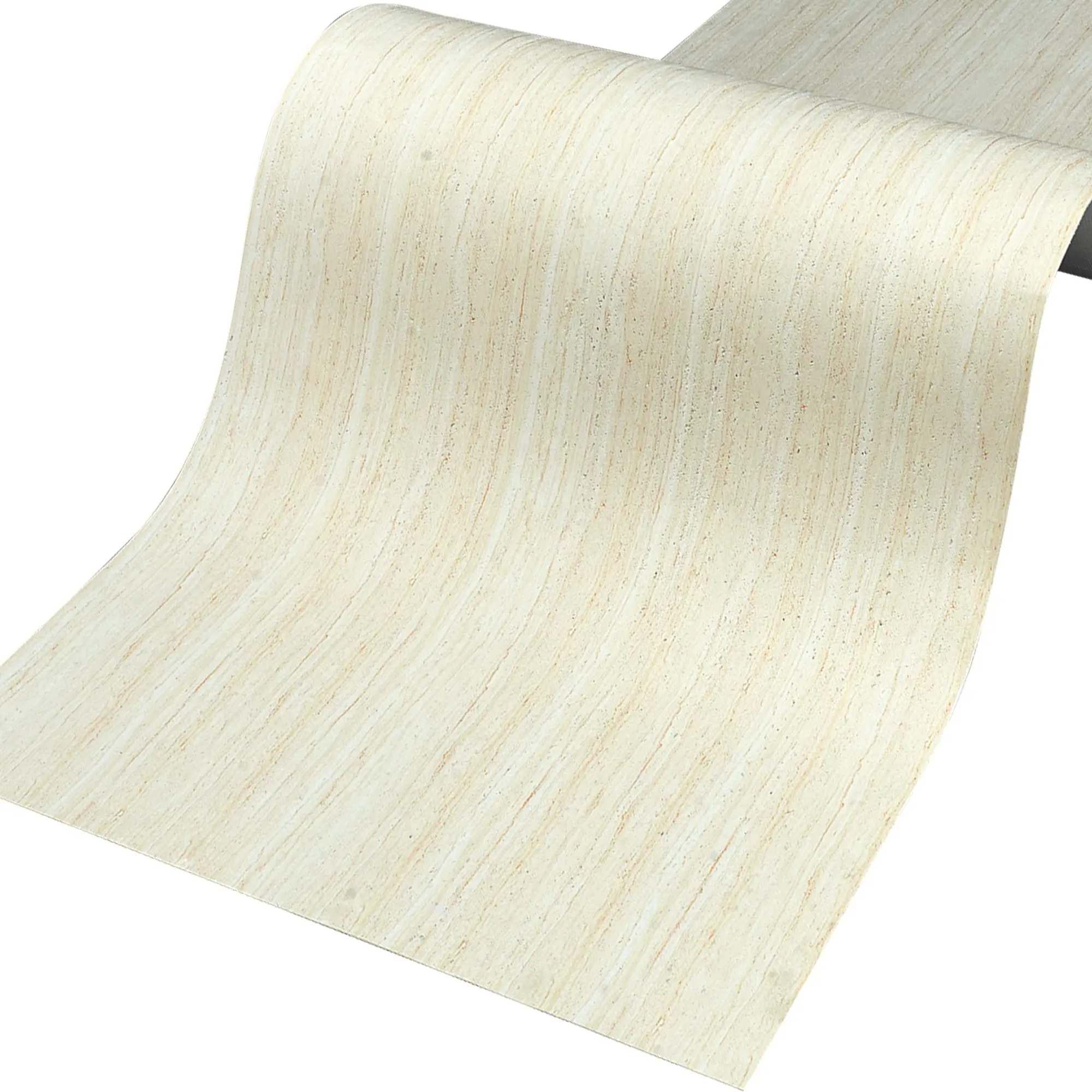
Imagine a wood grain board finished with Thread texture: the natural grain of the wood merges with the subtle lines, turning a simple panel into a canvas that feels both organic and refined. Or picture travertine (starry blue) —its soft, pitted surface enhanced by Thread lines that mimic the gentle drift of constellations across the night sky. Thread texture here doesn't compete with the stone's natural beauty; it complements it, like a whispered secret shared between the material and the viewer.
Groove texture is the opposite—bold, intentional, and full of character. Think of the deep channels carved into ancient stone walls, or the rhythmic indentations on a modern concrete facade. Grooves are deeper (often 3mm or more) and more widely spaced, creating shadow and light play that adds drama and dimension. Run your fingers along a Groove-textured surface, and you'll feel distinct ridges and valleys, a tactile reminder of the texture's presence. It's the texture of statement-making, ideal for spaces that crave energy, modernity, or a touch of industrial edge.
Take fair-faced concrete , for example. Its raw, unpolished charm becomes even more striking with Groove texture: the deep lines break up the monotony of the concrete, casting shadows that shift with the sun and turning a plain wall into a dynamic piece of art. Or consider lunar peak silvery , a material that shimmers like moonlight on rock. Add Groove texture, and suddenly it's as if the surface was sculpted by lunar winds, each groove telling a story of movement and time.
To truly understand which texture suits your project, let's break down their key differences in aesthetics, functionality, and application. The table below compares their core traits, but remember—design is as much about feeling as it is about facts.
| Feature | Thread Texture | Groove Texture |
|---|---|---|
| Visual Appeal | Soft, subtle, creates a sense of flow; ideal for minimalist or traditional designs. | Dramatic, dynamic, adds depth through shadow; perfect for modern or industrial styles. |
| Tactile Sensation | Smooth with gentle ridges; feels like woven fabric or sanded wood. | Defined peaks and valleys; feels like carved stone or machined metal. |
| Light Interaction | Reflects light evenly, creating a warm, diffused glow. | Casts shadows, creating contrast and visual interest with changing light. |
| Durability & Maintenance | Shallow lines trap less dirt; easier to clean in high-traffic areas. | Deeper grooves may collect dust; requires regular cleaning but hides minor scratches. |
| Best For | Residential interiors (walls, backsplashes), heritage renovations, soft commercial spaces (cafés, boutiques). | Commercial exteriors (office facades, hotels), outdoor landscapes, statement walls in modern homes. |
| Complementary Materials | Wood grain board, travertine (starry blue), polished marble. | Fair-faced concrete, lunar peak silvery, foamed aluminium alloy board (vintage gold). |
There's no "better" texture—only the right one for your project's unique story. Here's how to decide, based on what you want to achieve:
Thread texture shines in spaces where you want to foster connection and comfort. Imagine a family home's living room, where the walls are clad in wood grain board with Thread texture. The soft lines echo the warmth of natural wood, making the space feel inviting for movie nights and lazy Sundays. In a heritage building renovation, Thread texture on travertine (starry blue) can honor the past while adding a modern touch—its subtlety ensures the original architecture remains the star, while the texture adds a layer of sophistication.
Thread is also a champion of light. In small spaces, like a boutique hotel room, it reflects light evenly, making the area feel larger and airier. Pair it with soft, neutral colors—think lunar peak silvery or cream—and you've got a palette that feels calm yet luxurious, like a breath of fresh air.
Groove texture is for projects that want to make a statement. Picture a tech startup's office facade, wrapped in fair-faced concrete with deep Groove lines. As the sun rises and sets, the shadows shift, turning the building into a living, breathing entity that signals innovation and forward-thinking. In a rooftop bar with an outdoor terrace, Groove texture on foamed aluminium alloy board (vintage gold) adds a touch of glamour—the grooves catch the city lights, turning the space into a sparkling retreat.
Groove also works wonders in outdoor settings. A public park's walkway, paved with historical pathfinders stone (a material that mimics ancient cobblestones) with Groove texture, becomes more than just a path—it's a journey. The deep lines provide grip in wet weather, while their visual rhythm guides visitors, turning a functional space into an experience.
Let's put theory into practice with two hypothetical projects, each leveraging Thread and Groove to achieve distinct goals.
The goal: Create a space that feels both nostalgic and contemporary, honoring the neighborhood's 19th-century charm while. The designer chose wood grain board for the interior walls, finished with Thread texture. The soft lines mimic the grain of reclaimed wood, evoking the warmth of old bookstores and family kitchens. For the countertop, they paired it with travertine (starry blue) —its pitted surface, enhanced by Thread texture, feels like a slice of the night sky, adding whimsy without clashing with the wood. The result? A café where customers linger, running their hands over the walls and commenting on how "homey" it feels.
The goal: Design a facade that screams "innovation" while standing out in a skyline of glass and steel. The team opted for fair-faced concrete panels with Groove texture, arranged in a geometric pattern that mimics circuit boards. To add warmth, they interspersed panels of lunar peak silvery —its metallic sheen, paired with deep grooves, catches the sun at different angles, creating a facade that changes color throughout the day. Employees now say the building "feels alive," a reflection of the company's dynamic culture.
At the end of the day, Thread and Groove are more than just textures—they're tools to express your project's personality. Thread whispers, "Come in, stay awhile." Groove declares, "Look at me, remember me." The "right" choice depends on the story you want to tell: Is it one of calm and connection, or boldness and innovation?
Fortunately, MCM materials offer endless possibilities to experiment. Whether you're drawn to the softness of wood grain board with Thread, the drama of fair-faced concrete with Groove, or the celestial beauty of travertine (starry blue) , there's a texture and material combination waiting to bring your vision to life. So go ahead—touch, feel, dream, and let your next MCM project speak in the rich, textured language of design.
Recommend Products












