
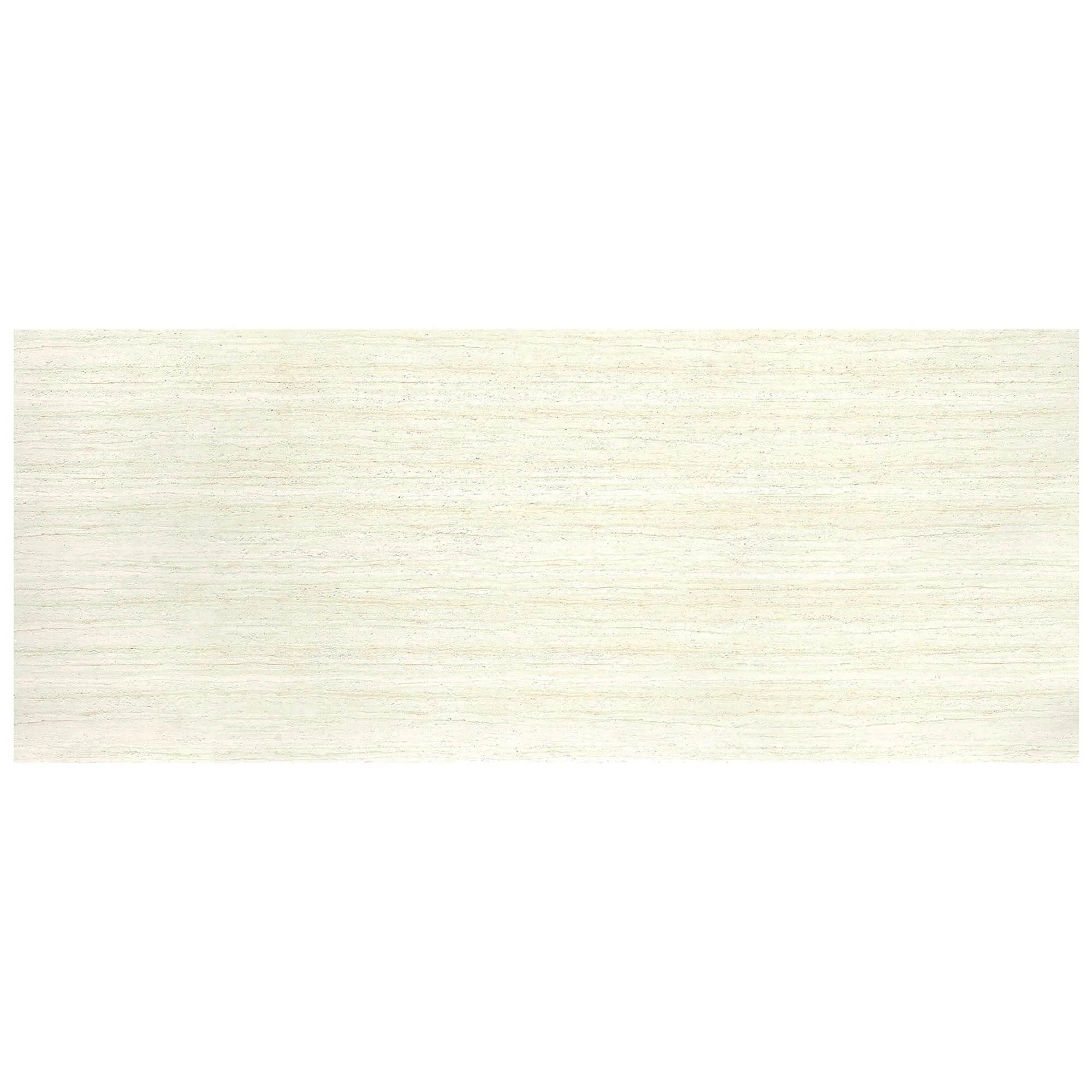
Walk into any well-designed space—a cozy café, a sleek office lobby, or a historic home—and you'll notice something subtle but powerful at work: texture. It's the rough warmth of a stone wall, the soft weave of a fabric panel, or the clean lines of a concrete surface. Texture doesn't just catch the eye; it shapes how we feel, turning a room from "nice" to "unforgettable." For decades, designers relied on traditional textures—solid marble, heavy granite, or hand-carved wood—to create these moments. But in recent years, a new player has emerged: Thread texture in Modified Composite Material (MCM) products. This innovative approach isn't just a trend; it's redefining what's possible in design by blending the best of nature with the flexibility of modern technology. Let's dive into why Thread texture is quickly becoming a favorite, and how it stacks up against the traditional textures we've known for so long.
First things first: Let's clarify what we mean by "Thread texture." Unlike traditional textures, which often mimic solid, monolithic surfaces (think a slab of marble or a block of granite), Thread texture is all about movement and detail . It's inspired by the way threads weave through fabric, lines intersect in art, or natural patterns like flowing water or wind-blown sand create subtle, repeating designs. In MCM products, this translates to materials that feature linear patterns, woven motifs, or delicate, interconnected lines—think weaving (khaki) panels that look like handwoven textiles, linear travertine (claybank) with soft, horizontal striations, or thread -inspired patterns etched into foamed aluminium alloy boards . These aren't just printed designs; they're physical textures built into the material itself, giving surfaces depth and a tactile quality that feels both intentional and organic.
MCM products, for the uninitiated, are engineered materials designed to mimic the look and feel of natural textures (stone, wood, metal) but with a lightweight, flexible core. This means Thread texture MCM panels can bend around curves, adhere to uneven surfaces, and even be cut into custom shapes—something traditional solid stones or heavy woods struggle with. And because they're made from composite materials (often a mix of recycled polymers, natural minerals, and reinforcing fibers), they're built to last without the heft or maintenance headaches of their traditional counterparts.
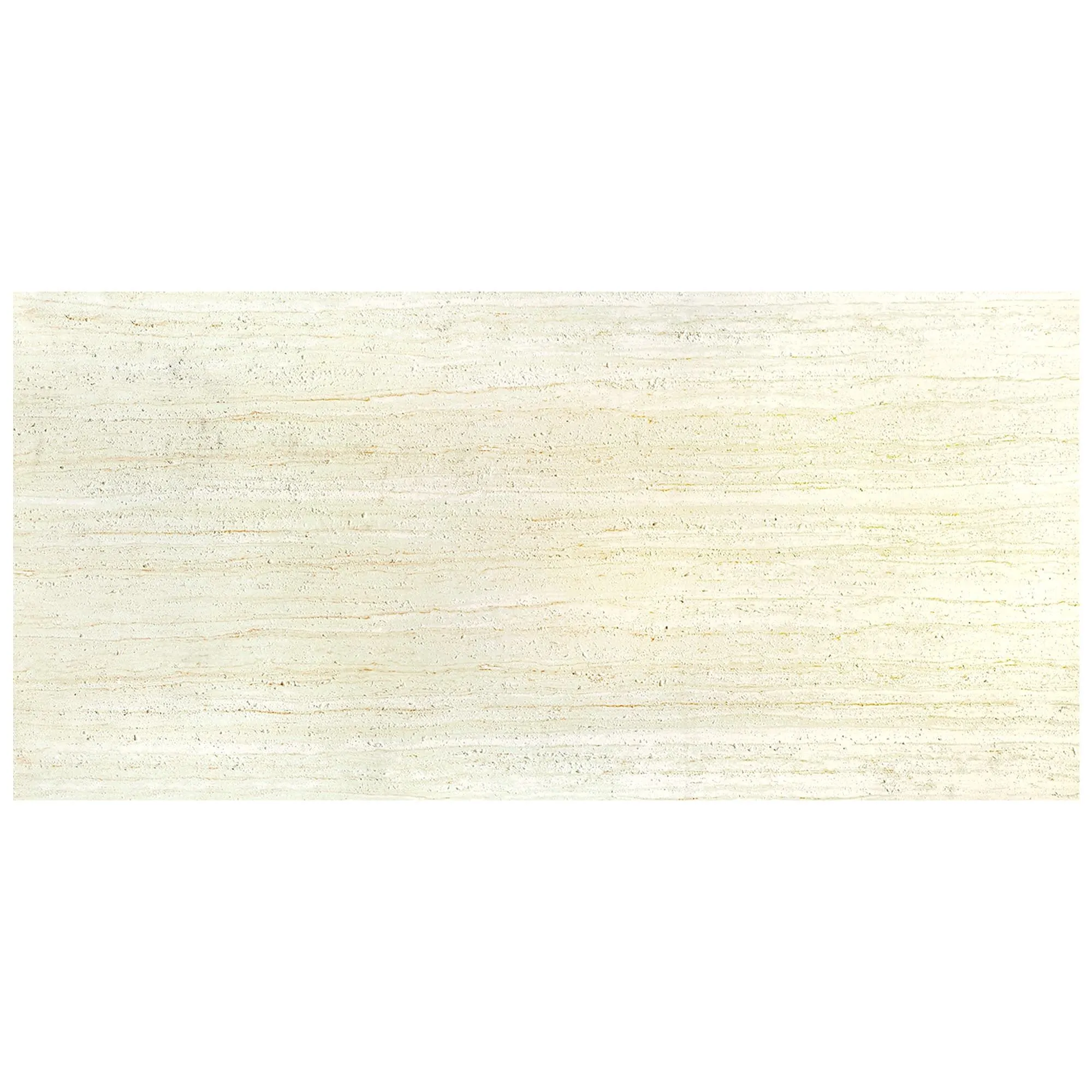
Don't get us wrong: Traditional textures have stood the test of time for a reason. A polished marble floor in a historic mansion or a hand-carved wooden beam in a mountain cabin carries a timeless charm that's hard to replicate. But they come with trade-offs—trade-offs that become more obvious when you're trying to design for modern spaces, tight budgets, or eco-conscious clients.
Take travertine , for example. Natural travertine is stunning, with its unique pitted surface and warm tones. But it's also heavy—really heavy. Installing a traditional travertine slab on a second-floor wall? You'll need reinforced structural support, which adds time and cost. Then there's maintenance: natural stone stains easily, so that beautiful travertine (starry red) you fell in love with might lose its luster after a few spills. And if you want a custom shape or a specific pattern? Good luck—natural stone is quarried in large blocks, so intricate designs mean wasting a lot of material (and money).
Wood is another classic, but it warps with humidity, rots if exposed to moisture, and needs regular sealing. Even concrete, beloved for its industrial cool, can crack under stress and is tough to install in curved or irregular spaces. Traditional textures, in short, are often rigid —in both form and function. They're stuck in the shapes nature (or a quarry) gives them, and they demand a lot of care to stay looking their best.
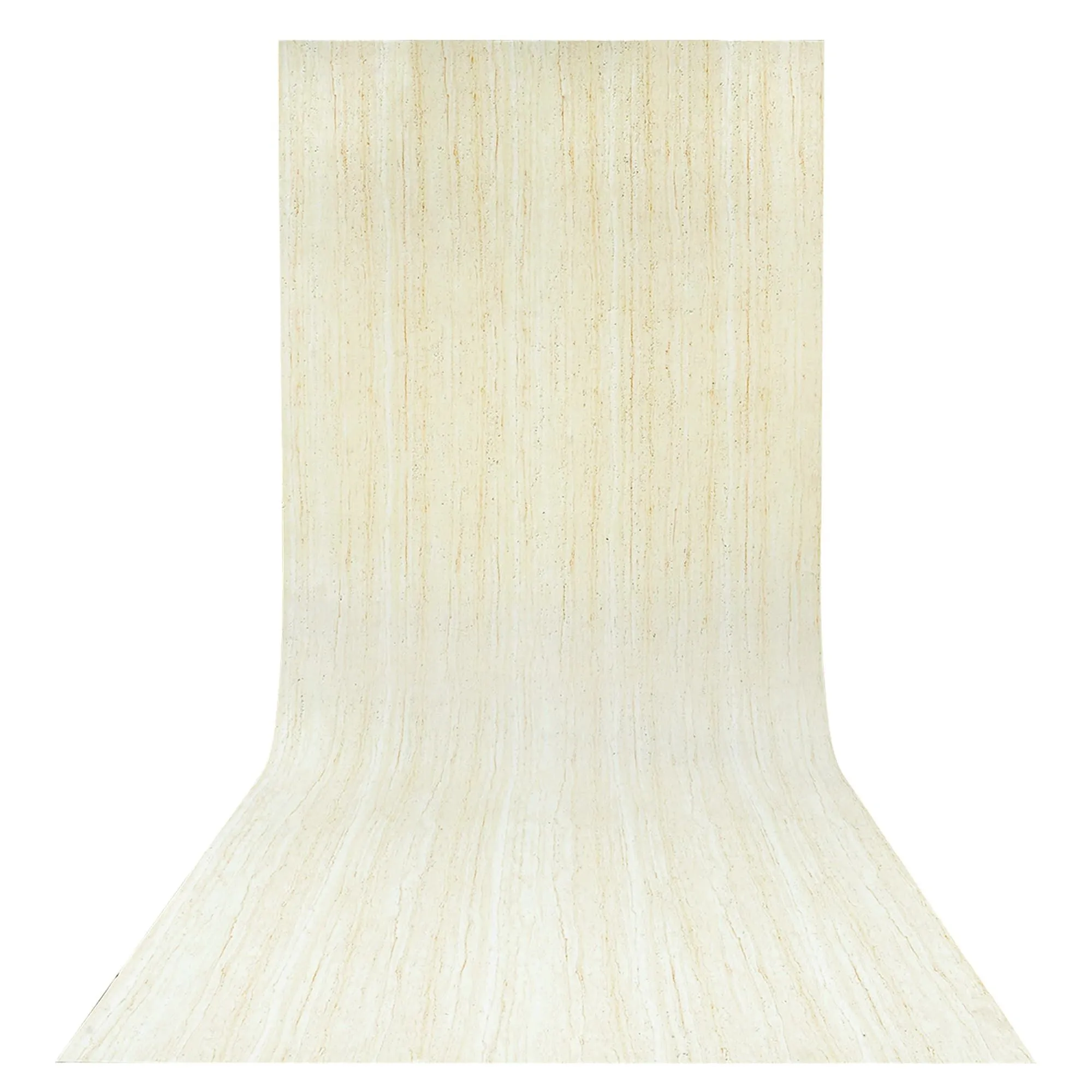
Now, let's talk about the good stuff: the advantages of Thread texture in MCM products. These aren't just minor improvements—they're transformative, solving the biggest pain points of traditional textures while adding new possibilities designers never had before.
Imagine hanging a textured wall panel in a historic building with fragile, centuries-old floors. Traditional stone would be out of the question—it's too heavy. But MCM flexible stone with Thread texture? It weighs a fraction of the real thing (often 70-80% lighter) and can be installed with simple adhesives, no structural reinforcement needed. That's a game-changer for renovation projects where preserving the original architecture is key.
Flexibility goes beyond weight, too. Foamed aluminium alloy board (vintage silver) with Thread patterns can curve around a circular lobby desk, creating a seamless, futuristic look that solid metal would never allow. Wave panels with Thread-like ripples can mimic ocean waves on a ceiling, turning a plain room into an immersive experience. Traditional textures are stuck in flat, straight lines; Thread texture MCM bends, twists, and flows—because design shouldn't be confined to right angles.
One of the most exciting things about Thread texture is the sheer variety of looks it can pull off. Traditional textures are limited by what nature provides—you get the colors and patterns of the quarry, and that's it. MCM Thread textures? They're engineered to mimic nature's best, then take it a step further.
Want the look of travertine (starry blue) with tiny, glittering "stars" embedded in a Thread-like linear pattern? Done. Dreaming of a wall that looks like handwoven weaving (khaki) fabric but is actually durable enough for a high-traffic restaurant? MCM can do that. Even bold, modern looks like lunar peak silvery with thin, metallic Thread lines or rust square line stone with geometric Thread patterns are possible. With MCM, you're not limited to "what's in stock"—you can mix colors (hello, gradient color rammed earth board ), layer patterns, and create textures that feel uniquely yours. It's like having a paintbrush for texture, instead of just a set of pre-made stamps.
Let's be real: No one wants a beautiful texture that fades, stains, or cracks after a year. Traditional textures often require constant upkeep—sealing stone, refinishing wood, patching concrete. Thread texture MCM? It's built to be tough. Take fair-faced concrete MCM panels with Thread patterns: they're resistant to water, stains, and scratches, so they'll look fresh in a busy kitchen or a rainy outdoor patio. MCM big slab board series with Thread texture can handle heavy foot traffic in a mall hallway without chipping, and foamed aluminium alloy boards won't rust or corrode, even in coastal areas with salty air.
Maintenance? It's minimal. A quick wipe with a damp cloth is usually all it takes to clean Thread texture MCM. No special cleaners, no sealing every six months, no worrying about UV rays fading the color. This durability isn't just convenient—it's cost-effective, too. Over time, you'll spend less on repairs and upkeep than you would with traditional textures.
Sustainability isn't just a buzzword anymore—it's a priority for designers, builders, and homeowners alike. Traditional texture materials often come with a heavy environmental footprint: quarrying stone disrupts ecosystems, cutting down trees contributes to deforestation, and manufacturing solid metal uses massive amounts of energy.
MCM products with Thread texture, on the other hand, are designed with sustainability in mind. Many are made from recycled materials—think recycled plastic, reclaimed stone dust, or foamed aluminium alloy that uses 90% less raw material than solid aluminium. Production is also more energy-efficient, and because MCM panels are lightweight, transporting them uses less fuel, cutting down on carbon emissions. Even better, most MCM products are 100% recyclable at the end of their life, so they won't end up in landfills. For eco-conscious projects, this is a huge win—you get the beauty of natural texture without the guilt.
Let's talk about the bottom line: time and money. Traditional texture installation is often a labor-intensive nightmare. Installing a single slab of natural granite portoro might take a team of four people a full day, plus specialized tools. Thread texture MCM panels? They're lightweight enough for two people to carry, and they install with standard adhesives or screws—no heavy machinery required. A 500-square-foot wall that would take a week to cover with traditional stone can be done in a day with MCM. That means lower labor costs and faster project timelines—music to any builder's ears.
And because MCM uses less raw material and produces less waste, the materials themselves are often more affordable than their traditional counterparts. You get the look of marble interstellar gray or travertine (vintage gold) at a fraction of the cost, with none of the performance issues. For budget-conscious projects, this makes Thread texture MCM a no-brainer.
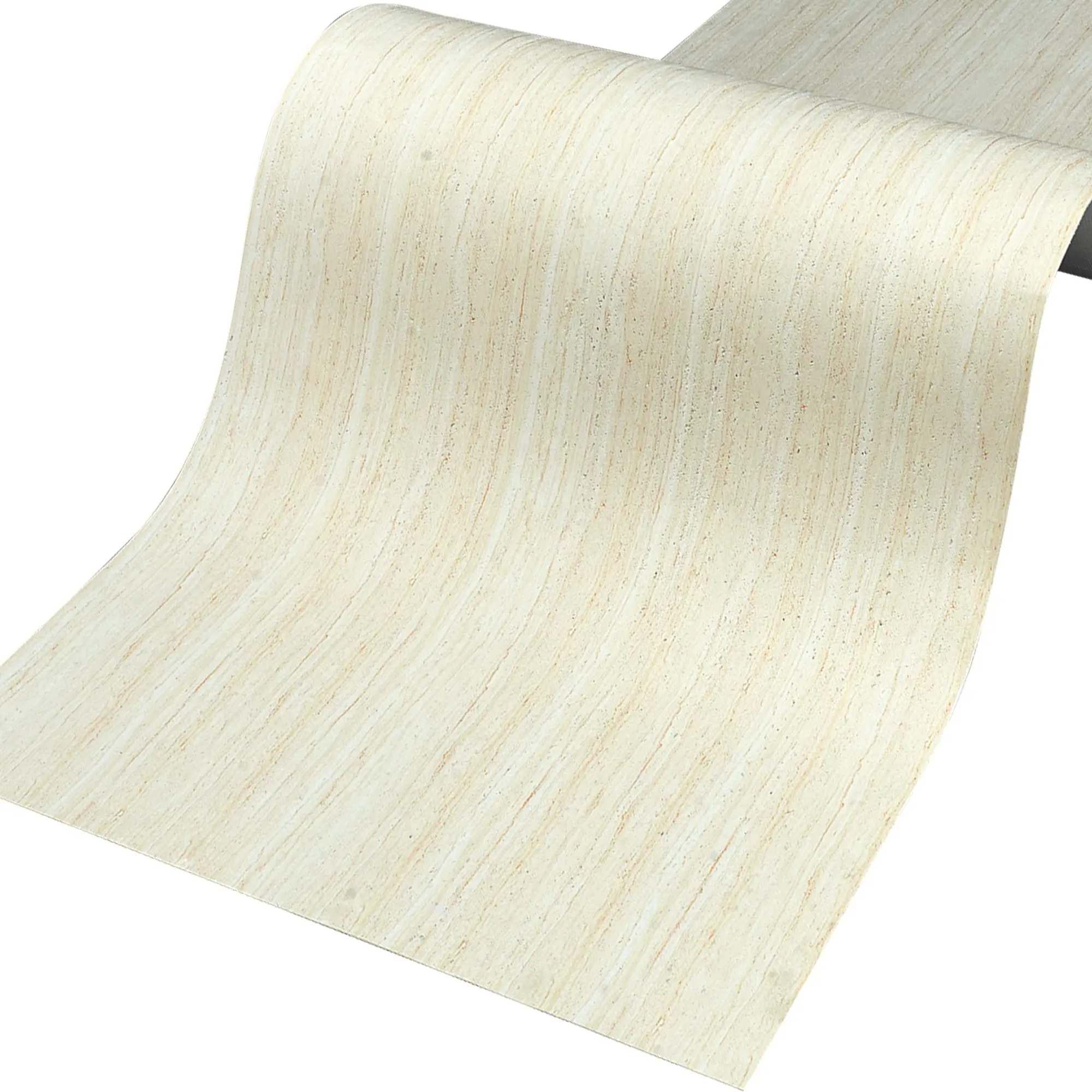
Still not convinced? Let's look at some real-world examples of where Thread texture MCM is making a difference.
Residential Spaces: A family in a 1920s bungalow wanted to update their living room without losing its historic charm. They chose weaving (beige) MCM panels with Thread patterns for the accent wall—lightweight enough for the old plaster walls, durable enough for kids and pets, and warm enough to keep the room feeling cozy. The panels mimicked handwoven fabric but didn't fade or fray, and installation took just one weekend.
Commercial Design: A trendy café in the city wanted a statement wall that felt "earthy" but modern. They went with travertine (starry orange) MCM panels with Thread-like linear patterns—bright, bold, and easy to clean after coffee spills. The lightweight panels meant they could install them on the second-floor mezzanine without reinforcing the floor, and the starry pattern became a Instagram-worthy backdrop for customers.
Public Spaces: A municipal park needed new benches and planter walls that could withstand harsh weather and heavy use. They chose fair-faced concrete MCM with Thread texture—durable, low-maintenance, and designed to mimic the look of natural stone. The benches have been there for five years, and they still look brand-new, with no cracks or stains.
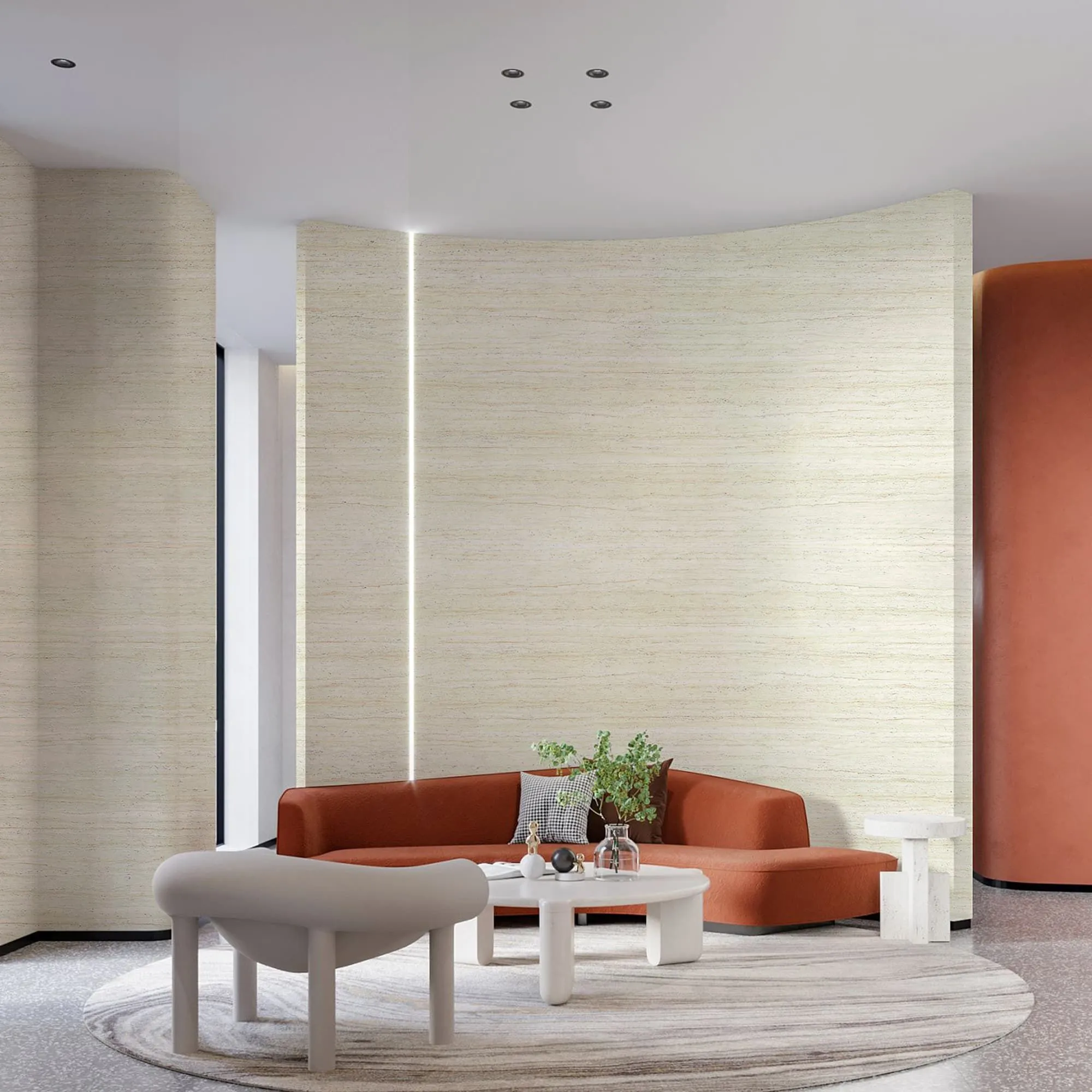
Sometimes, seeing a side-by-side comparison helps. Here's how Thread texture MCM stacks up against traditional textures in key categories:
| Feature | Thread Texture MCM (e.g., MCM Flexible Stone, Foamed Aluminium) | Traditional Textures (e.g., Natural Stone, Solid Wood) |
|---|---|---|
| Weight (per sq m) | 3-8 kg | 20-50 kg |
| Installation Time (per sq m) | 0.5-1 hour | 2-4 hours |
| Design Options | Unlimited (custom colors, patterns, shapes) | Limited (quarry-dependent, hard to customize) |
| Durability | Resistant to stains, scratches, moisture, UV rays | Prone to staining, warping, cracking, fading |
| Maintenance Cost (annual) | $50-$100 | $200-$500 (sealing, refinishing, repairs) |
| Sustainability | Recyclable materials, low carbon footprint | High waste, energy-intensive production |
At the end of the day, design is about connection—creating spaces that make people feel something. Traditional textures have a special place in our hearts because they've been part of that connection for centuries. But Thread texture in MCM products isn't here to replace them; it's here to expand what's possible. It lets us keep the warmth and beauty of natural textures while adding the flexibility, durability, and sustainability modern projects demand.
Whether you're designing a cozy home, a cutting-edge office, or a public space that will stand the test of time, Thread texture MCM offers something traditional textures can't: the freedom to dream big, without compromise. It's texture reimagined—for a world that wants both the best of the past and the promise of the future.
So the next time you're planning a project, ask yourself: Do I want to work with texture, or around its limitations? With Thread texture MCM, the answer is clear.
Recommend Products












