
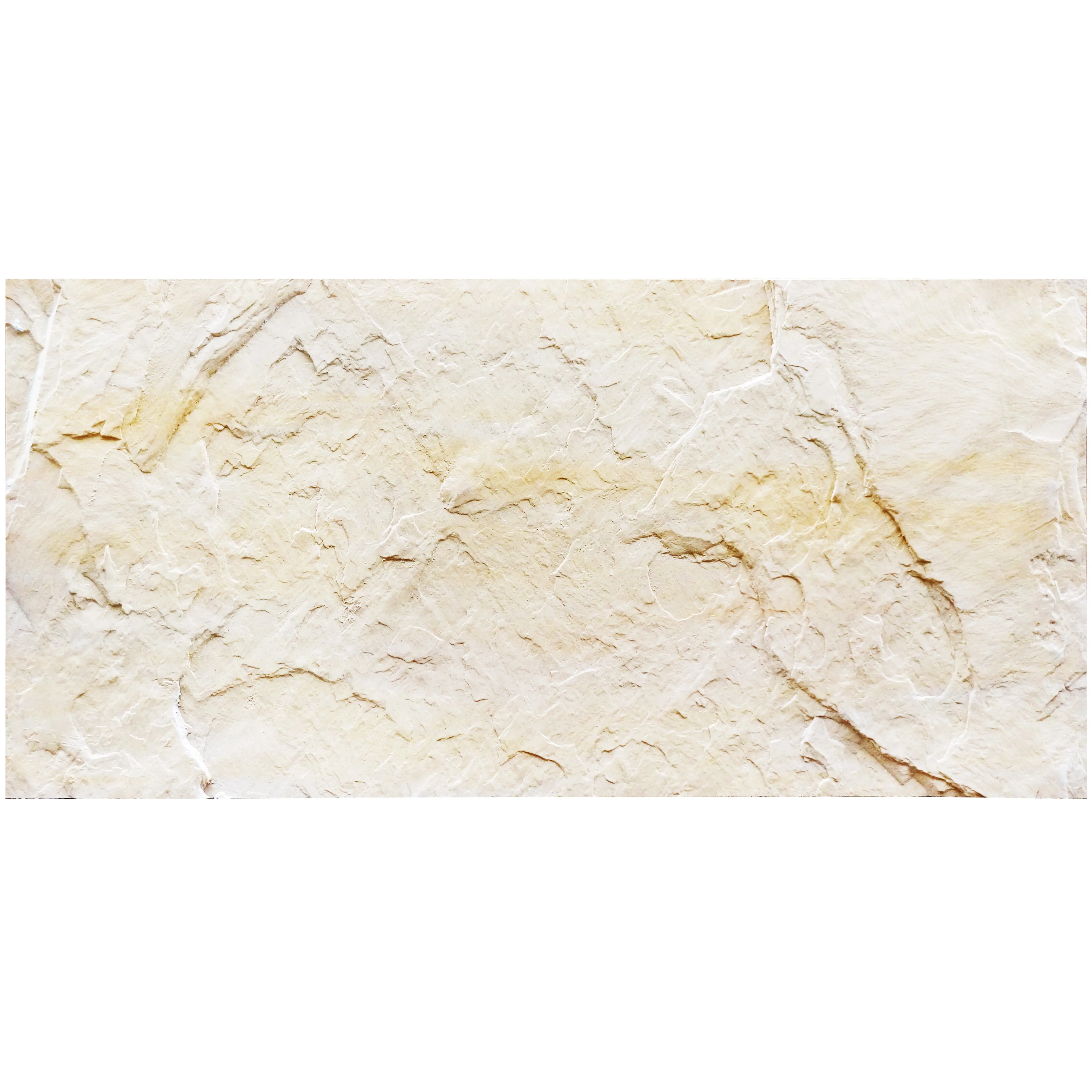
From bustling city centers to serene resort destinations, Slate Sunnye has emerged as a designer favorite—here's how it's transforming spaces worldwide.
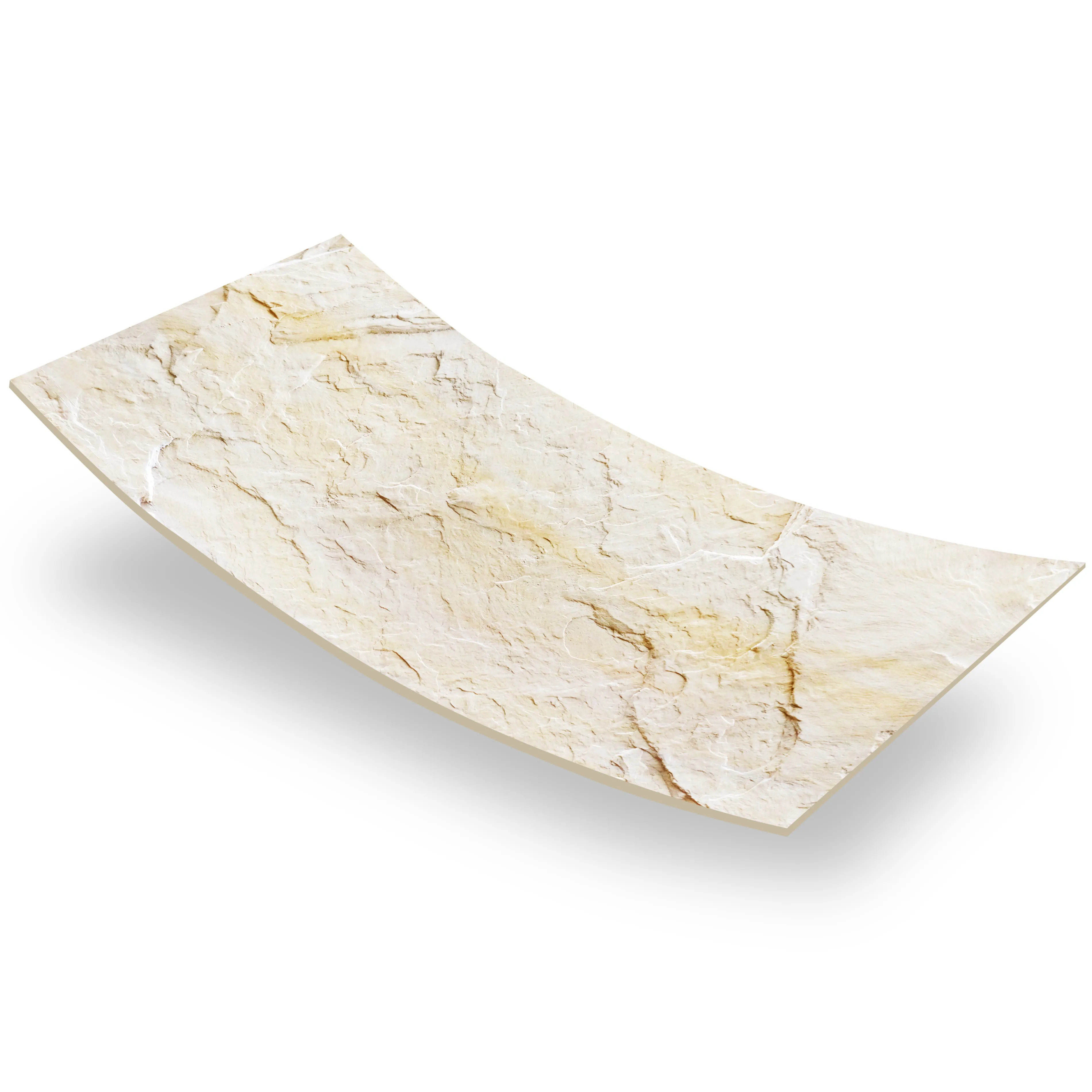
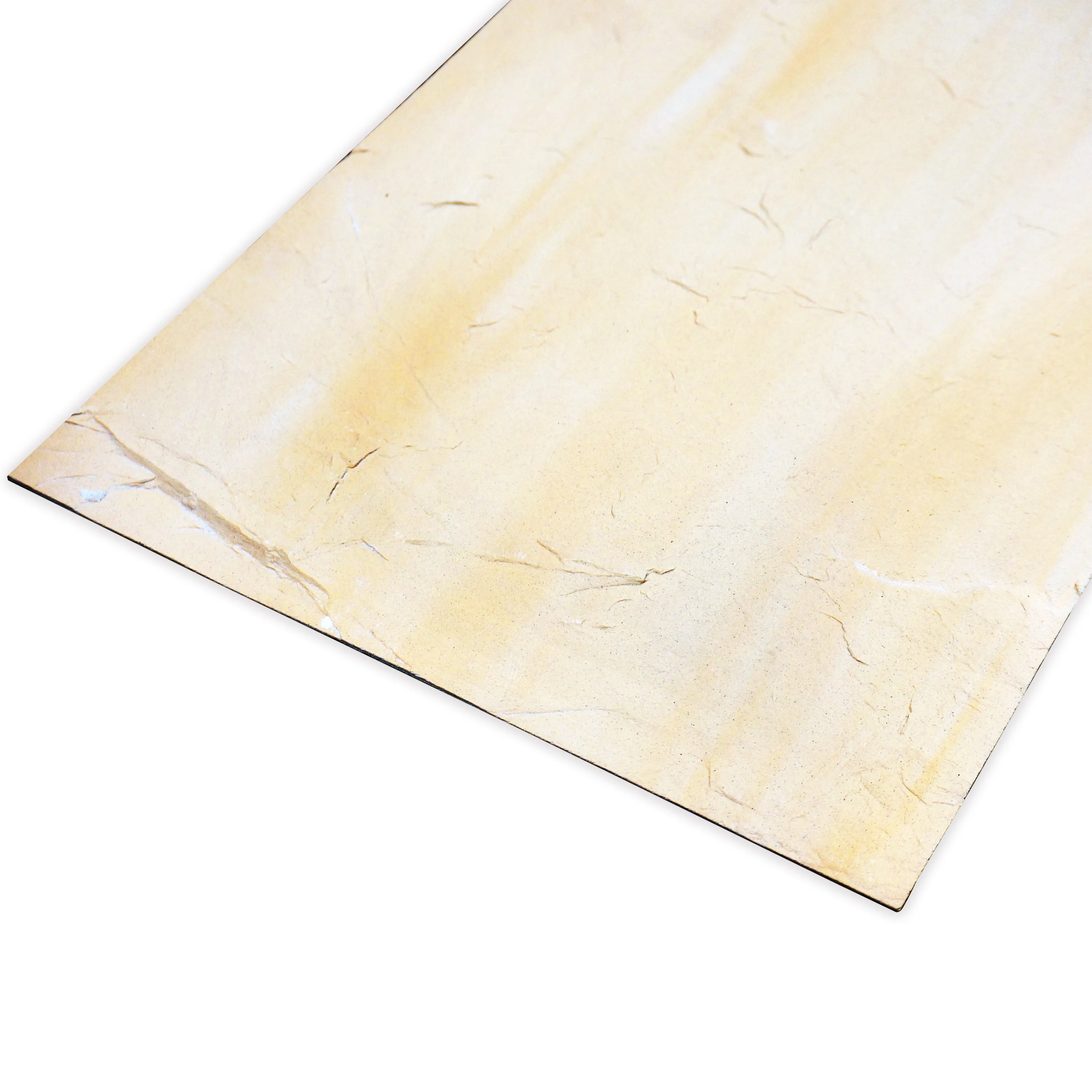
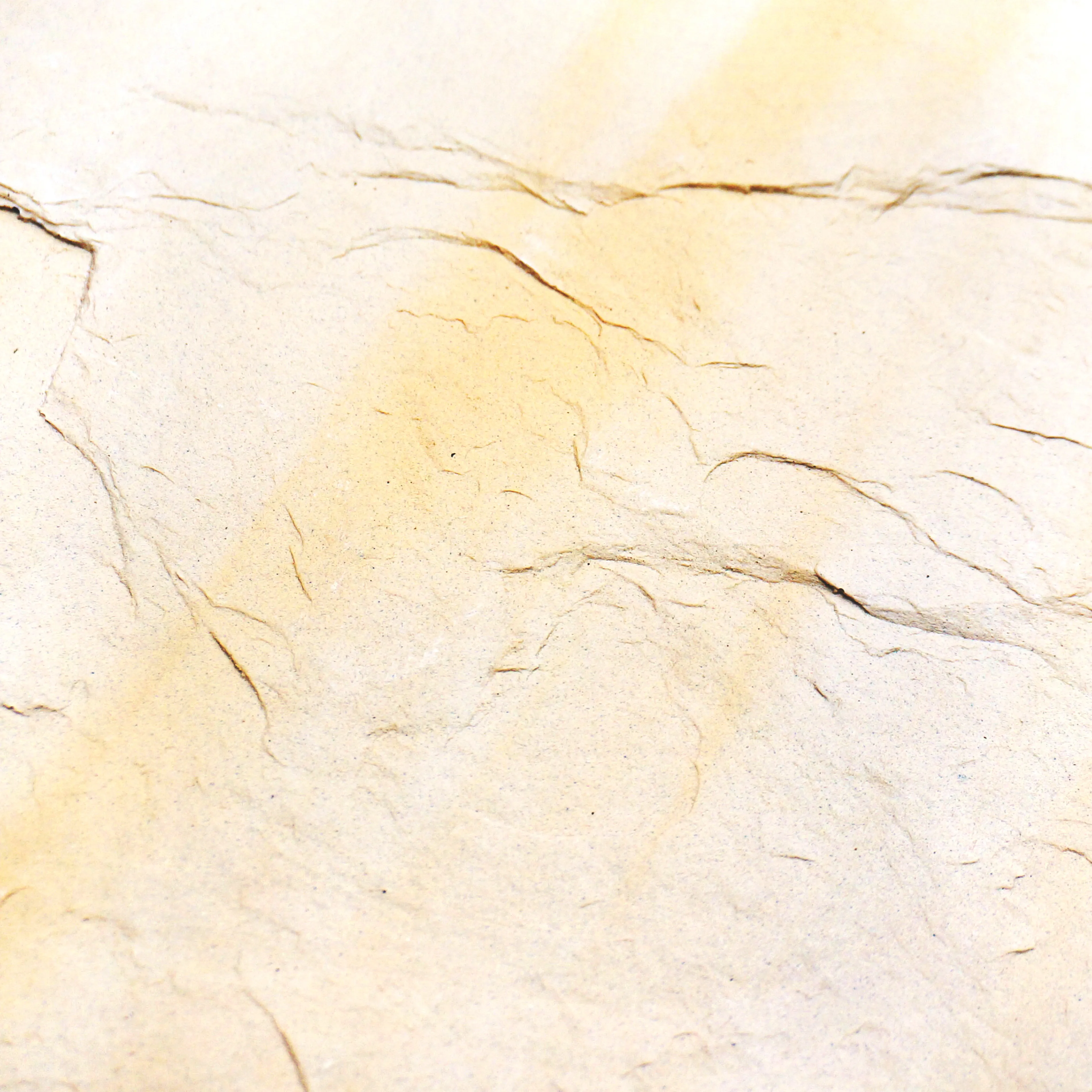
In the world of commercial design, materials aren't just building blocks—they're storytellers. They set moods, reflect brand identities, and turn ordinary spaces into memorable experiences. Among the stars of this design revolution is Slate Sunnye —a natural stone variant celebrated for its soft, sunlit gray tones, subtle veining, and remarkable versatility. What makes it stand out? It balances rugged durability with a warm, organic charm, making it equally at home in sleek urban cafes and rustic coastal hotels.
But don't just take our word for it. From Tokyo's high-end boutiques to New York's boutique hotels, architects and designers are turning to Slate Sunnye to solve a common challenge: creating spaces that are both visually striking and built to last. In this article, we'll explore the top 10 applications of Slate Sunnye in commercial projects, diving into real-world examples, design philosophies, and why this stone has become a go-to for teams aiming to blend aesthetics with functionality. Along the way, we'll also touch on how it pairs seamlessly with innovative materials like mcm flexible stone and travertine (starry blue) , elevating projects from "good" to "unforgettable."
First impressions matter—especially for retail brands fighting for attention on crowded city streets. Slate Sunnye has become a secret weapon here, thanks to its ability to create facades that are both understated and eye-catching. Unlike glossy materials that can feel harsh under sunlight, Slate Sunnye's matte finish diffuses light, creating a soft glow that draws pedestrians in without overwhelming them.
Case Study: Aesop Ginza, Tokyo
Take the Aesop Ginza store in Tokyo, designed by Torafu Architects. The facade features large, custom-cut Slate Sunnye panels arranged in a staggered pattern, mimicking the layered texture of traditional Japanese stone walls. The stone's cool gray hue contrasts beautifully with the brand's signature amber glass bottles displayed in floor-to-ceiling windows, creating a harmonious blend of modern minimalism and cultural heritage. What's more, the stone's natural resistance to weathering ensures the facade stays crisp even in Tokyo's humid summers and snowy winters—no small feat for a material exposed to the elements 24/7.
Designers often pair Slate Sunnye with mcm flexible stone for retail facades, using the flexible panels to add dynamic curves or intricate patterns around doorways or signage. This combo lets brands balance the stone's solidity with playful, customizable details—proving that even the most durable materials can have a creative side.
Restaurants aren't just about food—they're about atmosphere. Slate Sunnye shines here, too, offering a neutral backdrop that complements any cuisine, from Italian trattorias to sushi bars. Its earthy texture adds warmth, while its non-porous surface (when sealed properly) makes it a practical choice for high-traffic areas like dining counters and accent walls.
Case Study: Osteria Francescana, Modena (Popup Location, New York)
When Massimo Bottura's renowned Osteria Francescana launched a popup in New York, the design team wanted to replicate the cozy, rustic charm of the original Modena location—without sacrificing New York's urban edge. They chose Slate Sunnye for the main dining room walls, pairing it with reclaimed wood tables and soft pendant lighting. The stone's subtle veining (reminiscent of olive groves in Tuscany) created a sense of place, while its durability stood up to the constant flow of diners. To add a modern twist, they incorporated travertine (starry blue) accents behind the bar, whose deep blue tones with gold flecks mirrored the night sky over the Italian countryside—proving that Slate Sunnye plays well with bolder materials when the mood calls for it.
Chefs and restaurant owners love Slate Sunnye for another reason: it ages gracefully. Unlike synthetic materials that fade or scratch, the stone develops a gentle patina over time, giving spaces a lived-in, authentic feel that keeps customers coming back.
Hotel lobbies are more than just waiting areas—they're the "first chapter" of a guest's stay, setting the tone for their entire experience. Slate Sunnye has become a staple here, offering a balance of luxury and approachability that appeals to both business travelers and vacationers.
Case Study: The Hoxton, Portland
The Hoxton in Portland, Oregon, is a masterclass in this. The lobby features a grand fireplace clad in Slate Sunnye, with the stone extending up to the ceiling to create a dramatic focal point. Flanked by plush velvet sofas and vintage brass fixtures, the stone adds a touch of rugged sophistication that nods to Portland's outdoor culture while feeling undeniably upscale. What's clever is how the design team used varying slab sizes: larger pieces for the fireplace face and smaller, stacked stones for the surrounding walls, adding depth without overwhelming the space.
Another advantage? Slate Sunnye's sound-absorbing properties. In busy lobbies, where chatter and luggage wheels can create noise, the stone helps dampen echoes, making the space feel calm and inviting. When paired with fair-faced concrete floors (a trend in modern hotel design), it creates a palette of neutrals that lets art and greenery take center stage—exactly what guests want when they walk through the door after a long journey.
Gone are the days of sterile, all-white offices. Today's workplaces aim to inspire, and Slate Sunnye is helping lead this charge. When used as an accent wall in meeting rooms or breakout areas, it adds texture and warmth, creating environments where employees feel motivated to collaborate.
Case Study: Spotify NYC Headquarters
Spotify's New York office, designed by TPG Architecture, features Slate Sunnye in its "innovation lab"—a space dedicated to brainstorming and prototyping new features. The wall behind the main conference table is covered in book-matched Slate Sunnye slabs, their veining creating a continuous, river-like pattern that symbolizes the flow of ideas. The stone's neutral color keeps the focus on whiteboards and digital displays, while its tactile surface adds a sensory element that employees say makes the space feel "less like an office and more like a creative studio."
HR teams also appreciate Slate Sunnye's low-maintenance nature. Unlike painted walls that scuff easily or wallpaper that peels, the stone withstands the wear and tear of daily office life—from chairs scraping against it to coffee spills. It's a practical choice that doesn't compromise on style, proving that corporate design can be both functional and inspiring.
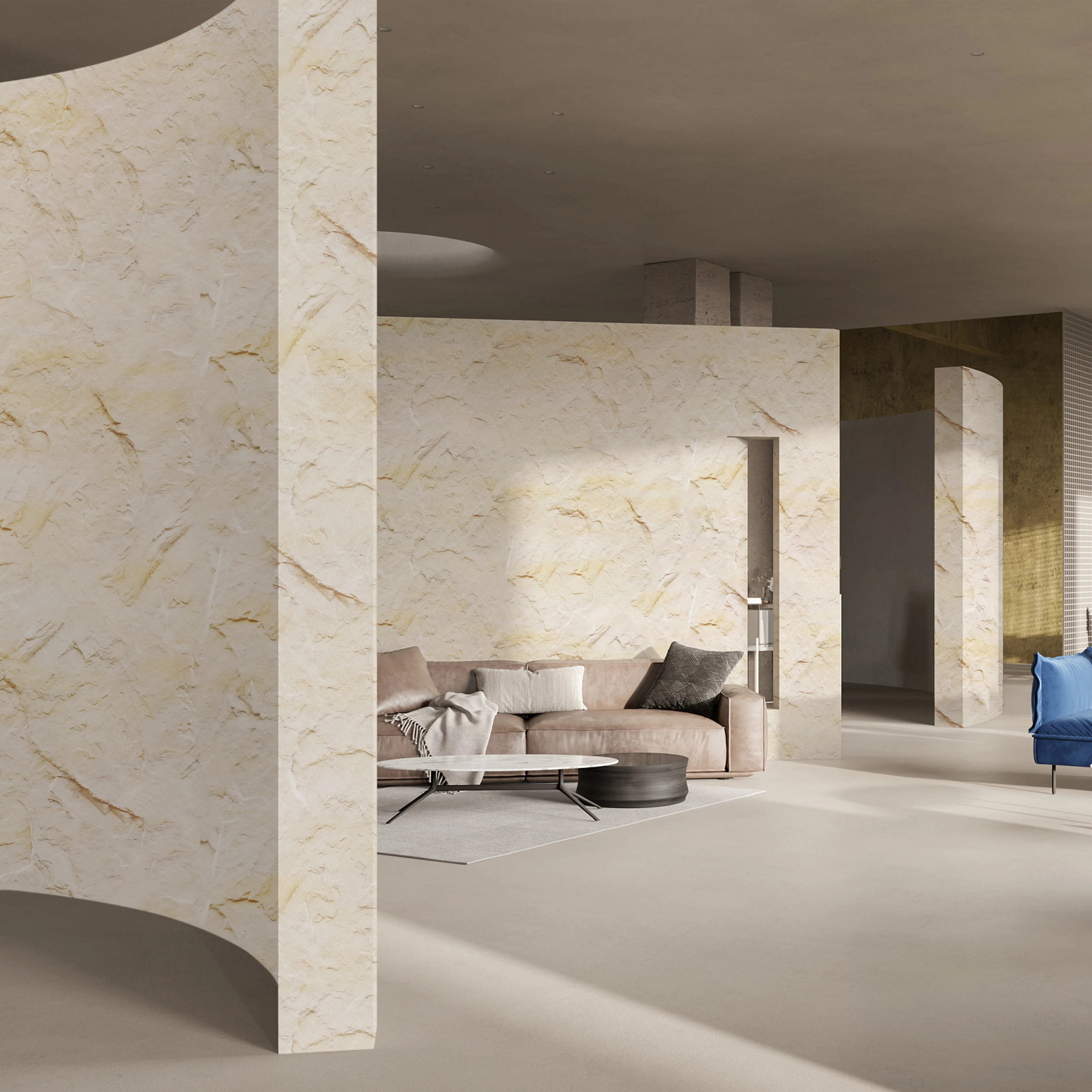
Cultural centers have a unique job: to honor the past while embracing the future. Slate Sunnye excels here, as its natural origins connect to historical building traditions, while its clean lines fit seamlessly into contemporary architecture.
Case Study: National Museum of Qatar, Doha (Visitor Pavilion)
While the main National Museum of Qatar is famous for its desert-rose inspired structure, the adjacent visitor pavilion (designed by Jean Nouvel) uses Slate Sunnye to create a more intimate welcome space. The pavilion's exterior is clad in thin Slate Sunnye tiles arranged in a honeycomb pattern, echoing the geometric shapes of traditional Qatari jewelry. The stone's light gray color contrasts with the museum's bronze-clad facade, creating a visual hierarchy that guides visitors from the bustling entrance to quieter exhibition spaces. Importantly, the stone was sourced from local quarries, aligning with the project's commitment to sustainability and cultural authenticity.
What makes this application stand out is Slate Sunnye's ability to "speak" to different cultures. In Doha, it feels rooted in the region's stone-building heritage; in a project like the new Nordic Art Center in Stockholm, it would evoke the rugged beauty of Scandinavian landscapes. It's a material with universal appeal, making it a favorite for global cultural projects.
Airports are stressful places—long lines, delayed flights, and the constant hum of activity can leave travelers feeling drained. Airport lounges, then, need to be sanctuaries, and Slate Sunnye is helping design teams create just that.
Case Study: Emirates First Class Lounge, Dubai International Airport
The Emirates First Class Lounge in Dubai is a prime example. Designed to feel like a luxury hotel rather than an airport space, the lounge features Slate Sunnye in its relaxation zones—specifically, the walls surrounding private cabanas and the flooring in the spa area. The stone's cool, neutral tone creates a sense of calm, while its smooth surface (polished to a soft sheen) feels luxurious underfoot. To enhance the serene vibe, designers paired it with mcm flexible stone in a matching gray shade for the ceiling panels, creating a cohesive "cocoon" effect that blocks out airport noise and makes travelers forget they're in a transit hub.
Practicality is key here, too. Slate Sunnye's resistance to stains and scratches means it can handle spills from coffee cups or luggage wheels, while its natural slip resistance (even when polished) ensures safety in high-traffic areas. For airports, where durability and cleanliness are non-negotiable, it's a material that checks all the boxes.
Schools and universities need buildings that can withstand the chaos of daily student life—from backpacks slamming against walls to science experiments gone wrong—while still inspiring learning. Slate Sunnye has become a top choice for cladding in these spaces, offering the best of both worlds.
Case Study: Stanford University Science Center Expansion, California
Stanford's new science center expansion, designed by Ennead Architects, uses Slate Sunnye for its exterior cladding and interior accent walls. The exterior panels are arranged in a vertical pattern, creating a rhythmic texture that contrasts with the building's glass and steel framework. Inside, the stone lines the hallways leading to labs and lecture halls, its earthy tone creating a warm, grounded atmosphere that students say helps them "focus better" during long study sessions. The design team also opted for Slate Sunnye because of its sustainability credentials: the stone is locally sourced, and its thermal mass helps regulate indoor temperatures, reducing the building's reliance on HVAC systems.
Educators love it too—unlike painted surfaces that need frequent touch-ups, Slate Sunnye requires minimal maintenance, freeing up budgets for more important things like classroom equipment and student programs.
Healthcare spaces are often associated with cold, clinical environments—but that's changing. Designers now prioritize materials that reduce anxiety, and Slate Sunnye is leading this shift with its ability to bring the calming power of nature indoors.
Case Study: Mayo Clinic Phoenix, Oncology Wing
The oncology wing of Mayo Clinic Phoenix was redesigned with patient well-being in mind, and Slate Sunnye plays a starring role in the waiting area. The walls are covered in large, seamless Slate Sunnye slabs, their soft gray color and subtle veining evoking a sense of calm (studies show natural stone textures can lower heart rates and stress levels). The stone is paired with warm wood seating and large windows overlooking a desert garden, creating a space that feels more like a wellness retreat than a hospital. What's more, the stone's non-porous surface is easy to sanitize, meeting strict healthcare hygiene standards without sacrificing aesthetics.
Nurses and patients alike report that the space feels "less intimidating" than traditional hospital waiting rooms, proving that design can have a tangible impact on healing. It's a reminder that even in the most high-stakes environments, beauty and functionality can coexist.
Boutique hotels thrive on uniqueness—they want guests to choose them not just for a bed, but for an experience. Slate Sunnye helps create that "destination" feel, whether the hotel is nestled in a mountain town or perched on a coastal cliff.
Case Study: The Ocean House, Watch Hill, Rhode Island
A historic hotel originally built in 1868, The Ocean House underwent a $140 million restoration in 2010, with Slate Sunnye chosen to replace weathered stone on its exterior. The design team sourced stone that matched the original 19th-century slate, ensuring the hotel retained its classic New England charm while meeting modern structural standards. The result? A facade that looks like it's been there for centuries, with Slate Sunnye's weathered edges and soft gray color blending seamlessly with the hotel's white trim and ocean views. Guests often comment on how the stone "feels like part of the landscape," making their stay feel more connected to the region's history.
For boutique hotels, Slate Sunnye isn't just a building material—it's a storytelling tool. It helps create a sense of place, turning a hotel stay into a journey into the local culture and environment.
Modern malls are no longer just about shopping—they're social hubs, with atriums designed to host events, art installations, and community gatherings. Slate Sunnye has become a favorite for these spaces, adding a touch of luxury that elevates the entire mall experience.
Case Study: The Dubai Mall, Fashion Avenue Expansion
The Dubai Mall's Fashion Avenue expansion, home to brands like Gucci and Chanel, features a soaring atrium with Slate Sunnye-clad columns and a grand staircase. The stone's light gray color contrasts with the atrium's gold accents and crystal chandeliers, creating a sense of opulence without feeling gaudy. The staircase, in particular, is a showstopper: each step is made from a single, curved Slate Sunnye slab, polished to a smooth finish that reflects the atrium's natural light. Designers chose the stone for its ability to handle heavy foot traffic (the mall sees over 80 million visitors annually) and its timeless appeal—ensuring the space remains elegant for decades to come.
What's interesting here is how Slate Sunnye bridges the gap between high fashion and everyday luxury. It feels exclusive enough for luxury brands, yet warm enough to make shoppers feel welcome—proving that even in the most glamorous settings, approachability matters.
| Application | Project Example | Location | Design Focus | Material Pairings |
|---|---|---|---|---|
| Retail Facades | Aesop Ginza | Tokyo, Japan | Staggered panels for cultural heritage vibe | mcm flexible stone (signage details) |
| Restaurant Interiors | Osteria Francescana Popup | New York, USA | Rustic-modern balance | travertine (starry blue) (backsplash) |
| Hotel Lobbies | The Hoxton Portland | Portland, USA | Fireplace focal point with vintage brass | fair-faced concrete (floors) |
| Corporate Offices | Spotify NYC HQ | New York, USA | Innovation lab collaboration space | Whiteboards, digital displays |
| Cultural Centers | National Museum of Qatar Pavilion | Doha, Qatar | Honeycomb pattern for cultural symbolism | Local bronze accents |
| Airport Lounges | Emirates First Class Lounge | Dubai, UAE | Spa-like relaxation zones | mcm flexible stone (ceiling panels) |
| Educational Institutions | Stanford Science Center | California, USA | Vertical cladding for rhythmic texture | Sustainable glass framework |
| Healthcare Waiting Areas | Mayo Clinic Phoenix | Arizona, USA | Anxiety-reducing natural textures | Warm wood, desert garden views |
| Boutique Hotel Exteriors | The Ocean House | Rhode Island, USA | Historic charm with modern durability | White trim, ocean-facing glass |
| Luxury Mall Atriums | Dubai Mall Fashion Avenue | Dubai, UAE | Opulent yet approachable elegance | Gold accents, crystal chandeliers |
Slate Sunnye isn't just a material—it's a design partner. From retail facades that stop pedestrians in their tracks to healthcare waiting rooms that ease anxiety, it has proven time and again that natural stone can do more than just build spaces; it can transform them. Its secret lies in its duality: it's strong enough for airport lounges and soft enough for boutique hotels, traditional enough for cultural centers and modern enough for tech offices. When paired with innovative materials like mcm flexible stone and travertine (starry blue) , it becomes even more versatile, adapting to the unique needs of every project.
As commercial design continues to evolve—with a growing focus on sustainability, wellness, and storytelling—Slate Sunnye is poised to remain a staple. It's a material that respects the past, embraces the present, and has the durability to be part of the future. So the next time you walk into a stunning commercial space, take a moment to look around—chances are, you'll find Slate Sunnye there, quietly making the ordinary feel extraordinary.
Recommend Products












