
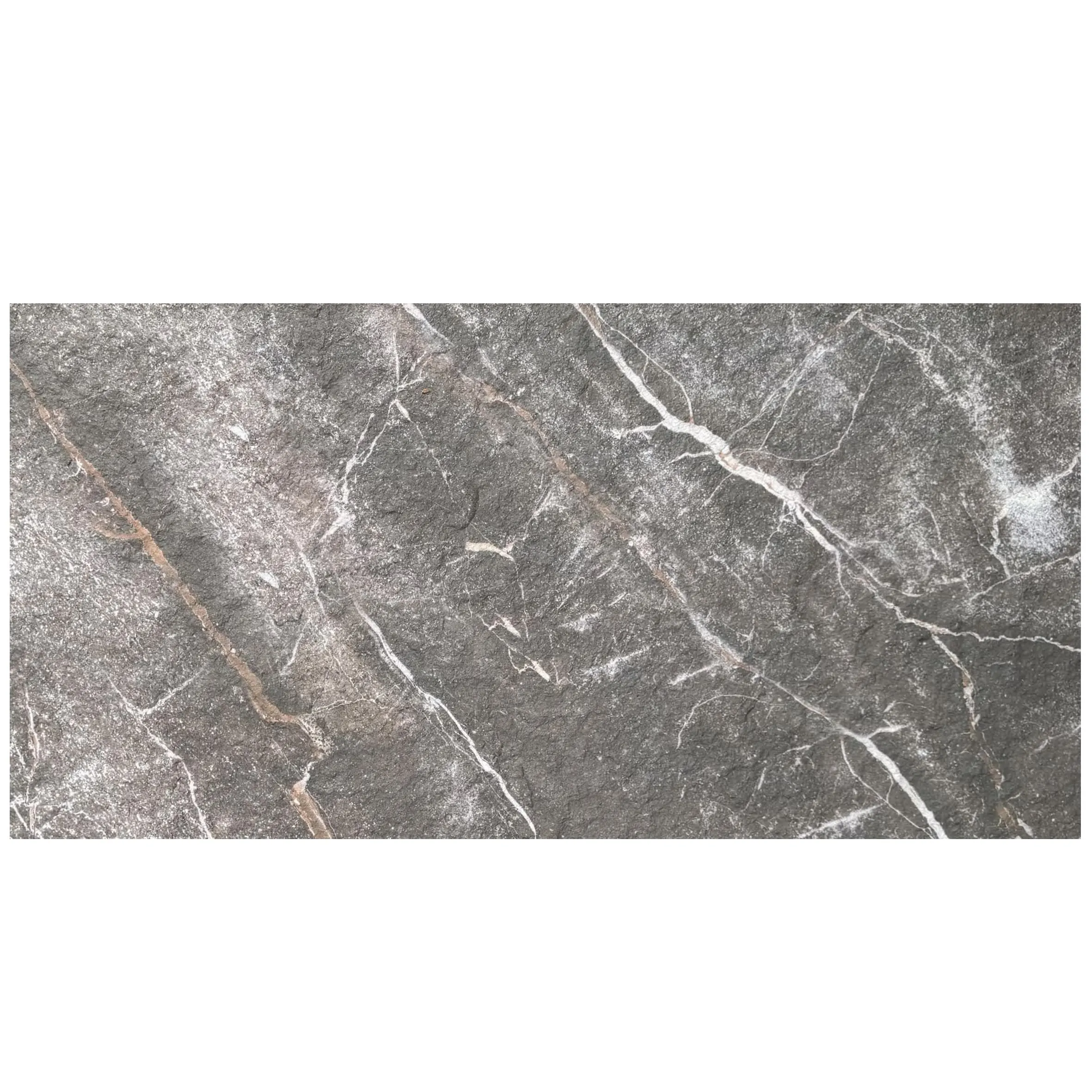
| Architect | Location | Signature Project | Key Materials Used |
|---|---|---|---|
| Elena Marquez | Barcelona, Spain | Meridien Cultural Center | MCM big slab board series, fair-faced concrete |
| James Chen | Shanghai, China | Lunar Peak Tower | Lunar peak silvery, Granite Portoro |
| Aisha Patel | Dubai, UAE | Oasis Residences | MCM flexible stone, travertine (starry blue) |
| Marcus Okafor | Lagos, Nigeria | Nova Art Museum | Granite Portoro, foamed aluminium alloy board (vintage gold) |
| Sofia Kim | Seoul, South Korea | Ethereal Heights | MCM big slab board series, lunar peak black |
| David Torres | Mexico City, Mexico | Zocalo Innovation Hub | Fair-faced concrete, rusty red MCM panels |
| Amara Nwosu | Johannesburg, South Africa | Kalahari Research Center | Gobi panel, MCM flexible stone |
| Hiroshi Tanaka | Tokyo, Japan | Zenith Gallery | Granite Portoro, wood grain board |
| Lina Hassan | Cairo, Egypt | Pharaonic Heritage Museum | Historical pathfinders stone, MCM big slab board series |
| Carlos Mendez | Santiago, Chile | Andes Sky Lodge | Lunar peak golden, fair-faced concrete |
Elena Marquez has a knack for making buildings feel like they're breathing. Her Meridien Cultural Center, nestled in Barcelona's historic Eixample district, is a love letter to MCM's flexibility. The facade, clad in MCM big slab board series, undulates gently along the street, its neutral tones softening the harsh angles of the surrounding modernist buildings. "I wanted the center to wrap visitors in warmth, like a blanket," Marquez explains. "MCM big slabs let me create those curves without compromising durability—each panel is thin enough to bend but tough enough to withstand Barcelona's coastal winds." Inside, she paired the MCM with fair-faced concrete, its raw texture balancing the smoothness of the panels. The result? A space where art feels at home, and the building itself becomes part of the exhibit.
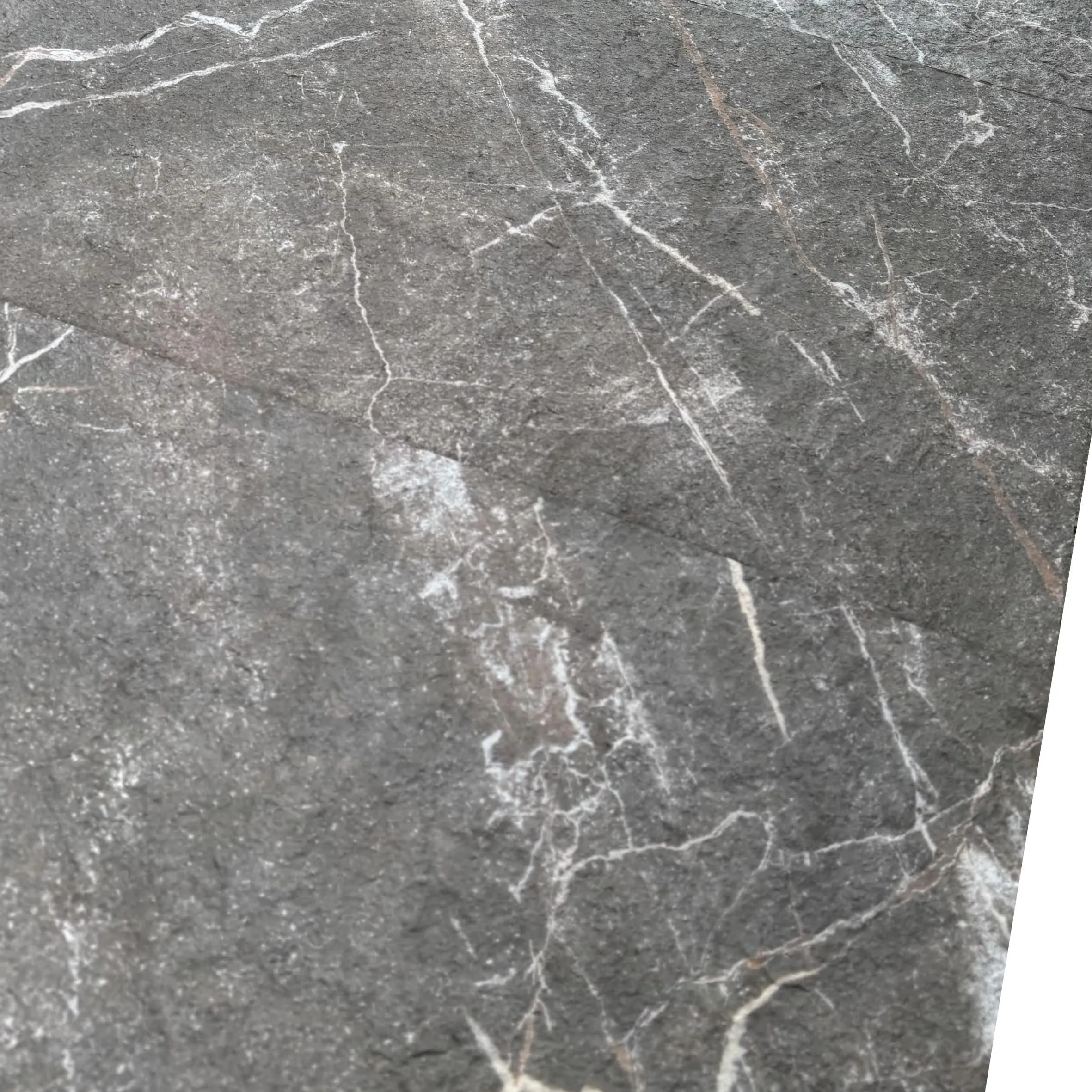
James Chen's Lunar Peak Tower rises above Shanghai's skyline like a monument to duality. The tower's lower levels are sheathed in Granite Portoro, its black and gold veins echoing the opulence of old Shanghai, while the upper floors shift to Lunar peak silvery—an MCM variant that shimmers like moonlight on water. "Granite Portoro grounds us in history," Chen says, running a hand over a sample slab in his studio. "But Lunar peak silvery? That's the future. It reflects the city's energy, changing color with the sun—warm at dawn, cool at dusk." The transition between materials is seamless, a metaphor for Shanghai's blend of tradition and innovation. Inside, the lobby features a 20-foot Granite Portoro reception desk, its veins telling stories of ancient rivers and geological time, while the elevators are wrapped in Lunar peak silvery panels that make you feel like you're ascending to the stars.
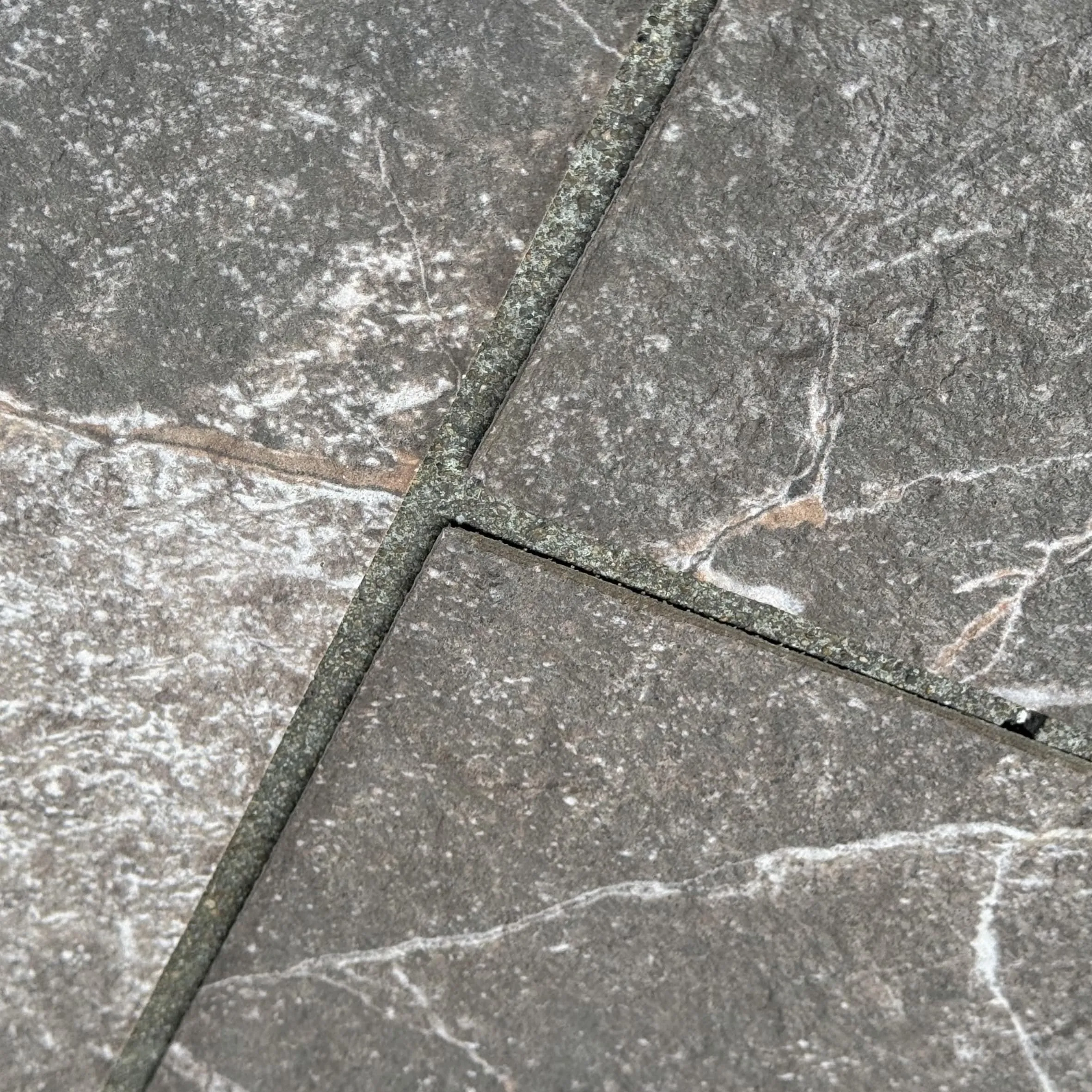
In a city known for excess, Aisha Patel's Oasis Residences is a study in restraint—yet it's impossible to look away. The low-rise complex, designed for families, uses MCM flexible stone in soft, desert-inspired hues, paired with travertine (starry blue) accents that evoke the night sky over the Arabian Gulf. "Dubai has so much glass and steel—beautiful, but cold," Patel notes. "I wanted something that feels like a hug. MCM flexible stone is lightweight, so we could install it on curved balconies and even the undersides of overhangs, creating shaded nooks where kids can play and adults can relax." The stone's flexibility also meant Patel could mimic the texture of sand dunes, with panels that rise and fall in gentle waves. Inside each unit, kitchen countertops are a subtle nod to luxury: thin slabs of Granite Portoro, their gold veins complementing the warm wood cabinetry. "It's about balance," she says. "Luxury shouldn't shout—it should whisper."
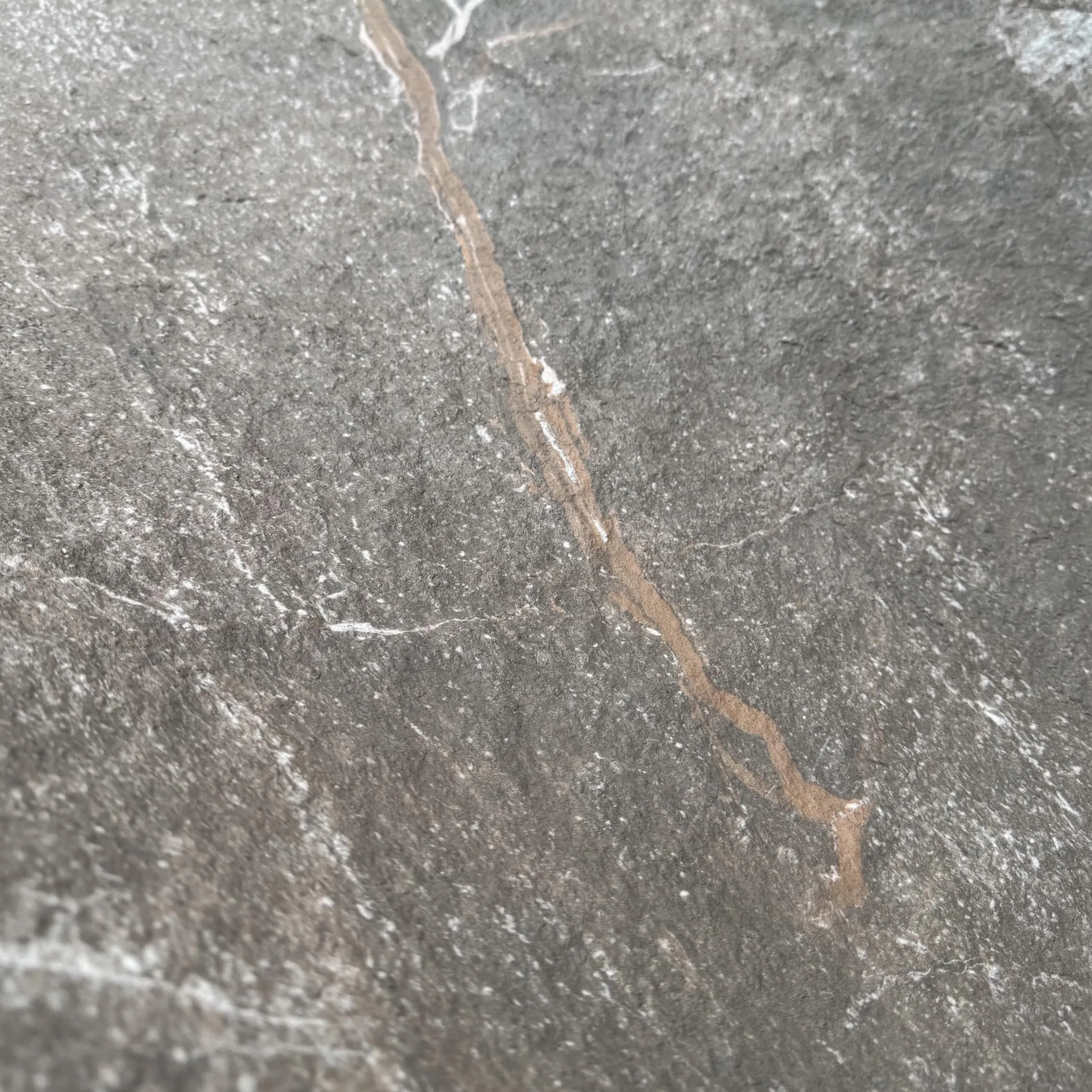
Marcus Okafor believes art and architecture should collide—and nowhere is that more evident than at Lagos' Nova Art Museum. The building's facade is a bold mix of Granite Portoro and foamed aluminium alloy board (vintage gold), the black and gold creating a dynamic contrast that mirrors the vibrancy of Nigerian art. "Granite Portoro is like a black canvas," Okafor says, gesturing to a rendering. "The gold veins? Those are the stories—of the artists, the city, the people who'll walk through these doors." The museum's main hall features a sweeping staircase wrapped in Granite Portoro, each step polished to a high shine that reflects the light streaming in from skylights. Upstairs, the galleries use foamed aluminium alloy board (vintage gold) for the walls, its matte finish ensuring artworks take center stage. "Materials should support the story, not steal it," Okafor adds. "Here, they dance together."
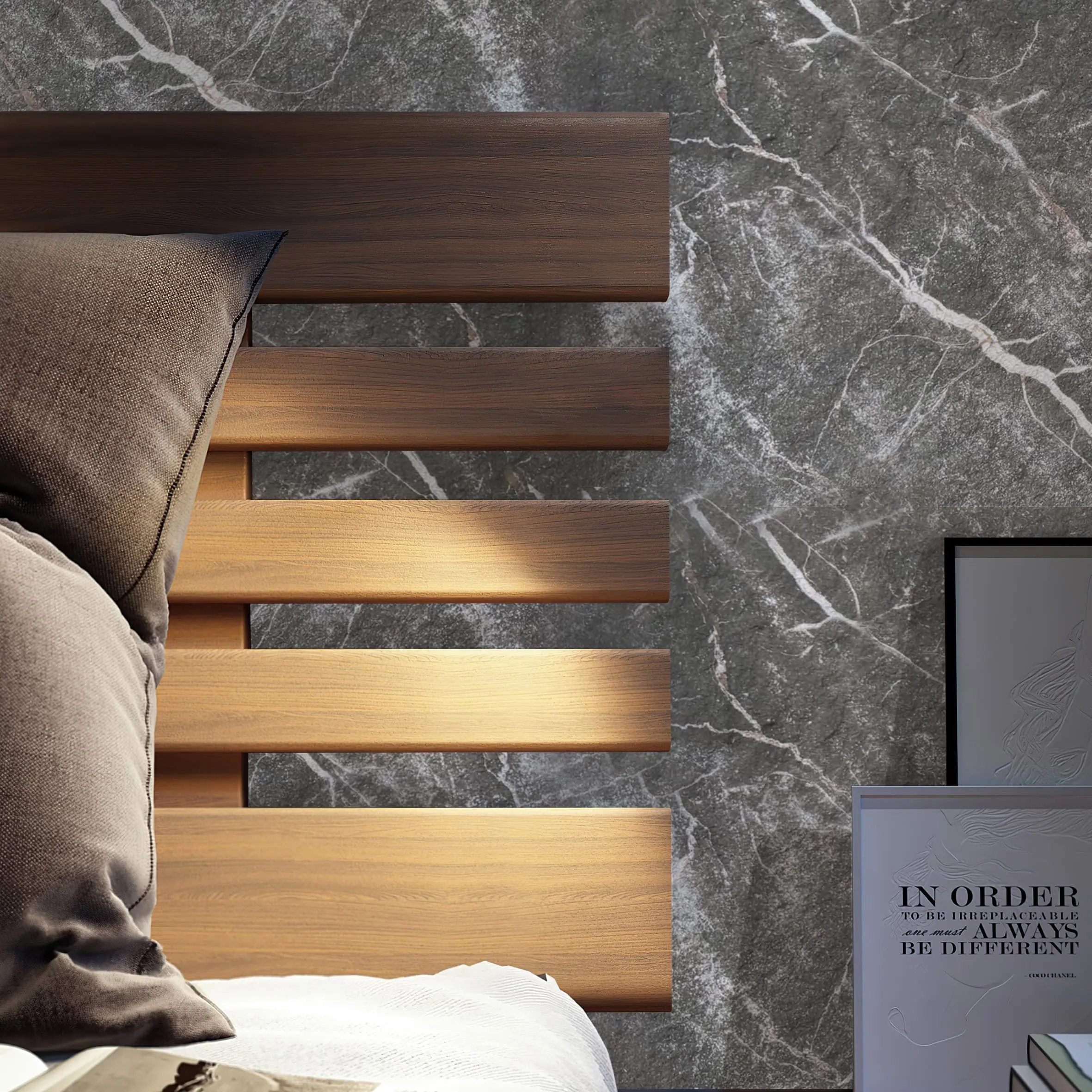
Seoul's Ethereal Heights is a residential tower that defies gravity—or at least, it feels that way. Designed by Sofia Kim, the building's facade is a striking combination of MCM big slab board series (in a soft gray) and lunar peak black, creating a gradient effect that makes the tower seem to fade into the sky. "Seoul is a city of layers—old and new, mountain and metro," Kim explains. "I wanted the building to reflect that depth. MCM big slabs let me create large, unbroken surfaces that feel calm, while the lunar peak black accents add edge—like the city's skyline at night." Inside, apartments feature floor-to-ceiling windows framed by MCM panels, blurring the line between indoors and out. The penthouse, in particular, is a showstopper: a rooftop terrace with a Granite Portoro dining counter, where residents can watch the sunset over Namsan Mountain, the stone's gold veins glowing like embers.
David Torres' Zocalo Innovation Hub is a love letter to Mexico City's industrial past—with a futuristic twist. The adaptive reuse project, housed in a 1920s factory, pairs fair-faced concrete (left exposed to show its rough, artisanal texture) with rusty red MCM panels that mimic the patina of old machinery. "Factories have soul," Torres says, walking through the building's open-air courtyard. "I didn't want to erase that—I wanted to amplify it." The MCM panels wrap around the factory's original steel beams, their flexibility allowing Torres to cover uneven surfaces without losing structural integrity. Inside, co-working spaces feature Granite Portoro tabletops, their bold pattern a nod to the city's vibrant art scene. "It's about contrast," Torres adds. "The concrete is the past, the MCM is the future, and Granite Portoro? That's the bridge—timeless, unapologetic."
Amara Nwosu's Kalahari Research Center is a building that belongs to the desert. Located on the edge of the Kalahari, the center uses Gobi panel (an MCM variant inspired by desert stone) and MCM flexible stone in earthy tones, allowing it to blend into the landscape by day and glow softly by night. "Research centers shouldn't feel like labs—they should feel like part of the environment they're studying," Nwosu says. The MCM flexible stone, in particular, was a game-changer: "We needed materials that could withstand extreme temperatures—scorching days, freezing nights—and still look beautiful. MCM does that. It's tough, but it breathes, so the building stays cool without heavy AC." Inside, the walls are lined with travertine (starry orange), its porous texture echoing the desert's dunes. "It's about respect," Nwosu adds. "The Kalahari teaches us humility. The building? It's our way of listening."
Hiroshi Tanaka's Zenith Gallery in Tokyo is a masterclass in minimalism—where every material is chosen with intention. The gallery's exterior is a study in contrast: smooth, polished Granite Portoro panels that reflect the city's energy, paired with warm wood grain board that grounds the space in nature. "In Japan, we talk about 'ma'—the space between things," Tanaka explains. "Granite Portoro and wood grain board create that balance—hard and soft, new and old." Inside, the main exhibition hall is a single, open space with walls of MCM flexible stone in off-white, ensuring artworks are the focus. "MCM's neutrality is its strength," Tanaka says. "It doesn't compete—it elevates." The gallery's café, tucked in the back, features a communal table made from a single slab of Granite Portoro, where visitors sip matcha and discuss art, the stone's veins sparking conversations about time and change.
Lina Hassan's Pharaonic Heritage Museum doesn't just display history—it becomes part of it. The museum, located near the Giza pyramids, uses historical pathfinders stone (a traditional Egyptian material) alongside MCM big slab board series, creating a dialogue between ancient and modern. "Egypt's heritage is in our stones," Hassan says, running a hand over a sample of historical pathfinders stone, its texture rough and weathered. "But we can't live in the past. MCM big slabs let us build for the future while honoring where we came from." The museum's facade features MCM panels etched with hieroglyph-inspired patterns, their large size allowing for bold, unbroken designs. Inside, the King Tut exhibit is framed by Granite Portoro, its black and gold echoing the opulence of the pharaoh's tomb. "Granite Portoro has been used in Egyptian architecture for millennia," Hassan notes. "It's not just a material—it's a legacy."
Carlos Mendez's Andes Sky Lodge is a retreat that feels like it's been carved from the mountains themselves. Perched on a hillside outside Santiago, the lodge uses Lunar peak golden (an MCM variant that shimmers like sunlight on snow) and fair-faced concrete, blending into the Andean landscape. "The Andes are sacred here," Mendez says, gazing out at the mountains from his office. "I wanted the lodge to feel like a natural extension of them. Lunar peak golden does that—it changes with the light, just like the snow-capped peaks." Inside, guest rooms feature fireplaces with Granite Portoro hearths, their warmth contrasting with the cool concrete walls. The lodge's restaurant, with floor-to-ceiling windows, offers panoramic views, and the tables—made from reclaimed wood paired with MCM flexible stone—let diners feel connected to both the earth and the sky. "Architecture should make you feel small in the best way," Mendez says. "Like you're part of something bigger."
Recommend Products












