
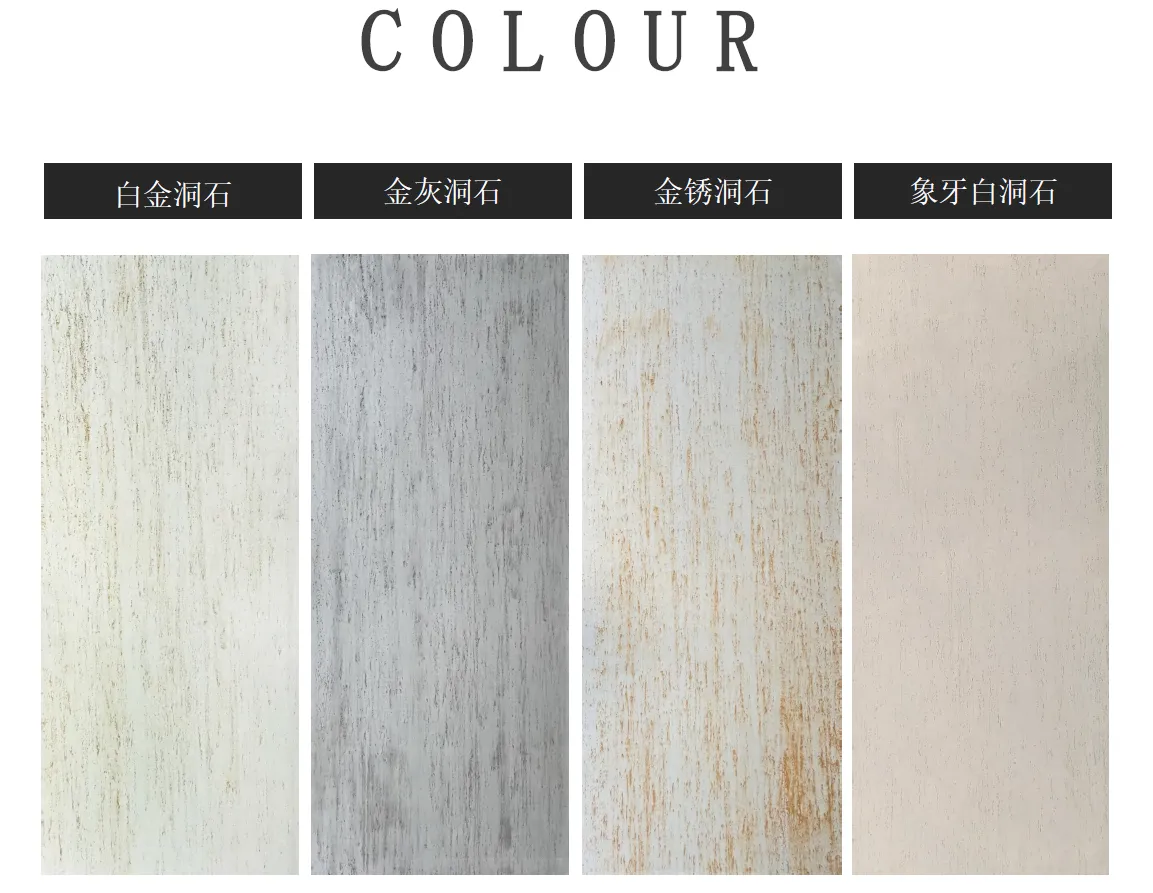
Walk down any street, and the first thing that catches your eye about a building isn't just its shape—it's the story told by its exterior walls. They're more than barriers; they're the to a structure's personality, blending function with feeling, history with modernity. For centuries, architects have turned to natural stone to craft this narrative, and few materials carry the weight of legacy quite like travertine. Think of Rome's Colosseum, its weathered travertine blocks standing as a testament to endurance and beauty. Today, that same spirit is reborn in Roman huge travertine-inspired MCM (Modified Composite Material), a revolutionary take on tradition that marries the grandeur of ancient stone with the innovation of modern engineering. If you've ever dreamed of walls that feel both timeless and fresh, sturdy yet supple, eco-conscious yet indulgent, let's explore why this material is becoming the go-to choice for designers and homeowners alike.
| Feature | Traditional Roman Travertine | Roman Huge Travertine-Inspired MCM |
|---|---|---|
| Weight | Heavy (requires robust structural support) | Lightweight (up to 70% lighter, ideal for varied structures) |
| Durability | Durable but prone to chipping/cracking over time | Weather-resistant, UV-stable, and scratch-proof |
| Installation | Labor-intensive (needs specialized masonry) | Easy to cut, install, and adapt to curves/surfaces |
| Maintenance | Requires regular sealing and cleaning | Low-maintenance (occasional wiping with water) |
| Sustainability | Quarrying impacts natural ecosystems | Eco-friendly (reduced resource use, lower carbon footprint) |
Recommend Products












