
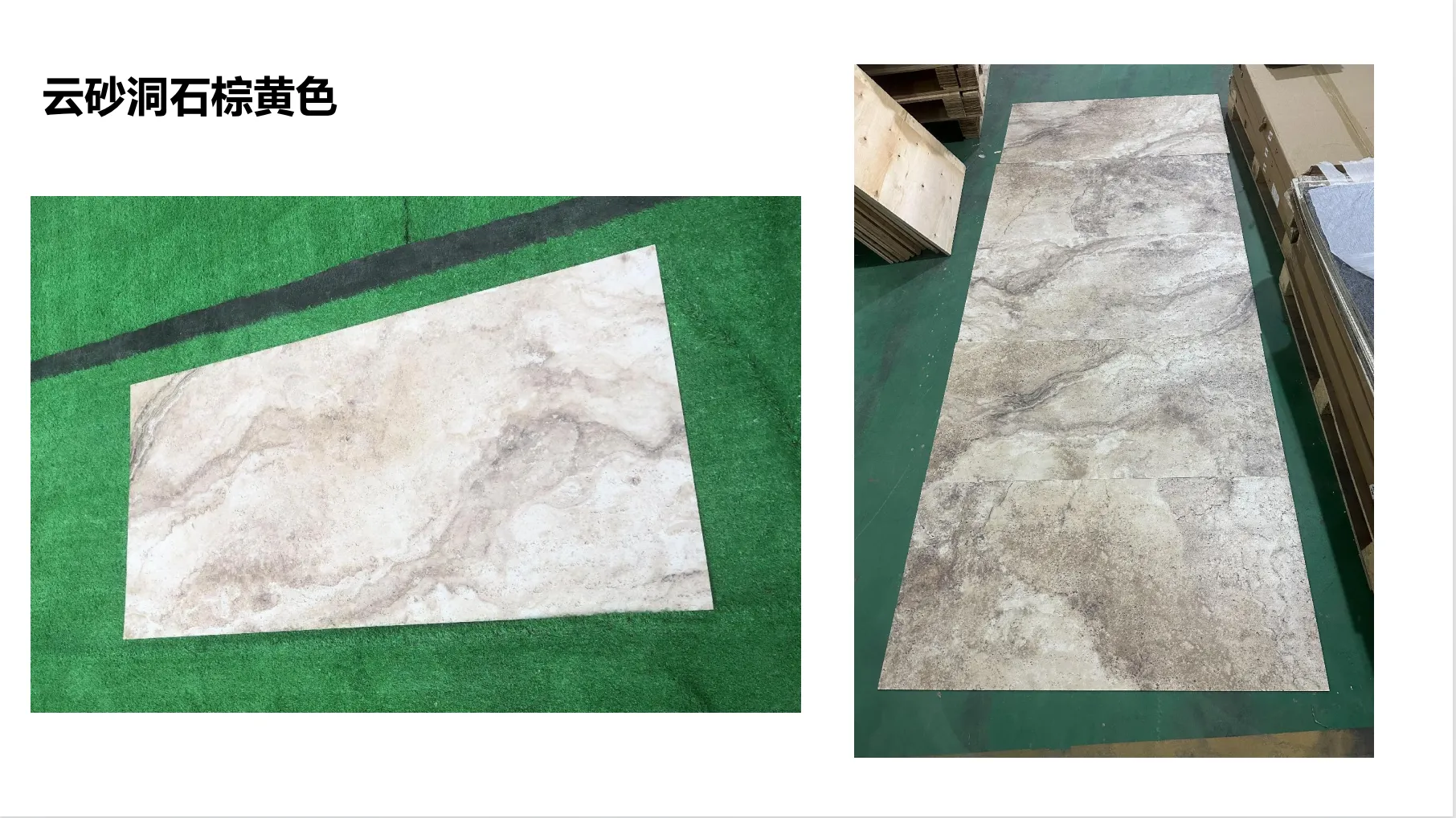
In the world of commercial design—where hotels aim to feel both luxurious and welcoming, offices strive for professionalism with warmth, and retail spaces compete to be memorable—materials aren't just building blocks. They're storytellers. They shape how visitors feel, how brands are perceived, and how spaces stand the test of time. Among the myriad options, one material has been quietly winning over architects and designers alike: dolomitic travertine (dark grey) . More than just a stone, it's a versatile ally that balances aesthetics, durability, and emotional resonance. Let's dive into why this understated gem deserves a spot at the top of your commercial project checklist.
Commercial spaces need to stay relevant for decades, not just seasons. Dark grey dolomitic travertine excels here because it avoids fleeting trends, instead leaning into a timeless sophistication that evolves with design fads rather than succumbing to them. Unlike stark whites or harsh blacks, its dark grey hue carries depth—subtle undertones of charcoal and taupe that shift with light, creating a dynamic canvas that never feels flat.
What sets it apart from other neutrals? Unlike fair-faced concrete , which leans industrial, or limestone (beige) , which can feel overly soft, dolomitic travertine (dark grey) marries the best of both worlds: the organic texture of natural stone with the clean lines of modern design. Its surface is dotted with tiny, fossil-like vesicles (a signature of travertine) and veined with delicate streaks of lighter grey, adding visual interest without overwhelming. Pair it with marble interstellar gray for a monochromatic scheme that feels luxurious, or contrast it with travertine (starry blue) accents on feature walls to inject a playful, cosmic energy—perfect for tech offices or creative studios.
Imagine a boutique hotel lobby where dark grey dolomitic travertine floors flow seamlessly into a reception desk clad in the same stone. Sunlight filters through floor-to-ceiling windows, highlighting the stone's natural variations, while weaving (khaki) upholstery on lounge chairs adds warmth. The result? A space that feels both grounded and elevated—never trendy, always timeless.
Commercial spaces are battlefields of foot traffic, spills, and wear. A hotel lobby might see thousands of guests daily; a retail store's floors endure scuffs from shopping carts and stilettos; an office corridor bears the weight of rolling chairs and hurried footsteps. Here, fragility is a fatal flaw—and dark grey dolomitic travertine is built to survive.
Dolomitic travertine is denser and harder than standard travertine, thanks to its dolomite content (a mineral that adds strength). This makes it far more resistant to scratches, stains, and chips compared to softer stones like red travertine or even rough granite stone (medium grey) , which can dull over time. Its non-porous surface (when sealed properly) repels coffee spills, wine splatters, and dirt, making maintenance a breeze—no need for specialized cleaners or constant sealing. Unlike polish concrete , which can show tire marks or etching, dolomitic travertine (dark grey) hides minor imperfections, keeping spaces looking fresh even after years of use.
Take a busy airport terminal, for example. replace traditional tile with dark grey dolomitic travertine flooring, and you'll notice the difference in five years: while tile might crack or fade, the travertine retains its color and texture, reducing long-term replacement costs. It's not just a material choice—it's an investment in durability.
Today's commercial clients don't just ask, "Does it look good?" They ask, "Is it good for the planet?" Dark grey dolomitic travertine answers that question with a resounding yes. As a natural stone, it's sourced from quarries (ideally responsibly managed ones) with minimal processing—no harsh chemicals, no energy-intensive manufacturing like foamed aluminium alloy board (vintage silver) , which relies on smelting and shaping metal.
Its sustainability story doesn't stop at extraction. Unlike synthetic materials that degrade over time and end up in landfills, dolomitic travertine is permanent . A single installation can last 50+ years, reducing the need for frequent replacements and cutting down on waste. Even better, its thermal mass properties can help regulate indoor temperatures: in hot climates, it absorbs heat during the day and releases it slowly at night, easing reliance on air conditioning. For projects aiming for LEED certification or green building credentials, this stone ticks critical boxes for natural resource use and longevity.
Compare it to poly wood board , a composite material that often contains plastic additives, or epoch stone , a man-made product with a higher carbon footprint. Dark grey dolomitic travertine isn't just a design choice—it's a commitment to sustainability that clients and visitors alike will appreciate.
Commercial projects rarely stick to one material for one purpose—and neither does dark grey dolomitic travertine. Its adaptability makes it a Swiss Army knife for designers, shining in applications from flooring to facades, countertops to accent walls.
Even better, it plays well with other materials. Mix it with bamboo mat board in a wellness center for an earthy, spa-like atmosphere, or combine it with rusty red textiles in a boutique to create bold, memorable contrasts. The possibilities are nearly endless.
At the end of the day, commercial spaces aren't just structures—they're experiences. They need to make people feel something: calm, inspired, trusted, or even excited. Dark grey dolomitic travertine excels at this because it carries an authenticity that synthetic materials can't replicate.
Unlike charcoal burnt wood board , which feels intentionally rugged, or marble veil white , which leans overtly luxurious, dark grey dolomitic travertine strikes a balance: it feels real . Its natural variations—no two slabs are identical—create a sense of uniqueness that resonates with today's audiences, who crave spaces that feel less "designed" and more "lived-in." In a world of filtered perfection, its subtle imperfections (a tiny pit here, a faint vein there) feel reassuringly human.
Consider a co-working space: using dark grey dolomitic travertine for communal tables and accent walls sends a message of stability and creativity—this is a place where ideas are built to last, not just brainstormed. Or a luxury car dealership: the stone's mirrors the brand's promise of reliability and sophistication, making customers feel confident in their purchase. Even in healthcare settings, its calming grey hue reduces anxiety, creating a more healing environment than harsh whites or sterile metals.
In short, it doesn't just fill space—it shapes mood. And in commercial design, mood equals memory. People remember how a space made them feel, and dark grey dolomitic travertine ensures that feeling is one of trust, comfort, and timeless appeal.
| Material | Aesthetics | Durability | Sustainability | Best For |
|---|---|---|---|---|
| Dolomitic Travertine (Dark Grey) | Timeless dark grey with organic texture; versatile for modern/classic designs | Highly scratch/stain-resistant; ideal for high-traffic areas | Natural stone; minimal processing; 50+ year lifespan | Lobbies, facades, retail floors, accent walls |
| Foamed Aluminium Alloy Board (Vintage Gold) | Metallic, sleek; trendy but may date quickly | Durable but prone to dents; not ideal for heavy foot traffic | Recyclable but energy-intensive to produce | Accent panels, lightweight facades |
| Rough Granite Stone (Dark Grey) | Rugged, industrial; less refined than travertine | Durable but porous; requires frequent sealing | Natural but heavier, increasing transport emissions | Outdoor patios, industrial-style interiors |
| Marble Stream Stone | Luxurious veining; high-end appeal | Soft; prone to scratches and etching | Natural but often quarried unsustainably | Low-traffic areas (e.g., hotel suites, boutique counters) |
Recommend Products












