
Why this natural stone is redefining beauty, durability, and versatility in modern architecture
Walk down any street, and you'll notice that buildings don't just stand—they speak . Their exteriors whisper stories of style, purpose, and personality. Exterior wall cladding, once thought of as merely a protective layer, has evolved into the most expressive part of a structure's identity. In this world of endless options, one material has been turning heads for all the right reasons: Dolomitic Travertine (Claybank). More than just a stone, it's a bridge between nature's artistry and human ingenuity. Let's explore why it's becoming the go-to choice for architects, designers, and homeowners who refuse to compromise on beauty or function.
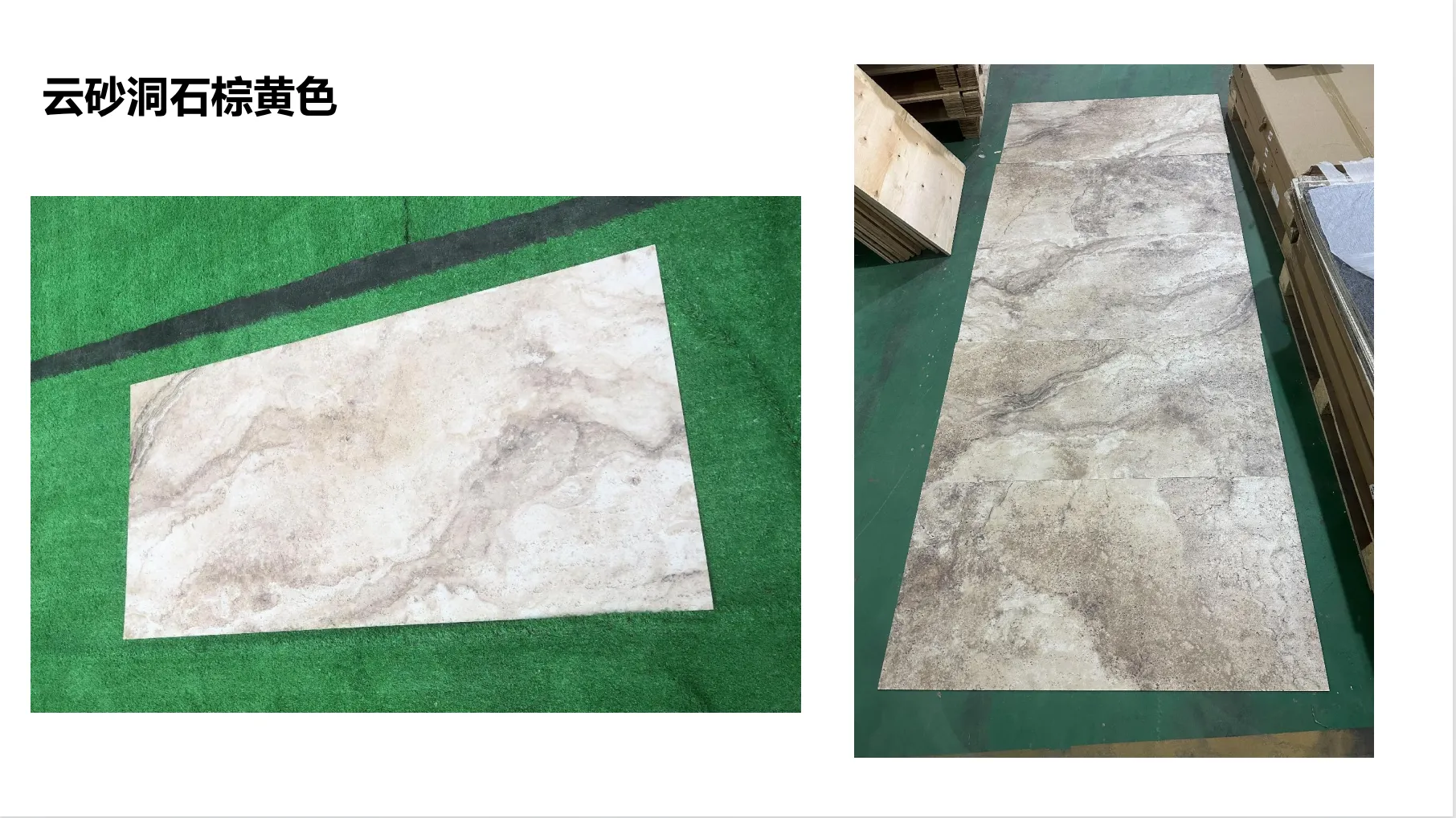
There's a reason certain colors and textures make us feel instantly at ease. Dolomitic Travertine (Claybank) carries that magic in its very core. Its claybank hue—a soft, sunlit blend of sand and terracotta—isn't just a color; it's an emotion. Imagine stepping up to a house where the walls glow gently in the morning light, or a café whose exterior feels like a warm hug on a cool evening. This isn't just paint or synthetic siding—it's the earth itself, shaped into something that feels alive.
What sets it apart from, say, wood grain board (a popular alternative) is its authenticity . Wood grain board mimics nature, but Dolomitic Travertine (Claybank) is nature. Run your hand over its surface, and you'll feel the subtle ridges and valleys left by centuries of geological formation—tiny fossil imprints, mineral veins, and a matte finish that catches light without harshness. It's the kind of texture that invites touch, that makes a building feel less like a structure and more like a companion.
Architects love it for its chameleon-like ability to complement any style. Pair it with sleek glass for a modern home, and it softens the edges; use it with timber accents in a rustic cabin, and it deepens the connection to the outdoors. Even in urban settings, where steel and concrete dominate, its earthy tone adds a grounding warmth that makes busy streets feel a little more human.
Beauty means little if it fades. Dolomitic Travertine (Claybank) isn't just pretty—it's tough. Formed over millions of years under intense pressure, this stone is built to withstand whatever the elements throw at it. Heavy rain? It laughs it off. Scorching sun? Its color deepens, not fades. Freezing winters? No cracks, no chips—just a slow, graceful aging that adds character, like a well-loved book.
Compare that to fair-faced concrete, another durable option. While concrete is undeniably strong, it often feels cold and industrial. Dolomitic Travertine (Claybank) offers the same resilience but with a heart. Homeowners in coastal areas, where salt air eats away at lesser materials, report their travertine walls looking fresh after decades. In mountain regions, where snow and ice are constant, it holds firm without losing its charm. This isn't just durability—it's peace of mind. You won't be repainting or replacing panels every few years; you'll be watching your building grow more beautiful with time.
Gone are the days when natural stone meant heavy, hard-to-handle slabs. Dolomitic Travertine (Claybank) has been revolutionized by mcm flexible stone technology—a game-changer that marries the strength of stone with the ease of modern materials. Unlike traditional stone cladding, which requires cranes and specialized labor, these panels are lightweight and flexible, making installation faster, safer, and more affordable.
Contractors rave about how it adapts to curved surfaces, uneven walls, or even historic buildings where preserving the original structure is key. Imagine cladding a circular tower or a home with unique architectural angles—with MCM-backed Dolomitic Travertine (Claybank), it's not just possible; it's straightforward. Prefabricated panels mean less waste on-site, and because they're lighter, there's less stress on the building's foundation. It's innovation working for you, not against you.
In a world where every choice matters, Dolomitic Travertine (Claybank) is a nod to responsible design. Sourced from quarries that prioritize ethical mining practices, it's a natural resource that, when harvested mindfully, leaves minimal impact. Unlike synthetic cladding (which often relies on petroleum-based products), it contains no harmful chemicals or off-gassing. And because it's so durable, it reduces the need for frequent replacements—cutting down on waste and lowering your carbon footprint over time.
Even its maintenance routine is eco-friendly. No harsh cleaners or toxic sealants required—just a hose and a soft brush. Compare that to vinyl siding, which ends up in landfills after a decade, or painted surfaces that need toxic primers and topcoats. Dolomitic Travertine (Claybank) isn't just a choice for your building; it's a choice for the planet.
Whether you're designing a beachfront villa, a downtown office, or a cozy suburban home, Dolomitic Travertine (Claybank) fits. Its neutral claybank tone acts as a perfect canvas, letting other elements shine. Want to add a modern twist? Pair it with lunar peak silvery accents for a cool, metallic contrast. Going for a bohemian vibe? Mix in mosaic tiles or woven textures. It even plays well with other stones—try combining it with dark gray dolomitic travertine for a striking, layered look.
Commercial spaces love it, too. A boutique hotel in used it for their exterior, and guests rave about how it feels "both luxurious and approachable." A tech startup in Austin clad their office with it, saying it helps their brand feel "grounded yet innovative." Even public spaces—parks, libraries, community centers—benefit from its ability to make large buildings feel intimate. It's not just cladding; it's a design partner that grows with your vision.
| Material | Aesthetic | Durability | Installation | Sustainability |
|---|---|---|---|---|
| Dolomitic Travertine (Claybank) | Warm claybank hue with natural, tactile texture; ages gracefully | Withstands rain, sun, frost; minimal wear over 50+ years | Lightweight MCM panels; easy to cut, shape, and install | Natural stone; low maintenance; recyclable at end of life |
| Wood Grain Board | Warm, organic look but artificial texture; fades quickly | Prone to rot, warping, and insect damage in 10–15 years | Requires careful handling to avoid splitting; needs regular sealing | Often contains plastics; frequent replacement = more waste |
| Fair-Faced Concrete | Industrial, uniform gray; can feel cold and sterile | Strong but prone to cracking; stains easily | Heavy, requires specialized formwork; slow curing time | High carbon footprint from production; hard to recycle |
| Lunar Peak Silvery | Cool, metallic silver; sleek, modern look | Resists corrosion but may scratch; fades in direct sun | Lightweight but requires precise alignment | Synthetic components; some recyclable options |
At the end of the day, buildings are for people. They shelter us, inspire us, and connect us to our surroundings. Dolomitic Travertine (Claybank) understands that. It's not just a material; it's a storyteller. It tells of the earth's patience, of human innovation, and of the beauty that happens when the two meet.
So, whether you're building your first home, renovating a landmark, or designing the next big thing in architecture, consider this: What do you want your building to say? If the answer is "warmth," "strength," "sustainability," and "timelessness," then Dolomitic Travertine (Claybank) might just be the voice you've been looking for. After all, the best buildings aren't just seen—they're felt. And this stone? It feels like home.
Recommend Products












