pH isn't just a term from chemistry class—it's the quiet architect of how materials age. For organic materials like wood, pH (a measure of acidity or alkalinity) dictates how resistant they are to rot, mold, and even the corrosion of metal fasteners. Imagine installing a beautiful wall panel only to find it warping or discoloring a year later; chances are, pH imbalance played a role.
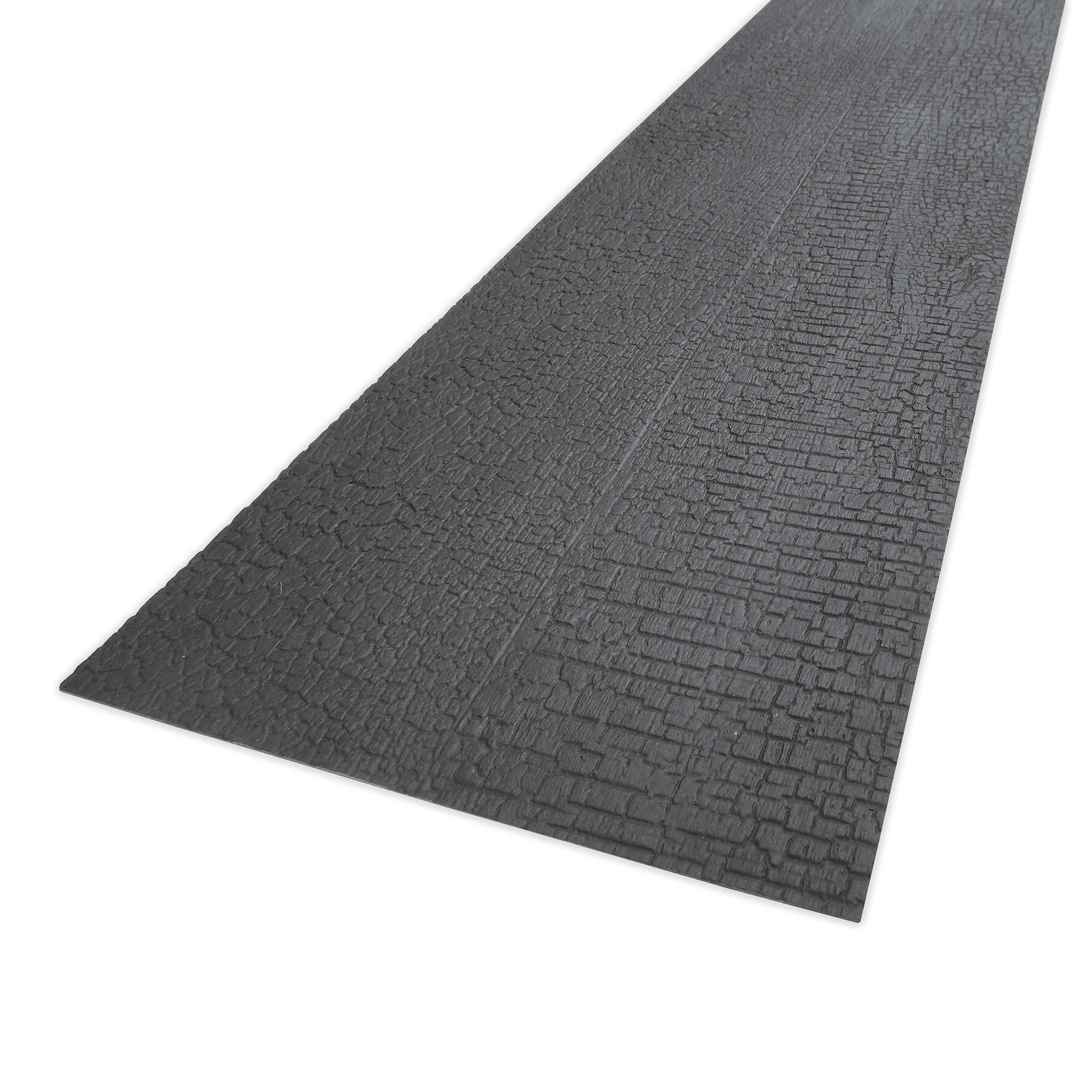
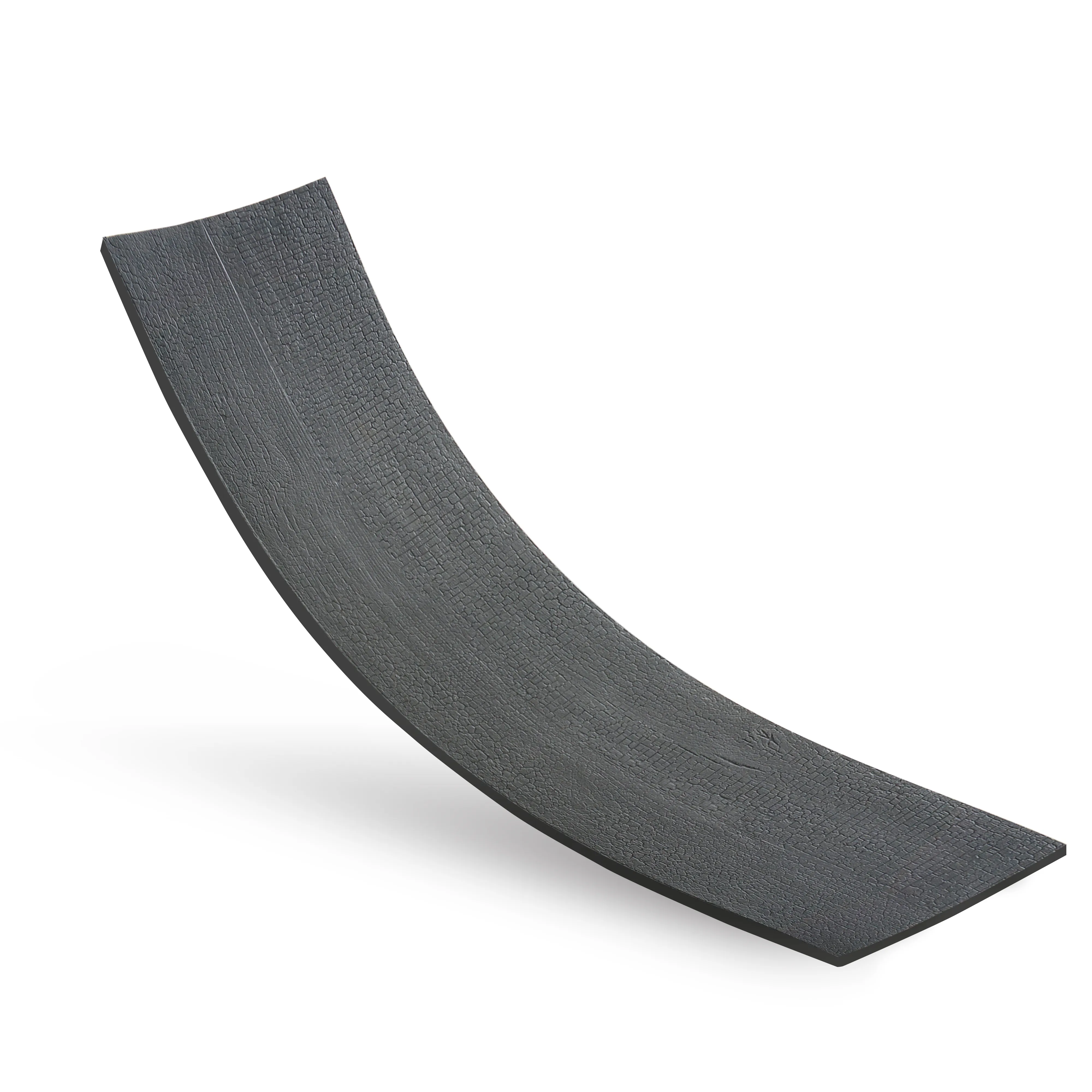
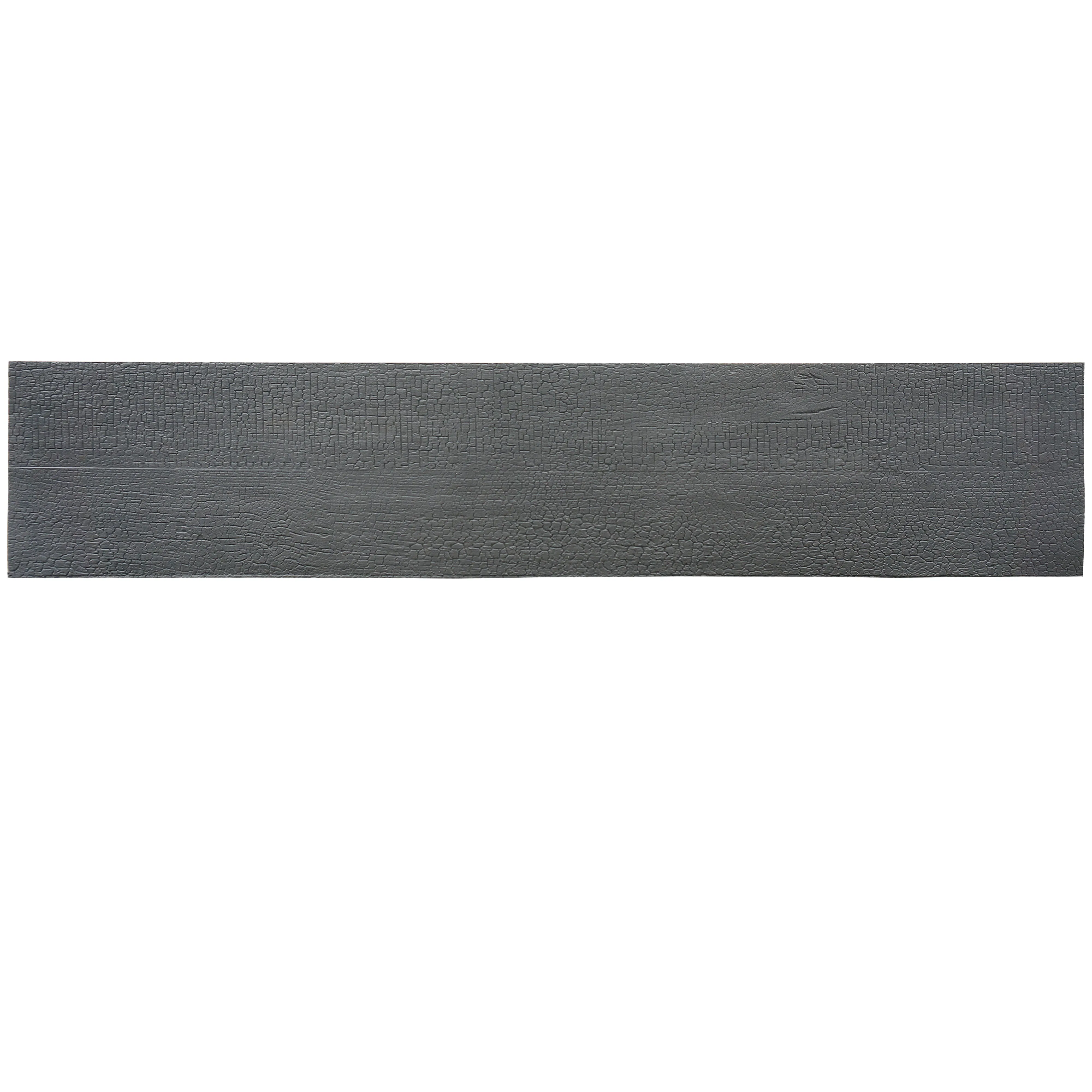
Charcoal burnt wood board
, for example, undergoes a torrefaction process—heating wood in the absence of oxygen to char its surface—which alters its natural pH. This isn't just about aesthetics; it's about creating a material that can hold its own against rain, humidity, and the slow creep of time.
Acidic materials (pH < 7) can react with metal nails or screws, causing rust stains that bleed into the wood. Alkaline materials (pH > 7), on the other hand, might leach minerals over time, discoloring adjacent surfaces or weakening adhesives. Neutral pH (around 7) is often ideal for versatility, as it minimizes reactivity. To help you make sense of it all, we've compiled real pH rankings for
charcoal burnt wood board
and its competitors, so you can see how it measures up.