


In the heart of a construction revolution, where Saudi Arabia's skyline is being ambitiously redrawn by projects like NEOM and the Red Sea Global, the choice of building materials has never been more critical. For centuries, the classic elegance of travertine and the intricate beauty of mosaic tiles have been the go-to for architects and designers aiming for a timeless, luxurious finish. But what if the very materials we've trusted for generations have limitations that modern construction can no longer ignore? What if there's a better way?
This is a question that forward-thinking contractors, developers, and architects across the Kingdom are asking themselves. They're on the hunt for solutions that not only capture the aesthetic splendor of traditional stone but also align with the demands of 21st-century building: efficiency, sustainability, design freedom, and performance. This search has led many to a groundbreaking innovation that is reshaping the industry. At the forefront of this movement is COLORIA GROUP, a company that has moved beyond simply supplying materials to providing comprehensive, next-generation solutions. While many search for traditional travertine, the most discerning professionals are discovering an alternative that offers the look they desire without the drawbacks they've come to expect.
The Age-Old Dilemma: Why Contractors Are Rethinking Natural Stone
To appreciate the revolution, we first need to understand the problem. Natural travertine is undeniably beautiful. Its warm, earthy tones and unique porous texture tell a geological story millions of years in the making. But for the modern contractor working on a tight schedule and budget, this beauty comes at a significant cost—and we're not just talking about the price per square meter. The practical challenges associated with natural stone are substantial and have a ripple effect throughout a project's lifecycle.
The Heavy Burden of Weight
The most immediate and obvious challenge is weight. Natural stone is incredibly dense and heavy. A single slab of travertine can require multiple workers and specialized equipment to lift and install. This isn't just an installation headache; it has serious structural implications. Buildings must be engineered with reinforced foundations and support structures to bear the immense load, adding complexity, time, and significant cost to the engineering and construction phases. For high-rise buildings, this dead load becomes a critical factor that can limit design possibilities and inflate budgets exponentially. Retrofitting older buildings with heavy stone cladding is often structurally unfeasible without massive, expensive reinforcement.
The Fragility of Sourcing and Installation
The journey of a travertine tile from a quarry to a building facade is long and perilous. The stone must be extracted in massive blocks, sliced, polished, and transported thousands of kilometers. This complex supply chain is prone to disruptions, price volatility, and damage. Slabs can crack or break during transit or installation, leading to costly waste and project delays. Furthermore, installing natural stone is a wet, messy, and labor-intensive process. It requires skilled masons, specialized cutting tools, and a great deal of on-site fabrication, which generates dust, noise, and slurry. The process is slow, and the chances of error—misaligned tiles, inconsistent grout lines—are high.
The Inconsistency Conundrum
While the natural variation of stone is part of its charm, it can be a logistical nightmare for large-scale projects. Ensuring color and pattern consistency across thousands of square meters of cladding is nearly impossible. A client might approve a sample from one batch, only to find that the delivered material from a different part of the quarry looks noticeably different. This lack of uniformity can compromise the architect's design intent and lead to disputes and rejections, further derailing project timelines and budgets.
The Long-Term Commitment to Maintenance
Travertine is a porous stone. This means it's susceptible to staining from pollutants, acid rain, and even everyday spills. It requires regular sealing to protect its surface, an ongoing maintenance cost. In the harsh climate of Saudi Arabia, with its intense sun, occasional sandstorms, and coastal humidity, the long-term durability of any exterior material is put to the test. Natural stone, while robust, is not impervious to the elements and can weather or degrade over time.
The Evolution of Material Science: Enter MCM by COLORIA GROUP
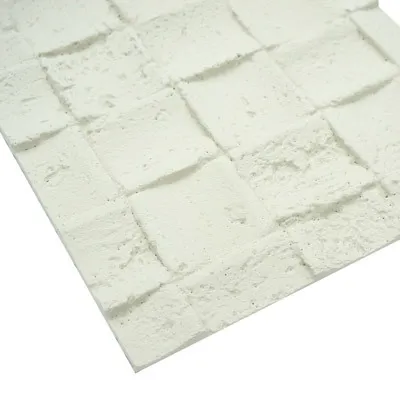
Faced with these challenges, the construction industry has been crying out for an alternative. An ideal material would have the aesthetic soul of natural stone but the physical properties of a high-performance, engineered product. This is precisely where Modified Cementitious Material (MCM) comes in. It's not just an imitation; it's an evolution. And COLORIA GROUP has mastered this technology, positioning itself as a leader in this new era of building materials.
So, what exactly is MCM? In simple terms, it's a revolutionary composite material made from natural ingredients. The core components are typically inorganic materials like common soil, stone powder, and sand, mixed with a small amount of water-based modifiers. This mixture is then shaped and cured at a relatively low temperature. The process is fundamentally different from the high-energy firing of ceramics or the quarrying of stone. The result is a material that is astonishingly versatile, sustainable, and high-performing.
Imagine a material that can perfectly replicate the look and feel of a rare Italian travertine, a rustic slate, or even warm-grained wood, but is only a few millimeters thick and light enough for one person to carry a large panel. Imagine that this material can be bent around curved walls, columns, and arches without cracking. This is the magic of MCM. It liberates architects from the constraints of traditional materials, enabling them to realize their most ambitious visions without compromising on practicality or budget. It's the reason why contractors who initially search for travertine suppliers are now turning to COLORIA GROUP for their advanced MCM solutions. One of the flagship products leading this charge is the incredibly versatile MCM Flexible Stone .
A Deep Dive into COLORIA GROUP's Game-Changing Product Lines
COLORIA GROUP isn't just a single-product company. It's a one-stop-shop for a suite of MCM-based solutions, each tailored to specific project needs. Understanding these product lines reveals why they are becoming the go-to choice for contractors across Saudi Arabia.
The Star of the Show: MCM Flexible Stone
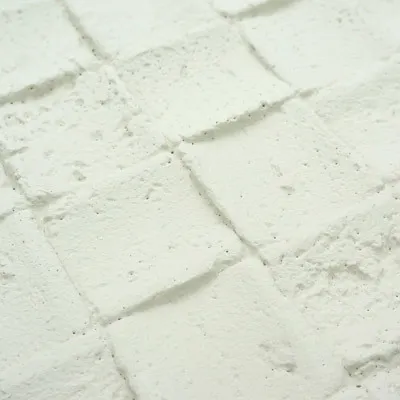
This is the product that most directly answers the call for a better "travertine." The MCM Flexible Stone series is a masterpiece of material engineering. It offers an incredibly realistic range of natural stone finishes—from the subtle veining of marble to the textured layers of slate and, yes, the classic porous look of travertine. But its beauty is more than skin deep.
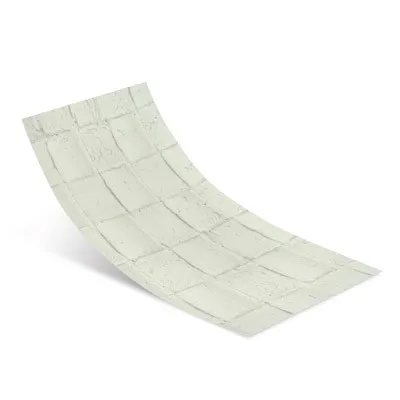
- Unbelievable Flexibility: Its name says it all. This material can be bent to a surprising degree, making it perfect for cladding curved facades, interior columns, and complex architectural features that would be impossible or prohibitively expensive to achieve with real stone.
- Feather-Light Weight: Typically weighing less than 7 kg per square meter, it's a fraction of the weight of traditional stone. This drastically reduces structural load requirements, simplifies transportation and handling, and makes it an ideal choice for retrofitting and high-rise construction.
- Rapid, Clean Installation: Forget wet saws and heavy machinery. MCM Flexible Stone can be cut on-site with a simple utility knife. It's applied using a specialized adhesive, making the installation process faster, cleaner, and less reliant on highly specialized labor. This translates directly to saved time and money on the project site.
- Durability and Performance: Despite its light weight and flexibility, it is incredibly durable. It's Class A fire-resistant, breathable (preventing moisture buildup), freeze-thaw resistant, and UV stable, ensuring its colors won't fade under the intense Saudi sun.
| Feature | COLORIA GROUP's MCM Flexible Stone | Natural Travertine Stone |
|---|---|---|
| Weight | Lightweight (approx. 4-7 kg/m²) | Extremely Heavy (approx. 50-80 kg/m²) |
| Thickness | Ultra-thin (approx. 2.5-4 mm) | Thick (typically 20 mm or more) |
| Flexibility | Highly flexible, can wrap around curved surfaces | Rigid and brittle, cannot be bent |
| Installation | Fast, clean, uses adhesive, cut with a knife | Slow, messy, requires wet saws and mechanical fixing |
| Structural Load | Minimal impact, ideal for retrofits and high-rises | Requires significant structural reinforcement |
| Waste & Breakage | Minimal waste, highly durable during transport | High potential for breakage and waste |
| Sustainability | Low-energy production, made from natural recycled materials | High-energy quarrying and processing, resource-depleting |
| Consistency | Perfectly consistent color and texture control | Natural variations can be problematic for large areas |
For Grand Scale and Seamless Beauty: MCM Big Slab Board Series
For projects that demand a monolithic, high-end look, the MCM Big Slab Board Series is the answer. These are large-format panels that create vast, seamless surfaces with minimal grout lines. Imagine a towering hotel lobby or a modern villa facade clad in what appears to be a single, massive piece of stone. This is the effect the Big Slab Board Series achieves. It retains all the benefits of MCM technology—lightweight, durable, and easy to install—but scales it up for maximum visual impact. It's a preferred choice for feature walls, premium retail spaces, and building exteriors where a sense of grandeur and sophistication is paramount. Contractors love it because it allows them to cover large areas quickly, achieving a premium finish in a fraction of the time it would take with traditional large-format stone or porcelain.
Unleashing Total Creative Freedom: MCM 3D Printing Series
This is where COLORIA GROUP truly pushes the boundaries of what's possible. The MCM 3D Printing Series leverages advanced technology to create completely bespoke surfaces. Architects are no longer limited to the textures found in nature or a manufacturer's catalog. With this series, they can design their own unique patterns, reliefs, and artistic finishes. Do you want a wall that mimics the intricate patterns of a Mashrabiya screen, the flowing lines of sand dunes, or a corporate logo embedded as a subtle texture across a facade? The 3D Printing Series makes it possible. This level of customization allows for true architectural expression, turning buildings into unique works of art. For contractors, it offers a powerful value-add to their clients, enabling them to deliver one-of-a-kind projects that stand out from the crowd.
The Workhorse for Major Projects: MCM Project Board Series
While the other series focus on specific aesthetic or creative goals, the MCM Project Board Series is the pragmatic, high-performance workhorse designed for large-scale construction. This series is engineered for maximum efficiency, durability, and cost-effectiveness without sacrificing quality. It offers a wide range of standard finishes and sizes perfect for residential complexes, commercial towers, schools, and hospitals. It provides all the core advantages of MCM—fire safety, weather resistance, and light weight—in a package optimized for rapid deployment on major projects. For contractors, this means predictable costs, reliable performance, and the ability to meet demanding project schedules.
Why Saudi Arabian Contractors Trust COLORIA GROUP
Having innovative products is one thing. Being a trusted partner on the ground is another. COLORIA GROUP has distinguished itself in the Saudi Arabian market not just through its technology, but through its deep understanding of the local landscape and its commitment to client success.
Local Presence, Global Expertise
A key differentiator is COLORIA GROUP's established presence in Saudi Arabia. With a dedicated agency in the Kingdom, they are not a distant, faceless supplier. They are a local partner. This means they understand the specific challenges and opportunities of the region—from the climatic demands on materials to the nuances of local business culture and logistics. Contractors can have direct access to support, technical advice, and product samples, eliminating the uncertainties of dealing with overseas manufacturers. This local presence is backed by decades of global industry experience, offering the best of both worlds: international quality standards and local accessibility.
More Than a Supplier: A One-Stop Solution Provider
COLORIA GROUP embodies its identity as a "one-stop solution provider." They work with contractors, architects, and developers from the early stages of a project, offering consultation on material selection, custom design possibilities, and installation best practices. This collaborative approach ensures that the chosen materials not only meet the aesthetic vision but also align with the project's budget, timeline, and performance requirements. They provide a holistic service that goes far beyond simply shipping boxes of tiles. This partnership model is invaluable for contractors, as it mitigates risk and helps ensure a smooth, successful project delivery.
Aligning with Saudi Vision 2030
Perhaps most importantly, COLORIA GROUP's philosophy and products are perfectly in sync with the goals of Saudi Vision 2030. The vision emphasizes sustainability, innovation, and the creation of iconic, world-class developments. MCM technology directly supports these pillars. Its low-energy production process, use of natural and recycled materials, and minimal construction waste make it a far more sustainable choice than traditional stone or ceramic. Its lightweight nature contributes to more efficient and less resource-intensive building designs. The incredible design flexibility offered by products like the MCM 3D Printing Series empowers architects to create the kind of landmark projects that will define the Kingdom's future. By choosing COLORIA GROUP, contractors are not just selecting a building material; they are embracing a future-forward approach to construction that aligns with the nation's highest aspirations.
The Future Is Here, and It's Flexible
The search for the "top mosaic travertine tiles supplier in Saudi Arabia" is evolving. While the timeless appeal of travertine remains, the practical realities of modern construction demand a smarter, more versatile solution. The savvy contractor of today understands that true value lies not in tradition for tradition's sake, but in innovation that solves real-world problems.
COLORIA GROUP stands at this intersection of classic beauty and modern ingenuity. Their comprehensive suite of MCM products, from the revolutionary MCM Flexible Stone to the grand-scale MCM Big Slab Board Series , offers a superior alternative that addresses the critical pain points of weight, cost, installation, and sustainability. It empowers architects with unprecedented creative freedom and provides contractors with a reliable, efficient, and high-performance material they can trust.
For contractors and developers in Saudi Arabia who are building the future of the Kingdom, the choice is becoming clear. It's time to look beyond the quarry and embrace a material born from innovation. The future of architectural surfaces is lightweight, it is sustainable, it is customizable, and it is here. Exploring the possibilities offered by COLORIA GROUP is not just an option; it's a strategic step toward building faster, smarter, and more beautifully than ever before.










