
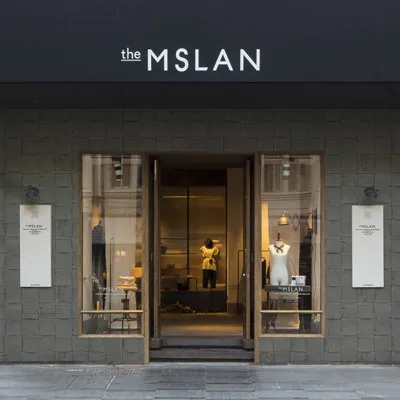
If you've ever walked through the bustling streets of Riyadh or admired the modern skyline of Jeddah, you've probably noticed something special about the buildings that stand out—the ones that blend timeless elegance with durability, even under the harsh Saudi sun. Chances are, many of those structures owe their striking exteriors to mosaic travertine tiles, a material that's become synonymous with both beauty and resilience in the region. And when it comes to sourcing the best of these tiles, there's one name that architects, developers, and contractors in Saudi Arabia keep coming back to: COLORIA GROUP.
For decades, COLORIA has been more than just a supplier—they're a trusted partner for anyone who refuses to compromise on quality. As a one-stop solution provider in the building materials industry, they've built their reputation on delivering top-notch products that don't just meet expectations, but exceed them. With a strong presence in global markets and a dedicated agency right here in Saudi Arabia, they understand the unique challenges of our climate—scorching temperatures, occasional sandstorms, and the need for materials that can stand the test of time. That's why their Modified Cementitious Material (MCM) series has become a game-changer, and today, we're diving deep into why their mosaic travertine tiles, along with innovations like flexible stone and 3D printing technology, are leading the way in Saudi Arabia's construction scene.
First, let's talk about the star of the show: mosaic travertine tiles. Travertine itself is a natural stone with a rich history, known for its unique porous texture and warm, earthy tones. But in its natural form, it can be tricky to work with—porous, heavy, and prone to staining. That's where COLORIA's MCM technology steps in. By modifying the cementitious material, they've taken all the beauty of natural travertine and boosted its performance, creating tiles that are perfect for Saudi Arabia's tough conditions.
Imagine a tile that looks like it was quarried from the finest Italian travertine quarries, with those characteristic honeycomb-like pores and soft, matte finish—but with none of the drawbacks. COLORIA's mosaic travertine tiles are denser, more durable, and easier to maintain than traditional stone. They're resistant to UV rays, so they won't fade even after years under the Saudi sun. They're also water-resistant, making them ideal for both exterior walls and high-moisture areas like pool surrounds or hotel lobbies. And because they're made with modified cementitious material, they're lighter than natural stone, which means easier installation and less stress on building structures—something that matters a lot in high-rise constructions common in cities like Riyadh and Dammam.
"We used COLORIA's mosaic travertine tiles for the exterior of our new hotel in Jeddah three years ago," says Ahmed Al-Mansoori, a local architect. "Not only do they still look as good as the day they were installed, but we've had zero issues with cracking or discoloration—even after that brutal summer heatwave last year. Clients often comment on how the tiles catch the light at sunset, giving the building a warm, welcoming glow. It's the little details that make a big difference, and COLORIA delivers on that."
But what really sets these tiles apart is their versatility. Whether you're going for a classic, understated look or something bold and modern, mosaic travertine tiles can adapt. They come in a range of finishes—from polished to honed to tumbled—and colors that reflect Saudi Arabia's diverse landscapes, from the soft beiges of the desert to the deep greens and golds that echo the country's lush oases. And because they're part of COLORIA's MCM series, they're designed to work seamlessly with other products in the lineup, like their flexible stone cladding, creating cohesive designs that architects love.
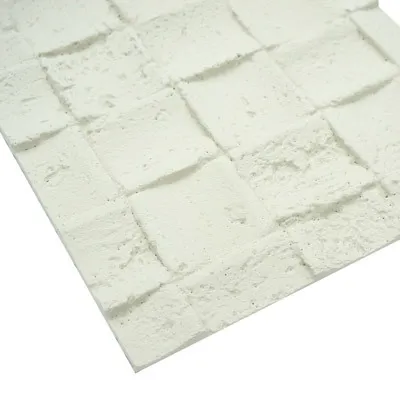
While mosaic travertine tiles steal the spotlight, they're just one piece of COLORIA's puzzle. Another standout product that's revolutionizing Saudi Arabia's construction industry is their MCM Flexible Stone. If you've ever wondered how some buildings manage to have curved or uniquely shaped exteriors without sacrificing style, this is probably the secret behind it.
Traditional stone cladding is rigid—great for straight walls, but not so much for anything with curves or complex angles. That's where flexible stone comes in. As the name suggests, this material bends. Not like rubber, of course, but enough to conform to rounded surfaces, arches, or even custom-designed facades. It's a game-changer for architects who want to push the boundaries of design without being limited by rigid materials.
But flexibility isn't the only perk. Like the mosaic travertine tiles, MCM Flexible Stone is built to last in Saudi Arabia's climate. It's lightweight, which reduces installation time and costs, and it's engineered to resist cracking, even in areas with temperature fluctuations (yes, even those sudden cold nights in the desert!). Plus, it's eco-friendly—made with sustainable materials and low VOC emissions, which aligns with the growing demand for green building practices in Saudi Arabia, especially with initiatives like Vision 2030 emphasizing sustainability.
One of the most impressive projects using MCM Flexible Stone in Saudi Arabia is a cultural center in Medina. The architect wanted to create a building that felt organic, with flowing lines inspired by traditional Arabic calligraphy. Using flexible stone, they were able to clad the curved walls in a warm, sandy that blends perfectly with the surrounding landscape. The result? A building that's not just a structure, but a piece of art—all thanks to a material that could keep up with the designer's vision.
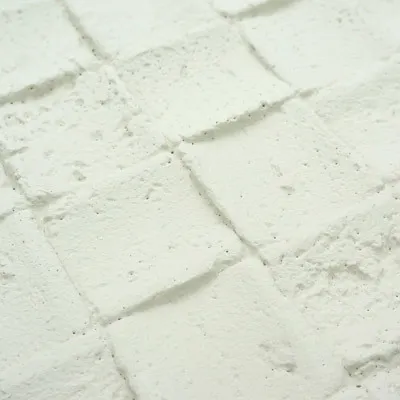
If flexible stone is about pushing design boundaries, then COLORIA's MCM 3D Printing Series is about bringing even the wildest ideas to life. In a market where uniqueness is key—especially for luxury projects like high-end hotels or corporate headquarters—3D printing technology allows for unprecedented customization. Imagine being able to create mosaic patterns, textures, or even intricate logos directly on your building materials. With 3D printing, that's not just possible; it's efficient and cost-effective.
Here's how it works: Using advanced 3D printing technology, COLORIA can take a digital design—whether it's a geometric pattern, a traditional Saudi motif, or even a custom logo—and print it directly onto their MCM panels. The result is a one-of-a-kind finish that's impossible to achieve with traditional manufacturing methods. And because it's all digital, there's no limit to the complexity of the design. Want a facade that tells a story through? Or a lobby wall that features a mosaic of local landmarks? 3D printing makes it happen, and with a turnaround time that's surprisingly fast—important when deadlines are tight, as they often are in Saudi Arabia's booming construction industry.
A recent example is a shopping mall in Khobar that wanted to stand out from the crowd. The developer partnered with COLORIA to create a facade featuring a 3D-printed mosaic pattern inspired by traditional Saudi jewelry. The panels, made using MCM technology, feature intricate geometric designs that catch the light differently throughout the day, drawing in visitors and becoming a local landmark. "We wanted something that felt uniquely Saudi, not just another generic mall," says the project manager. "COLORIA's 3D printing let us do that without blowing the budget. The feedback from shoppers has been incredible—people stop to take photos of the facade all the time!"
But 3D printing isn't just about aesthetics. It also offers practical benefits. By printing designs directly onto the panels, there's less waste compared to traditional cutting and shaping methods. It also allows for precise control over texture, which can help with things like heat reflection—important in a country where keeping buildings cool is a top priority. For example, a 3D-printed texture that reflects sunlight can reduce the need for air conditioning, lowering energy costs and making the building more sustainable.
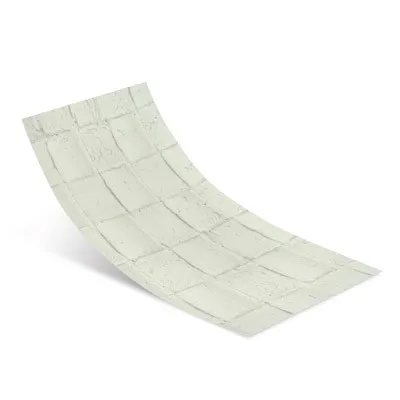
So, with so many suppliers out there, why do Saudi developers and architects keep choosing COLORIA? It all comes down to three things: local expertise, uncompromising quality, and a commitment to innovation.
First, local expertise. COLORIA isn't just a foreign company selling products in Saudi Arabia—they have a dedicated agency here, staffed by professionals who understand the local market inside out. They know the climate, the building codes, and the unique challenges that come with construction in the region. Need advice on which material works best for a coastal project in Jeddah (where saltwater air can be corrosive)? Or help navigating the paperwork for a government contract in Riyadh? Their team is there to guide you every step of the way, from initial design to final installation. That level of support is invaluable, especially for international firms new to the Saudi market.
Then there's quality. For decades, COLORIA has built a reputation for products that don't just meet industry standards—they set them. Every batch of mosaic travertine tiles, every sheet of flexible stone, and every 3D-printed panel undergoes rigorous testing to ensure it can withstand Saudi Arabia's toughest conditions. They test for UV resistance, thermal shock (because desert days are hot and nights can be cool), and even impact resistance (important in areas prone to sandstorms). It's that attention to detail that gives clients peace of mind—knowing that the materials they're using will last for decades, not just years.
"We once had a client who was hesitant to use new materials, having been burned by low-quality imports in the past," recalls a COLORIA representative in Riyadh. "We invited them to our local testing facility, showed them how our MCM products perform under extreme heat and pressure, and even connected them with references from similar projects. Six months later, they chose us for their flagship mall project. Now, they're our biggest advocate. That's the trust we've built over decades—one project at a time."
And finally, innovation. COLORIA doesn't rest on its laurels. They're constantly investing in research and development to improve their products and stay ahead of industry trends. Whether it's refining their 3D printing technology to offer more intricate designs or developing new color options for their mosaic travertine tiles (like the stunning starry green travertine that's become a hit in luxury resorts), they're always looking for ways to give clients more choices and better performance.
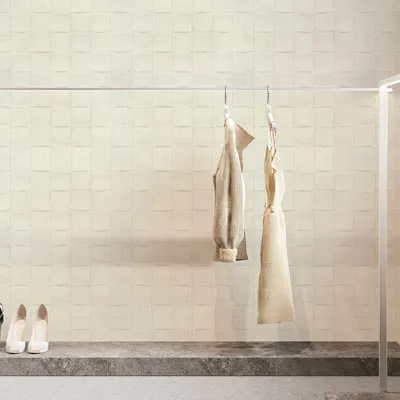
Let's take a closer look at some of the projects that have put COLORIA's mosaic travertine tiles and MCM products on the map in Saudi Arabia:
Luxury Hotel in Riyadh: This five-star hotel wanted an exterior that exuded elegance while withstanding the city's hot, dry climate. They chose COLORIA's mosaic travertine tiles in a warm beige tone, paired with MCM Flexible Stone for the curved entrance canopy. The result? A building that looks sophisticated and inviting, with tiles that have maintained their color and texture even after four years of exposure to the elements.
Residential Complex in Jeddah: For this beachfront development, the developer needed materials that could handle saltwater air and high humidity. COLORIA's 3D-printed MCM panels, featuring a custom wave pattern, were used for the exterior walls, while mosaic travertine tiles in a light gray shade were used for the pool decks. The 3D-printed waves add a playful, coastal vibe, and the tiles have proven resistant to salt corrosion—no peeling or discoloration in sight.
Corporate Headquarters in Dammam: This modern office building wanted to make a statement with its facade. Using COLORIA's MCM 3D Printing Series, they created a bold geometric pattern in shades of gray and gold, using mosaic travertine tiles for accent panels. The design not only stands out in the city's skyline but also helps reflect sunlight, keeping the building cool and reducing energy costs.
Each of these projects has one thing in common: they showcase how COLORIA's products can turn architectural visions into reality, even in Saudi Arabia's challenging environment. It's not just about selling materials—it's about partnering with clients to create buildings that are beautiful, functional, and built to last.
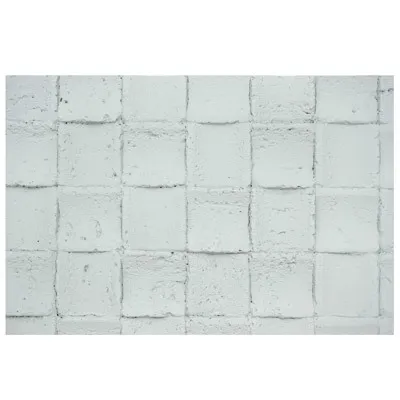
When it comes to building materials, especially in a country like Saudi Arabia, cutting corners is never a good idea. The climate is too harsh, the expectations are too high, and the best projects demand materials that can keep up. Mosaic travertine tiles from COLORIA GROUP aren't just a purchase—they're an investment in quality, durability, and beauty that will pay off for decades to come.
Whether you're working on a small residential project or a large-scale commercial development, COLORIA has the products and expertise to help you succeed. From their stunning mosaic travertine tiles to innovative solutions like MCM Flexible Stone and 3D printing, they're redefining what's possible in building design. And with a local team that's dedicated to your success, you can trust that you're not just getting a product—you're getting a partner who's invested in making your project a success.
So, if you're ready to elevate your next construction project in Saudi Arabia, look no further than COLORIA GROUP. After all, when it comes to trusted quality in building materials, they've been leading the way for decades—and they're not slowing down anytime soon.
Recommend Products












