
Exploring the craftsmanship of old and the innovation of new—how pH stability shapes the future of architectural materials
Walk into a modern café with exposed beams, and you might find yourself drawn to a wall that feels both rugged and refined—its surface bearing the deep, smoky hues of burnt wood. Charred wood has been captivating architects and homeowners for centuries, not just for its striking aesthetics but for its practicality: the ancient Japanese technique of shou sugi ban , for instance, was born from a need to protect wood from rot, insects, and fire. Today, that same technique evokes warmth, history, and a connection to nature in spaces ranging from minimalist homes to bustling commercial hubs.
But here's the thing about tradition: it's rooted in craft, but not always in consistency. A master craftsman might spend hours carefully burning, brushing, and sealing a plank of cedar, but the resulting pH levels—critical for long-term durability—can vary wildly. Wood, after all, is a living material, and charring is an art as much as a science. Enter MCM technology , a modern innovation that's redefining what charred wood can be. In this article, we'll dive into the pH dynamics of traditional charred wood and how MCM is changing the game—one charcoal burnt wood board at a time.
Let's start with the basics: how do you char wood the old-fashioned way? Picture a workshop filled with the earthy scent of cedar or pine. A craftsman holds a torch, moving it methodically across the wood's surface until the outer layer blackens and crackles. Once the fire is extinguished, they brush away the loose soot, revealing a textured, carbon-rich layer beneath. Finally, a sealant—often oil or wax—is applied to lock in the color and protect the wood from moisture.
This process isn't just about looks. The charring creates a barrier: carbonized wood is naturally resistant to decay, and the sealant adds a shield against the elements. But what about pH? When wood is burnt, the charred layer is highly alkaline at first (pH 8-10), thanks to the release of ash and volatile compounds. Over time, exposure to rain, humidity, and air can shift that pH, making it more acidic (pH 5-6). This fluctuation isn't just a chemistry lesson—it matters for the wood's lifespan. An unstable pH can deterioration, cause discoloration, or even affect adjacent materials like fair-faced concrete or drywall, which are sensitive to chemical changes.
Worse, traditional charring is inconsistent. Two planks from the same tree, treated by the same craftsman on different days, might end up with vastly different pH profiles. "You're at the mercy of the wood's natural oils, the humidity in the air, even the temperature of the torch flame," explains Maria Gonzalez, a heritage restoration architect who specializes in traditional building methods. "It's beautiful, but it's not always reliable for large-scale projects."
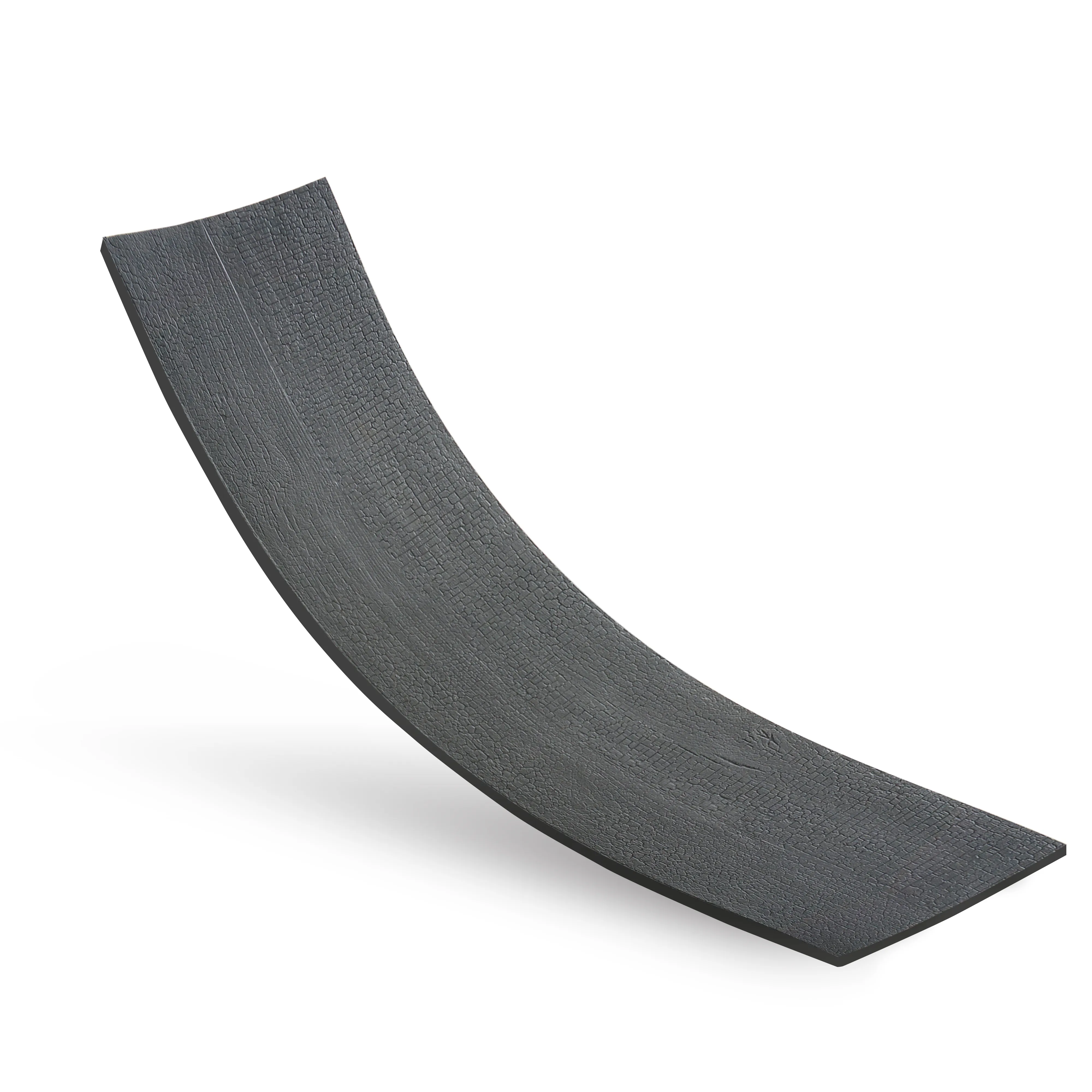
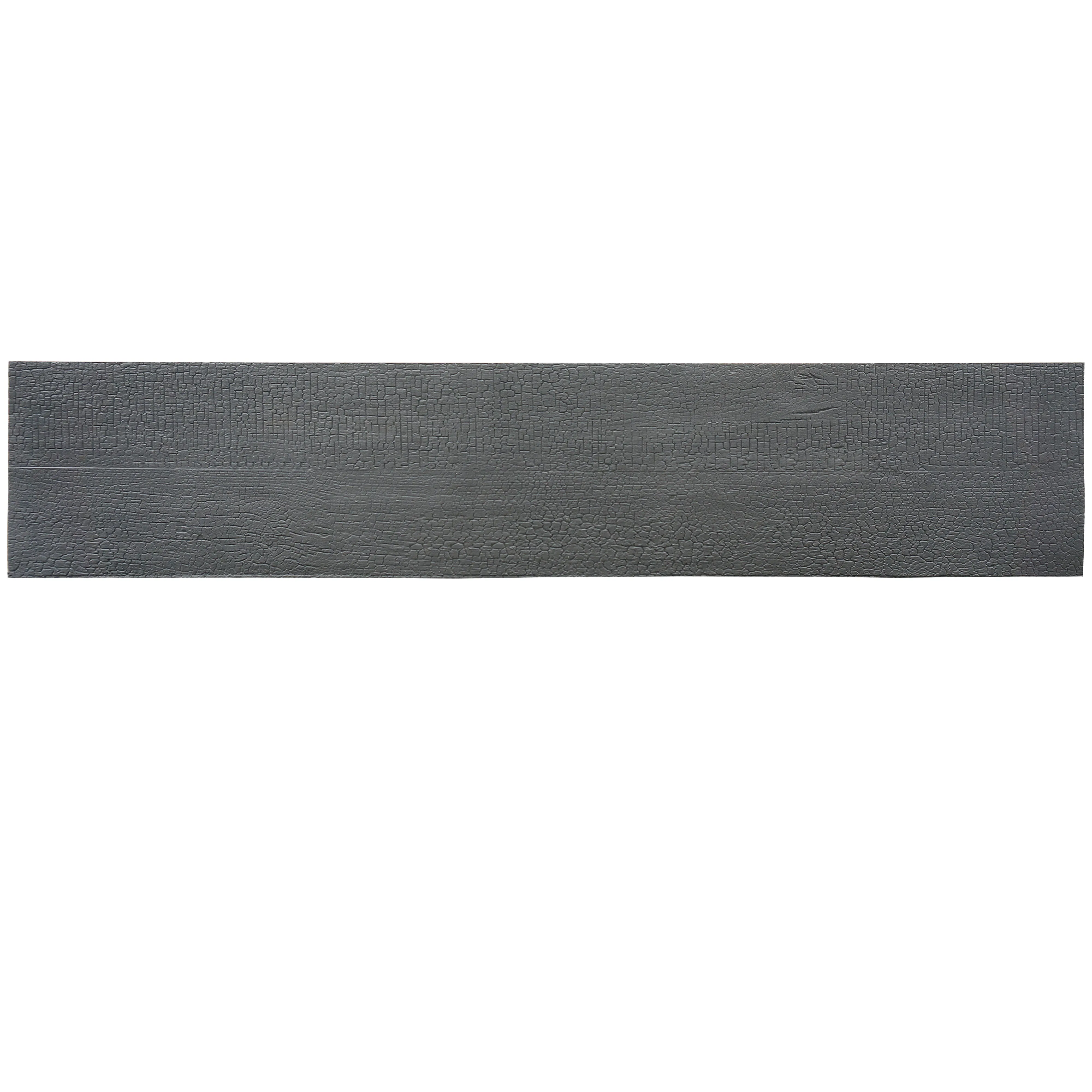
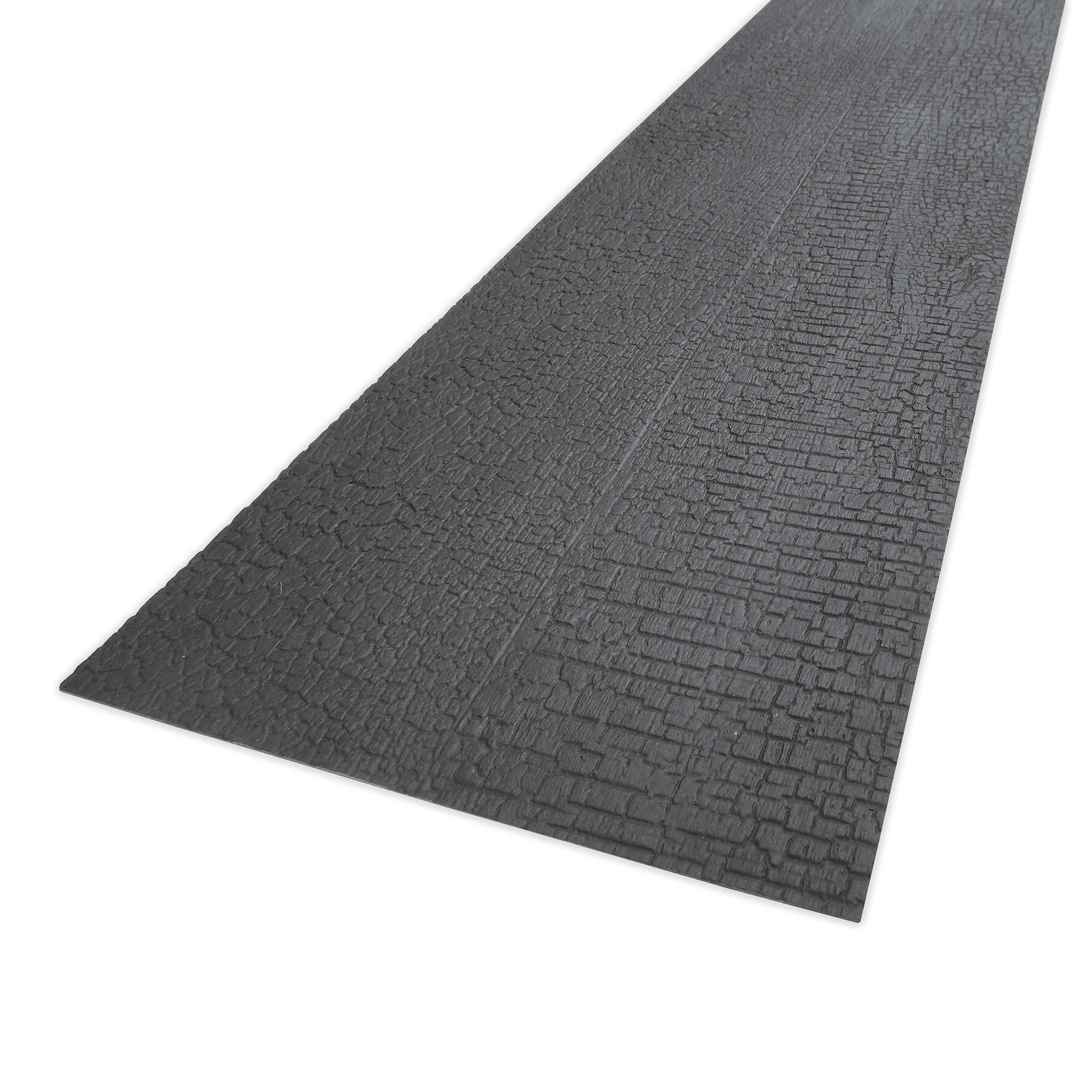
Fast forward to today, and the MCM project board series is turning heads in the architectural world. MCM, or Modified Composite Material, is a lightweight, flexible material made by bonding natural minerals (like stone or wood fibers) with a polymer core. When applied to charcoal burnt wood boards, it's not just about mimicking the look of traditional charring—it's about reimagining the material from the ground up.
Here's how it works: instead of relying on the unpredictable chemistry of raw wood, MCM charcoal burnt wood boards start with a composite base. Wood fibers are mixed with resins and pH-stabilizing additives, then pressed into boards. The surface is then treated with a controlled charring process, using precision heat and cooling to achieve that signature smoky texture—without the wild pH swings. The result? A board with a near-neutral pH (6.5-7.5) that stays consistent, even in harsh environments like coastal areas or humid climates.
"It's like taking the soul of traditional charring and giving it a modern backbone," says James Lin, a materials engineer at a leading MCM manufacturer. "We tested these boards in our lab for over a year—exposing them to salt spray, heavy rain, and extreme temperatures. The pH barely budged. That stability means architects don't have to worry about warping, discoloration, or compatibility issues with other materials like wood concrete board or metal."
To truly understand the difference, let's break down how traditional charred wood and MCM charcoal burnt wood boards stack up—starting with the all-important pH factor and branching out into durability, installation, and sustainability.
| Category | Traditional Charred Wood | MCM Charcoal Burnt Wood Board |
|---|---|---|
| pH Stability | Highly variable (pH 5-10), prone to shifts with weather and time | Engineered for consistency (pH 6.5-7.5), resistant to environmental changes |
| Durability | Good, but depends on craftsmanship; may degrade in high-moisture areas | Superior: scratch-resistant, UV-stable, and resistant to rot/mold |
| Installation | Heavy, requires skilled labor; limited to small-to-medium projects | Lightweight (1/5 the weight of solid wood), easy to cut/shape; ideal for large-scale installations |
| Sustainability | Relies on slow-growth hardwoods; charring process emits CO2 | Uses recycled wood fibers and low-VOC resins; reduces deforestation pressure |
| Aesthetic Range | Rich, organic variations but limited to natural wood tones | Replicates traditional looks + custom colors (e.g., vintage black, silver) and textures |
Numbers on a page tell part of the story, but it's in real buildings where these materials truly shine. Take the Komorebi House , a residential project in Portland, Oregon. The architect, Lisa Wong, wanted the exterior to blend into the surrounding forest, so she opted for traditional charred cedar siding. "It's stunning up close—the way the light plays on the charred grain," she says. "But we had to be strategic: we avoided using it on the south-facing wall, which gets relentless rain, and added extra sealant every two years. It's worth it for the aesthetic, but it's a maintenance commitment."
Contrast that with the Harbor View Hotel in Seattle, which used MCM charcoal burnt wood boards for its 10-story facade. "We needed something that could handle the salt air and constant rain without warping," explains project manager Tom Reeves. "The MCM boards weighed half as much as traditional wood, so we saved on structural costs. And three years later, they still look brand new—no peeling, no discoloration. The guests love the warmth, and we love the peace of mind."
It's not just about big projects, either. Homeowners are increasingly choosing MCM for accent walls, outdoor decks, and even furniture. "I wanted the look of a rustic cabin in my city apartment," says homeowner Mia Chen, who installed MCM charcoal burnt wood boards in her living room. "It's lightweight, so I didn't need to reinforce the wall, and it doesn't off-gas like some treated woods. Plus, the color is exactly what I wanted—a deep, uniform black that doesn't fade in the sunlight."
Does MCM mean the end of traditional charring? Hardly. There's a magic to handcrafted wood that machines can't replicate—a story in every imperfection. But for architects and builders working on large-scale projects, or in challenging climates, MCM offers a reliable alternative that doesn't compromise on beauty.
Looking ahead, we're likely to see even more hybrid approaches. Imagine a home where the interior accent wall uses traditional shou sugi ban (crafted by a local artisan) and the exterior uses MCM charcoal burnt wood boards (engineered to withstand coastal storms). Or rammed earth board paired with MCM charred wood for a facade that feels both ancient and cutting-edge. The key is choice—having materials that honor the past while embracing the future.
At the heart of it all is pH stability. It's not the sexiest topic, but it's the quiet force that ensures a material doesn't just look good on day one, but for decades to come. Traditional charred wood will always have its place, but MCM is proving that innovation can make even the oldest techniques more accessible, durable, and versatile.
Whether it's a centuries-old temple in Kyoto with charred wooden beams or a sleek office building in New York with an MCM facade, charcoal burnt wood boards tell stories. They speak of craftsmanship, of resilience, of the human desire to bring nature into our built environments. As we move forward, the question isn't "traditional or modern?" but "how can we learn from both?"
For architects, builders, and homeowners, the answer lies in understanding the science—like pH stability—and letting that guide the art. After all, the best materials aren't just about what they're made of; they're about how they make us feel. And with MCM technology, that feeling—of warmth, of history, of durability—is here to stay.
Recommend Products












