

There's an undeniable romance to natural stone. Walk through any historic city, and you'll see it in the grand facades of cathedrals, the sturdy walls of fortresses, and the elegant courtyards of palaces. Materials like marble, granite, and limestone speak of permanence, luxury, and a deep connection to the earth. It's no wonder that for centuries, we've sought to bring that same feeling of timeless beauty into our own homes and commercial buildings.
But behind this beautiful facade lies a reality that is often overlooked in the initial excitement of a new project: the relentless and often expensive demands of long-term care. Natural stone, for all its perceived strength, is a surprisingly sensitive material. It's a commitment, one that involves not just the initial purchase price but a lifetime of cleaning, sealing, and repairing. This article is a deep dive into the true cost of owning traditional masonry stone—not just in dollars, but in time, effort, and peace of mind. We'll explore the challenges and then consider if modern innovation offers a smarter path forward.
Before we get into the nitty-gritty of maintenance, it's important to understand why we fall in love with traditional stone in the first place. Its appeal is multi-faceted and deeply ingrained in our perception of quality and style.
The primary draw is, of course, its aesthetic. Every single slab of granite or marble is a unique piece of art crafted by nature over millions of years. The veining in marble, the crystalline flecks in granite, the fossilized patterns in limestone—these are details that cannot be perfectly replicated. This uniqueness lends an air of exclusivity and sophistication to any space.
Furthermore, stone is associated with durability. We see ancient structures still standing today and assume that any building clad in stone will share that same longevity. It feels solid, permanent, and secure. Using stone for a building's exterior or an interior feature wall is a statement. It says that this project was built to last, with an investment in quality materials. But this perception of "set it and forget it" durability is where the reality begins to diverge from the dream.
The high cost of natural stone doesn't end with the price per square foot. The journey from a mountain quarry to a finished wall is fraught with logistical and financial challenges.
So, even before the building is occupied, the investment in traditional stone is already immense. This sets the stage for the next, and arguably more significant, phase of ownership: the lifelong battle of maintenance.
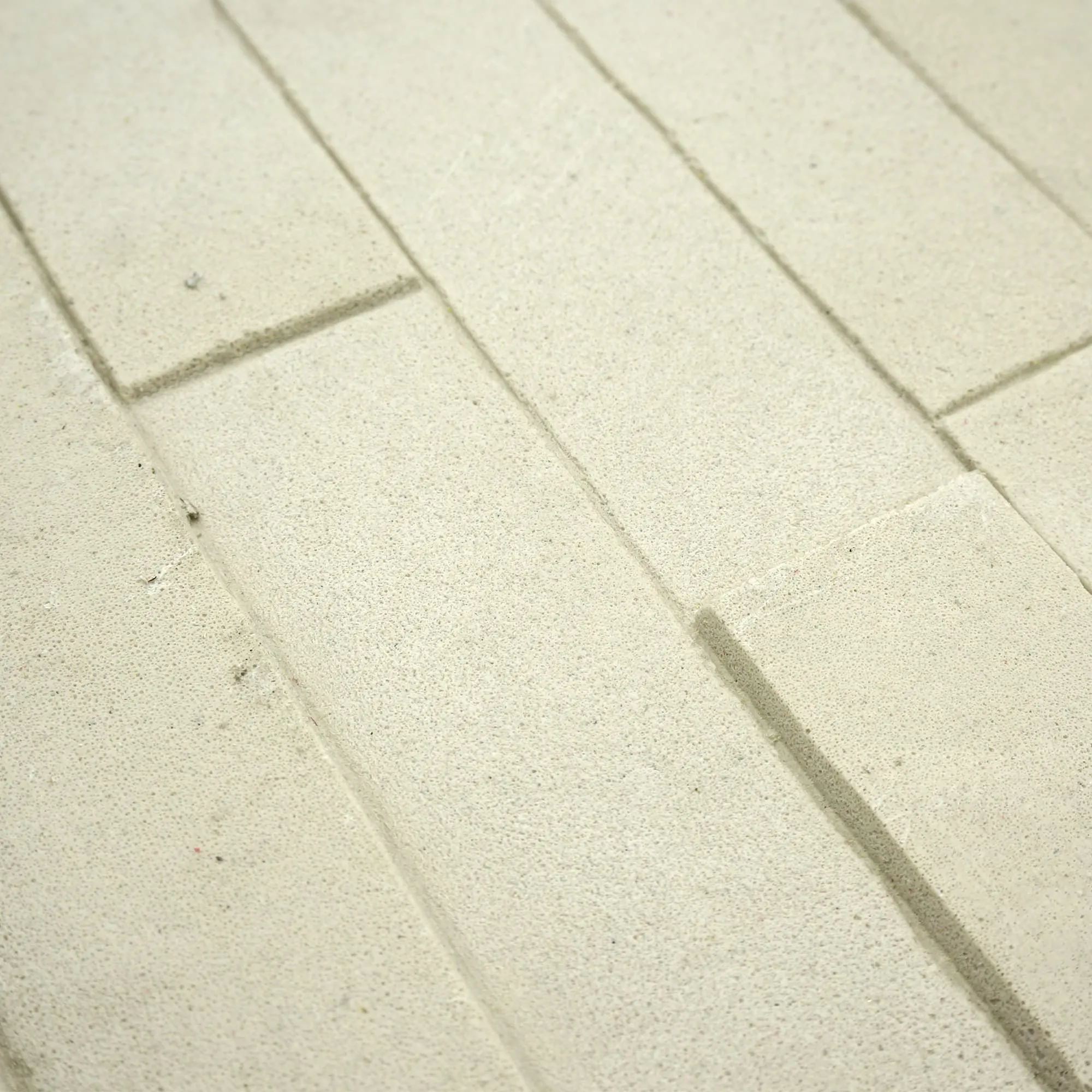
The single greatest vulnerability of most natural stones is porosity. Think of it like a sponge. On a microscopic level, the surface is full of tiny holes and channels that can absorb liquids. This inherent characteristic is the root cause of the most common and frustrating maintenance issues.
1. Staining: The Unforgiving Blemish
Because stone is porous, it readily soaks up any liquid it comes into contact with. On an exterior facade, this could be oils from pollution or rust from metal fixtures. Indoors, it's the spilled glass of red wine, a splash of olive oil, or a forgotten coffee mug. Once a substance penetrates the stone, it can be incredibly difficult, if not impossible, to remove completely. Specialized chemical poultices are often required, and even then, success is not guaranteed. What's left is a permanent, unsightly reminder of a minor accident.
2. Etching: The Dull Scars of Daily Life
Etching is different from staining. It's not a discoloration; it's physical damage to the stone's surface. This happens when acidic or alkaline substances come into contact with stones rich in calcium carbonate, like marble, limestone, and travertine. Common household items like lemon juice, vinegar, soda, or even some aggressive cleaning products will literally dissolve the polished surface of the stone, leaving a dull, whitish mark. This isn't a stain you can clean; it's a burn mark on the stone itself. Repairing etching requires mechanically re-honing and re-polishing the entire surface, a job strictly for expensive professionals.
3. Efflorescence: The Creeping White Powder
Have you ever seen a brick or stone wall with a chalky white powder on the surface? That's efflorescence. It occurs when water penetrates the stone (or the mortar behind it), dissolves natural mineral salts, and then evaporates, leaving the salt deposits behind. While it can sometimes be brushed off, it's a symptom of a larger problem: moisture intrusion. It indicates that water is getting into your wall system, which can lead to more severe issues like freeze-thaw damage and deterioration of the underlying structure. It's a constant battle to clean and a warning sign that can't be ignored.
4. Cracking and Chipping: The Myth of Invincibility
While stone is hard, it is also brittle. A sharp impact from a heavy object can easily chip a corner or crack a slab. Furthermore, stone is unforgiving to building movement. All buildings settle and shift over time, and thermal expansion and contraction cause constant micro-movements. Rigid stone slabs cannot accommodate this movement, leading to stress fractures. Repairing a crack is a delicate art. While epoxies can be used to fill the gap, it is nearly impossible to perfectly match the color and veining of the original stone, leaving a visible scar on the once-flawless surface.
5. Weathering and Fading: The Toll of Time and Sun
For exterior applications, natural stone is at the mercy of the elements. In colder climates, the freeze-thaw cycle is a formidable enemy. Water seeps into the stone's pores, freezes, expands, and exerts immense pressure from within, causing the surface to flake and spall. Furthermore, the sun's UV rays can, over many years, fade the rich colors of certain types of stone, leaving a once-vibrant facade looking dull and tired. Acid rain can also accelerate the deterioration and etching of sensitive stones like marble and limestone.
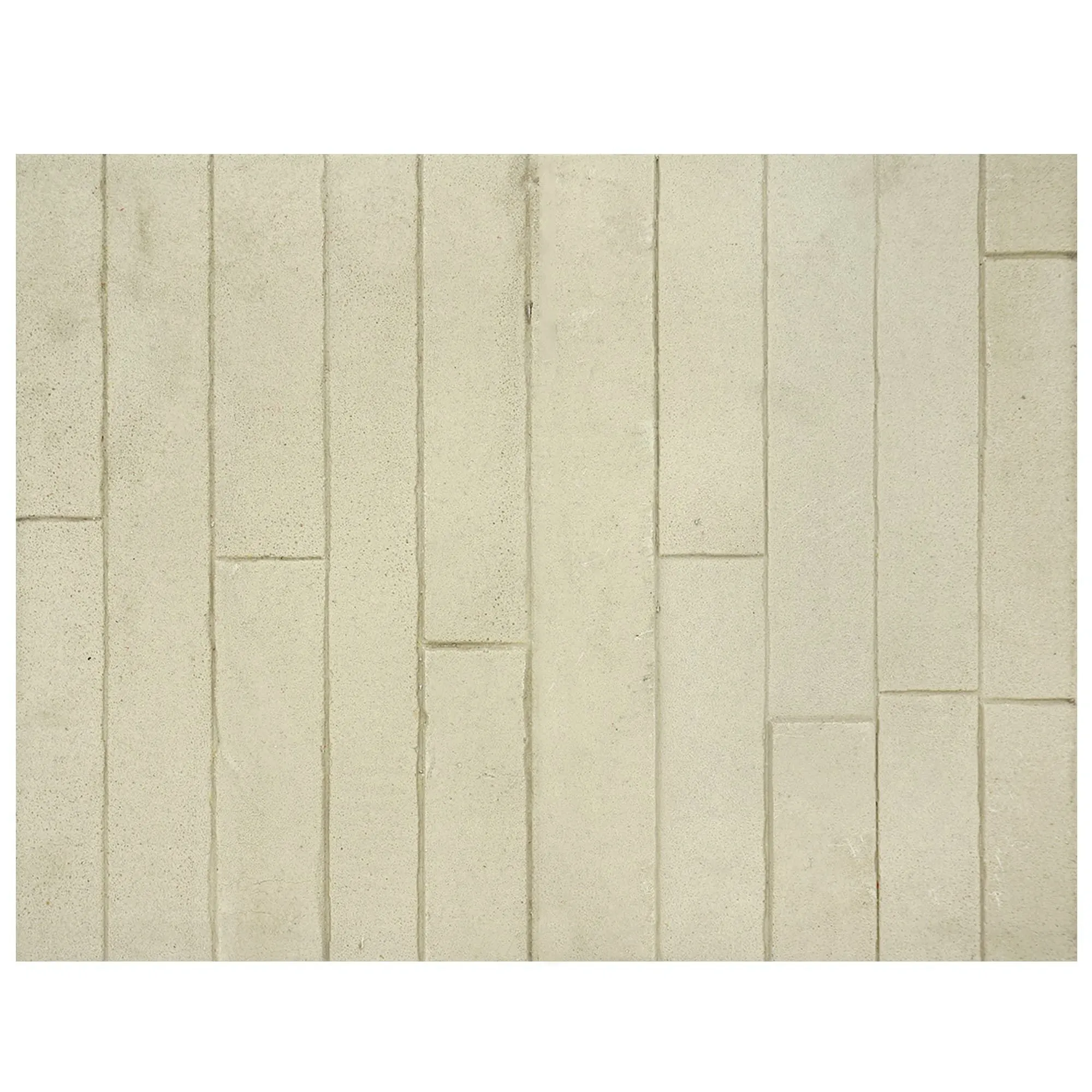
Understanding the maintenance tasks is one thing; quantifying their financial impact over the life of a building is another. The costs are not one-offs; they are recurring expenses that property owners must budget for.
The primary defense against the porosity of natural stone is sealing. A sealant is a chemical impregnator that fills the pores of the stone to inhibit the absorption of liquids. However, sealants are not permanent. They wear down over time due to foot traffic, cleaning, and weather exposure.
To remain effective, stone surfaces must be professionally resealed every 1 to 5 years , depending on the type of stone and its location. High-traffic interior floors might need it annually, while a protected exterior wall might go for 3-5 years. Professional sealing can cost anywhere from $1.50 to $4.00 per square foot. For a medium-sized commercial facade of 5,000 square feet, that's a recurring expense of $7,500 to $20,000 every few years.
Additionally, daily or weekly cleaning can't be done with just any product. Generic cleaners are often too acidic or alkaline and will etch the stone or strip the sealant. This necessitates the purchase and use of specialized, pH-neutral cleaners, adding another layer of recurring cost and complexity.
Let's imagine a scenario: a new commercial building with a 10,000 square-foot limestone facade. Below is a conservative estimate of the total cost of ownership over 20 years, not including the initial purchase and installation.
| Maintenance Task | Frequency | Estimated Cost Per Event | 20-Year Total Cost |
|---|---|---|---|
| Routine Professional Cleaning | Annually | $3,000 - $5,000 | $60,000 - $100,000 |
| Professional Resealing | Every 4 Years (5 times) | $15,000 - $30,000 | $75,000 - $150,000 |
| Minor Repairs (Chip/Crack Filling) | Every 5 years (4 times) | $2,000 - $6,000 | $8,000 - $24,000 |
| Major Restoration (Honing/Polishing) | Once in 20 Years | $50,000 - $100,000 | $50,000 - $100,000 |
| Estimated Total 20-Year Maintenance Cost | $193,000 - $374,000 |
This staggering sum, potentially exceeding a quarter of a million dollars, is purely for keeping the stone looking acceptable. It doesn't include the initial material and installation costs, which were already substantial. It's a financial reality that turns the dream of a "timeless" material into a very timely and continuous expense.
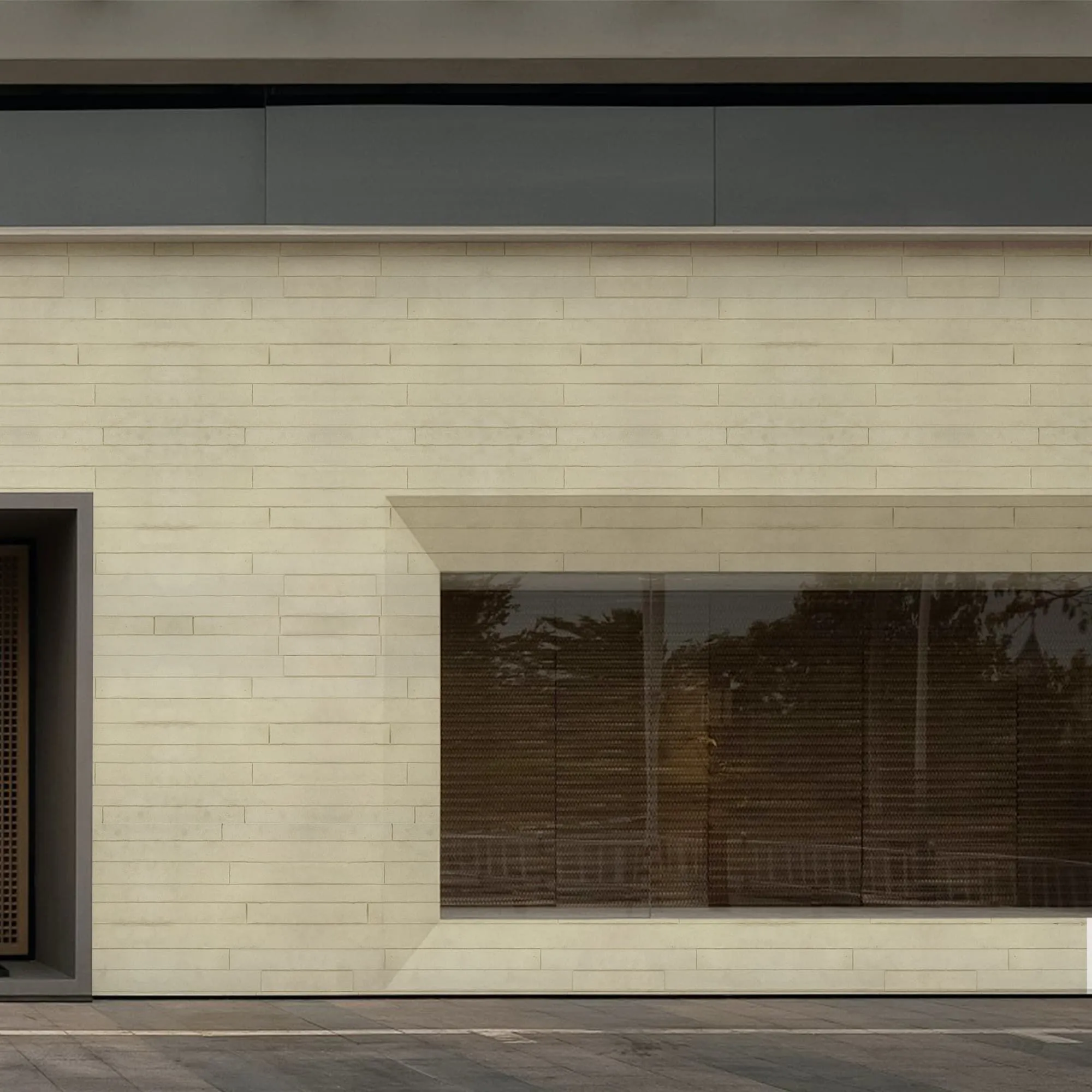
Faced with these significant challenges, architects, builders, and property owners are increasingly asking: "Is there a better way?" The answer, born from decades of material science innovation, is a resounding yes. The construction industry is seeing a shift away from a reliance on quarried materials towards high-performance, engineered solutions that offer the best of both worlds: stunning aesthetics and dramatically reduced maintenance.
Forward-thinking companies like COLORIA GROUP have been at the forefront of this evolution, pioneering materials that solve the fundamental problems of traditional stone. One of the most groundbreaking of these is Modified Cementitious Material , or MCM.
Imagine taking natural, raw ingredients like clay, sand, and mineral powders and, through a low-temperature, eco-friendly process, transforming them into a material that has the appearance of natural stone but with vastly superior properties. That, in essence, is MCM. It is not a plastic, resin, or ceramic. It is an innovative, earth-based composite material that is engineered for performance.
By controlling the composition and manufacturing process, it's possible to create a material that directly counters the weaknesses of natural stone. Let's see how:
The maintenance advantage is clear and profound. Where traditional stone requires a careful regimen of special cleaners and periodic resealing, MCM requires little more than occasional washing with mild soap and water to keep it looking pristine for decades.
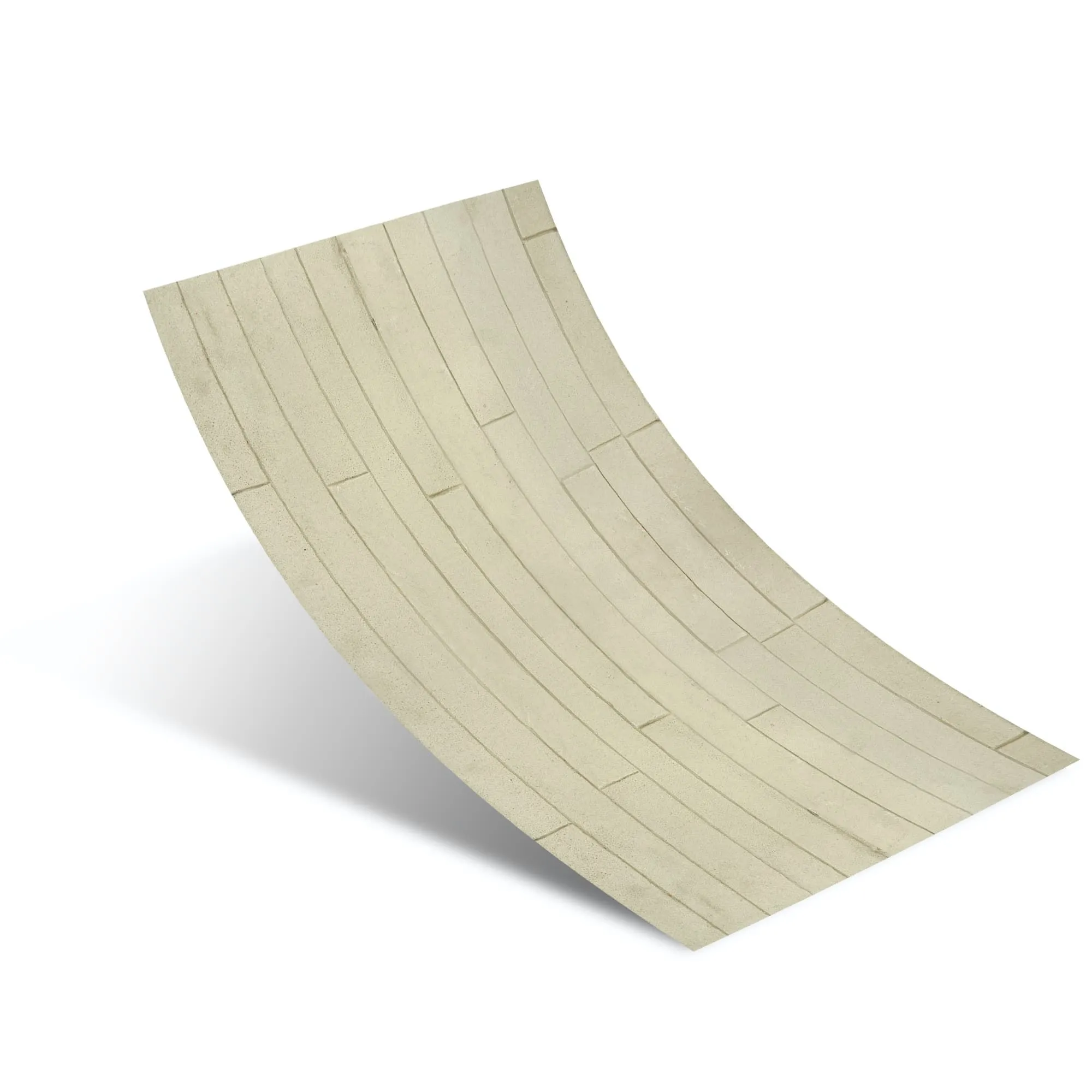
To put it all into perspective, let's look at a direct comparison between traditional masonry stone (like marble or limestone) and modern alternatives like MCM.
| Feature | Traditional Stone (Marble/Limestone) | Modern MCM Alternatives |
|---|---|---|
| Weight | Extremely heavy (40-60 kg/m²) | Very lightweight (4-8 kg/m²) |
| Installation | Complex, slow, requires skilled masons and structural reinforcement. | Fast, simple, uses standard adhesives. Can be done by general contractors. |
| Flexibility | Rigid and brittle. Prone to cracking from impact or building movement. | Flexible. Can wrap around curves and absorbs building movement without cracking. |
| Water Absorption | High porosity. Easily absorbs water and liquids. | Extremely low absorption rate. Naturally resistant to water penetration. |
| Stain & Etch Resistance | Highly susceptible to staining from oils and etching from acids. | Highly resistant to common stains and chemical damage. |
| Maintenance Routine | Requires frequent use of pH-neutral cleaners and periodic professional resealing every 1-5 years. | Simple cleaning with water and mild soap. No sealing required, ever. |
| Long-Term Cost | Very high due to continuous cycle of sealing, specialized cleaning, and repairs. | Extremely low. Maintenance costs are practically negligible. |
| Design Versatility | Limited by slab size, weight, and rigidity. Inconsistent appearance. | Vast range of colors, textures, and sizes. Can be made into large, seamless panels or flexible sheets. Perfectly consistent. |
| Eco-Friendliness | High-energy quarrying, heavy transportation C02 footprint, material wastage. | Low-energy production, lightweight transport, made from natural minerals, fully recyclable. |
The allure of traditional stone is real, but so is the immense burden of its long-term cost and care. For too long, we have accepted this trade-off as a necessary evil to achieve a high-end look. But the landscape of building materials has changed.
Innovation has given us a choice. We no longer have to choose between beauty and performance, or between a premium aesthetic and a sensible budget. Modern engineered materials like MCM demonstrate that it is possible to capture the timeless elegance of stone, wood, and other natural finishes without inheriting their inherent flaws. They offer a solution that is not only more durable, more versatile, and dramatically easier to care for, but also more sustainable and economically intelligent over the entire lifespan of a building.
The next time you embark on a project, look beyond the initial romance of traditional materials. Consider the decades that will follow. Choosing the right material is not just about how a building looks on the day it's finished, but about its performance, cost, and beauty for generations to come. It's about making a smart investment in a future free from the constant worry and expense of maintenance, allowing you to simply enjoy the beauty you created.
Recommend Products











