

When it comes to commercial building projects, whether you're designing a new retail space, an office complex, or a residential tower, the choice of facade materials is absolutely crucial. It's not just about aesthetics – though that's certainly important for making a lasting first impression. It's about long-term durability, maintenance costs, environmental impact, and ultimately, the return on investment for the building owner. One of the most enduring debates in architectural material selection centers on masonry: should you go with the time-honored charm of traditional natural stone, or embrace the innovations offered by engineered masonry stone?
This isn't a simple question, as both options bring their own sets of advantages and challenges. But in a world increasingly focused on sustainability, efficiency, and cutting-edge design, the answer often leans towards solutions that offer superior performance without compromising on visual appeal. Let's dive deep into this comparison, exploring what each material brings to the table and, most importantly, which one genuinely stands the test of time in demanding commercial environments.
Traditional masonry stone refers to natural stones like granite, marble, limestone, sandstone, and slate, quarried directly from the earth. These materials have graced monumental structures for centuries, from the pyramids of Egypt to the cathedrals of Europe. Their appeal is undeniable.
In essence, while traditional masonry stone offers unparalleled beauty and a sense of permanence, its practicalities in modern, large-scale commercial applications can be fraught with logistical, financial, and long-term maintenance hurdles. The "longevity" often comes with a hefty asterisk regarding upkeep and potential degradation under urban conditions.
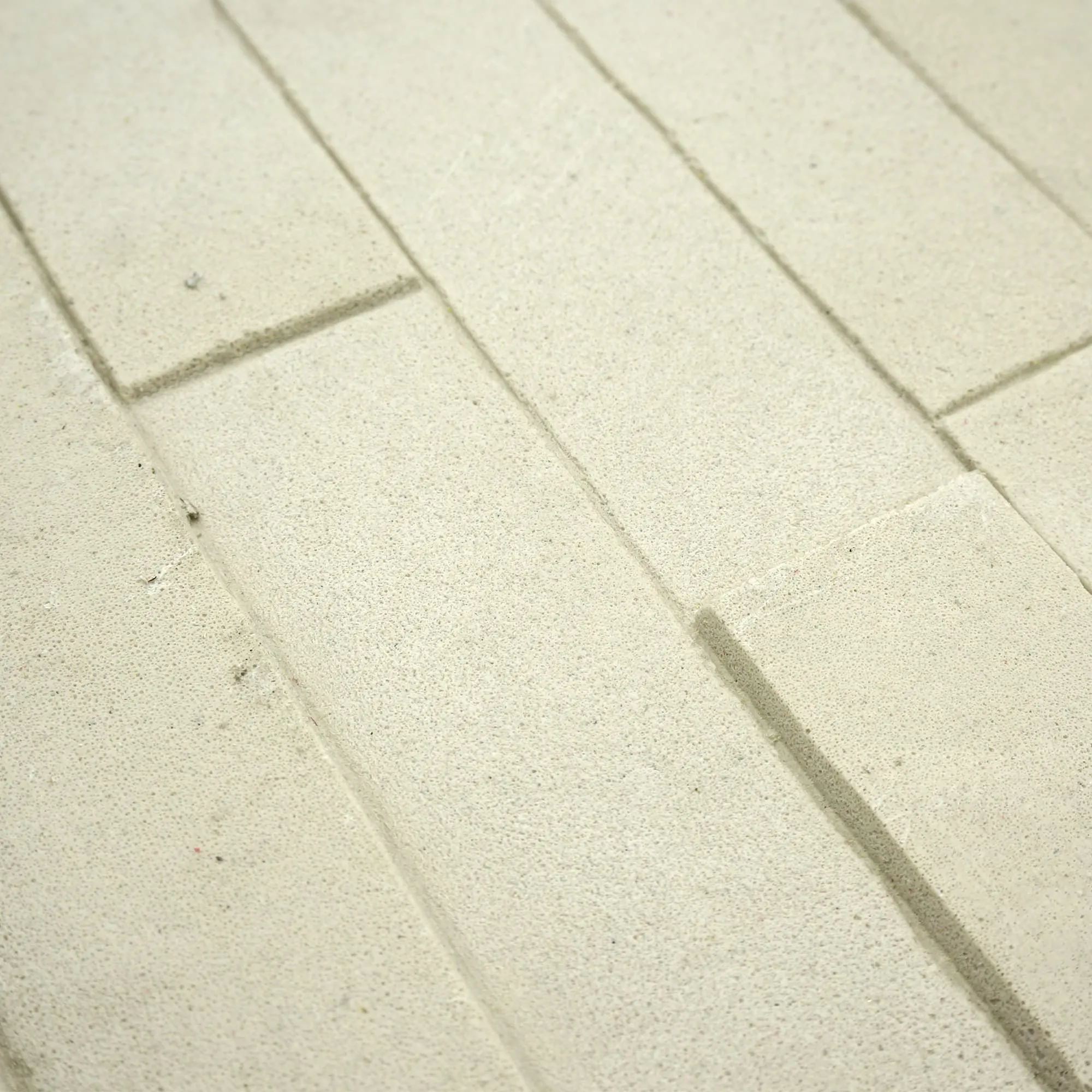
Engineered masonry stone, in contrast, is a manufactured product designed to replicate the appearance of natural stone while overcoming many of its inherent limitations. These materials are formulated using a blend of aggregates, binders, and pigments, often undergoing advanced manufacturing processes to achieve desired properties. Our company, COLORIA GROUP, is at the forefront of this innovation, specializing in MCM (Modified Cementitious Material) series products . These are not just imitations; they are advanced solutions crafted for the demands of contemporary architecture.
Our MCM products represent a leap forward in architectural materials. They are made from natural mineral powders, quartz sand, cement, and other additives, processed at specific temperatures and pressures. This results in a material that is incredibly lightweight, flexible, and robust, far exceeding the performance of many traditional alternatives.
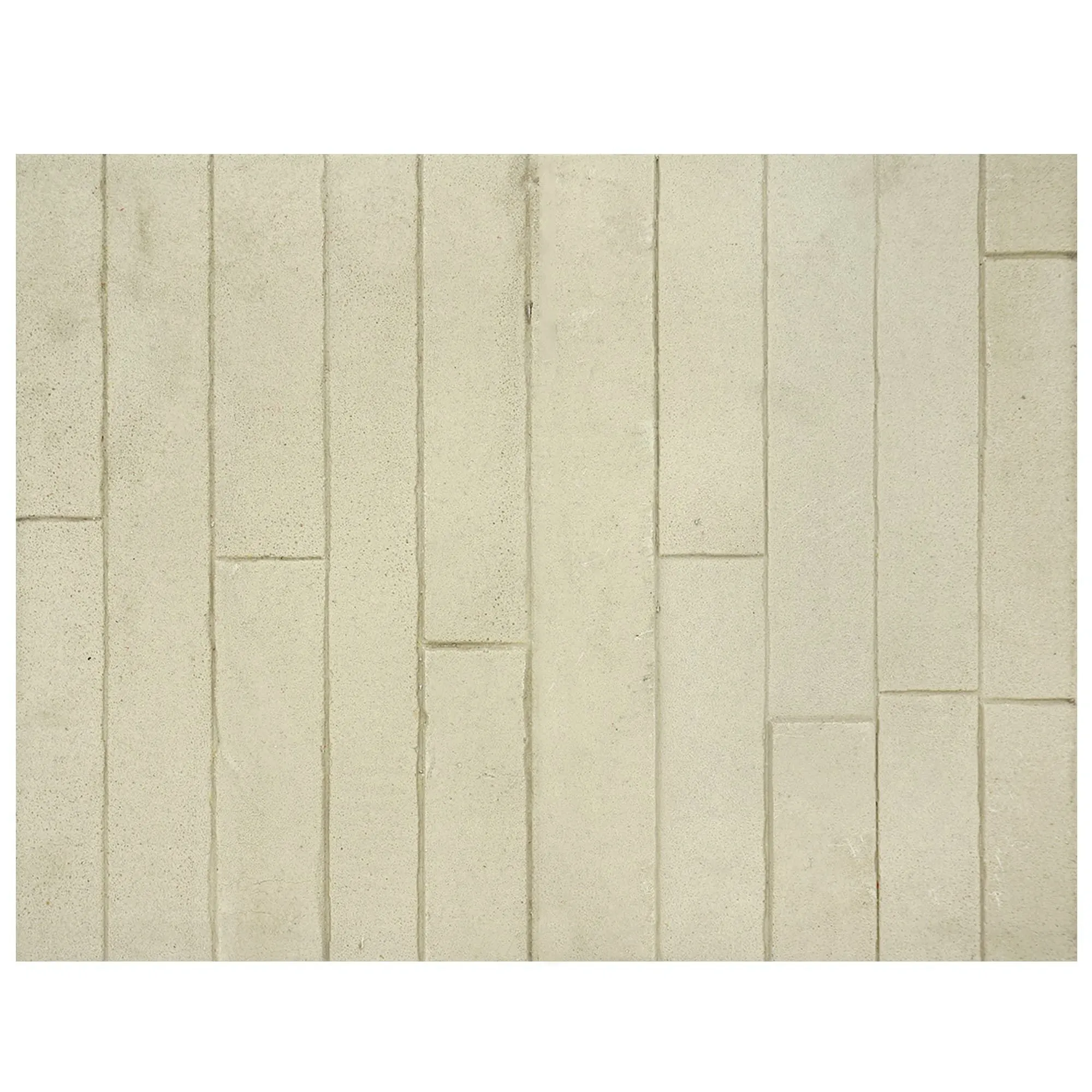
As a dedicated one-stop solution provider in architectural materials, COLORIA GROUP has meticulously developed our MCM product lines to address the specific needs and challenges of commercial projects globally. Our expertise, honed over decades, allows us to offer not just products, but comprehensive solutions, whether it's for a high-rise in Riyadh or a luxury resort anywhere else in the world.
This series offers large-format panels that mimic the grandeur of natural stone slabs but with all the benefits of MCM. Perfect for expansive commercial facades, these big slabs minimize joint lines, creating a monolithic, sophisticated appearance. Their lightweight nature means faster installation on large areas, significantly cutting down on project timelines and labor costs, without compromising on impact or weather resistance.
Designed with the diverse needs of commercial projects in mind, this series offers versatility in sizes, finishes, and textures. From smooth, contemporary finishes to rough, natural stone imitations, these boards provide architects with an unparalleled palette to realize their vision. The consistency in quality and color across large orders makes them an ideal choice for complex architectural designs that demand uniformity and precision.
This innovative series leverages advanced manufacturing to create bespoke textures and three-dimensional patterns that are simply not possible with natural stone or traditional engineered materials. Imagine facades with intricate relief patterns, custom logos, or unique sculptural elements – all rendered in a durable, lightweight, and sustainable MCM material. This opens up entirely new avenues for brand differentiation and architectural expression in commercial spaces.
Perhaps one of our most groundbreaking innovations, MCM Flexible Stone provides the aesthetic of natural stone or brick with incredible pliability. This allows for seamless application on curved walls, columns, and intricate architectural features where rigid materials would fail or be excessively costly. Its extreme lightweight property makes it ideal for renovations, retrofitting, and applications where structural load is a critical concern. Furthermore, its ability to withstand movement without cracking makes it exceptionally durable in dynamic environments.
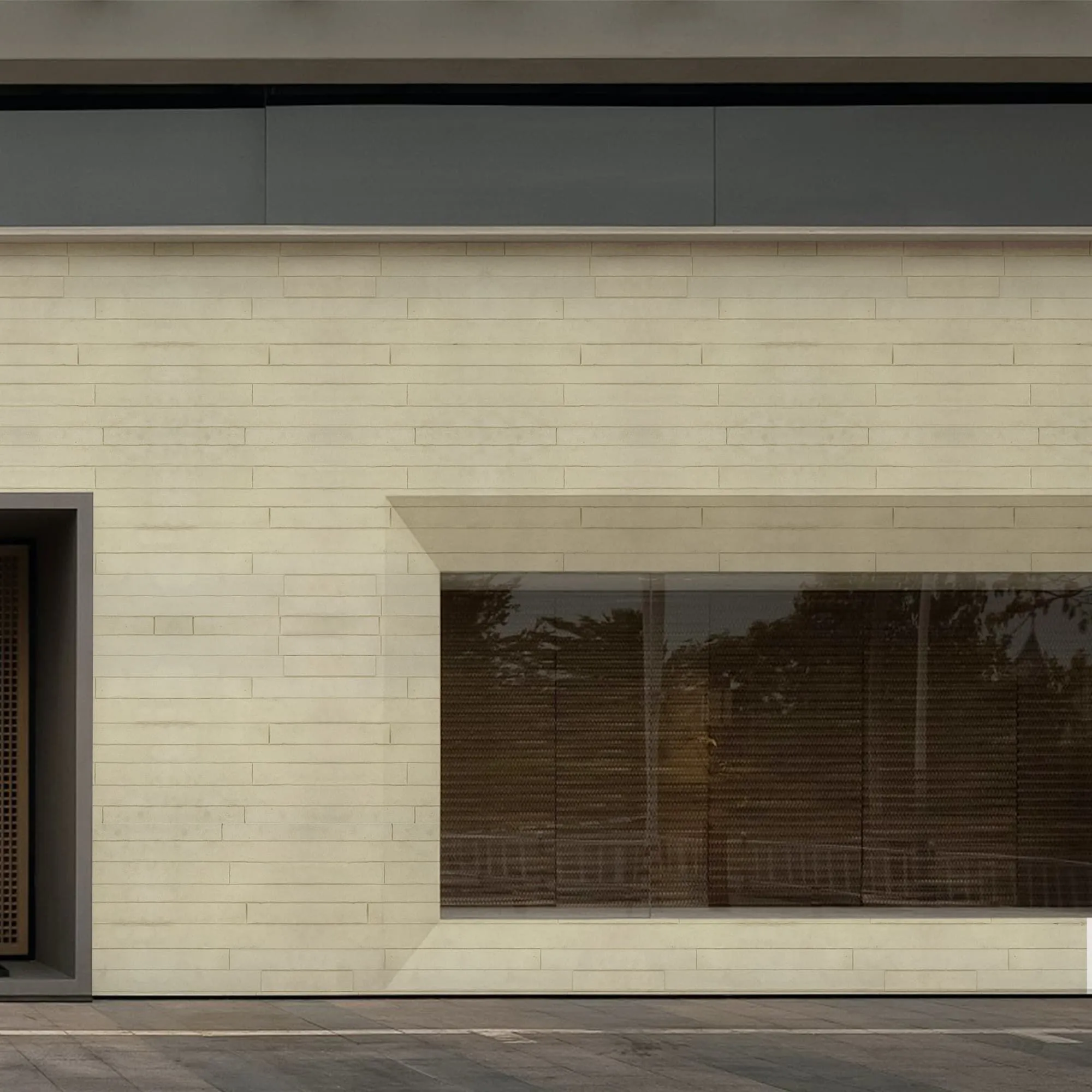
Let's put it simply: longevity in commercial use isn't just about how long a material *can* last, but how long it *looks good* and *performs optimally* without excessive maintenance or repair. Here's a direct comparison:
| Feature | Traditional Masonry Stone | Engineered Masonry Stone (MCM by COLORIA GROUP) |
|---|---|---|
| Material Composition | Naturally occurring minerals (granite, marble, etc.), variable composition. | Modified Cementitious Material (natural mineral powders, quartz sand, cement, additives), engineered for consistency. |
| Weight | Very heavy, significant structural load. | Extremely lightweight, minimal structural impact. |
| Porosity & Water Absorption | Often porous, susceptible to water damage, staining, biological growth. Requires sealing. | Low or non-porous, highly resistant to water, stains, mold. Low maintenance. |
| Resistance to Elements | Varies by stone type. Susceptible to freeze-thaw damage, acid rain, UV degradation (some types fade). | Excellent resistance to UV, pollutants, freeze-thaw cycles, impact. Engineered for harsh environments. |
| Flexibility & Impact Resistance | Rigid, prone to cracking/chipping under impact or structural movement. | High flexibility (especially MCM Flexible Stone), excellent impact resistance, can absorb building movement. |
| Maintenance Requirements | High: regular sealing, specialized cleaning, potential for efflorescence removal. | Low: simple cleaning, virtually no sealing required. Retains aesthetic appeal for longer. |
| Color/Pattern Consistency | Natural variations, difficult to match for large projects or repairs. | Precise control over color, pattern, and texture. Uniformity across large areas, easy matching for repairs. |
| Installation Time & Cost | Longer, labor-intensive, specialized equipment, higher costs. | Faster, simpler, less labor-intensive, lower overall installation costs due to lightweight and consistency. |
| Sustainability Profile | Resource extraction, heavy transport, potential waste. | Reduced resource use, lighter transport, often incorporates recycled content, long lifespan, low environmental footprint. |
| Customization Potential | Limited by natural forms and colors. | Virtually unlimited in terms of size, shape, color, texture, 3D patterns. |
| Overall Longevity (Aesthetic & Performance) | Physically durable, but often requires significant, costly maintenance to retain aesthetic appeal and prevent degradation in urban/harsh environments. | Exceptional physical durability combined with sustained aesthetic performance due to engineered resistance and low maintenance. Designed for long-term vibrant appearance. |
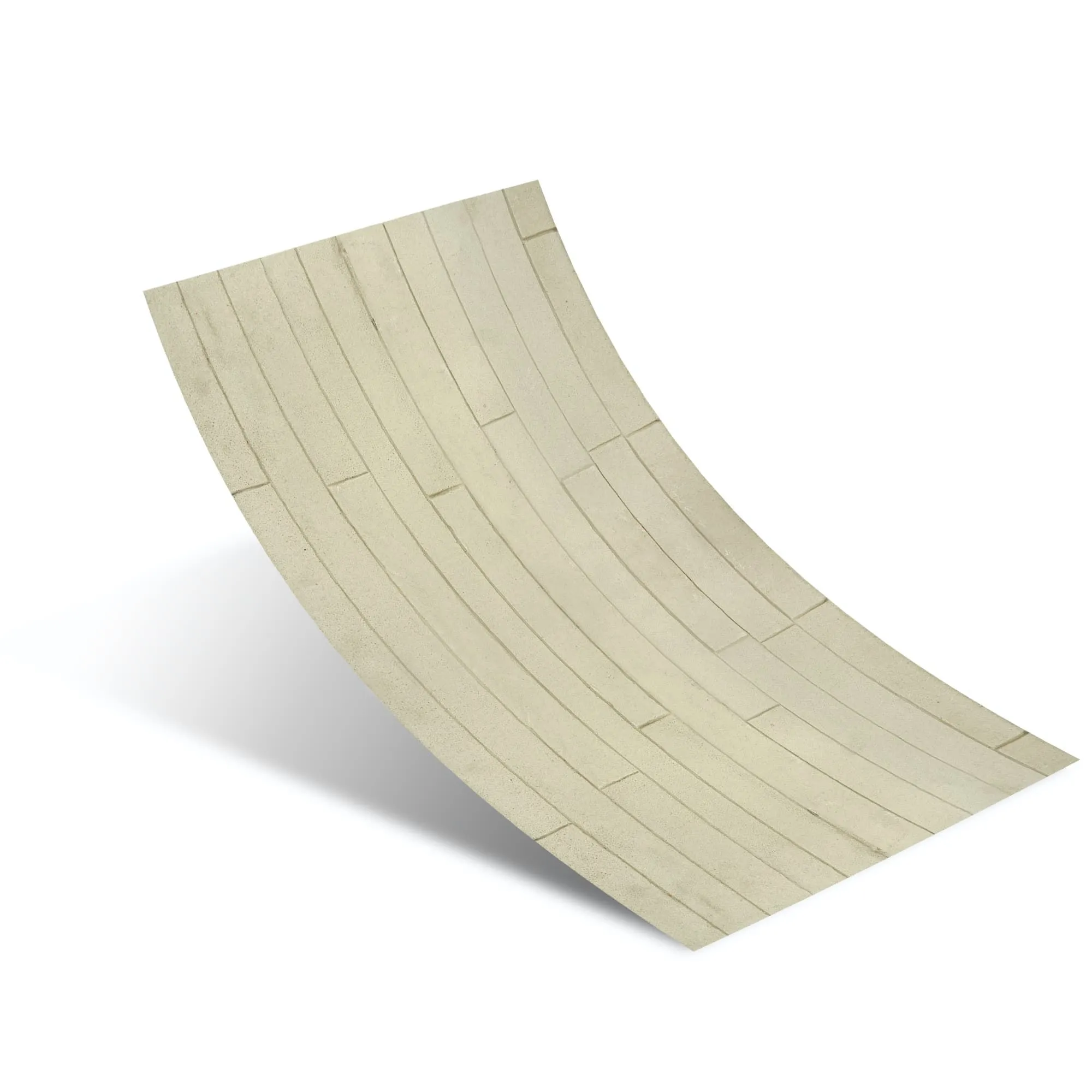
Considering all factors, for modern commercial applications where performance, cost-efficiency, sustainability, and aesthetic versatility are paramount, engineered masonry stone, particularly COLORIA GROUP's MCM series products, unequivocally offers superior longevity . While natural stone provides an undeniable historical charm, its practical drawbacks in terms of weight, installation, unpredictable maintenance, and sustainability often outweigh its perceived benefits in the long run for demanding commercial environments.
Our MCM materials are not just designed to last; they are designed to perform consistently, maintaining their aesthetic integrity and structural function with minimal intervention for decades. This translates directly into lower lifecycle costs for building owners, greater design freedom for architects, and a more sustainable outcome for our planet. Our global reach, especially with our strong presence in Saudi Arabia through dedicated agencies, ensures that we can deliver these cutting-edge solutions and expert support wherever your project may be.
The choice between traditional and engineered masonry stone isn't just about which material physically endures the longest. It's about which material can best meet the evolving demands of construction: speed, cost-effectiveness, environmental responsibility, and creative freedom. Engineered materials like our MCM products are not merely substitutes; they are advancements that redefine what's possible in architectural design and construction.
From the foundational resilience needed in a bustling commercial hub to the intricate details that define a bespoke facade, COLORIA GROUP's MCM solutions provide a future-proof answer. We don't just provide materials; we offer a partnership, a commitment to helping you build structures that are not only beautiful but also inherently robust, sustainable, and capable of withstanding the rigors of commercial use for generations to come. When you choose our company, you're choosing an innovative path forward that values both enduring beauty and unparalleled performance.
In the dynamic world of commercial construction, making an informed decision about your building's exterior is paramount. While traditional stone whispers tales of the past, engineered masonry stone, powered by advanced technologies like MCM, boldly proclaims the future – a future of sustainable, high-performance, and infinitely customizable architectural solutions that genuinely last longer and perform better where it matters most.
Recommend Products











