

Exploring Efficiency, Sustainability, and Innovation in Modern Architectural Design
Hey there, fellow architects, builders, and design enthusiasts! We all know that in the fast-paced world of construction, time literally is money. And labor? Well, that's often the biggest chunk of the budget. So, when new materials come along that promise to shake up the status quo, it's worth taking a really close look. Today, we're diving deep into a fascinating comparison: the tried-and-true methods of installing wave panels versus the innovative approach offered by MCM (Modified Cementitious Material) panels. We're going to break down how these two approaches stack up in terms of the precious hours spent on-site and the human effort required to bring those stunning architectural visions to life.
You see, modern construction isn't just about putting up buildings anymore; it's about doing it smarter, faster, and with a keen eye on environmental responsibility. This is where companies like COLORIA GROUP, a true one-stop solution provider in the architectural materials space, come into play. We're constantly looking for ways to push boundaries and offer superior solutions, and our range of MCM products is a perfect example of that commitment. We want to empower you to create breathtaking spaces for interior and exterior wall decoration without the traditional headaches.
Let's cast our minds back to how things used to be, and in many places, still are. When you think of traditional wave panels, you might picture materials like gypsum plaster, heavy concrete, fiber cement, or even carved wood. While these materials have their own aesthetic charm, their installation often comes with a significant logistical and labor burden. It's not just about the panel itself; it's about everything that goes into making it stay put and look good for years to come.
Imagine dealing with large, heavy panels made of concrete or thick gypsum. Transporting these to the site, then hoisting them up several stories, and finally maneuvering them into position requires serious muscle power and often, specialized lifting equipment. Each panel is a substantial piece, prone to chipping or breaking if not handled with extreme care. This delicate dance adds considerable time and heightens the risk of material waste, not to mention the physical strain on the installation team. Storage on site also becomes a concern; these materials often require sheltered, dry spaces and careful stacking to prevent damage before installation even begins. The sheer bulk and inflexibility of traditional panels mean that precision in pre-fabrication is paramount, as on-site adjustments can be incredibly challenging and time-consuming.
Before you even think about attaching a traditional wave panel, the substrate needs to be absolutely perfect. This often means extensive preparation. Think about walls needing to be perfectly plumb, level, and cured. Any imperfections can lead to a domino effect of issues later on. For instance, if you're dealing with a concrete wall, you might need specific primers, leveling compounds, or even a sub-frame system to achieve the necessary flatness and adhesion for heavy panels. This isn't a quick fix; it involves multiple stages, each with its own drying or curing time, extending the overall project timeline. Moisture barriers, sealing, and structural reinforcements might also be necessary, especially for exterior applications, adding layers of complexity and specialized labor.
Traditional materials, by their nature, are often rigid and difficult to work with on-site. Cutting concrete or dense fiber cement to achieve intricate wave patterns or precise edge alignments demands heavy-duty saws, generating a lot of dust and noise. This isn't just an inconvenience; it's a safety hazard that requires proper ventilation and personal protective equipment. The rigidity also means that any slight miscalculation during cutting can render an entire panel unusable, leading to significant material waste and the costly need for re-ordering and re-cutting. Furthermore, achieving smooth, contoured edges or bespoke shapes often requires elaborate fabrication processes, sometimes off-site, which adds to lead times and logistical complexities. Each cut, each curve, each angle becomes a painstaking operation, contributing to a prolonged installation schedule.
Once the panels are cut, the next hurdle is getting them to stick. Traditional methods often rely on heavy-duty mortars, specific adhesives, or mechanical fasteners. Mortars, while strong, require specific mixing ratios, application techniques, and, crucially, significant curing times. You can't just stick it on and walk away; the material needs to set and gain strength, which can halt progress on other related tasks. Mechanical fasteners, while quicker in some aspects, often require drilling into the substrate and the panel, which again, is time-consuming and can be prone to errors. The combined weight of the panels and the setting time of the binders mean that installations are often performed in stages, with periods of waiting in between. This staggered approach, though necessary for structural integrity, is a major contributor to extended project durations and increased labor hours as crews might need to return to a section after a curing period to resume work.
Finally, after all that, comes the finishing. Traditional panels often require extensive surface treatment: sanding down rough edges, filling gaps, applying multiple coats of primer, paint, or sealant. Each of these steps takes time – not just for application, but for drying and curing between coats. You might need specialized scaffolding for painters, and the site needs to be clean and dust-free for a pristine finish. The process can involve several different trades, each needing their own space and time, leading to coordination challenges and potential delays. Achieving a consistent, high-quality finish over large areas, especially with complex wave patterns, is an art form in itself, demanding meticulous attention and considerable manual labor. This post-installation finishing can sometimes take as long as the installation itself, driving up costs and stretching project timelines.
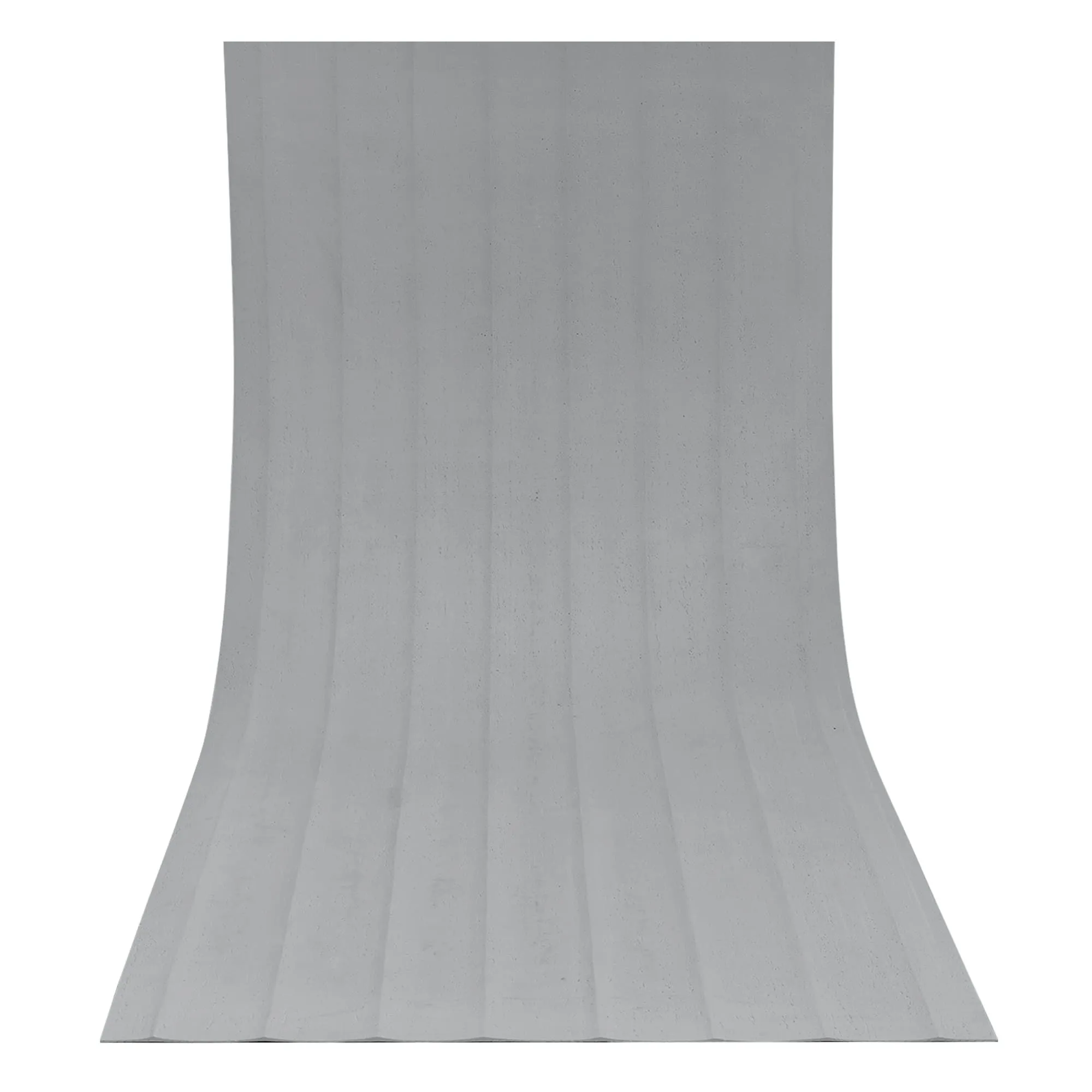
Now, let's switch gears and talk about the future, which, frankly, is already here with materials like MCM. COLORIA GROUP has been at the forefront of this innovation, providing solutions that drastically cut down on time, labor, and environmental impact. Our MCM (Modified Cementitious Material) products, including the MCM Big Slab Board Series and MCM Project Board Series , are designed to make your life easier while delivering stunning, durable results.
The first striking difference with MCM wave panels is their incredible lightness. Unlike their traditional counterparts, MCM is incredibly thin and flexible, making each panel surprisingly light. This significantly reduces the physical effort required for transport, lifting, and positioning. A single installer can often handle panels that would require two or three people with traditional materials. This translates directly to fewer man-hours spent on logistics and less reliance on heavy machinery. The reduced weight also simplifies the structural requirements of the building, potentially leading to savings in foundation and frame construction. Furthermore, their flexibility means they are less prone to breaking during handling, minimizing waste and ensuring that more of what's delivered to the site makes it onto the wall. This lightness and ease of handling contribute enormously to a more efficient and safer working environment on site, speeding up the initial stages of installation considerably.
One of the true beauties of MCM is its adaptability. Because of its flexibility and relatively thin profile, MCM panels are far more forgiving regarding substrate imperfections. While a clean, stable surface is always ideal, minor variations that would be a nightmare for rigid traditional panels are often easily accommodated by MCM. This means less time and fewer materials spent on extensive leveling and rendering. In many cases, a simple cleaning and priming of the existing surface is sufficient, drastically cutting down on preparatory stages. This flexibility also reduces the need for costly sub-frame systems, allowing for direct adhesion to a wider range of existing wall types. The ability to adhere directly to various substrates, including concrete, plasterboard, and even existing tiles, without extensive remedial work, is a massive time-saver. This adaptability allows construction teams to bypass several labor-intensive steps, accelerating the project from day one.
Working with MCM is a breath of fresh air, literally. These panels can often be cut and shaped with standard carpentry tools, like utility knives or simple hand saws, producing minimal dust and noise. This not only makes the working environment safer and cleaner but also means less specialized equipment is needed, reducing rental costs and setup time. The flexibility of MCM also allows for easier and more precise on-site adjustments, reducing the likelihood of costly miscuts and material waste. Imagine crafting intricate curves or bespoke patterns with ease, right on the job site, without the need for extensive off-site fabrication. This on-the-fly adaptability is a game-changer for custom designs and tricky architectural features. The precision and ease of cutting mean that complex patterns, including those for customized and green environmental protection designs, can be achieved with significantly less effort and greater accuracy. This reduces not only labor but also material consumption, aligning perfectly with sustainable building practices.
MCM panels typically use specialized, high-strength adhesives that offer rapid bonding and excellent durability. The application process is generally straightforward: apply the adhesive to the back of the panel or the substrate, then firmly press the panel into place. There's no lengthy curing time required before the next panel can be installed, meaning a continuous workflow. This significantly accelerates the installation process compared to mortar-based systems. The strong initial tack and rapid setting properties of modern MCM adhesives eliminate the need for temporary bracing or extensive clamping, freeing up labor for other tasks immediately. This "stick-and-go" efficiency transforms a multi-day process into a potentially same-day completion for large sections, enabling faster project turnover and quicker occupation of the space. The reduced waiting periods are a major factor in improving overall project efficiency and meeting tight deadlines.
Perhaps one of the most compelling advantages of MCM is its ability to integrate the finish directly into the product. Many MCM panels come pre-finished with the desired texture, color, and even pattern. For example, our MCM Flexible Stone series offers the look and feel of natural stone without any of the post-installation sealing or treatment. This virtually eliminates the need for sanding, priming, painting, or extensive sealing on-site. The "finishing" often boils down to cleaning the surface and perhaps applying a protective coating if specified, a far cry from the multi-stage, labor-intensive process of traditional materials. This dramatically reduces the need for multiple trades, cuts down on material costs (paints, primers, sealants), and ensures a consistent, high-quality appearance across the entire installation. This integrated finishing capability is a cornerstone of the efficiency gains offered by MCM, allowing for a much faster project completion time and a reduced dependency on post-installation trades, simplifying project management significantly.
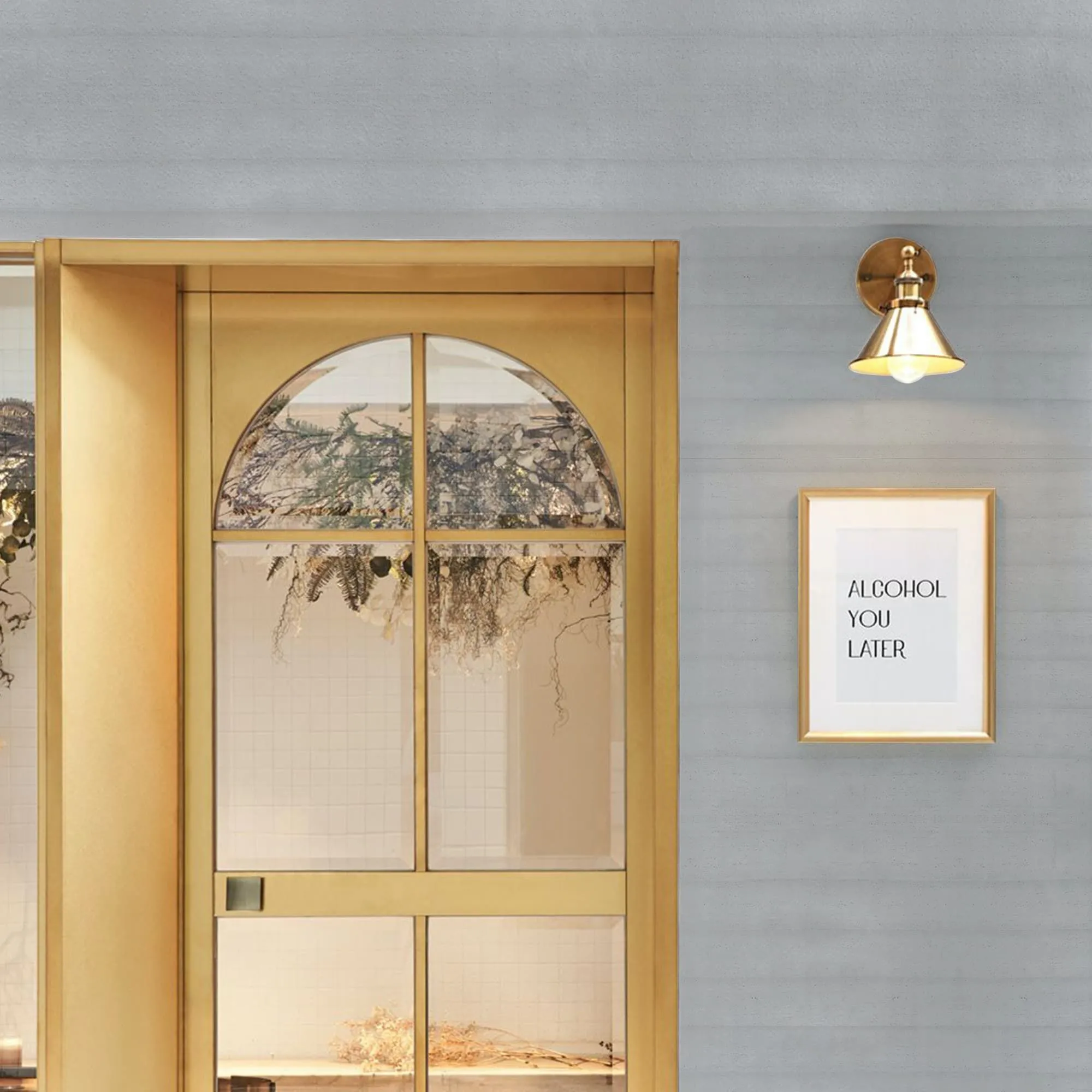
Let's put this into a more structured perspective. While exact figures will always vary based on project complexity, crew experience, and specific site conditions, we can illustrate the general trends in time and labor with a comparative table.
| Aspect | Traditional Wave Panel Installation | MCM Wave Panel Installation | Impact on Time & Labor |
|---|---|---|---|
| Material Weight & Handling | Heavy, brittle; requires multiple personnel, specialized lifting, high breakage risk. | Lightweight, flexible; often handled by 1-2 persons, low breakage risk. | Significant Reduction in manual labor and handling time. Less equipment rental. |
| Substrate Preparation | Extensive leveling, curing, priming; often requires sub-frame for heavy materials. | Minimal leveling, direct adhesion possible on varied surfaces. | Major Time Savings due to reduced preparatory steps and fewer materials. |
| Cutting & Shaping | Heavy-duty tools, high dust/noise, high waste potential due to rigidity. Tedious custom work. | Standard carpentry tools, minimal dust/noise, low waste due to flexibility. Easy custom shaping. | Substantial Efficiency Gain in fabrication; safer, cleaner site. Reduced material waste. |
| Fixing & Adhesion | Mortar/heavy adhesives with long curing times, mechanical fasteners; staggered installation. | Rapid-bonding, high-strength adhesives; continuous installation flow. | Accelerated Installation Speed ; eliminates significant waiting periods. |
| Finishing Touches | Extensive sanding, filling, multiple coats of primer/paint/sealant; multiple trades. | Often pre-finished; minimal on-site treatment, primarily cleaning. | Dramatic Reduction in post-installation labor and material costs. Faster project handover. |
| Overall Project Timeline | Longer due to multiple stages, curing times, and complex coordination. | Significantly shorter due to streamlined processes and integrated features. | Project Completion Accelerated by 30-50% or more in many cases. |
| Labor Requirement | High demand for specialized skills across multiple trades; physically intensive. | Reduced need for multiple specialized trades; less physically demanding. | Lower Labor Costs and more efficient allocation of human resources. |
| Environmental Impact | Higher waste, energy consumption for heavy machinery, potential for hazardous byproducts. | Lower waste, less energy for tools, made from natural materials with green environmental protection focus. | Significantly Reduced Carbon Footprint and waste. |
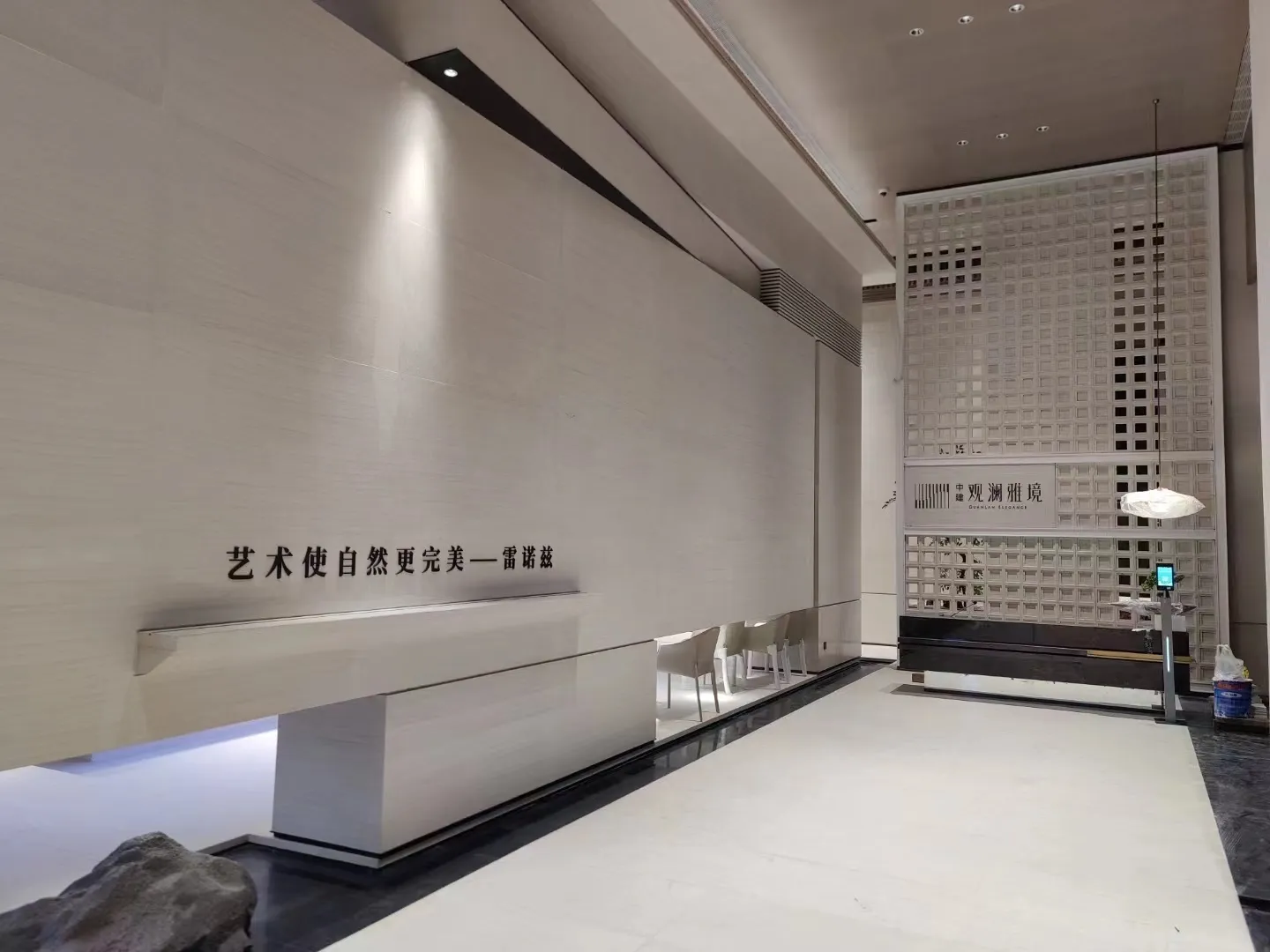
While the focus of our comparison today has been on time and labor, it's crucial to understand that the benefits of MCM extend far beyond just these two metrics. When you partner with COLORIA GROUP, you're not just choosing a material; you're choosing a comprehensive solution that brings a host of other advantages to your projects.
MCM's inherent flexibility means that architects and designers are no longer constrained by the rigid limitations of traditional materials. Whether you're aiming for complex wave patterns, custom textures, or seamless transitions, MCM can deliver. Our MCM 3D Printing Series , for example, opens up an entirely new realm of possibilities for bespoke designs, allowing for intricate details and unique surface geometries that would be prohibitively expensive or even impossible with traditional materials. The ability to mimic natural materials like stone, wood, or brick with incredible realism, but without their inherent drawbacks (weight, porosity, fragility), offers unparalleled aesthetic versatility for any interior and exterior wall decoration project.
Don't let the lightness and flexibility fool you; MCM is incredibly durable. It's resistant to UV radiation, freeze-thaw cycles, and general weathering, making it an excellent choice for both interior and challenging exterior environments. Its inherent properties also make it less susceptible to cracking or delamination, common issues with some traditional facade materials over time. This longevity translates into reduced maintenance costs and a longer lifespan for the building envelope, providing long-term value for clients and reducing the need for premature replacements.
COLORIA GROUP is deeply committed to green environmental protection , and our MCM products are a testament to that. Made from natural minerals and eco-friendly binders, MCM has a significantly lower carbon footprint compared to many conventional building materials. The manufacturing process is less energy-intensive, and the materials are often recyclable. Furthermore, the light weight of MCM reduces transportation emissions, and its durability contributes to less waste over the building's lifecycle. By choosing MCM, you're not just building beautifully; you're building responsibly, aligning your projects with global sustainability goals and contributing positively to the planet.
As a dedicated one-stop solution provider , COLORIA GROUP doesn't just sell products; we offer expertise, support, and a collaborative partnership. From initial design consultation and material selection to technical guidance during installation, our team leverages decades of industry experience to ensure your project's success. We understand the nuances of global markets, with a strong presence in regions like Saudi Arabia, ensuring that our innovative MCM solutions are accessible and tailored to local requirements and preferences. This comprehensive approach means you have a reliable partner every step of the way, making complex projects simpler and more efficient.
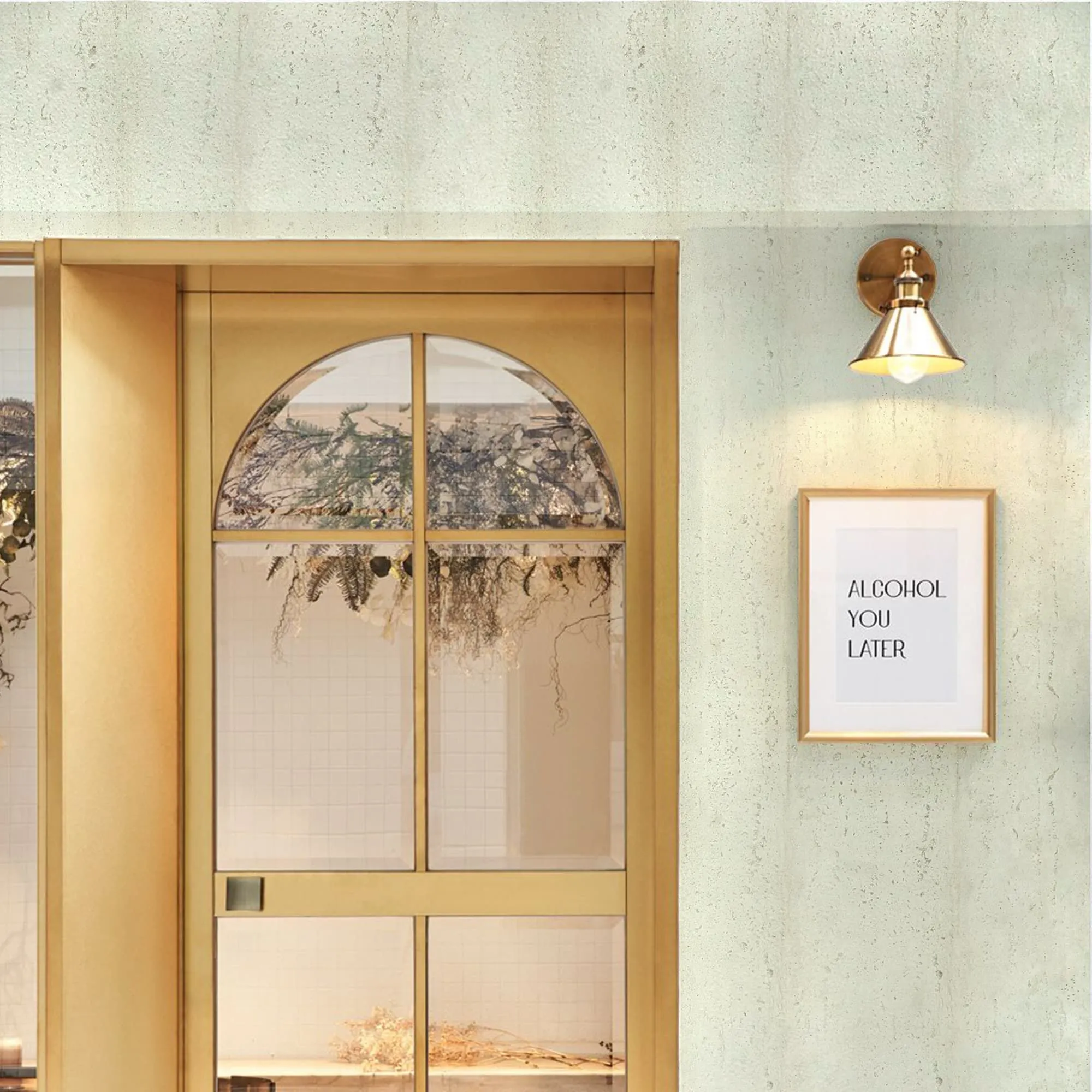
In conclusion, the comparison between traditional and MCM wave panel installation clearly highlights a paradigm shift in architectural materials. While traditional methods have their place, they often come with significant penalties in terms of time, labor, and environmental impact. The advent of MCM (Modified Cementitious Material) , championed by innovators like COLORIA GROUP, offers a compelling alternative that addresses these challenges head-on.
By embracing MCM, you're not just choosing an alternative material; you're opting for a smarter, faster, and more sustainable way to build. You're investing in solutions that reduce project timelines, optimize labor allocation, minimize waste, and deliver stunning, durable results that stand the test of time. For any project, whether it's a residential facade or a sprawling commercial complex requiring intricate interior and exterior wall decoration , the choice is clear: MCM represents the intelligent evolution of building materials. It's about building better, building greener, and building for the future. And that, my friends, is a wave worth riding.
Recommend Products











