
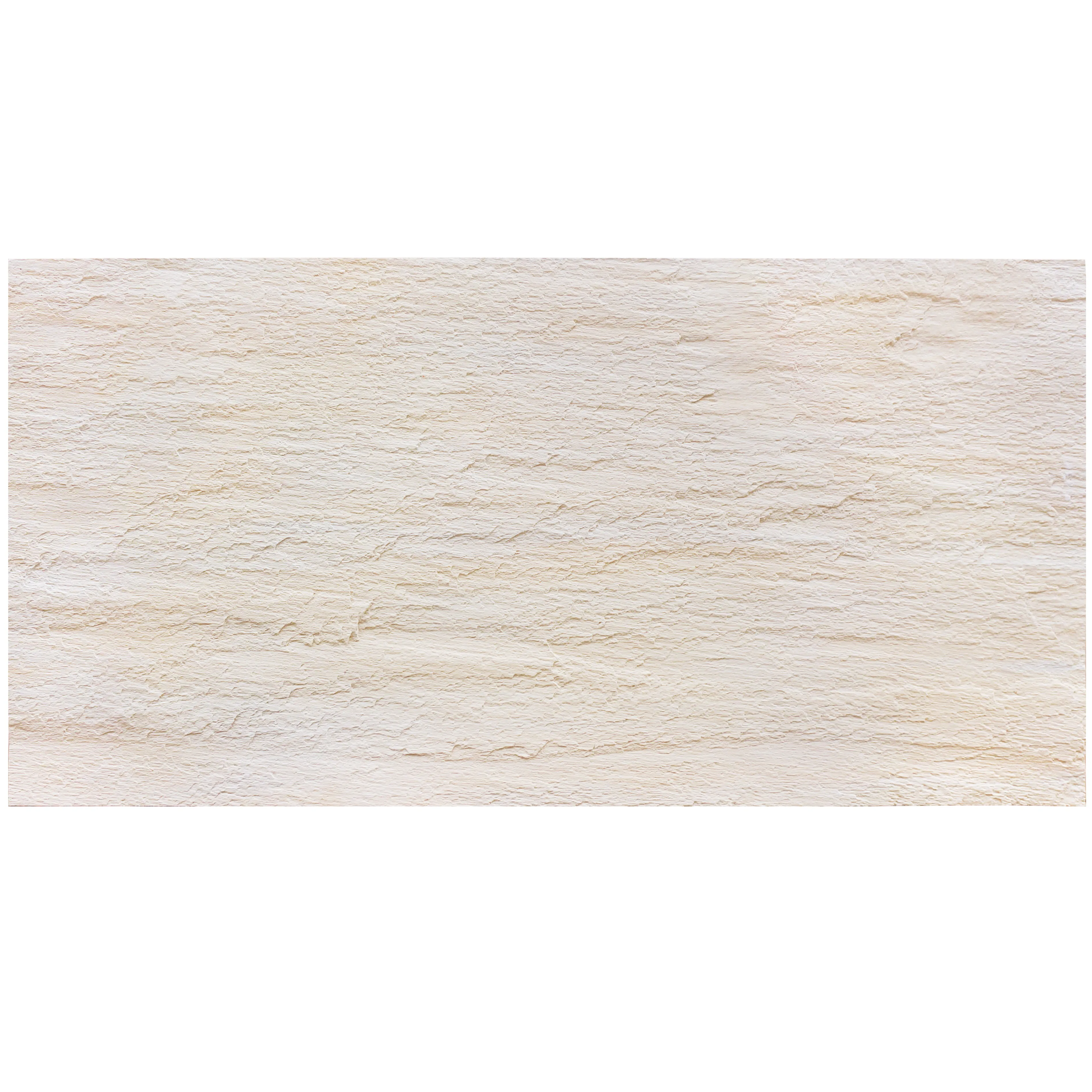
Exploring the shift from time-tested classics to innovative solutions in exterior design
Walk down any street, and you'll notice it immediately—the buildings around you are speaking. Some whisper of the past, their exteriors weathered by rain, sun, and decades of stories. Others shout of the future, sleek and unyielding, their surfaces shimmering with a modern confidence. The difference often comes down to one thing: the materials that clothe them. For centuries, architects and builders have relied on traditional materials to craft exteriors that stand the test of time. But as our world speeds up—demanding structures that are lighter, more durable, and infinitely customizable—a new generation of modified cementitious materials is stepping into the spotlight. Today, we're diving into this evolution, with a close look at one standout star: Oasis Stone Foge. How does it stack up against the old guard, and why is it quickly becoming the go-to choice for designers reimagining our built environment?
Let's start with the basics—the materials that have shaped skylines for generations. Think of the rough-hewn charm of fair-faced concrete, the earthy warmth of travertine, or the solidity of limestone. These are the workhorses of traditional construction, prized for their authenticity and connection to heritage. Fair-faced concrete, for example, has been a staple since the early 20th century. Its raw, uncoated surface bears the marks of its creation—wooden formwork lines, tiny air bubbles, the occasional stray pebble—telling a story of craftsmanship that feels tangible, almost alive.
But here's the thing about tradition: it often comes with trade-offs. Take fair-faced concrete. While it oozes industrial chic, it's heavy—really heavy. A single panel can weigh hundreds of pounds, making installation a logistical nightmare, especially for high-rise buildings. Then there's durability. Over time, water seeps into those tiny cracks, freezing and expanding in winter, causing spalling. Salt from roads eats away at it. Before you know it, that once-pristine facade is dotted with repairs, losing its character long before its time.
Travertine, too, has its quirks. A natural stone beloved for its porous, honeycomb texture, it's been used since ancient Rome—think the Colosseum's weathered arches. But that porosity? It's a double-edged sword. Without constant sealing, travertine absorbs stains like a sponge, turning from warm beige to a splotchy mess after a few rainstorms or a stray coffee spill. And let's not forget maintenance: hiring professionals to clean and reseal every few years adds up, turning "timeless charm" into a costly chore.
For decades, architects and homeowners accepted these flaws as the price of beauty. "It's just how things are," they'd say. But as cities grow denser, budgets tighter, and sustainability a top priority, "just how things are" stopped cutting it. The demand for something better—something that kept the soul of traditional materials but dumped the hassle—was louder than ever. Enter modified cementitious materials.
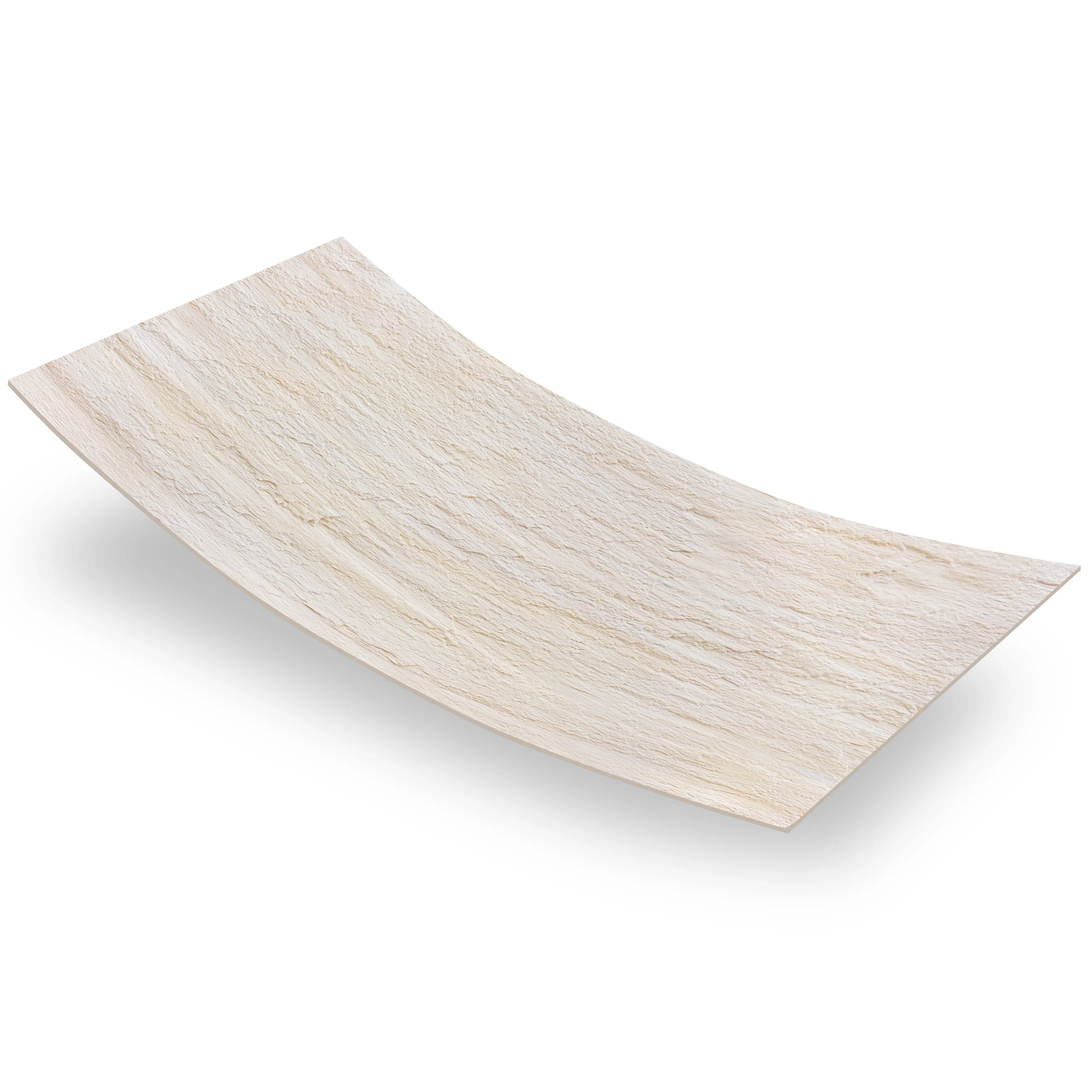
If traditional materials are the reliable old pickup truck—sturdy but slow—modified cementitious materials are the electric SUV: sleek, efficient, and packed with tech that solves old problems. At the heart of this revolution is MCM, or Modified Composite Material, a category that includes innovations like MCM flexible stone. These aren't your granddad's concrete panels. They're engineered blends of cement, fiberglass, and polymers, designed to be lightweight, flexible, and tough as nails.
Here's what makes them game-changing: weight. A typical MCM flexible stone panel weighs a fraction of traditional concrete—sometimes as little as 5 pounds per square foot. That's a game-changer for installers, who can handle panels by hand instead of hauling in cranes. It also reduces stress on building structures, opening up design possibilities for thinner walls and more ambitious architectures.
Flexibility is another win. Traditional materials are rigid; bend them even a little, and they crack. MCM panels, though, can flex up to 30 degrees without breaking. That means they're ideal for curved facades, undulating walls, or buildings in earthquake-prone zones—places where rigidity is a liability. Imagine a museum with a sweeping, wave-like exterior; with MCM, that's not just a concept sketch—it's a buildable reality.
And let's talk about design. Traditional materials often limit you to earthy tones and natural textures. Modified cementitious? They come in a rainbow of colors and finishes, from the iridescent shimmer of travertine (starry blue)—which mimics the night sky with tiny, embedded flecks—to the weathered patina of rusted metal, all without the maintenance headaches of the real thing. Want a facade that looks like aged wood but won't rot? Or like polished marble but won't scratch? MCM makes it possible.
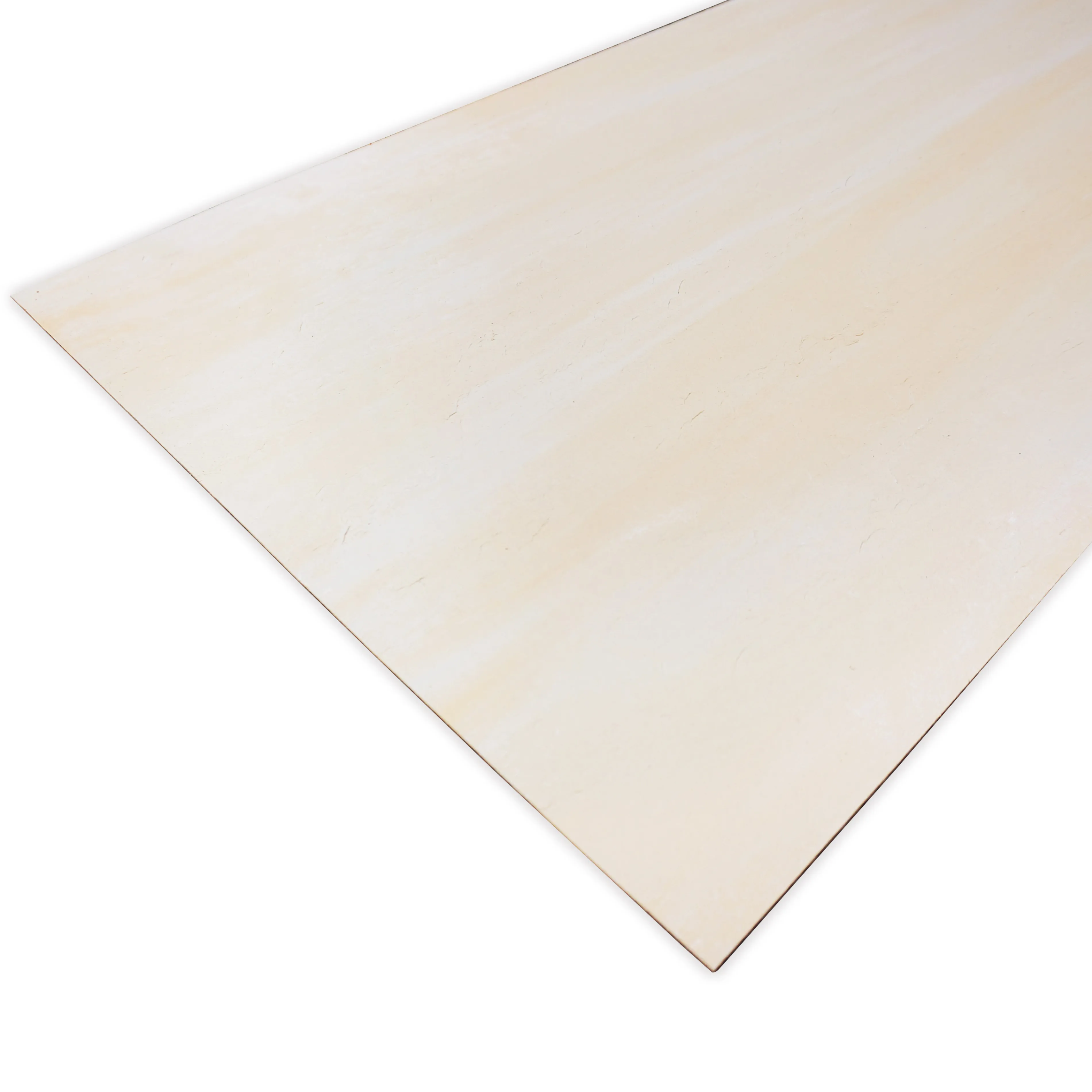
Within the world of modified cementitious materials, one name is generating buzz among architects and designers: Oasis Stone Foge. Part of the MCM project board series, this material isn't just a (upgrade) of traditional stone—it's a reinvention. Let's break down why it's turning heads.
First, the texture. Run your hand over an Oasis Stone Foge panel, and you'll swear it's natural stone. It has that same slightly rough, organic feel—no plastic-y smoothness here. That's because it's crafted using a 3D printing process that replicates the look and texture of natural materials at a microscopic level. Whether you opt for the subtle grain of sandstone or the bold veining of marble, the result is indistinguishable from the real thing to the untrained eye (and even to many pros).
But unlike natural stone, Oasis Stone Foge is built to last. Its core is a lightweight composite that resists water, mold, and UV rays. No more sealing every year. No more panic when it rains. A quick hose-down is all it takes to keep it looking fresh—a boon for busy commercial properties or homeowners who'd rather spend weekends hiking than pressure-washing their facades.
Then there's the design flexibility. Oasis Stone Foge comes in large slabs (up to 4 feet by 8 feet), which means fewer seams and a cleaner, more modern look. But it's also customizable. Want to mix and match colors? Pair the cool blue of travertine (starry blue) with the warm beige of limestone for a dynamic facade. Need a custom shape for a unique architectural detail? The material cuts like butter with standard tools, so your vision isn't limited by what's "off the shelf."
Perhaps the most compelling thing about Oasis Stone Foge, though, is how it bridges the gap between old and new. It has the warmth and character we love in traditional materials but the performance and practicality we demand in modern construction. It's not about replacing the past—it's about honoring it while moving forward.
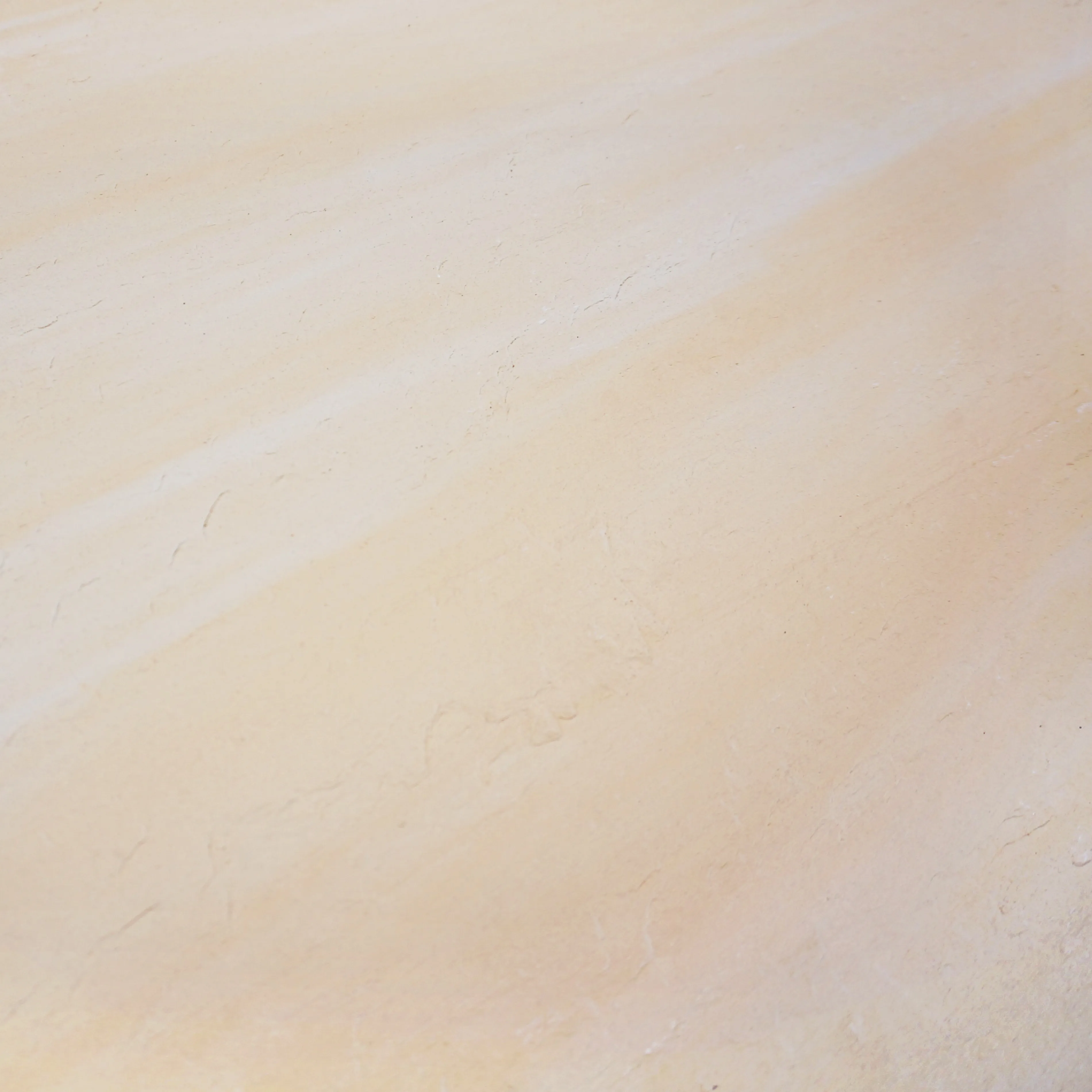
Let's get real—great design is about more than looking good. It's about making life easier, safer, and more sustainable. Oasis Stone Foge delivers on all three fronts.
Take installation, for example. Traditional stone or concrete panels require heavy machinery, specialized labor, and weeks of work. Oasis Stone Foge? Its lightweight nature means a small crew can install it in days, not weeks. That cuts labor costs and reduces construction time—a big deal for developers racing to meet deadlines or homeowners eager to move into their new space.
Sustainability is another win. MCM materials like Oasis Stone Foge use less raw material than traditional concrete, and their lightweight design reduces the need for energy-intensive transportation. Plus, because they last longer and require fewer repairs, they generate less waste over their lifetime. In a world where "green building" is no longer a trend but a necessity, that's a huge selling point.
And let's not overlook safety. Traditional heavy materials pose a risk during installation—dropped panels can cause serious injury. Oasis Stone Foge's light weight minimizes that risk, making job sites safer for workers. It also performs better in extreme weather. In hurricane-prone areas, its flexibility helps it withstand high winds without shattering. In fire zones, it's fire-resistant, giving occupants more time to evacuate. These aren't just "nice-to-haves"—they're life-saving features.
| Feature | Traditional (e.g., Fair-Faced Concrete) | Modified (e.g., Oasis Stone Foge, MCM Flexible Stone) |
|---|---|---|
| Weight | Heavy (80-100 lbs/sq ft) | Lightweight (3-5 lbs/sq ft) |
| Durability | Prone to cracking, staining, and water damage | Water-resistant, UV-resistant, and flex-resistant |
| Installation | Requires heavy machinery and specialized labor; slow | Handled by small crews; quick and easy |
| Design Flexibility | Limited colors/textures; rigid shapes | Wide range of colors (e.g., travertine starry blue), textures, and custom shapes |
| Maintenance | High (sealing, repairs, cleaning) | Low (hose-down cleaning; no sealing needed) |
Numbers and specs tell part of the story, but real-world examples bring it to life. Take the Riverfront Community Center in Portland, Oregon. Designed to be a hub for the neighborhood, the center needed an exterior that felt welcoming but could stand up to the city's rainy climate. The architects initially considered fair-faced concrete for its industrial vibe but worried about long-term water damage. Then they discovered Oasis Stone Foge.
"We were blown away by how lightweight it was," says lead architect Maria Gonzalez. "We could install these large, sweeping panels along the facade without reinforcing the structure—something that would've been impossible with concrete. And the color? We went with travertine (starry blue) to echo the nearby Willamette River. On sunny days, it shimmers like water; on cloudy days, it has this moody, depth that's just beautiful." Three years later, the center's facade still looks brand-new, with zero repairs needed—even after a record-breaking rainy season.
Then there's the renovation of a 1920s brownstone in Brooklyn, New York. The homeowners loved the building's history but hated the maintenance headaches of its original limestone exterior. "We were spending $2,000 a year just on sealing and cleaning," says homeowner James Chen. "And it still looked worn. We considered replacing it with traditional stone again, but the cost was prohibitive." Enter MCM flexible stone in a limestone-inspired finish. "Now, it looks exactly like the original limestone—same texture, same color—but we haven't touched it in two years. No sealing, no scrubbing. Just a quick rinse now and then. It's like having the best of both worlds: old-world charm with new-world ease."
As we look to the future of construction, one thing is clear: modified cementitious materials like Oasis Stone Foge aren't just a passing trend. They're a response to the changing needs of our world—needs for sustainability, efficiency, and design freedom. Traditional materials will always have their place; there's something irreplaceable about the patina of an old brick wall or the heft of natural stone. But for most projects today, the scales are tipping toward modified.
Think about it: As urban populations grow, we need buildings that are taller, lighter, and more resilient. As climate change intensifies, we need materials that can withstand extreme weather. As homeowners and businesses demand more personalized spaces, we need design options that go beyond "beige or gray." Modified cementitious materials check all these boxes—and they do it without sacrificing the warmth and character that make buildings feel like home.
At the end of the day, the materials we choose for our buildings say something about us. They reflect our values, our priorities, and our vision for the future. Traditional materials tell stories of the past—of craftsmanship, of heritage, of time-honored methods. Modified materials like Oasis Stone Foge tell a new story—one of innovation, of adaptability, of progress without forgetting where we came from.
So the next time you walk down that neighborhood street, take a closer look at the buildings around you. Notice the ones with exteriors that seem to glow, that look fresh and inviting even years after they were built. Chances are, they're wrapped in modified cementitious materials—materials that don't just cover walls, but transform them into something that feels both timeless and new. And in that transformation, we're not just building better exteriors—we're building better spaces to live, work, and connect. And isn't that what great architecture is all about?
Recommend Products












