
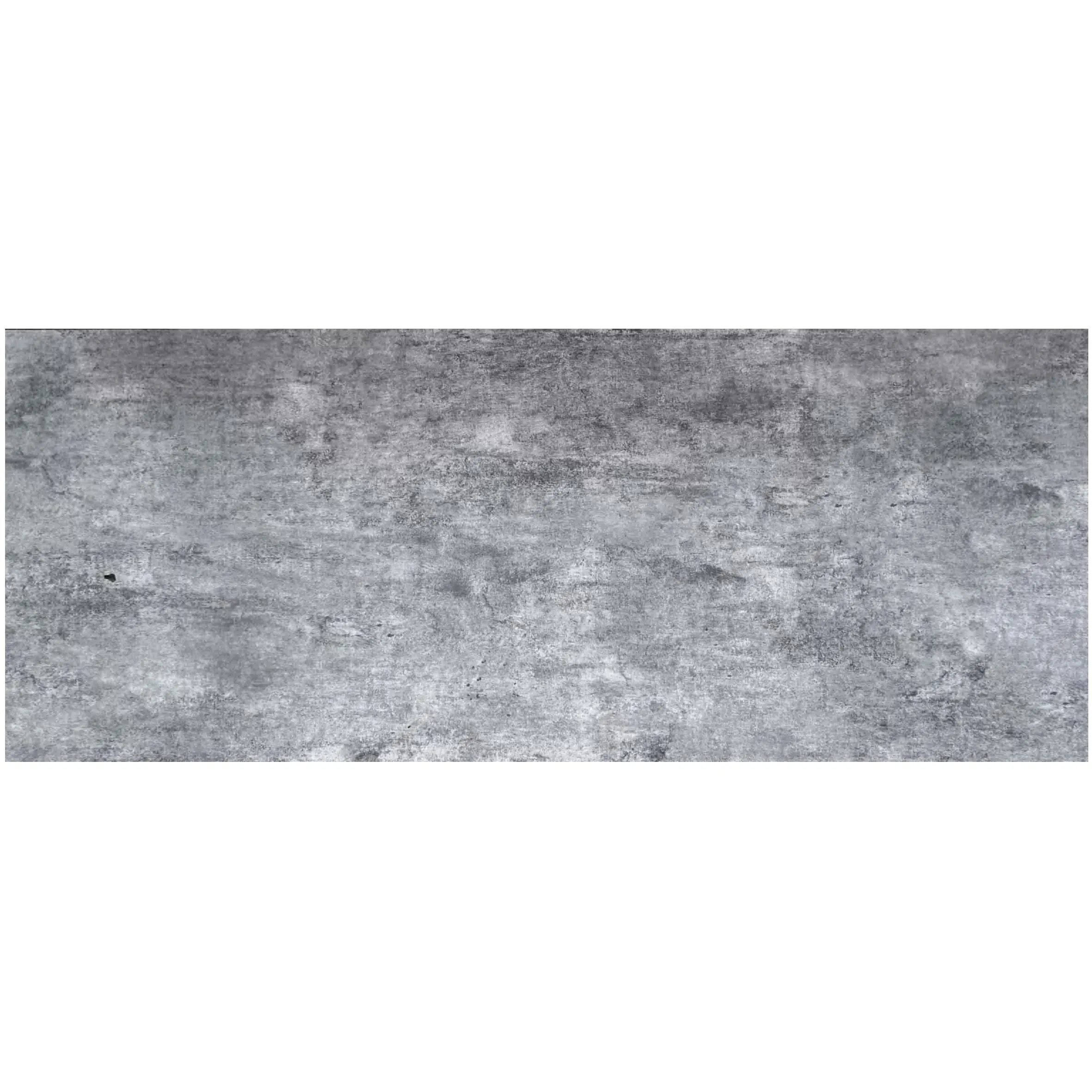
Concrete is often the unsung hero of our built environment. It's the floor beneath your feet at the grocery store, the walls of your favorite coffee shop, and the foundation of the skyscrapers that define city skylines. For decades, it's been praised for its strength and affordability—but let's be honest: traditional concrete hasn't always been associated with beauty. That's where the evolution begins. Today, we're diving into the world of polish concrete —how it started, how it's changing, and how COLORIA GROUP, with decades of industry expertise, is bridging tradition and innovation to redefine what concrete can be.
Traditional polished concrete isn't new. In fact, its origins stretch back to the early 20th century, when industrial spaces like factories and warehouses sought durable, low-maintenance floors. The process was simple: pour a slab of standard concrete, let it cure, then grind it down with progressively finer abrasives until the surface became smooth and reflective. Over time, sealers were added to protect against stains, and suddenly, what was once a utilitarian material started catching the eye of architects.
Walk into a historic library or a mid-century modern home, and you might still encounter traditional polished concrete. Its charm lies in its raw, unrefined character—the subtle variations in aggregate (those tiny stones mixed into the mix), the occasional hairline crack that tells a story, and that matte-to-semi-gloss finish that feels both industrial and grounded. But like any classic, it has its limitations. Traditional mixes are prone to staining if not sealed religiously, and their design flexibility is limited—you're mostly stuck with the natural gray of cement, unless you add pigments that can fade over time.
"We used to get calls from clients who loved the look of polished concrete but hated how high-maintenance it was," says Maria Gonzalez, a senior architect at COLORIA GROUP with 15 years of experience. "A restaurant owner once told me her traditional polished floor looked great for the first six months, but after a year of spills and foot traffic, it was dull and stained. She wanted something that could keep up with the chaos of a busy kitchen but still look intentional."
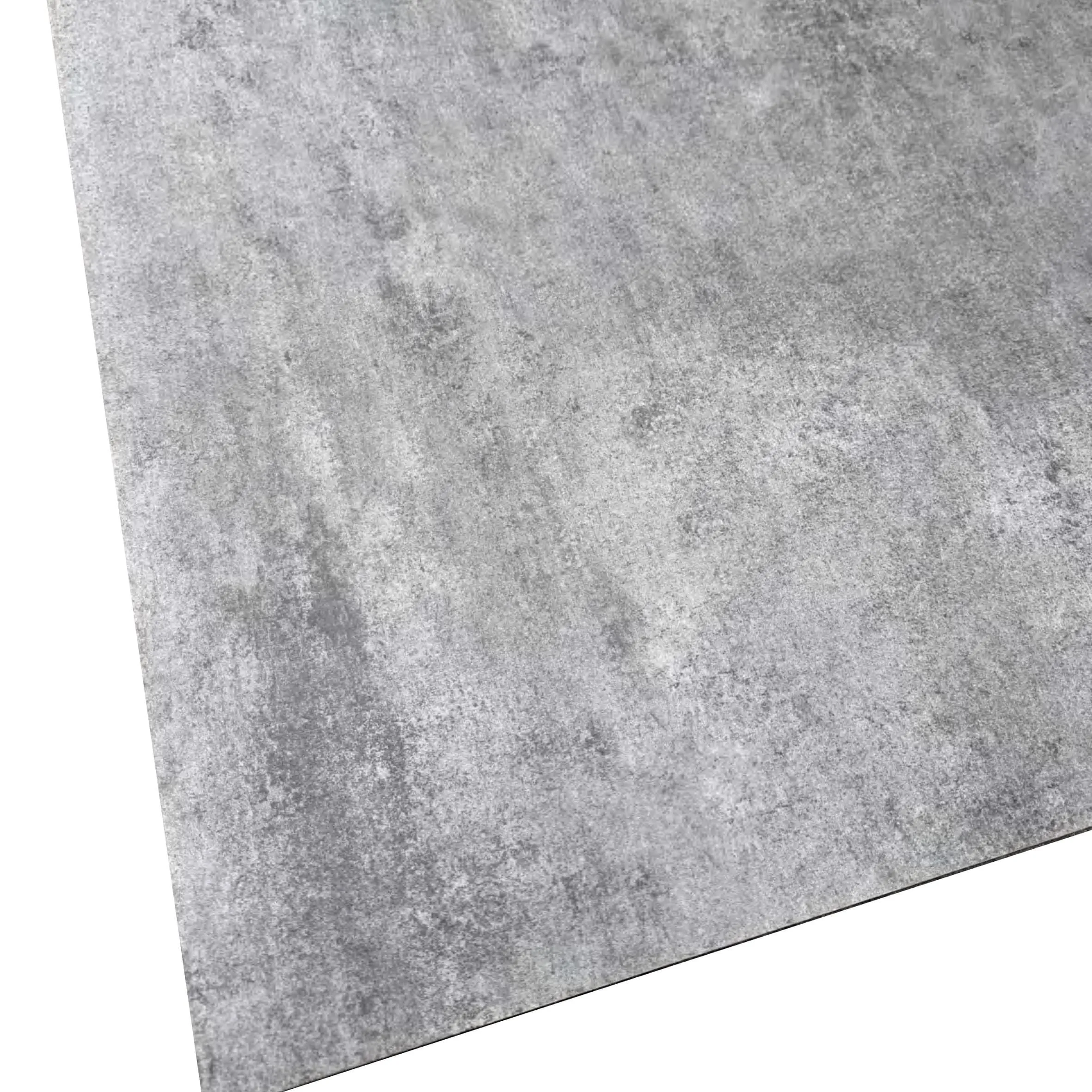
Enter modified polish concrete—the next chapter in concrete's story. This isn't just a tweak to the old recipe; it's a complete reimagining of what concrete can do. At COLORIA GROUP, modified polish concrete starts with the same core idea—grinding and sealing a concrete slab—but with a host of engineered upgrades that address the pain points of traditional versions. Think of it as a classic car with a modern engine: it (retains) the soul of the original but performs like something from the future.
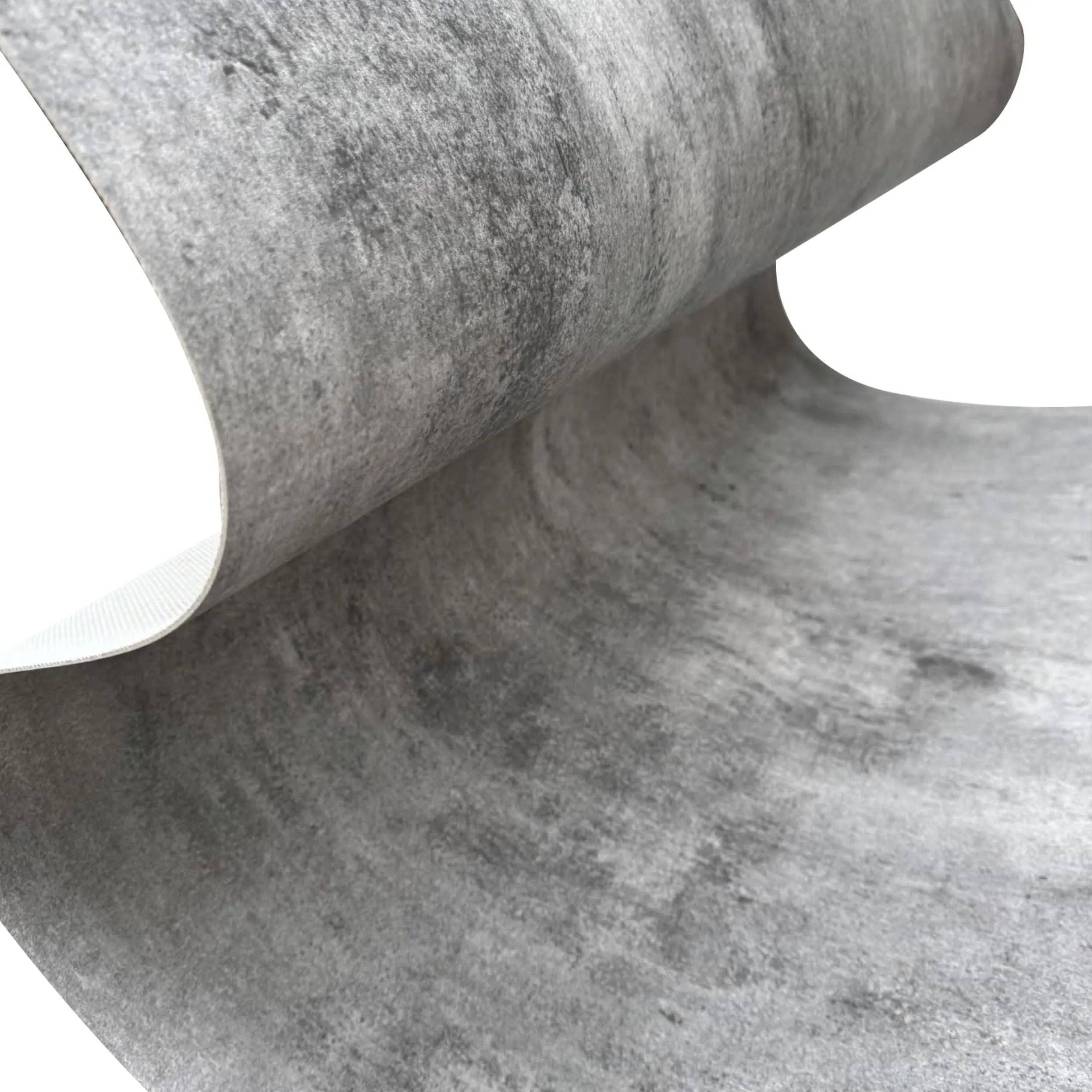
So, what makes modified polish concrete different? For starters, the mix itself is reengineered. COLORIA's team adds modified composite material panels —reinforced layers that enhance strength and flexibility—right into the concrete matrix. This makes the slab more resistant to cracking and impact, even in high-traffic areas like airports or shopping malls. Then there's the color technology: instead of adding pigments to the wet mix (which can fade), COLORIA uses nanotechnology to infuse color deep into the surface, creating hues that stay vibrant for decades. Want a floor that looks like sunset over the desert? Or a cool, moody gray that shifts with light? Modified polish concrete delivers—without the worry of touch-ups.
Another game-changer is the sealing process. Traditional sealers are often topical, sitting on the surface and wearing away over time. COLORIA's modified sealers penetrate the concrete, forming a chemical bond that repels stains, water, and even harsh chemicals. "We tested a sample by pouring red wine, motor oil, and lemon juice on it—left it for 24 hours, then wiped it clean with a cloth," explains Raj Patel, COLORIA's R&D lead. "The surface didn't stain at all. That's the kind of durability modern clients demand, whether it's for a commercial kitchen or a family home with kids and pets."
| Feature | Traditional Polish Concrete | Modified Polish Concrete (COLORIA) |
|---|---|---|
| Composition | Standard cement, sand, aggregate, water | Reinforced with modified composite material panels; engineered additives for strength |
| Durability | Prone to cracking and staining; requires resealing every 2–3 years | Impact-resistant; stain-proof sealers last 10+ years with minimal maintenance |
| Design Flexibility | Limited color options; mostly gray or muted tones; minimal texture control | Custom colors (vibrant or subtle); texture finishes (matte, gloss, honed); integrated patterns |
| Sustainability | Basic eco-friendliness (recycled aggregate optional) | Green building materials focus: 30% recycled content; low-VOC sealers; energy-efficient production |
| Installation Time | 4–6 weeks (curing + grinding + sealing) | 3–4 weeks (faster curing with additives; streamlined sealing process) |
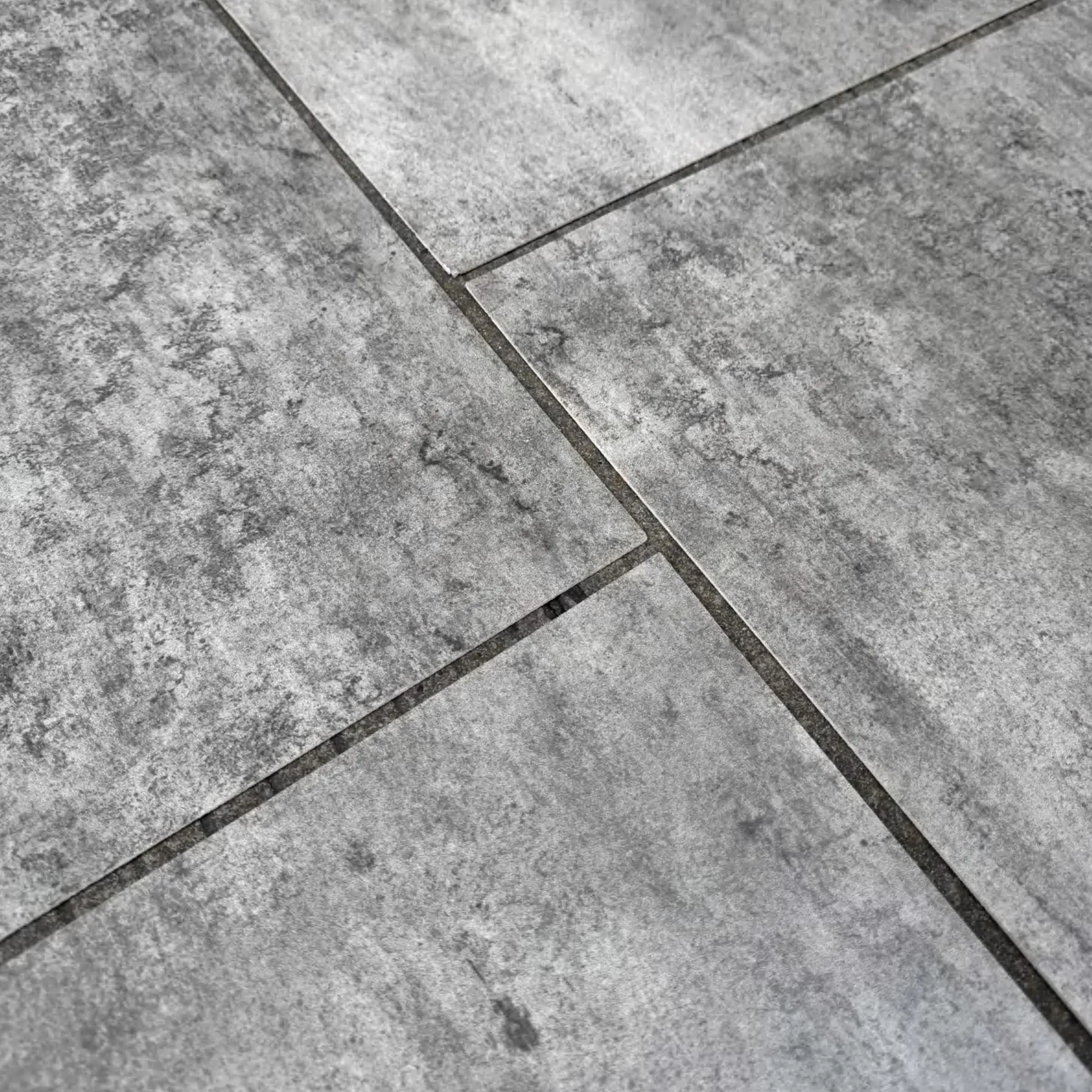
Modified polish concrete doesn't exist in a vacuum. At COLORIA GROUP, it's part of a broader ecosystem of building materials designed to work together. Take flexible stone cladding panels , for example. These thin, lightweight panels mimic the look of natural stone but can be curved or cut to fit any surface—perfect for accent walls or exterior facades. Pair them with modified polish concrete floors, and you get a space that feels cohesive but not monotonous, like a gallery where the walls and floors are in conversation.
Then there's fair-faced concrete —a cousin to polished concrete that's left exposed, with the formwork marks and texture of the pouring process intact. COLORIA's fair-faced options are modified to reduce porosity, making them suitable for exteriors, while still retaining that raw, industrial beauty. "A luxury hotel in Barcelona used our fair-faced concrete for their lobby columns and modified polish concrete for the floors," says Gonzalez. "The contrast between the rough columns and the smooth floor created this amazing tension—modern but warm, industrial but elegant."
Case Study: The Azure Mall Renovation (Dubai, 2023)
When the Azure Mall in Dubai decided to renovate its food court, they had a clear goal: create a space that felt fresh and modern but didn't require constant upkeep. The original floors were traditional polished concrete, which had become stained and uneven after 10 years of use. COLORIA proposed their modified polish concrete with a custom "sandy beige" hue and a honed finish (less glossy, more tactile). They also added flexible stone cladding panels in a complementary "driftwood" texture to the food court walls.
"The result was transformative," says Ahmed Hassan, the mall's project manager. "The new floors are spill-resistant—we've had coffee, ketchup, even ice cream spills, and they wipe right off. And the color hasn't faded, even with the harsh Dubai sun streaming through the skylights. Our tenants love it, and foot traffic in the food court is up 20% since the renovation."
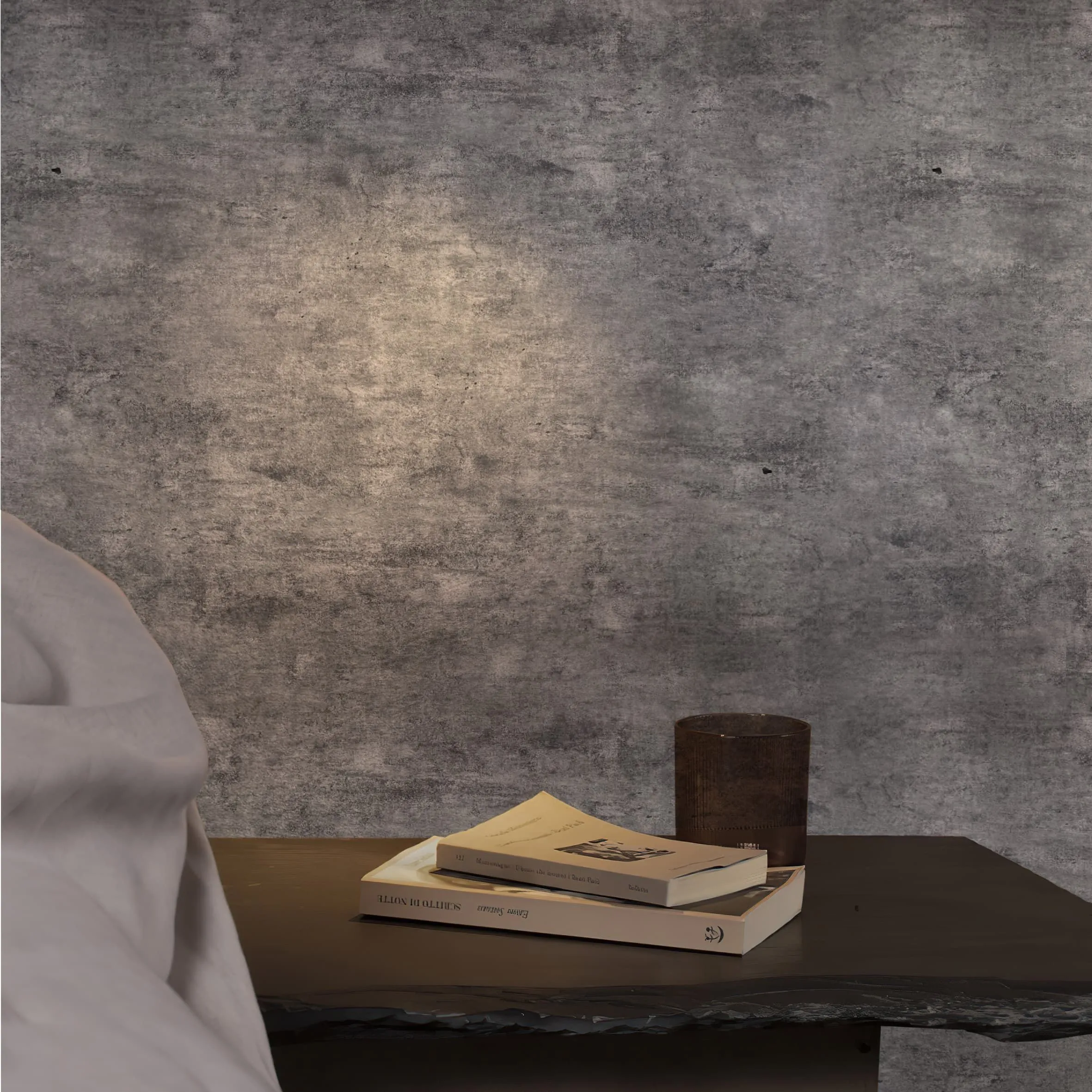
In 2025, "green" isn't just a buzzword—it's a requirement. Clients don't just want beautiful spaces; they want spaces that don't cost the Earth. That's why green building materials are at the heart of COLORIA's modified polish concrete. The team sources 30% of their aggregate from recycled materials—crushed concrete from demolished buildings, glass from landfills—to reduce the carbon footprint of each slab. Their sealers are low-VOC (volatile organic compounds), meaning they don't release harmful chemicals into the air, making them safe for schools, hospitals, and homes with allergy sufferers.
"Sustainability also means longevity," Patel adds. "A floor that needs to be replaced every 10 years isn't green, no matter how many recycled materials it uses. Our modified polish concrete is designed to last 50+ years with minimal maintenance. That's sustainability in action—reducing waste by building things that don't wear out."
What sets COLORIA apart isn't just the technology—it's the experience. For over 30 years, the company has worked on projects ranging from tiny boutique stores to sprawling airport terminals, learning what clients really need (and what they don't). "We don't just sell materials; we solve problems," says Gonzalez. "A client might come to us asking for polished concrete, but what they really need is a floor that can handle their specific lifestyle or business. Traditional concrete might work for some, but more often than not, modified options are the answer."
That expertise is built on collaboration. COLORIA's team includes architects, engineers, and designers who work side-by-side with clients from the initial concept to the final installation. They'll visit the site, test samples under real-world conditions (like simulating years of foot traffic in their lab), and adjust the mix or finish until it's perfect. "We had a client who wanted a floor that matched the color of their brand logo—a specific shade of teal," Patel recalls. "Traditional concrete couldn't do it, but we spent two weeks testing pigments and sealers until we got it right. Now, every time someone walks into their office, that floor tells their brand story."
As we look ahead, concrete—especially modified polish concrete—is poised to become even more integral to design. With advancements in 3D printing (COLORIA is already experimenting with 3D-printed concrete panels for custom shapes), the possibilities are endless. Imagine a home where the floors flow seamlessly into the walls, all made from modified concrete in a color that shifts with the time of day. Or a public park with benches and walkways crafted from the same material, unified in design but varied in texture.
"Concrete is no longer just a background material," says Gonzalez. "It's a protagonist in the design story. Traditional polished concrete gave us the foundation, but modified versions are letting us write new chapters—ones that are more durable, more beautiful, and more sustainable."
So the next time you walk into a space with a stunning floor or wall, take a closer look. It might just be modified polish concrete—quietly working, lasting, and telling a story of tradition reimagined. And chances are, it was made by COLORIA GROUP—because when it comes to concrete, they don't just build floors. They build legacies.
Recommend Products












