

Architecture is more than just walls and roofs—it's the language of spaces, telling stories through textures, colors, and materials. In recent years, a material has been turning heads in the design world for its ability to blend nature's beauty with modern innovation: MCM, or Modified Composite Material. Among its many stunning variants, Travertine (Starry Red) stands out as a showstopper, with its rich crimson hues and subtle, star-like veining that mimics a night sky ablaze. But here's the thing: even the most beautiful material can fall flat if its thickness isn't chosen with intention. Whether you're an architect drafting a commercial tower, a designer revamping a home, or a homeowner dreaming of a statement wall, understanding the thickness options of Travertine (Starry Red) MCM isn't just technical—it's the key to bringing your vision to life.
Before diving into the specifics of Travertine (Starry Red), let's take a moment to appreciate the foundation it's built on: MCM flexible stone . Unlike traditional natural stone, which is heavy, brittle, and often limited by size, MCM reimagines stone as a lightweight, adaptable material. Picture this: a panel that bends slightly to follow curved surfaces, weighs a fraction of natural stone, and resists cracks, moisture, and fading—all while retaining the authentic look and feel of quarried stone. That's MCM flexible stone in a nutshell. It's a material designed for the way we live and build today: where creativity shouldn't be constrained by weight limits or installation headaches.
But MCM isn't just about flexibility. It's about sustainability, too. By using a composite base and natural mineral pigments, MCM reduces the environmental impact of mining while offering consistent quality—no more worrying about uneven veining or color mismatches in a batch. For designers, this means more control; for installers, less hassle; and for property owners, a material that stands the test of time with minimal upkeep.
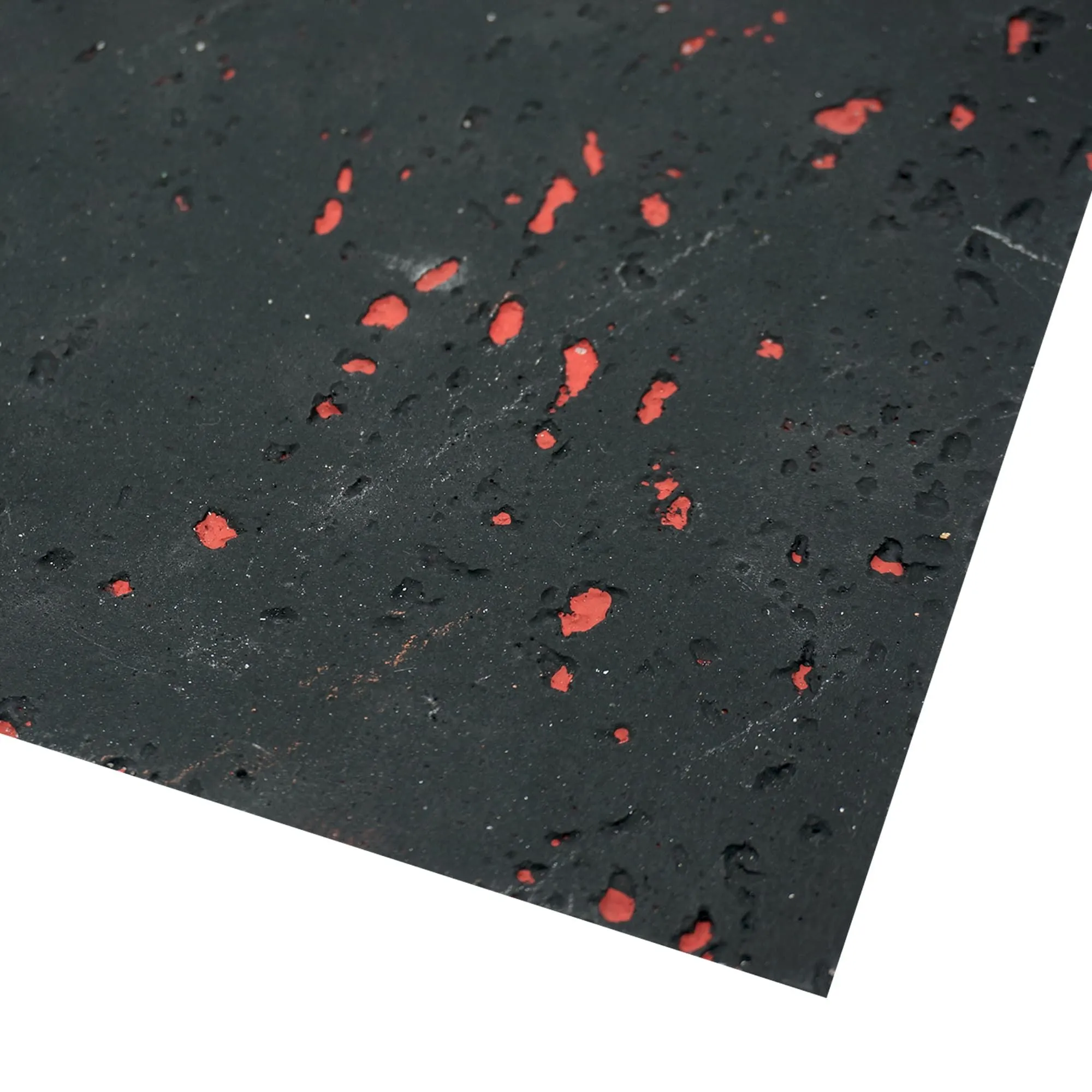
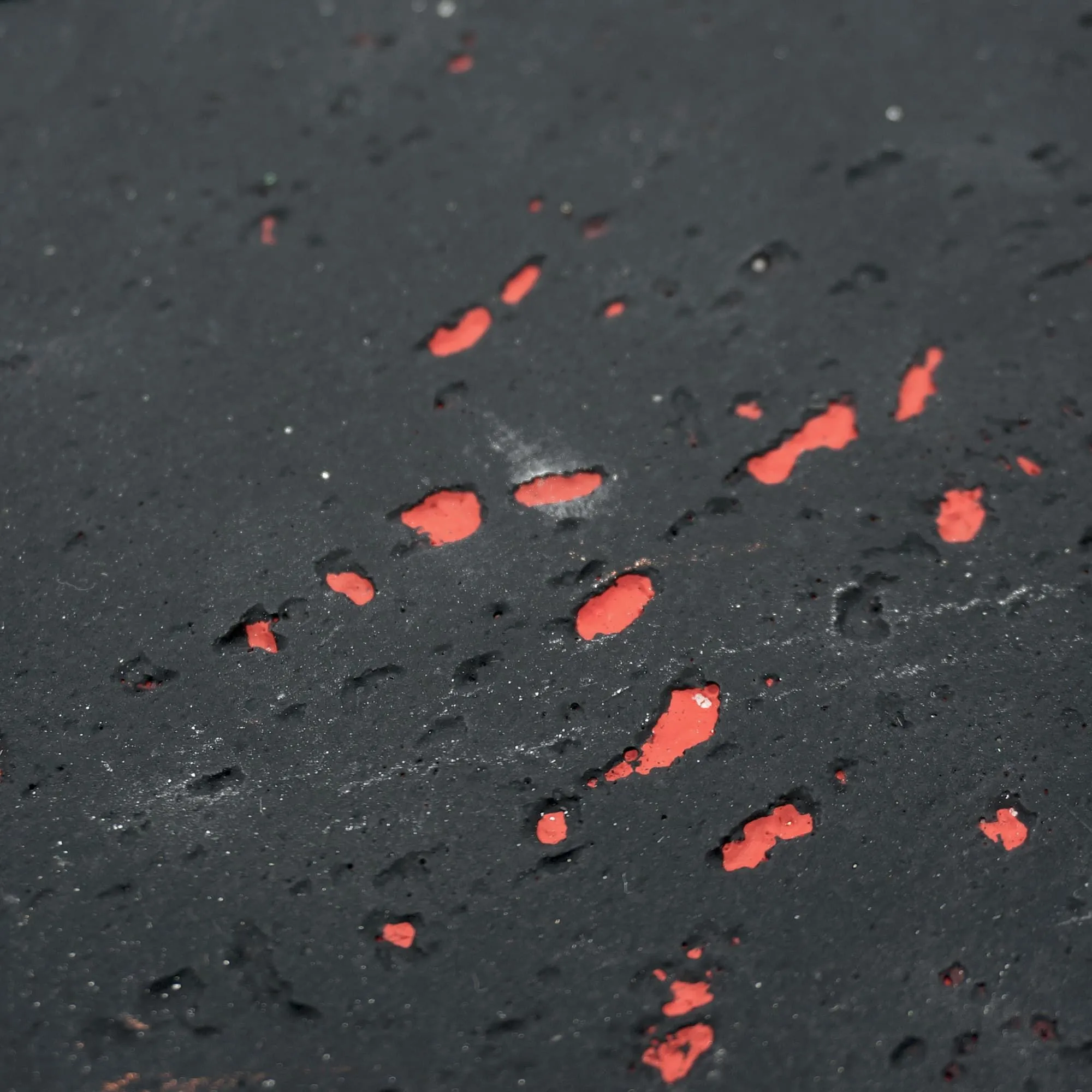
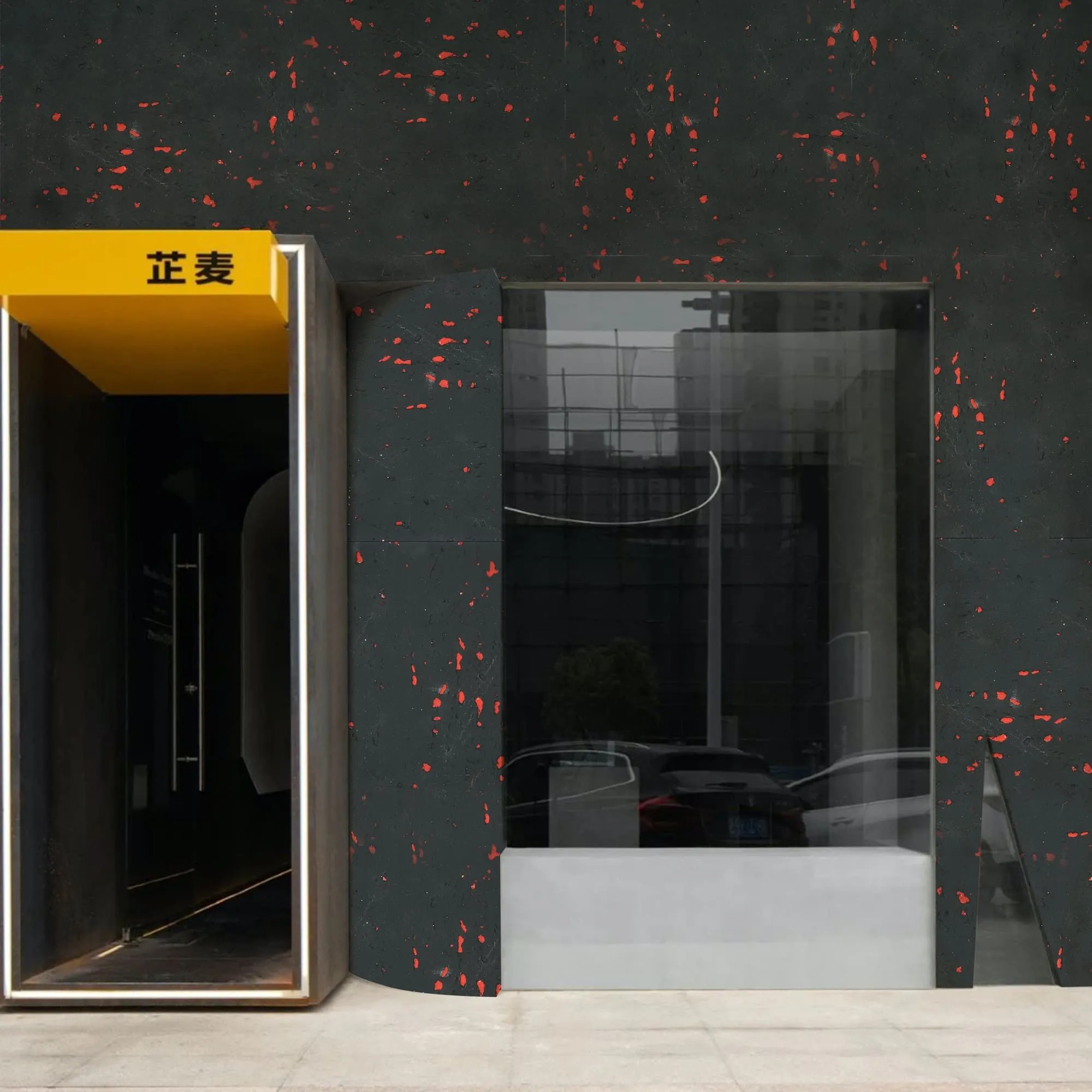
Now, let's zoom in on Travertine (Starry Red). Travertine itself is a classic natural stone, beloved for its porous texture and earthy tones, often seen in ancient Roman architecture and modern luxury spaces alike. But the "Starry Red" variant takes this timelessness and injects it with drama. Imagine deep, warm reds ranging from terracotta to burgundy, swirled with tiny, iridescent flecks that catch the light like distant stars. It's not just a color—it's an emotion. Whether paired with neutrals for contrast or with other bold hues for a maximalist look, Travertine (Starry Red) adds depth and personality to any surface.
What sets the MCM version apart from natural Starry Red travertine? For starters, consistency. Natural stone can vary wildly in pattern and density, but MCM Travertine (Starry Red) offers uniform starry veining and color saturation, ensuring your design vision stays cohesive across large installations. It's also lighter—natural travertine can weigh 20-30 kg per square meter, while MCM versions tip the scales at just 4-6 kg/m². This lightness opens up possibilities: think ceiling accents, vertical gardens, or even furniture surfaces that natural stone would make impractical.
And let's not forget durability. Natural travertine is porous, meaning it stains easily and requires regular sealing. Travertine (Starry Red) MCM, on the other hand, is treated with a protective coating that repels water, oil, and dirt. Spilled wine on a kitchen backsplash? A quick wipe with a damp cloth. Rain and UV rays on an outdoor facade? No fading or pitting. It's beauty that doesn't demand constant attention.
So, we've established that Travertine (Starry Red) MCM is beautiful and durable—but why obsess over thickness? Let's break it down with a simple example: a residential accent wall versus a commercial lobby floor. The accent wall, mounted vertically, doesn't need to support heavy foot traffic, so a thinner panel might work. But the lobby floor? It needs to withstand thousands of steps daily, so thickness here isn't just about looks—it's about structural integrity.
Thickness affects three key areas:
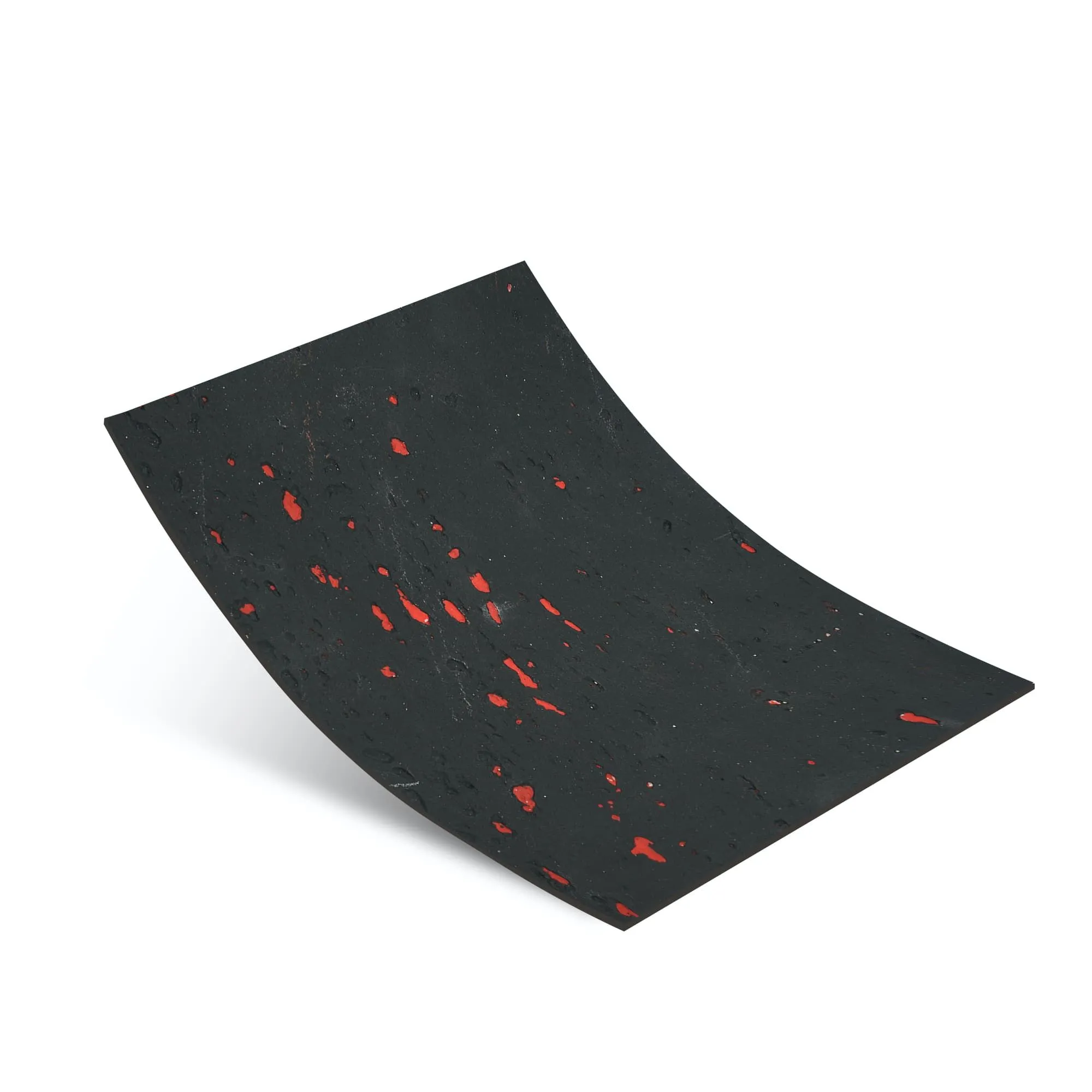
Now, let's get practical. Travertine (Starry Red) MCM typically comes in three primary thickness ranges, each tailored to specific needs. Let's map them out:
| Thickness Range | Best For | Key Benefits | Considerations |
|---|---|---|---|
| 3-4mm (Ultra-Thin) | Interior accent walls, backsplashes, furniture fronts, curved surfaces | Lightweight (2-3 kg/m²), flexible for curves, easy to cut and install | Not recommended for high-impact areas or floors; requires smooth, even substrate |
| 5-8mm (Mid-Range) | Feature walls (interior/exterior), fireplace surrounds, commercial lobbies (walls), low-traffic floors | Balances flexibility and durability; suitable for both flat and gently curved surfaces | May need additional adhesive for exterior use in harsh climates |
| 9-12mm (Thick) | High-traffic floors, exterior cladding, pool surrounds, commercial floors | Superior impact resistance; withstands weather, foot traffic, and heavy furniture | Heavier (5-7 kg/m²); requires structural support for ceilings or overhead installations |
Let's put this into context. Say you're designing a home bar: the backsplash behind the counter? 3-4mm Travertine (Starry Red) would add color without overwhelming the space, and its thin profile means it won't take up precious counter depth. The bar top itself? Go for 9-12mm—you want something that can handle glasses being set down, spills, and the occasional dropped olive jar without chipping. For the wall behind the bar, 5-8mm strikes the perfect balance: substantial enough to make a statement, flexible enough to follow the bar's curve if you're feeling fancy.
To truly appreciate Travertine (Starry Red)'s thickness options, it helps to compare it to other MCM stars. Take the mcm big slab board series , for example. These are designed for grand, seamless installations—think a 10-foot-tall wall in a hotel lobby with no visible seams. Big slab boards often come in thicker profiles (8-12mm) to maintain stability over large spans, making them a great companion to Travertine (Starry Red) if you're mixing textures (e.g., a big slab base with Starry Red accents).
Or consider lunar peak black , a sleek, dark MCM stone with a matte finish that's popular for modern exteriors. Lunar Peak Black tends to favor mid-to-thick profiles (6-12mm) for its bold, monochromatic look, where thickness enhances its dramatic presence. Travertine (Starry Red), with its busy veining, can actually shine in thinner profiles, as the starry pattern doesn't get lost—proving that thickness choices should always dance with a material's unique aesthetics.
And let's not forget fair-faced concrete , a minimalist's dream with its raw, industrial vibe. Fair-faced concrete MCM often comes in 5-10mm thicknesses, prized for its ability to mimic poured concrete without the weight. Compared to Travertine (Starry Red), it's a study in contrast: where Starry Red is all about color and movement, fair-faced concrete is about understatement. Their thickness ranges overlap, but the way they're used couldn't be more different—reminding us that thickness isn't just about function, but about amplifying a material's inherent personality.
Let's walk through a few scenarios to see how thickness choices play out in real life:
Scenario 1: A Homeowner's Master Bedroom Retreat
You want a feature wall behind your bed, and you've fallen for Travertine (Starry Red)'s romantic, starry look. The wall is flat, and the room is low-traffic—so 3-4mm panels are perfect. They'll add texture without making the wall feel bulky, and installation is straightforward with a strong adhesive. Pair it with warm wood tones and soft lighting, and suddenly your bedroom feels like a cozy, luxurious escape.
Scenario 2: A Restaurant's Outdoor Patio
A trendy bistro wants to extend its dining space outdoors, using Travertine (Starry Red) for the patio floor to tie into its warm, inviting interior. Here, 9-12mm thickness is non-negotiable. The patio will see foot traffic, spills, and exposure to rain and sun—thicker panels mean fewer chips, better water resistance, and a surface that can handle outdoor furniture without scratching. Plus, the added thickness gives the patio a solid, high-end feel that matches the restaurant's brand.
Scenario 3: A Boutique Hotel's Curved Lobby Wall
The design calls for a sweeping, curved wall that wraps around the lobby, serving as a focal point for guests. Travertine (Starry Red) is the star here, but the curve demands flexibility. Enter 5-6mm panels: thin enough to bend gently around the wall's radius, thick enough to maintain structural integrity. The result? A jaw-dropping, organic shape that feels both grand and intimate—all thanks to choosing the right thickness.
Installing Travertine (Starry Red) MCM is relatively straightforward, but thickness does affect the process. Here are a few pro tips:
One of the best things about MCM is its low maintenance, but a little care goes a long way. Thickness doesn't drastically change upkeep, but here's what to keep in mind: Ultra-thin panels, while durable, can scratch if scrubbed with abrasive cleaners—stick to mild soap and water. Thick panels, with their added density, can handle a bit more scrubbing, making them great for kitchen floors where spills happen. Regardless of thickness, avoid harsh chemicals like bleach, and wipe up standing water promptly (though MCM is moisture-resistant, prolonged exposure isn't ideal). With minimal care, your Travertine (Starry Red) MCM will stay vibrant for decades—proof that beauty and practicality can coexist.
At the end of the day, choosing the thickness of your Travertine (Starry Red) MCM isn't just about numbers on a spec sheet. It's about asking: What story do I want this space to tell? Do I want it to feel light and airy, or grounded and substantial? Will this material be a subtle backdrop or the main character? By aligning thickness with your vision, you're not just building—you're crafting an experience.
So whether you're drawn to the ultra-thin flexibility of 3mm panels for a whimsical accent wall or the bold presence of 12mm panels for a commercial floor, remember: Travertine (Starry Red) MCM is more than a material. It's a collaborator. And with the right thickness, it will help you turn every space into a story worth telling.
Recommend Products












