

Walk into any memorable building—whether it's a cozy café with exposed brick walls or a soaring museum with sleek stone facades—and you'll quickly realize: the materials used aren't just background noise. They're the storytellers. They set the mood, shape the experience, and even influence how we feel in a space. But here's the catch: not all materials are created equal. A stunning design can fall flat if the stone chips easily, the color fades under sunlight, or the texture feels cheap to the touch. That's where consistent quality comes in. It's the backbone of materials that don't just look good on day one, but stand the test of time, weather, and wear.
In the world of architectural cladding, one name has been turning heads lately: Travertine (Starry Red) MCM . With its deep, rich hue flecked with tiny, star-like specks that catch the light, it's no wonder designers are drawn to it. But what really sets it apart isn't just its beauty—it's the reliability that comes from rigorous quality control. And that's where COLORIA, a leader in innovative building materials, steps in. Today, we're diving into how COLORIA ensures every slab of Travertine (Starry Red) MCM isn't just a pretty face, but a promise of consistency, durability, and excellence.
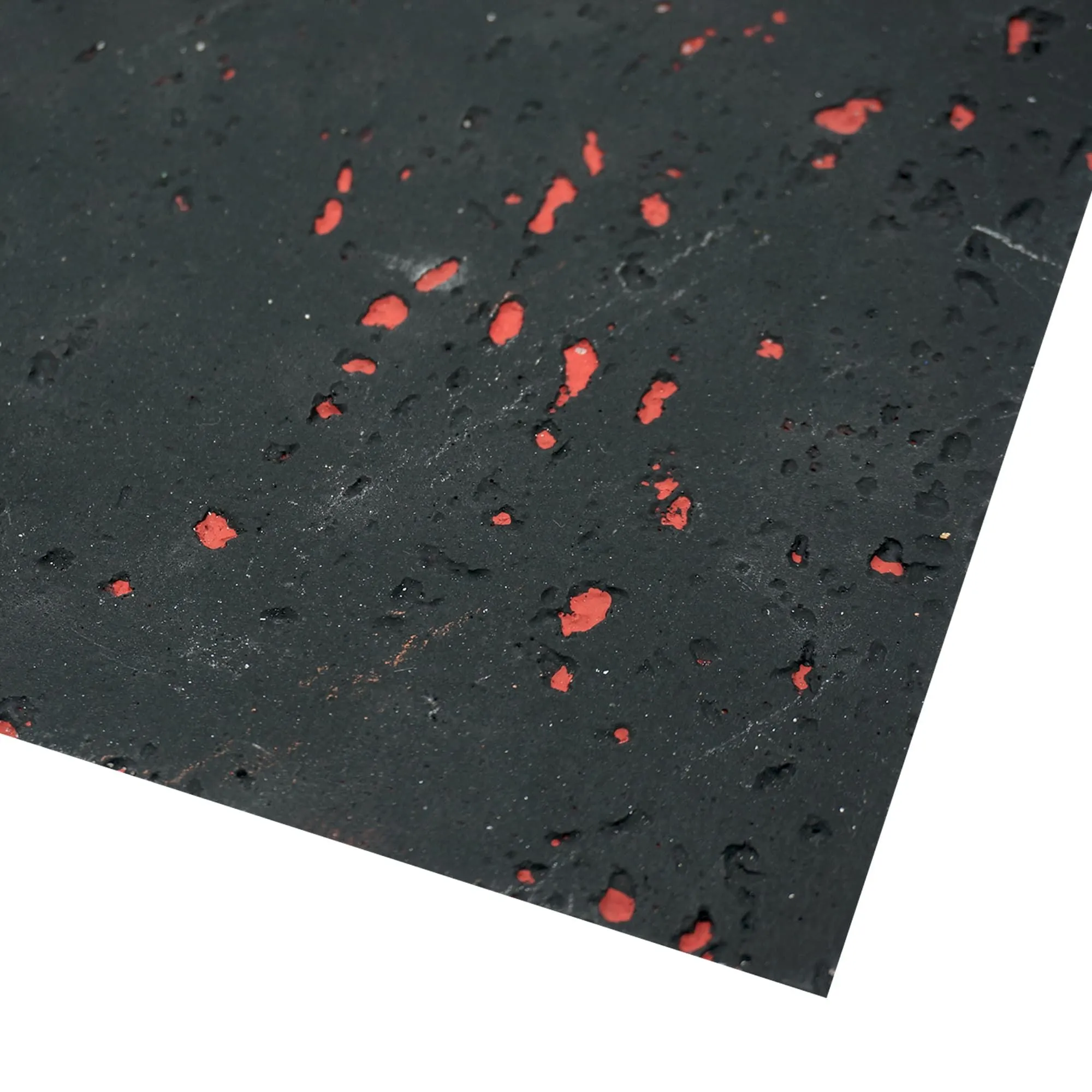
First, let's get up close with the star of the show: Travertine (Starry Red). If you're new to travertine, it's a type of limestone formed by mineral deposits from hot springs, known for its unique porous texture and earthy tones. But COLORIA's Starry Red variant? It's travertine reimagined. Imagine a deep, warm red base—think of a sunset over a desert, where the sky blazes with amber and crimson—dotted with iridescent particles that shimmer like distant stars. It's bold enough to make a statement in a modern lobby, yet warm enough to feel inviting in a residential patio.
But what makes Starry Red truly special is how it fits into COLORIA's broader lineup of MCM project board series . MCM, or Modified Composite Material, is a game-changer in construction. Unlike traditional stone, which is heavy and prone to cracking, MCM is lightweight, flexible, and engineered to resist fading, moisture, and impact. It's the kind of material that lets architects dream bigger—curved walls, high-rise exteriors, even outdoor installations that can withstand rain, snow, and scorching sun. And when you pair that technology with the natural beauty of travertine? You get a material that's as tough as it is stunning.
| Travertine Variant | Color Profile | Key Features | Ideal Applications |
|---|---|---|---|
| Starry Red | Deep red base with iridescent star-like flecks | High light reflection, fade-resistant pigments | Accent walls, restaurant facades, boutique storefronts |
| Starry Green | Mossy green base with silver-gold specks | Earthy tone, blends with natural landscapes | Outdoor gardens, eco-resorts, wellness centers |
| Starry Blue | Midnight blue base with turquoise flecks | Cool undertones, calming effect | Hotels, spas, indoor pools |
| Starry Orange | Terracotta orange base with copper specks | Warm, energetic vibe | Cafés, community centers, beachfront properties |
As the table shows, each starry travertine has its own personality, but Starry Red stands out for its versatility. It pairs surprisingly well with everything from fair-faced concrete (for an industrial-chic look) to warm woods (for a rustic-modern blend). But none of that matters if the color fades after a year or the surface scratches easily. So how does COLORIA make sure every batch of Starry Red lives up to the hype?
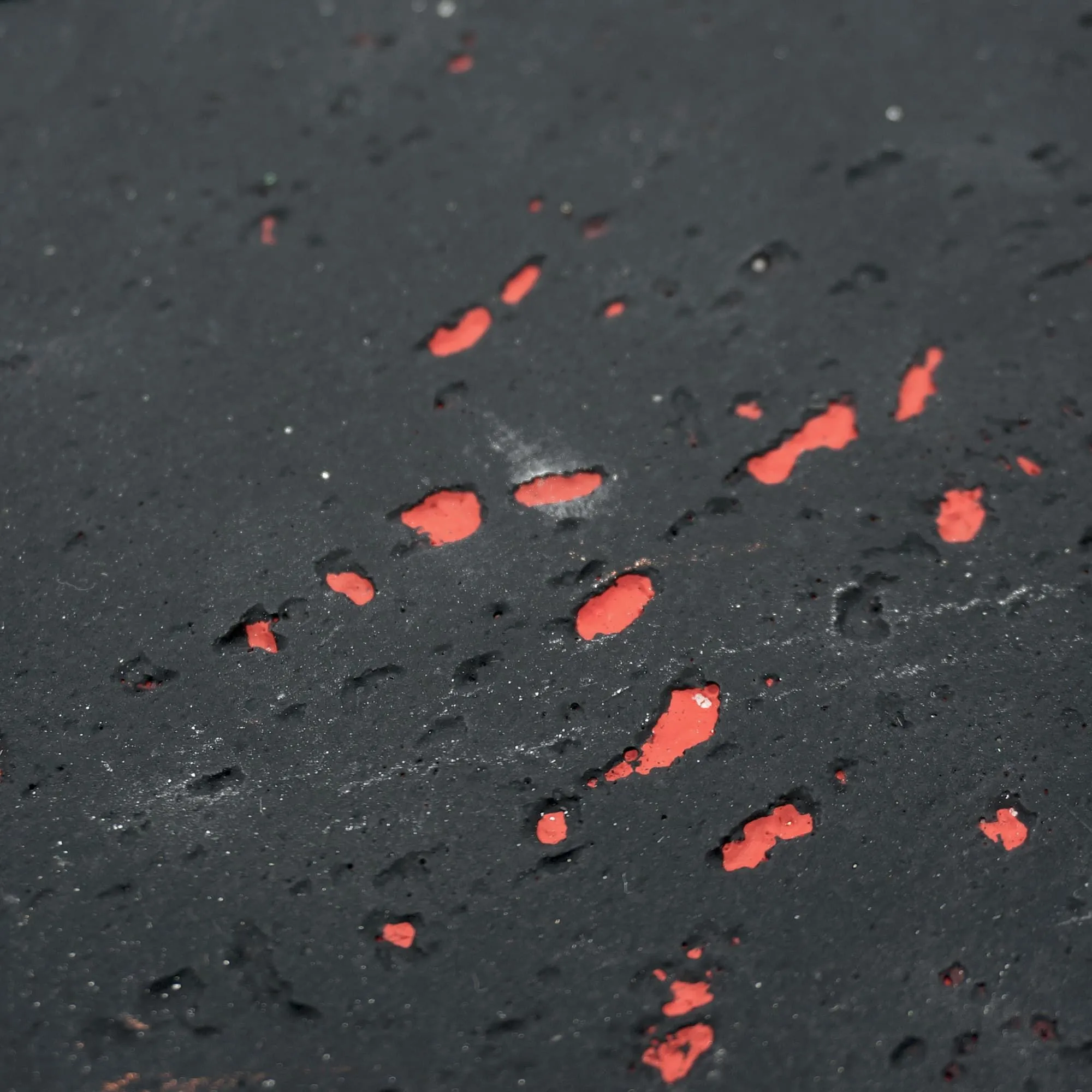
Quality control at COLORIA doesn't start in the factory—it starts in the ground. Travertine (Starry Red) begins as raw travertine blocks sourced from select quarries in regions known for high-grade deposits. COLORIA's geologists and material scientists visit these sites personally, testing samples for density, porosity, and mineral composition. Only blocks with the right balance of strength and natural beauty make the cut. "We reject about 30% of raw material right off the bat," says Maria Gonzalez, COLORIA's Head of Sourcing. "It's tough, but if the base stone isn't perfect, no amount of processing can fix it."
Once the raw blocks arrive at COLORIA's facility, the magic of modern manufacturing takes over—thanks in part to their 3D printing series technology. Now, you might be thinking: 3D printing and stone? How does that work? Think of it less like printing with plastic and more like precision layering. COLORIA uses 3D scanning to map the natural texture of the travertine, then uses specialized printers to apply the star-like flecks in a pattern that mimics nature but with consistent density. This ensures that every slab of Starry Red has those iconic "stars" evenly distributed—no more patches where the specks are too sparse or clumped together. It's a blend of art and science that traditional stone-cutting just can't match.
But the process doesn't stop there. After printing, each slab undergoes a series of tests that read like a material's boot camp. There's the freeze-thaw test: slabs are submerged in water, frozen solid, then thawed—repeated 50 times—to simulate harsh winter conditions. The abrasion test: a machine rubs the surface with steel wool to check for scratching. The colorfastness test: slabs are exposed to UV light for 1,000 hours to ensure the red hue doesn't fade to pink. "We even test how the material handles humidity," adds Gonzalez. "Imagine a hotel bathroom in a tropical climate—you don't want mold growing in the pores. Our Starry Red MCM is treated to resist moisture absorption, so it stays looking fresh even in damp environments."
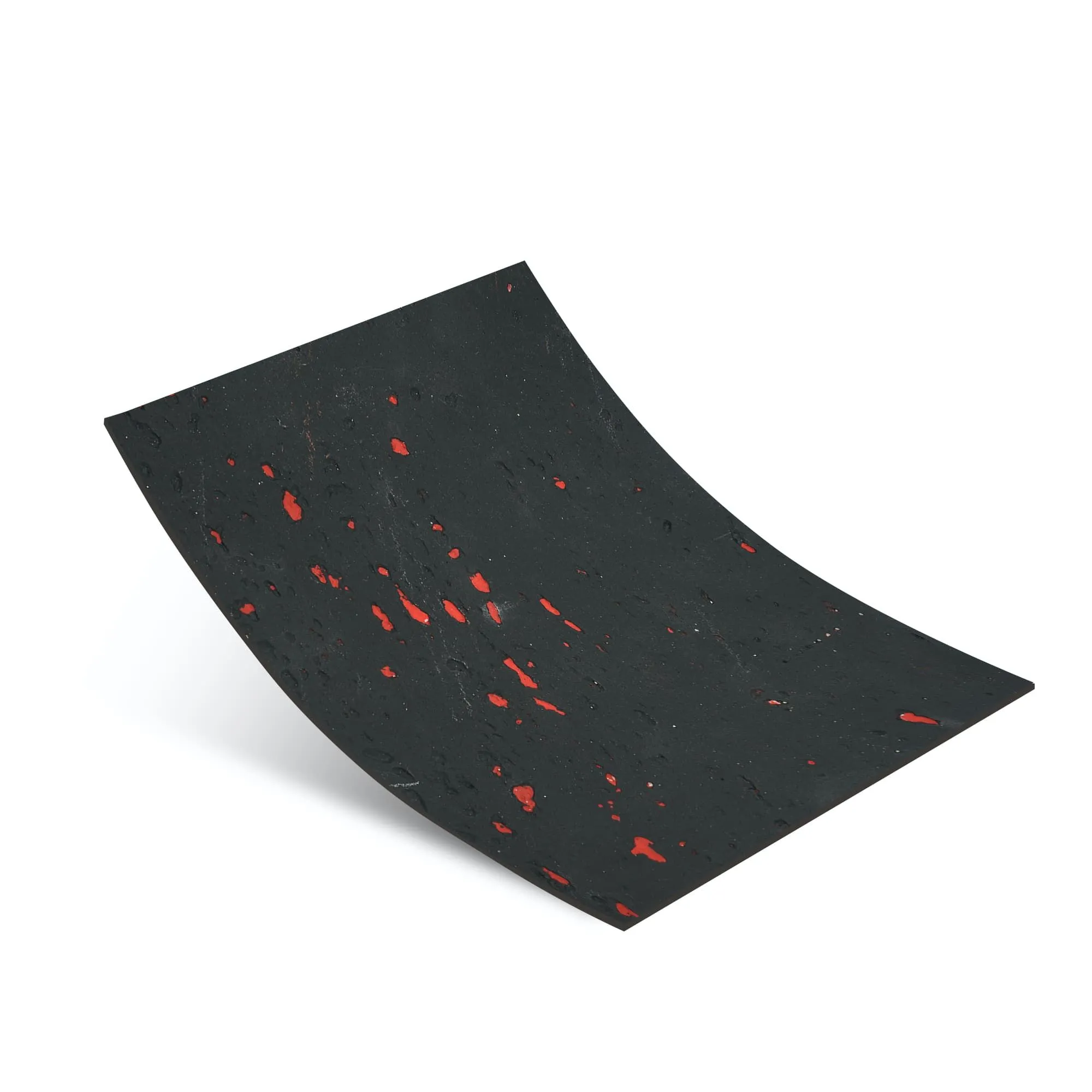
If you've ever tried to install traditional stone cladding, you know the struggle: it's heavy, rigid, and nearly impossible to bend around curves. That's where flexible stone technology comes in—and it's one of COLORIA's secret weapons for ensuring consistent quality. Travertine (Starry Red) MCM isn't just a thin slice of stone; it's a composite material with a flexible backing that allows it to bend up to 90 degrees without cracking. This flexibility isn't just about ease of installation (though contractors love it). It's about durability.
Think about a high-rise building. As the structure shifts slightly with wind or temperature changes, rigid materials can crack under stress. But flexible stone moves with the building, reducing the risk of damage. "We had a project in Chicago where Starry Red was used on a 20-story exterior," recalls James Chen, a construction manager who's worked with COLORIA materials. "After two harsh winters with ice storms and high winds, the cladding still looks brand new. No cracks, no loose panels—just that same rich red color. You can't put a price on that kind of reliability."
Another perk of flexible stone? Weight. Traditional travertine can weigh up to 20 pounds per square foot; COLORIA's MCM version weighs just 4 pounds. That means less stress on the building's structure, lower shipping costs, and easier handling on site. For architects, it opens up possibilities: imagine a curved museum wall clad in Starry Red, or a lightweight canopy over a restaurant patio that won't require extra structural support. It's quality that doesn't just perform—it empowers creativity.
Let's take a step out of the factory and into the real world. In downtown Portland, there's a little café called "Red Horizon" that opened its doors three years ago. The owner, Lila, wanted the space to feel warm and energetic, so she chose Travertine (Starry Red) MCM for the main wall behind the counter. "I was nervous at first," she admits. "We get a lot of foot traffic—kids spilling drinks, people leaning against the wall, even the occasional stray coffee splash. I thought the red might stain or the surface might scratch."
Three years later, Lila laughs at her initial worries. "That wall still looks like the day we installed it. The red is just as vibrant, and the stars still sparkle when the morning light hits them. We've wiped up countless spills, and there's not a single stain. Even the corner where people lean? No scratches. It's like the material gets better with age." For Lila, that consistency has been more than just a relief—it's been good for business. "Customers comment on the wall all the time. They say it feels 'welcoming' and 'unique.' I didn't just buy a material; I bought a focal point that keeps people coming back."
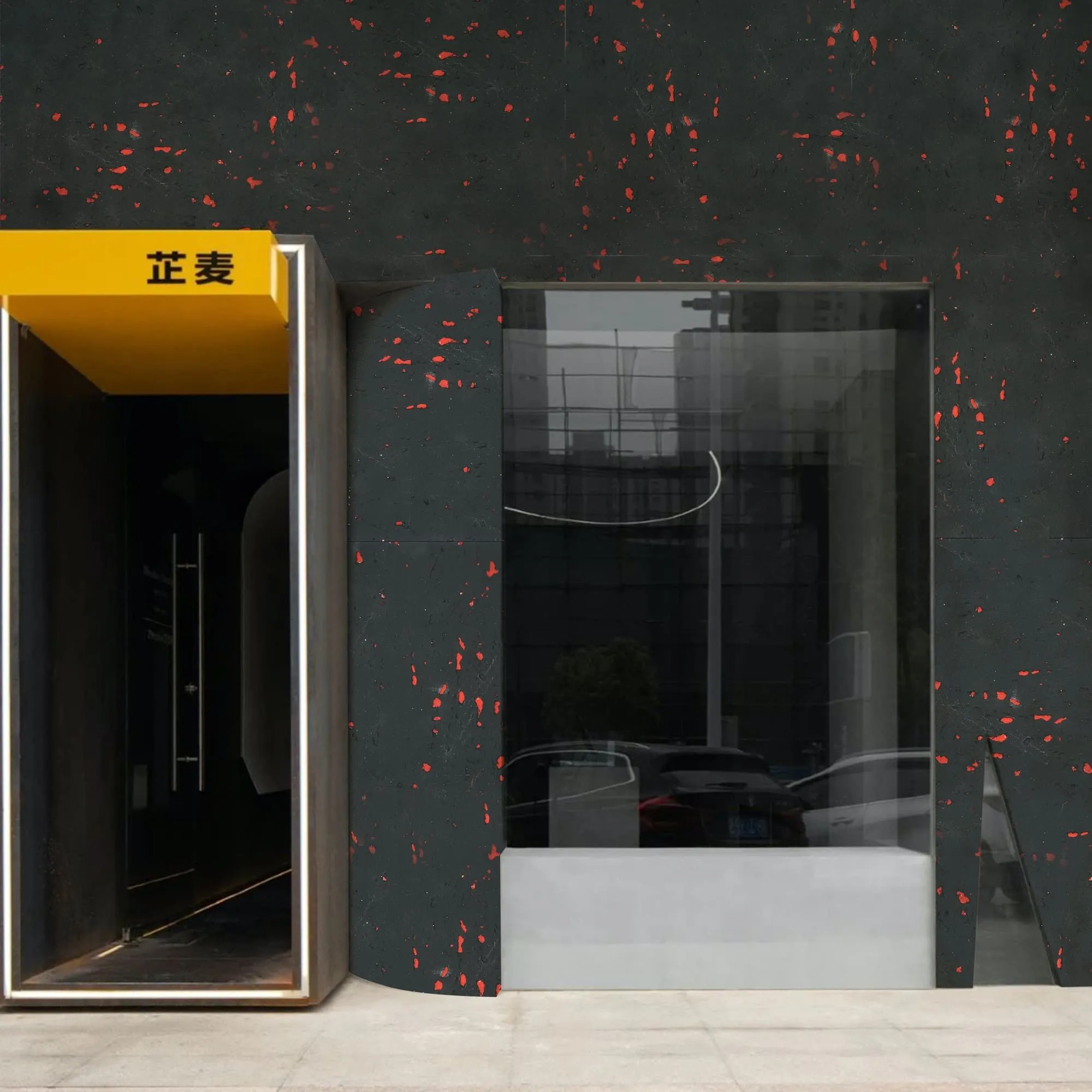
In today's world, quality isn't just about durability—it's about responsibility. COLORIA knows that a material can't be truly "high-quality" if it harms the planet. That's why their approach to Travertine (Starry Red) MCM includes sustainability at every step. For starters, the 3D printing series technology reduces waste by using only the exact amount of material needed—unlike traditional stone cutting, which can leave up to 30% of the raw block unused. The flexible stone backing is also made from recycled materials, and the pigments used in the Starry Red color are low-VOC (volatile organic compounds), meaning they don't release harmful chemicals into the air.
But perhaps most impressive is COLORIA's commitment to longevity. "The most sustainable material is one that doesn't need to be replaced," says environmental scientist Dr. Elena Patel, who consults with COLORIA on green practices. "By ensuring Starry Red MCM lasts 50+ years instead of 10, COLORIA reduces the need for frequent replacements—saving resources and cutting down on landfill waste. It's quality with a conscience."
Of course, Travertine (Starry Red) isn't the only star in COLORIA's sky. Take their Lunar Peak Golden , for example—a shimmering gold material with a metallic finish that's perfect for luxury spaces. Or fair-faced concrete, which offers a raw, industrial look. So why choose Starry Red? It all comes down to balance. Lunar Peak Golden is stunning but can feel too "flashy" for some spaces; fair-faced concrete is versatile but lacks the warmth of natural stone. Starry Red, with its earthy base and subtle sparkle, hits that sweet spot between bold and inviting.
But don't just take our word for it. Architects often mix and match COLORIA materials to create layered, dynamic designs. For example, a recent hotel project in Dubai paired Starry Red MCM with Lunar Peak Golden accents and fair-faced concrete walls. The result? A lobby that feels both opulent and grounded. "Starry Red was the anchor," says lead architect Raj Patel. "It tied the whole design together, and because COLORIA ensures consistent quality across all their lines, we didn't have to worry about the materials clashing or wearing differently over time."
At the end of the day, consistent quality isn't just about passing tests or ticking boxes. It's about trust. When a designer specifies Travertine (Starry Red) MCM, they're trusting COLORIA to deliver slabs that look the same as the sample, perform as advertised, and last for decades. It's why COLORIA offers a 25-year warranty on all their MCM products—a promise that's backed by their rigorous testing and commitment to excellence.
So, what does all this mean for you? Whether you're an architect designing a landmark building, a homeowner renovating your kitchen, or a business owner like Lila wanting to create a memorable space, Travertine (Starry Red) MCM is more than a material. It's a partner in bringing your vision to life—one that won't let you down. And in a world where so many things feel temporary, that kind of consistency is something worth investing in.
As we wrap up, let's circle back to that café in Portland. Lila put it best: "You don't notice good material until you realize it's still there, looking great, years later. That's COLORIA's Starry Red. It's not just part of the decor—it's part of the story we tell our customers. And that story? It's one of quality, reliability, and a little bit of magic."
Recommend Products












