

There's something undeniably captivating about Travertine (Starry Red) MCM. Whether it's gracing the walls of a modern café, the facade of a boutique hotel, or the floors of a cozy home, its rich, star-kissed red tones and natural texture have a way of turning ordinary spaces into something extraordinary. But like any piece of art, this beauty needs a little TLC to stay vibrant. If you've invested in this stunning material—part of the beloved mcm flexible stone series—you probably want to ensure it remains as striking as the day it was installed. The good news? With the right maintenance routine, you can keep your Travertine (Starry Red) MCM looking fresh and new for years to come. Let's dive into everything you need to know.
First, let's get to know the star of the show. Travertine (Starry Red) MCM isn't your average building material. As part of the mcm flexible stone family, it's crafted from modified composite materials, blending the natural elegance of travertine with modern engineering. This means it's lightweight, flexible, and surprisingly durable—perfect for both interior and exterior use. But here's the catch: like natural travertine, it has a porous surface. Those tiny pores are what give it that unique, textured look, but they also make it prone to absorbing spills, dust, and grime over time. Ignore them, and you might end up with dull, stained surfaces that lose their starry sparkle.
Think of it like a sponge: if you leave a spill unattended, it seeps in, and over time, that can lead to discoloration or even mold. But don't let that scare you! With a little proactive care, those pores are easy to manage. The key is to treat your Travertine (Starry Red) MCM with the same attention you'd give a favorite sweater—gentle, consistent care that protects its natural beauty without stripping away its character.
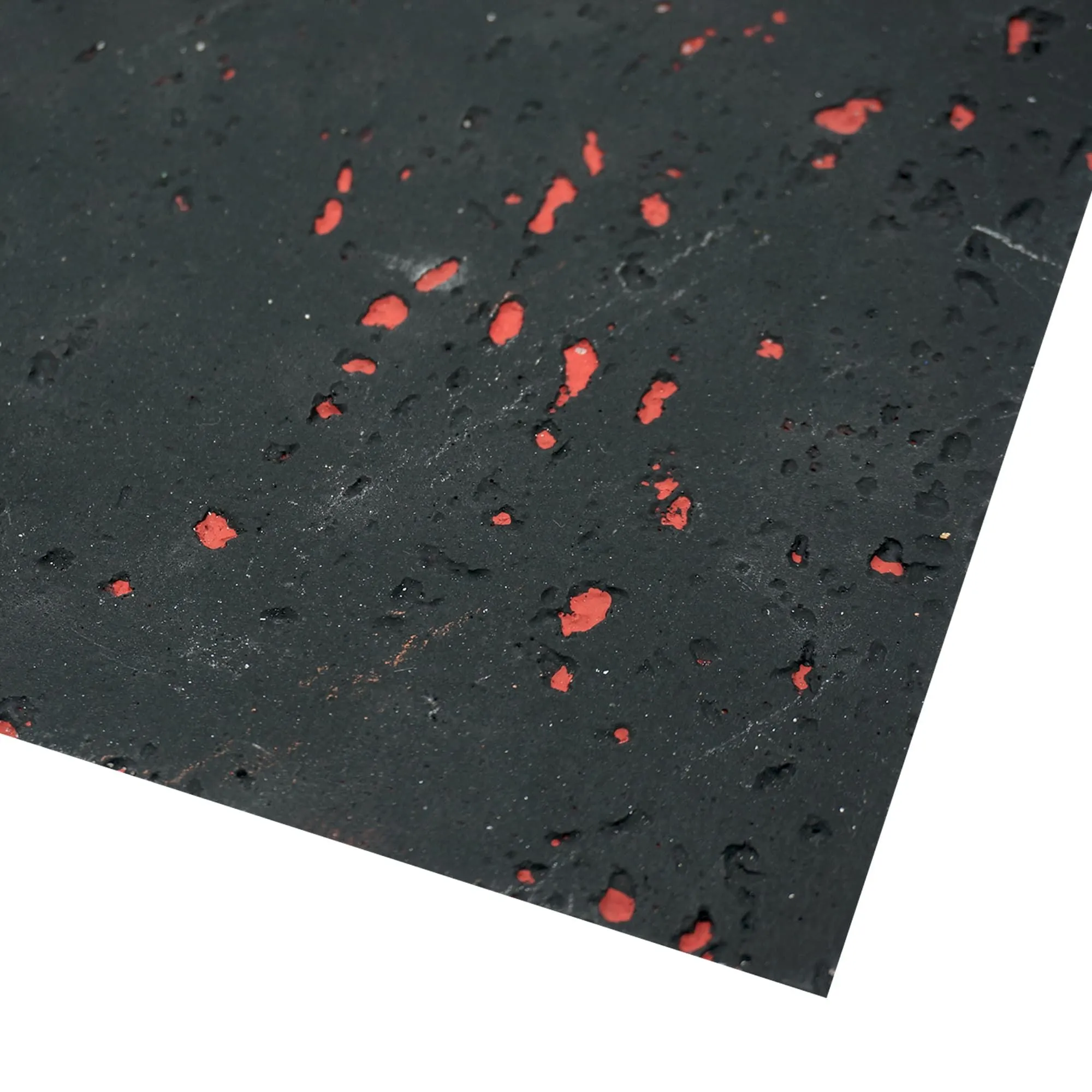
When it comes to maintenance, consistency is king. Daily care might seem small, but it's the best way to prevent buildup and damage. Here's your daily to-do list:
Dust, dirt, and debris might seem harmless, but when they sit on Travertine (Starry Red) MCM, they can act like tiny abrasives. Every time you walk over or brush against the surface, those particles grind into the pores, wearing down the finish and dulling the color. Make it a habit to dust (for walls) or sweep (for floors) with a soft, dry microfiber cloth or broom at least once a day. Avoid stiff-bristled brushes—they can scratch the surface!
We've all been there: a coffee cup tips over, a glass of wine sloshes, or a drop of sauce splatters. When it comes to Travertine (Starry Red) MCM, speed is everything. The longer a spill sits, the more time it has to seep into those porous pores. Grab a clean, absorbent cloth and blot the spill gently—don't rub! Rubbing pushes the liquid deeper into the material. Blot until the area is dry, then follow up with a damp cloth to remove any residue.
For surfaces that need a little more than dusting—like kitchen backsplashes or high-traffic floors—a quick wipe with a damp cloth and a pH-neutral cleaner works wonders. Avoid harsh soaps, bleach, or acidic cleaners (looking at you, vinegar and lemon juice!). These can eat away at the MCM's protective layer and discolor the stone. Stick to mild, non-abrasive cleaners labeled "safe for natural stone" or "pH-neutral." A mix of warm water and a few drops of gentle dish soap (like Dawn) also works in a pinch.
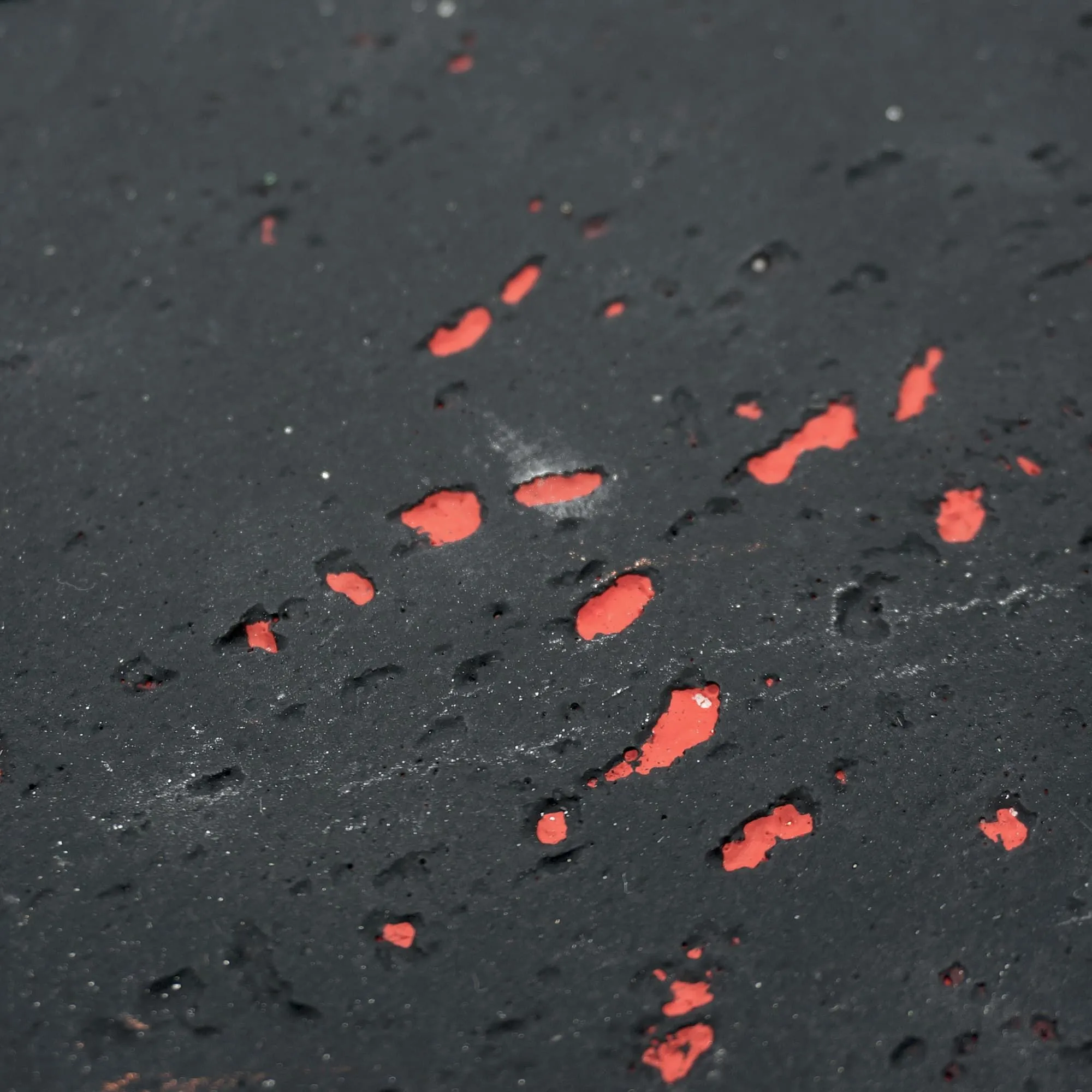
Daily care keeps the surface clean, but every 2–3 months (or more often if the area is high-traffic, like a restaurant floor), your Travertine (Starry Red) MCM will benefit from a deep clean. This isn't about scrubbing until your arms ache—it's about gently lifting embedded dirt and refreshing the texture. Here's how to do it:
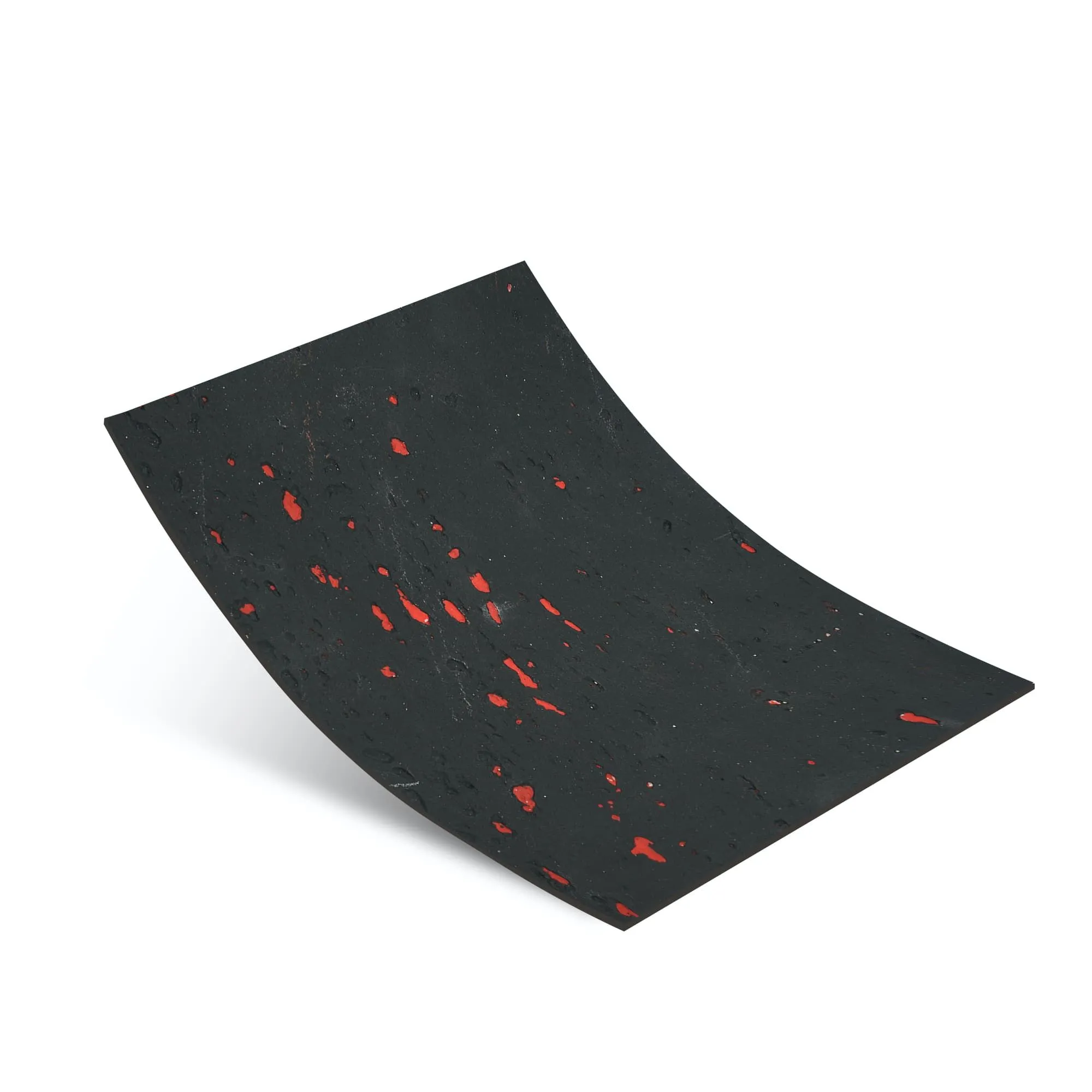
Even with the best intentions, stains happen. Coffee, oil, ink, or even mold—each requires a slightly different approach. The key is to act fast and use the right treatment. Below is a handy guide to common stains and how to banish them:
| Stain Type | Recommended Cleaner | Application Method | Important Notes |
|---|---|---|---|
| Coffee, Tea, or Wine (Organic Stains) | Hydrogen Peroxide (3%) + Baking Soda | Make a paste with equal parts peroxide and baking soda. Apply to the stain, cover with plastic wrap, and let sit for 10–15 minutes. Rinse and blot dry. | Test the paste on a hidden area first—peroxide can lighten some surfaces. |
| Oil or Grease (Cooking Oil, Makeup) | Cornstarch or Talcum Powder | Sprinkle the powder over the stain, let sit for 24 hours to absorb oil. Vacuum, then clean with a pH-neutral cleaner. | Don't use water immediately—water can spread the oil deeper into pores. |
| Ink or Marker | Isopropyl Alcohol (70%) | Dampen a cotton ball with alcohol, blot the stain (don't rub). Rinse with water and dry. | For permanent marker, repeat the process a few times. Avoid acetone—it can damage the MCM finish. |
| Mold or Mildew (Exterior Surfaces) | Vinegar (Diluted) + Water (1:1 Ratio) | Spray the solution on the mold, let sit for 5 minutes, then scrub gently with a soft brush. Rinse thoroughly. | Only use this for exterior MCM—vinegar is acidic and can harm interior surfaces over time. |

If daily cleaning is the "defense," sealing is the "armor." Sealing your Travertine (Starry Red) MCM creates a protective barrier over the pores, preventing stains from seeping in and making cleaning easier. But how often should you seal it, and what type of sealer should you use?
For interior Travertine (Starry Red) MCM, sealing every 1–2 years is usually enough. For exterior surfaces (exposed to rain, sun, and dirt), aim for every 6–12 months. Look for a penetrating sealer designed for porous stones—these seep into the pores and block them without leaving a glossy film (unless you prefer a glossy look, in which case a topical sealer might work). Always follow the manufacturer's instructions, and test the sealer on a hidden area first to ensure it doesn't alter the color of your MCM.
You might be wondering: Is all this maintenance really necessary? After all, materials like fair-faced concrete or wood grain board often have reputations for being "low-maintenance." Let's break down the differences to help you see why Travertine (Starry Red) MCM is worth the extra care:
In short, while Travertine (Starry Red) MCM needs a bit more attention than some materials, its unique beauty and versatility make it a standout choice. Think of it as investing in a luxury item—you wouldn't skimp on caring for a designer bag, right? The same logic applies here.
Even with the best intentions, it's easy to slip up. Here are a few mistakes to steer clear of when caring for your Travertine (Starry Red) MCM:
Travertine (Starry Red) MCM is more than just a building material—it's a statement. It adds personality, warmth, and a touch of luxury to any space. And while it does need a little maintenance, the payoff is huge: a surface that remains as stunning as the day it was installed, turning heads and sparking joy for years to come. By following these simple steps—daily dusting, prompt spill cleanup, gentle cleaning, and regular sealing—you'll ensure your Travertine (Starry Red) MCM stays new-looking and vibrant. After all, beauty deserves to be preserved.
So go ahead—enjoy your stunning Travertine (Starry Red) MCM. With a little care, it will continue to shine bright, just like those starry red flecks that first caught your eye.
Recommend Products












