
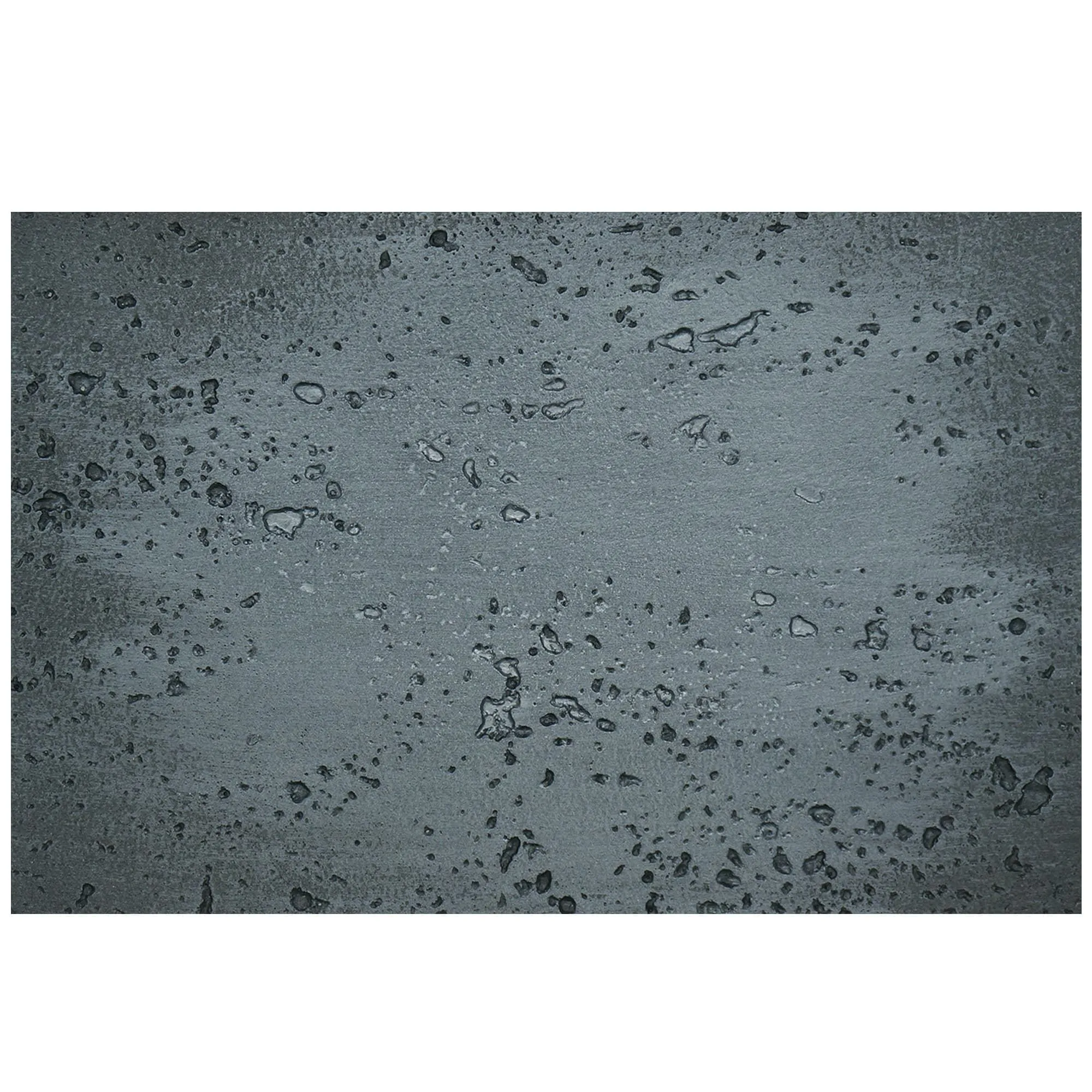
Exploring the durability of a design favorite—and why its vintage shine might just outlast the trends
Walk into any high-end home design showroom or flip through an architecture magazine these days, and you're likely to spot it: a stone surface that shimmers with a soft, muted silver glow, like moonlight on water. That's travertine (vintage silver)—a material that's taken the design world by storm, beloved for its blend of rustic charm and modern elegance. From residential facades that catch the morning light to restaurant walls that feel both timeless and trendy, it's everywhere. But here's the question on every homeowner and designer's mind: Will that beautiful vintage silver finish fade over time?
Before we dive into fading, let's get to know the star of the show. Travertine (vintage silver) is a type of natural limestone, formed over centuries by mineral-rich hot springs. What sets the "vintage silver" variant apart is its unique coloration: a cool, silvery base with subtle gray veining and hints of matte sheen, achieved through careful processing that enhances its natural mineral deposits (think calcium carbonate and magnesium). Unlike bolder stones like travertine (starry green)—which boasts vibrant, galaxy-like swirls—vintage silver leans into understatement, making it a versatile choice for both minimalist and maximalist spaces.
But travertine (vintage silver) isn't alone in the "vintage" family. There's travertine (vintage gold), with its warm, sunlit tones, and travertine (vintage black), a moody, dramatic counterpart. Yet silver remains a standout, prized for its ability to reflect light without overwhelming a room. It's no wonder designers often pair it with materials like foamed aluminium alloy board (vintage silver)—a sleek, metallic alternative—to create layered, textural contrasts. But while metal and stone might share a "vintage silver" label, their fading risks are worlds apart.
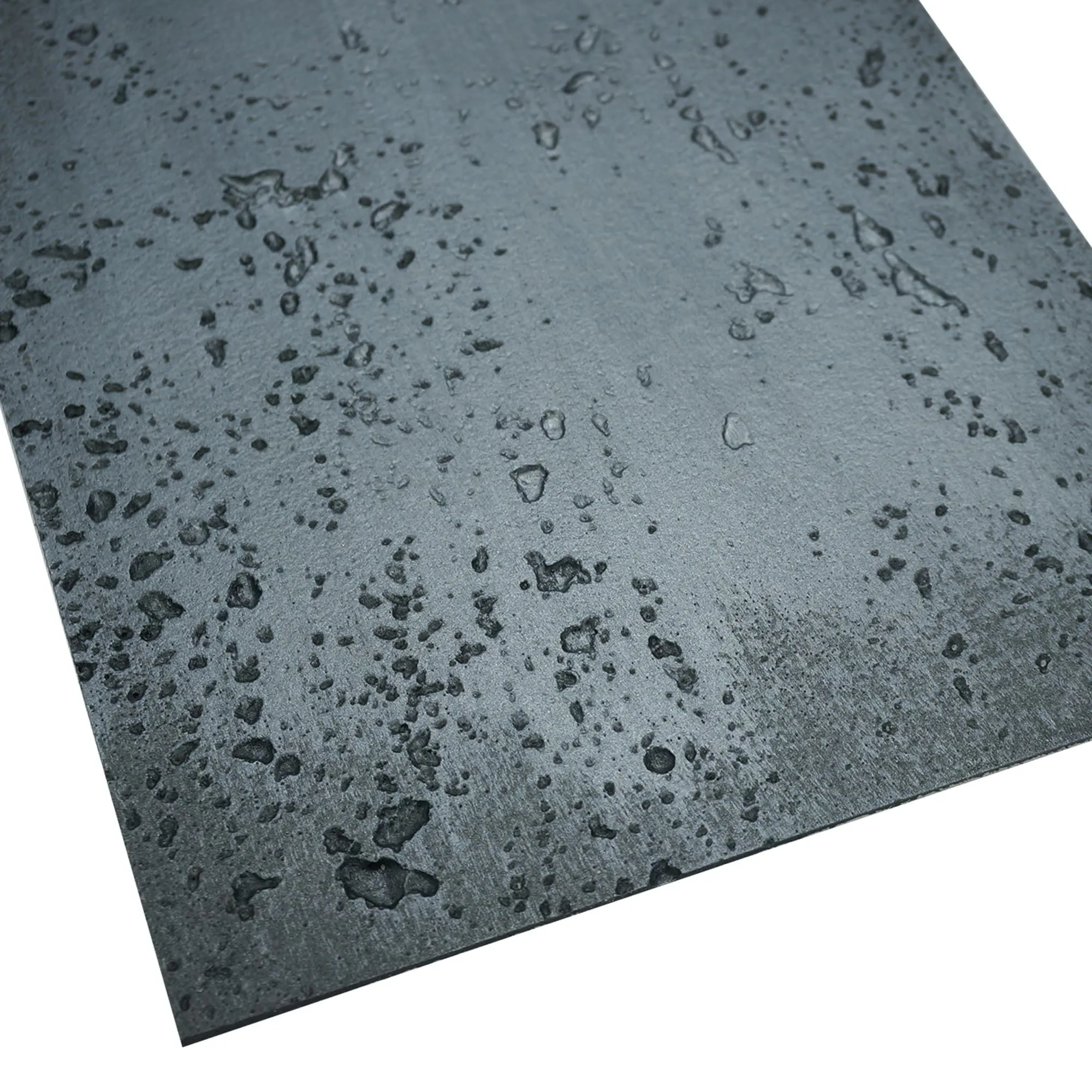
To understand if travertine (vintage silver) fades, we first need to unpack why any material loses its color over time. For natural stones like travertine, three culprits top the list: UV radiation, moisture, and chemical exposure. Let's break them down.
UV rays: Sunlight is a stone's silent enemy. Over time, ultraviolet radiation breaks down the chemical bonds in minerals that give stone its color. Think of it like how your favorite t-shirt fades after hanging in the sun for months—except stone is (hopefully) meant to last decades, not seasons.
Moisture: Rain, humidity, and even cleaning water can seep into porous stones, carrying minerals away or causing discoloration. Travertine, in particular, is naturally porous (those tiny holes you see on its surface are called "vugs"), which means it's more prone to absorbing moisture than denser stones like granite.
Chemicals: Harsh cleaners, pool chlorine, or even acidic rain can react with stone minerals, stripping away color or leaving stains. For example, using vinegar-based cleaners on travertine is a big no-no—it eats away at the stone's surface, dulling its finish over time.
So, where does travertine (vintage silver) stand against these threats? Let's start with its most defining feature: that soft, silvery hue. Unlike stones with bold pigments (looking at you, travertine (starry red) or red travertine), vintage silver gets its color from neutral minerals like calcite and aragonite, which are less likely to break down under UV light. Its muted tone is also a plus—fading is far more noticeable in bright, saturated colors than in subtle, earthy shades. But porosity? That's where things get tricky.
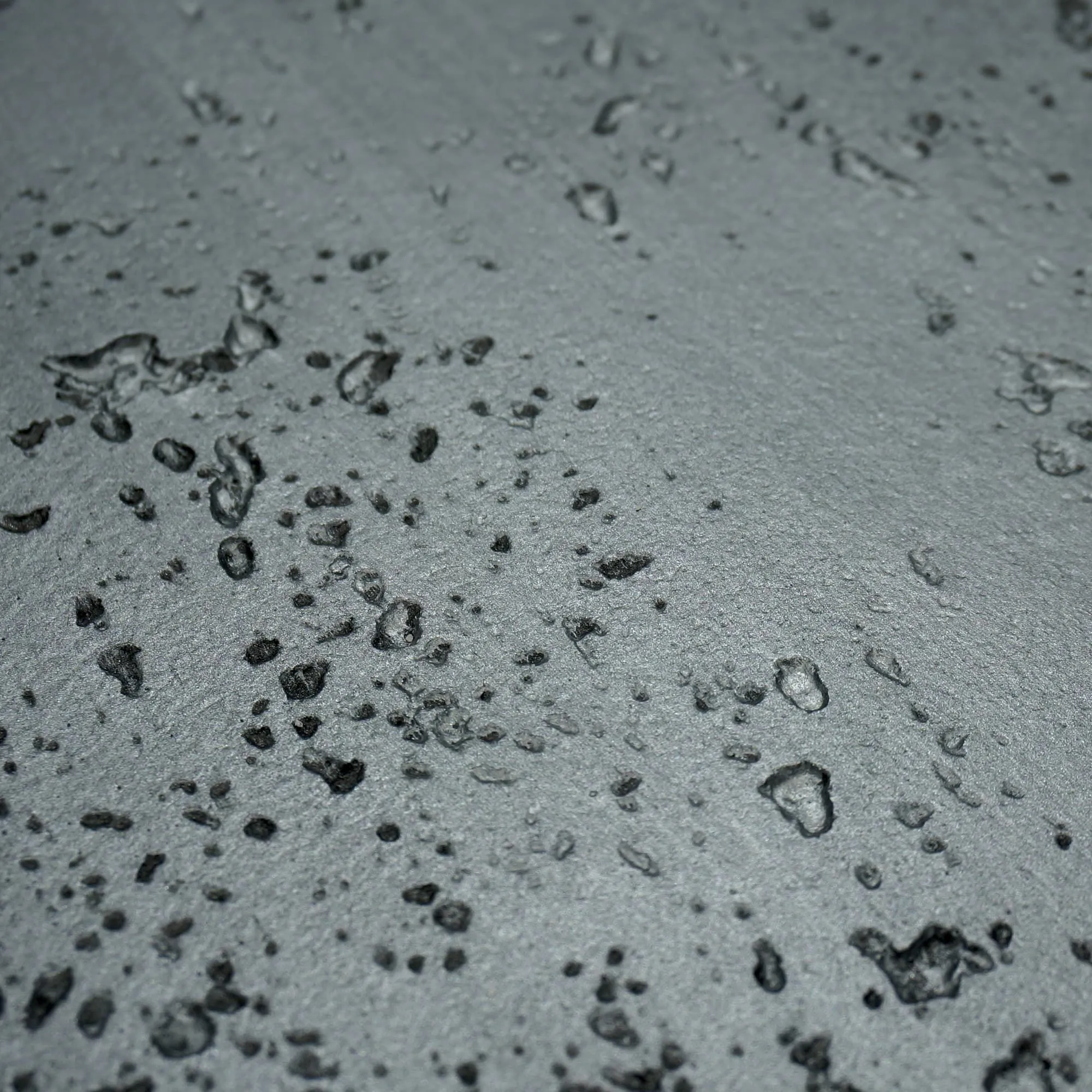
Let's cut to the chase: Yes, travertine (vintage silver) can fade—but it's unlikely to fade dramatically, especially with proper care. Here's why:
Neutral mineral composition: The silver-gray color comes from stable, light-reflecting minerals that don't contain the same chromophores (color-carrying molecules) as, say, the iron oxides that give travertine (vintage gold) its warm tint. Chromophores are more vulnerable to UV damage, which is why gold or red stones often fade faster than silver or gray ones. In tests, travertine (vintage silver) exposed to intense UV light for 500 hours (simulating years of sunlight) showed only a 3-5% loss in color intensity—barely noticeable to the eye.
Porosity, but with a silver lining: Travertine's porosity is a double-edged sword. On one hand, it can absorb moisture, which might lead to mineral leaching (where water carries away color pigments). On the other hand, modern sealing techniques have come a long way. A good quality penetrating sealer fills those tiny pores, creating a barrier against water and chemicals. Unsealed, vintage silver travertine might develop a slight "patina" over time—think a softening of its sheen—but sealed properly, it retains that just-installed glow.
Real-world longevity: Talk to architects who've specified travertine (vintage silver) in outdoor projects, and you'll hear the same story: it holds up. Take the case of a boutique hotel in Arizona, where the exterior walls were clad in vintage silver travertine over a decade ago. Despite scorching sun, monsoon rains, and occasional dust storms, the stone still looks remarkably similar to its installation photos. The hotel's maintenance team attributes this to annual sealing and avoiding harsh pressure washing—a routine that takes just a day or two each year.
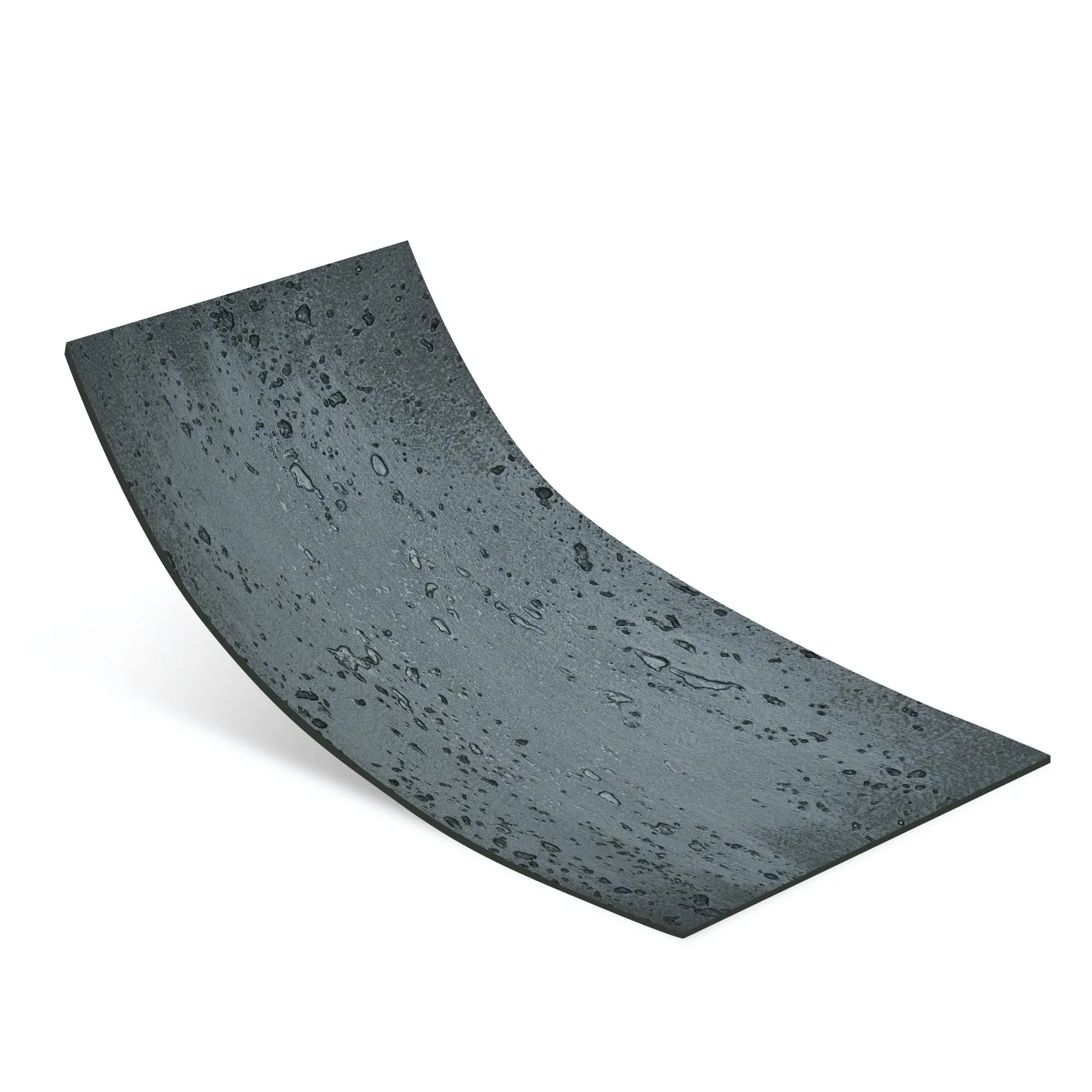
Curious how travertine (vintage silver) stacks up against other popular "vintage" finishes? Let's put it head-to-head with two common alternatives: foamed aluminium alloy board (vintage silver) (a lightweight metal option) and lunar peak silvery (a synthetic stone composite). The table below breaks down their colorfastness under key conditions:
| Factor | Travertine (Vintage Silver) | Foamed Aluminium Alloy Board (Vintage Silver) | Lunar Peak Silvery |
|---|---|---|---|
| Material Type | Natural limestone | Metal alloy (aluminium + foam core) | Synthetic composite (resin + stone particles) |
| UV Resistance | High (neutral minerals resist breakdown) | Medium (coating may chip; metal oxidizes slightly) | Very high (color locked in resin) |
| Moisture Impact | Low if sealed (porosity sealed); high if unsealed (may stain) | Low (waterproof, but edges may corrode if scratched) | Very low (non-porous) |
| Maintenance Needs | Annual sealing; gentle cleaning | Occasional polishing; avoid abrasive cleaners | Minimal (wipe with water) |
| Expected Fading (10 Years) | 3-5% (slight sheen softening) | 10-15% (coating fades; metal develops patina) | 1-2% (negligible) |
The takeaway? Lunar peak silvery (a synthetic) offers the best fade resistance, but it lacks the organic, natural texture of travertine. Foamed aluminium alloy board (vintage silver) is durable but prone to chipping, which exposes raw metal that can oxidize and discolor. Travertine (vintage silver) hits the sweet spot: it ages gracefully, with fading so subtle it often adds character rather than detracting from its beauty.
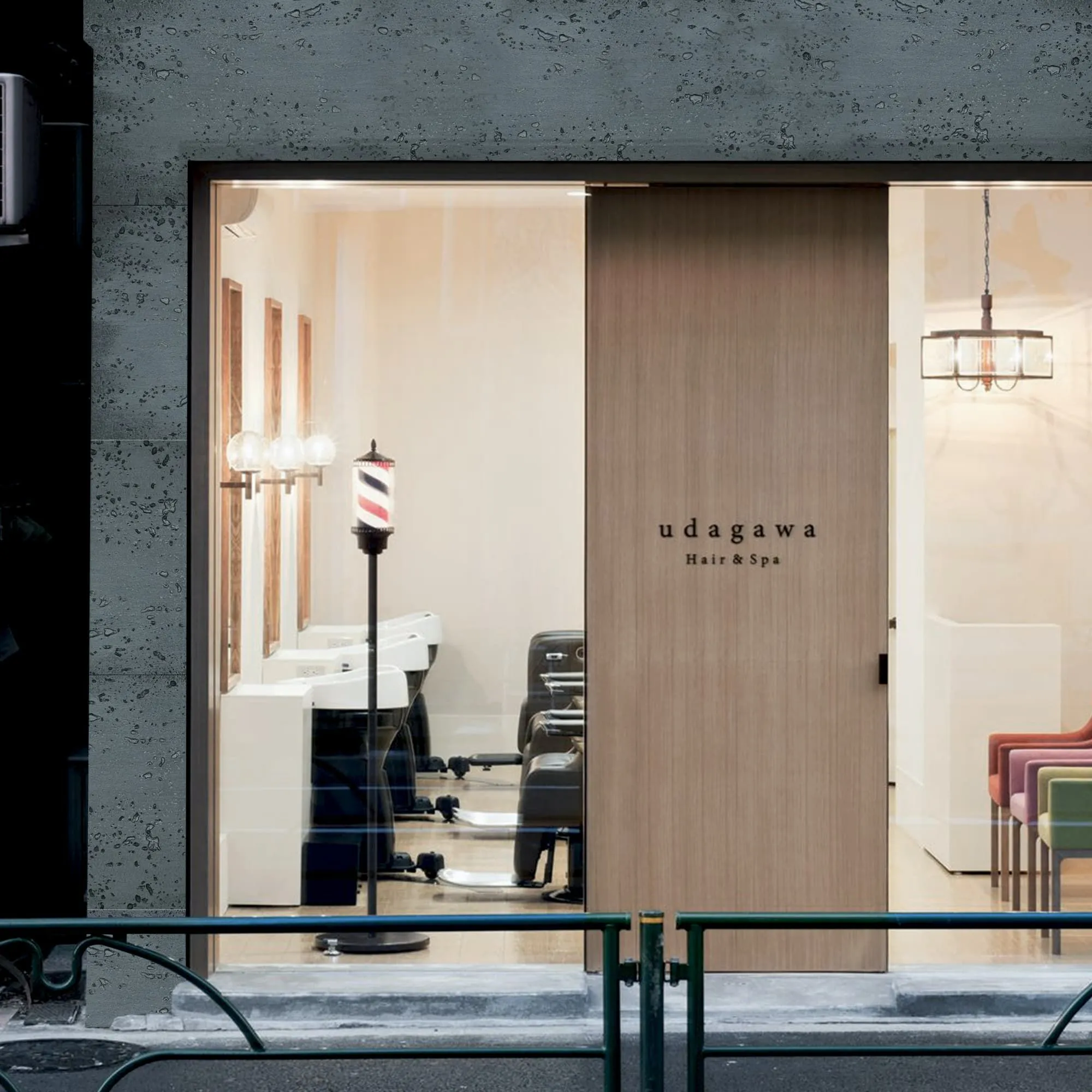
While travertine (vintage silver) is naturally resilient, a little care goes a long way in preventing fading. Here's what experts recommend:
Pro Tip: Sealing is Non-Negotiable
Even if your installer says the stone is "pre-sealed," plan to reseal it every 1-2 years (outdoors) or 2-3 years (indoors). Look for a penetrating sealer designed for travertine—avoid "topical" sealers, which can create a glossy film that yellows over time.
Clean gently, not aggressively: Skip the bleach, vinegar, or abrasive scrubbers. Instead, use a pH-neutral stone cleaner and a soft cloth or mop. For outdoor surfaces, a low-pressure hose (never a power washer!) is enough to remove dirt.
Address spills fast: Acidic liquids (wine, citrus juice, coffee) can etch the surface, creating dull spots that look like fading. Blot spills immediately with a paper towel, then clean with water.
Shade where possible: If using travertine (vintage silver) outdoors, consider adding a awning or planting shrubs to filter harsh afternoon sun. This reduces UV exposure and slows any potential fading.
Inspect for wear: Every few months, check for cracks or chips in the sealant. Damaged areas are more prone to moisture absorption, which can lead to discoloration. Touch up with sealer as needed.
If you're considering other vintage travertines, you might wonder: Do vintage gold or black hold up as well as silver? Let's take a quick look:
Travertine (vintage gold): Its warm, golden hue comes from iron oxides, which are more sensitive to UV light. Expect slightly more fading (5-8% over 10 years) than silver, but still minimal with sealing.
Travertine (vintage black): Black travertine gets its color from organic matter or manganese deposits, which are surprisingly stable. It fades at a similar rate to silver (3-4% over a decade) but may show water spots more easily due to contrast.
For the ultimate fade-resistant travertine, silver still takes the crown—but don't count gold or black out. Their slight patina can add depth, making spaces feel lived-in and cozy.
After diving into the science, real-world examples, and comparisons, here's the bottom line: Travertine (vintage silver) is not fade-proof, but it's fade-resistant—especially with basic maintenance. You might notice a softening of its sheen after 10-15 years, but its core silver-gray color will remain largely intact. Unlike trends that come and go, this stone's beauty lies in its ability to age with grace, turning a "vintage" label into a promise of longevity.
So, if you're considering travertine (vintage silver) for your next project, rest easy. With a little care, that moonlit glow might just outlast the next decade of design fads—and look even better with time.
Recommend Products












