
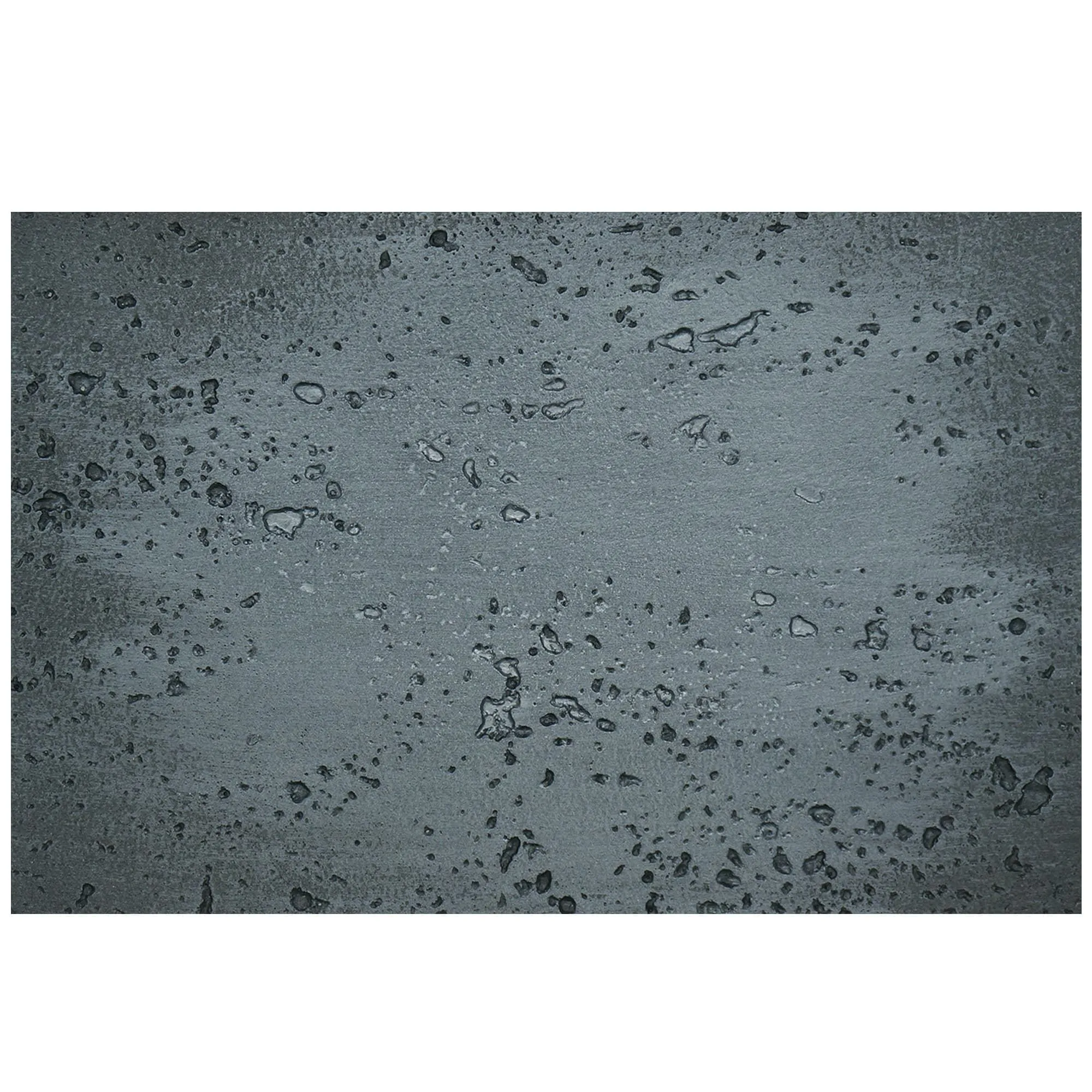
Walk into any modern sustainable building today, and you'll likely notice something different about the walls, facades, or floors. It's not just that they look good—though they certainly do. It's that they feel intentional, as if every material choice was weighed not just for aesthetics, but for its impact on the planet. In an era where climate change looms large and "net-zero" has become more than a buzzword, the construction industry is undergoing a quiet revolution. At the heart of this shift? Materials that marry beauty with responsibility. And among these, one stands out for its timeless appeal and eco-friendly credentials: Travertine (Vintage Silver).
But what makes a material "sustainable," really? And how do we measure its impact beyond the surface? That's where certifications like LEED come in. LEED—Leadership in Energy and Environmental Design—isn't just a label; it's a framework that guides builders, architects, and designers toward choices that reduce environmental harm, improve human health, and create spaces that last. Today, we're diving deep into Travertine (Vintage Silver): what it is, how it stacks up against other materials, and why it might just be the unsung hero of green building projects aiming for LEED certification.
Before we get into the nitty-gritty of Travertine (Vintage Silver), let's take a step back. What *is* LEED, and why does it matter? Imagine building a home or office. You could focus solely on cost and speed, but LEED asks: What about the air quality inside? The energy the building will use over 50 years? The materials' origins—were they mined responsibly, or did their extraction leave a scar on the landscape? LEED certification, developed by the U.S. Green Building Council (USGBC), assigns points across six categories: Sustainable Sites, Water Efficiency, Energy and Atmosphere, Materials and Resources, Indoor Environmental Quality, and Innovation in Design. The more points, the higher the certification (Certified, Silver, Gold, or Platinum).
Here's the thing: LEED isn't just about checking boxes. It's about rethinking how buildings interact with the planet. A Platinum-certified building, for example, might use 30-50% less energy than a conventional one, reduce water usage by 40%, and prioritize materials with low embodied carbon (that's the total energy used to extract, make, and transport a material). And in this quest for lower impact, the choice of cladding, flooring, and wall materials becomes critical. Enter Travertine (Vintage Silver)—a material that's been around for centuries but is finding new purpose in the age of sustainability.
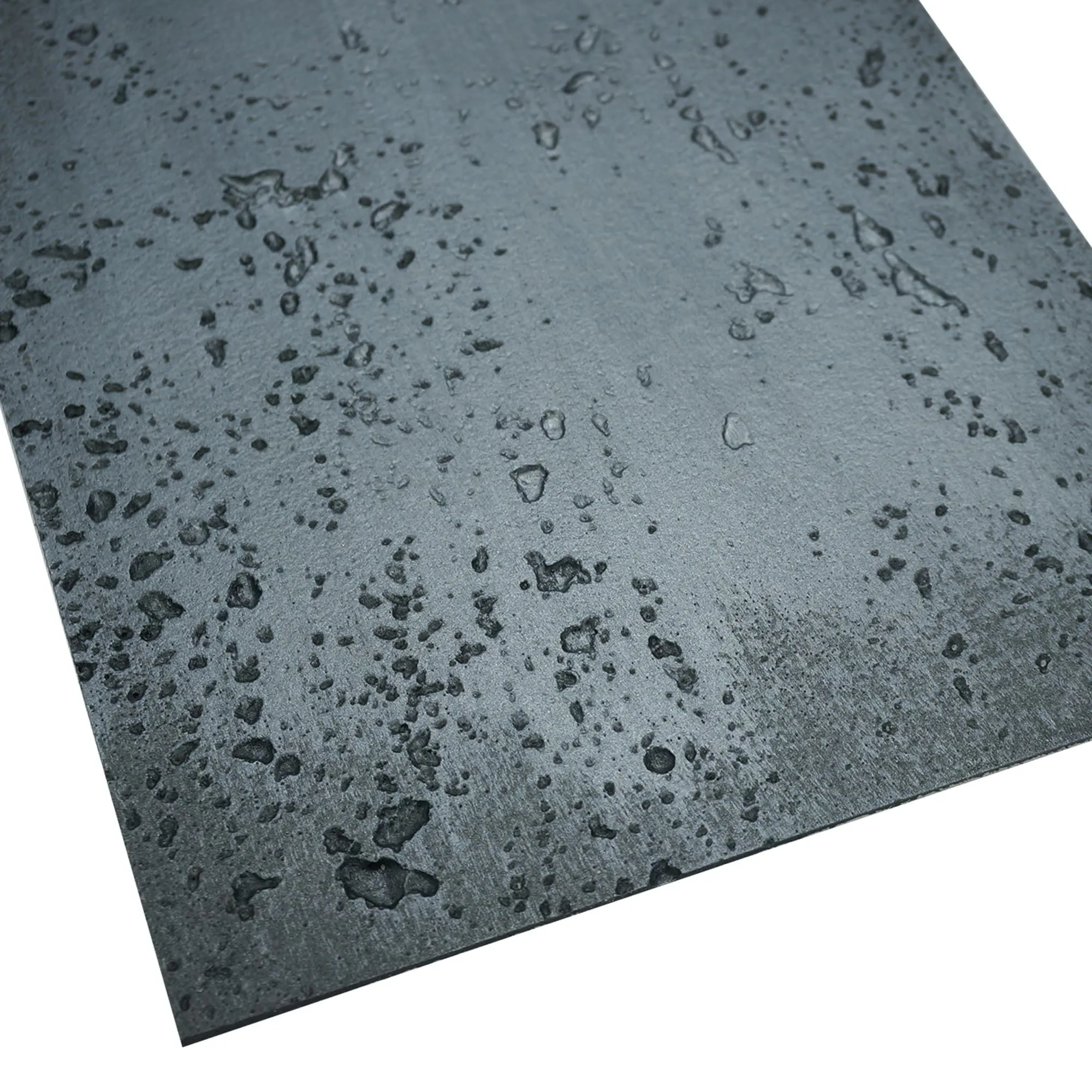
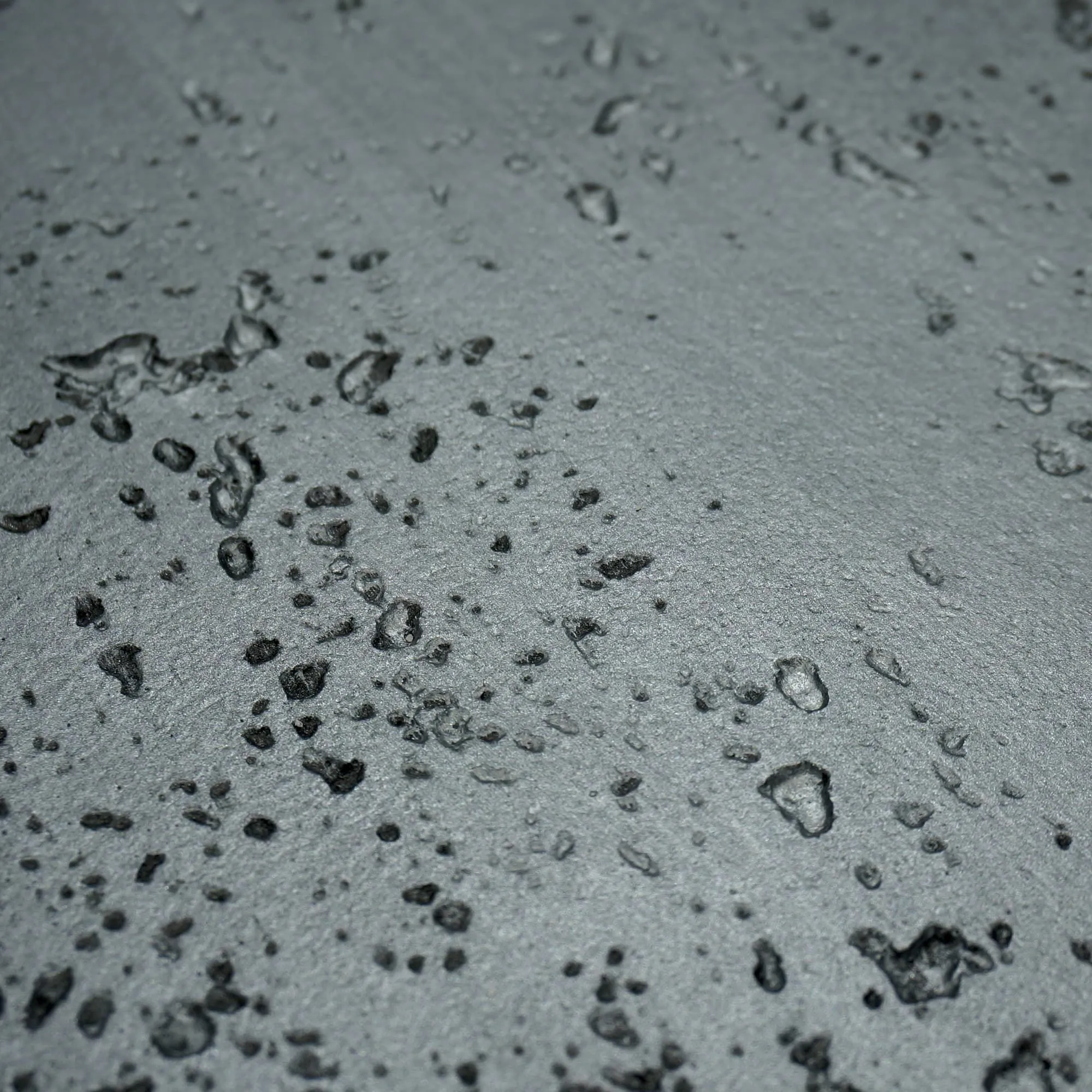
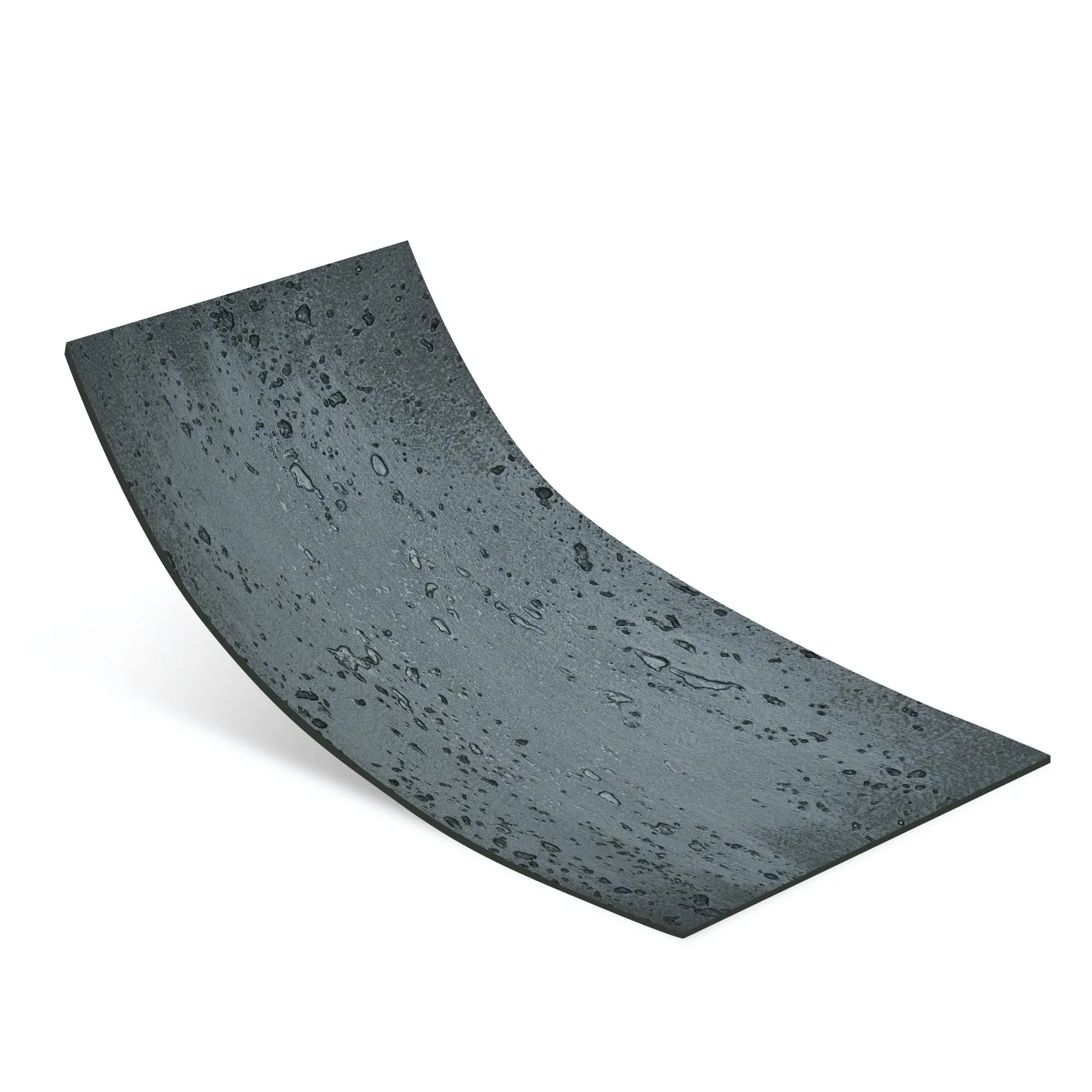
If you've ever visited the Colosseum in Rome or the ancient baths of Ephesus, you've seen travertine in action. This natural stone, formed from mineral-rich hot springs, has been a building staple for millennia, prized for its durability and unique texture—think subtle pores, warm tones, and a matte finish that ages like fine wine. But Travertine (Vintage Silver) isn't your grandma's travertine. It's a modern take on a classic, treated to achieve a muted, silvery-gray hue that feels both contemporary and timeless. And while its beauty is undeniable, its environmental resume is what truly sets it apart.
Fun fact: Travertine forms when calcium carbonate precipitates from groundwater, creating layers of stone that are naturally porous. This porosity isn't just a design feature—it can also help regulate humidity in indoor spaces, reducing the need for energy-heavy dehumidifiers or air conditioners. Small details, big impact.
So, what makes Travertine (Vintage Silver) different from, say, marble or granite? For starters, its formation process is low-energy. Unlike synthetic materials that require intense heat or chemical processing, travertine is quarried directly from the earth, with minimal processing needed to shape it into slabs or tiles. The "Vintage Silver" finish, achieved through gentle tumbling and sealing, avoids harsh chemicals, keeping its production footprint low. And because it's a natural stone, it's inherently non-toxic—no off-gassing of volatile organic compounds (VOCs) that can harm indoor air quality.
To truly understand Travertine (Vintage Silver)'s role in LEED-certified projects, we need to dig into its lifecycle. Let's break it down, step by step.
Mining and quarrying often get a bad rap—and for good reason. Strip mining, for example, can devastate ecosystems, while quarrying for some stones requires rock with explosives, disrupting local wildlife and water sources. But travertine quarrying is different. Most travertine deposits are found near the earth's surface, meaning quarries can use selective cutting rather than large-scale blasting. Many modern travertine quarries also prioritize rehabilitation: after extraction, they refill pits, replant native vegetation, and restore the land to its natural state. This aligns with LEED's Sustainable Sites (SS) credits, which reward projects that minimize site disturbance.
Embodied energy is the total energy consumed to get a material from the ground to the building site. For synthetic materials like foamed aluminium alloy board (vintage silver) or even some concretes, this can be high—think of the energy needed to melt aluminum or fire cement in kilns. Travertine (Vintage Silver), by contrast, has relatively low embodied energy. Quarrying requires machinery, but once extracted, it's cut and finished with water jets or diamond saws, which use less energy than high-heat processes. A 2023 study by the International Institute for Sustainable Construction found that travertine's embodied energy averages around 10-15 MJ/kg (megajoules per kilogram), compared to 20-25 MJ/kg for fair-faced concrete and 50+ MJ/kg for some metal claddings. Lower embodied energy means fewer greenhouse gas emissions—exactly the kind of metric LEED's Energy and Atmosphere (EA) credits reward.
Sustainability isn't just about what goes into a material—it's about how long it lasts. A floor that needs replacing every 10 years creates far more waste than one that lasts 50. Travertine (Vintage Silver) is built to endure. Its dense, layered structure resists scratches, stains, and weathering, making it ideal for high-traffic areas like lobbies or outdoor facades. In fact, historic travertine structures have stood for centuries with minimal maintenance. For LEED projects, this durability translates to fewer replacements, reducing waste and the embodied energy of future materials. It's a win-win: less hassle for building owners, less strain on the planet.
No material lasts forever, but what happens when it reaches the end of its useful life? For many synthetic claddings, the answer is landfills. Travertine (Vintage Silver), though, is 100% recyclable. Old slabs can be crushed into aggregate for new construction, ground into powder for fertilizers (thanks to its calcium content), or even repurposed as decorative gravel. This circularity aligns with LEED's Materials and Resources (MR) credits, which encourage "closed-loop" lifecycle thinking. Compare that to fair-faced concrete, which, while durable, is often difficult to recycle without losing structural integrity, or foamed aluminium alloy board (vintage silver), which requires energy-intensive melting to be repurposed. Travertine's simplicity here is its strength.
LEED certification is all about points, and Travertine (Vintage Silver) can help projects rack them up in key categories. Let's break down the most relevant credits:
Pro tip for architects: Pair Travertine (Vintage Silver) with other LEED-friendly materials like mcm flexible stone for cladding or bamboo flooring to maximize points. The more sustainable materials you integrate, the easier it is to hit higher certification levels (Gold or Platinum).
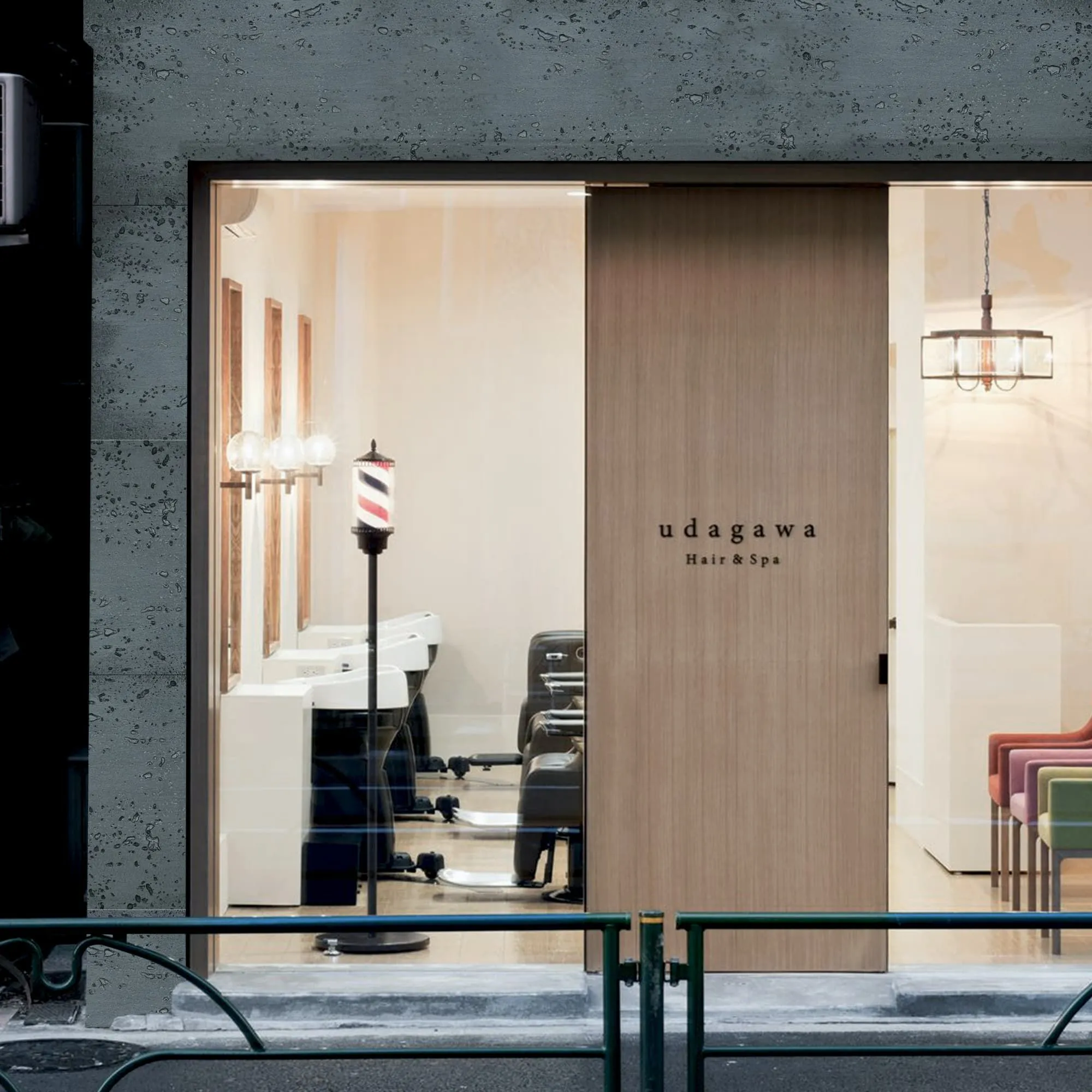
To put Travertine (Vintage Silver)'s impact in perspective, let's compare it to two other popular materials in green building: fair-faced concrete and foamed aluminium alloy board (vintage silver). Both are used in LEED projects, but how do they stack up?
| Metric | Travertine (Vintage Silver) | Fair-Faced Concrete | Foamed Aluminium Alloy Board (Vintage Silver) |
|---|---|---|---|
| Embodied Energy (MJ/kg) | 10-15 | 80-100 | 180-200 |
| Recyclability | 100% recyclable (crushed for aggregate, repurposed) | Limited (recycled as fill, but structural integrity lost) | Recyclable, but requires high-energy melting |
| Durability (Lifespan) | 50+ years (with minimal maintenance) | 30-40 years (prone to cracking over time) | 20-30 years (prone to dents/scratches) |
| Indoor Air Quality | Low-VOC, natural, non-toxic | Can emit lime dust if not sealed properly | Generally low-VOC, but some finishes may contain chemicals |
| LEED Credit Potential | High (MR, EQ, SS credits) | Medium (MR, SS credits, but lower recyclability) | Medium (MR credits for recycled content, but high embodied energy) |
The takeaway? Travertine (Vintage Silver) outperforms both fair-faced concrete and foamed aluminium alloy board in embodied energy, recyclability, and lifespan—key factors for LEED. While concrete and aluminium have their own strengths (concrete is fire-resistant, aluminium is lightweight), travertine offers a rare balance of low impact, durability, and beauty.
In downtown Portland, Oregon, the Greenview Office Tower stands as a testament to how materials like Travertine (Vintage Silver) can elevate sustainability. Completed in 2023, the 12-story building used Travertine (Vintage Silver) for its lobby floors and exterior facade panels, paired with mcm flexible stone for accent walls. Here's how it performed:
"We chose Travertine (Vintage Silver) because it checked every box," says Maria Gonzalez, the project's lead architect. "It's beautiful, durable, and its environmental impact was lower than any synthetic alternative we considered. Plus, the clients loved that it gave the lobby a warm, timeless feel—no 'cold, industrial' green building vibes here."
Of course, no material is perfect. Travertine (Vintage Silver) has its limitations, and it's important to weigh them before specifying it for a project.
First, cost. Natural stone is often pricier upfront than synthetic alternatives like fair-faced concrete or vinyl siding. However, when you factor in lifespan (50+ years vs. 10-20 for vinyl), the lifecycle cost often evens out. LEED projects, which often secure tax incentives or higher rental rates for sustainable buildings, can also offset this initial investment.
Second, maintenance. While travertine is durable, its porosity means it needs regular sealing to prevent stains—especially in high-moisture areas like bathrooms or kitchens. Using a high-quality, water-based sealant (which is LEED-friendly!) can mitigate this, but it's an ongoing cost to consider.
Finally, availability. Travertine deposits are not evenly distributed globally. Projects in regions without local travertine sources may face higher transportation costs, which could eat into MR Credit 5 points. In these cases, pairing Travertine (Vintage Silver) with locally sourced materials like mcm flexible stone can help balance the budget and the carbon footprint.
In the end, Travertine (Vintage Silver) isn't just a material—it's a statement. It says that sustainability doesn't have to mean sacrificing beauty, and that timeless design can coexist with cutting-edge green building practices. For LEED-certified projects, it's a versatile ally, earning points in key categories while creating spaces that feel both luxurious and responsible.
As the construction industry continues to evolve, materials like Travertine (Vintage Silver) will play an increasingly vital role. They remind us that sustainability isn't about reinventing the wheel—it's about looking to the past (natural stones, time-tested processes) and reimagining them for the future. And in a world that needs more buildings that give back to the planet, that's a lesson worth building on.
So, the next time you walk into a LEED-certified building, take a closer look at the walls. Maybe, just maybe, you'll spot the subtle glow of Travertine (Vintage Silver)—a stone that's not just building spaces, but building a better world.
Recommend Products












