
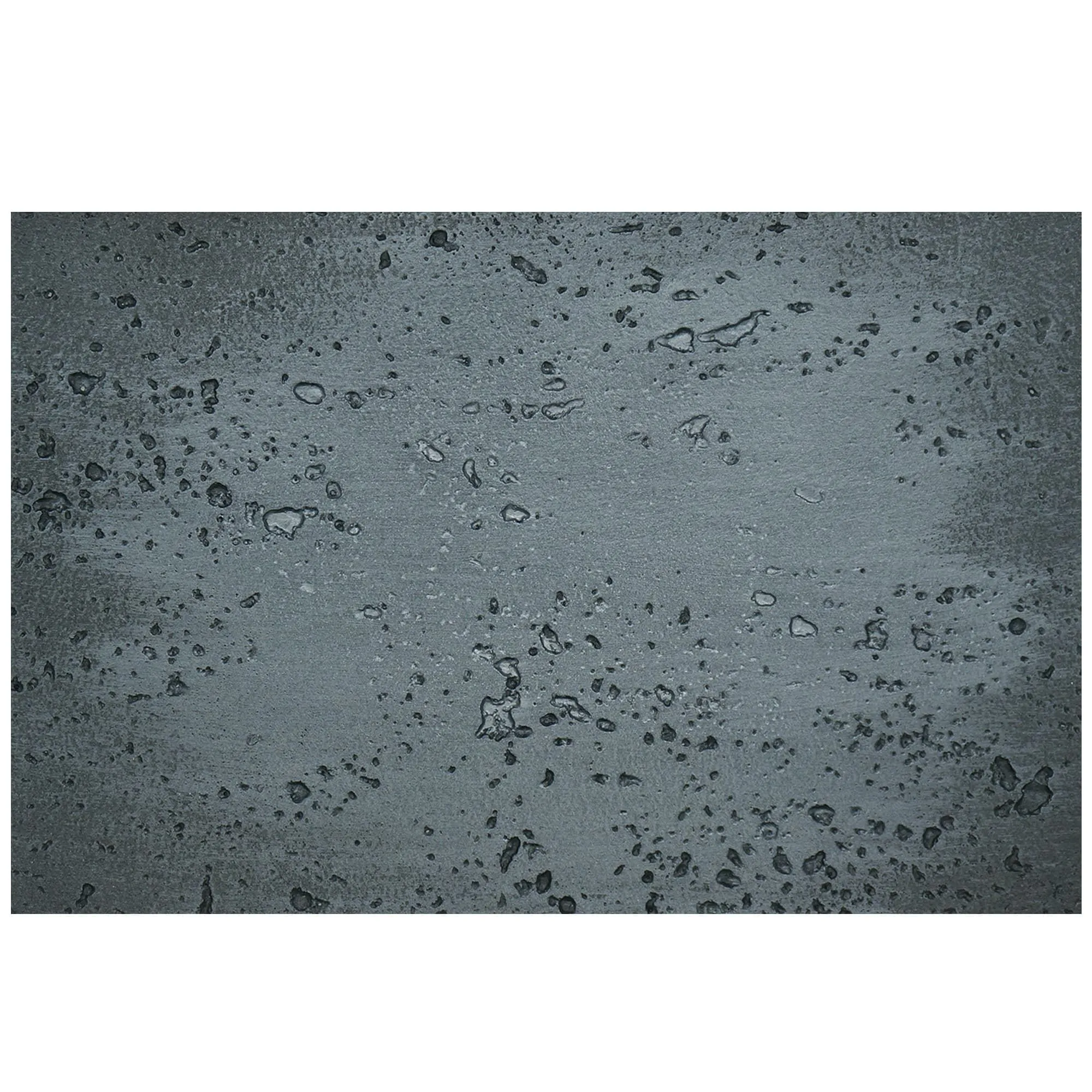
Color is the silent storyteller of architecture. It doesn't just fill a space—it shapes how we feel within it, turning walls into narratives and floors into journeys. Among the many materials that carry this storytelling power, travertine stands out as a timeless narrator, its layers of history and texture whispering tales of ancient quarries and modern innovation. Today, we're diving into one of its most captivating chapters: Travertine (Vintage Silver), a hue that balances the warmth of age with the coolness of metal, and exploring how its color shifts—from the softest silver whispers to deeper, shadowed grays—can transform any space. Along the way, we'll meet its siblings in the travertine family, touch on complementary materials that dance with its tones, and discover why this stone isn't just a choice for surfaces, but a choice for emotion.
To call Travertine (Vintage Silver) "just a color" would be like calling a vintage watch "just a timepiece"—it's the blend of history and character that makes it special. This stone carries the natural porosity of travertine, those subtle pits and veins that tell of its formation in mineral-rich hot springs, but with a finish that feels deliberately softened, as if time itself has gently buffed its surface. The "vintage" in its name isn't just a label; it's a feeling. Run your hand over it, and you might imagine it's been polished by decades of footsteps in a European café or the brush of linen curtains in a sunlit villa.
What strikes first is its base tone: a silver that's never harsh. Unlike the stark shine of chrome or the coldness of stainless steel, Vintage Silver travertine has warmth beneath its coolness. It's the color of aged silverware passed down through generations—faded in spots, brighter in others, with a patina that catches light and turns it into something soft, almost golden. In the morning, when sunlight slants through a window, it glows with a quiet radiance; in the evening, under warm bulbs, it deepens into a hue that feels like a hug from the past. It's versatile, yes, but more than that, it's present —a stone that doesn't demand attention, but invites it.
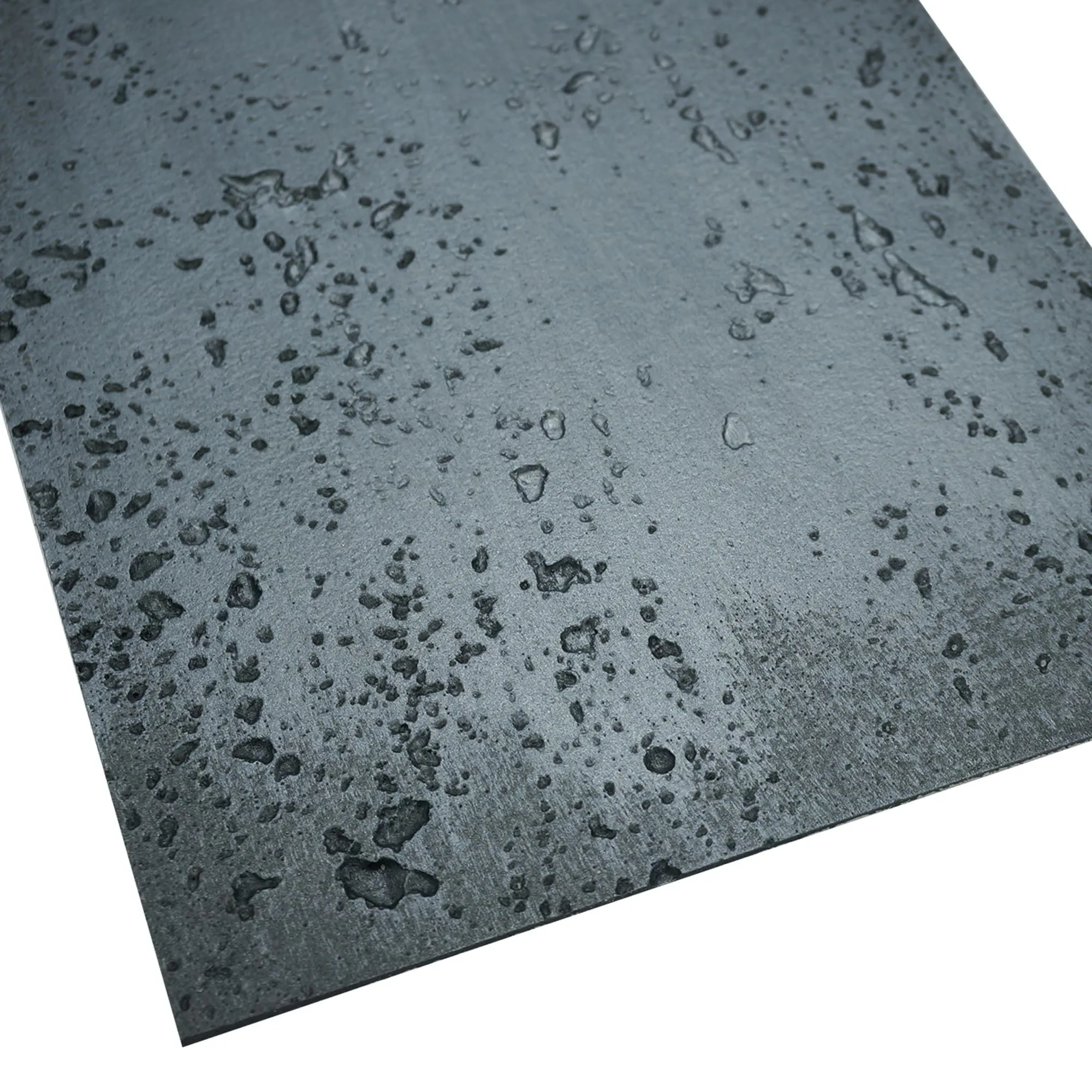
Like any great story, Travertine (Vintage Silver) has layers, and its color is no exception. While the name suggests a singular shade, this stone actually shifts along a spectrum, from near-white silver to charcoal-tinged gray, depending on the slab, the lighting, and even the angle of view. Let's walk through this gradient, step by step, and see how each variation writes a different chapter in a space.
The Lightest Whispers: Almost-White Silver At the lightest end of the spectrum, Vintage Silver travertine verges on a soft, off-white with silver undertones. These slabs have fewer dark veins, their porosity filled with lighter minerals that give them an airy, almost cloud-like quality. Imagine a kitchen backsplash in this shade: morning light hits it, and suddenly the whole room feels open, as if the walls themselves are breathing. It pairs beautifully with warm woods or matte black fixtures, the silver acting as a neutral that lets other elements shine. Designers often use this variation in small spaces, where its lightness creates the illusion of expansion—think a powder room or a cozy home office where every inch counts.
The Classic Middle: True Vintage Silver This is the "heart" of the spectrum, where the stone lives up to its name. Here, the silver is balanced perfectly with soft gray veins, not too bold, not too faint. It's the color of a full moon on a clear night—bright enough to illuminate, but not so bright it overpowers. This is the variation you'll see in most residential and commercial projects, and for good reason: it's a chameleon. In a living room with cream sofas and navy accents, it leans cool; in a bedroom with terracotta linens, it warms up, the silver taking on a subtle rose tint. It's the kind of color that grows with a space, adapting to the seasons and the life within it.
The Deep End: Shadowed Silver-Gray At its darkest, Vintage Silver travertine dips into a rich, smoky gray with silver highlights. These slabs have more pronounced veins—darker, almost charcoal—that weave through the stone like tree branches against a winter sky. This variation is dramatic without being heavy; it adds depth to large spaces, like a hotel lobby or a grand dining room, where its darkness can anchor the room while still reflecting light. Picture it on a fireplace surround: the flames dance, and the stone seems to flicker back, the silver veins catching the firelight like embers. It's a color for spaces that want to make a statement—not with loudness, but with quiet confidence.
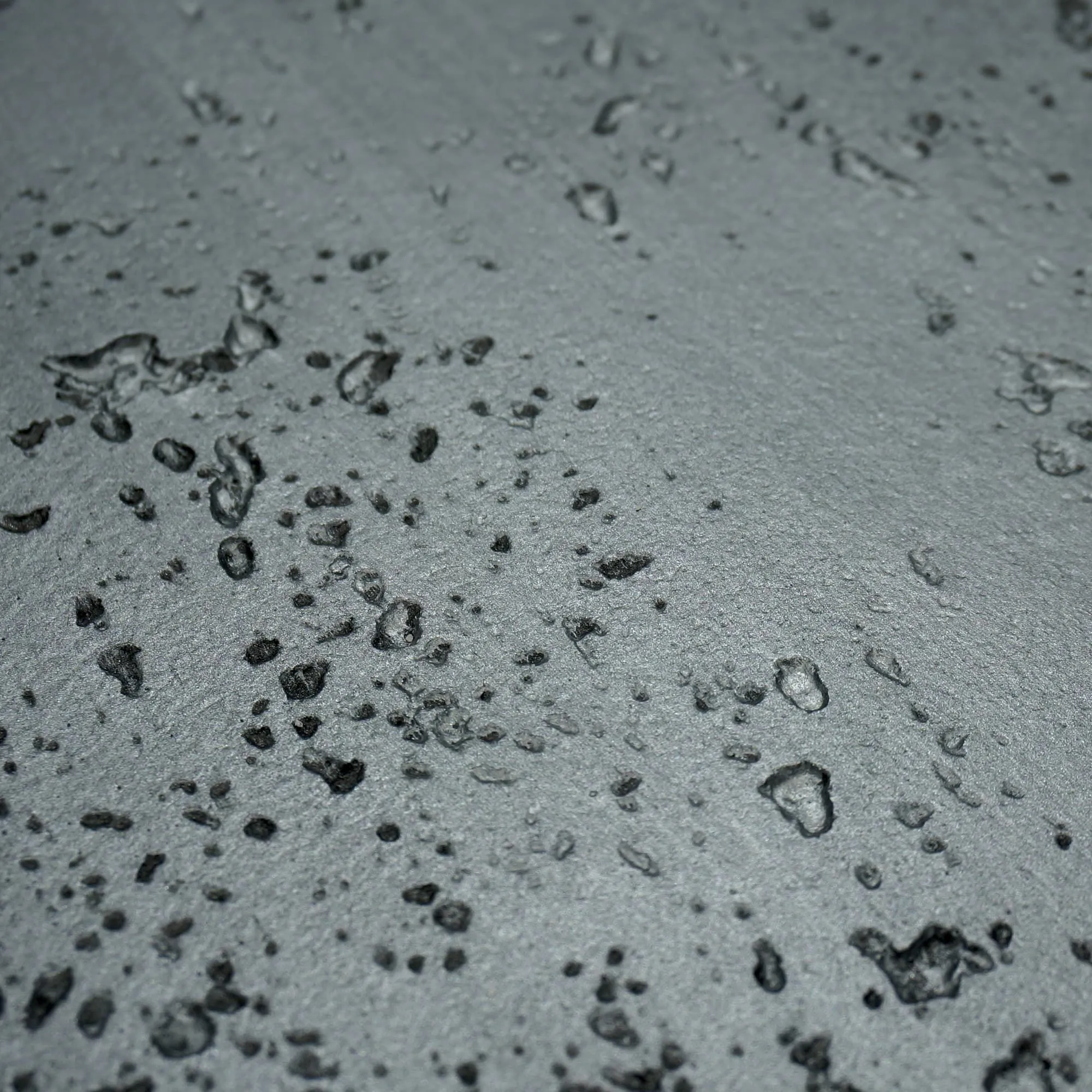
Color in stone is never static; it's a conversation with light. Travertine (Vintage Silver) is a master conversationalist, changing its tone based on the time of day, the type of bulb, and even the direction of sunlight. This dynamism is part of its magic—no two moments with it are exactly the same.
Natural light, for example, brings out the stone's warm undertones. Morning sun, with its golden hue, turns Vintage Silver into something almost (champagne-like), the silver veins glowing softly. By midday, under harsh, direct light, it cools down, the gray becoming more pronounced, the silver taking on a metallic edge. And in the evening, as the sun sets, it shifts again—this time into a hue that's almost lavender-tinged, the veins darkening like pencil lines on paper. It's a stone that keeps a room feeling alive, changing with the rhythm of the day.
Artificial light adds another layer. Warm LED bulbs (2700K) make it feel cozy, like a cabin in the woods with a silver lining; cool LEDs (5000K) sharpen its edges, making it perfect for modern, minimalist spaces. Even ambient light—say, the glow of a table lamp or the softness of a pendant—can turn a flat surface into a landscape of light and shadow, the porosity of the stone trapping and releasing light in a way that feels almost organic.
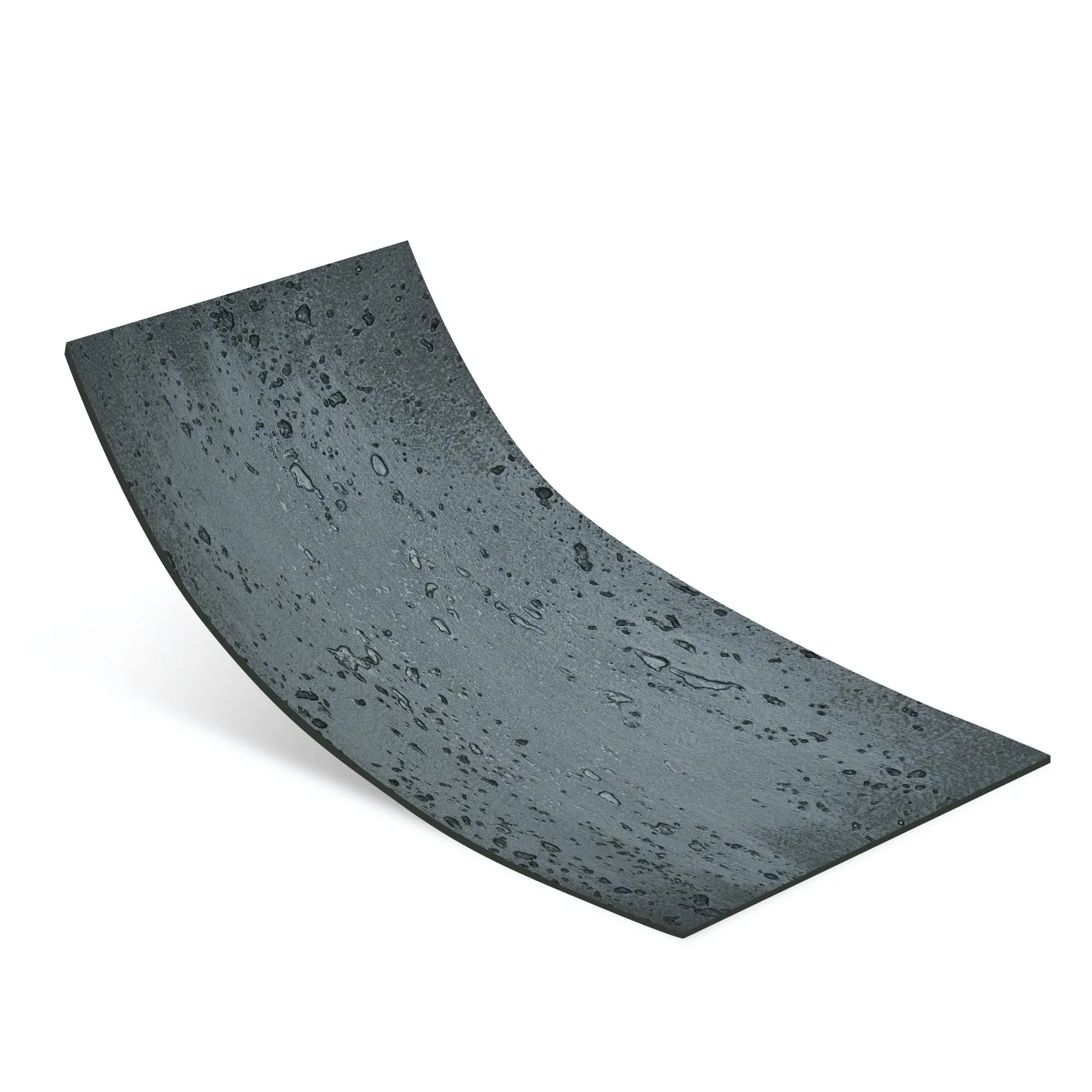
Vintage Silver travertine doesn't exist in a vacuum. It's part of a larger travertine family, each member with its own color story. Let's meet a few that highlight the breadth of this stone's range, from starry nights to earthy warmth.
Travertine (Starry Green): The Dreamer If Vintage Silver is the quiet historian, Starry Green is the dreamer. This variation swaps silver for a base of soft sage or moss green, with veins that sparkle like starlight—tiny flecks of mineral that catch light and turn the stone into a night sky. It's a bold contrast to Vintage Silver, but when paired together (say, Vintage Silver floors with Starry Green accent walls), they create a space that feels grounded yet ethereal, like a forest at dusk where the moon (Vintage Silver) and stars (Starry Green) coexist.
Travertine (Vintage Gold): The Optimist For those who love Vintage Silver but crave more warmth, Vintage Gold is the answer. Its base is a honeyed gold, with veins that range from amber to light brown, like sunlight through a jar of honey. It's the color of a summer afternoon, and when used alongside Vintage Silver—think a kitchen island with Vintage Gold countertops and Vintage Silver backsplash—it creates a balance of cool and warm that feels inherently welcoming. It's no wonder designers often pair these two in spaces where family gathers; they feel like a hug and a smile, all at once.
Travertine (Starry Red): The Romantic At the bold end of the spectrum, Starry Red travertine is a statement. Its deep red base is shot through with veins of cream and gold, and like its Starry Green sibling, it has those sparkling mineral flecks that make it feel alive. While it's more dramatic than Vintage Silver, the two can complement each other in unexpected ways—say, a Vintage Silver fireplace with a Starry Red mantel, the red adding passion and the silver tempering it with calm. It's a reminder that color in design isn't about matching; it's about chemistry.
To better understand how these variations compare, let's look at their color profiles side by side:
| Travertine Type | Base Tone | Undertones | Light Interaction | Best For |
|---|---|---|---|---|
| Travertine (Vintage Silver) | Soft silver-gray | Warm gold, cool charcoal | Shifts from warm to cool with light; reflective veins | Kitchens, bathrooms, living rooms (versatile) |
| Travertine (Starry Green) | Moss/sage green | Silver, cream (star-like flecks) | Deepens in low light; sparkles in bright light | Accent walls, feature fireplaces, outdoor patios |
| Travertine (Vintage Gold) | Honey gold | Amber, light brown | Glows warmly in all light; softens harsh shadows | Dining rooms, bedrooms, entryways (welcoming spaces) |
| Travertine (Starry Red) | Deep red | Cream, gold (sparkling flecks) | Intensifies in low light; adds drama to bright spaces | Statement walls, restaurant interiors, luxury hotels |
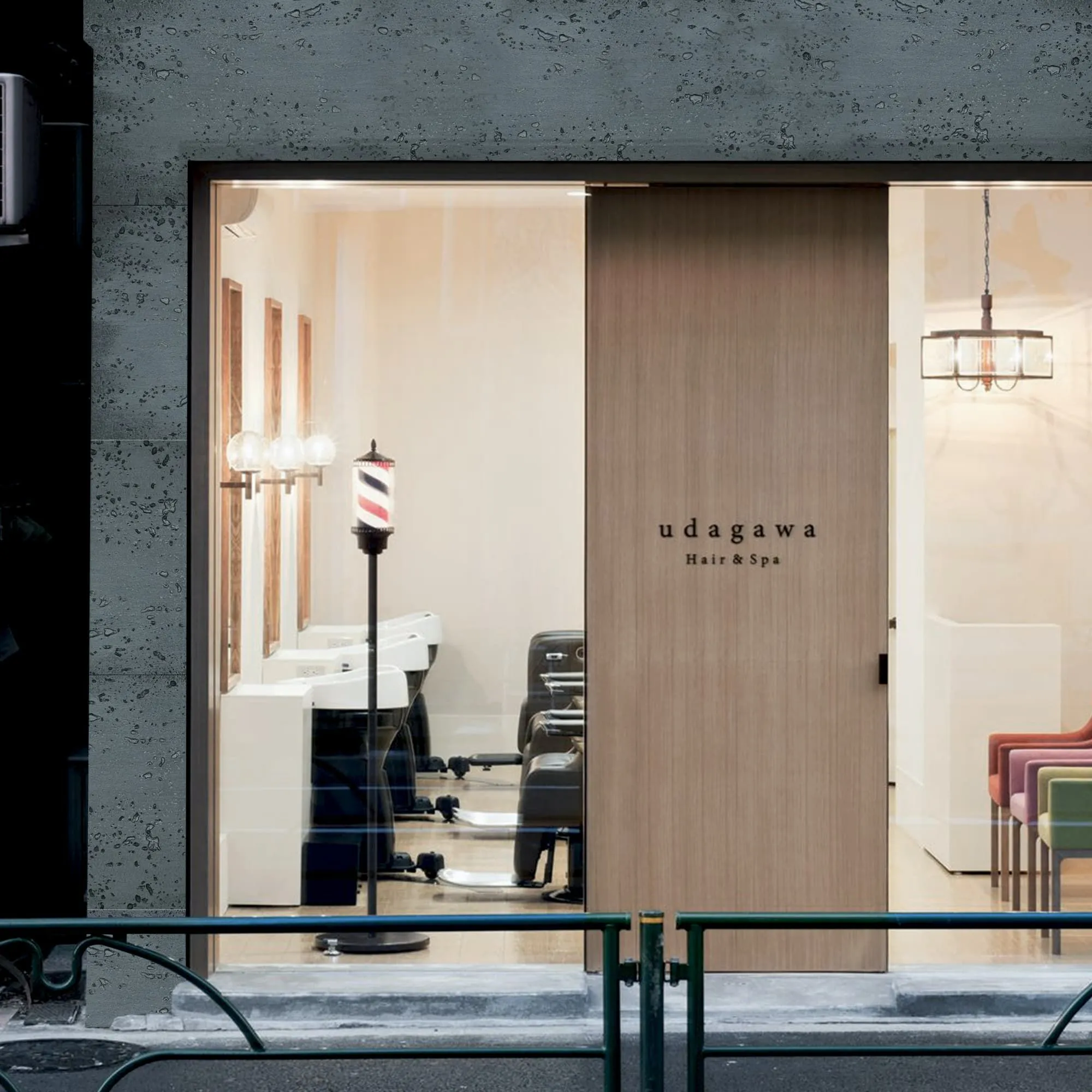
While travertine is a star on its own, it shines even brighter when paired with other materials that share its love of texture and tone. Let's explore a few that designers often turn to when working with Travertine (Vintage Silver), creating spaces that feel layered and intentional.
Lunar Peak Silvery: The Celestial Cousin For a material that mirrors Vintage Silver's coolness but adds a modern twist, look no further than Lunar Peak Silvery. This engineered stone takes inspiration from the moon's surface—smooth yet textured, with a silvery-gray base that has subtle crater-like indentations. It's more uniform than travertine, making it a great choice for large surfaces like office walls or retail facades, but when paired with Vintage Silver travertine (say, Lunar Peak Silvery flooring with Vintage Silver accent tiles), it creates a cohesive, space-age-meets-antiquity vibe. It's like walking on the moon while touching a piece of history—surreal, but surprisingly comforting.
Fair-Faced Concrete: The Minimalist Friend Fair-faced concrete is the quiet achiever of the design world—raw, honest, and full of character. Its gray tones range from light to dark, and its matte finish contrasts beautifully with Vintage Silver travertine's subtle sheen. Imagine a bathroom with Vintage Silver travertine shower walls and fair-faced concrete floors: the travertine adds warmth and texture, while the concrete keeps the space feeling modern and uncluttered. It's a pairing that says, "We value both history and now," and it works in everything from industrial lofts to minimalist homes.
Wood Grain Board: The Warm Embrace Nothing softens the coolness of stone like wood, and Wood Grain Board—with its realistic wood textures and warm tones—is the perfect partner for Vintage Silver travertine. Whether it's used as wainscoting alongside Vintage Silver walls or as a dining table top with Vintage Silver legs, the wood adds a layer of coziness that makes the stone feel less "grand" and more "home." It's the reason you'll often see this pairing in bedrooms and living rooms; it turns a beautiful space into a lived-in beautiful space, where you can kick off your shoes and feel instantly at ease.
Vintage Silver travertine isn't picky about where it lives—it thrives in both interior and exterior spaces, adapting to the needs of the room. Let's explore a few scenarios where it truly shines, and why designers keep coming back to it.
Kitchens: The Heart of the Home In kitchens, surfaces take a beating—spills, heat, constant use. Vintage Silver travertine holds up beautifully, but it's not just about durability. Its color makes the kitchen feel larger and brighter, even in small spaces. A Vintage Silver backsplash behind white cabinets? It reflects light, making the room feel airy. Countertops in the stone's darker variation? They hide minor spills while adding depth. And when paired with warm wood cabinets or brass hardware, it turns a functional space into one that feels like the heart of the home—where meals are made, stories are shared, and memories stick like the stone's patina.
Bathrooms: A Spa-Like Retreat Bathrooms are where we start and end our days, so they deserve to feel calming. Vintage Silver travertine, with its soft color and natural texture, turns a bathroom into a mini spa. Imagine a walk-in shower with Vintage Silver walls, the steam settling on the stone and making it glisten like morning dew. Or a vanity top in the lightest variation, paired with a mirror that reflects the stone's veins and makes the space feel endless. It's a material that invites relaxation, reminding us to slow down and savor the quiet moments.
Exteriors: Making a First Impression From home facades to patio floors, Vintage Silver travertine brings curb appeal with character. Unlike some stones that fade in harsh weather, its vintage finish actually improves with age, the elements softening its edges and deepening its color. A pathway paved with Vintage Silver travertine feels like a invitation, leading guests to your door with a sense of history. A commercial building with a Vintage Silver facade? It stands out without screaming, projecting professionalism and warmth in equal measure. It's a stone that says, "We care about the details—and about welcoming you."
Like any cherished item, Vintage Silver travertine needs a little love to keep its beauty. Its natural porosity means it can absorb liquids, so sealing it regularly (every 1-2 years, depending on use) is key to preventing stains. But here's the good news: those small pits and veins that make it unique? They're also what make it forgiving. Minor scratches or scuffs often blend into the stone's texture, becoming part of its story rather than a flaw. And unlike polished stones that show every fingerprint, Vintage Silver's matte finish hides daily wear, making it ideal for busy households. With a little care, it will age gracefully, its color deepening and its character growing—just like the best things in life.
Travertine (Vintage Silver) is more than a material; it's a journey through color, light, and time. Its variations—from light to dark—remind us that beauty isn't about perfection, but about depth. Its ability to pair with other materials—from the celestial cool of Lunar Peak Silvery to the warm embrace of Wood Grain Board—teaches us that great design is about conversation, not monologue. And its power to shift with light? It's a metaphor for life itself: ever-changing, but always beautiful.
So whether you're designing a home, a hotel, or just a corner of your world that needs a little more story, consider Travertine (Vintage Silver). It's not just a color choice—it's a choice to live in a space that feels alive, where every shadow and every beam of light writes a new chapter. And in the end, isn't that what we all want? A space that doesn't just exist, but lives —right alongside us.
Recommend Products












