
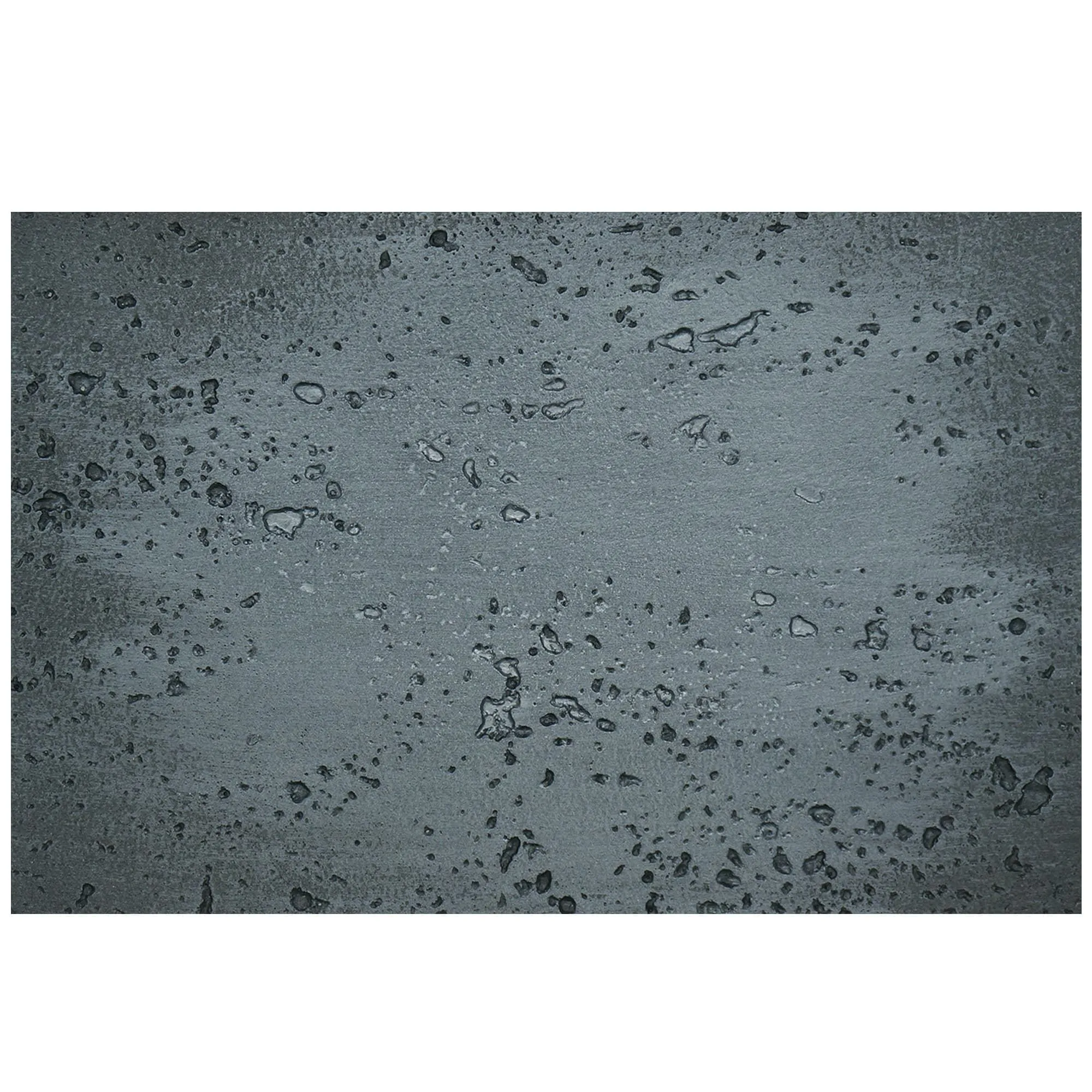
Walk into a modern boutique hotel lobby, and you might find your gaze lingering on a wall that seems to glow softly—subtle, sophisticated, and somehow both timeless and contemporary. Chances are, that wall is clad in travertine (vintage silver). It's a material that doesn't shout for attention; instead, it whispers, drawing you in with the quiet stories etched into its surface. In the world of building materials, where bold hues and flashy finishes often dominate, vintage silver travertine stands out for its understated elegance. But what makes it so special? Let's dive into its mineral makeup, the texture that begs to be touched, and the color profile that shifts like moonlight—plus, how it stacks up against its siblings in the travertine family.
To understand vintage silver travertine, we first need to journey back to its origins—hot springs and mineral-rich waters, where nature has been crafting stone for millennia. Travertine, a form of limestone, forms when mineral-laden water cools and deposits calcium carbonate, layer by layer, like a slow-motion work of art. But what gives vintage silver its unique sheen? Let's break down the minerals that make this stone one of a kind.
At its core, vintage silver travertine is mostly calcite, a mineral that's also found in marble and chalk. Calcite gives the stone its inherent softness (compared to granite, at least) and its ability to take a polish, though vintage silver often leans into a honed or slightly matte finish to preserve its "vintage" charm. But calcite alone doesn't explain that silvery hue. Trace minerals—like manganese, iron, and even tiny flecks of clay—tint the stone, creating a base color that ranges from pale pewter to a deeper, smoky gray. Think of it as nature's watercolor: each mineral adds a stroke, and over centuries, those strokes blend into the unique patina we call "vintage silver."
What's fascinating is how these minerals interact with the stone's structure. Travertine is porous by nature, formed as water bubbles up from the earth, leaving behind cavities (called "vugs") where gas once escaped. In vintage silver travertine, these pores are often filled with mineral deposits—quartz, sometimes, or even tiny crystals—that catch the light, giving the stone a subtle sparkle. Run your finger over a slab, and you might feel the faint texture of these filled pores, like a fingerprint left by the earth itself. It's a reminder that this isn't just a building material; it's a piece of geologic history, forged over thousands of years in the quiet depths of hot springs.
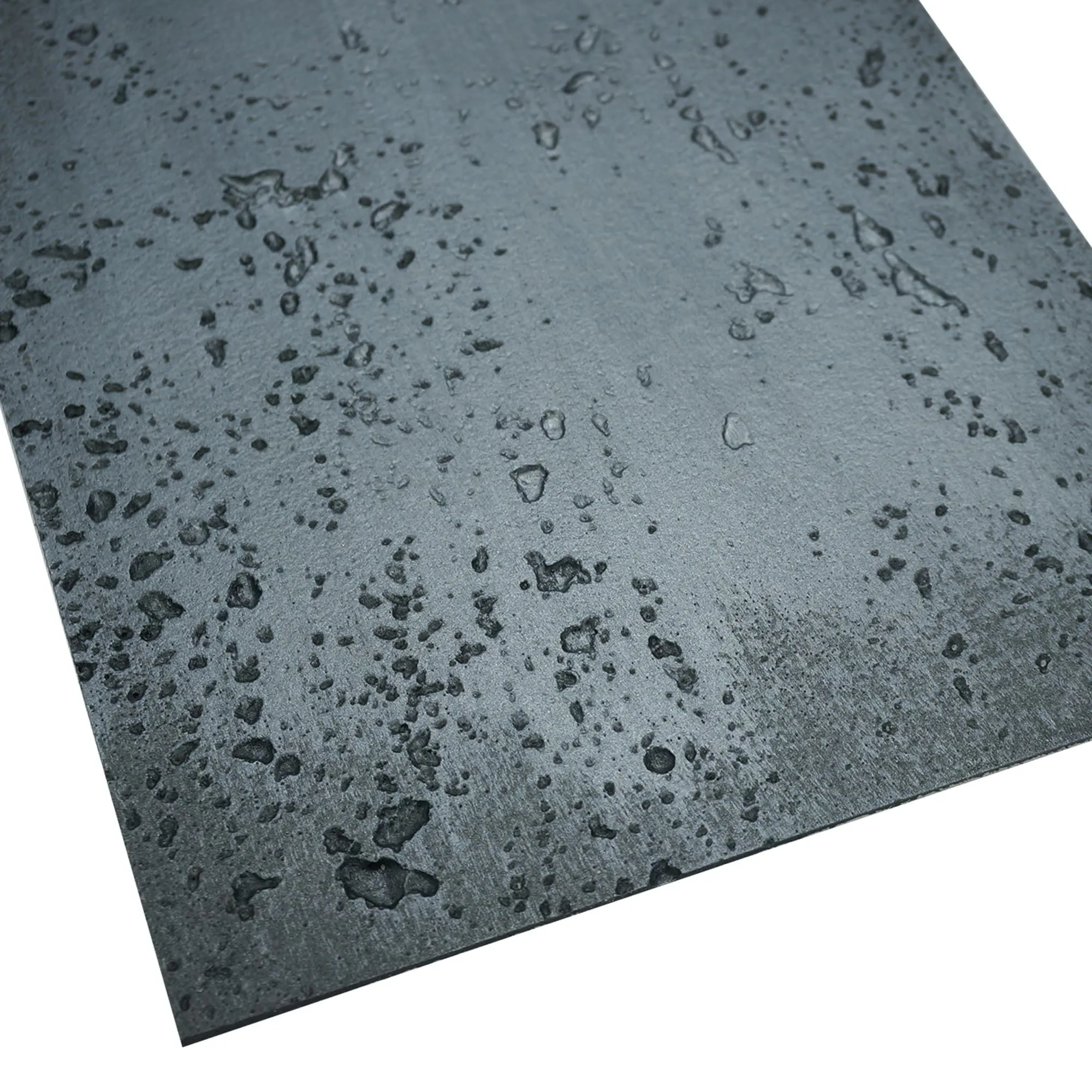
If minerals are the "what" of vintage silver travertine, texture is the "how it makes you feel." Close your eyes and picture running your hand over a slab. Is it smooth? Rough? Cool to the touch? The answer, intriguingly, is all of the above—and that's part of its magic. Unlike polished marble, which can feel cold and clinical, or rough-hewn granite, which demands a bold space, vintage silver travertine strikes a balance that feels almost alive.
Most vintage silver travertine is finished with a "honed" surface—smoothed down to remove sharp edges but left with enough texture to retain character. Run your palm across it, and you'll notice a slight friction, like sandpaper with the coarseness dialed way down. It's not gritty; it's *tactile*, inviting you to linger. The pores, even when filled, create micro-undulations in the surface, so light doesn't bounce off uniformly. Instead, it scatters, giving the stone a soft, diffused glow—perfect for spaces where harsh reflections feel unwelcoming.
But texture isn't just about touch; it's about storytelling. Those tiny pits and grooves? They're evidence of the stone's journey. Some were formed by gas bubbles during its creation; others by water eroding the surface over time. When craftsmen cut and finish the stone, they preserve these marks, turning flaws into features. It's why a wall clad in vintage silver travertine feels less like a "material" and more like a living tapestry—one that bears the marks of time with pride. Compare that to fair-faced concrete, which, while sleek and industrial, often feels uniform and unyielding. Vintage silver travertine, by contrast, has personality.
And let's not forget the edges. Whether it's a bullnose trim on a countertop or a straight edge on a floor tile, the way light catches the thickness of the stone adds another layer of texture. In natural light, the edges cast soft shadows, creating depth that flat materials can't match. It's the kind of detail that makes a room feel intentional—not just built, but *crafted*.
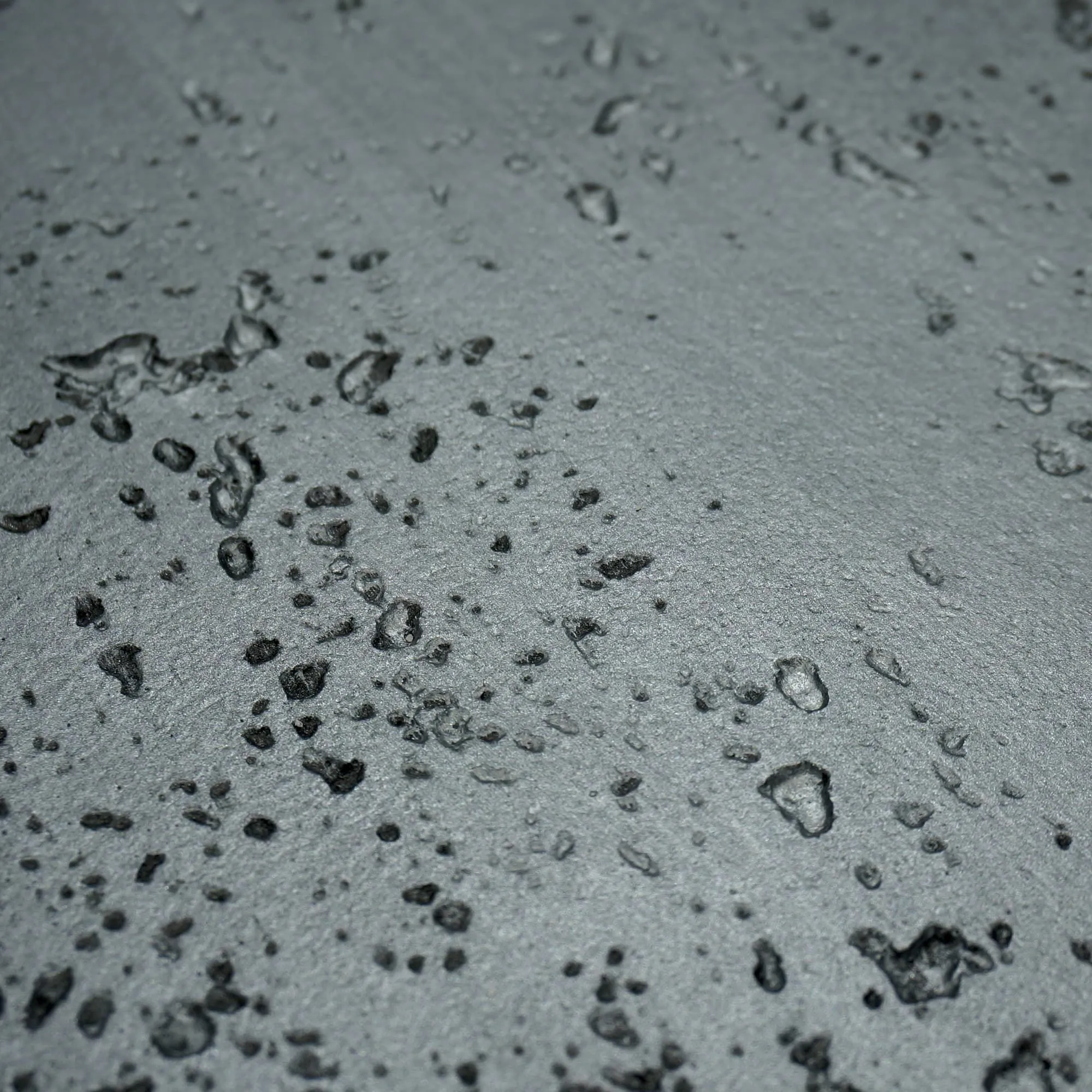
"Vintage silver" is more than a label—it's a mood. Unlike the bright, metallic silver of modern alloys, this travertine's color is muted, like silver that's been gently tarnished by time. In the right light, it shifts from a cool, steely gray to a warm, silvery beige, almost like the surface of the moon. It's versatile, too: pair it with crisp whites, and it feels fresh and contemporary; pair it with rich woods, and it leans into rustic elegance; pair it with bold accents (think deep blues or emerald greens), and it becomes a sophisticated backdrop that lets other elements shine.
The base color is a soft silver-gray, but what truly sets it apart is the veining. Unlike the bold, contrasting veins in marble, vintage silver travertine's veins are subtle—thin, wispy lines in cream, pale gold, or even a hint of taupe. They meander across the stone like rivers on a map, never repeating, always unique. Sometimes they're so faint they're almost invisible; other times, they catch the light and pop, adding a whisper of movement to an otherwise calm surface.
Lighting plays a huge role in how vintage silver travertine is perceived. In morning sunlight, with its warm golden tones, the stone takes on a honeyed silver hue, the veins glowing softly. By afternoon, under cooler, bluer light, it leans grayer, more reserved. At night, under incandescent bulbs, it warms up again, feeling cozy and inviting. This chameleon-like quality makes it ideal for spaces that transition from day to night—like a kitchen that hosts morning coffee and evening dinners, or a living room that shifts from workday productivity to weekend relaxation.
Compare that to travertine (starry green), which demands attention with its bold, emerald-hued veins and speckled surface, or travertine (vintage gold), which leans into warmth with its amber base and golden veining. Vintage silver, by contrast, is the quiet achiever—elegant without being ostentatious, versatile without being boring. It's the kind of color that doesn't date; in 10 years, it will look just as fresh as it does today, because timelessness is baked into its DNA.
Vintage silver travertine isn't alone in the family. It has siblings—vintage gold, vintage black, and even the starry variants like travertine (starry green)—each with its own personality. Let's break down how they compare:
| Travertine Variant | Base Color | Vein Color | Best For |
|---|---|---|---|
| Vintage Silver | Soft silver-gray | Cream, pale gold, taupe | Modern interiors, neutral palettes, spaces needing subtle elegance |
| Vintage Gold | Warm amber-gold | Deep gold, caramel | Traditional spaces, cozy living areas, rooms with warm lighting |
| Vintage Black | Charcoal gray-black | Silver, white, pale gray | Dramatic accents, industrial or minimalist designs |
What's clear from the table is that vintage silver travertine occupies a sweet spot: it's versatile enough to fit almost any design style, but distinct enough to feel special. It doesn't compete with other elements in a room; it complements them. That's why designers often reach for it when they want a material that "works hard" without demanding the spotlight.
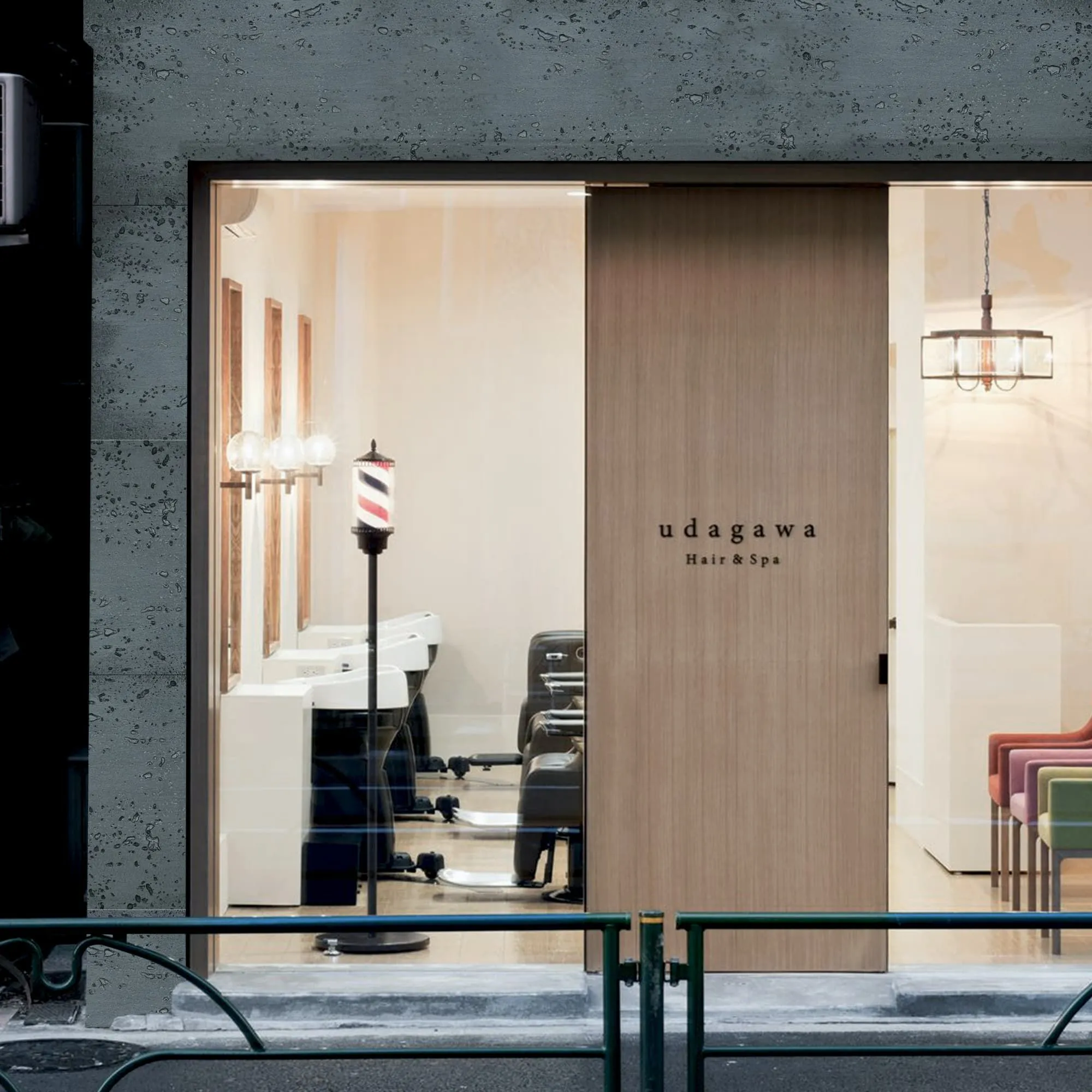
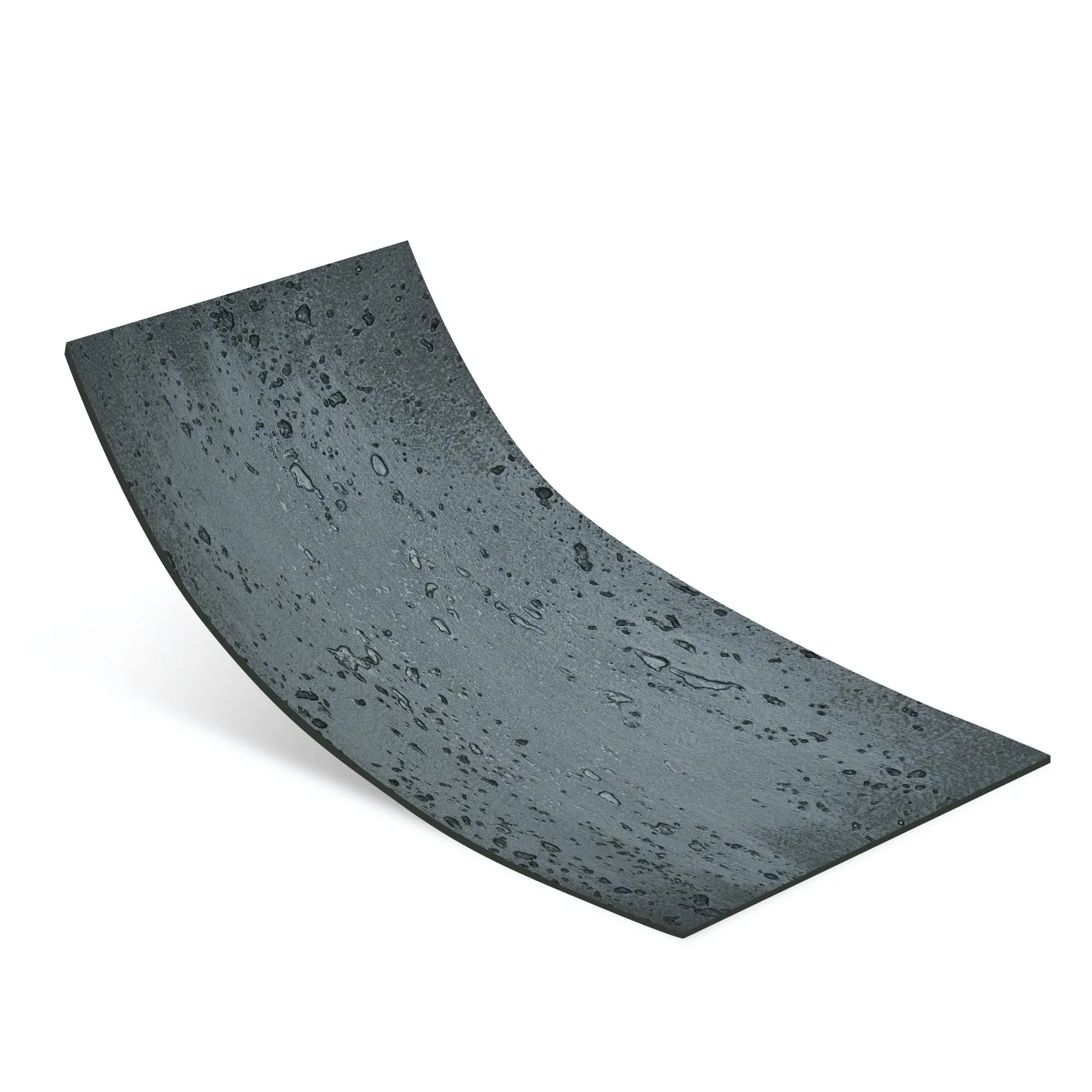
So far, we've talked about the beauty of vintage silver travertine—but what about practicality? Natural stone is durable, but it's also heavy, which can limit where it's used. That's where mcm flexible stone comes in. MCM, or Modified Composite Material, is a technology that takes the look and feel of natural travertine and makes it lighter, more flexible, and easier to install. For vintage silver travertine, this means it can be used in places traditional stone can't—think curved walls, ceiling panels, or even furniture accents.
Imagine a curved feature wall in a home theater, clad in vintage silver MCM panels. The flexibility of the material allows for seamless, flowing lines, while the texture and color of the travertine add warmth to the space. Or a backsplash in a kitchen, where the lightweight panels are easier to handle during installation and less likely to crack under the stress of daily use. MCM doesn't just make vintage silver travertine more accessible; it unlocks new design possibilities, letting creativity take the lead.
And let's not overlook sustainability. MCM panels use less natural stone than traditional slabs, reducing the environmental impact of quarrying. They're also easier to transport, cutting down on carbon emissions. For homeowners and designers who care about both beauty and the planet, that's a win-win.
At the end of the day, travertine (vintage silver) is more than a building material. It's a bridge between nature and design, between the past and the present. Its mineral composition tells the story of ancient hot springs and slow geological processes; its texture bears the marks of time and craftsmanship; its color shifts like light on water, adapting to its surroundings. It's a material that doesn't just fill a space—it *enhances* it, making rooms feel more alive, more intentional, and more deeply connected to the natural world.
Whether you're a designer selecting materials for a high-end restaurant, a homeowner remodeling a bathroom, or simply someone who appreciates the beauty of natural stone, vintage silver travertine offers something rare: understated luxury. It doesn't need to be the center of attention to make an impact. Instead, it works quietly, elevating everything around it with its subtle glow, its tactile charm, and its timeless appeal.
So the next time you encounter a wall or floor clad in vintage silver travertine, take a moment to really look—and touch. Notice how the light plays on its surface, how the texture invites interaction, and how the color shifts as the day turns to night. You'll realize it's not just stone. It's a story, written in minerals, texture, and light—and it's waiting to become part of yours.
Recommend Products












